10 Problems With Hydrangeas In Pots (Pictures and Solutions)
I’ve grown hydrangeas both ways (ground and in pots) over the years and the differences really show up in how the plants perform long-term. In-ground planting feels like the natural choice for most gardeners. It gives hydrangeas room to spread their roots deep and wide. This leads to stronger, more vigorous growth. Plants tend to get bigger over time. They produce larger blooms and hold up better through tough weather.
The soil stays more stable in moisture and temperature. Roots draw from a bigger area, so the plant handles dry spells or heavy rain with less stress. Once established, usually after the first couple of years, hydrangeas in the ground need less fuss. They almost take care of themselves with occasional watering and feeding.
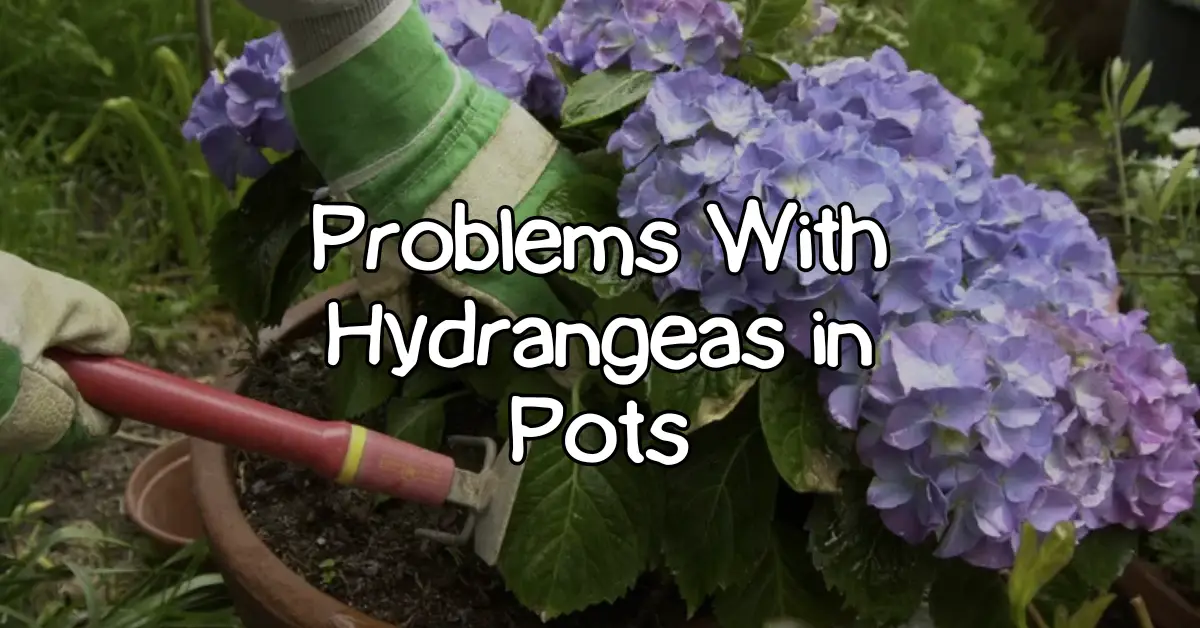
In contrast, hydrangeas in pots are grown in small spaces like patios, balconies, or decks. It’s perfect if you rent or want color without digging up the yard. Pots let you control the soil and mobility in too much sunny or winter.
In this guide, I’ll share 10 key problems with hydrangeas in pots and their solutions.
Improper Watering
I’ve noticed that watering is the top issue for potted hydrangeas. These plants love moisture. But too much or too little causes stress. Leaves wilt and turn yellow. Flowers droop fast. In pots, soil dries out quicker than in ground. Hot days make it worse. Roots sit in limited space. They can’t reach deep for water.
Gardeners often mistake thirst for something else. They water on a schedule, not by feel. Or they let pots sit in saucers full of water. That drowns roots. I’ve done this myself early on. It led to sad, limp plants.
What Gardeners Do Wrong
Many people water on a fixed schedule. Every day. Or every two days. Without checking the soil.
Solution
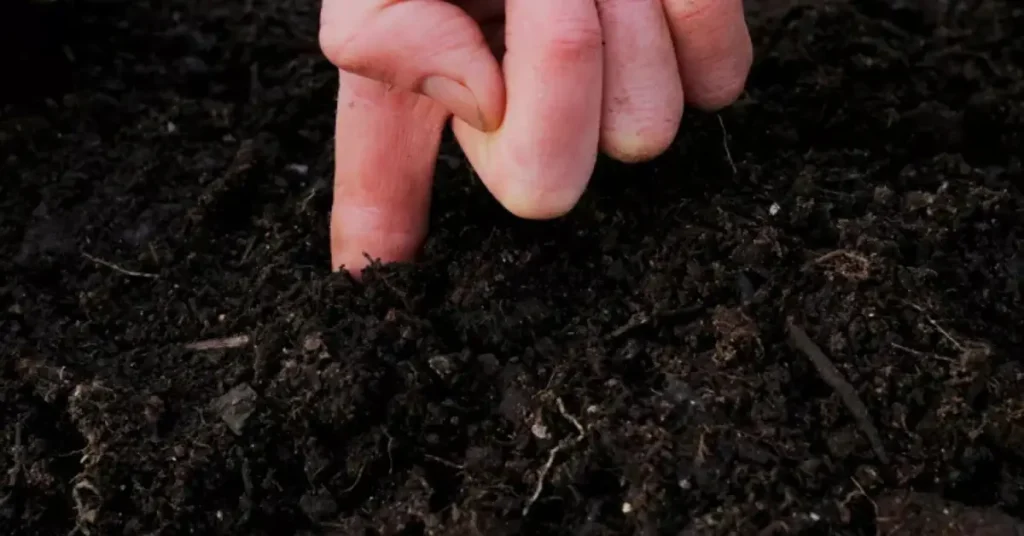
Stick your finger two inches into the soil before watering. If it feels wet, wait. Use pots with large drainage holes. If you suspect you’ve overwatered and root rot has started, act fast.
Gently tip the pot and slide the plant out. Look for black, mushy, smelly roots. Trim those away with clean scissors. Rinse the healthy roots.
Repot in fresh, well-draining potting mix. I like to add perlite or coarse pine bark to improve airflow and drainage. Use a pot only slightly larger than the root ball. Water lightly after repotting and keep it in bright indirect light for a week while it settles.
Poor Drainage Leading to Root Rot
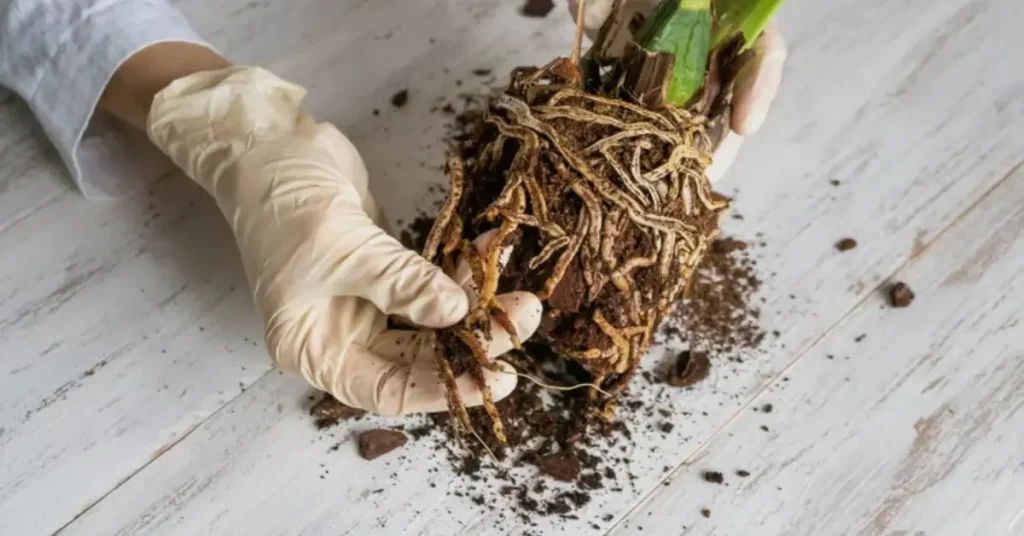
Root rot is a silent killer in potted hydrangeas. Water sits around the roots too long. Roots get mushy and black. The plant wilts even when soil feels wet. Leaves yellow from the bottom. Stems soften. In pots, poor drainage hits hard because there’s no escape for extra water.
Gardeners pick decorative pots without holes. Or they use heavy soil that holds water like a sponge. I’ve lost plants this way by thinking “pretty pot” meant good choice. They add saucers and forget to empty them after rain.
What Gardeners Do Wrong
Many skip adding gravel or broken pottery at the bottom for drainage. They pack soil too tight. Or use garden dirt in pots, it’s often clay-heavy and compacts fast. Over time, roots drown without air. People see wilting and add more water, thinking drought. That makes rot worse. I’ve caught this mistake in friends’ pots where water pooled for days.
Solution
Always choose pots with multiple large drainage holes. Place them on pot feet or bricks so air flows underneath. Use a loose, well-draining mix—combine potting soil with perlite, sand, or pine bark fines. About one-third amendments works great.
Naturally, top-dress with mulch like pine needles to prevent crusting. For severe rot, remove the plant carefully. Cut away all dark, slimy roots. Dust healthy ones with cinnamon as a natural antifungal. Repot in fresh mix and water sparingly at first. Move to partial shade while recovering. Prevent repeats by checking drainage yearly and avoiding overwatering.
Incorrect Soil pH
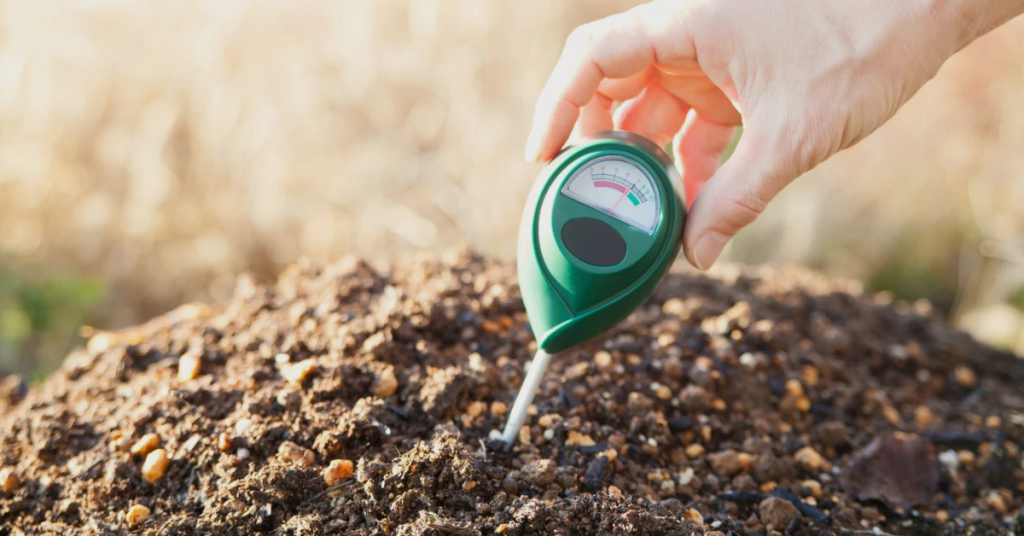
Hydrangeas surprise with color changes from soil pH. Acidic soil turns blooms blue. Alkaline makes pink. But wrong pH locks up nutrients. Leaves pale or yellow between veins. Growth stalls. Flowers stay small or absent. In pots, pH shifts fast without natural buffers.
Gardeners grab any potting soil without testing. Or they use tap water high in lime that raises pH over time.
What Gardeners Do Wrong
They skip pH tests and assume soil is fine. Or they add random amendments without knowing current levels. Coffee grounds get tossed in for acid without measure. Lime sneaks in from hard water. Extreme swings cause iron chlorosis, yellow leaves with green veins. People blame pests first.
Solution
Test soil pH with cheap strips or a pH meter every spring. Aim for 5.2–6.2 for blue, 6.2–6.8 for pink. Adjust naturally, add pine needles, oak leaves, or coffee grounds for lower pH. Sulfur works slowly too. For higher pH, use garden lime sparingly.
To fix chlorosis, apply chelated iron foliar spray or soil drench. It’s quick and safe. Retest after two weeks. Use rainwater or acidified water for routine watering. With the right pH, colors pop and leaves stay deep green. Testing once a year keeps surprises away.
Too Much or Too Little Sunlight
Sunlight balance trips up many potted hydrangeas. Too much sun scorches leaves, they crisp, brown at edges. Too little causes leggy stems, weak growth, few blooms. Pots make it easy to move, but wrong placement hurts fast.
Gardeners plop pots in full sun all day for “more flowers.” Or hide them in deep shade thinking “they like shade.”
What Gardeners Do Wrong
Gardeners ignore morning vs afternoon sun. Bigleaf types hate hot afternoon rays. Pots near reflective walls double the heat. People don’t shift as seasons change, spring sun feels mild but summer blasts.
Solution
Give morning sun and afternoon shade (4-6 hours total is ideal for most). Watch your yard and move pots accordingly. Use shade cloth or place near taller plants for protection on hot days.
Naturally, observe leaf response, crisping means too much, stretching means too little. Choose sun-tolerant hydrangea types like panicle hydrangeas for brighter spots. Mobility is the big perk of pots, use it!
Hydrangeas Pests
Aphids
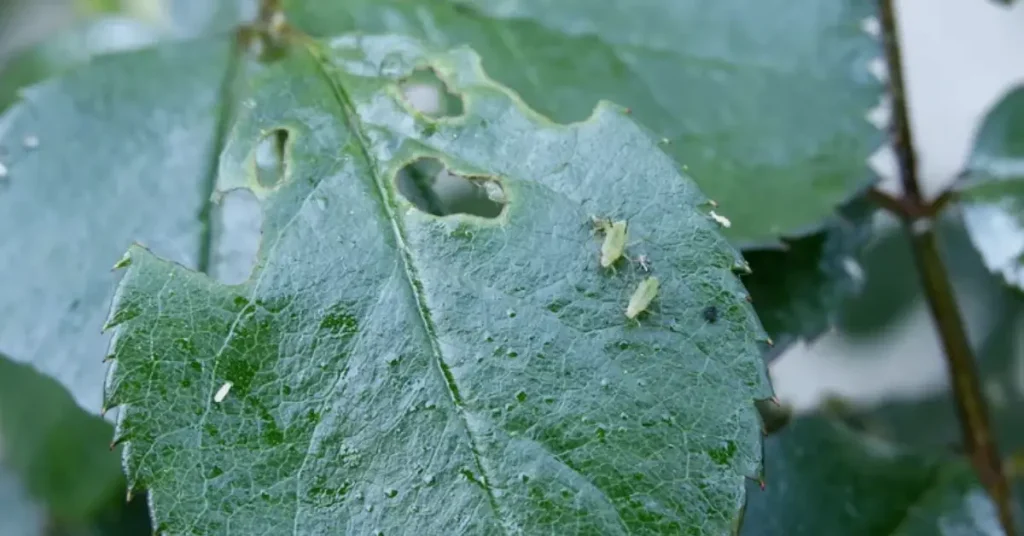
Aphids are tiny, soft-bodied insects. They are usually green, black, or brown. You’ll often find them clustered on new growth and under leaves.
How They Attack
Aphids suck sap from tender stems and young leaves. They multiply very fast, especially in spring.
Symptoms
Leaves curl or twist. New growth looks weak. You may see sticky residue called honeydew. Ants often appear because they feed on that sticky substance.
Solutions
Spray strong water on affected areas to knock them off. I often use neem oil or insecticidal soap in the early morning. Encourage ladybugs. They naturally eat aphids. Avoid over-fertilizing, as soft new growth attracts them.
Spider Mites
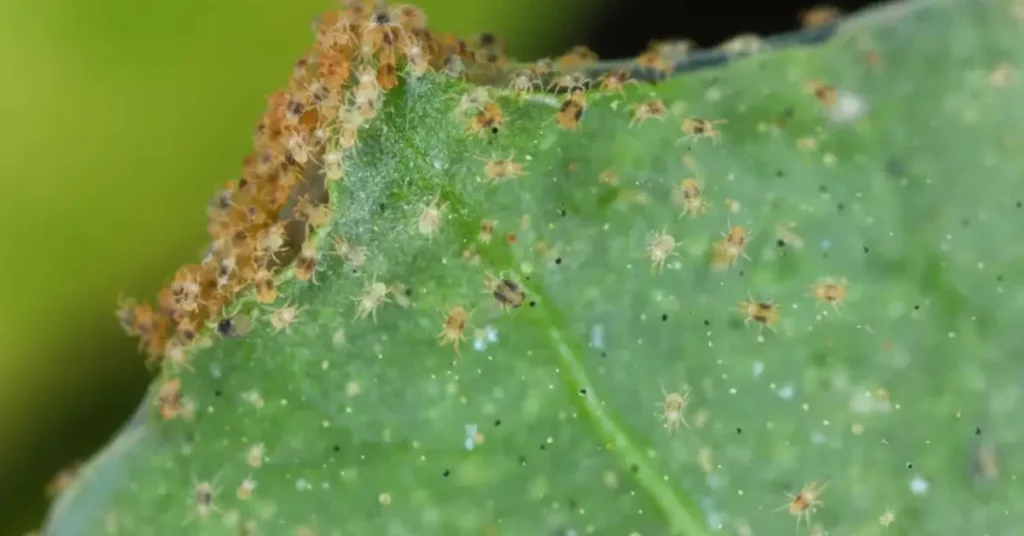
Spider mites are very tiny. You may not see them easily, but you’ll notice fine webbing.
How They Attack
They pierce leaves and suck out plant juices, especially in hot, dry weather.
Symptoms
Leaves look speckled or dusty. Yellow dots appear. Fine webs form under leaves. Severe infestations cause leaf drop.
Solutions
Increase humidity around the plant. Spray water under leaves regularly. Neem oil works well if used consistently. Make sure not to let the plant dry out completely in summer.
Scale Insects
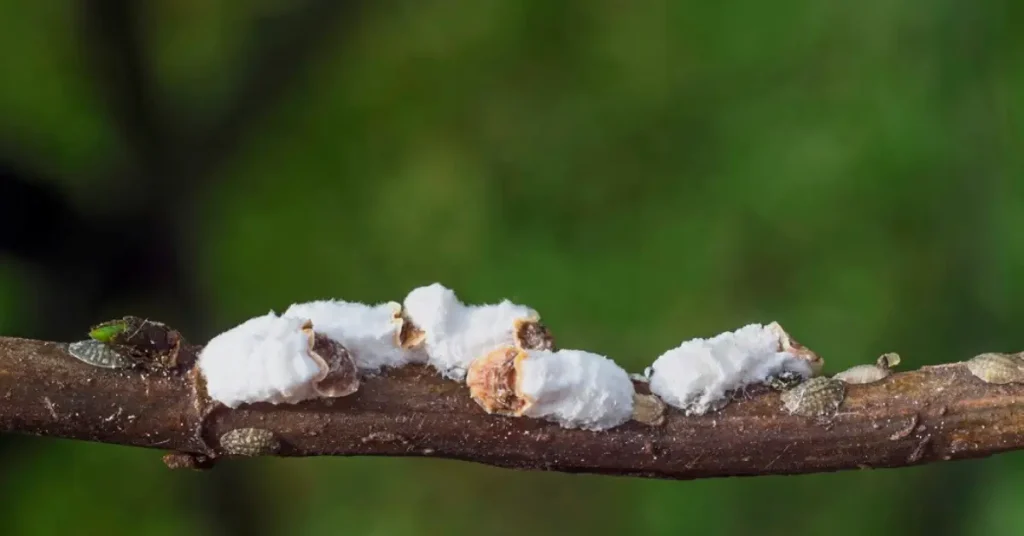
Scale insects appear as small brown or gray bumps attached to stems.
How They Attack
They stick to the plant and feed on sap.
Symptoms
Weak growth. Yellow leaves. Sticky honeydew. Black sooty mold may grow on the sticky surface.
Solutions
Scrape off visible scales gently with a soft brush. Apply horticultural oil during dormant season. Inspect stems closely because scale insects often look like part of the plant.
Vine Weevils
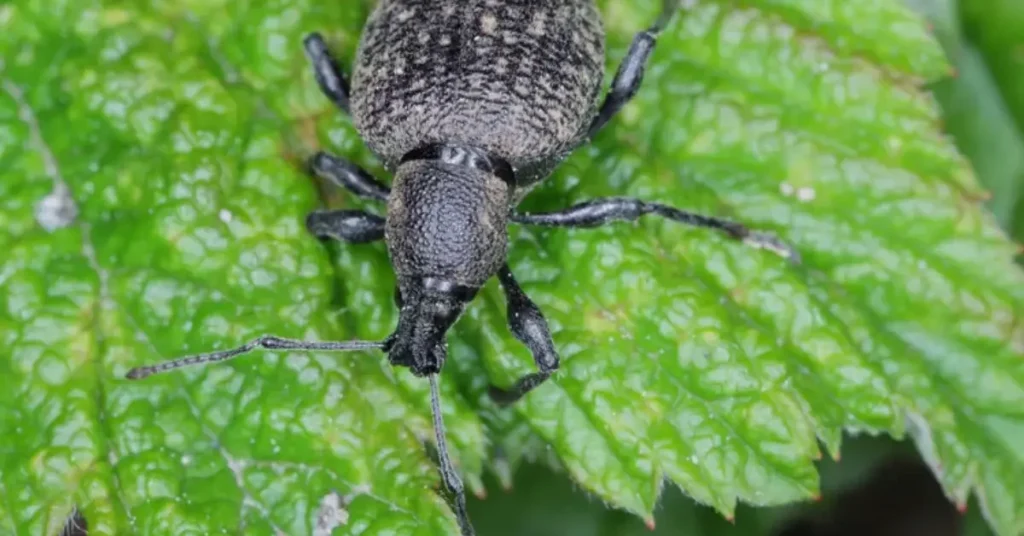
Vine weevils are serious pests for potted hydrangeas.
How They Attack
Adult beetles chew leaves at night. Larvae live in soil and eat roots.
Symptoms
Notched leaf edges. Sudden wilting even when soil is moist. Root damage when you inspect soil.
Solutions
Check soil if plant wilts suddenly. Remove larvae by hand when repotting. Use beneficial nematodes in soil to control larvae naturally.
Four-Lined Plant Bug
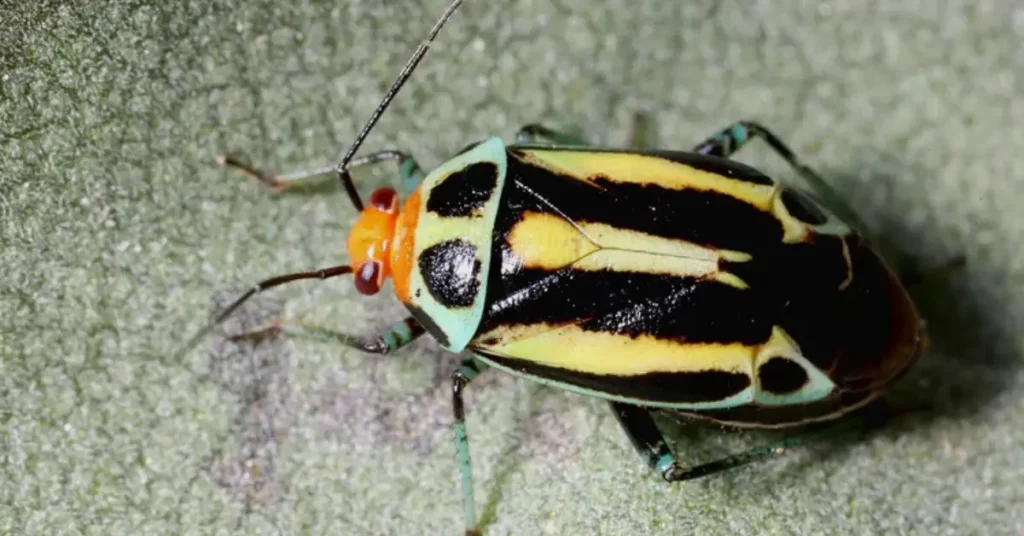
The Four-Lined Plant Bug is small but very destructive. The adult is yellow-green with four black stripes running down its back. Nymphs are bright red or orange when young.
How They Attack
Both adults and nymphs pierce leaves and suck plant juices. They inject toxic saliva while feeding. This causes tissue damage.
They are most active in late spring and early summer.
Symptoms
Small, round, dark spots appear on leaves. These spots later turn brown or black. In heavy infestations, leaves look scorched or full of tiny burn marks. The damage often appears suddenly.
I’ve noticed many gardeners confuse this with fungal leaf spot.
Solutions
These bugs feed for a short period. By the time you notice damage, adults may already be gone.
Inspect plants in late spring. If you see nymphs, spray insecticidal soap early in the morning. Neem oil can also help, but it works best on young nymphs. Remove heavily damaged leaves. Keeping the area weed-free helps reduce their hiding spots.
Tarnished Plant Bug
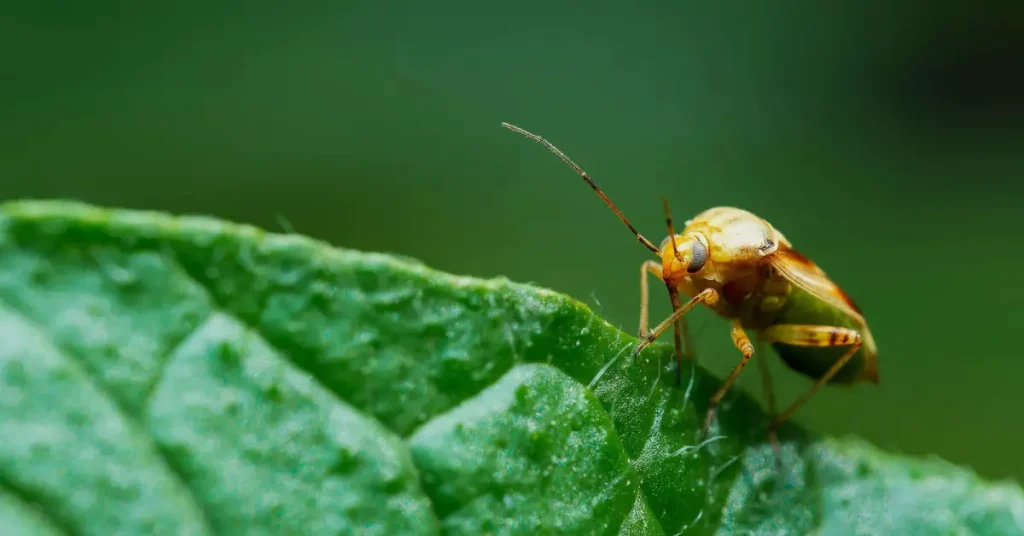
The Tarnished Plant Bug is brownish and less colorful than the four-lined bug.
How They Attack
They pierce stems, buds, and leaves. They suck sap and inject enzymes that distort plant growth.
Symptoms
New growth becomes twisted or stunted. Flower buds may drop before opening. Leaves may look misshapen. Sometimes flowers open unevenly.
Solutions
Regular inspection is necessary. Shake the plant gently over white paper to spot them. Remove weeds around hydrangeas, as these bugs often move from weeds to ornamentals.
Use insecticidal soap if populations are high. Encourage natural predators like spiders and predatory insects. Avoid broad chemical sprays that kill helpful insects.
Rose Chafer
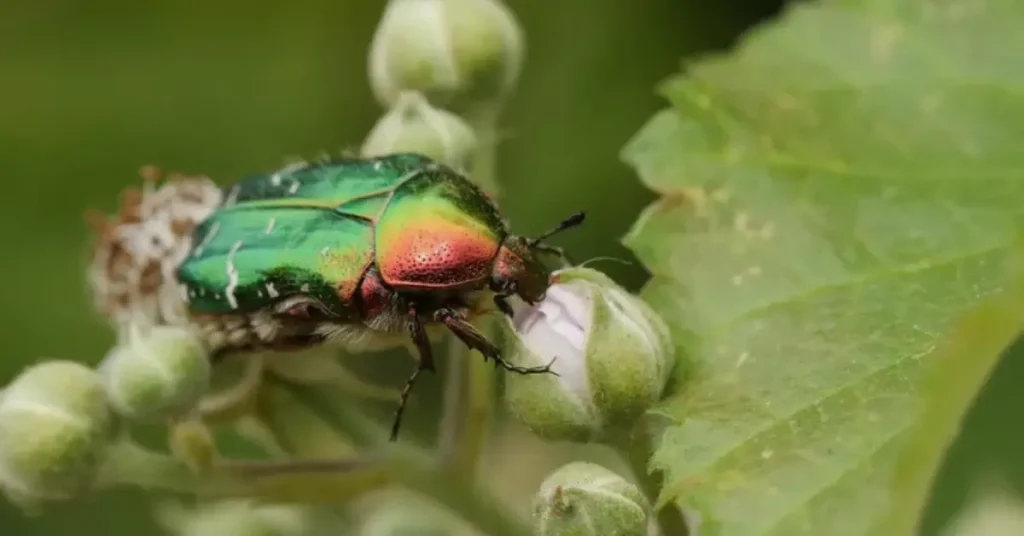
The Rose Chafer is a tan-colored beetle and they are slightly 1/3 inch long. It attacks many plants, including hydrangeas.
How They Attack
Adults chew leaves and flowers. They are most active in late spring and early summer, especially in sandy soils.
Symptoms
Skeletonized leaves. Irregular holes in petals. Flowers may look shredded. Heavy feeding can weaken the plant.
The damage can look similar to Japanese beetles, but rose chafers are lighter in color and appear earlier in the season.
Solutions
Hand-picking works well in the early morning when they move slowly. Drop them into soapy water. I avoid using strong pesticides because dead beetles can be toxic to birds if eaten.
Cover young plants with lightweight row covers during peak activity. Neem oil is also beneficial.
Fungal Diseases
Fungi love humid pots. Powdery mildew dusts leaves white. Cercospora spots them brown-black. Botrytis rots flowers. Wet foliage invites trouble fast.
Gardeners water overhead in evening. Or crowd pots together.
What Gardeners Do Wrong
They leave leaves wet overnight. Prune little, blocking airflow. Ignore early white powder or spots. Overcrowd for “full look,” trapping moisture.
Solution
Water at soil level in morning. Prune for open center, remove crossing branches. Space pots apart.
Naturally, spray diluted baking soda (1 tsp per quart water) for mildew. Remove affected leaves. Improve air with fan if indoors. Fungicides like sulfur help if needed. Good hygiene prevents most fungal woes.
Pot Size Too Small
Small pots bind roots fast. Plants stunt, drop leaves, bloom less.
Gardeners start in tiny nursery pots and delay repotting. They think “it’s fine for now.”
What Gardeners Do Wrong
They ignore slow growth or tipping pots. Use same size for years. Forget roots expand yearly. Overcrowd with multiple plants.
Solution
Repot every 2-3 years in spring. Choose pot 2-4 inches wider. Check roots annually, if circling, upsize.
Use fresh mix with drainage. Add slow-release fertilizer. Larger pots hold moisture better.
Temperature Extremes
Pots swing temps wildly. Winter freezes kill roots. Summer heat bakes soil, wilts plants fast.
Gardeners leave pots out in frost. Or full sun on hot patios.
What Gardeners Do Wrong
They forget insulation in winter. Place in exposed spots. Ignore heat waves—soil hits 100°F+.
Solution
The ideal temperature range for hydrangeas is 15°C to 27°C. Surprisingly they can tolerate cold down to 0°F (-18°C). Move to garage or sheltered area in winter. Wrap pots in burlap or bubble wrap. Mulch thickly.
In summer, shade during peaks. Group pots for mutual shade. Use light pots that don’t heat as much. Hardy varieties cope better.
Improper Pruning
Most of the time, the problem is not fertilizer or sunlight. It is pruning at the wrong time.
Hydrangeas are not all the same. Some bloom on old wood. Some bloom on new wood. If you cut at the wrong season, you remove next year’s flower buds without even knowing it.
What Gardeners Do Wrong
One big mistake is treating all hydrangeas the same. Many gardeners cut them back hard every year without knowing the type.
Another mistake is pruning too late in the season. Even light trimming at the wrong time can reduce flowering.
Some people also remove dead-looking stems too quickly. What looks dead in early spring may actually be living wood that will leaf out later.
Over-pruning is another issue. Hydrangeas do not need heavy cutting every year. Too much cutting stresses the plant.
How to Prune Hydrangeas Correctly
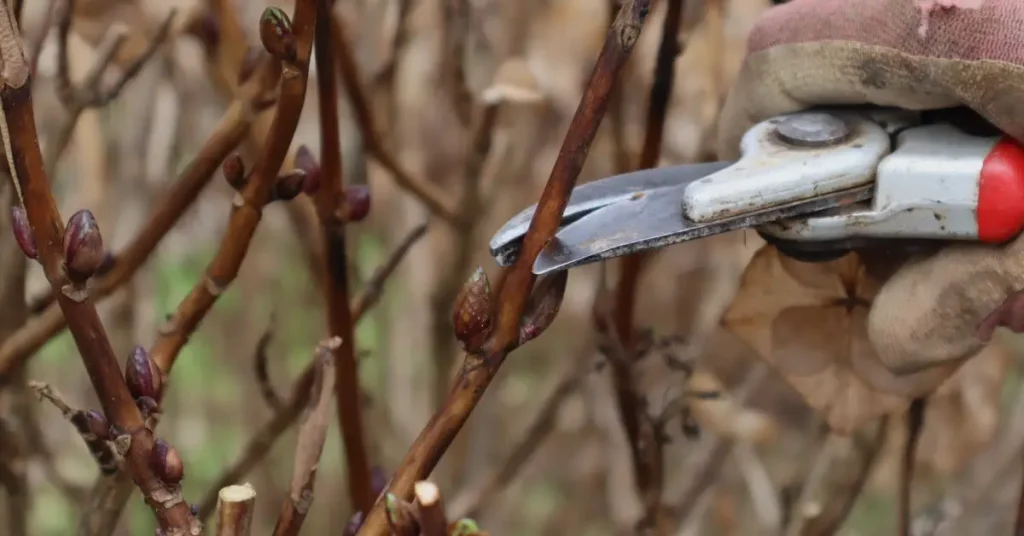
First, identify your hydrangea type. This is the most important step.
If it blooms on old wood, prune only right after flowering. This gives the plant time to set new buds for next year.
If it blooms on new wood, you can prune in late winter or early spring before new growth starts.
When I prune, I follow a simple rule. I remove dead, weak, or damaged stems first. Then I shape lightly. I never remove more than one-third of the plant at a time.
Use clean, sharp pruners. Make cuts just above a healthy bud or leaf node.
What To Do If You Already Pruned at the Wrong Time
If you accidentally removed buds, the best thing to do is wait. Focus on good care that season. Water properly. Feed lightly. Let the plant grow strong.
Do not keep cutting it further.
Hydrangeas are resilient. Most will recover and bloom well the following year if pruned correctly.
Nutrient Deficiencies
Pots deplete nutrients quick. Iron lack yellows leaves with green veins. Nitrogen excess pushes leaves, less or no flowers.
Gardeners skip feeding. Or use high-nitrogen lawn fertilizer.
What Gardeners Do Wrong
They don’t go with slow-release or liquid feeds. Overdo one nutrient, imbalance others. Ignore soil tests.
Solution
Use balanced slow-release for acid-loving plants in spring/summer. Top with compost naturally.
For iron, add chelated iron. Test soil yearly. Consistent feeding keeps leaves vibrant and blooms abundant.