Baking Soda for Plants: Handy Garden Hack or Hidden Risk?
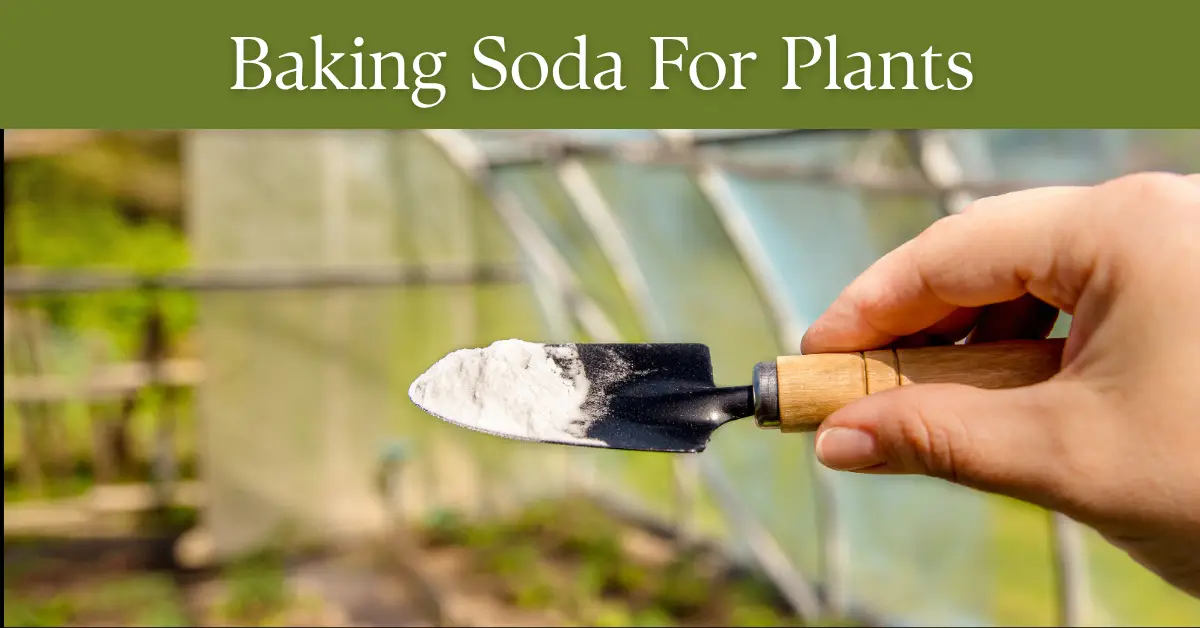
We’re always hunting for safe, organic ways to help our gardens without reaching for harsh chemicals. Baking soda sits right there in the kitchen cupboard, great for cleaning, deodorizing, and baking. Lots of us wonder: can I use it on my plants too?
People swear by it for all sorts of things: fighting fungal spots on leaves, chasing away bugs, zapping weeds in the driveway, or even tweaking soil pH to make tomatoes taste sweeter. It sounds almost too good to be true, right?
Here’s the honest truth: baking soda can be useful in the garden, but it’s no miracle worker. In fact, using it the wrong way can do more harm than good. Baking soda is basically a salt (sodium bicarbonate) and too much salt isn’t kind to plants or soil. Below, we’ll walk through the popular ways gardeners use it, when it actually helps, and more importantly when you’re better off leaving that yellow box in the pantry.
Continue reading about baking soda for plants, a handy Garden Hack or Hidden Risk?
How Baking Soda Works on Plants
Baking soda is alkaline, it can raise pH levels slightly wherever it lands. On plant leaves, this change can make the surface less friendly for certain fungi that like slightly acidic conditions. It also has a mild drying or abrasive effect that can bother soft-bodied insects and small weeds.
But the effects don’t last long, rain or watering usually washes it away quickly. And because it adds sodium to the soil over time, repeated use can lead to salt buildup that stresses or even burns roots and leaves.
Think of baking soda like a quick helper for specific problems, not an everyday garden fix. Used smartly and sparingly, it can be a cheap little boost. Used too freely, it can leave your soil unhappy for weeks or months.
Benefits of Baking Soda
Weed Killer
One of the most talked-about uses is as a natural weed killer. Sprinkle dry baking soda on weeds growing in cracks in your driveway or between patio stones. Because it’s a salt, it can dry out the foliage and eventually kill the plant by pulling moisture from it.
It works somewhat like table salt does, fast on the tops of the weeds you can see. But here’s where it falls short. Many weeds are tough; they’ll lose their leaves but sprout right back from strong roots. You might find yourself treating the same spot again and again.
Even bigger problem? Baking soda doesn’t stay put. It’s indiscriminate. If it washes into your lawn or nearby flower beds, it can damage the plants you actually want to keep. Over time, the sodium builds up in the soil and makes it harder for anything to grow there. That “poisoned” effect can linger until heavy rains finally flush it out.
If you do try it, stick to hard surfaces far from your garden beds, use it on a hot, dry day, and keep it light. But honestly, for most gardeners, there are gentler and more effective options that won’t risk your good plants.
To make a spray solution, mix about 1½ cups of baking soda with a small amount of liquid soap in one gallon of water. Then spray it on the plants.
For the powder method, you simply sprinkle baking soda directly on the weeds. This works best on a hot day (above 85°F / 29°C).
If going with powder method, make sure about weather forecast, there is no rain for the next 3–4 days, otherwise it won’t work properly.
Soil pH
Some plants grow better in acidic soil and some prefer soil that is more neutral. For example, some flowering plants like hydrangeas and camellias grow better in slightly acidic soil, while many common garden plants such as marigolds, sunflowers, and most vegetables like carrots and beans prefer soil that is closer to neutral and not too acidic. Some gardeners even believe that tomatoes taste sweeter in less acidic soil, although many other factors also affect their flavor.
Because baking soda is alkaline, people think it can be used to reduce soil acidity and “balance” the pH. In very small amounts, it may temporarily make the soil less acidic.
However, this effect does not last long, and it comes with risks.
If you really need to change soil pH, garden lime is a safer and more reliable option than baking soda.
Fighting Fungal Diseases (The Most Useful Trick)
This is where baking soda really shines for a lot of home gardeners. If you grow tomatoes, cucumbers, squash, roses, or any plants that tend to get powdery mildew or black spot, a simple baking soda spray can be a decent natural helper.
Powdery mildew looks like white flour dusted on the leaves. It spreads fast in warm, humid weather and can weaken plants if you ignore it. Baking soda works by making the leaf surface slightly alkaline, which many fungi don’t like. It doesn’t kill the fungus deep inside the plant, but it can slow it down or stop it from spreading when used early.
Simple Recipe To Use:
- 1 teaspoon baking soda
- 1 quart (about 1 liter) of water
- A few drops of mild liquid dish soap (this helps the spray stick to the leaves)
- Optional: 1 teaspoon of vegetable oil or neem oil for better coverage
Mix everything in a spray bottle, shake well, and spray both the top and underside of the leaves. Do this in the early morning or late evening when the sun isn’t strong. Repeat every 7–10 days, or after heavy rain, as a preventative.
Many people see good results on roses and vegetable leaves when they catch the problem early.
But here’s the reality check: it’s better as a preventative than a cure. If the mildew is already heavy, the spray may only slow things down. And if you use it too often or make the mix too strong, the leaves can get burned or stressed especially in hot sun.
Pest Control with Baking Soda
Gardeners also try baking soda to deal with annoying pests like aphids, ants, cabbage worms, and even slugs.
For soft-bodied insects like aphids, the same antifungal spray mentioned above can help a bit. The soap and slight drying effect can bother the bugs and make them leave or die off. Some people dust a light layer of dry baking soda around the base of plants to control ants.
For slugs and snails, a sprinkle of baking soda on the soil can irritate them because of the salt, but it’s not a strong barrier. You’ll probably still need to pick them off by hand or use other methods.
The honest take? Baking soda is only a mild deterrent. It won’t wipe out a serious infestation the way proper organic pest controls can. If your garden has a real pest problem, it’s recommended to combine a few methods, check watering habits, companion planting, neem oil and chemical control rather than relying only on baking soda.
Boost Flowering
It helps plants that prefer less acidic soil. In small amounts, it may boost flowering in plants that like slightly alkaline conditions.
Mix a few teaspoons of baking soda in one liter of water and lightly spray it on plants. Do it carefully. Too much can raise the pH too quickly and harm plants that prefer acidic soil.
Clean Rust From Garden Tools
Make a thick paste by mixing baking soda with a little water. Apply this paste to the rusty areas of your tools and let it sit for a while.
After that, gently scrub the surface with a brush or cloth until the rust starts to come off. Rinse the tools with clean water and dry them well to prevent rust from coming back.
Small Uses Around the Garden
There are a few extra ways people play with baking soda that can be handy in small doses:
- Cleaning houseplant leaves: Mix a tiny pinch in a liter of water and gently wipe dusty leaves. Cleaner leaves tend to better photosynthesis, and your indoor plants look fresher.
- Cut flower preservative: Add a small pinch (about ¼ teaspoon) to the vase water along with a bit of sugar. It can help flowers stay fresh a little longer.
- Compost bin deodorizer: Sprinkle a light layer on top of smelly compost to cut odors without harming the breakdown process (just don’t overdo it).
- Ant bait: Mix baking soda with powdered sugar. Ants carry it back to the nest, and it can disrupt them (though results vary).
How to Apply Baking Soda Safely
If you decide to give baking soda a try in your garden, the golden rule is: less is more. Too much, too strong, or too often can quickly turn a helpful trick into a problem.
Here’s a simple, safe way:
- Mix it weak: For sprays, stick to 1 teaspoon per quart of water. Stronger mixes burn leaves faster.
- Choose the right time: Apply early in the morning or in the evening when the sun is gentle. Avoid spraying in the heat of the day.
- Use the right tools: A clean spray bottle works best for leaves. For dry dusting (weeds or ants), use a light hand or an old flour sifter so you don’t dump too much at once.
- Don’t overdo it: Once a week is usually plenty. Stop after 2–3 applications and see how your plants respond.
For flowering plants or tomatoes, keep any soil drench very diluted and infrequent. And always water the soil well afterward if you notice any signs of stress.
Alternative of Baking Soda
There are several other natural and safer options that can handle similar problems.
For fungal issues, many gardeners prefer neem oil. It works more effectively on a wide range of plant diseases and also helps control pests. Another simple option is a milk spray, which is used to manage powdery mildew on leaves. It’s gentle and works well when used regularly.
For pest control, garlic spray or chili spray can help keep insects away without harming your plants. These are easy to make at home and are commonly used in organic gardening.
If your goal is to improve soil pH, it’s better to use garden lime to raise pH (make soil less acidic) or sulfur to lower it (make soil more acidic).
For cleaning garden tools or removing rust, vinegar or lemon juice with salt can be more effective choices. They break down rust naturally and are easy to use at home.
Overall, baking soda can help in small cases.