French Thyme vs English Thyme (Flavor, Hardiness & Growing)
The name Thyme comes from the ancient Greek word Thymus, derived from thuein, which means to burn or sacrifice. The Ancient Greeks burned thyme in their temples as an offering to the gods. They weren’t the only ones to value its rich scent.
The ancient Egyptians used thyme to embalm mummies. The Romans believed its scent gave soldiers courage in battle. This idea continued into the Middle Ages, when knights were given sprigs of thyme before fights or jousting tournaments.
Today, thyme is studied in modern medicine for its antibacterial and other health benefits. In the garden, it is easy to grow, drought-tolerant, and attracts helpful pollinators like bees and butterflies.Thyme is a popular herb used in many kitchens and gardens. There are many types of thyme, which can be confusing. Two common ones are French thyme and English thyme. Continue reading french thyme vs english thyme.
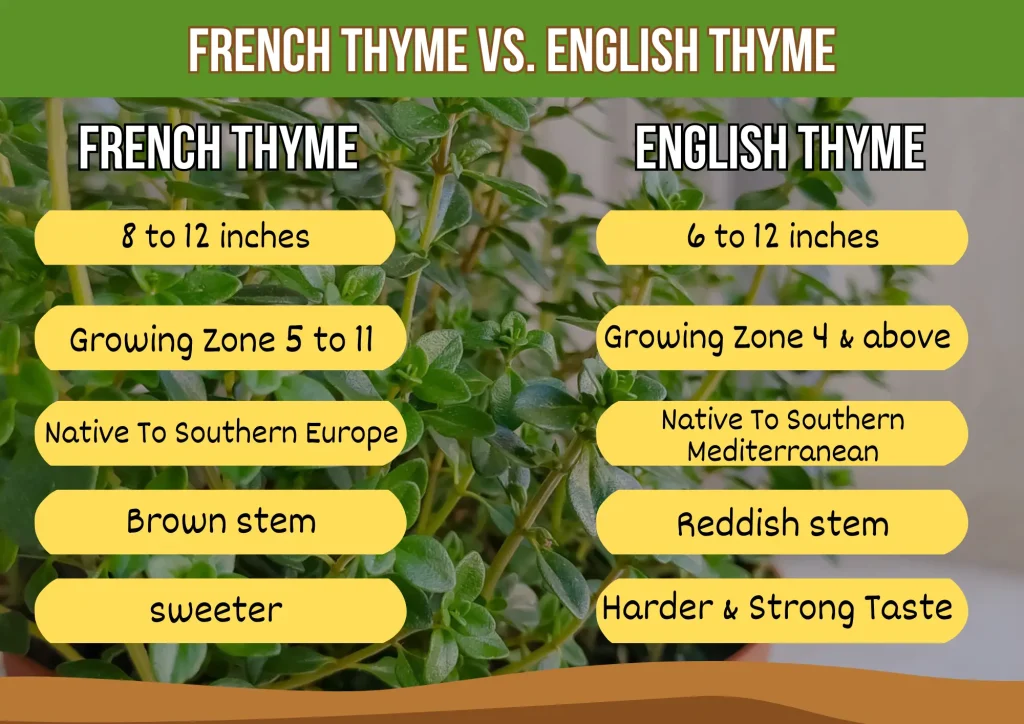
Comparison Table
What Is French Thyme?
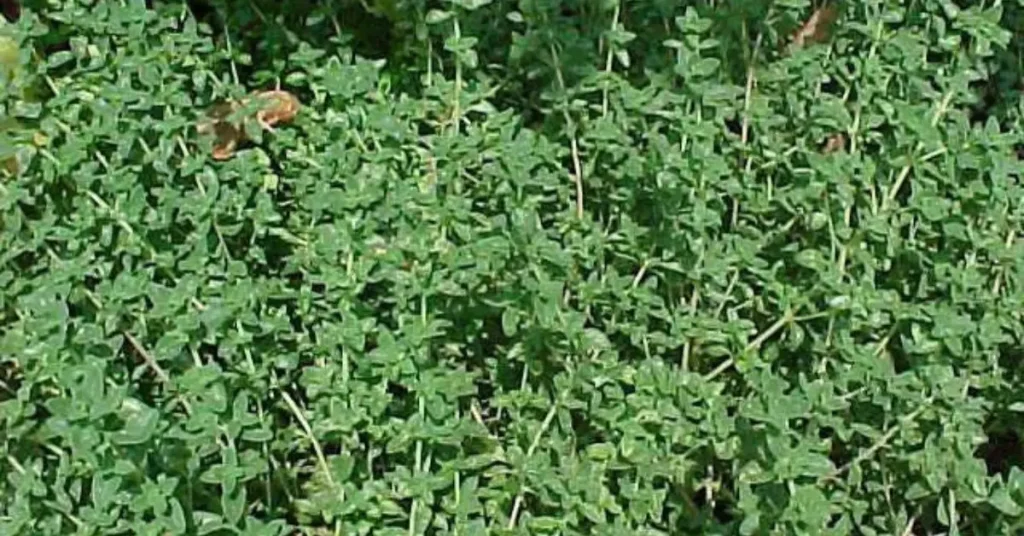
French thyme is a popular variety known for its mild flavor and soft appearance. It has slightly gray-green leaves and a more delicate look compared to other types. This plant grows upright and can be a bit taller than English thyme.
Gardeners often choose French thyme for warmer climates because it prefers mild weather. It also works well in herb borders, containers, and decorative garden spaces. French thyme is sweeter and is often a chef’s first choice for seasoning.
What Is English Thyme?
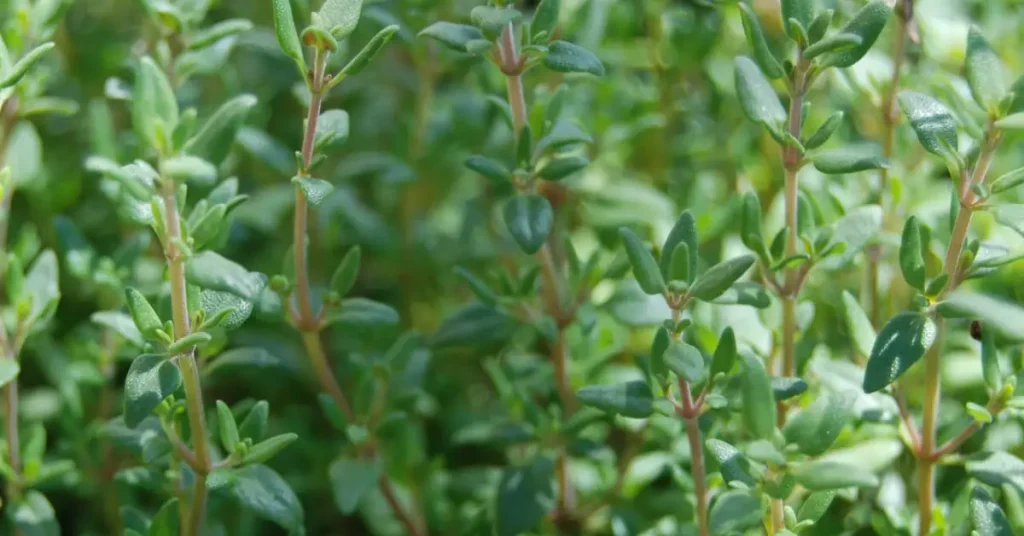
English thyme is the most common type of thyme grown in home gardens. It has small green leaves and woody stem(reddish). This variety is known for its strong aroma and bold flavor.
It is also more hardy than French thyme, which makes it a great choice for gardeners in cooler regions. English thyme spreads nicely and forms a dense, low-growing plant, making it perfect for herb gardens, pathways, and ground cover.
Flowers
Both English thyme and French thyme produce small pink flowers from May to July. Some gardeners notice that French thyme flowers have a slightly more lavender-pink shade. The flowers grow in tubular whorls on both plants, and they are completely edible. They make attractive and tasty garnishes for soups, stews, and meats.
Thyme flowers are very appealing to pollinators. Both varieties attract bees, butterflies, and other beneficial insects to the garden.
How To Identify?
It can be tricky to tell French thyme and English thyme apart at first glance. Both are bushy plants with small green leaves on woody stems and have a rich thyme scent.
However, there are clear differences you can notice:
- English thyme has reddish stems and mid-green leaves.
- French thyme has browner stems and soft gray-green foliage.
If you taste them side by side, French thyme is noticeably sweeter. After winter, French thyme leaves are often frost-scorched, while English thyme usually stays green and undamaged.
Growing Conditions
Soil Requirements
Both types of thyme need well-draining soil. They do not like wet roots, so sandy or light soil is good. Slightly alkaline soil is ideal, but they can grow in average garden soil too.
Sunlight
Thyme loves full sun. Make sure your plants get at least 6 to 8 hours of sunlight daily.
Watering
Thyme is drought-tolerant once established. Water lightly and let the soil dry out between watering. Overwatering is one of the most common mistakes and can lead to root rot.
Climate and Hardiness
English thyme is better for cold climates. It can survive frost and lower temperatures. French thyme prefers warmer conditions and may struggle in very cold weather.
If you live in a cooler area, English thyme is the safer choice. In warmer regions, both types can grow well, but French thyme may perform better.
Planting Guide
When to Plant
The best time to plant thyme is in spring after the last frost. In mild climates, you can also plant in early fall.
How to Plant
You can grow thyme from seeds, cuttings, or nursery plants. Most gardeners prefer young plants because they grow faster. Space plants about 8 to 12 inches apart to allow good air circulation.
Fertilizing
Thyme does not need much fertilizer. Too much feeding can reduce its flavor and fragrance. A light feeding once or twice a year is enough.
Pest and Diseases
Thyme is generally resistant to pests. The main problem is root rot caused by too much water. Good drainage prevents most issues.