What Not To Plant With Roses (10 Bad Companions)
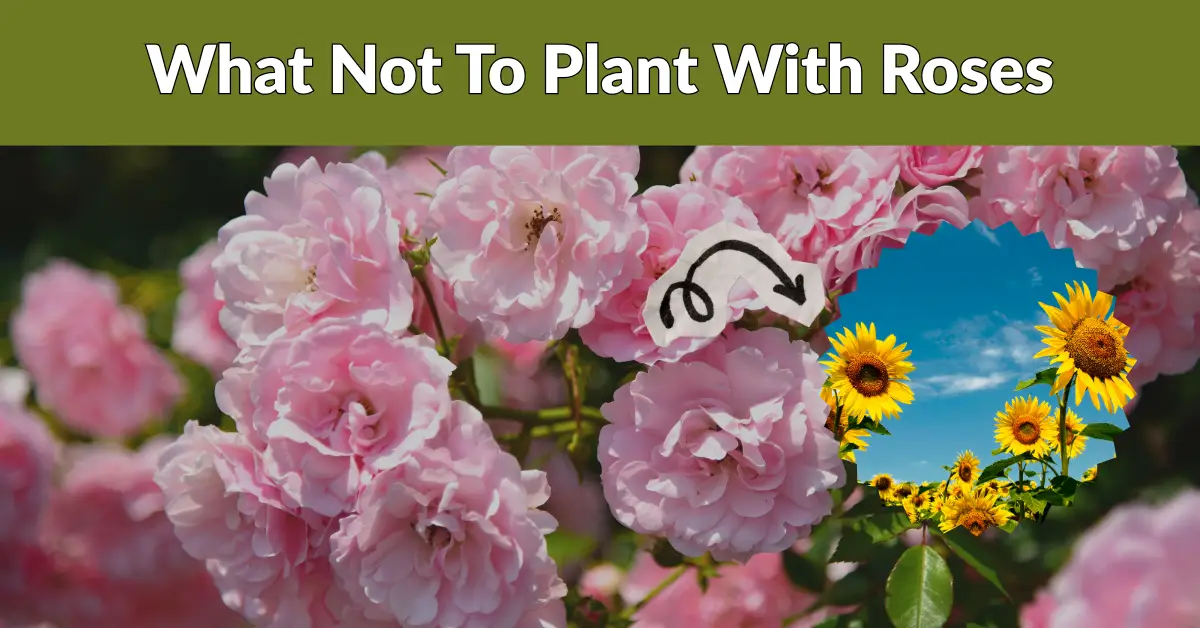
Bad companion plants cause trouble in different ways. Some are greedy plants that steal water, nutrients and space. Some release harmful chemicals from their roots and leaves into the soil that slowly poison or suppress the growth of nearby plants. Some bad companions are pest magnets, attract aphids, beetles, and other insects that cause serious damage. And some plants simply grow too tall, too wide, or too fast, blocking the sunlight and airflow.
In this post you will learn what not to plant with roses.
Fennel
- Scientific Name: Foeniculum vulgare
- Local Name: Fennel
- Native To: Mediterranean region
- USDA Zones: 4–9
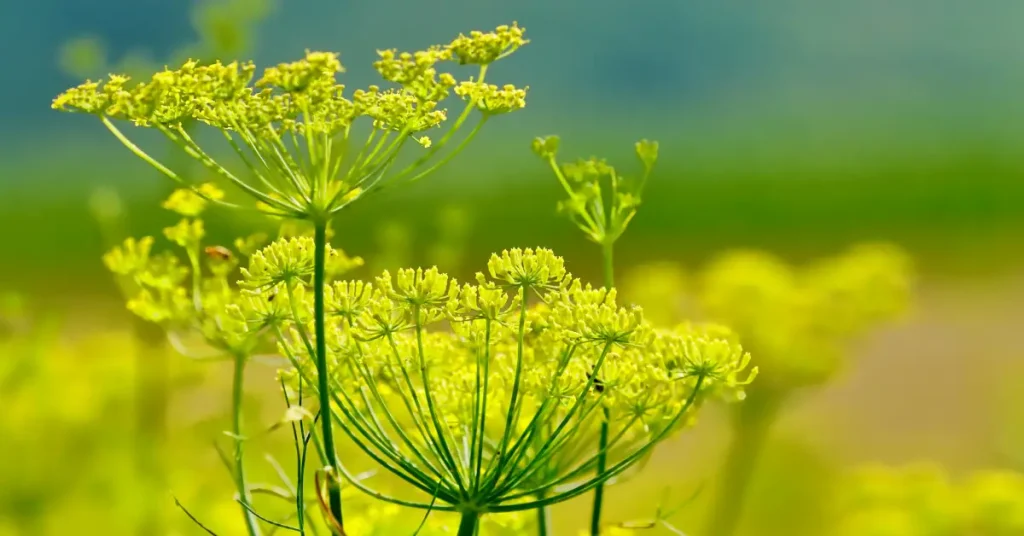
Fennel is one of the most notorious bad neighbors for gardening plants and roses are no exception to its troublesome nature. Fennel releases allelopathic chemicals from its roots and foliage into the surrounding soil that inhibit the growth of nearly every plant nearby. Roses planted close to fennel will show stunted growth, yellowing leaves, and reduced blooming over time. Fennel also attract aphids in large numbers. Keep fennel far away from your rose beds.
Mint
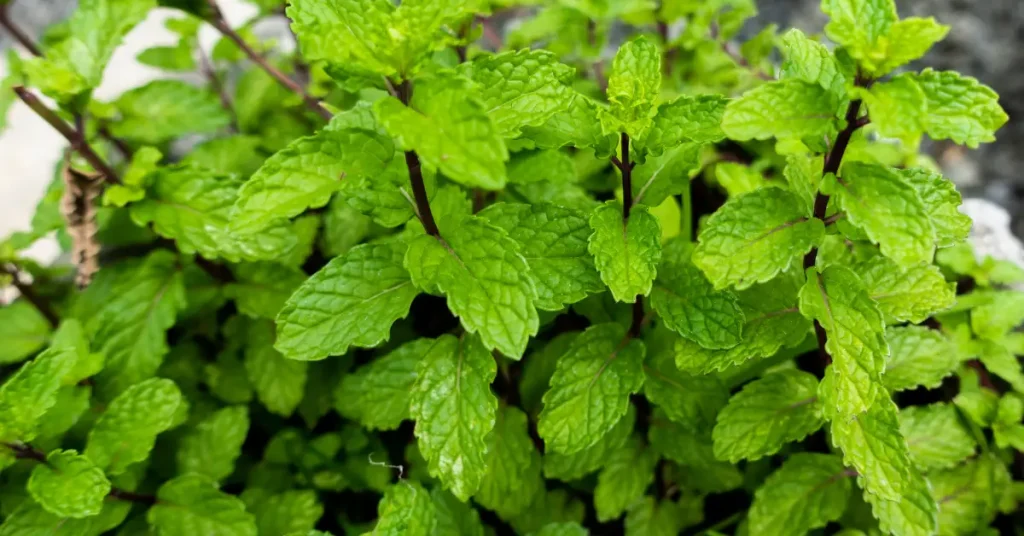
- Scientific Name: Mentha spp.
- Local Name: Mint
- Native To: Europe, Asia, and North America
- USDA Zones: 3–8
Mint smell wonderful but it is a highly aggressive and invasive plant that spells trouble for roses. Its underground runners spread rapidly and relentlessly in every direction, quickly taking over the root zone of nearby rose bushes and competing heavily for water, nutrients, and space. This aggressive root competition weakens roses significantly, leaving them more vulnerable to disease and pest attacks.
Mint also alters the soil chemistry around it in ways that don’t always suit roses. If you love mint in your garden, grow it strictly in buried containers to keep its invasive roots under control.
Lily of the Valley
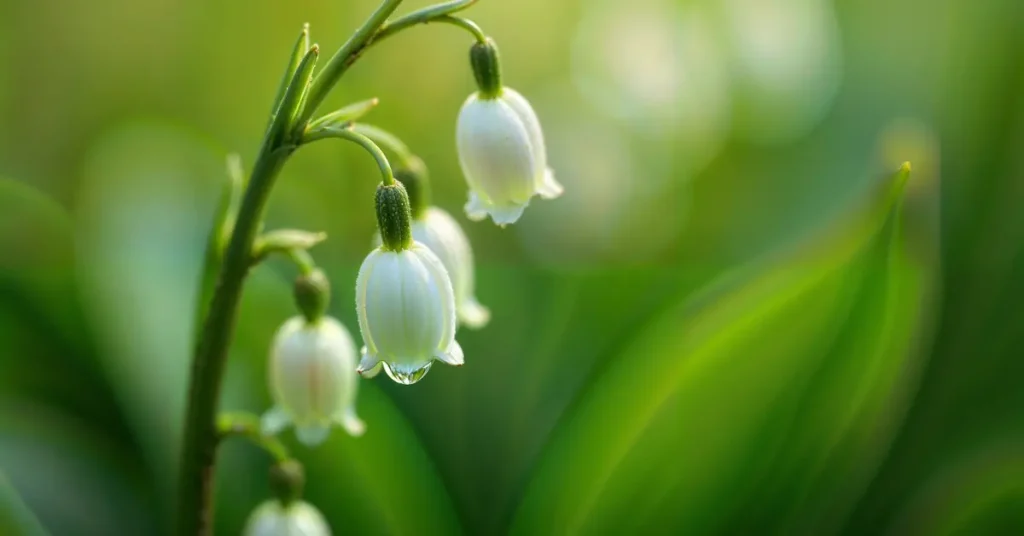
- Scientific Name: Convallaria majalis
- Local Name: Lily of the Valley
- Native To: Europe and Asia
- USDA Zones: 2–9
Lily of the Valley is a deceptively beautiful but problematic neighbor for roses. Like mint, it is an extremely aggressive spreader that forms dense ground-covering mats through underground rhizomes, suffocating rose roots by stealing moisture and nutrients. It thrives in shade and cool conditions, which is the opposite of what roses need. Lily of the Valley also releases compounds that can inhibit the growth of nearby plants. Despite its charm, this is one flower that should be kept well away from your rose garden.
Bunchberry
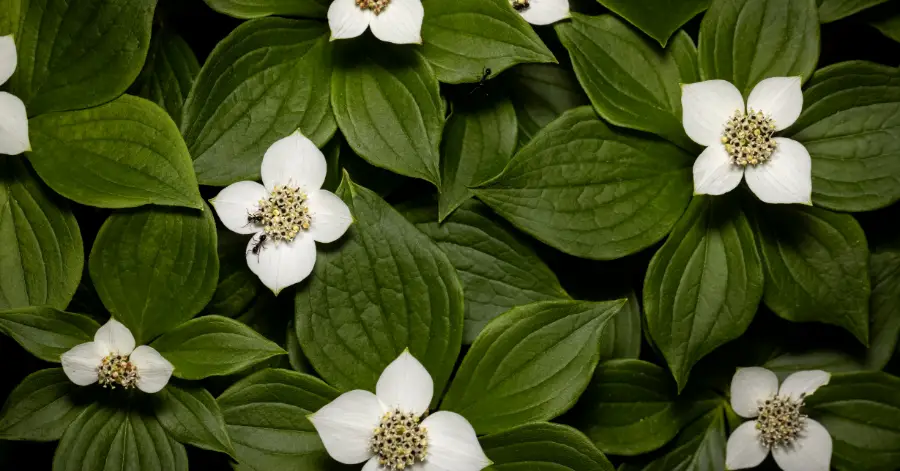
- Scientific Name: Cornus canadensis
- Local Name: Bunchberry
- Native To: North America and East Asia
- USDA Zones: 2–6
Bunchberry is a low-growing woodland plant that looks innocent enough but creates serious problems when planted near roses. It is a highly competitive ground cover that spreads aggressively and establishes thick root mats that rob roses of essential nutrients and moisture. Bunchberry strongly prefers acidic, shaded, woodland soil conditions, the complete opposite of the sunny, well-drained, neutral-to-slightly-acidic soil that roses thrive in. Planting them together creates a constant environmental tug-of-war that leaves your roses stressed, weakened, and underperforming.
Thistles
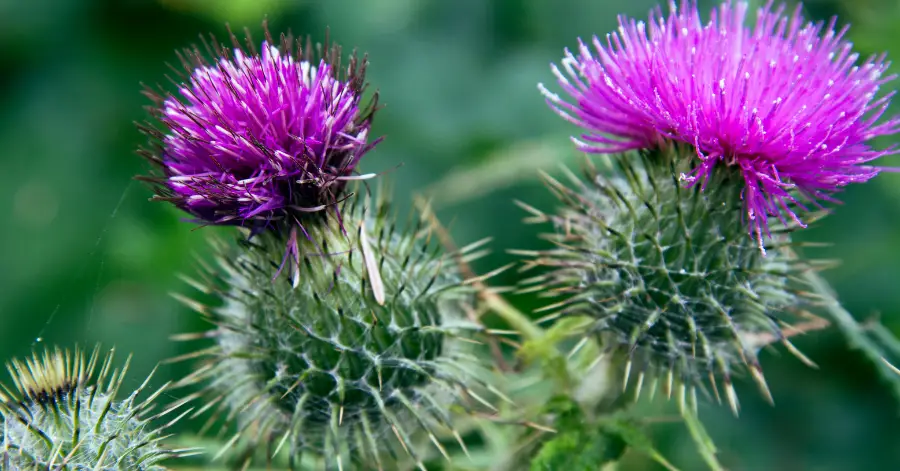
- Scientific Name: Cirsium spp.
- Local Name: Thistle
- Native To: Europe, Asia, and North Africa
- USDA Zones: 3–10
Thistles are aggressive, fast-growing weeds that are the bad companions for roses. They are extraordinarily competitive for soil nutrients and water, and their deep, extensive root systems can quickly overwhelm and crowd out rose roots. Thistles are also well known as host plants for aphids. Their sharp spines make them difficult and painful to remove once established. If thistles appear near your roses, remove them immediately and completely, roots and all.
Read: Best Companion Plants For Roses
Wheat & Grasses

- Scientific Name: Triticum aestivum / Poaceae family
- Local Name: Wheat / Grasses
- Native To: Middle East / Worldwide
- USDA Zones: 3–10
Ornamental grasses and wheat may look beautiful but they are highly competitive neighbors that seriously stress rose plants. Their dense, fibrous root systems spread extensively through the soil, aggressively competing with roses for water, nitrogen, and other nutrients. Tall ornamental grasses also cast unwanted shade over rose bushes, reducing the sunlight. Many grasses also harbor fungal diseases that can easily spread to roses, including rust and mildew. Keep grasses as a distant backdrop rather than a close neighbor to your roses.
Eucalyptus
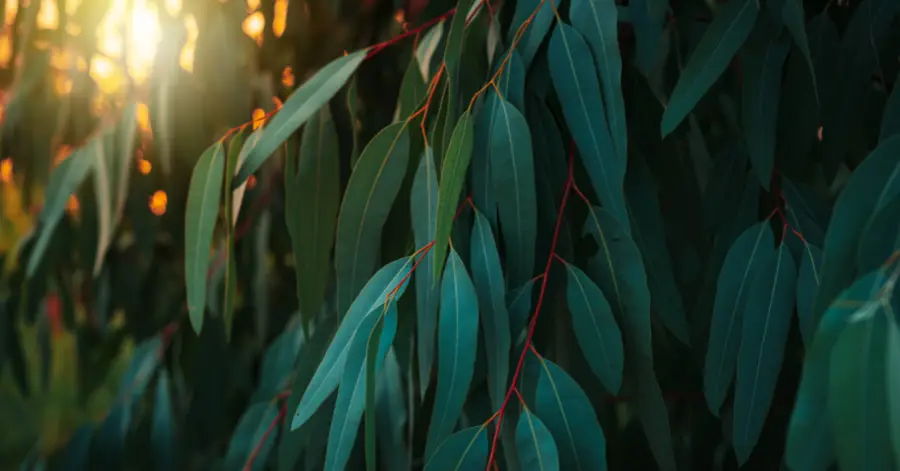
- Scientific Name: Eucalyptus spp.
- Local Name: Eucalyptus
- Native To: Australia
- USDA Zones: 7–11
Eucalyptus is one of the most allelopathic trees in the world. It releases powerful growth-inhibiting chemicals from its leaves, bark, and roots into the surrounding soil. These chemicals, including cineole and tannins, severely inhibit the germination and growth of nearby plants, including roses. Eucalyptus trees also have extraordinarily thirsty root systems that drain massive amounts of water from the soil, leaving roses parched and stressed. Their dense canopy creates deep shade that further weakens light-loving roses. Never plant roses anywhere near a eucalyptus tree.
Camphor Plant
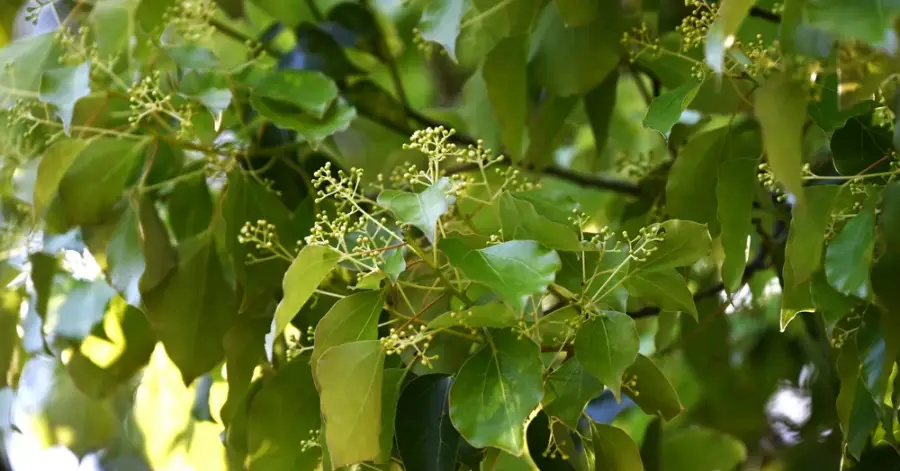
- Scientific Name: Cinnamomum camphora
- Local Name: Camphor Tree
- Native To: China, Japan, and Taiwan
- USDA Zones: 9–11
The camphor tree is strongly allelopathic plant whose roots, leaves, and fallen debris release camphor compounds into the soil that are highly toxic to surrounding plants. Roses planted near camphor trees show severe growth suppression, leaf drop, and dramatically reduced flowering. The fallen leaves of camphor trees also decompose very slowly and create a toxic mulch layer on the soil surface that further poisons the root zone. Camphor trees also grow very large and cast heavy shade. A definite no-go for the rose garden.
Sunflowers

- Scientific Name: Helianthus annuus
- Local Name: Sunflower
- Native To: North America
- USDA Zones: 2–11 (grown as annual)
Sunflowers are cheerful and beautiful but they are mildly allelopathic, releasing compounds from their roots called heliannuols that can inhibit the growth of nearby plants including roses. Sunflowers grow tall and fast, casting significant shade over rose bushes and blocking the full sun that roses need to thrive and bloom abundantly. Their large root systems also compete aggressively for soil moisture and nutrients. If you love sunflowers, plant them at a generous distance from your roses.
Citrus Trees
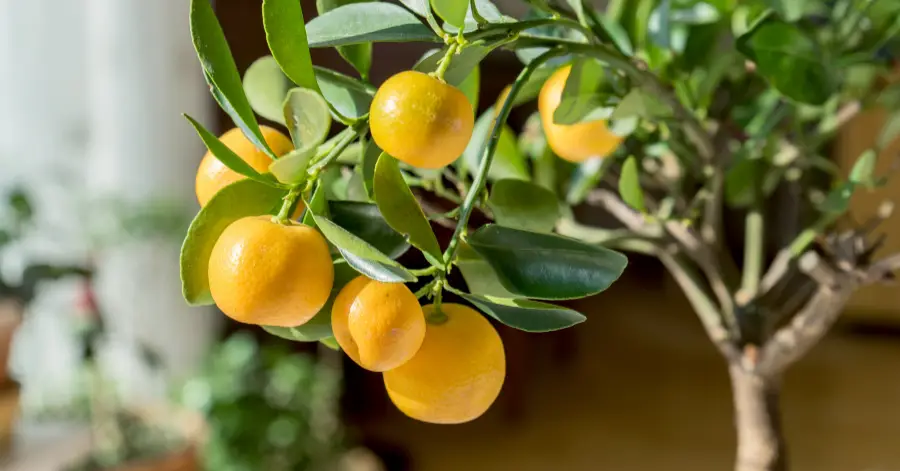
- Scientific Name: Citrus spp.
- Local Name: Citrus
- Native To: Southeast Asia
- USDA Zones: 9–11
Citrus trees and roses are incompatible neighbors for several reasons. Citrus trees prefer highly acidic soil with a pH of 6.0–6.5, while roses perform best in slightly less acidic conditions. Citrus trees also have wide, shallow, greedy root systems that spread aggressively and compete intensely with roses for surface nutrients and water. Additionally, citrus trees are prone to scale insects and whiteflies that can easily jump to nearby roses and cause serious infestations. Keep these two well separated in your garden.
I hope this guide helped.