What Not To Plant With Yarrow: 7 Garden Combos To Avoid
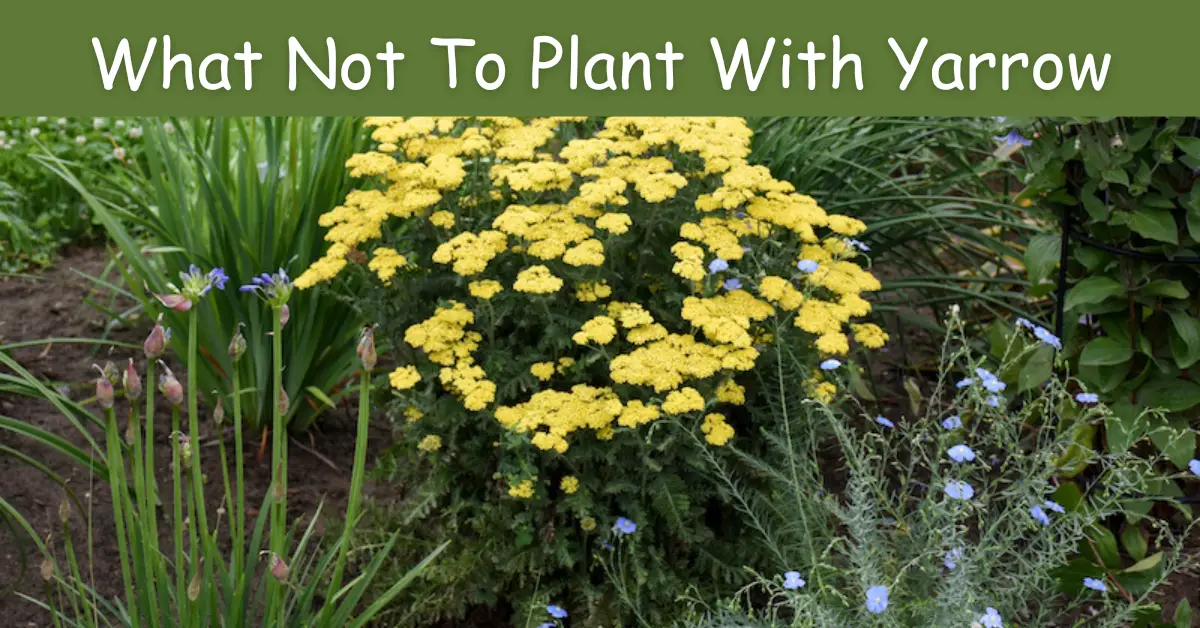
As any experienced gardener will tell you, companion planting isn’t just about what looks good together, it’s about matching growing habits. Yarrow is a plant I recommend often for its drought tolerance and pollinator appeal, but its aggressive root spread and preference for lean, well-draining soil make it a poor match for certain plants. Pair it wrong, and you’ll end up fighting root competition, moisture mismatches, or one plant quietly choking out the other.
Here, I will tell you what not to plant with yarrow.
Thirsty, Moisture-Loving Plants
- Astilbe
- Hostas
- Ferns (e.g., Japanese painted fern)
Delicate, Slow-Growing Perennials
- Lavender
- Delphinium
- Peonies
Aggressive Spreaders
- Mint
- Bee balm
- Lily of the valley
Shade-Loving Plants
- Coral bells
- Bleeding Heart
- Foamflower
Heavy Feeders
- Roses
- Dahlias
- Clematis
Plants Sensitive To Allelopathy
- Fennel
- Young lettuce or leafy greens
Small Ornamental Plants
- Sweet alyssum
- Dwarf marigolds
- Creeping thyme
Thirsty, Moisture-Loving Plants
Yarrow plant love dry conditions. Its roots are adapted to pull through drought without issue, and it actually performs worse when soil stays consistently damp. Pairing it with plants that crave regular moisture sets up a constant tug-of-war over watering needs, one of you will always be unhappy. If you’re watering generously for the sake of your moisture-loving plants, yarrow’s roots can suffer from rot, while under-watering to keep yarrow happy will leave its thirstier neighbors stressed and wilting.
Astilbe
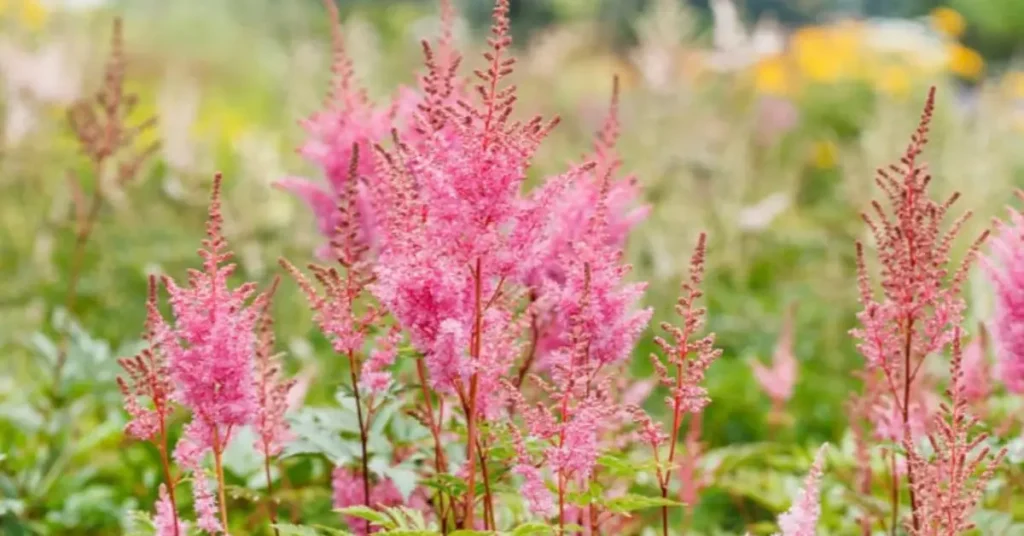
Astilbe thrives in consistently moist, rich soil and tolerates boggy conditions, which puts it almost directly at odds with yarrow’s needs. If you plant these two side by side, you’ll find yourself choosing between a happy astilbe and a happy yarrow, rarely both. Astilbe is much better suited to a shaded, moisture-retentive bed far from yarrow’s dry, sunny territory.
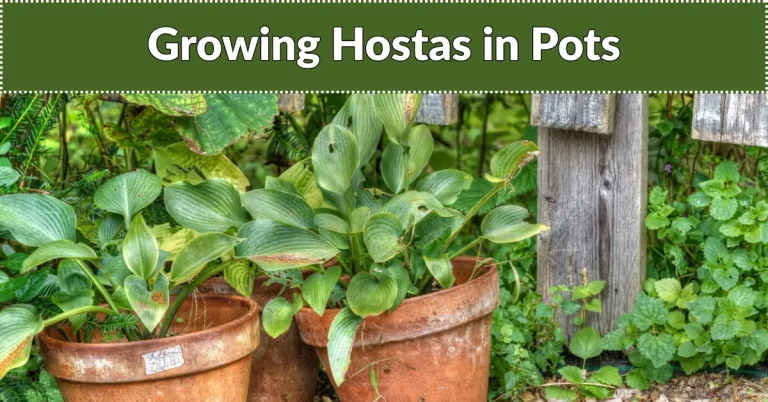
Hostas
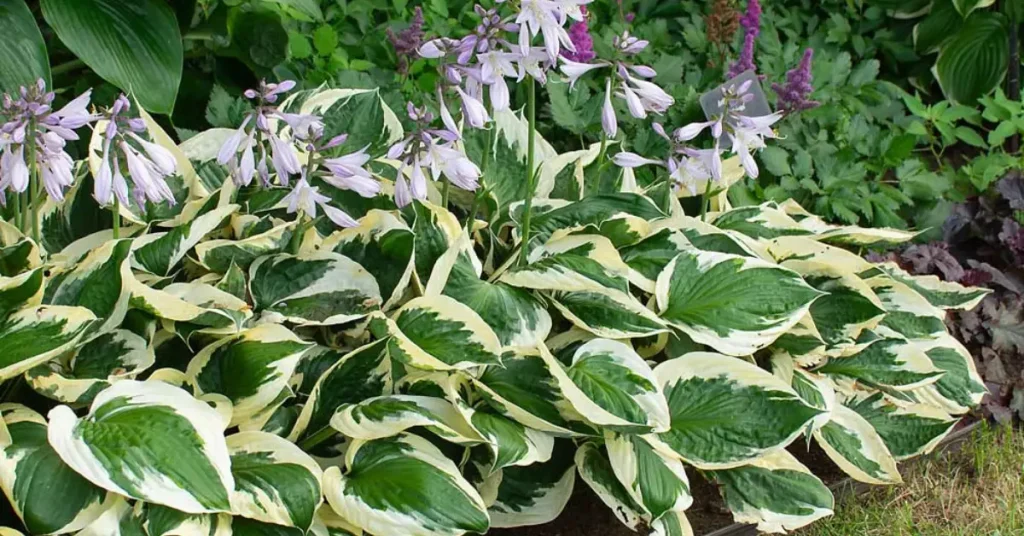
Hostas are famous for their lush, moisture-loving foliage, and they also prefer shade, another mismatch with yarrow’s sun requirements. Beyond the watering conflict, hostas can struggle to establish well when competing with yarrow’s spreading root system nearby. Keep hostas in a shaded, well-watered bed where they can spread out without competition.
Ferns (Japanese Painted Fern)
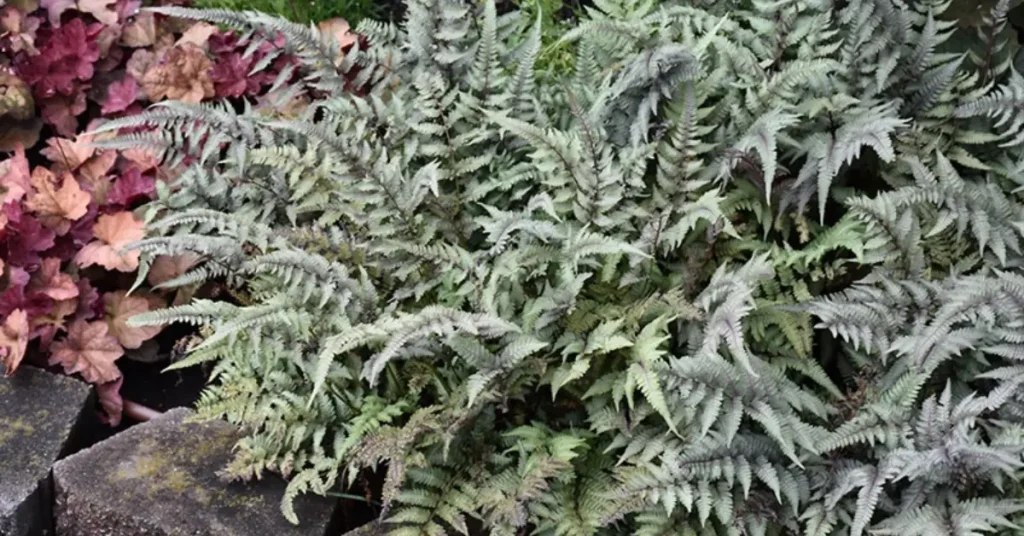
Japanese painted ferns need consistent moisture and thrive in shady, woodland-style conditions, the exact opposite of what yarrow wants. Planting them together often means one plant is constantly stressed, either the fern drying out or yarrow sitting in soil that’s too wet for its liking. Ferns do best tucked into a shaded, moist corner of the garden, away from yarrow’s sunny, dry bed.
Delicate, Slow-Growing Perennials
Yarrow spreads through underground rhizomes, and it doesn’t spread politely. Given the right conditions, it can expand quickly and crowd out slower-growing perennials before they’ve had a chance to establish themselves. This is especially risky for young or newly planted perennials that haven’t built up a strong root system yet, since they’re the most vulnerable to being outcompeted for space and nutrients.
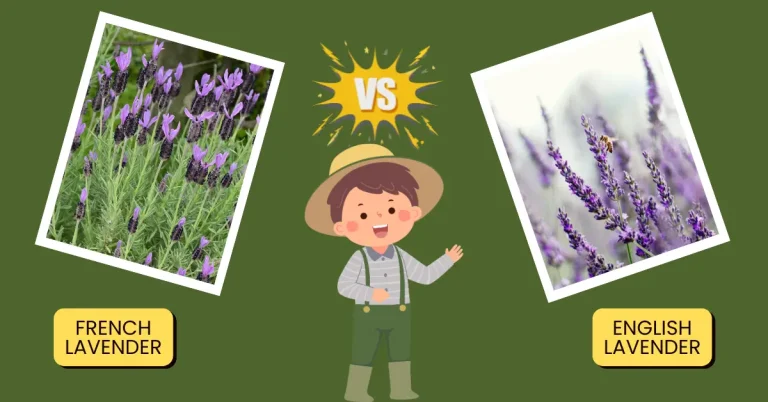
Lavender (Young or Newly Planted)
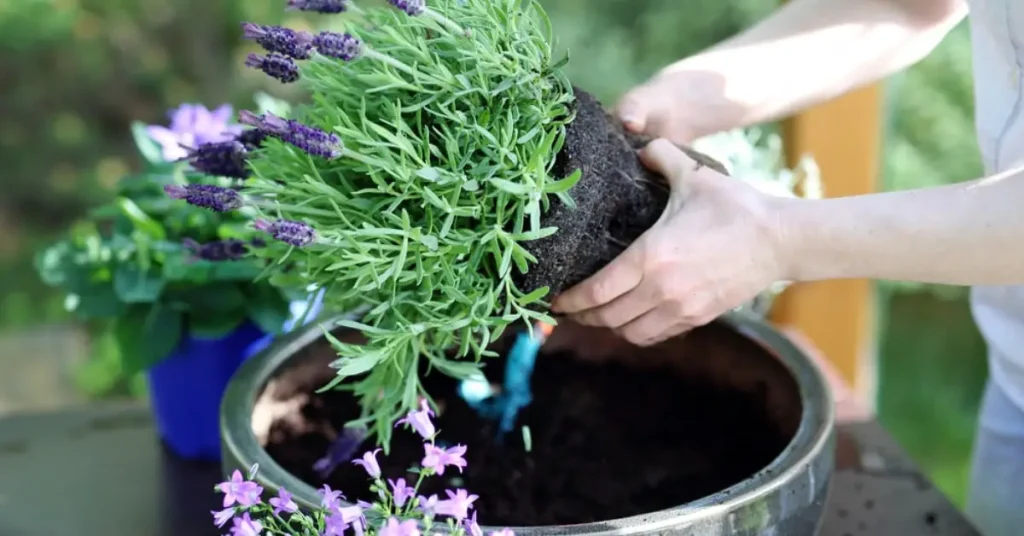
Established lavender can actually make a decent neighbor for yarrow since both love dry, sunny conditions. The problem arises when lavender is young and still developing its root system, it can easily get overwhelmed by yarrow’s faster spread before it has a chance to root in fully. If you’re planting lavender near yarrow, give it a head start of a full growing season first, or plant it a good distance away.
Delphinium
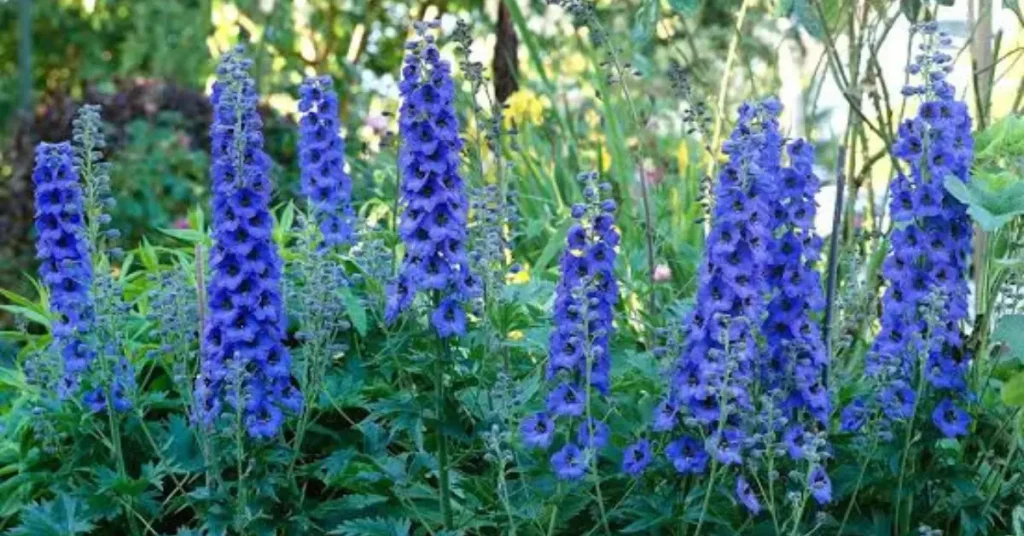
Delphiniums are slow to establish and need consistent access to nutrients and space to develop their tall, showy blooms. Yarrow’s rhizomes can quietly creep into delphinium’s root zone, competing for the same resources and stunting its growth. These two are better kept in separate beds entirely, especially since delphinium also prefers richer soil than yarrow tolerates well.
Peonies
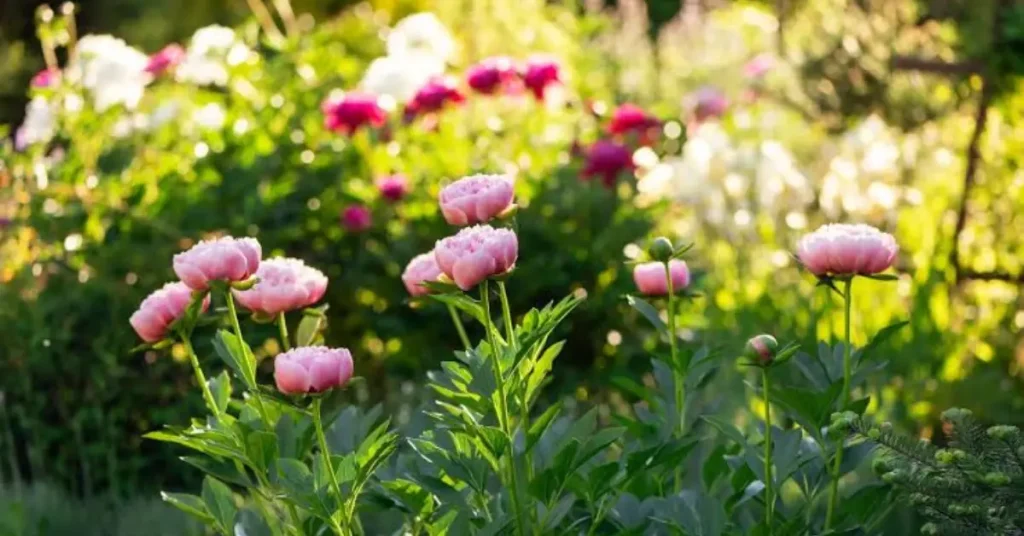
Peonies are notoriously slow to settle in, often taking two to three years before they bloom. During this vulnerable establishment period, they need minimal root competition, something yarrow doesn’t offer if planted too close. Once peonies are mature and well-rooted, they’re more resilient, but it’s best to keep yarrow at a safe distance until then.
Aggressive Spreaders
When two spreading plants are placed side by side, you’re not preventing competition, you’re just doubling it. Yarrow already has a reputation for taking over garden beds if left unchecked, so pairing it with other equally aggressive spreaders creates a turf war underground. Instead of a balanced, layered garden bed, you end up with a tangle of competing root systems, and usually one plant wins while the other slowly fades out.
Mint
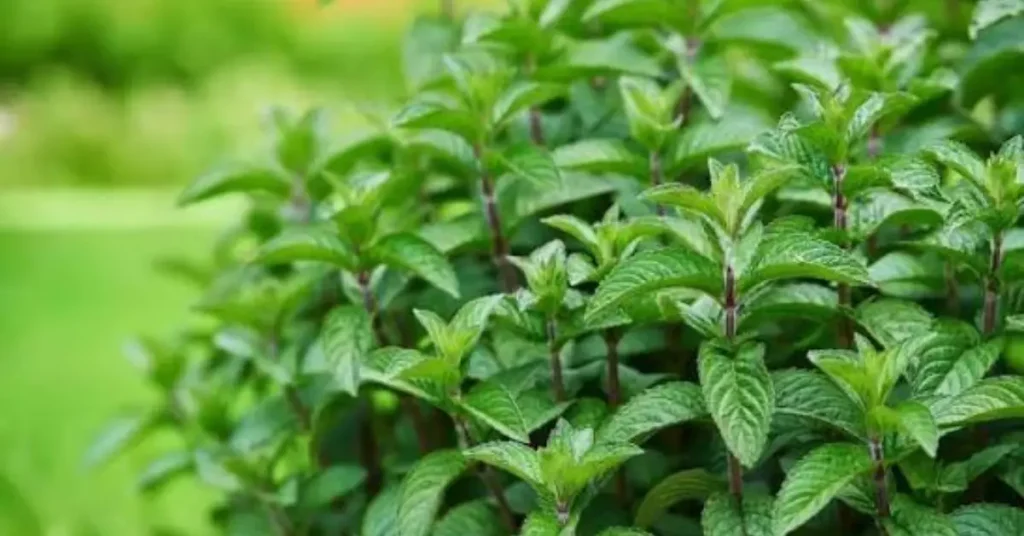
Mint is notorious among gardeners for its ability to take over an entire bed within a single season, and it doesn’t slow down for yarrow. Both plants spread aggressively through their root systems, they’ll be locked in a constant battle for space, water, and nutrients. If you love mint, it’s best grown in a contained pot or a separate bed altogether, far from yarrow’s reach.
Bee Balm (Monarda)
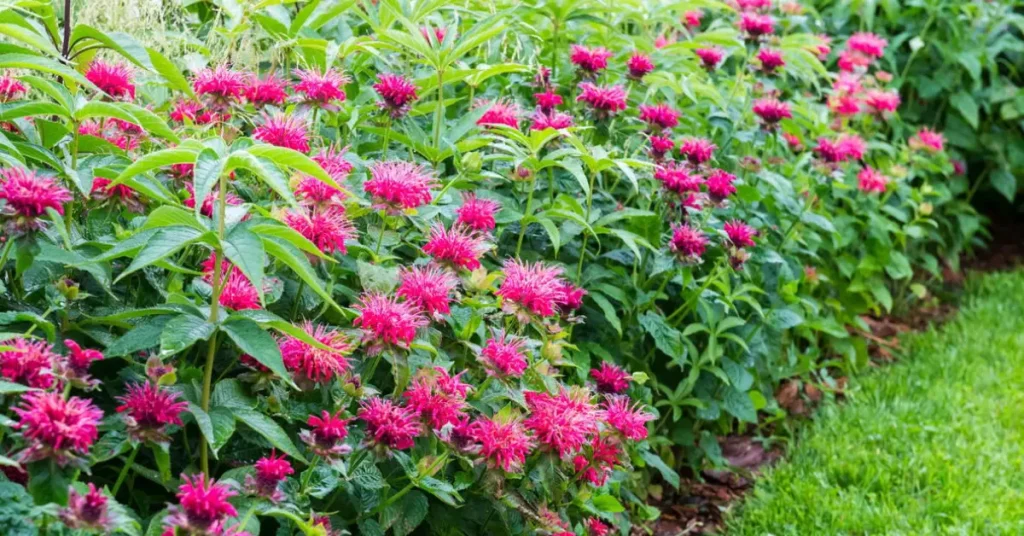
Bee balm is a pollinator favorite, much like yarrow, but it spreads just as enthusiastically through rhizomes. Planting these two together results in a crowded, tangled mess within a couple of seasons, with each plant trying to claim the same ground. If you want both in your garden, keep them in separate areas with a clear physical boundary, like a path or a raised bed divider, between them.
Lily of the Valley
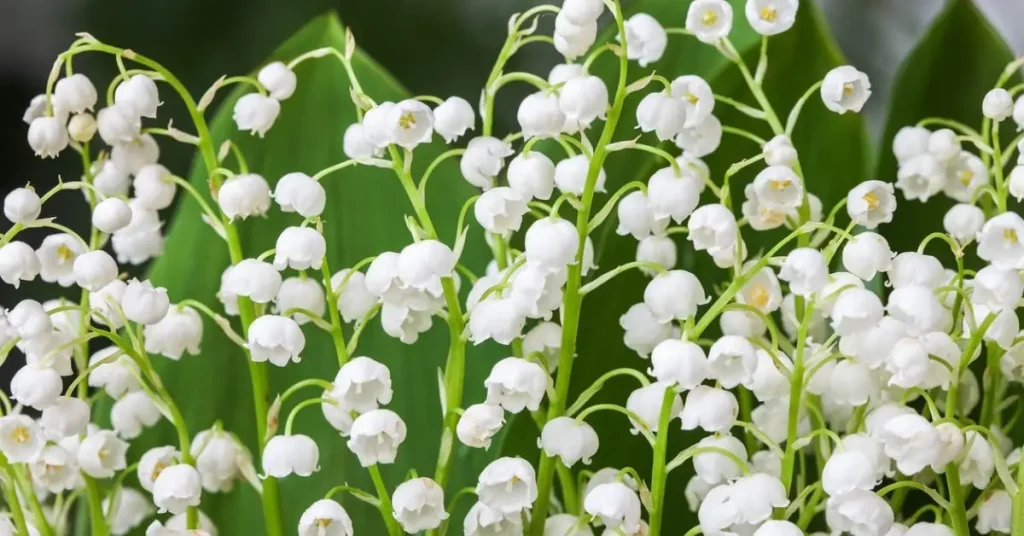
Lily of the valley might look delicate, but it’s a notoriously aggressive spreader that can quickly form a dense groundcover. Combined with yarrow’s own spreading habit, the two will compete relentlessly for root space, and lily of the valley’s toxicity to pets and humans makes it a plant best kept isolated in its own bed anyway. Give each plant its own dedicated space to avoid a years-long turf battle.
Shade-Loving Plants
Yarrow is a full-sun plant and it needs at least six hours of direct sunlight a day to bloom well and stay healthy. Pairing it with shade-loving plants creates an immediate contradiction in your garden design, since you’ll either be depriving yarrow of the light it needs or forcing shade-lovers into harsh, direct sun they can’t tolerate. This mismatch usually shows up quickly, with one plant looking scorched and stressed while the other struggles to bloom.
Coral Bells (Heuchera)
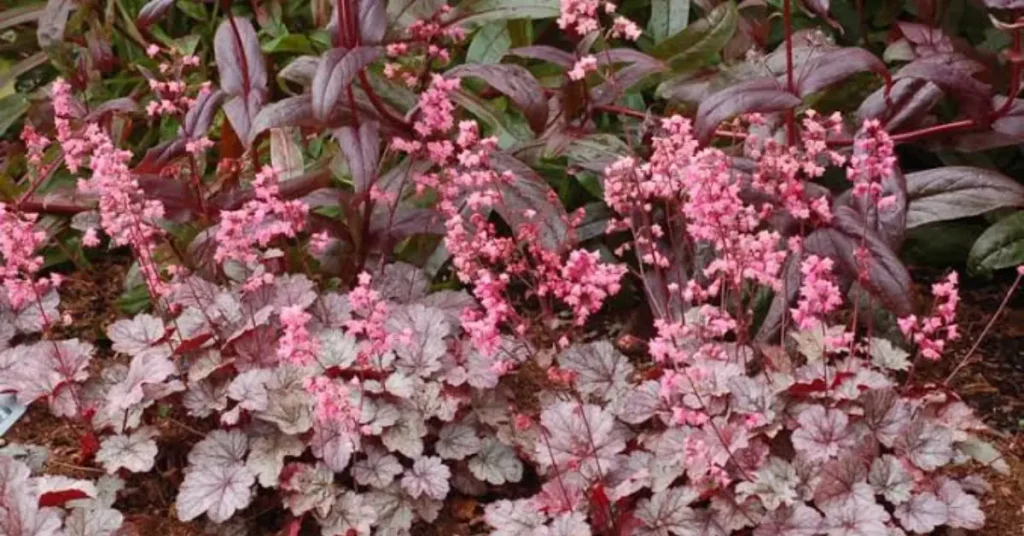
Coral bells generally prefer partial to full shade and can suffer leaf scorch when placed in the same full-sun conditions yarrow requires. While Heuchera is more shade-flexible than many woodland plants, it still won’t show off its best foliage color in yarrow’s sunny, exposed bed. Plant coral bells in a spot with dappled or afternoon shade instead, away from yarrow’s sun-drenched territory.
Bleeding Heart (Dicentra)
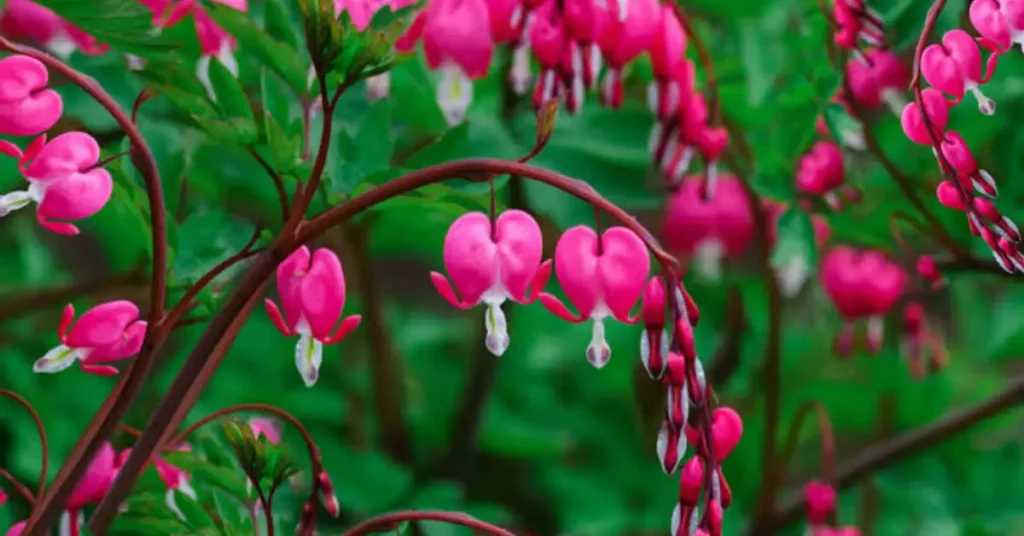
Bleeding heart is a classic shade garden staple, thrive in cool, filtered light and struggle badly when exposed to intense afternoon sun. Placed near yarrow, it would face the kind of harsh, direct exposure that causes its delicate foliage to wilt and fade well before its natural summer dormancy. Keep bleeding heart tucked into a shaded woodland-style bed where it can stay cool and protected.
Foamflower (Tiarella)
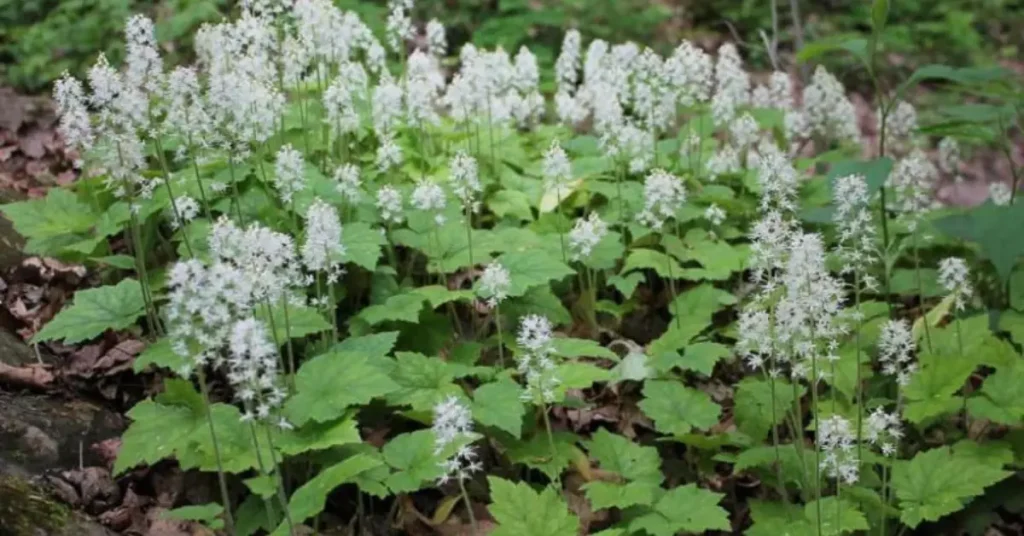
Foamflower is a low-growing shade lover that spreads nicely as a groundcover, but only in the cool, protected conditions found under trees or on the shaded side of a garden. Full sun exposure alongside yarrow would quickly stress its foliage and stunt its growth, undermining the soft, woodland look it’s typically used for. This one belongs in a shaded border, ideally paired with other part-shade perennials rather than yarrow’s open, sunny bed.
Heavy Feeders
Yarrow actually performs best in lean, poor soil and tends to produce fewer blooms when planted in rich, heavily fertilized beds. This creates a direct conflict with heavy feeders, plants that need regular fertilizing and nutrient-dense soil to thrive. If you amend the soil to keep heavy feeders happy, you’ll likely end up with a leggy, flower-shy yarrow, and if you leave the soil lean for yarrow’s sake, your heavy feeders will struggle to get the nutrients they need.
Roses
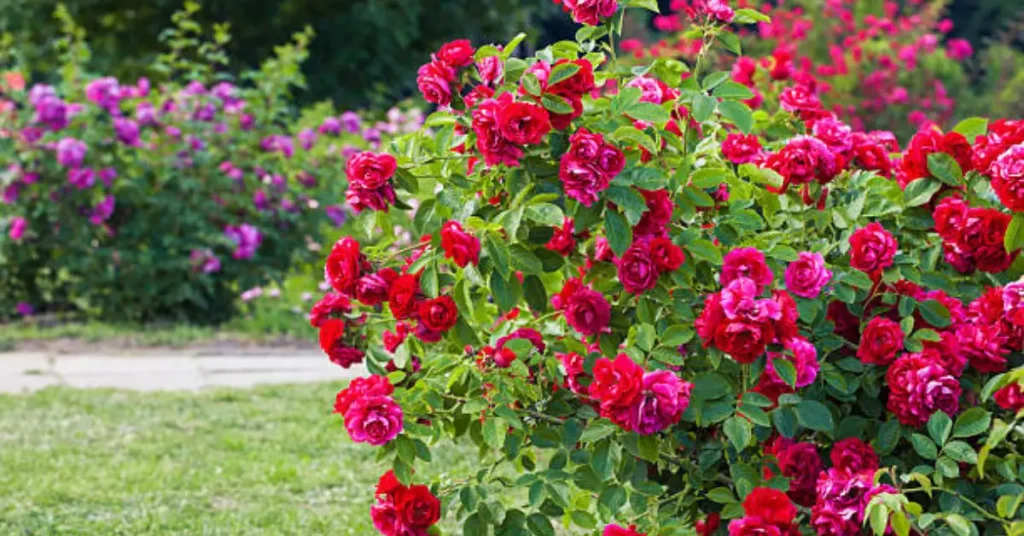
Roses are classic heavy feeders, need regular fertilizing and nutrient-rich soil to produce strong blooms season after season. Planting yarrow nearby means choosing between starving your roses of nutrients or overfeeding your yarrow into weak, floppy growth with fewer flowers. It’s best to keep roses in their own well-fed bed and let yarrow have its lean, sunny space elsewhere.
Dahlias
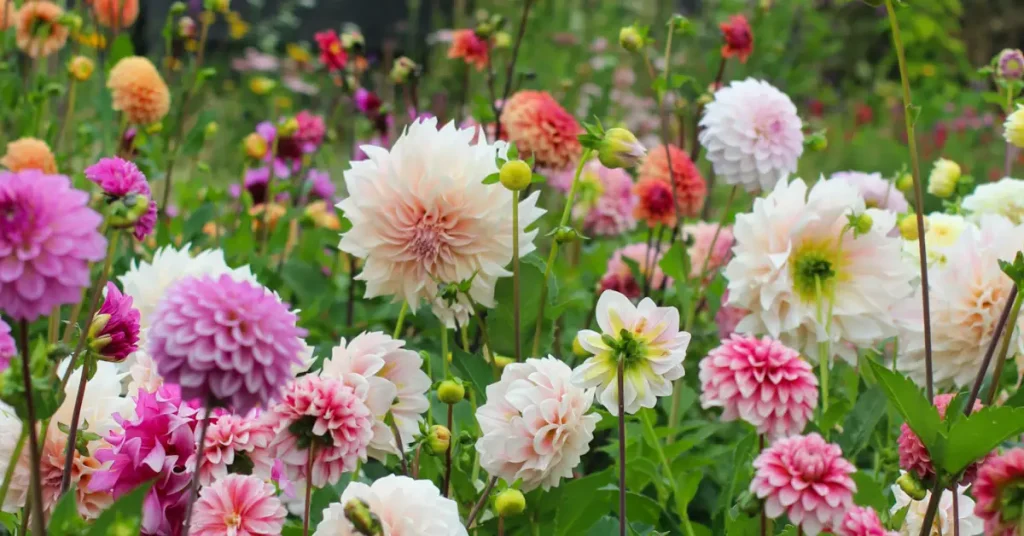
Dahlias are require rich soil and consistent feeding throughout the growing season to produce their signature large, vibrant blooms. Yarrow planted alongside them would either miss out on needed lean conditions or force dahlias into nutrient-poor soil that stunts their growth. These two are much happier as neighbors of other similarly-fed plants rather than each other.
Clematis
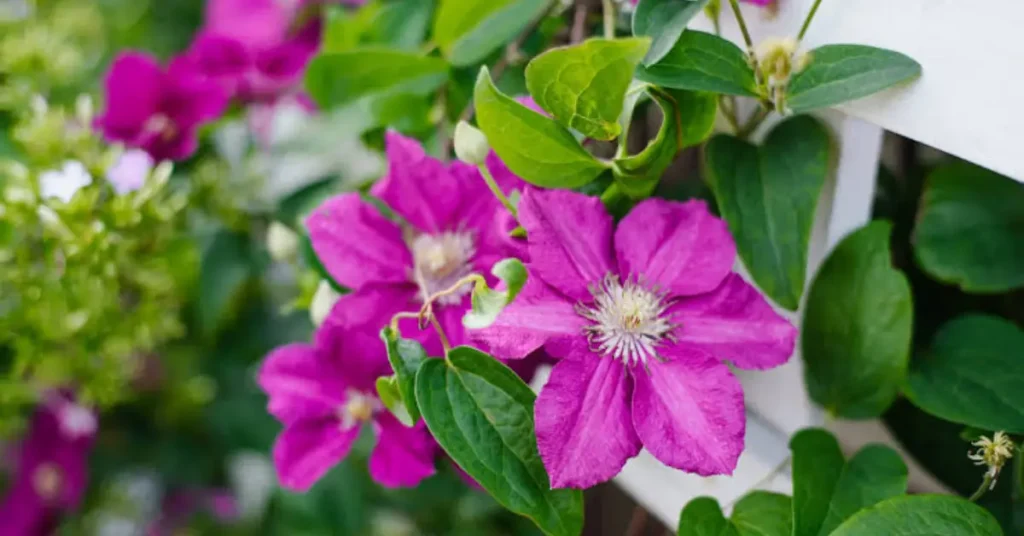
Clematis vines need rich, well-fertilized soil and consistent feeding to support their vigorous climbing growth and abundant flowers. Pairing them with yarrow creates the same soil-preference conflict seen with roses and dahlias, one plant will inevitably be shortchanged. Give clematis its own nutrient-rich spot, ideally near a trellis or structure, away from yarrow’s lean bed.
Plants Sensitive to Allelopathy
Yarrow can have a mild allelopathic effect and it may release compounds into the soil that inhibit the germination or growth of certain sensitive seedlings nearby. While the research on this is still fairly limited and anecdotal compared to well-documented allelopathic plants like black walnut, it’s worth being cautious if you’re growing more delicate seedlings nearby, especially in a vegetable or herb bed.
Fennel
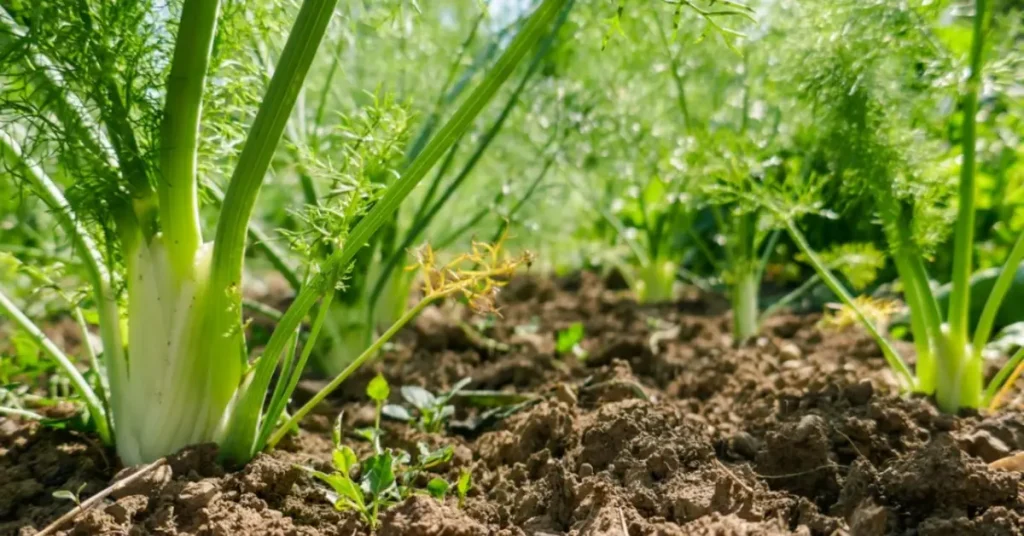
Fennel already has a reputation for being a poor companion to many garden plants due to its own allelopathic tendencies, and pairing it with yarrow may compound the issue for both plants. If you’re growing fennel for culinary use, it’s safer to give it a completely separate bed away from yarrow to avoid any unnecessary competition or growth inhibition. This also keeps fennel’s own aggressive spreading habit in check.
Young Lettuce or Leafy Greens
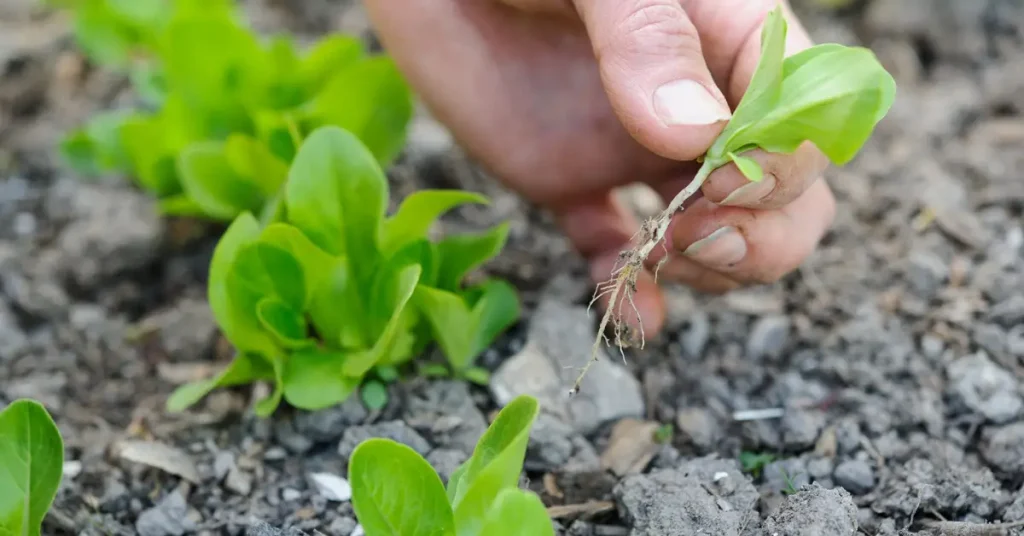
If yarrow is planted near a vegetable bed, young lettuce and other leafy greens may be at risk if allelopathic effects are present, since seedlings are the most vulnerable stage for this kind of interference. This is more of a precaution than a hard rule, but if you notice poor germination in greens planted near yarrow, moving them further away is a simple fix. It’s generally safer to keep herb and flower beds like yarrow’s separate from your vegetable garden entirely.
Small Ornamental Plants Easily Shaded Out
Once established, yarrow can grow bushy and tall enough to cast shade over smaller, low-growing ornamentals nearby. Plants that depend on full sun exposure to thrive can quickly become stunted or leggy if yarrow starts to crowd out their light. This is less about root competition and more about physical space and sunlight access as yarrow fills out over the season.
Sweet Alyssum
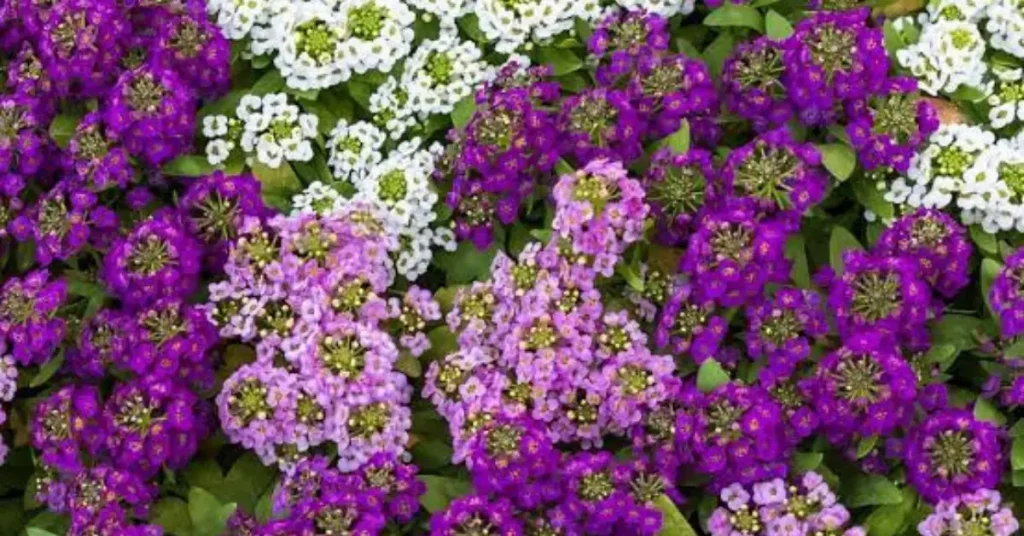
Sweet alyssum is a low, spreading annual that needs full sun to produce its signature dense carpet of tiny blooms. If planted too close to yarrow, it can quickly find itself shaded out as yarrow’s foliage bushes up around it, leading to sparse, leggy growth instead of its usual full, fragrant mat. Give sweet alyssum its own sunny border spot, well away from yarrow’s spreading canopy.
Dwarf Marigolds

Dwarf marigolds are compact, sun-loving annuals that can easily get overshadowed once yarrow reaches its full height and spread. Without consistent direct sunlight, marigolds tend to stretch and produce fewer blooms, losing the tidy, compact look they’re prized for. Plant dwarf marigolds in an open, sunny spot at the front of a bed where taller plants like yarrow won’t block their light.
Creeping Thyme
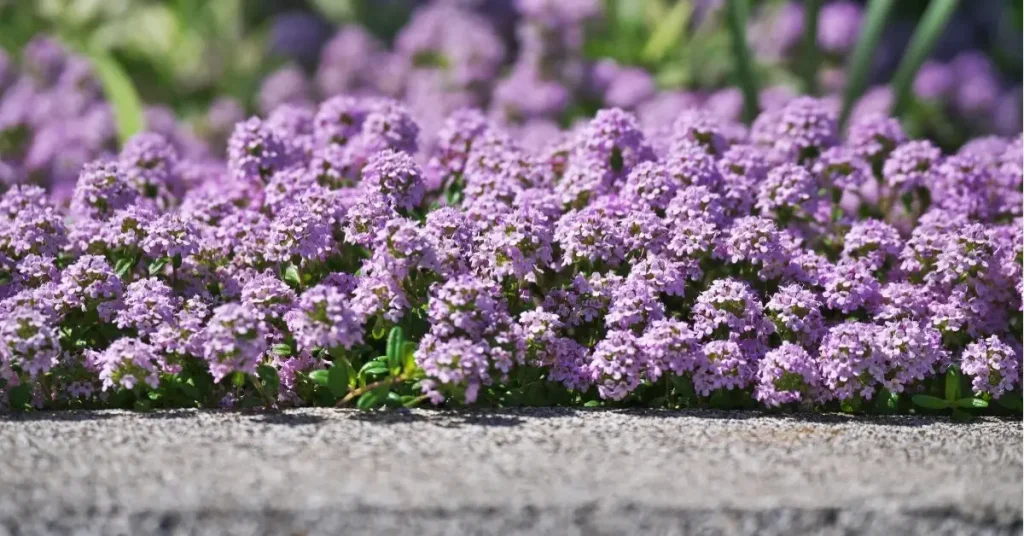
Creeping thyme is a low, sun-loving groundcover that can suffer when taller plants like yarrow start to spread and shade its low-growing mat. Reduced sunlight can weaken its growth and diminish the fragrant, dense carpet effect it’s typically grown for. Keep creeping thyme in an open area with unobstructed sun, away from yarrow’s bushy spread.