10 Signs of Over Fertilizing In Plants & Treatment
Fertilization plays a key role in healthy plant growth. Plants need nutrients like nitrogen, phosphorus and potassium to grow leaves, roots, flowers and fruits. Without fertilizer, plants grow weak and slow. Their color fades. Flowering and fruiting also reduce.
Balanced use of fertilizer is very important. Too little fertilizer causes nutrient deficiency. Too much fertilizer creates stress. Many gardeners believe more fertilizer means faster growth. This is one of the most common mistakes. Plants do not eat like humans. They absorb nutrients slowly and in balance.
Another mistake is fertilizing too often. Some gardeners apply fertilizer every week. Some use a strong dose without checking plant needs. This damages soil health and plant roots. This guide will provide knowledge about over fertilizing, signs plants show and how to treat over fertilizing in plants.
What Is Over Fertilization in Plants?
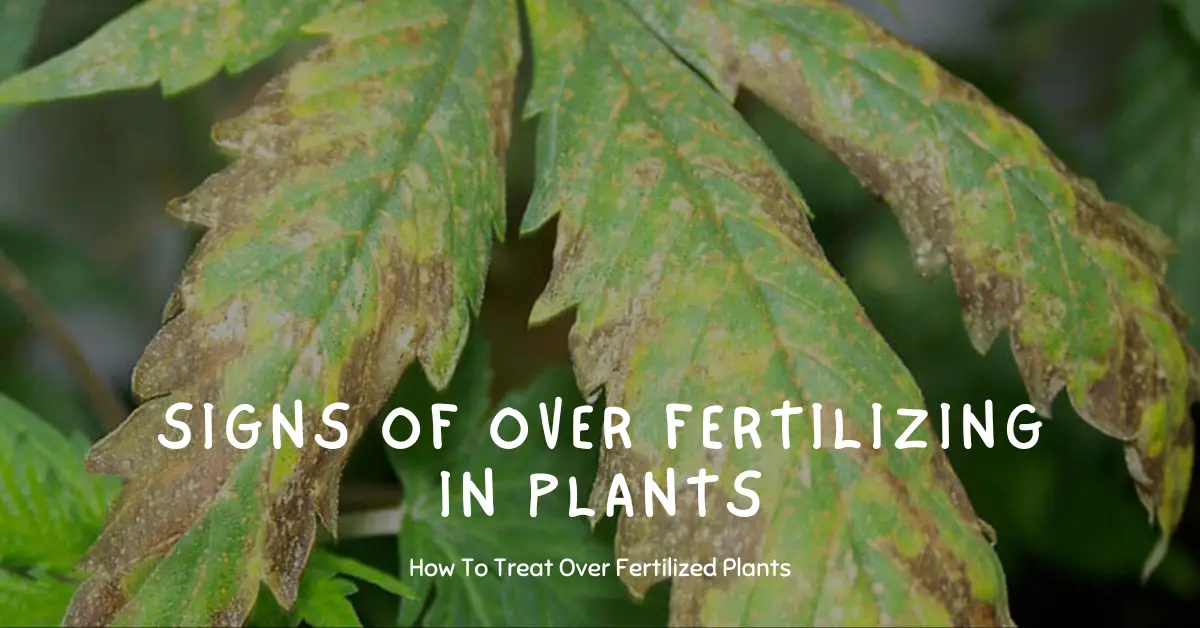
Over-fertilization occurs when too much fertilizer—particularly high levels of nitrogen, phosphorus and potassium—is applied to the plants. This imbalance leads to fertilizer burn, a condition where leaf tips and edges turn brown and crispy. Affected leaves may also yellow extensively, curl, or drop prematurely, while the overall plant shows stunted growth, weak or leggy foliage and reduced flowering or fruit set.
The root cause is salt buildup in the soil, which damages delicate root hairs and disrupts the plant’s ability to absorb water and nutrients properly.
Over fertilization can happen in garden soil, pots, lawns and indoor plants. It is more common in container plants because excess fertilizer has nowhere to escape. Lawns and flowering plants are also sensitive to excess nitrogen.
10 Signs of Overfertilizing in Plants
- Yellowing of lower leaves
- Wilting of leaves (even when soil is moist)
- Browning or scorching of leaf tips and margins
- White crust of fertilizer on soil surface
- Stunted or very slow growth
- Excessive leaf growth but few flowers or fruits
- Leaf drop (defoliation)
- Black, brown, or rotting roots
- Burned or dried leaf edges
- Plant collapse or death in severe cases
Yellowing of Lower Leaves
Yellowing of lower leaves is often an early sign of overfertilizing. Excess nutrients disturb the natural balance in the soil. Roots struggle to absorb water properly.
Lower leaves turn pale first because the plant redirects energy to survive. This yellowing is different from natural aging. It spreads quickly if fertilization continues.
Wilting of Leaves (Even When Soil Is Moist)
Overfertilized plants often look thirsty. Leaves wilt even though the soil is wet. This confuses many gardeners.
Extra fertilizer salts pull moisture away from roots. Roots cannot absorb water properly. The plant dries out from the inside.
Browning or Scorching of Leaf Tips and Margins
Brown or burned leaf tips are a clear sign of fertilizer burn. Excess salts damage leaf tissues directly.
The edges dry first. Later, the damage moves inward. This problem is common in houseplants and potted plants.
White Crust of Fertilizer on Soil Surface
A white or gray crust on soil is a strong warning sign. It forms when fertilizer salts build up over time.
This crust blocks water movement. It also harms beneficial soil microbes. Container plants show this problem more quickly.
Stunted or Very Slow Growth
Instead of growing faster, overfertilized plants often grow slower. New leaves stay small. Stems look weak. Root damage is the main reason. When roots suffer, the plant cannot grow normally.
Excessive Leaf Growth
Too much nitrogen causes lush green leaves. However, flowers and fruits are less.
Plants focus on leaf growth instead of reproduction. This is common in tomatoes, roses and fruiting plants.
Read: Tomatoes Growing Tips
Leaf Drop (Defoliation)
Overfertilized plants may suddenly drop healthy green leaves. This is a stress response.
The plant tries to protect itself by reducing leaf load. Indoor plants and flowering shrubs are especially sensitive.
Black, Brown, or Rotting Roots
Healthy roots are white or light-colored. Overfertilized roots turn brown or black.
Roots may rot due to chemical burn. Damaged roots cannot support the plant. This often leads to sudden decline.
Burned or Dried Leaf Edges
Leaf edges may dry out and feel crispy. This is caused by salt accumulation in plant tissues. The damage looks like sunburn but happens even in shade. It spreads quickly if not treated.
Plant Death in Severe Cases
In extreme cases, plants suddenly collapse. Leaves dry up. Stems weaken. Growth stops completely. Root failure is usually the cause. Without quick action, the plant may not recover.
Signs of Over Fertilizing Grass (Lawn)
Over-fertilizing lawn shows up in a few clear ways. The grass tips often turn brown, dry, and crispy, looking like they were scorched or burned, usually forming stripes or uneven patches where the fertilizer landed too heavily. Even when you water enough, the blades can wilt, droop, or turn yellow because the extra nutrients put real stress on the plants.
You might notice a white, powdery crust building up on the soil surface from leftover salts that block water and air from reaching the roots. New growth usually slows down a lot and stays thin or weak, since damaged roots struggle to support the grass.
Sometimes the lawn shoots up fast instead, but the new blades look pale, soft and floppy, making the whole yard more fragile. Remember, a weaker lawn also invites more weeds, insects and diseases to move in.
If you catch a strong chemical smell right after applying or see fertilizer washing away when you water, that’s another sign too much fertilizers are used. Water deeply several times to help flush out the excess and hold off on any more fertilizer until the grass starts recovering.
Signs of Over Fertilizing in Flowers
Flowering plants may produce more leaves but fewer flowers. Buds may dry up before blooming. Petals may look dull or deformed.
Excess nitrogen is often the cause. Roses, petunias, and hibiscus are very sensitive to over fertilization.
Effects of Over Fertilizing Plants
Root Damage and Root Burn
Excess fertilizer burns plant roots. Damaged roots cannot absorb water or nutrients properly. This weakens the entire plant.
Poor Water Absorption
High salt levels in soil pull moisture away from roots. Plants suffer from dehydration even when soil is wet.
Leaf Burn and Discoloration
Leaves develop brown tips, scorched edges, or yellow patches. This reduces photosynthesis and plant energy.
Stunted or Abnormal Growth
Instead of healthy growth, plants grow slowly or unevenly. New leaves may stay small and weak.
Reduced Flowering and Fruiting
Too much nitrogen promotes leaf growth but suppresses flowers and fruits. Harvest size and quality decrease.
Soil Salt Buildup
Excess fertilizer leaves salt residues in soil. This damages soil structure and reduces nutrient availability.
Loss of Beneficial Soil Microorganisms
Overfertilizing kills helpful microbes and earthworms. Soil becomes lifeless and less productive.
Increased Plant Stress and Weak Immunity
Stressed plants become more vulnerable to pests and diseases. Recovery becomes slow.
Environmental Pollution
Extra fertilizer washes into groundwater and rivers. This causes water pollution and algae blooms.
Plant Death
If damage continues, plants collapse completely. Root failure leads to permanent loss.
How To Treat Over Fertilizing Plants
If you spot over-fertilization in your plants, act fast to help them recover.
Stop all fertilizer right away. Flush the soil deeply. Water slowly and heavily until it runs out the bottom. Repeat this 3-4 times over a few hours or days to wash excess salts and nutrients away from the roots.
Use room-temperature water if possible. Scrape off any white or brown crusty salt buildup on the soil surface with a spoon. Be gentle to avoid hurting roots. Trim away brown, crispy, yellow, or dead leaves and tips.
Keep watering normally but make sure the pot drains well. Avoid soggy soil. Give the plant its usual amount of light. Move it to a spot with the right brightness if needed. Hold off on any more fertilizer until you see new healthy growth. This often takes 3-4 weeks or longer. If damage is bad or the pot is small, repot into fresh, plain potting mix in a larger container with good drainage. Rinse roots gently first if you can.
Prevention tips: Always read and follow the fertilizer label exactly. Apply less often than the package says, especially for houseplants. Choose slow-release or organic options. Add compost or organic matter to improve soil balance and structure. Water thoroughly right after fertilizing. This helps dissolve and spread nutrients evenly without buildup.
With quick care, most plants bounce back well. Be patient as roots heal.