How To Grow Yellow Pear Tomato in Container
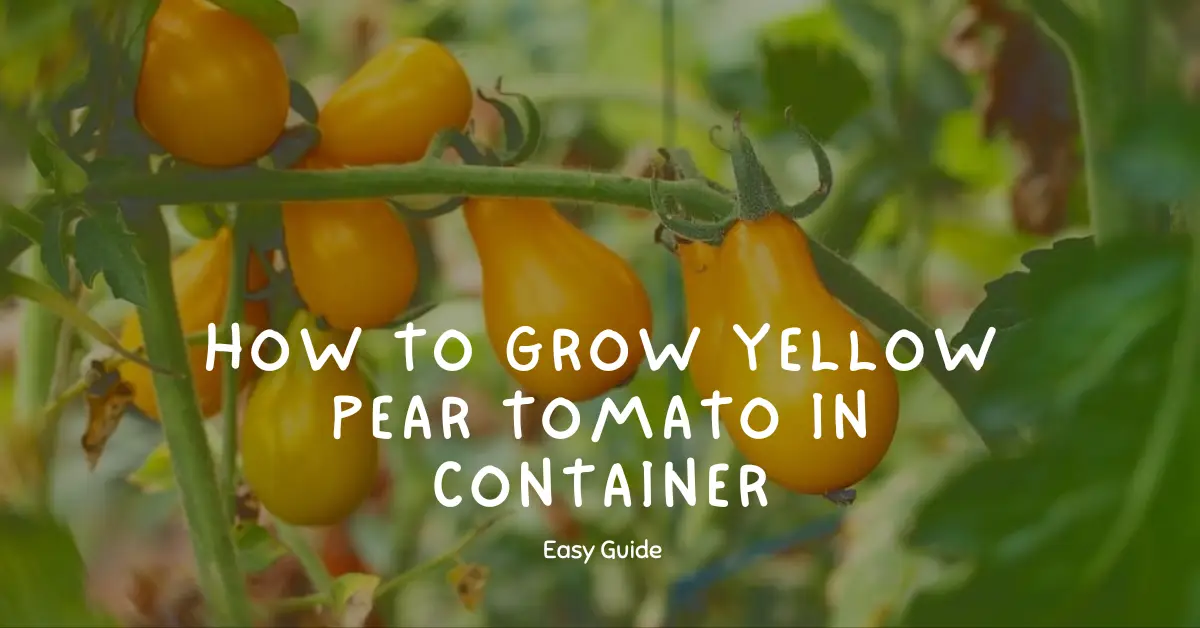
Yellow pear tomatoes are small pear shaped yellow fruits that look beautiful on the plant with sweet, mild and slightly tangy flavor. They are used in salads, snacks, fresh dishes and are less acidic than red varieties.
You don’t need a big garden or raised beds to grow yellow pear tomatoes. Yellow pear tomatoes can be grown on a sunny balcony, terrace, patio, or rooftop. With the right pot, soil, and care, this tomato can produce a heavy harvest for many weeks.
This tomato variety tolerates warm weather well and performs good in containers when supported properly. Even if you are new to gardening, you can grow it successfully by following simple steps. The plant does grow tall, but with a cage or stake, it stays manageable and healthy.
This guide is written especially for home gardeners, balcony growers and container gardeners who want an easy guide how to grow yellow pear tomato in container.
Yellow Pear Tomato – Plant Information
| Feature | Details |
|---|---|
| Scientific Name | Solanum lycopersicum |
| Origin | Europe (early 1800s heirloom variety) |
| USDA Hardiness Zones | Grown as annual in zones 2–11 |
| Plant Type | Indeterminate |
| Plant Height | 6–8 feet (with support) |
| Soil Type | Loose, well-draining, nutrient-rich soil |
| Soil pH | 6.2–6.8 |
| Sunlight | Full sun (6–8+ hours daily) |
| Good Companion Plants | Basil, marigold, parsley, chives |
| Maintenance Level | Medium |
| Maturity Time | 75–80 days from transplant |
How To Grow Yellow Pear Tomato in Container

Yellow Pear Tomato needs space for its roots to grow. Choose a large container, at least 10–15 gallons in size. Bigger pots hold moisture better and support strong plant growth.
Make sure the container has drainage holes at the bottom. Poor drainage can cause root rot and weak plants. Fabric grow bags, plastic pots, or clay containers all are good to use.
Use a high-quality potting mix, not garden soil. Potting mix stays light and drains well, which is very important for container tomatoes.
For better results, mix:
- Potting soil
- Compost or well-rotted manure
- A little perlite or coco peat for drainage
The soil should feel loose and crumbly, not heavy or sticky.
You can use both the methods, from seeds and from seedlings. I usually advice from seedlings. Sow seeds 6-8 weeks before your last frost date.Once seedlings have true leaves and are 4-6 inches tall (and frost danger is gone), harden them off and plant in container.
The other way is to buy healthy, diseased free seedling and plant in container (one to two seedling). Later on keep and encourage one in container only. Yellow pear tomato requires full sun, 6-8+ hours daily is crucial for fruit. Keep soil consistently moist; water deeply at the soil level to prevent disease.
Install stakes, cages, or trellises early as this plants grow very tall about 6-8+ ft. Feed regularly with a balanced (e.g., 10-10-10) or tomato-specific fertilizer once flowers appear.
Avoid too much nitrogen, otherwise you’ll get more leaves than fruit and it also attracts more insects.
Pruning is optional but helpful. Remove small suckers growing between the main stem and branches.
Pruning improves airflow and helps the plant focus energy on fruit production. Remove yellow or diseased leaves regularly.
Read: Best Varieties of Cherry Tomatoes
Harvesting Yellow Pear Tomatoes

Yellow pear tomatoes mature in 70-80 days and fruits are ready when they turn bright yellow and feel slightly soft when gently pressed. Fruit separates easily from the vine with a gentle twist.
Yellow Pear tomatoes leaves, stems, unripe fruit (all green parts) that contain solanine, is dangerous & toxic for humans and pets, but the ripe, yellow fruit itself is edible and safe.
What Are Yellow Pear Tomatoes Good For?
Yellow Pear tomatoes are good for snacking, salads, appetizers and salsas due to their sweet, tangy, mild flavor and firm. They are good to be used for eating fresh and they also shine in preserves, jams, relishes and even unique yellow ketchup or sauces. They add a beautiful color and sweet zest to many dishes.
Common Problems and Solutions
Yellowing Leaves
Yellow leaves are a common issue in container tomatoes. This usually happens due to overwatering, poor drainage, or lack of nutrients, especially nitrogen.
Solution:
Check the drainage holes and avoid watering too often. Feed the plant with a balanced liquid fertilizer every 10–14 days. Remove badly yellowed leaves to help the plant focus on healthy growth.
Poor Flowering or No Fruits
Sometimes the plant grows well but produces very few flowers or fruits. This is often caused by too much nitrogen, extreme heat, or lack of sunlight.
Solution:
Place the container in full sun. Reduce high-nitrogen fertilizers and switch to a tomato feed with more phosphorus and potassium. Water regularly during hot weather to reduce stress.
Blossom End Rot
This problem appears as a dark, sunken spot on the bottom of the fruit. It is caused by calcium deficiency.
Solution:
Keep watering consistent and avoid letting the soil dry out completely. Use calcium-rich fertilizer or add crushed eggshells or garden lime to the soil if needed.
Pests (Aphids, Whiteflies, Tomato Hornworms)
Small insects like aphids and whiteflies suck plant sap, while hornworms chew leaves and stems.
Solution:
Spray plants with neem oil or insecticidal soap once a week. Hand-pick large pests like hornworms. Encourage beneficial insects by growing companion plants like marigold and basil.
Fungal Diseases (Leaf Spot, Blight)
Brown spots, yellow halos, or moldy growth on leaves are signs of fungal disease, caused by high humidity and wet leaves.
Solution:
Water at soil level and avoid splashing leaves. Prune lower leaves to improve airflow. Remove infected leaves immediately and use an organic fungicide if needed.
Small Fruits
If fruits stay small or the plant looks weak, it usually means lack of nutrients or root space.
Solution:
Use a larger container (10–15 gallons minimum). Feed regularly with a complete tomato fertilizer and ensure the plant receives enough sunlight.