How To Care For Lilies (Complete Guide)
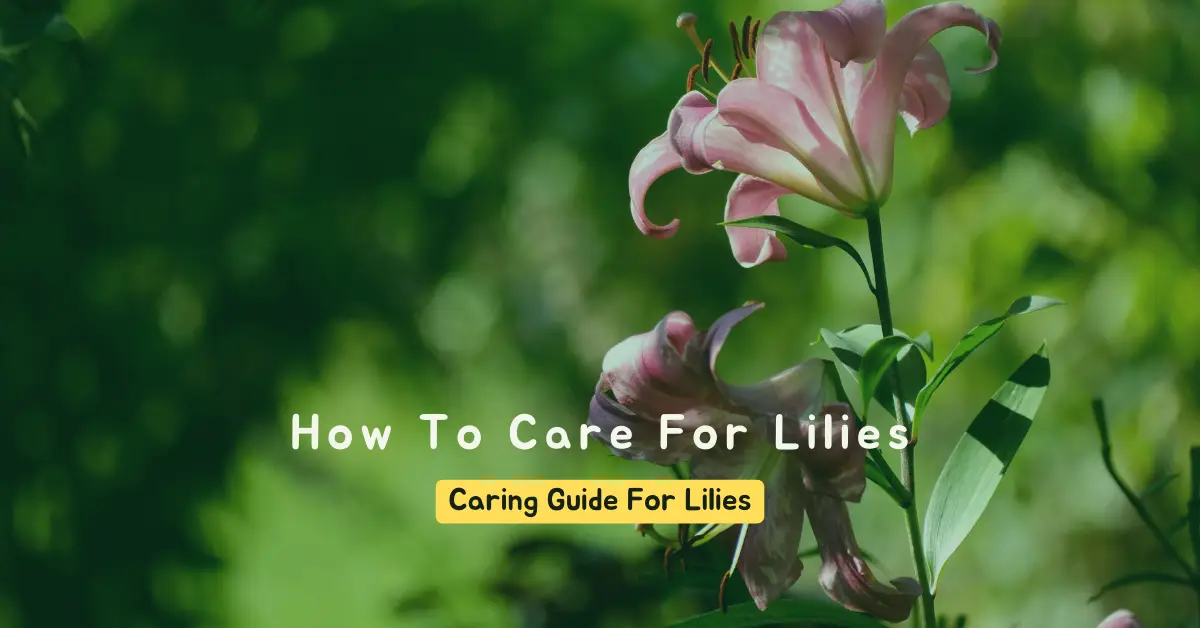
Lilies are one of the most beautiful flowering plants and they are known for their large blooms, strong fragrance and wide range of colors. Lilies grow from bulbs and are perennial plants. Many gardeners love lilies, but they often struggle with issues like no flowers, yellow leaves, weak stems, or bulbs rotting in soil.
Learning how to care for lilies the right way can solve most of these problems. Lily care is not difficult. Sunlight, watering, soil drainage and seasonal care all play an important role in healthy growth. Lilies also have different care needs when grown indoors, outdoors, or in pots. Winter care and after-flowering care are especially important for next season’s blooms.
This guide is written by combining practical gardening experience, plant science basics and trusted growing methods. Each section focuses on real problems and simple solutions. You will learn how to keep lily plants strong, how to protect bulbs and how to encourage more flowers every year.
In this complete lily care guide, you will learn how to care for lilies after flowering, how to grow lilies indoors, how to maintain outdoor lily plants, how to care for lilies in pots and how to protect lilies during winter. Whether you are growing Asiatic lilies, Oriental lilies, or other lilies types, these care tips will help you enjoy healthy plants and long-lasting blooms.
Lily Plant Care Outdoors
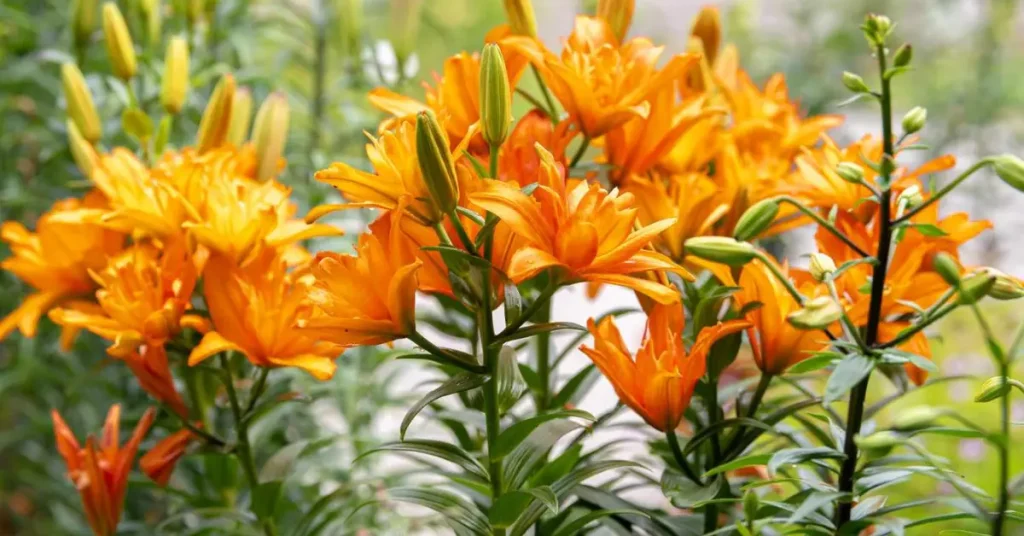
True lilies (from the genus Lilium) are mostly outdoor garden plants. They grow as perennials from bulbs. They like full sun, well-drained soil and they need a cold winter period to bloom well next year.
Some types, like Easter lilies or Oriental lilies, can stay indoors for a short time while blooming. After the flowers fade, it is best to move them outside. Plant them in the garden in a sunny spot. They can live and bloom again outdoors in future years.
Peace lilies (Spathiphyllum) are mainly indoor houseplants. They do well in bright, indirect light. They like moist soil but not wet feet.
In very warm, humid places (like USDA zones 10-12), you can grow them outdoors in shade. In most areas, they stay indoors because cold weather harms them.
Calla lilies (Zantedeschia) are flexible. They grow well both indoors and outdoors.
Indoors, they need bright, indirect light and steady moisture. They make pretty houseplants with colorful blooms.
Outdoors, they like partial shade, rich soil and good drainage. They do best in warm spots. In cold areas, dig up the rhizomes in fall and store them inside over winter. Most lily problems start when basic outdoor care needs are ignored.
Sunlight Requirements
Lilies grow best in full sun to partial shade. They need at least 6 hours of sunlight daily. Too much shade causes weak stems and few or no flowers. If lilies are planted near tall plants or walls, make sure sunlight is not blocked.
Problem: Long stems falling over, no blooms
Solution: Move lilies to a sunnier spot or remove nearby shade
Soil Requirements
Good soil drainage is the most important part of outdoor lily care. Lilies hate sitting in wet soil. Bulbs can rot quickly if water stays around them. Soil should be loose, rich and well-draining. Sandy loam soil works best. Add compost to improve soil quality, but avoid heavy clay.
Ideal soil pH is slightly acidic to neutral (6.0–7.0).
Problem: Bulbs rotting or plants dying suddenly
Solution: Improve drainage and avoid waterlogged soil
Watering Outdoor Lilies
Water lilies deeply but not too often. Let the top layer of soil dry slightly before watering again. During hot weather, lilies may need more frequent watering. Always water at the base. Avoid wetting the leaves to prevent fungal diseases.
Problem: Yellow leaves and weak growth
Solution: Reduce watering and check drainage
Fertilizing Outdoor Lilies
Feed lilies in early spring when shoots appear. Use a balanced fertilizer or compost. Do not overfertilize. Remember, too much nitrogen causes leafy growth with fewer flowers.
Mulching & Support
Mulch helps keep roots cool and soil moist. Use straw, bark, or compost. Tall lilies may need staking to protect them from wind damage.
Lilies Care Indoors
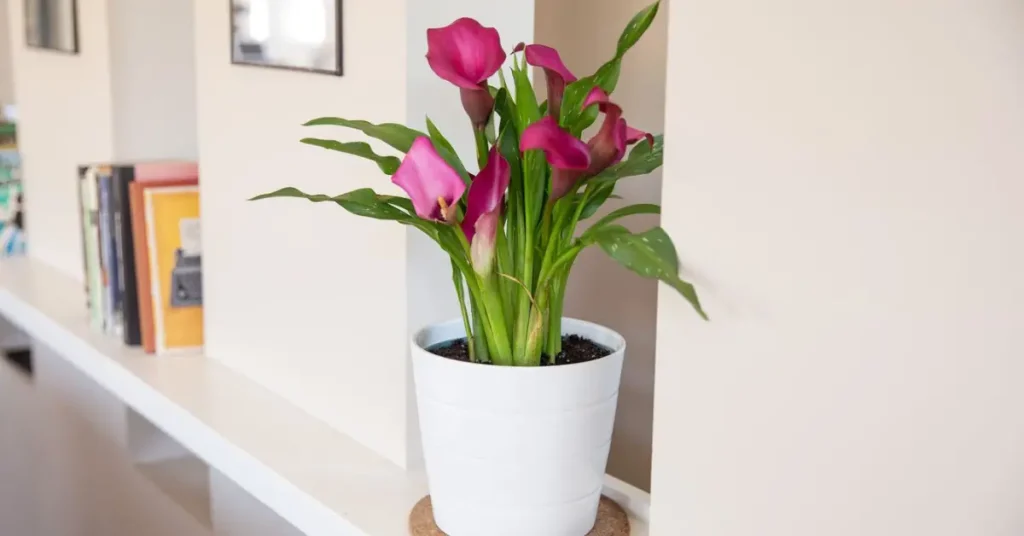
Lilies can grow well indoors if they receive proper light, water, and airflow. Indoor lily care is slightly different from outdoor care. Many problems happen indoors due to low light, overwatering, or poor drainage. With the right setup, indoor lilies can bloom beautifully and stay healthy.
Choosing the Right Location
Indoor lilies need bright, indirect sunlight. Place the pot near a south- or east-facing window. At least 5–6 hours of light daily is required. Avoid dark rooms. Low light causes weak stems and no flowers.
Do not place lilies near heaters or air conditioners. Sudden temperature changes can stress the plant.
Problem: Tall, thin stems and pale leaves
Solution: Move the plant closer to a bright window
Pot and Drainage
Always use a pot with drainage holes. Water must drain freely. Standing water at the bottom causes root and bulb rot. Choose a pot that is deep enough to support the bulb and roots.
Use a saucer, but empty it after watering.
Problem: Bulb rotting or bad smell from soil
Solution: Improve drainage and reduce watering
Watering Indoor Lilies
Indoor lilies need less water than outdoor plants. Water only when the top inch of soil feels dry. Do not keep the soil constantly wet. Water slowly and evenly.
Always water at the soil level. Avoid splashing water on leaves and flowers.
Problem: Yellow leaves or drooping plant
Solution: Check watering routine and soil moisture
Temperature and Humidity
Lilies prefer cool to moderate temperatures, between 60–70°F (15–21°C). They do not like hot, dry air. Normal indoor humidity is usually enough. No misting is needed.
Indoor Fertilizing
Feed indoor lilies lightly during active growth. Use a balanced liquid fertilizer once every 3–4 weeks. Stop feeding after flowering.
Overfertilizing indoors can damage roots.
How to Care for Lilies in Pots
Growing lilies in pots is a great option for patios, balconies and small spaces. Container-grown lilies need more attention than garden-planted lilies.
Choosing the Right Pot
Lilies need deep containers because their roots grow downward. Choose a pot that is at least 10–14 inches deep. The pot must have drainage holes at the bottom. Without proper drainage, bulbs can rot quickly.
Clay or ceramic pots work well because they allow better airflow.
Best Soil for Potted Lilies
Use a well-draining potting mix. Do not use garden soil alone. Mix potting soil with compost and a small amount of sand or perlite. This helps water drain easily and keeps roots healthy.
Soil pH should be slightly acidic to neutral.
Watering Potted Lilies
Potted lilies dry out faster than garden lilies. Water when the top soil feels dry. Water deeply until excess water flows out of the drainage holes. Never let the pot sit in standing water.
During hot weather, pots may need watering more often.
Problem: if you notice leaves turning yellow or brown
Solution: Adjust watering schedule
Feeding Potted Lilies
Potted lilies need regular feeding because nutrients wash out quickly. Use a balanced fertilizer every 2–3 weeks during active growth. Stop feeding after flowering ends.
Too much fertilizer causes weak stems.
Repotting and Bulb Division
After a few years, lilies may become crowded. Repot or divide bulbs in fall after foliage dies back. This encourages better flowering.
For Tattoo Lovers: Check Lilies Tattoos
Lilies Care After Flowering
Many gardeners make mistakes during this stage. Cutting the plant too early or ignoring post-bloom care can stop lilies from flowering next year.
Deadheading Spent Flowers
Once lily flowers fade, remove the spent blooms. This process is called deadheading. Cut just below the flower head. Do not remove the stem or leaves.
Deadheading prevents the plant from using energy to make seeds. Instead, energy goes back into the bulb.
Never cut green leaves after flowering. The leaves continue to make food for the bulb through photosynthesis. This stored energy helps lilies survive winter and bloom again.
Let the leaves turn yellow and dry naturally. This may take several weeks.
Cutting Back Lily Stems
Only cut stems when they are fully yellow or brown. At that point, cut the stem close to ground level. Cutting too early weakens the bulb.
This applies to garden lilies and potted lilies.
Post-Flowering Fertilization
After flowering, apply a light dose of balanced fertilizer or compost. This helps bulbs store nutrients for next year. Do not overfeed.
Stop fertilizing once the plant enters dormancy.
Watering After Flowering
Continue watering lightly until foliage dies back. Do not let soil stay wet. Reduce watering gradually.
How to Care for Lilies in Winter
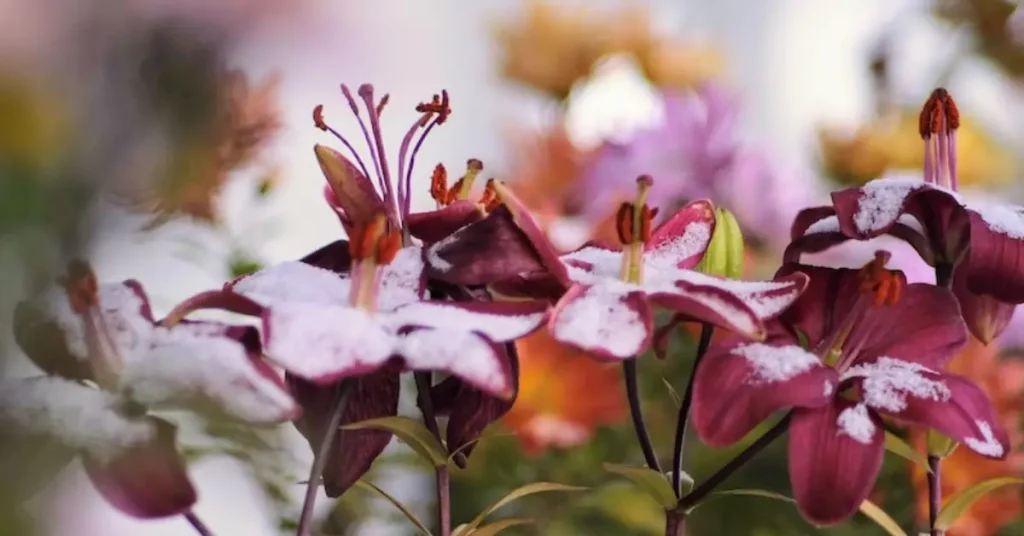
Many lilies tolerate frost, especially hardy types like Asiatic lilies, which can handle very cold temperatures, but tender varieties like Oriental & Trumpet need protection in harsh winters, often requiring mulch or moving potted ones indoors to prevent bulb rot from cold, wet conditions.
Winter Care for Outdoor Lilies
Outdoor lilies can stay in the ground during winter in most regions. Once the stems are cut back and soil cools, apply a light layer of mulch. Mulch protects bulbs from freezing temperatures and sudden temperature changes.
Use straw, dry leaves, bark chips, or compost. Do not pile mulch directly on the bulb crown. In spring, remove excess mulch so new shoots can grow easily.
Winter Care for Potted Lilies
Potted lilies are more sensitive to cold. Move pots to a sheltered area, such as a garage, porch, or unheated room. The temperature should stay cool but not freezing.
Water very lightly during dormancy. Soil should stay slightly dry. Too much water causes bulb rot.
Common Winter Mistakes to Avoid
- Overwatering dormant bulbs
- Poor drainage
- Heavy, wet mulch
- Cutting foliage too early
Final Thoughts
With proper care after flowering and correct winter protection, lilies will return stronger every year. Healthy bulbs mean better blooms, stronger stems and longer flowering periods.