20 Safe Houseplants For Cats (All ASPCA-Verified)
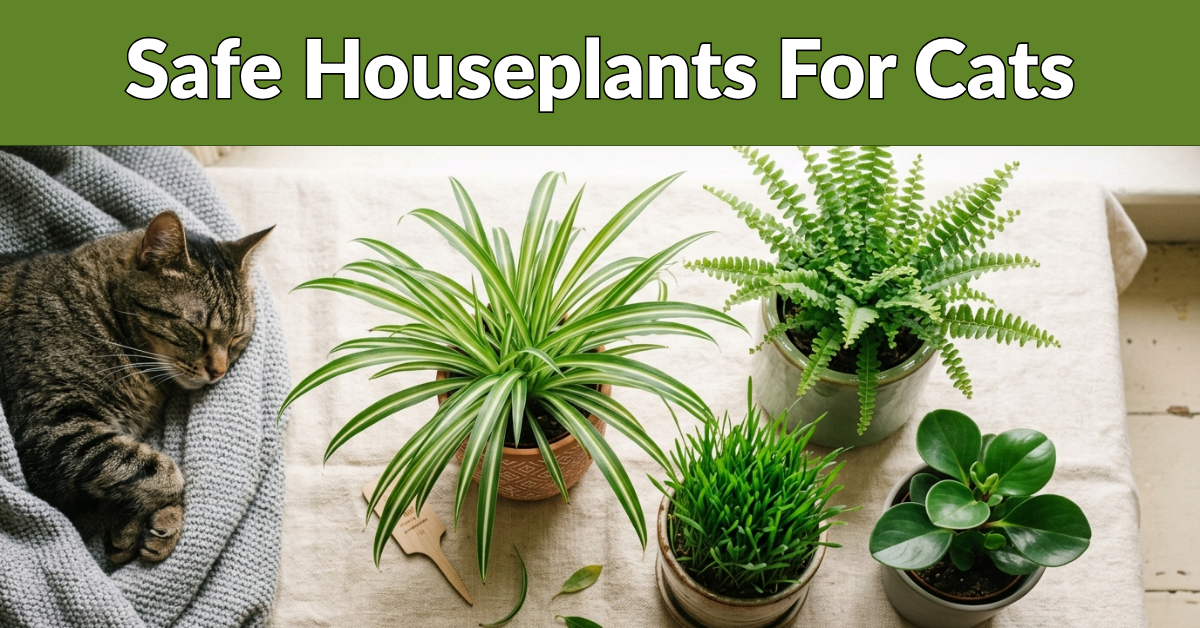
If you’re a plant lover with cats, you already know the anxiety. You spot the perfect trailing plant at the nursery, fall in love, then pull out your phone to google whether it’ll send your cat to the vet. Half the popular houseplants out there, pothos, monstera, peace lily, snake plant are toxic to cats. Some seriously so.
The ASPCA Animal Poison Control Center reports that plants account for about 6% of reported pet poisonings every year. That’s not a small number. And many of the most popular houseplants including pothos, monstera, philodendrons, peace lily, and most aroids are toxic to cats.
The good news: there are hundreds of beautiful plants that are completely safe. The ASPCA’s non-toxic plant list alone has 868 plants confirmed safe for cats.
This post breaks down 20 Safe Houseplants For Cats into four categories: large statement plants, flowering plants, air-purifying plants, and easy-care picks for anyone who forgets to water. Every plant here is ASPCA-verified non-toxic to cats.
One thing worth knowing before you start: non-toxic means not poisonous, not designed to be eaten. Even safe plants can cause mild stomach upset if your cat eats a large amount. So placement still matters but you won’t be rushing to the emergency vet at midnight.
Large Houseplants Safe for Cats
Big plants make a room. They fill corners, add height, and give your space that lush, lived-in feel. These five are all cat-safe.
Areca Palm (Dypsis lutescens)
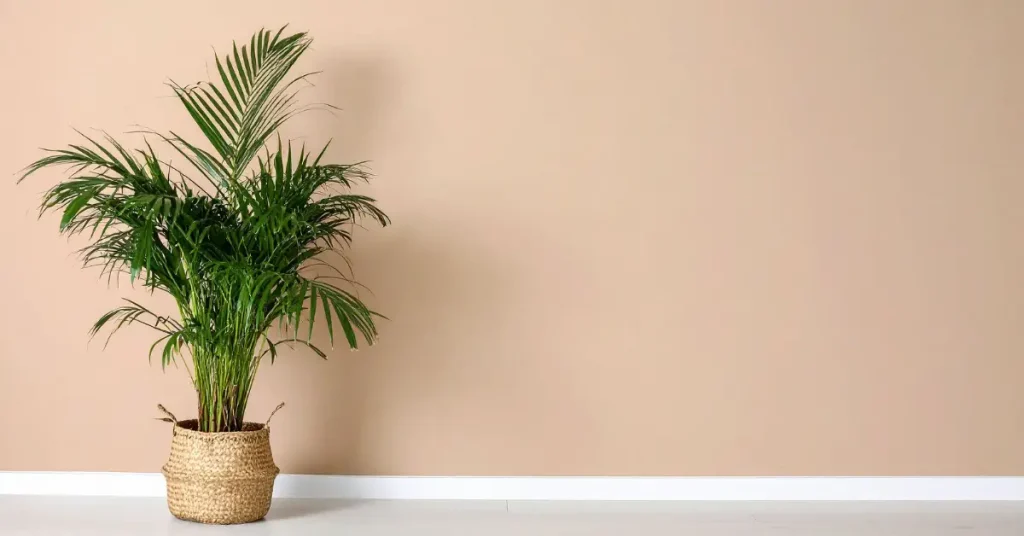
The Areca Palm is one of the best large indoor plants you can own. It grows full and feathery, easily reaching 6 to 7 feet indoors. It is non-toxic to cats and dogs and is one of the few true palms well-suited to indoor environments. It does best in bright indirect light and likes its soil to dry out slightly between waterings. Bonus: it’s also one of the better air-purifying palms you can get.
Parlor Palm (Chamaedorea elegans)
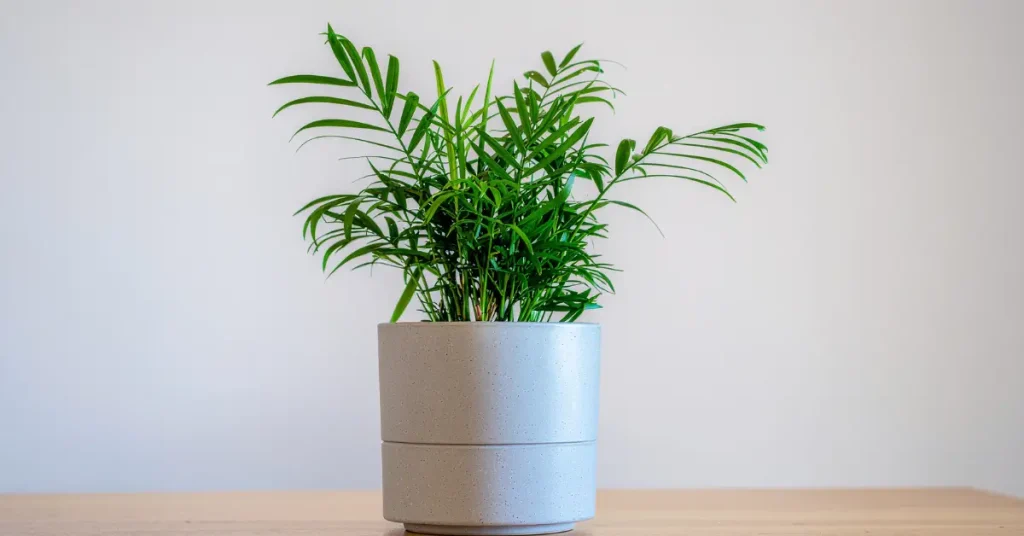
If your space doesn’t get a lot of light, the Parlor Palm is your answer. It is non-toxic to cats and dogs and is one of the few true palms suited to lower indoor light. It grows slowly but produces a classic indoor palm form and tolerates the dry air of heated homes reasonably well. Low maintenance, elegant, and genuinely cat-safe.
Majesty Palm (Ravenea rivularis)
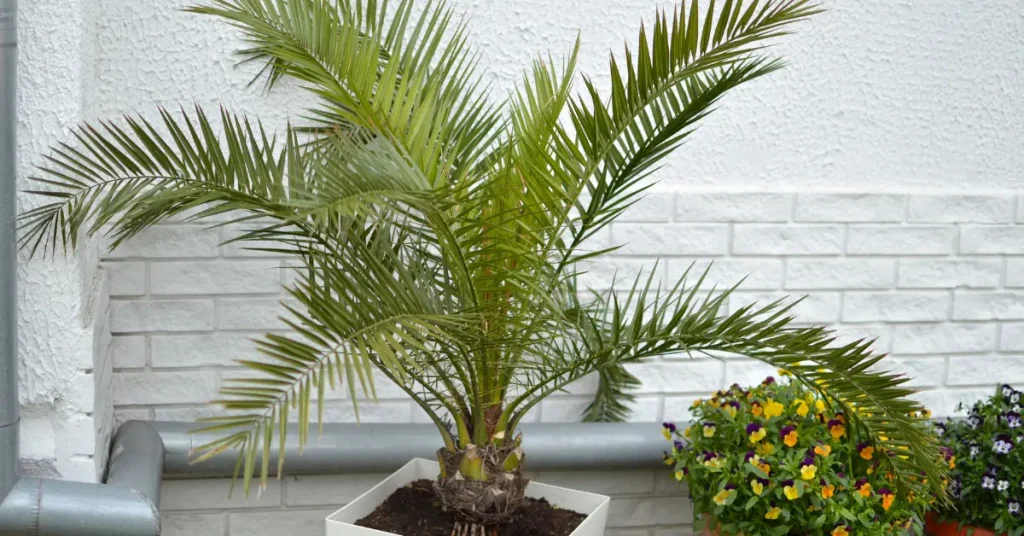
Majesty palm, is a species of tree in the family Arecaceae. They generally grow to 10 to 12 feet tall and are often marketed in stores as a “houseplant” in a pot. It is non-toxic to cats and dogs, larger-growing and more demanding of light than the Parlor Palm, but it provides a real statement tropical presence indoors. Give it a bright spot and keep the humidity up and it’ll thrive.
Bamboo Palm (Chamaedorea seifrizii)
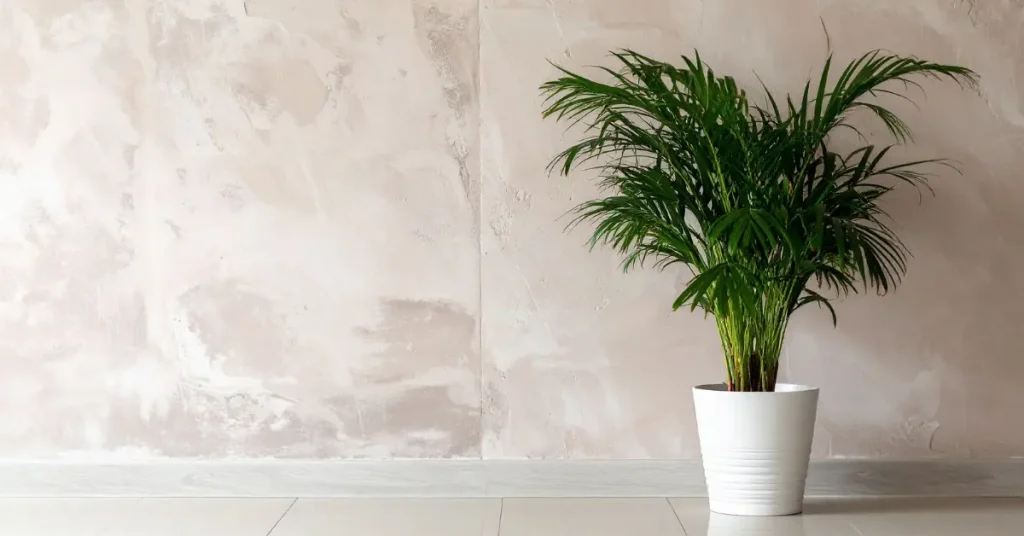
The Bamboo Palm has a slightly different look from the Areca, more upright, with cane-like stems and dense green fronds. It is listed by the ASPCA as non-toxic to cats and handles indoor conditions well. It’s also one of the plants NASA flagged for air purification, so it pulls double duty.
Money Tree (Pachira aquatica)
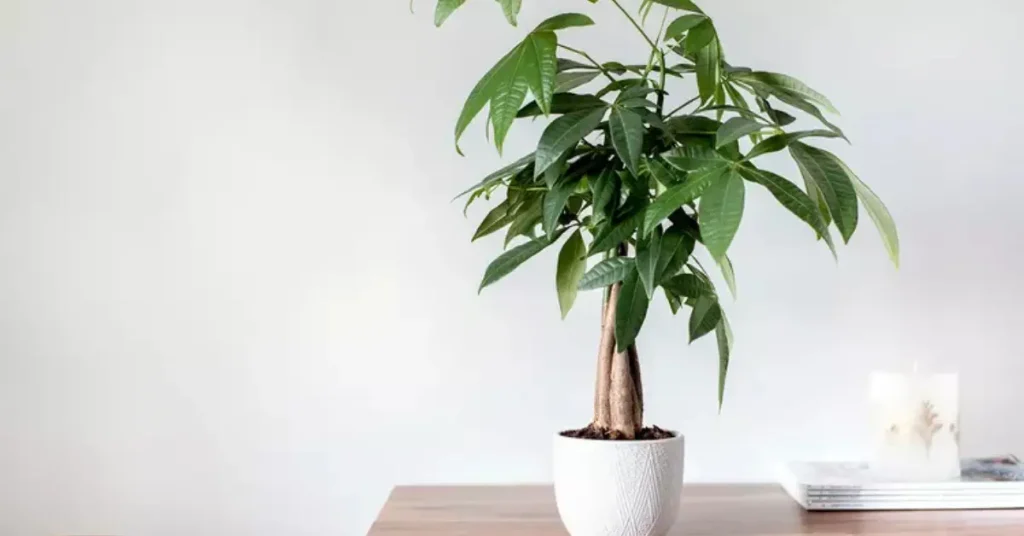
The money tree (Pachira aquatica) is an easy-care plant that grows quickly, up to 24 inches a year. It reaches 6 to 8 feet tall on maturity. This hardy plant likes bright to medium indirect sunlight for six hours per day. It’s distinctive, easy to care for, and safe for cats. The braided trunk version is especially popular and looks great in living rooms or home offices. Cat-safe and genuinely low-effort.
Flowering Houseplants Safe for Cats
Most flowering plants that look beautiful indoors turn out to be toxic — lilies being the worst offender for cats. Tiger lilies, daylilies, Asiatic lilies, Easter lilies, and Japanese show lilies are all highly toxic to cats and can result in severe kidney failure. So finding flowering plants that are actually safe feels like a win. These five bloom reliably, look great, and won’t put your cat at risk.
African Violet (Saintpaulia)
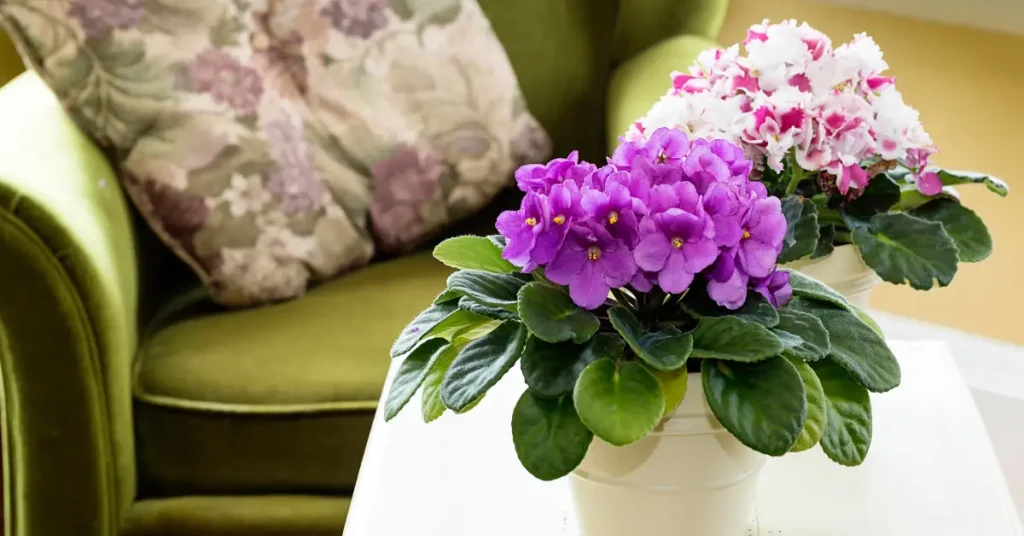
African Violets are one of the easiest flowering houseplants to keep alive indoors, and they bloom almost year-round in the right conditions. The ASPCA classifies the African Violet as a pet-friendly plant, non-toxic to both dogs and cats. They come in shades of purple, pink, and white, stay compact, and sit perfectly on a windowsill or desk. One thing to know: water them from the bottom, not the top. Getting water on the leaves causes brown spots. Bright indirect light and they’re happy.
Read: African Violet Care Tips
Phalaenopsis Orchid (Phalaenopsis spp.)
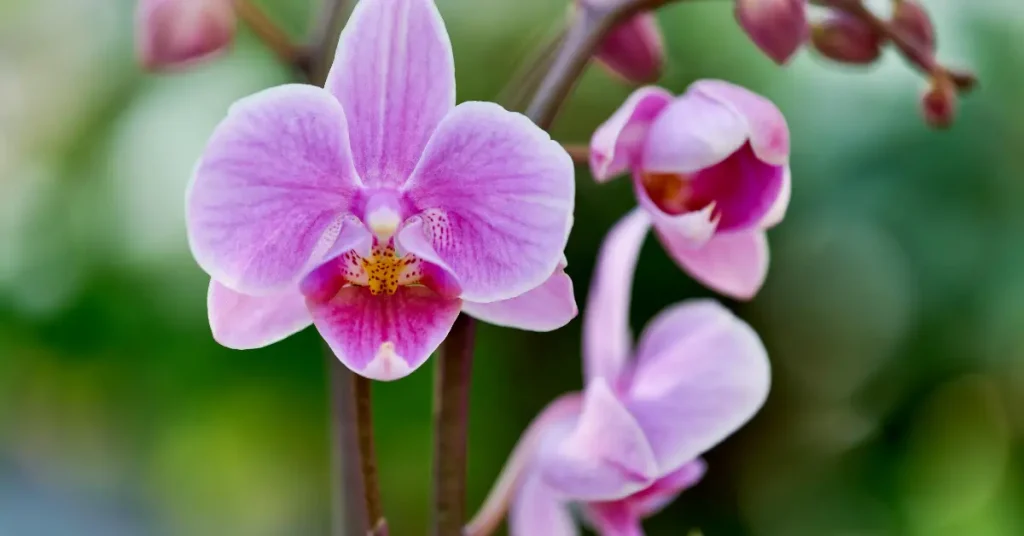
Orchids have a reputation for being fussy, but Phalaenopsis, the kind you see at every grocery store and garden centre is actually quite forgiving. The ASPCA lists the Phalaenopsis Orchid as pet-friendly, and its flowers can last three months or longer from a single bloom.
They’re totally safe for your pets, and with proper care they can rebloom year after year. Water once a week, let it drain completely, keep it in bright indirect light, and leave it alone between waterings.
Bromeliad (Bromeliaceae family)
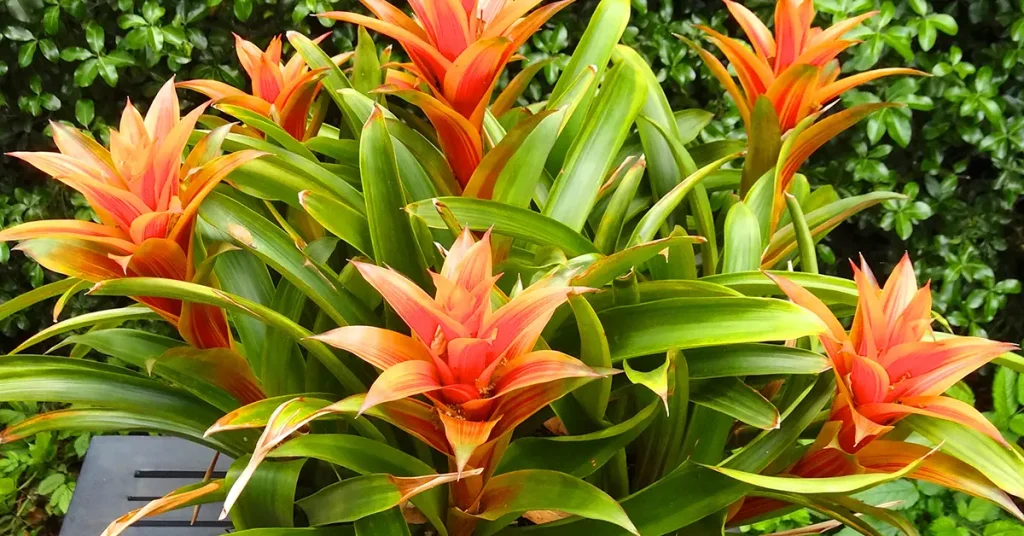
Bromeliads look exotic and high-maintenance but are surprisingly easy to keep. They like their central “cup” watered and do best in bright, indirect light. The colourful bracts, the part that looks like a flower, can last for months. Once the main bloom fades, the plant produces offshoots called pups, so you essentially get new plants for free.
ASPCA-verified safe for cats, and a genuine statement piece on a shelf or side table.
Christmas Cactus (Schlumbergera)
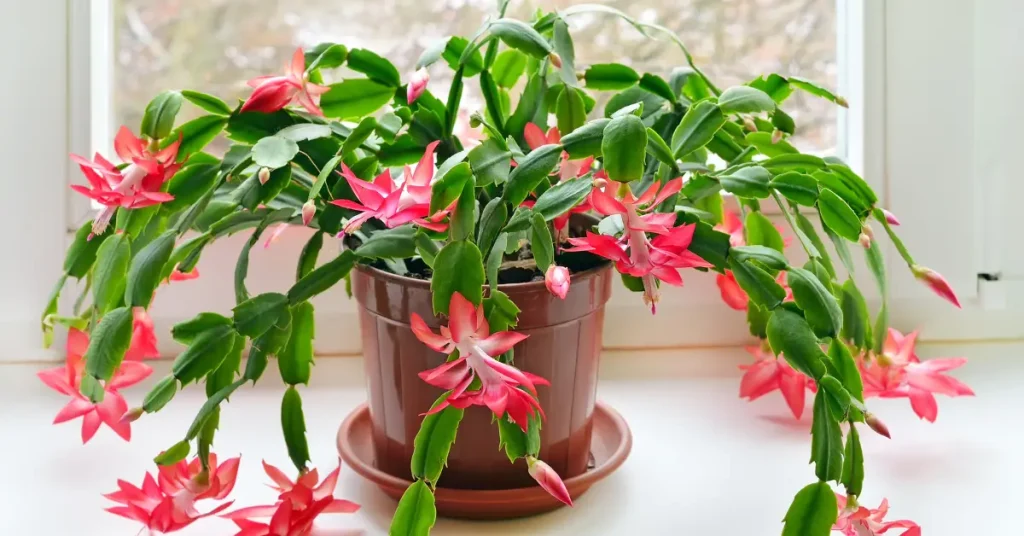
The Christmas Cactus is one of those plants that surprises people, it’s a cactus that actually likes humidity and indirect light, and it blooms in deep pinks and reds right when everything else looks dull in winter. The ASPCA lists it as pet-friendly for cats and dogs.
It’s native to Brazil and nothing like the desert cacti that prefer to be ignored. Water it more during growing season, cut back in autumn to encourage blooming, and keep it somewhere with good light but away from heating vents.
Gloxinia (Sinningia speciosa)
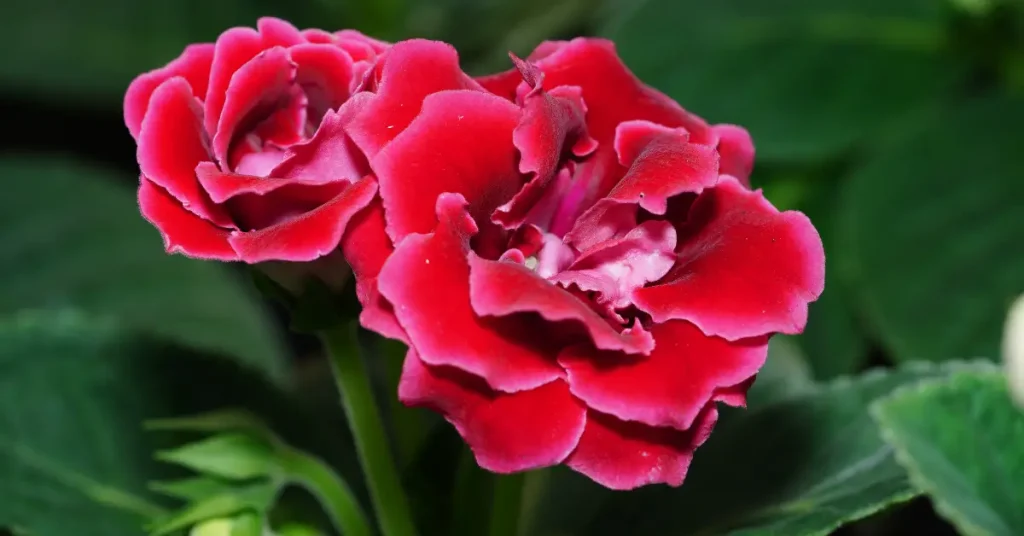
Gloxinia is a tuberous member of the flowering plant native to Brazil within the family Gesneriaceae. It produces large, velvety, trumpet-shaped flowers in deep purples, reds, and pinks. It’s ASPCA-verified non-toxic to cats and grows well indoors with bright indirect light and consistent moisture. It’s seasonal, so it goes dormant after blooming, but you can bring it back the following year with a bit of patience. Worth it for the flowers alone.
Indoor Plants That Purify Air and Are Safe for Cats
Most people want their home to feel fresh and clean, not just look good. The plants in this section do both, they help filter indoor air pollutants like formaldehyde, benzene, and xylene, and every single one is ASPCA-verified safe for cats. That’s a combination that’s genuinely hard to find.
Spider Plant (Chlorophytum comosum)
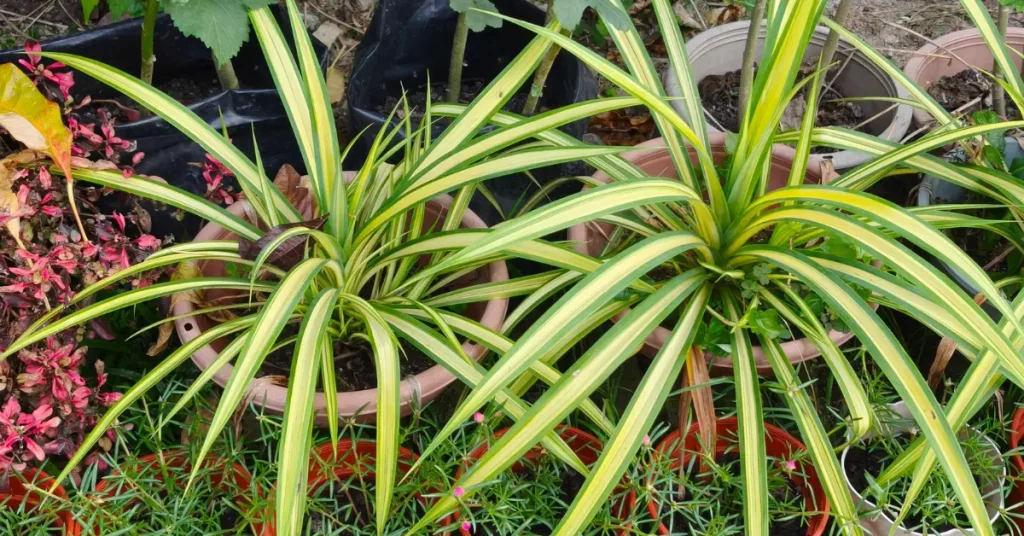
The Spider Plant is probably the most recommended cat-safe plant by me. It removes formaldehyde, xylene, and toluene from the air and is one of the hardiest houseplants you can own. It is non-toxic to cats and dogs according to the ASPCA, though cats are often attracted to it and may chew on it and this might cause mild GI upset from the plant fiber, but there is no toxicity concern.
One fun quirk: cats are sometimes attracted to spider plants possibly for a mild hallucinogenic effect similar to catnip, which causes brief unusual behavior but no toxicity. Keep it in a hanging basket if your cat is particularly obsessed.
Boston Fern (Nephrolepis exaltata)
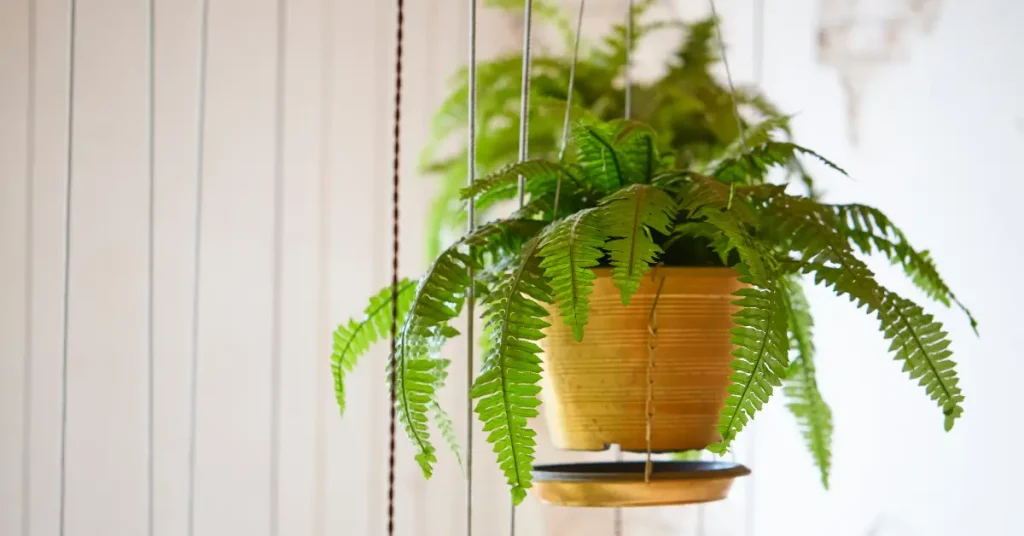
The Boston Fern is lush, full, and one of the better natural humidifiers you can keep indoors. It releases moisture into the air as it transpires. It is completely non-toxic to dogs and cats. Keep it in indirect light in a warm room between 60 and 70 degrees Fahrenheit. It likes high humidity, so placing it near a bathroom or kitchen works well, or set the pot on a tray of wet pebbles.
One thing to know: there are spores on the underside of the leaves that look like small brown or black dots, they’re often mistaken for insects or disease, but they’re just a natural part of the plant.
Bamboo Palm (Chamaedorea seifrizii)
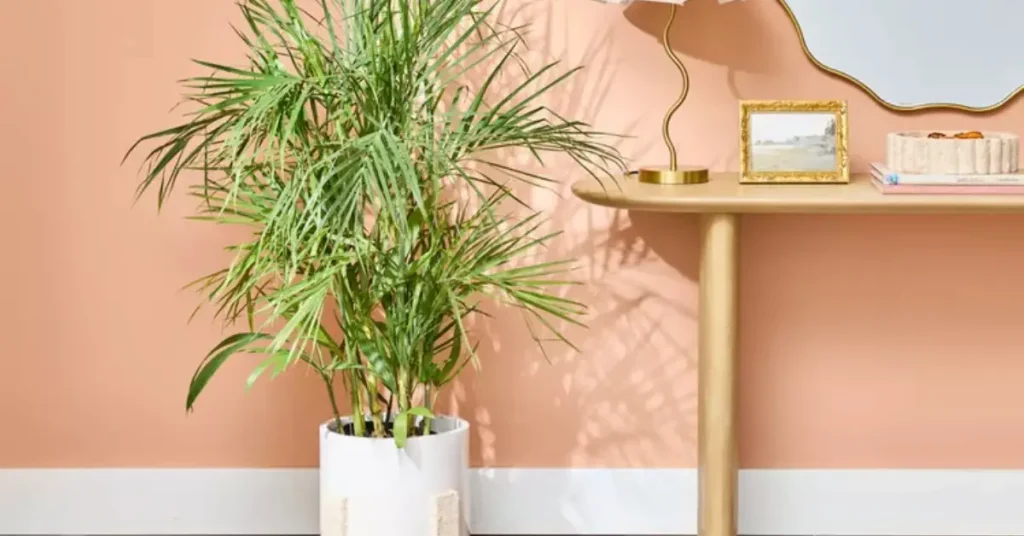
Already mentioned in the large plants section, the Bamboo Palm earns a second mention here because it’s genuinely one of the better air-filtering palms for indoor spaces. It was included in NASA’s original clean air study for its ability to filter benzene and trichloroethylene. It handles lower light better than most palms, stays cat-safe, and adds real tropical volume to a room. If you want one plant that covers both size and air quality, this is it.
Gerbera Daisy (Gerbera jamesonii)
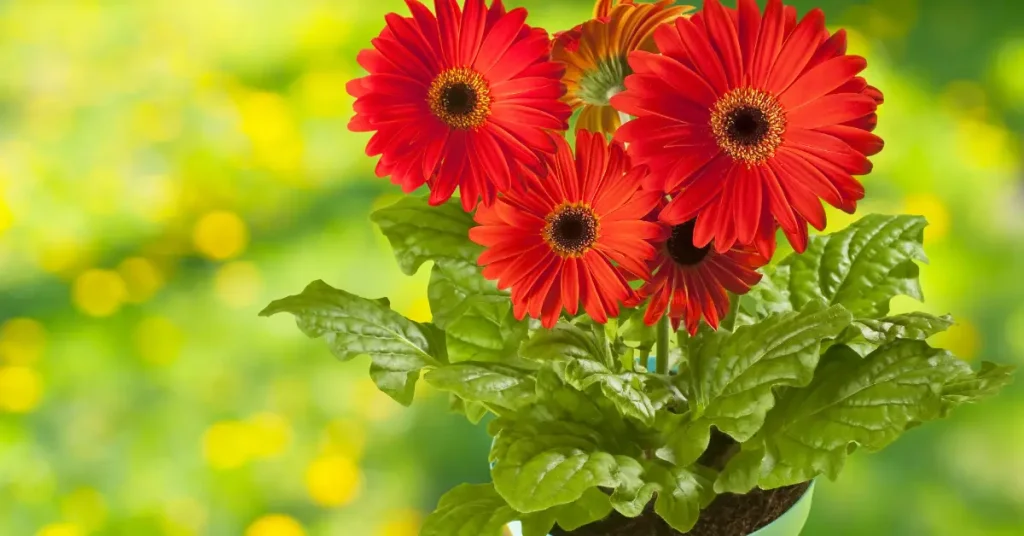
Gerbera daisies (Gerbera jamesonii) are bright, colorful flowers that are commonly planted in gardens as bedding plants or in containers in South Carolina. They are native to South Africa. It filters benzene and trichloroethylene and produces bright, cheerful blooms in orange, yellow, red, and pink. It is ASPCA-verified non-toxic to cats.
It needs a good amount of bright light indoors to bloom well, a south or east-facing window is ideal. It’s not the easiest plant to keep blooming long-term indoors, but the combination of colour, air filtration, and cat safety makes it worth trying.
Lilyturf (Liriope spicata)
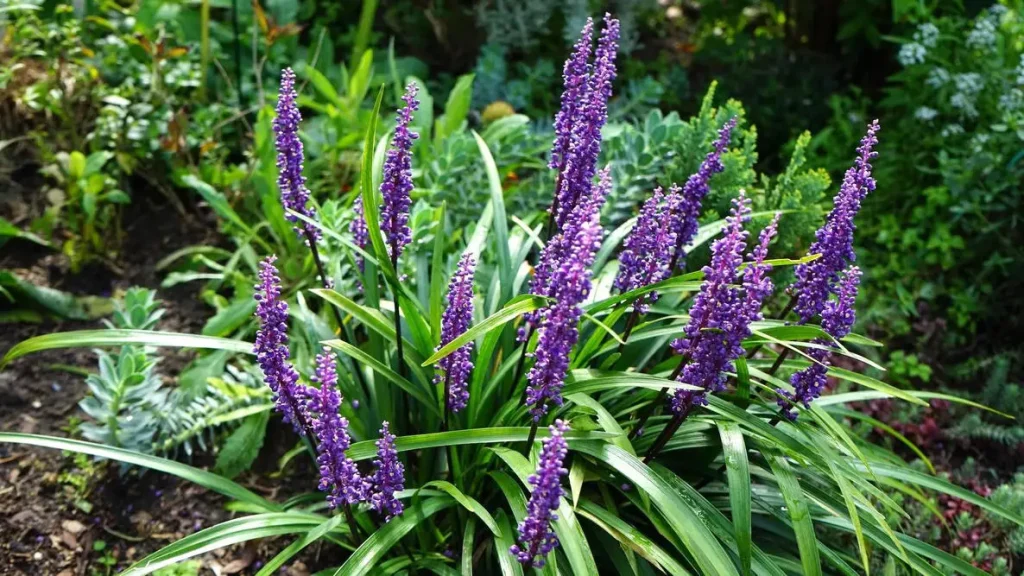
Lilyturf is a lesser-known pick that deserves more attention. It produces small purple flower spikes above its grass-like foliage and is ASPCA-confirmed non-toxic to cats. It’s naturally tolerant of low light, drought, and general neglect. It’s often used as outdoor ground cover, but it adapts well to containers indoors and brings a different texture compared to the usual leafy houseplants.
Easy-Care Cat-Safe Houseplants
Not everyone has time to fuss over humidity levels and watering schedules. These five plants are forgiving, low-maintenance, and safe for cats. If you’ve killed plants before, start here.
Haworthia (Haworthia spp.)
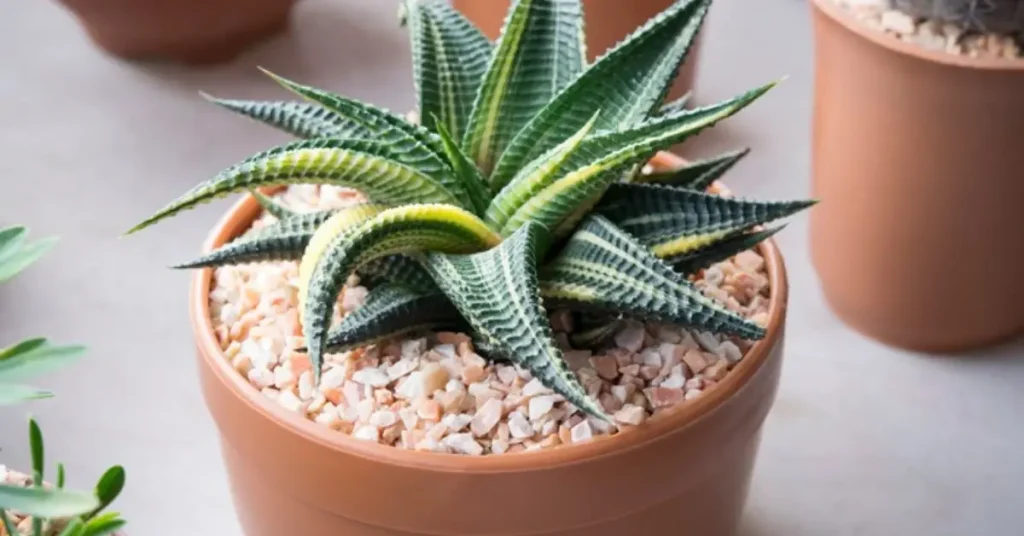
Haworthia looks like a tiny aloe, which matters because aloe is actually toxic to cats. Haworthia is pet-safe, unlike aloe vera, jade plant, and kalanchoe, which are all toxic. It stays small, thrives in indirect light, and only needs watering every two to three weeks. It’s the perfect desk or windowsill plant.
Calathea (Calathea spp.)
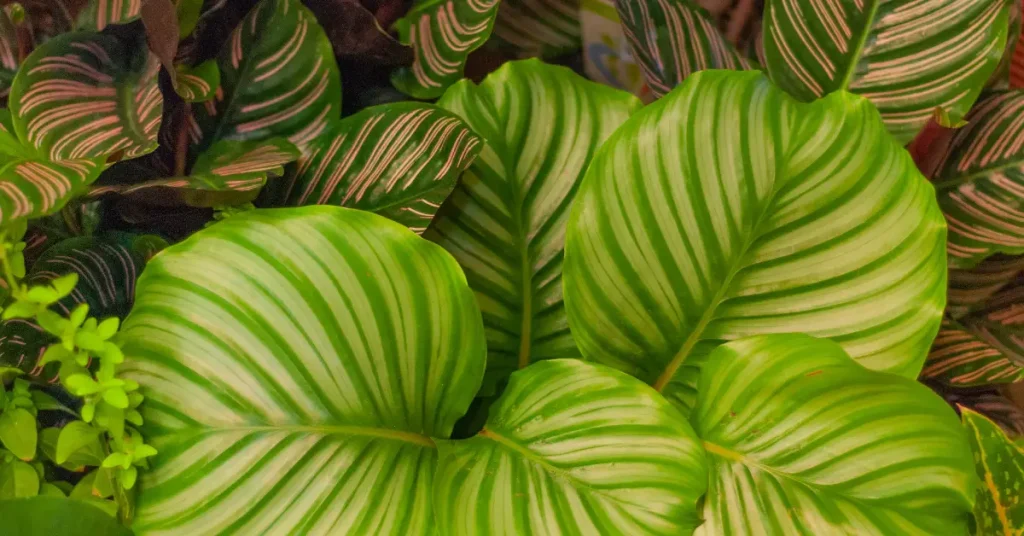
Calathea has some of the most striking foliage of any houseplant, bold patterns, rich colours, and leaves that fold up at night like they’re going to sleep. Calatheas and marantas are non-toxic to cats and dogs and are well suited to indoor environments.
They do prefer filtered water and higher humidity than most plants, so they’re not completely hands-off, but they reward a little attention with genuinely impressive leaves. Keep them away from direct sun and cold drafts.
Peperomia (Peperomia spp.)
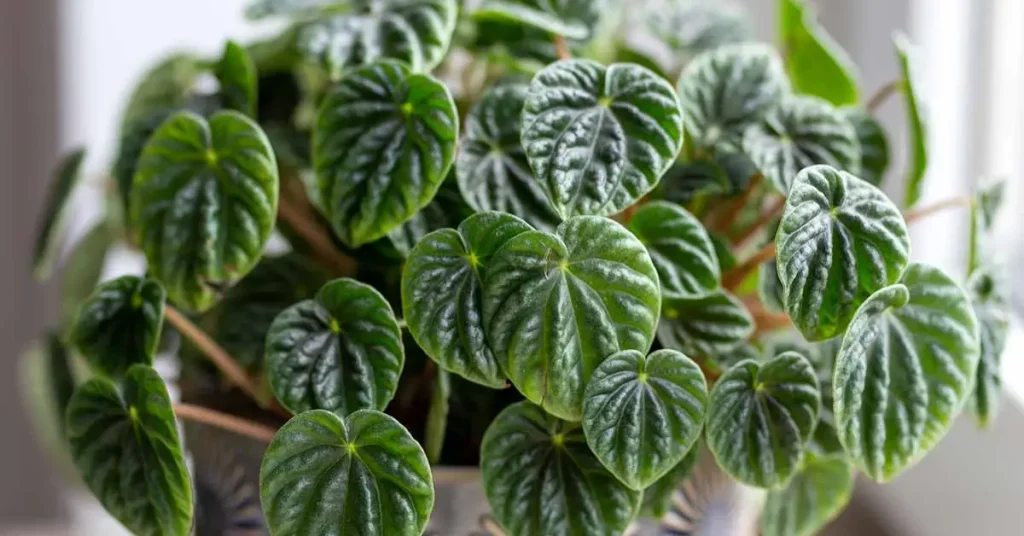
Popular for indoor, pet-friendly, and, often, semi-succulent houseplants, they are, generally, drought-tolerant. There are hundreds of varieties, some with thick waxy leaves, some trailing, some with watermelon-striped patterns. The ASPCA classifies Peperomia as pet-friendly and non-toxic to both dogs and cats.
The watermelon peperomia is a tropical shrub that grows only 8 inches tall, compact, easy, and genuinely interesting to look at. They store water in their leaves, so they handle missed waterings well.
Ponytail Palm (Beaucarnea recurvata)
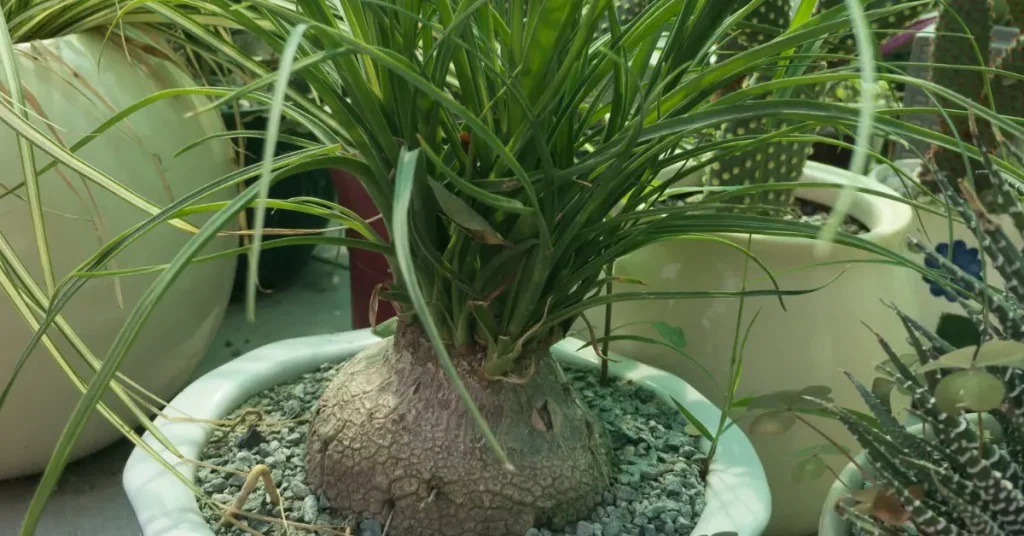
The Ponytail Palm is not actually a palm, it’s a succulent that stores water in its swollen base. It thrives on neglect, tolerates low light, and only needs watering once every couple of weeks. It has a fun, sculptural look with long curly leaves that spill out from the top.
ASPCA-verified non-toxic to cats, and nearly impossible to kill. A great option for anyone who travels frequently or tends to forget their plants exist.
Swedish Ivy (Plectranthus australis)
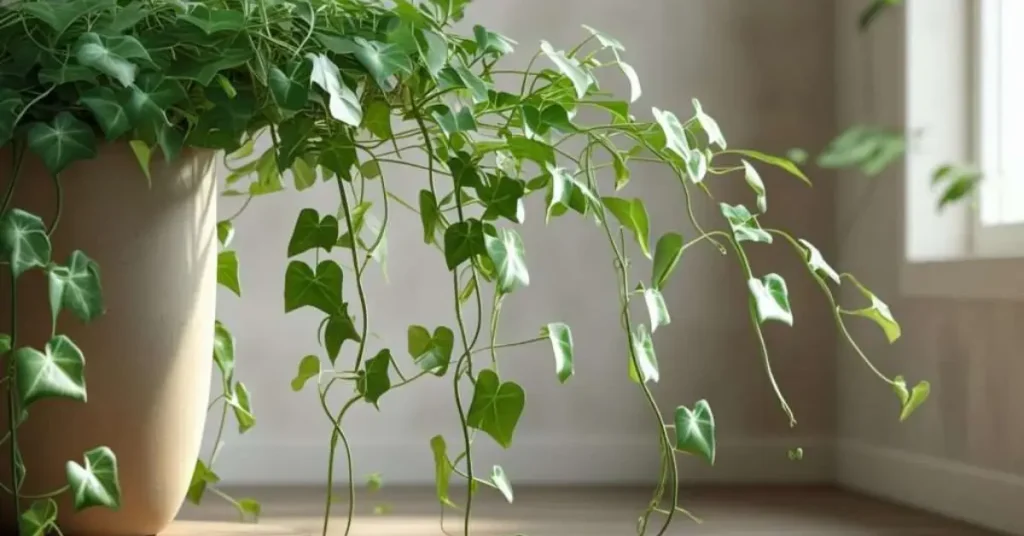
Swedish Ivy is a fast-growing trailing plant with bright green, scallop-edged leaves that look great in hanging baskets or cascading off a shelf. It’s ASPCA-confirmed safe for cats, easy to propagate, and tolerant of a range of light conditions.
Water when the top inch of soil feels dry and it’ll keep going without much fuss.
I hope you liked these 20 safe houseplants for cats.
Toxic Plants That Look Like Safe Ones
This is the part most plant lists skip, and it’s genuinely important. Common plant names are inconsistent, and some toxic plants look almost identical to safe ones. A wrong purchase can happen easily, especially when nursery labels only show common names.
Here are the most common mix-ups to watch out for.
Haworthia vs. Aloe Vera
These two look nearly identical, both have thick, pointed leaves growing in a rosette pattern. Haworthia is safe for cats. Aloe vera is toxic to cats and dogs. The easiest way to tell them apart: Haworthia stays small and has white stripes or bumps on the leaves. Aloe grows larger with smoother, thicker leaves and a more silvery-green colour. When in doubt, check the Latin name on the label before buying.
Lucky Bamboo vs. True Bamboo
This one catches a lot of people out. Lucky Bamboo is sold everywhere and looks like a sleek, minimalist indoor plant but it is not actually bamboo. True bamboo from the Bambusoideae family is non-toxic to cats and dogs. Lucky Bamboo, which is Dracaena sanderiana, is NOT actually bamboo and is toxic to cats and dogs. If the stems are growing in water or decorative pebbles with no soil, it’s almost certainly Lucky Bamboo. Avoid it.
Parlor Palm vs. Sago Palm
These two get confused because both are sold as indoor palms and look similar at first glance. Parlor Palm is completely safe for cats. Sago palm, Cycas revoluta, is severely toxic to cats. Sago Palm has stiffer, darker fronds and often a rough, fibrous trunk base. Parlor Palm is softer, lighter green, and feathery. Always check the label and confirm the Latin name when buying any palm.
Asparagus Fern vs. Boston Fern
Both are sold as ferns, both look lush and feathery, and one is safe while the other is not. All true ferns are non-toxic to cats. Asparagus fern is not a true fern and is highly toxic to cats. Boston Fern has broader, softer fronds. Asparagus Fern has fine, needle-like leaves that look almost wispy. If it looks feathery and delicate like a cloud of green needles, check the label before bringing it home.
Dracaena vs. Calathea
From a distance, some Dracaena varieties and Calatheas can look similar. Both have bold, patterned leaves and a tropical feel. Most Dracaena species are toxic to cats, while Calathea is completely safe. See the leaf pattern: Calathea has intricate, painterly markings on the top of the leaf with a purple or burgundy underside. Dracaena tends to have solid or striped leaves with a cane-like stem.