10 Best Hydrangeas Companion Plants
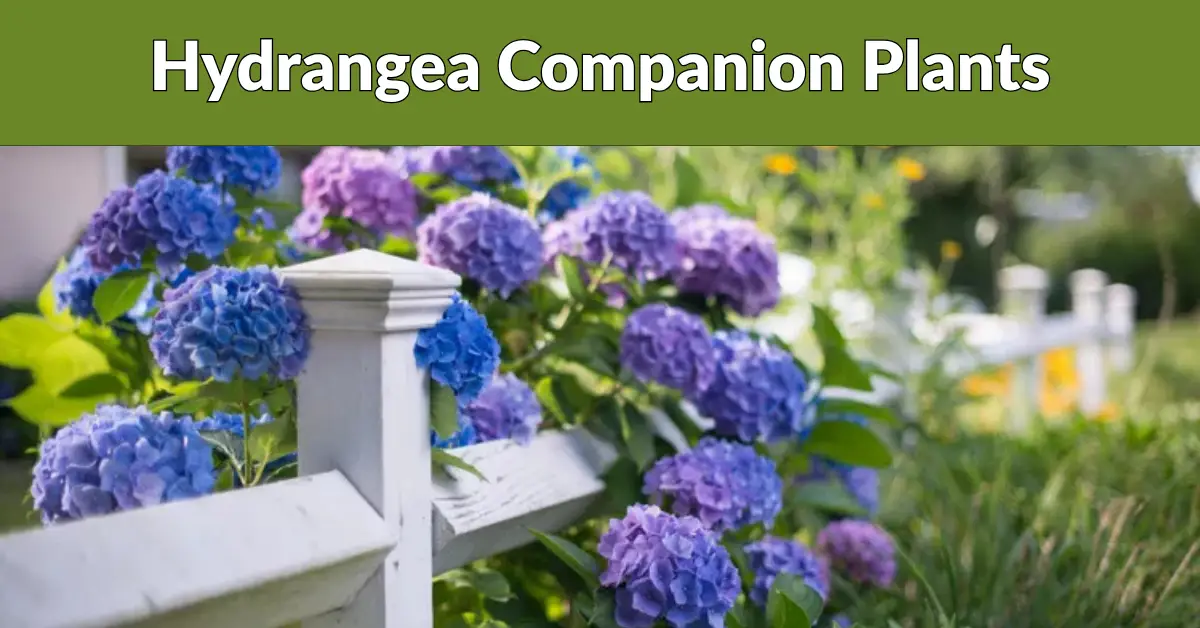
Hydrangeas are one of the most rewarding shrubs to grow, but they do even better with the right neighbors. Companion planting means growing different plants side by side so each one benefits from the other. The goal is finding plants that share hydrangeas’ love of moist, well-drained soil and partial sun.
Here are 10 best hydrangeas companion plants.
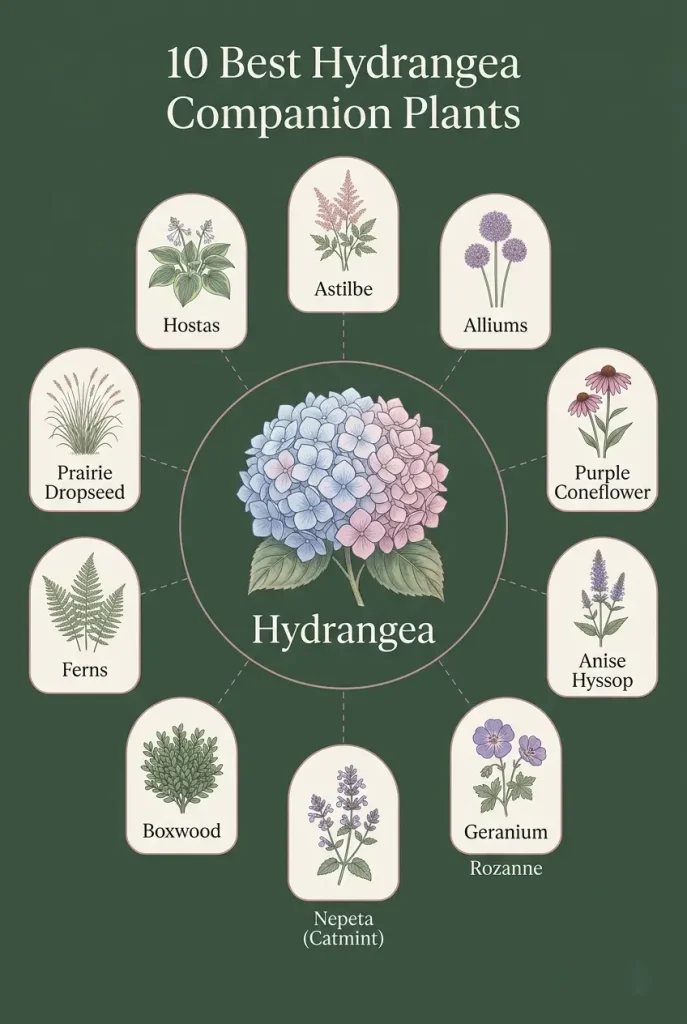
- Hostas
- Astilbe
- Alliums
- Purple Coneflower (Echinacea)
- Anise Hyssop
- Geranium Rozanne
- Nepeta (Catmint)
- Boxwood
- Ferns
- Prairie Dropseed
Hostas
- Native to: East Asia (China, Japan, Korea)
- Family: Asparagaceae
- Zones: 3 to 9
- Size: 1 to 2 feet tall x 2 to 4 feet wide
- Care requirements: Partial to full shade; rich, moist, well-draining soil
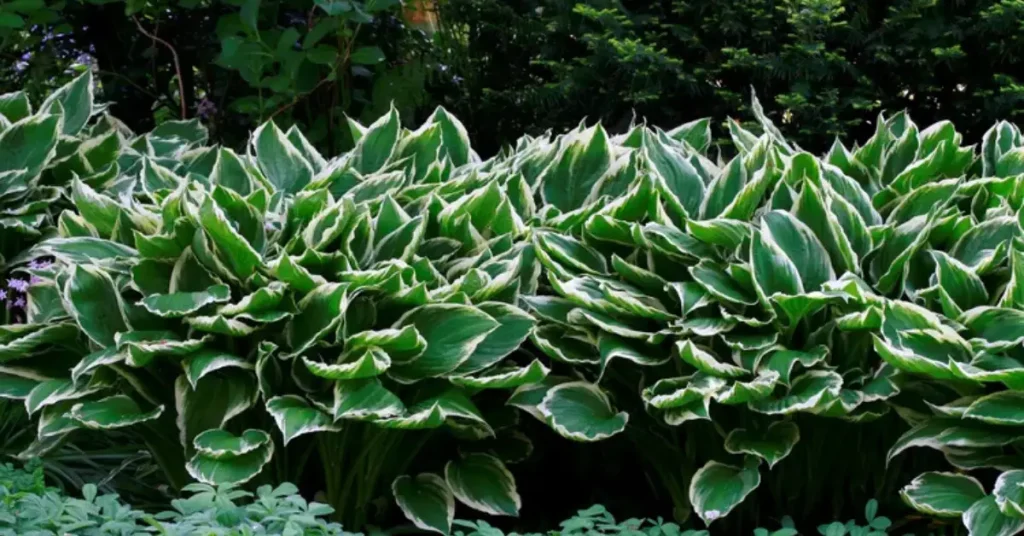
Hostas are the most natural partner for hydrangeas, especially in shade gardens. They thrive in the same rich, moist soil and grow happily in partial shade and no special adjustments needed when planting them together.
Their bold foliage, ranging from deep green to lime to variegated white, creates a striking contrast against hydrangea blooms. Some varieties even produce small bell-shaped flowers in summer, which draw in pollinators including hummingbirds.
Astilbe
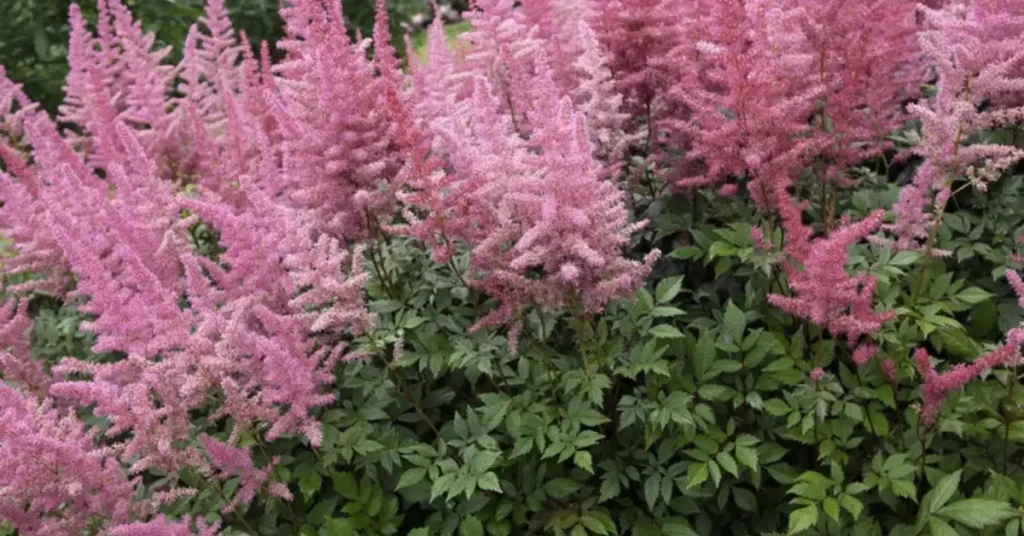
- Native to: Asia and North America
- Family: Saxifragaceae
- Zones: 3 to 8
- Size: 6 to 24 inches tall x 6 to 60 inches wide
- Care requirements: Partial to full sun; loamy, moist soil
Astilbe is a top companion for hydrangeas that prefer shade. Its feathery plumes in pink, red, white, and purple offer a nice visual contrast to the rounder blooms of hydrangeas. The fern-like foliage adds texture even when the flowers have finished.
Low-maintenance, easy to grow, and deer and rabbit resistant, astilbe brightens up a garden that doesn’t get a lot of sun. It’s a reliable, no-fuss choice that performs season after season.
Alliums
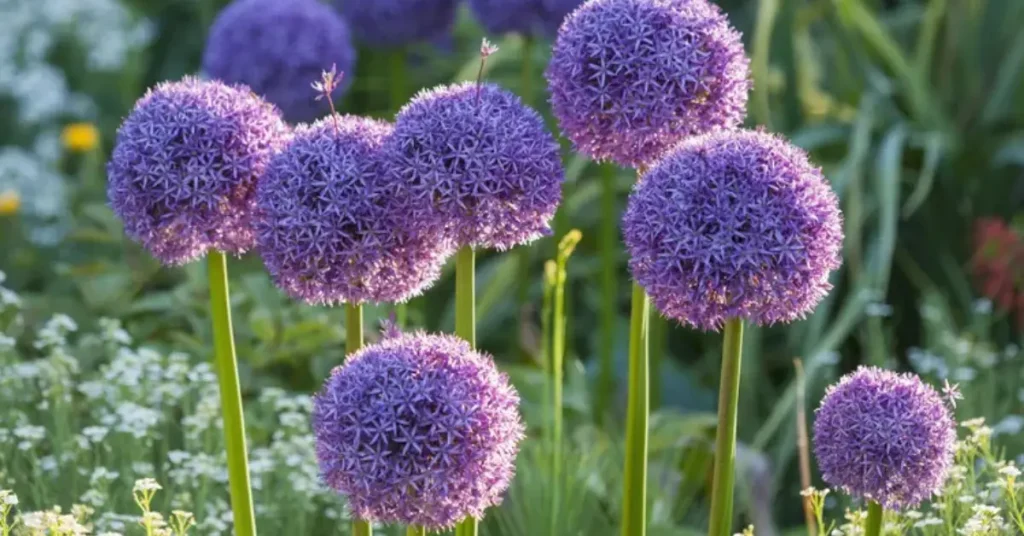
- Native to: Central Asia and the Mediterranean
- Family: Amaryllidaceae
- Zones: 4 to 10
- Size: 1 to 4 feet tall x 3 to 10 inches wide
- Care requirements: Full sun; well-draining soil
Alliums bring bold, globe-shaped blooms that hold their own next to hydrangeas in a cottage-style border. As members of the onion family, their scent works as a natural deterrent against deer, aphids, and other common garden pests.
“They’re pollinator magnets and because of their scent, they offer real protection to the plants around them. Their color range from soft lavender to deep violet, complements many hydrangea varieties beautifully.
Purple Coneflower (Echinacea)
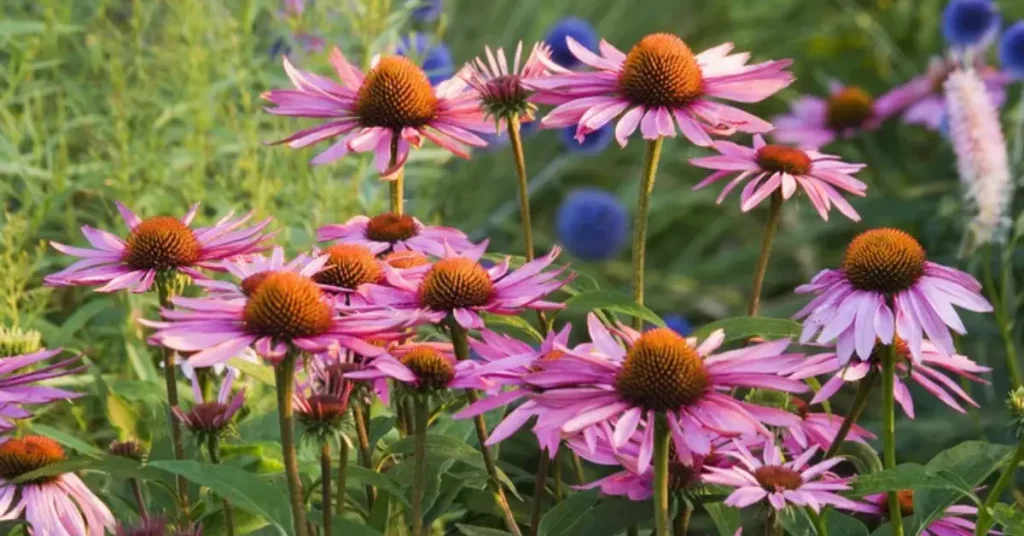
- Native to: Eastern and Central North America
- Family: Asteraceae
- Zones: 3 to 8
- Size: 2 to 5 feet tall x 1 to 2 feet wide
- Care requirements: Partial to full sun; well-draining soil
Purple coneflower does more than look good next to hydrangeas. It actively improves the soil. Echinacea purpurea has a deep taproot that helps aerate the soil, giving hydrangeas and their companions the well-drained conditions they need to thrive.
It’s a tough, long-lived perennial that pollinators love. Plant it in a sunny border alongside panicle or smooth hydrangeas for season-long color and ecological benefit.
Anise Hyssop
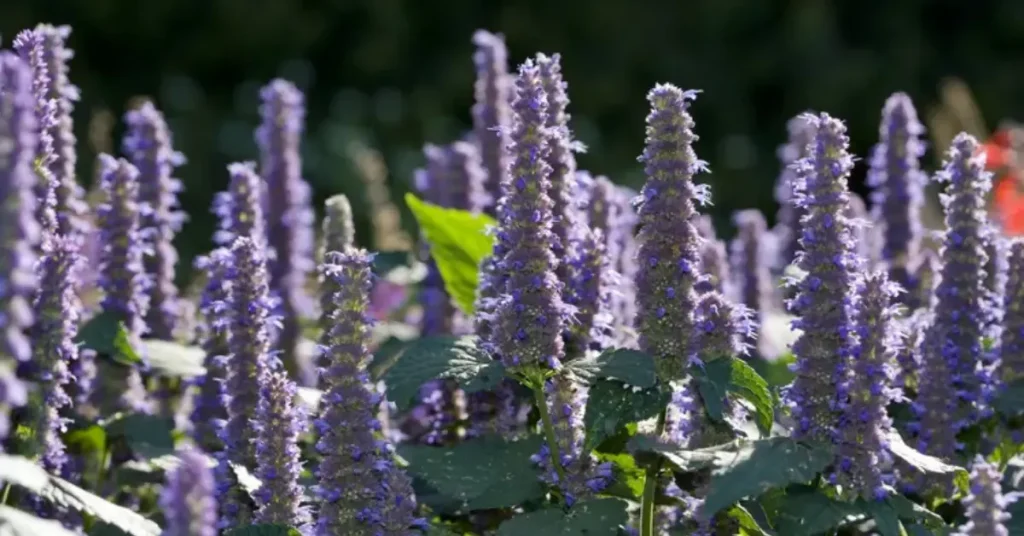
- Native to: Central and Northern North America
- Family: Lamiaceae
- Zones: 3 to 8
- Size: 2 to 4 feet tall x 1 to 3 feet wide
- Care requirements: Full sun; chalk, loam, or sand
Also known as hummingbird mint, anise hyssop is one of the hardiest flowering perennials you can add to a hydrangea border. Its tall, sturdy stems don’t need staking, and its dense spikes of blue flowers bloom for a long stretch of the season.
It attracts beneficial pollinators in droves and deters deer, groundhogs, rabbits, and other pests. It’s both beautiful and practical, a combination that’s hard to beat.
Geranium Rozanne
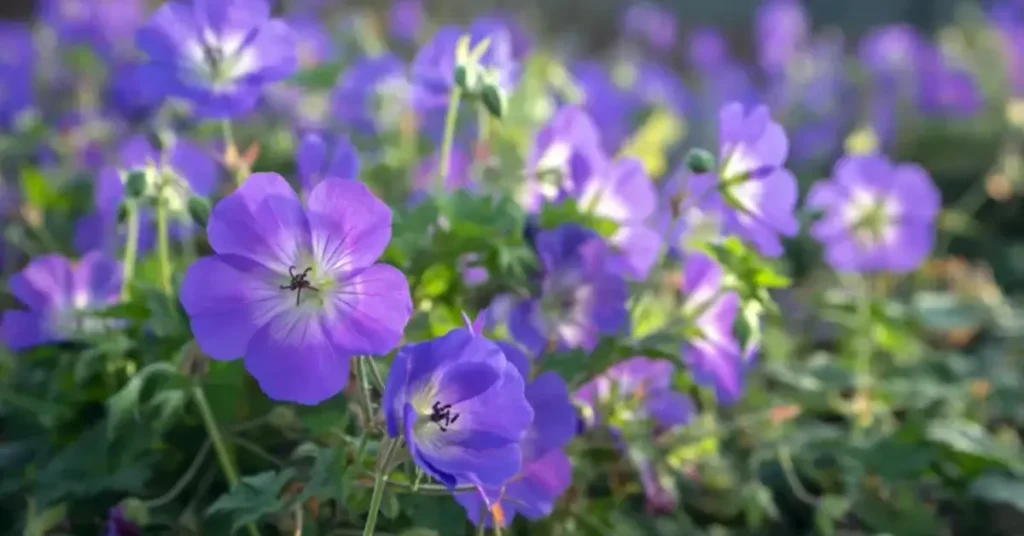
- Native to: Europe (garden hybrid)
- Family: Geraniaceae
- Zones: 3 to 9
- Size: 6 to 36 inches tall x 1 to 3 feet wide
- Care requirements: Partial to full sun; well-draining soil
Geranium Rozanne is a standout ground cover for the base of hydrangea shrubs. It blooms from early summer right through to early fall, producing bluish-purple flowers that contrast well with white or pink hydrangeas.
It suppresses weeds effectively. It’s also deer and rabbit resistant, making it a reliable low-maintenance option for gardeners who want continuous color without constant upkeep.
Nepeta (Catmint)
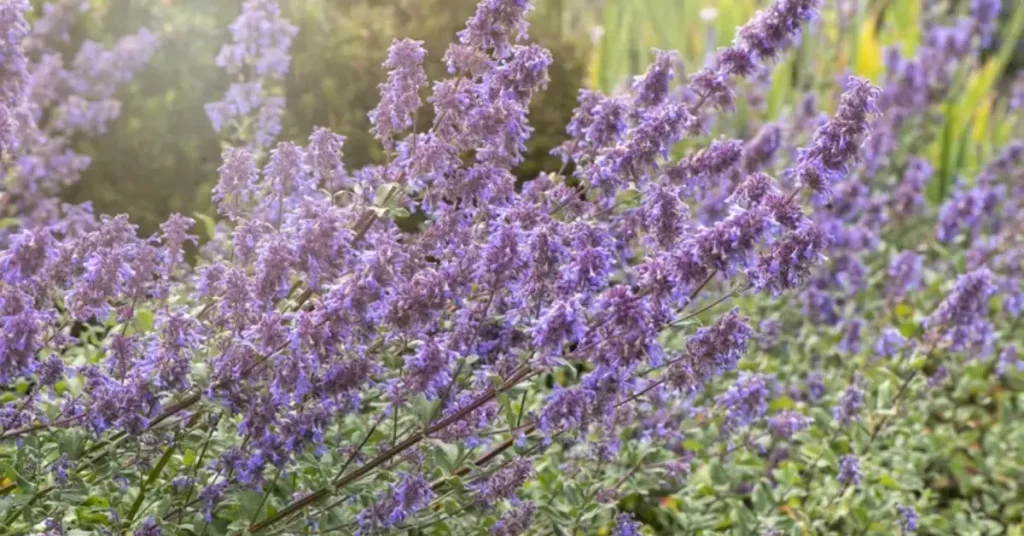
- Native to: Europe, Asia, and Africa
- Family: Lamiaceae
- Zones: 4 to 8
- Size: 10 to 24 inches tall x 1 to 2 feet wide
- Care requirements: Partial to full sun; acidic, neutral soil
Catmint is a smart choice for hydrangeas growing in sunnier spots. Its aromatic gray-green foliage and soft purple flowers benefit pollinators while repelling aphids and other unwanted insects. It is also fully deer resistant.
As a member of the mint family, its fragrance does a lot of the work for you. It grows in neat, tidy mounds and requires very little attention once established.
Boxwood
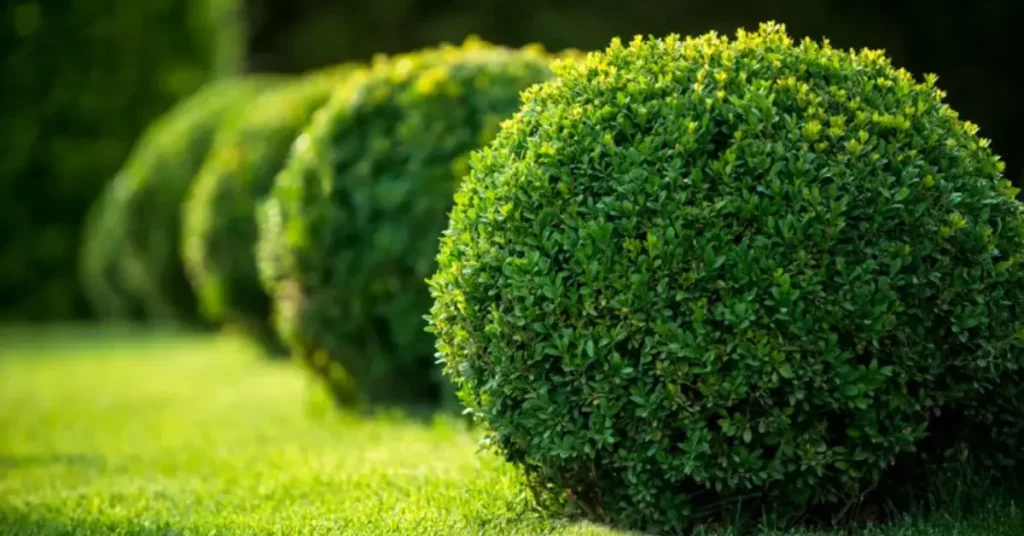
- Native to: Europe, Asia, Africa, and Central America
- Family: Buxaceae
- Zones: 5 to 9
- Size: 2 to 8 feet tall x 2 to 8 feet wide
- Care requirements: Partial to full sun; loamy, well-draining soil
Boxwood provides structure and year-round greenery that anchors a hydrangea planting. “In many New England landscapes, you see hydrangeas behind or boxed in by a boxwood hedge. The combination has become a classic for good reason.
Boxwoods are long-lived, easy to maintain, and adaptable to most soil conditions. They can be shaped to fit any garden style, formal or relaxed, making them one of the most versatile companions on this list.
Ferns
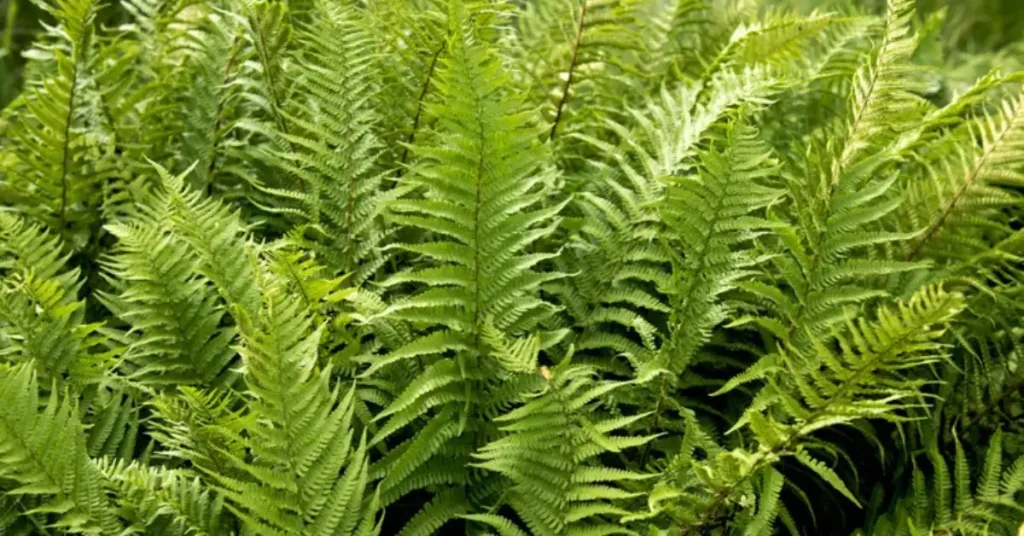
- Native to: Worldwide (varies by species)
- Family: Various (Dryopteridaceae, Athyriaceae, and others)
- Zones: 3 to 10
- Size: 1 to 3 feet tall x 1 to 3 feet wide
- Care requirements: Partial shade to full shade; well-draining soil
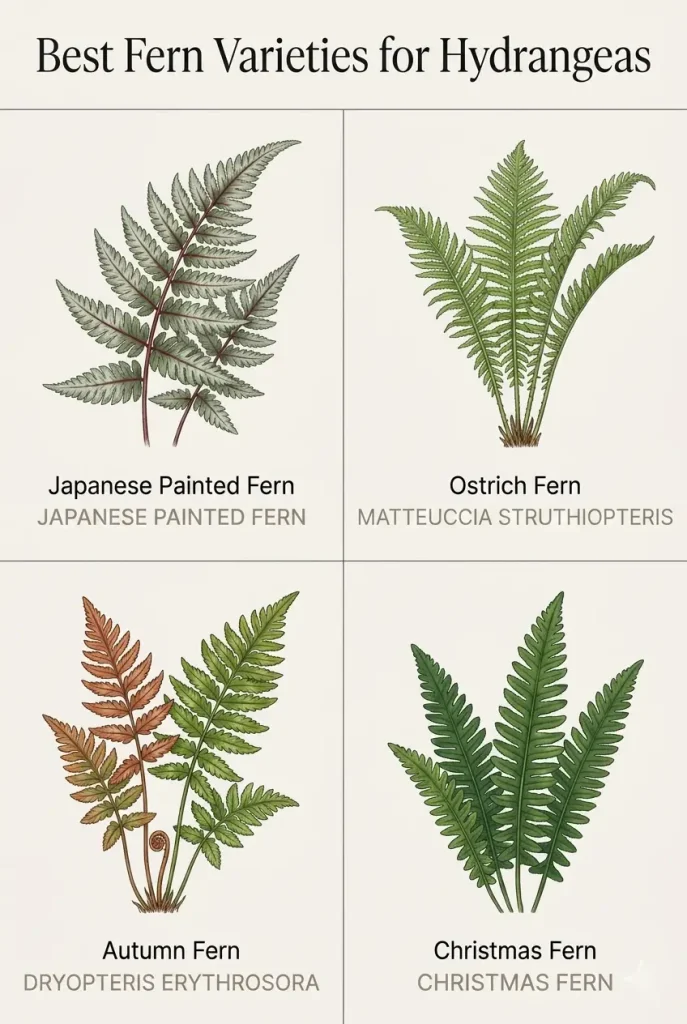
Ferns are a natural fit for shady hydrangea gardens. They thrive in the same low-light, moisture-retaining conditions and stay interesting throughout the growing season with their layered, textural fronds.
Because hydrangeas only bloom part of the year, ferns fill in the gaps. They add quiet greenery and depth during the seasons when the garden needs it most, early spring before hydrangeas leaf out, and late fall after the blooms have faded.
Prairie Dropseed
- Native to: Central and Eastern North America
- Family: Poaceae
- Zones: 3 to 9
- Size: 2 to 3 feet tall x 2 to 3 feet wide
- Care requirements: Partial to full sun; dry, rocky soil
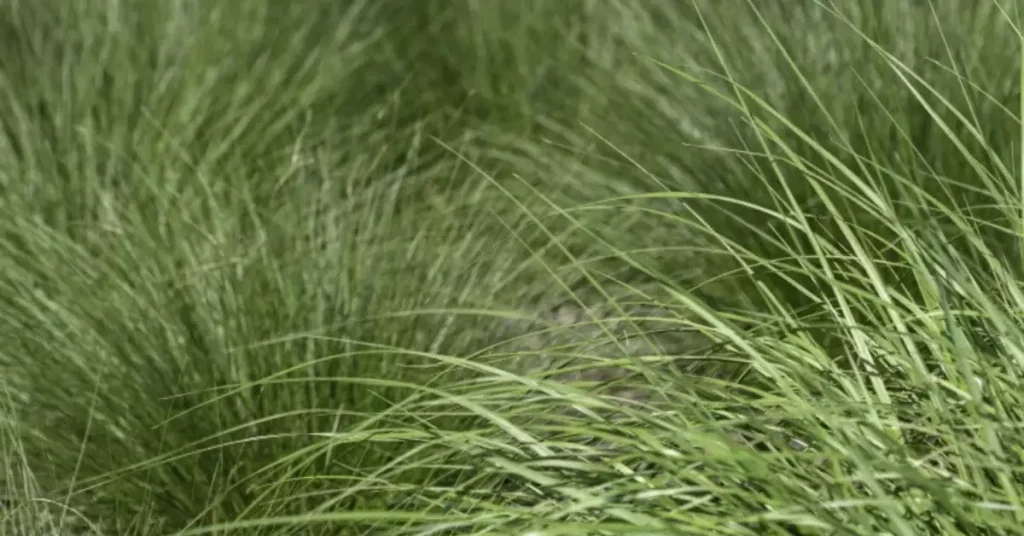
Prairie dropseed is an ornamental grass that works well planted in rows between hydrangeas of similar height, creating a layered, hedge-like effect. Unlike more aggressive ornamental grasses, prairie dropseed stays graceful and well-behaved. With a scent reminiscent of toasted coriander, it has fabulous winter interest. It attracts butterflies and birds while remaining deer resistant.
I hope you liked these 10 hydrangeas companion plants.