How To Protect Plants in Winter (Outdoor and Indoor Plants)
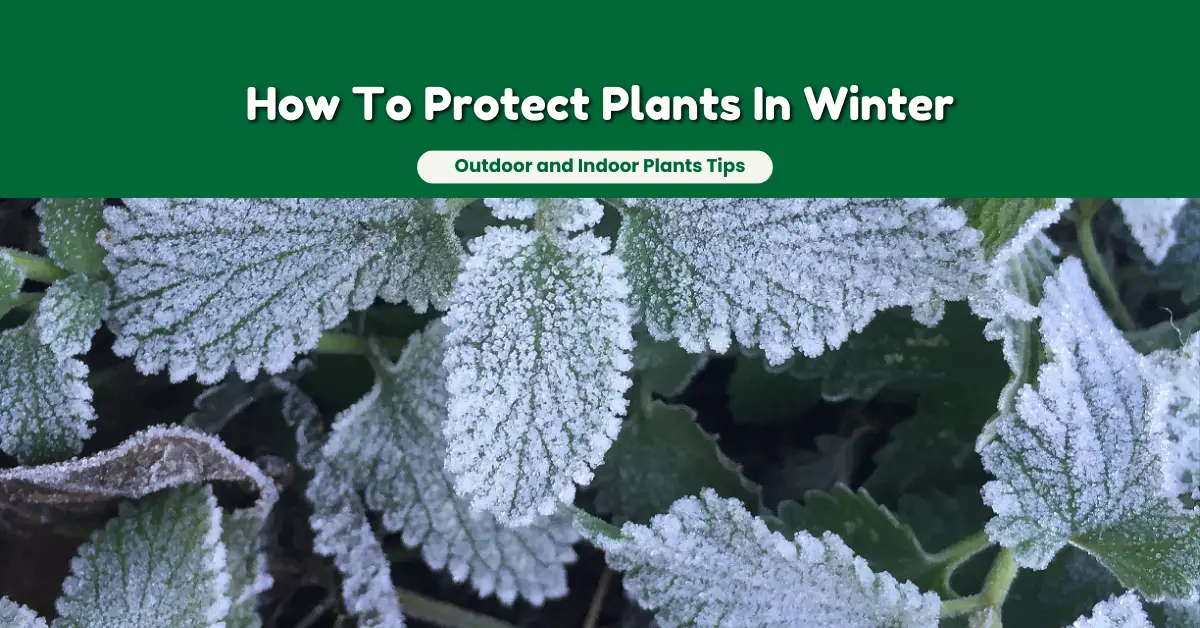
Winter damage doesn’t happen suddenly—it starts with poor preparation. Many plant problems we see in winter, like leaf burn, drooping, root rot, or sudden plant death, actually begin before the cold fully arrives. Winter plant care is not something you do after frost—it’s something you prepare for before winter sets in.
This guide is for home gardeners, balcony gardeners, indoor plant lovers and anyone growing plants in containers or gardens outside. Whether you grow houseplants indoors, vegetables outside, or ornamental plants in pots, winter affects them all. Cold temperatures, frost, dry air, low sunlight, and freezing winds can quietly weaken plants if you don’t take timely action.
In this complete guide, I’ll explain practical, proven ways to protect plants in winter, both indoors and outdoors. You’ll learn how to protect plants from frost in containers, how to keep plants alive in winter outside, whether cardboard boxes really protect plants from frost and even how to protect plants from frost in a greenhouse. Everything is explained in simple way so you can take action confidently and keep your plants healthy all winter long.
7 Ways to Protect Indoor Plants in Winter
Move Plants Away from Cold Drafts
Cold drafts are one of the biggest hidden problems for indoor plants in winter. Windows, doors and gaps can let in icy air at night, causing sudden temperature drops that shock plants. A few hours of cold air can damage leaves and slow growth.
Move indoor plants slightly away from windows during very cold nights, especially if the glass feels cold to the touch. Avoid placing plants near frequently opened doors or hallways where cold air flows in.
At the same time, keep plants away from heaters and radiators. Direct heat dries out leaves and soil quickly. Stable temperature is the key to protect plants in winter indoors.
Provide Enough Light During Short Winter Days
In winter, sunlight becomes weaker and days are shorter. Many indoor plants suffer quietly due to low light and show signs like yellowing leaves, slow growth, or leaning toward windows.
Place plants near the brightest window available, ideally south- or west-facing. Rotate pots every few weeks so all sides receive light evenly. For darker homes, i recommend grow lights and they make a huge difference.
Good light helps plants stay strong and better handle winter stress. Without enough light, even well-watered plants can weaken quickly.
Use Grow Lights to Protect Indoor Plants in Winter
Grow lights solve this problem by providing consistent, reliable light when natural sunlight isn’t enough. Simple LED grow lights work well for most houseplants and don’t consume much electricity.
Position the light about 6–12 inches above the plants and run it for 10–12 hours a day to mimic daylight conditions. This helps plants continue photosynthesis and maintain strong growth through winter.
Using grow lights is especially important for tropical houseplants, herbs, and flowering plants, which are more sensitive to low light.
some of the best grow lights for indoor plants are:
Brightest Plant Growing Lamps for Indoor Plants
- Plant light is friendly to human eyes.
- This LED grow light has a cycle memory timing function, you can set a timer for 4/8/12 hours.
- Easy to Install.
- Cheap Price.

Barrina T10 Pro Floor Grow Light
- Best grow light for Flowering and Tall Plants.
- Upgraded vertical grow light with an adjustable height range of 4ft-5.6ft
- The full spectrum grow light with a high output of 42 watts and up to 169 LEDs.
- Easy to assemble & Cheap Price.

FECiDA Standing Grow Lights for Indoor Plants
- Easy to use this floor lamp grow light for tall houseplants, seed starting, seedlings, flowering.
- Auto ON/OFF Every Day–4/8/12 Hr Timer.
- Best Growing Lamp for Bonsai Tree.
- you can place this led plant grow lamp at anywhere and adjust the light height according to your need.

Epic Gardening Seed Starting Grow Light
- Adjustable Height for Indoor Seedlings.
- Energy-Efficient, Long-Lasting Light with Timer.
- Its compact size fits comfortably in small spaces.
- This grow light uses only 40 watts of power while delivering up to 25,000 hours of continuous light.

SANSI LED Grow Lights for Indoor Plants
- Higher Growing Power & Energy Saving (Uses only 40W of power).
- Makes every plant covered by 360° surrounding light.
- Bulbs of this grow lights for indoor plants can be replaced.
- Higher light efficiency.

BESTVA 36W Grow Lights with Stand
- Full Spectrum Plant Light: Equipped with 252 high efficiency LEDs.
- Floor Grow Light with Adjustable Stand with 4 Level Brightness.
- Easy to Install & Easy to Use.
- Suitable for all plants.

VIVOSUN AeroLight Wing AW400SE, LED Grow Light
- The centrally located fan optimizes airflow, reaching areas you might easily overlook; It enhances direct air entry into the canopy, balancing temperature and humidity.
- Full-Spectrum Sun-like Lighting.
- Low Noise and Ultra-Durable.

SANSI Grow Lights for Indoor Plants
- The LED grow light is suitable for various indoor potted plants, such as succulents, aloe vera, devil’s Ivy, calibrachoa, African violet, etc.
- Efficient and stable lighting.
- 360° GOOSENECK & EASY TO INSTALL.

Cheap Grow Light For Mini Home Garden
- The grow light with 74 White LEDs + 10 Red LEDs, it’s similar to the natural daylight at noon.
- Professionally designed for indoor plants, flowers, herbs etc.
- 3 LIGHTING MODES AND 10 DIMMING LEVELS.
- EASY TO INSTALL.

Watering for Winter Conditions
Overwatering is the most common winter mistake. In cold weather, plants grow slowly and use less water. Watering on a summer schedule can lead to root rot and fungal problems.
Always check soil before watering. If the top inch or two feels moist, wait. Indoor plants prefer slightly drier soil during winter.
Less water doesn’t mean neglect—it means smarter care. Proper watering helps keep roots healthy through the cold months.
Increase Humidity for Indoor Plants
Winter air inside homes becomes very dry due to heaters. This dryness causes leaf tips to turn brown and makes plants more vulnerable to pests.
You can increase humidity by grouping plants together, placing water trays nearby, or misting lightly (for humidity-loving plants). Bathrooms and kitchens often have naturally higher humidity.
Balanced humidity keeps leaves healthy and reduces winter stress without overwatering.
Maintain Stable Indoor Temperatures
Most common houseplants cannot tolerate temperatures below 40°F (4°C) and damage is common below 50°F (10°C).
Try to keep indoor temperatures between 60–75°F (15–24°C). Avoid placing plants where temperatures drop sharply at night. Use a simple thermometer to monitor the temperature in different areas of your home.
Stable warmth helps plants conserve energy and survive winter comfortably.
Reduce Fertilizing in Winter
Most plants slow down in winter and don’t need extra feeding. Fertilizing during this time can cause weak, leggy growth.
Pause feeding until spring when the plant is actively growing. You can apply the fertilizers If your plant is under supplemental lights and producing new leaves, flowers but remember, a weak feed helps.
Protect Outdoor Plants in Winter
Use Mulch to Insulate Plant Roots
If you are an experienced gardener, you surely know about mulching. Mulch acts like a blanket for outdoor plants. It protects roots from freezing temperatures and sudden soil temperature changes and also suppress weeds.
Apply mulch after the ground cools but before deep frost. Straw, bark chips, leaves and compost are good for mulching. Apply a 2-4 inch layer, keeping it a few inches away from plant stems or tree trunks to prevent rot and rodent damage. Mulching is one of the easiest ways to keep outdoor plants alive in winter outside.
Water Plants Before Frost Arrives
Moist soil holds warmth better than dry soil. Watering before a frost helps protect plant roots from freezing.
Water during the day so excess moisture drains before nightfall. Avoid watering frozen soil.
How To Protect Plants from Frost in Containers
Container plants freeze faster because their roots are exposed. Move pots closer to walls or indoors and cluster them together for warmth.
If moving isn’t an option, wrap pots with burlap, bubble wrap, or cloth. Elevate pots slightly to prevent cold contact with frozen ground. Container insulation is critical for winter survival.
How To Protect Plants from Frost in a Greenhouse
To protect greenhouse plants from frost, improve insulation by lining the structure with bubble wrap to reduce heat loss. Add gentle heat sources such as water-filled jugs, barrels, or compost and use greenhouse-safe lights or heaters.
Cover plants with horticultural fleece or blankets. Increase thermal mass with water containers or compost to store daytime warmth and release it overnight and apply mulch to help stabilize soil temperatures. Maintain good air circulation to reduce moisture buildup, and monitor temperatures closely so you can respond quickly during cold nights.
Use Plant Protection Covers for Winter
Plant protection covers trap heat and shield plants from frost and wind. Use breathable materials like fleece or frost cloth. Cover plants before nightfall and remove covers during the day if temperatures rise.
These are good options.
Plant Covers Freeze Protection, Frost Blankets for Outdoor Plants
Reusable Frost Protection Cloth for Outdoor Plants
Protect Plants from Cold Winds
Wind dries plants and increases frost damage. Use fences, walls, or temporary windbreaks. Even simple barriers can reduce wind exposure significantly. Sheltered plants survive winter better.
Prune Carefully Before Winter
Avoid heavy pruning before winter, as it encourages new growth that freezes easily. Remove only dead or diseased branches. Save major pruning for spring.
Choose Cold-Hardy Plants
The best winter protection starts with the right plant choice. Always consider USDA hardiness zones. Cold-tolerant plants require less protection and survive winters more easily.
This is a long-term winter gardening strategy.
Will Cardboard Boxes Protect Plants from Frost?
Yes, cardboard boxes can protect plants from light frost temporarily. They trap heat and block cold air.
However, cardboard absorbs moisture and should not touch leaves directly. Always remove it during the day. Use cardboard only as an emergency solution.
Conclusion
Winter plant protection is all about preparation, awareness, and simple actions done at the right time. Whether indoors or outdoors, plants respond best to stable conditions, proper insulation, and gentle care. By preparing before winter arrives, you can prevent most cold-season problems and enjoy healthier plants year after year.