How To Grow Strawberries:In Beds, Pots & Indoors

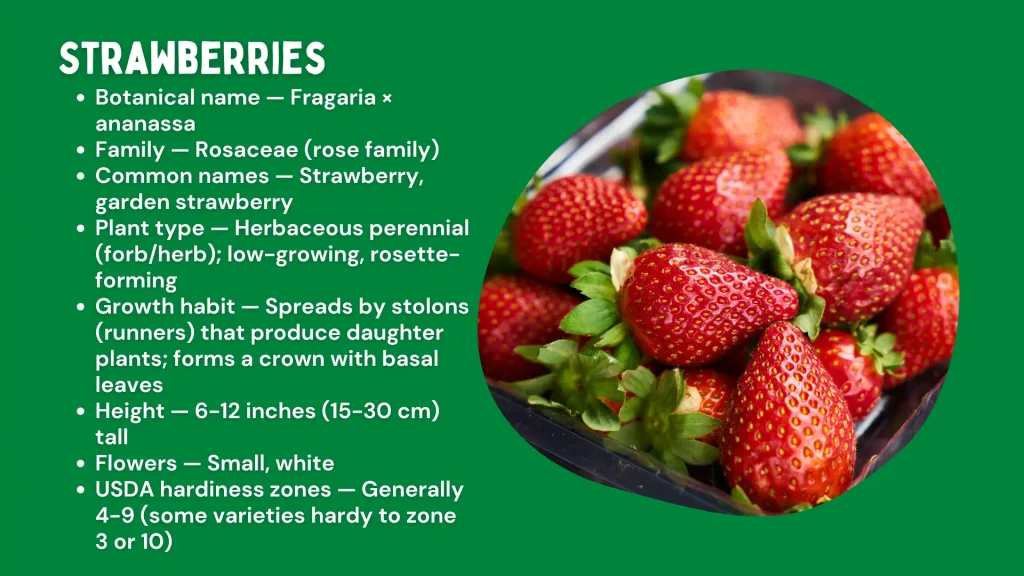
Strawberries are a yummy red fruit that many people love to eat. They are bright red, juicy, and sweet. The strawberry plant is small and grows close to the ground. It has green leaves and white flowers. When the flowers finish, the fruit starts to grow. At first, the fruit is green, then it turns white, and finally bright red when it is ready to pick. Each strawberry can have about 200 tiny seeds on it.
They have lots of vitamin C, which helps keep us strong and healthy. They also have other good things like fiber. You can eat them fresh, put them in smoothies, or add them to cereal. Many people like strawberries with cream or in cakes and pies.
They grow best in mild places with sun and good soil. Big strawberry fields have rows of plants, and farmers pick the ripe ones by hand. Strawberries are one of the first fruits ready in spring, so they feel like a fresh treat after winter.
They grow well in USDA zones 3 to 10. Planting time depends on your area. In cool regions, planting time is early spring. In warm regions, fall planting gives a strong start.
They are grown in garden beds, containers and inside the home. In this guide, I will walk you through all three methods ‘how to grow strawberries’. You will learn simple care tips so your plants stay healthy and give bigger, sweeter berries.
Types of Strawberries to Grow
There are three main types of strawberries. June-bearing plants give one big harvest each year. Everbearing types produce two to three times in a season. Day-neutral plants keep producing through the season if the weather stays mild.
I prefer day-neutral for pots and indoor growing because they keep giving fruit. June-bearing plants are good in garden beds where the purpose is a heavy harvest at once.
Best Growing Conditions For Strawberries
Strawberries love sunlight. Give them six to eight hours of direct sun each day. If provided insufficient sunlight, it will result in yellowing of leaves, stunted growth and poor fruit production.
They grow best in mild temperatures between 15°C and 26°C. In very hot areas, light afternoon shade helps protect plants. In cold regions, planting in early spring gives them time to settle before summer.
Soil For Strawberries
Good soil is essential for strawberry growth. Strawberries thrive in well-drained, slightly acidic soil (pH 5.5–6.8) rich in organic matter.
I mix compost into the soil before planting. This improves texture and adds nutrients. For pots, I use a light potting mix with compost so water drains easily and roots stay healthy.
How to Grow Strawberries in Garden Beds
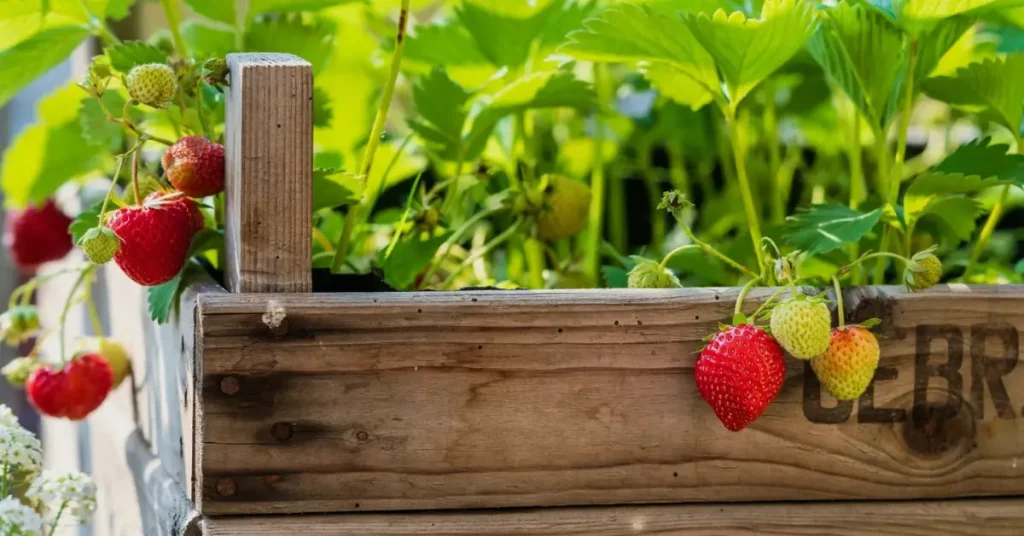
First, pick a sunny spot, at least 6-8 hours of full sun every day, better with 8+ hours. Choose a garden bed that drains well so roots do not get too wet. Raised beds (8-12 inches deep or more) work great because they warm up faster in spring and keep plants off the ground to stay cleaner.
Next, prepare the soil. Use rich, loamy soil mixed with compost or well-rotted manure. Fill raised beds with a mix of topsoil and organic matter (like 50/50). Add compost to improve drainage and nutrients. Remove all weeds before planting.
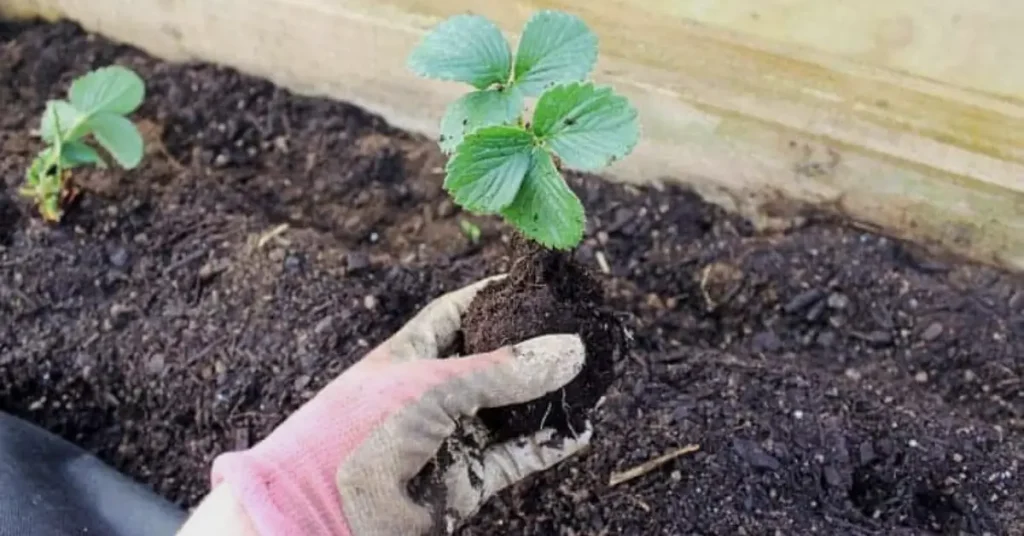
Plant in early spring (or fall in mild areas). Buy healthy bare-root or potted plants from a garden center. Soak bare roots in water for 1 hour before planting. Dig holes and place plants so the crown (the center where leaves start) sits just above the soil. Bury roots but do not cover the crown too deep or too shallow.
Space plants 12-18 inches apart in rows or a grid (about 1 square foot per plant). Stagger them for better air flow. For raised beds, plant densely but remove extra runners if you want bigger berries.
Water well after planting to settle the soil. Keep soil moist but not soggy, about 1 inch of water per week. Water at the base to avoid wet leaves. Mulch around plants with straw or pine needles. This keeps berries clean, holds moisture, and stops weeds.
Pinch off first flowers in the first year (for June-bearing types). For everbearing or day-neutral types, you can let some fruit grow. Remove runners if you want focused plants, or let them spread for more plants. Feed with a balanced fertilizer in spring.
Harvest when berries are fully red and sweet. Pick every few days in season.
How to Grow Strawberries in Pots
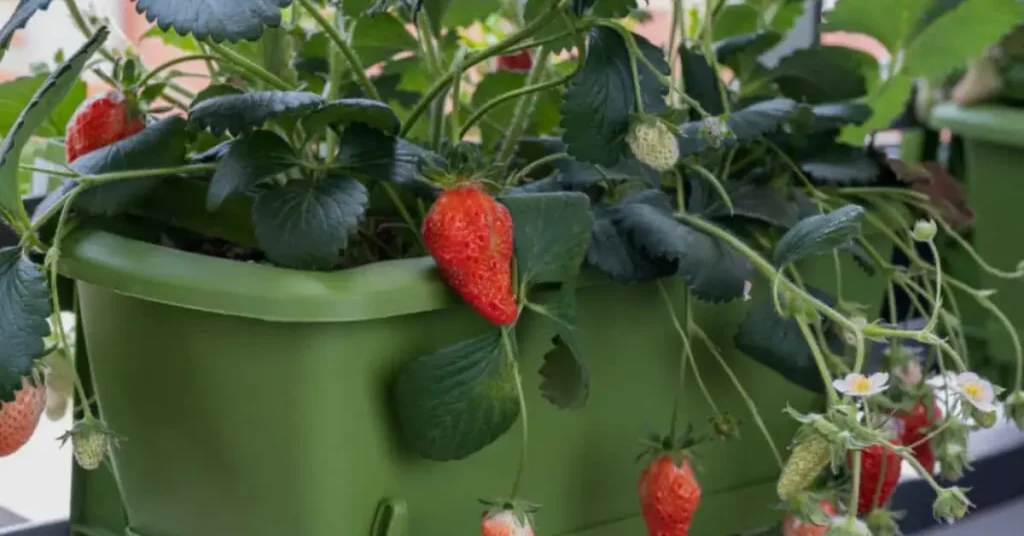
Don’t have a big garden? No worries. You can grow strawberries in pots on small spaces like balconies, patios, or sunny windowsills.
Strawberries grow well in containers because their roots are shallow.
First, choose the right pot. Use a container at least 8-12 inches deep and 12-18 inches wide for good root space and fewer waterings. Pots with drainage holes are a must to stop root rot.
Popular choices include terracotta pots, plastic hanging baskets, window boxes, or special strawberry planters with pockets or stackable tiers. Day-neutral or everbearing varieties work best in pots because they produce berries all season long.
Next, get good soil. Do not use garden dirt—it gets hard and drains badly. Use a high-quality potting mix that is light, airy, and drains well. Mix in some compost for extra nutrients. Strawberries like slightly acidic soil (pH 5.5-6.8).
Plant in spring when frost danger is over. Buy healthy potted plants or bare-root crowns from a garden center. Soak bare roots in water for an hour. Fill the pot with soil, then plant so the crown (where leaves meet roots) sits right at soil level—not buried too deep (it rots) or too high (it dries out). Space plants 8-12 inches apart; do not overcrowd. Go for 3-4 plants in a 12-inch pot. Firm the soil and water well.
Place the pot in full sun (6-8 hours or more each day). Water to keep soil moist but not soggy. Pots dry out fast, so check daily in warm weather and water at the base. Add mulch like straw on top to hold moisture and keep berries clean.
Care is simple. Remove runners (long stems with baby plants) to focus energy on fruit. Feed with a balanced fertilizer every 4-6 weeks during growing season. Monitor for pests like slugs or aphids. In winter, move pots to a sheltered spot or insulate them.
Pick berries when fully red and sweet. With good care, you can harvest for months!
How to Grow Strawberries Indoors
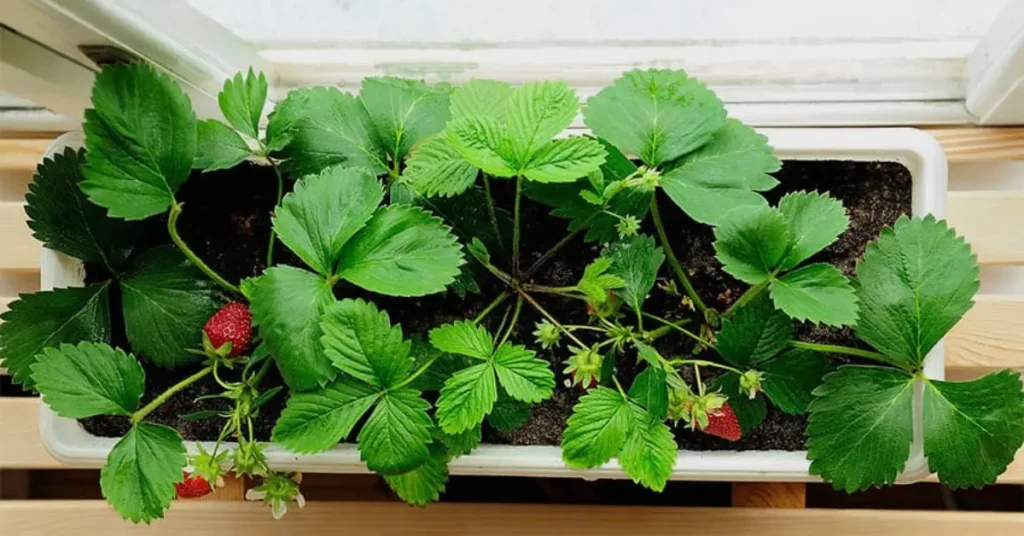
Growing strawberries indoors is a great way to enjoy fresh, sweet berries all year, even without outdoor space or in cold weather. It’s perfect for windowsills, shelves, or under lights in apartments or homes. Strawberries have shallow roots, so they do well in pots.
First, pick the best varieties. Day-neutral or everbearing types work best indoors because they produce fruit no matter the day length and can fruit in the first year. Good choices include Albion (firm, tasty berries), Seascape (large, sweet, prolific), Cabrillo, or Florida Beauty. Avoid June-bearing types, as they fruit only once.
Choose a pot with drainage holes, at least 8-12 inches deep and wide for 1-3 plants. Use a light, well-draining potting mix (not garden soil) with a slightly acidic pH (5.5-6.8). Mix in some compost for nutrients.
Plant in any season. Buy healthy potted plants or bare-root crowns from a garden center. Soak bare roots in water for an hour. Place the plant so the crown (where leaves meet roots) sits right at soil level—not too deep (it rots) or too high (it dries). Space plants 8-12 inches apart. Water well to settle the soil.
Light is key. Strawberries need 6-8 hours (or more) of bright light daily. A sunny south-facing window works if you get enough sun. If not, use full-spectrum LED grow lights placed 6-12 inches above plants for 12-16 hours a day. This helps them flower and fruit well.
Keep room temperature 65-75°F daytime (cooler at night is okay). Humidity should stay low to avoid mildew, but mist or add humidity briefly if leaves show tip burn. Water when the top inch of soil feels dry, keep moist but not soggy to prevent root rot. Water at the base.
Add mulch like straw on top to hold moisture. Feed every 4-6 weeks with a balanced or organic fertilizer (low nitrogen for more fruit). Pinch off early flowers the first few weeks to build strong roots. Remove runners to focus energy on berries.
Pollinate indoors by gently shaking plants or using a soft brush on flowers. Watch for pests like aphids or spider mites, if found, treat with soap spray.
Harvest when berries are fully red and sweet.
Pruning and Runner Management of Strawberries
Pruning and runner management are important for healthy, productive strawberry plants. Good care helps your plants make bigger, sweeter berries instead of wasting energy on extras.
What are Runners?
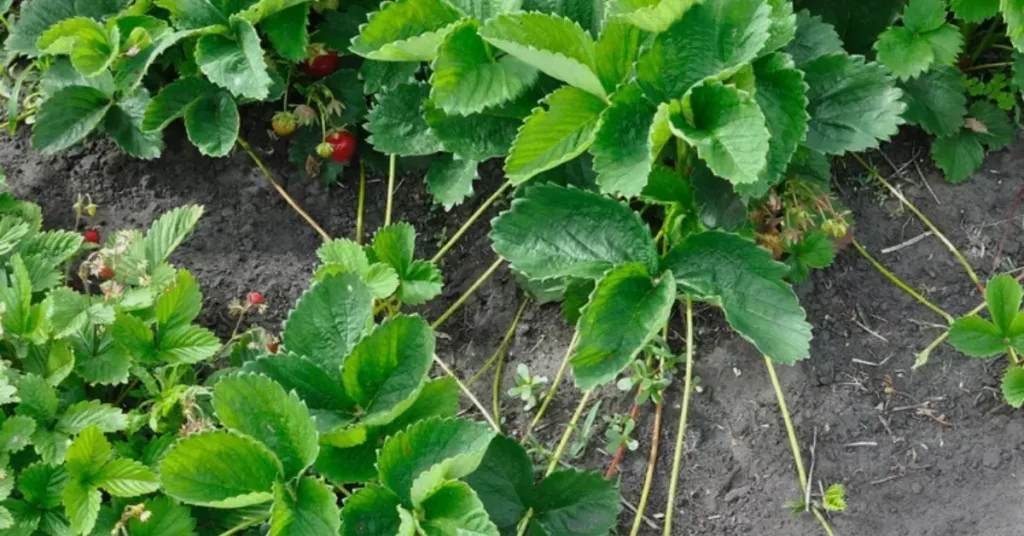
Runners (also called stolons) are long, thin stems that grow out from the main “mother” plant across the soil. They look like reddish or green vines with small leaves and tiny plantlets (called daughter plants) at the ends. These daughter plants can grow roots where they touch the ground and become new strawberry plants.
Runners help strawberries spread and make more plants naturally, but they take a lot of energy from the mother plant. If left alone, too many runners can make the patch crowded, with smaller berries and weaker plants.
Why manage runners? Removing most runners helps the main plant focus energy on growing strong leaves, roots, and lots of big fruit. This is especially good for pots, indoor growing, or small beds where you want more berries, not more plants. In big garden beds, you can let some runners root to fill space (like in a matted row system), but remove extras later to avoid overcrowding.
How to Prune and Manage Runners
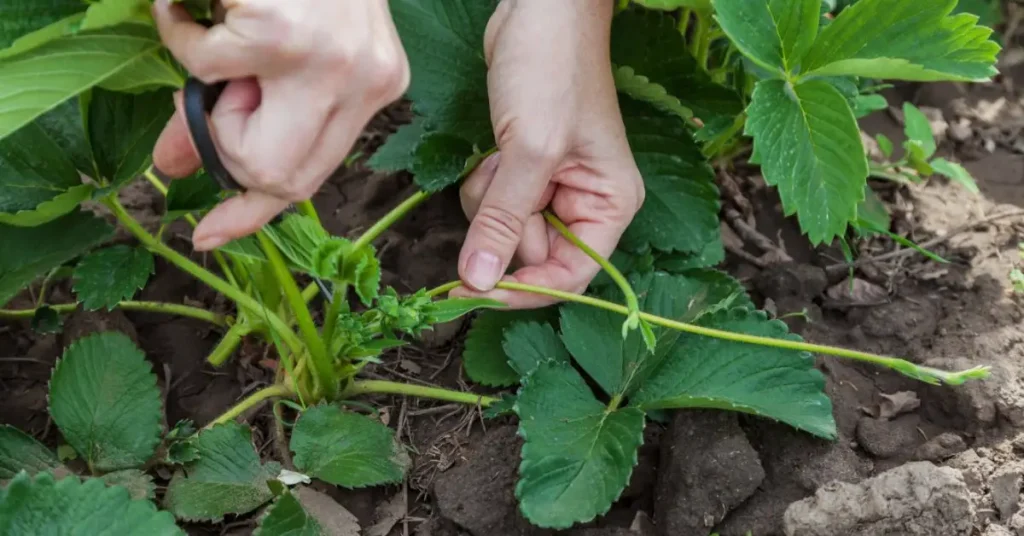
Use clean, sharp scissors or pruning shears. Cut runners as soon as you see them during the growing season (spring through summer). Snip close to the mother plant, about 1 inch away to avoid hurting the main plant. If a runner has already rooted and made a daughter plant, you can:
- Cut it off and throw it away (to keep energy on fruit).
- Or carefully dig up the new plant (with roots) to move to a new pot or spot.
For the first year after planting, remove all runners so plants get strong. In pots or indoors, remove runners right away since space is limited. In fall (after fruiting), clean up old leaves and any leftover runners for winter.
How Long Do Strawberries Take to Grow
Strawberries take different time to grow depending on how you start them and the type of plant. Most people grow them from young plants (crowns, plugs, or potted starters) rather than seeds, so they get fruit faster.
From planting young strawberry plants (like bare-root crowns or potted ones) to the first harvest, it usually takes about 2 to 4 months (60 to 120 days). Here’s a simple breakdown:
- Day-neutral or everbearing varieties (best for pots, indoors, or quick fruit): These can produce some berries in the first year. After planting in spring (like now in March), plants grow leaves and flowers in 4-8 weeks. Then, from flower to ripe berry takes about 30 days (4 weeks). So, you might pick your first small harvest in 8-12 weeks (2-3 months) after planting. They keep making fruit all season if you care for them well.
- June-bearing varieties (big crop once a year): These focus on roots and runners the first year. Many gardeners pinch off early flowers so plants get strong. You get little or no fruit the first summer, but a big harvest the next year (about 12-14 months after planting).
From seed to fruit takes much longer, 3 to 6 months or more after germination. Seeds sprout in 1-6 weeks, then seedlings grow for months before flowering. Most gardeners don’t go with seeds because plants from seeds can take 1-3 years for good fruit.
That’s all. Strawberries are easy to grow. Try growing these red berries this spring.