Wasps in Florida:Types of Wasps In Florida & Pictures
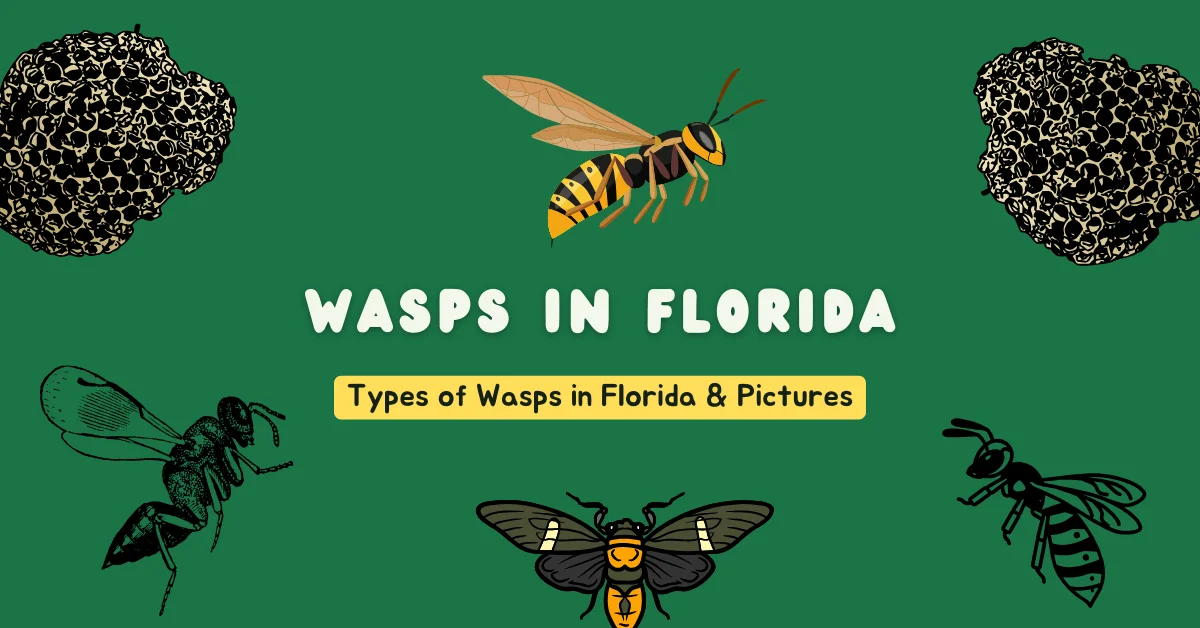
Wasps are an important part of Florida’s ecosystem, but they can be a nuisance when they invade your home or yard. While wasps are often misunderstood and feared due to their ability to sting, they also play a valuable role in nature. They help control insect populations and contribute to pollination. However, their presence near human homes can be dangerous when nests are built in areas like attics, eaves, or trees.
In Florida, with its warm climate and diverse habitats, various species of wasps thrive. These insects are active year-round, but their numbers increase during the warmer months. It’s important to understand what types of wasps are common in Florida, how to identify them, are wasps dangerous and what to do with wasps nests.
Get ready for an information of the types of wasps in Florida, pictures of wasps and how to handle them if they become a problem at your home.
Types of Wasps In Florida
There are many pests in florida, each with different characteristics and behaviors.
Below is a list of the most common wasps in Florida.
- Paper Wasps (Polistes spp.)
- Yellowjackets (Vespula spp. and Dolichovespula spp.)
- Hornets (Vespa spp.)
- Mud Daubers (Sceliphron spp. and Chalybion spp.)
- Cicada Killers (Sphecius speciosus)
- Red Wasps
- Velvet Ant Wasp
Pictures of Wasps
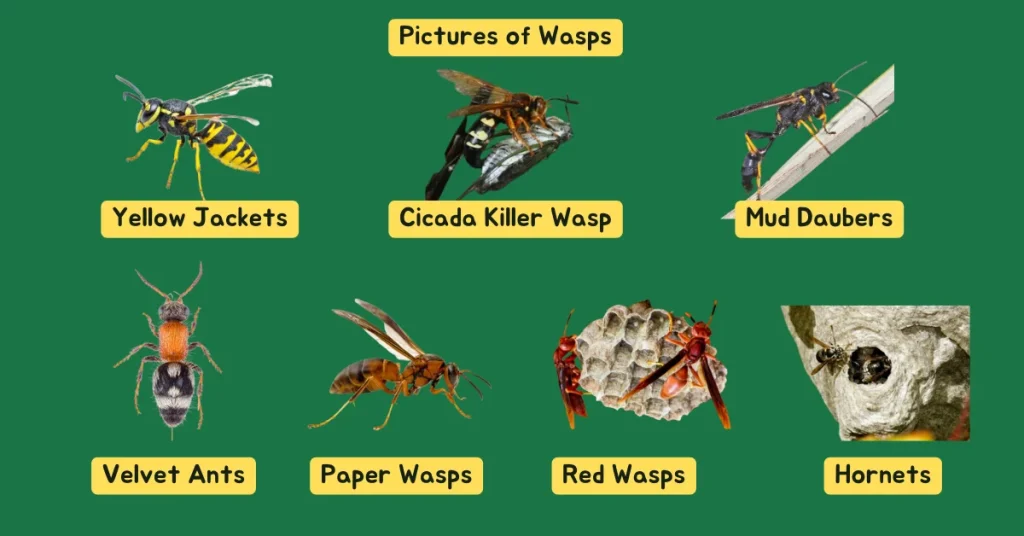
Paper Wasps (Polistes spp.)
- Morphology: Paper wasps are slender, with a narrow body and long legs. They typically range in color from reddish-brown to yellowish-brown with black markings. Their wings are translucent or brownish. Paper wasps have a smooth appearance without noticeable hair on their bodies.
- Nesting Habits: These wasps build their nests from paper-like material made by chewing wood fibers. The nests are typically umbrella-shaped and can be found hanging from tree branches, eaves, or porch ceilings.
- Behavior: Paper wasps are generally not aggressive but will defend their nests if threatened. They are less likely to sting unless disturbed, and their sting is usually not dangerous.
Yellowjackets (Vespula spp. and Dolichovespula spp.)
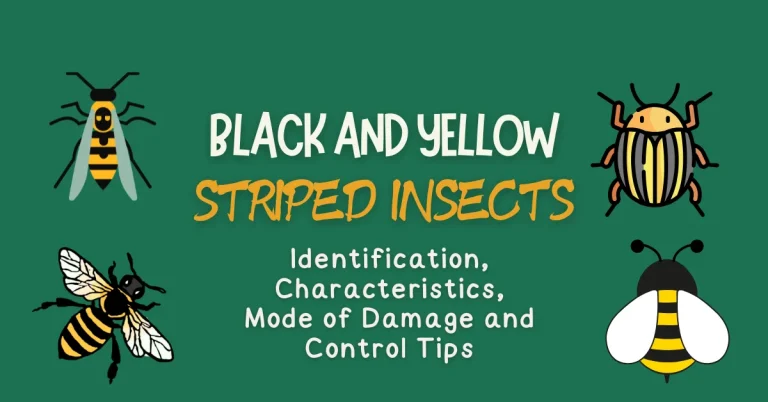
- Morphology: Their bodies are mostly black with bright yellow bands. They are smaller than hornets but have a more aggressive nature. Yellowjackets have smooth bodies and a sharp stinger.
- Nesting Habits: Yellowjackets often nest in the ground, hollow logs, or within the walls of buildings. The nests are made from paper-like material and contain many layers of cells.
- Behavior: These wasps are highly territorial and aggressive, especially when defending their nests. They can sting multiple times, and their venom can be dangerous.
Hornets (Vespa spp.)
- Morphology: Hornets have large, translucent wings and a smooth body. They are typically black or dark brown with white or yellow markings. Their bodies are large, robust, and have a broad head.
- Nesting Habits: Hornets usually build their nests in trees, shrubs, or inside walls of homes. Their nests are large, football-shaped, and have multiple layers.
- Behavior: Hornets are more aggressive than paper wasps but are less likely to sting without provocation. They aggressively defend their nests, and their sting can be more painful than other wasp species.
Mud Daubers (Sceliphron spp. and Chalybion spp.)
- Morphology: Mud daubers are long, slender wasps with a thin waist. Their bodies are black or metallic blue with yellow markings. Their wings are narrow and long, and they have a smooth, hairless appearance.
- Nesting Habits: These wasps are unique in that they build nests out of mud, forming long tubes or small mud cells. Mud daubers often nest under the eaves of buildings, in sheds, or inside garages.
- Behavior: Mud daubers are generally not aggressive. They are solitary wasps and focus on capturing spiders for their larvae. They rarely sting humans unless directly provoked.
Cicada Killers (Sphecius speciosus)
- Morphology: Cicada killers are large wasps, up to 2 inches in length. They have black and yellow stripes on their bodies and translucent wings. Their bodies are robust and bulky, with a wide thorax and large stinger.
- Nesting Habits: Cicada killers dig burrows in the ground, where they stock the burrows with paralyzed cicadas for their larvae to feed on.
- Behavior: Cicada killers are non-aggressive and typically do not sting humans. They are focused on capturing cicadas, and don’t defend their burrows aggressively unless threatened.
Red Wasps (Polistes carolina)
- Morphology: Red wasps are larger than paper wasps and have a distinct reddish-brown coloration. They are slender and have smooth, dark-colored bodies with elongated wings that are brownish in color. Their bodies are smooth without visible hairs.
- Nesting Habits: Like paper wasps, red wasps build umbrella-shaped nests, usually in sheltered locations like eaves, trees, and sheds.
- Behavior: Red wasps are more aggressive than paper wasps and sting if they feel threatened. Their sting is painful.
Velvet Ant Wasps (Dasymutilla spp.)
- Morphology: Velvet ants are not technically ants, but a type of wasp. They are known for their bright, velvety appearance, with colors ranging from red and black to orange and black. Velvet ants are often covered in dense, hairy markings and look like ants, but they are actually solitary wasps.
- Nesting Habits: Velvet ants do not form colonies like other wasps. They are solitary and lay their eggs in the nests of other ground-dwelling insects, such as bees or other wasps.
- Behavior: They are highly aggressive and deliver a very painful sting. Their sting cause intense pain.
The Role of Wasps in Florida’s Ecosystem
Wasps are more than just stinging pests. They are an essential part of Florida’s ecosystem.
- Natural Pest Control: Many species of wasps, including paper wasps and yellowjackets, are predators of other insects. They hunt pests like caterpillars, beetles, aphids and help to control pest populations naturally.
- Pollination: Wasps are not as efficient at pollination as bees, they do contribute to the process when they feed on nectar from flowers. Some species of wasps, such as paper wasps, transfer pollen from one flower to another, aiding in plant reproduction.
- Biodiversity: Wasps are an important food source for many predators, including birds, mammals, and other insects. Their larvae are also eaten by other creatures.
Identifying a Wasp Nest: Signs and Locations
Wasps typically build nests in hidden, sheltered areas. If you notice increased wasp activity around your home, it could indicate the presence of a nest nearby.
- Signs of a Wasp Nest: A noticeable increase in wasp activity around your home, especially during the late summer and fall, indicate a nearby nest. Wasps coming and going in a regular pattern is a key sign.
- Nest Locations: Wasps in Florida commonly build nests in attics, under eaves, in trees, or in the ground. Mud daubers, for instance, often place their mud nests under eaves, while yellowjackets tend to build theirs in the ground.
Are Wasps Dangerous?
While most wasps are not dangerous, they can pose a risk if provoked or if their nest is disturbed.
- Wasp Stings: A wasp sting is painful but not life-threatening. However, it can be harmful for those who are allergic to wasp venom. Common symptoms of a sting include redness, swelling, and pain.
- Allergic Reactions: For people with allergies, if there comes allergic reactions like difficulty breathing, dizziness, and swelling around the throat or face, seek emergency medical help immediately.
How To Get Rid of Wasps In Florida
If you find a wasp nest near your home, it’s essential to act quickly to avoid painful stings.
- Wasps Nest Removal: For smaller nests, you can attempt removal yourself by wearing protective clothing and using insecticidal sprays for wasps. It’s best to do this at night when wasps are less active.
- Professional Help: For larger nests or if the nest is in a hard-to-reach area, it’s advisable to call a pest control professional. They have the necessary tools and experience to safely remove the nest.
Wasp Stings: What to Do if You’re Stung
If you get stung by a wasp, follow these steps:
- First Aid for Wasp Stings: Clean the sting area with soap and water. Apply ice to reduce swelling. Pain relievers help manage discomfort.
- Seek Medical Help: If you experience symptoms of an allergic reaction (difficulty breathing, swelling of the throat or face), get medical attention immediately.
Conclusion
Wasps presence near human homes can be problematic. By understanding the different types of wasps in Florida, their behaviors, and how to control wasps, you can keep yourself and your family safe. Whether you choose to handle the situation yourself or seek professional help, act carefully and wisely to control wasps.