Wooden Garden Edging Ideas (10 Best Options for Any Garden)
Wooden garden edging is one of the most loved choices for gardeners. It feels natural, blends beautifully with plants and works in almost every garden style. Whether your space is modern, rustic, cottage-style, or completely simple, wood can adapt. That’s why wooden edging remains popular year after year.
You can keep it low and subtle or raise it higher to hold soil and create structure. Wood is easy to cut, shape and install compared to stone or concrete. This makes it a great option for DIY projects and budget-friendly garden upgrades.
Wooden edging is also beneficial. It helps keep mulch in place, stops grass from creeping into beds and protects plant roots from damage during mowing. In vegetable gardens, it clearly separates growing areas and paths. In flower beds, it frames plants and makes the whole garden look cleaner and more organized & beautiful.
Of course, the right type of wood and installation method matter. Treated timber lasts longer, while reclaimed wood adds character. Height, layout and placement all change how the edging looks and performs. In this post, you’ll explore the 10 best wooden garden edging ideas, each explained in a simple and useful way so you can choose what fits your garden best.
Straight Timber Board Edging

Straight timber boards create a clean and classic garden edge. This style works especially well along lawns, paths and rectangular flower beds. It gives structure without drawing too much attention.
Install the boards flush with the soil for a neat look. Use treated wood to avoid rot. This edging is easy to maintain and suits both modern and traditional gardens.
Vertical Wooden Plank Edging

Vertical planks placed side by side form a strong and defined border. This edging style adds texture and height while still keeping a natural feel.
Keep plank heights even for a tidy look. This option is great when you want a clear separation between grass and soil. It also works well in small gardens.
Wooden Log Roll Edging

Log roll edging uses short wooden logs connected together. It brings a soft, natural look that fits cottage and woodland gardens perfectly.
This edging is easy to install and ideal for curved beds. Press the logs firmly into the soil so they stay upright. It pairs beautifully with flowers and herbs.
Raised Wooden Garden Edging

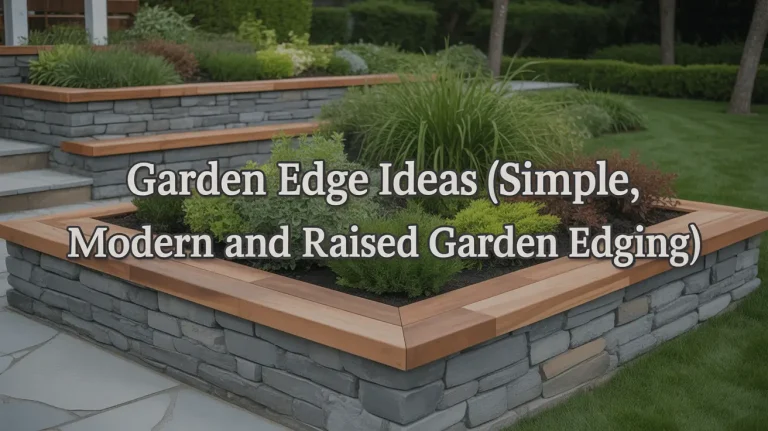
Raised wooden edging lifts the soil slightly, giving beds more presence. It improves drainage and keeps mulch from spilling onto paths.
Use thick boards and secure the corners well. This edging is ideal for flowers, shrubs, and shallow-root plants. It also makes garden beds easier to manage.
Timber Sleeper Edging


Timber sleepers create bold and strong edges. They work best in large gardens or areas that need support, such as slopes or layered beds.
Lay sleepers horizontally and anchor them securely. Choose pressure-treated wood for long life. This edging adds both height and character.
Curved Wooden Edging


Curved wooden edging softens the look of garden beds. It flows naturally and suits informal landscapes.
Use flexible wood strips or cut boards into short sections to create curves. This edging looks beautiful around trees and winding flower beds.
Reclaimed Wood Edging

Reclaimed wood gives garden edging a rustic and eco-friendly feel. Each piece looks different, adding charm and character.
Check wood for damage before use. Treat it to slow decay. This edging works well in creative and natural-style gardens.
Low Wooden Border Edging

Low wooden edging keeps attention on plants rather than the border. It’s ideal when you want subtle definition without height.
Install boards just above soil level. This edging is perfect for front yards and minimalist gardens where simplicity matters.
Wooden Peg or Stake Edging

Short wooden stakes placed close together create a simple yet decorative edge. This style works well for small flower beds and paths.
Keep spacing consistent for a neat finish. Use treated stakes for durability. It’s an inexpensive wooden garden edging and easy DIY option.
Wood and Gravel Combo Edging

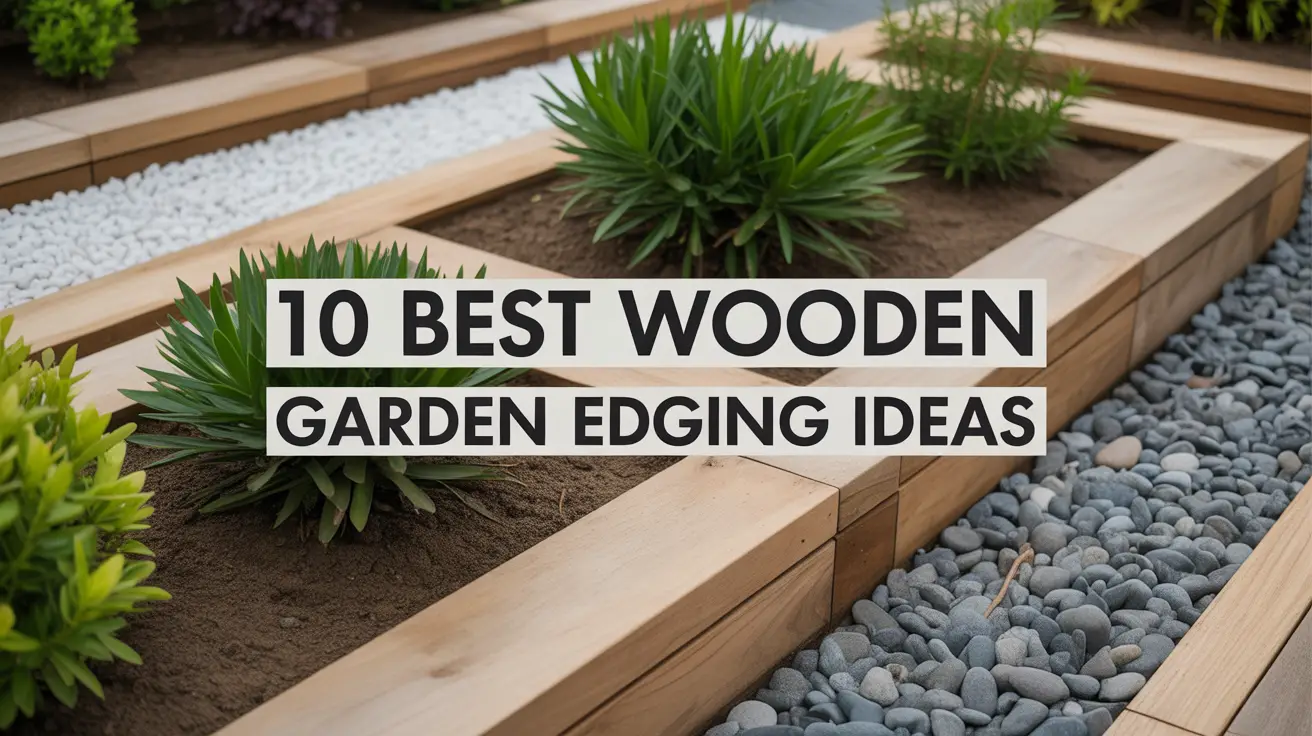
Combining wooden edging with a gravel strip creates contrast and improves drainage. It looks tidy and modern while staying natural.
Place wood as the main border and add gravel on the outside. This edging reduces weeds and keeps the garden looking clean.
I hope you liked the wooden garden edging ideas. Happy gardening!