How To Grow Celery at Home: A Guide for Crisp Sweet Stalks

Celery (Apium graveolens) is a cool-season vegetable grown for its crisp, juicy stalks. It belongs to the carrot family and needs a long growing season, usually 100 to 140 days from seed to full harvest.
It grows best in full sun and rich soil that stays evenly moist, and it does well in large pots as well as garden beds. Stalks can be picked a few at a time once they reach 6 to 8 inches tall, and well-stored celery keeps in the fridge for several weeks. You can also regrow celery from the base of a shop-bought bunch, although this gives smaller stalks. This a an easy guide about how to grow celery at home.
Celery at a Glance
| Quick fact | What celery likes |
|---|---|
| Season | Cool season |
| Time from seed to harvest | About 100 to 140 days (80 to 120 days after transplanting) |
| Sunlight | Full sun (light shade is fine in hot climates) |
| Best temperature | 60–70°F (15–21°C) |
| Soil pH | 6.0 to 6.8 |
| Spacing | 8–10 inches apart |
| Water | 1 to 1.5 inches a week, never let it dry out |
| Difficulty | Medium. Easy once you get the watering right |
Why Celery Takes So Long
Celery grows slowly. The seeds alone take two to three weeks to sprout, and the seedlings stay tiny for a long time. Most people start seeds indoors about 10 to 12 weeks before they plan to plant outside.
So think of celery as a “plan ahead” crop. Start early, then relax while it does its thing.
Celery Varieties
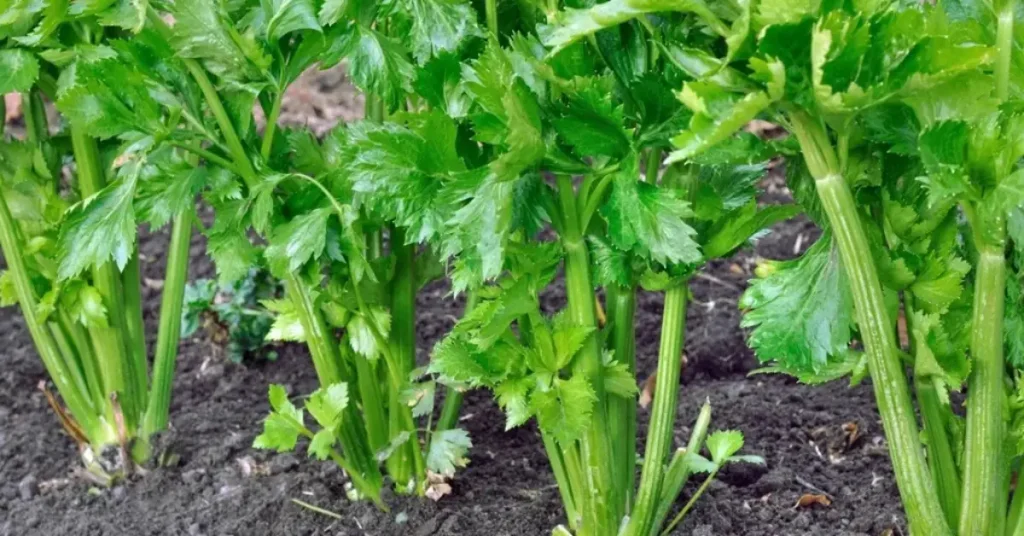
Most home gardeners grow green, self-blanching types because they are much easier. The old “trench” celery needs soil piled around it and is rarely sold now.
| Variety | Good for | Notes |
|---|---|---|
| Tall Utah 52-70 | Classic green celery | Reliable and widely grown, a good first choice |
| Conquistador | Short seasons | Matures faster than most (around 85 days after transplanting) |
| Golden Self-Blanching | Beginners | Pale, mild stalks with less work |
| Giant Pascal | Large harvests | Thick, tall stalks |
| Tango | Warmer areas | Handles a bit more heat |
If your summers are short, pick a quick variety like Conquistador.
How to Grow Celery from Seed
Sow the seeds
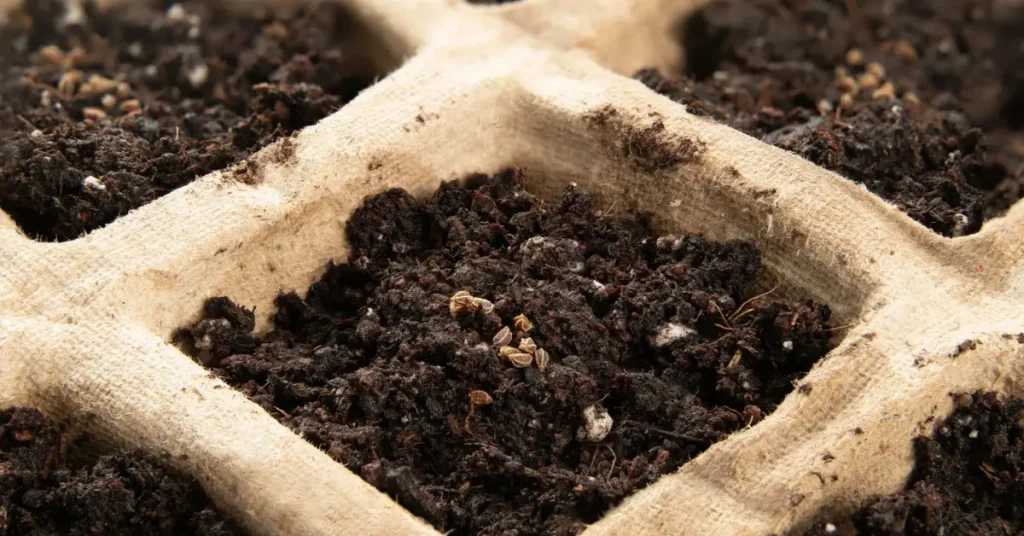
Celery seeds are tiny and need light to sprout. Do not bury them. Press them onto the surface of damp seed-starting mix and cover with the thinnest dusting of mix, or nothing at all. Mist with water.
Keep the tray warm, around 70°F (21°C). A heat mat helps a lot. Be patient: sprouting takes about 10 to 21 days.
Keep the seedlings happy
Once they sprout, move the tray to bright light. Keep the mix lightly moist, never soggy and never dry. Even a few hours of dryness can slow tiny celery seedlings. When seedlings have 5 or 6 leaves, they are ready to go outside.
Harden them off
Do this slowly over 7 to 10 days. Put the seedlings outside for a few hours, then a little longer each day. One tip from seed growers: toughen celery by giving it more sun and wind, not by making it colder. A cold snap can push celery to bolt (flower too early).
Plant them out
Wait until the soil is at least 50°F (10°C). Space plants 8 to 10 inches apart, in rows about 18 to 24 inches apart. Plant at the same depth they were growing in the tray, and water well.
The Best Soil for Celery
Celery is a heavy feeder with shallow roots. It Prefers loamy, sandy loam, or medium-light soils that are loose and well-aerated.
- Mix in plenty of compost or well-rotted manure before planting.
- pH between 6.0 and 6.8.
- Add a 2 to 3 inch layer of mulch to keep roots cool and the soil moist.
- Give a mid-season boost of compost or liquid feed.
If the center of your celery turns brown or black (called “black heart”), it usually points to low calcium or uneven watering. Rich soil and steady water help prevent it.
How Much Water Does Celery Need?
Celery came from marshy ground, so it loves wet feet.
- Give about 1 to 1.5 inches of water per week, more in hot weather.
- Keep the soil evenly moist. Do not let it dry out and then flood it.
- A soaker hose or drip line is ideal.
- Water in the morning, and try not to wet the leaves.
If you remember only one thing from this post, make it this: steady water makes crisp celery. Most stringy, hollow or bitter stalks come from dry spells.
What About Blanching?
Blanching means keeping sunlight off the stalks so they turn paler and taste milder. Traditional celery needed it. Most modern green and self-blanching types do not.
If you want pale, mild stalks anyway, start about 10 to 14 days before harvest. Wrap the stalks with newspaper or cardboard tubes, or pile straw around the base. If you grow plants close together in a block, the ones in the middle shade each other and often blanch naturally.
Growing Celery in Pots and Containers
Yes, you can grow celery in containers. It is a good option if your soil is poor.
- Pick a pot at least 12 inches deep and wide, or a 5-gallon bucket for one or two plants.
- Use a rich potting mix with compost mixed in.
- Water often. Pots dry out fast, and celery hates that.
- Feed every two weeks with a balanced liquid fertilizer.
- In very hot weather, move the pot to a spot with afternoon shade.
How to Grow Celery from Scraps
This is a fun project, especially with kids, but it comes with a reality check.
- Cut about 2 to 3 inches off the bottom of a celery bunch.
- Place it cut-side up in a shallow dish with about an inch of water.
- Set it on a sunny windowsill and change the water every day or two.
- In about 5 to 7 days you will see new shoots in the center.
- When roots appear, plant it in a pot or garden bed with rich soil, leaving the new growth above the soil.
Water-grown celery gives you small leafy shoots that are lovely in soups and salads. To get full-size stalks, plant it in soil and expect to wait around three months or more. Stalks from scraps are usually thinner than store celery, but the flavor is strong.
Common Celery Problems and Easy Fixes
| Problem | Likely cause | What to do |
|---|---|---|
| Stringy, tough stalks | Not enough water, or plants left too long | Water evenly, harvest on time |
| Hollow stalks | Dry soil or low nutrients | Water deeply, add compost |
| Bitter taste | Heat stress, dry soil, or no blanching | Mulch, water more, blanch for 10–14 days |
| Thin stalks | Short season, crowding, poor soil | Space plants properly, feed regularly |
| Plants flower early (bolting) | Cold snaps in spring, or heat stress | Plant out after the cold passes, protect with fleece |
| Lots of leaves, few stalks | Too much nitrogen or too little water | Water steadily, avoid heavy nitrogen feed |
| Brown or black center | Calcium problem, uneven watering | Keep moisture steady, enrich the soil |
| Leaves folded and webbed, chewed stalks | Caterpillars or pests | Pick them off by hand |
Celery Mosaic Virus: Symptoms and Plants Affected
Celery mosaic virus (CeMV) is a plant virus that can cause serious disease in celery crops around the world. It mainly affects celery but can also infect other plants in the Apiaceae family. These include carrots, parsley, coriander, dill, anise, caraway, celeriac, chervil, parsnips, and poison hemlock. The virus can affect plant growth, reduce crop quality, and make vegetables less attractive for harvesting.
How to Control Celery Mosaic Virus in a Home Garden
There is no reliable cure for a plant once it becomes infected with celery mosaic virus. However, home gardeners can take steps to reduce its spread and protect healthy plants.
- Remove infected plants: Check celery and other related plants for unusual leaf patterns, mottling, curling, or stunted growth. Remove badly affected plants and dispose of them in household waste. Do not add them to your compost pile.
- Control aphids: Aphids spread plant viruses while feeding on plants. Use insect-proof netting where practical, remove aphids with a strong spray of water, and encourage beneficial insects. However, aphid control alone may not prevent the virus from spreading because transmission can happen quickly.
- Keep the garden weed-free: Remove weeds that may host the virus, especially wild plants related to celery and carrots. Learn to identify poison hemlock before removing unfamiliar plants.
- Use healthy seeds and seedlings: Buy seeds and transplants from reputable suppliers. Inspect young plants for unusual leaf discoloration or distorted growth before planting.
- Clean gardening tools: Wash soil and plant debris from tools after working with infected plants. Avoid handling healthy plants immediately after touching diseased ones.
- Separate new plants: Keep newly purchased seedlings apart from established plants for a short observation period. Check them for symptoms before planting them in the garden.
- Monitor plants regularly: Inspect celery, carrots, parsley, and other related crops every week.
Blight in Celery: Symptoms, Causes, and Control
Blight in celery is a disease that damages leaves and can reduce plant growth and crop quality. It may cause brown spots, yellowing, and dried leaf tissue. Several diseases can cause blight-like symptoms in celery, so it is important to identify the cause before choosing a treatment.
For home gardeners, good watering practices, proper spacing, and removing infected plant material can help reduce the spread of disease.
Types of Celery Blight
Early blight (Cercospora apii)
Early blight begins as small yellow spots on celery leaves. These spots enlarge and develop gray centers. The affected tissue may dry out, become papery, and crack. Warm weather and moisture can encourage the disease.
Late blight (Septoria apiicola)
Late blight starts with small yellow spots on leaves and leaf stalks. The spots later turn tan or brown and may contain tiny black dots. In damp conditions, the spots can spread and merge, damaging large areas of foliage.
Control Measures for Home Gardeners
- Remove infected leaves: Cut off affected leaves and discard them in household waste. Clean your tools after use.
- Water at soil level: Avoid wetting the leaves, especially in the evening. Water splashes can spread fungal spores.
- Provide enough space: Space plants to allow air to circulate and foliage to dry quickly.
- Keep the garden clean: Remove fallen leaves and old celery debris, which can carry disease.
- Start with healthy seeds: Buy seeds and seedlings from reputable suppliers to reduce the risk of introducing disease.
- Rotate crops: Avoid growing celery in the same spot in successive seasons. Plant an unrelated crop in that area instead.
Good Companion Plants for Celery
Celery grows well near tomatoes, beans and cabbage family plants. Many gardeners also plant it near onions and leeks. Keep it away from carrots and parsnips, since they are in the same plant family and share some pests.
When and How to Harvest Celery
You can start picking when stalks are about 6 to 8 inches tall and firm. Two ways to do it:
- Cut-and-come-again: Snip the outer stalks at the base and leave the center to keep growing. This gives you celery for weeks.
- Whole plant: Cut the whole head at soil level when the plant is full-size, or when it starts to send up a flower stalk.
Pick in the morning when it is cool, since stalks are crispest then.
How to Store Homegrown Celery
- Trim the roots and the very tough outer stalks.
- Wrap the stalks in foil, or stand them in a jar with an inch or two of water and cover loosely.
- Keep them in the fridge. Well-stored celery stays crisp for several weeks.
- Freeze leaves and dark, tough stalks to flavor soups and stock. Nothing has to go to waste.
FAQs
How long does celery take to grow?
About 100 to 140 days from seed, depending on variety and weather.
Can you grow celery from a store-bought stalk?
Yes. A fresh base will sprout in water within a week. For full stalks, move it into soil.
Does celery come back every year?
No. Celery is a biennial, so once it flowers the stalks turn tough. Most people grow it as a yearly crop and start fresh.
Why is my homegrown celery smaller than store celery?
In a home garden, celery may receive less sunlight, water, nutrients, or growing time. The variety you grow also makes a difference, as some types produce thinner stalks.
Final Thoughts
Celery rewards patience. Start the seeds early, keep the water steady, feed the soil, and you will have crunchy, flavorful stalks for soups, salads and snacking. Once you taste homegrown celery, the store version just won’t compare.