How To Grow Mint in Pots
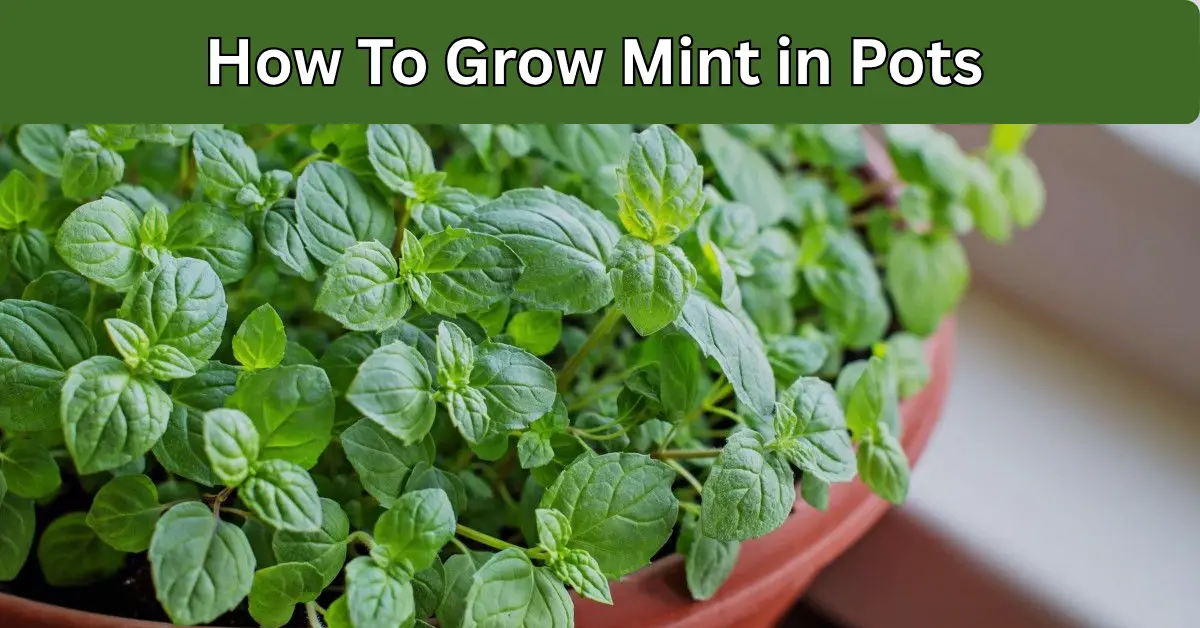
Mint (Mentha) is a hardy perennial herb grown for its fragrant leaves. It grows in almost any soil, copes with a bit of shade, and comes back year after year. Fresh and dry leaves are used in tea, salads, sauces, desserts and drinks.
The one thing to know before you plant is that mint spreads fast. It sends out underground stems that root as they go, and a single plant can fill a bed in a season or two. That is why it is better to grow it in a pot, or in a pot sunk into the ground. This guide covers how to grow mint in pots, varieties, planting, care, propagation, winter care and fixes for the common problems.
Mint Facts
| Fact | Details |
|---|---|
| Plant type | Hardy perennial herb |
| Sunlight | Full sun to part shade |
| Soil | Rich, moist, well-drained |
| Hardiness | Spearmint about USDA zones 4–9, peppermint about zones 3–9 |
| Pot size | At least 10–12 inches wide, bigger is better |
| Spacing (in beds) | 12–18 inches apart |
| Water | Keep soil evenly moist |
| Harvest | Spring to autumn, from when plants are about 6 inches tall |
| Difficulty | Very easy |
Which Mint Varieties To Grow?
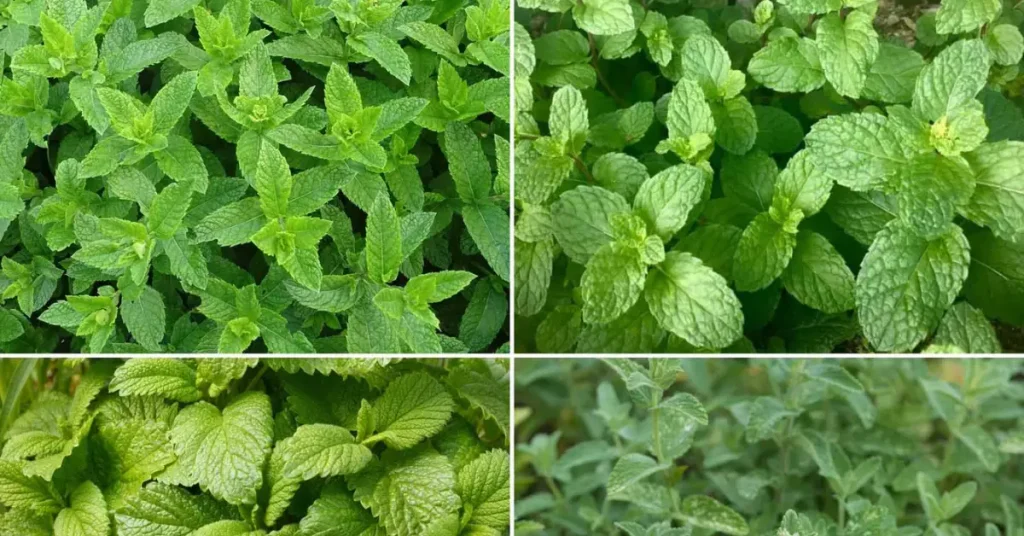
There are around 25 species of mint plus many hybrids. Best mint varieties to grow are:
| Type | Flavor | Best for |
|---|---|---|
| Spearmint | Sweet, mild | Tea, salads, sauces, savory dishes, mojitos |
| Peppermint | Strong, cooling menthol | Tea, desserts, candies, hot chocolate |
| Apple mint | Soft, fruity, slightly fuzzy leaves | Fruit salads, drinks, mint jelly |
| Chocolate mint | Peppermint with a hint of cocoa | Desserts, ice cream, hot drinks |
| Lime mint | Citrusy | Cocktails, iced tea, fish dishes |
| Moroccan mint | Bright and sweet | Traditional mint tea |
Taste and smell vary between varieties. Plants grown from seed do not come true to type, so cuttings, divisions and small plants give more reliable flavor.
Why Mint Is Best Grown in a Pot
Mint spreads through runners (rhizomes) under the soil. In open ground it pushes into lawns, flower beds and neighboring vegetables. Pulling it out later is hard, because even a small piece of root will regrow.
You have three simple ways to keep it under control:
- Grow it in a pot above ground. The easiest option. Use a pot at least 10 to 12 inches wide with drainage holes.
- Sink a pot into the ground. Leave about an inch of the rim above the soil. Runners will still escape over the top, so trim around it now and then.
- Use a barrier. Bury a bottomless bucket or a plastic edging strip 12 inches deep to block the roots.
Also keep different mints in separate pots. They cross-pollinate and can lose their distinct flavors when mixed.
Read: How To Grow Celery At Home
How to Grow Mint
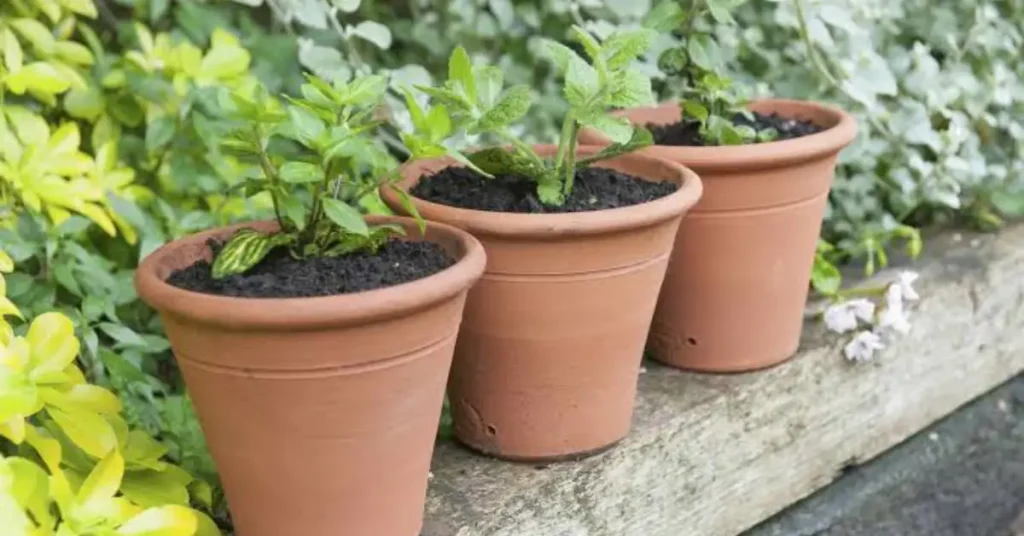
When: Spring or early autumn are best. Mint can go in any time the ground is not frozen.
Where: Full sun gives the strongest flavor. In hot climates, afternoon shade stops leaves from scorching.
Soil: Use a good potting mix with some compost. Mint likes moist soil that drains well. Wet, waterlogged soil causes root problems.
Steps:
- From Seed: Sow seeds lightly on top of a moist coir and perlite mix, keeping them warm (60–75°F) until they sprout in about 2 weeks.
- Use a solid plastic or terracotta pot with drainage holes to keep its roots from taking over your garden.
- From a Nursery Plant: Buy a small plant and loosen the root ball gently before potting it up.
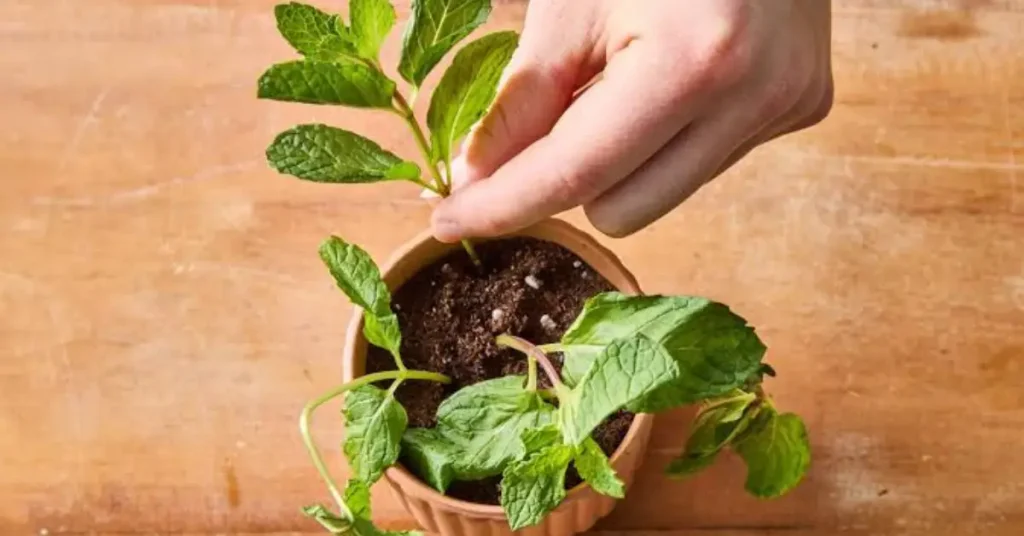
- From Cuttings (Easiest): Cut a healthy 4-to-6-inch stem just below a leaf node. Remove the lower leaves, leaving 4 top leaves. Place the cutting in a glass of water for 7 to 10 days until roots form, or plant it directly into moist potting soil.
- Place the pot in a spot with at least 4 to 6 hours of sun.
If you plant straight into the ground, choose a spot with clear boundaries, like between a wall and a path, so it cannot wander.
How to Care for Mint
Watering: Keep the soil evenly moist. Pots dry out quickly in summer, so check them every day or two in hot weather.
Feeding: Mint is not demanding. A layer of compost on top in spring is enough. Potted plants have a light liquid feed every few weeks in summer.
Pruning: Cut it back hard and often. Pinch off the top of each stem to force bushy growth, and remove flower buds as they appear. Once mint flowers, the leaves become smaller and the flavor weakens. At the start of the season, cut old stems down to a few inches to encourage fresh growth.
Repotting: Mint fills a pot with roots quickly. Every two to three years, tip it out, divide it and replant a healthy piece in fresh soil.
How to Propagate Mint (Three Easy Ways)
| Method | How | Time to new plant |
|---|---|---|
| Cuttings in water | Cut a 4 to 6 inch stem, strip the lower leaves, stand it in a glass of water in bright light | Roots in 1 to 2 weeks |
| Division | Dig up a clump in spring, split it into pieces with roots, replant each | Ready immediately |
| Runners | Cut a runner with roots attached and pot it up | A few weeks |
Cuttings are the cheapest way to fill the garden, or to give plants away. Once roots reach 1 to 2 inches, move the cutting into a pot of moist potting mix.
How to Harvest Mint
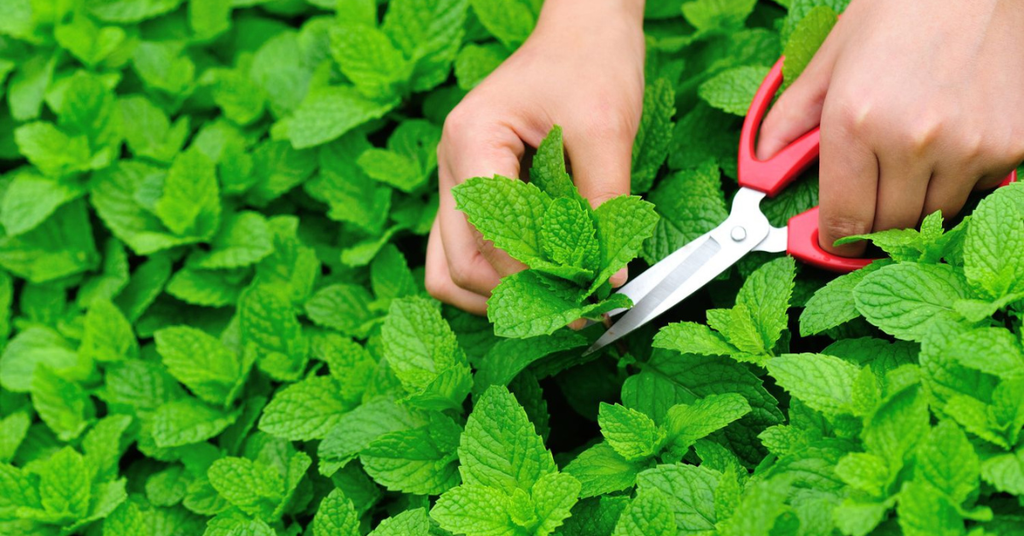
- Pick from spring until the first frosts. Start when plants are about 6 inches tall.
- Take the top few inches of stem, cutting just above a pair of leaves.
- Pick in the morning after the dew has dried for the best flavor.
- Do not take more than about a third of the plant at once.
Keeping mint for later:
- Fridge: Stand stems in a glass of water, loosely covered, for up to a week.
- Freezing: Chop the leaves, pack them into ice cube trays and top up with water. Whole frozen leaves tend to go dark and limp.
- Drying: Hang small bunches in a warm, airy place, then store the dried leaves in a jar. Dried mint is milder than fresh.
Mint in Winter
Mint dies back to the ground in cold weather, then returns in spring. In cold climates, cut stems down after the first hard frost and add a layer of mulch. Potted mint can be moved against a sheltered wall, or into an unheated garage, so the roots do not freeze solid. Water lightly through winter so the soil does not completely dry out.
Common Mint Problems
| Problem | Likely cause | Fix |
|---|---|---|
| Leaves turning brown at the edges | Too much sun, heat, or dry soil | Water more, move to afternoon shade |
| Yellow leaves | Overwatering, poor drainage, or aphids | Let the top inch of soil dry, check the leaf undersides |
| Orange or brown powdery spots under leaves | Mint rust (a fungus) | Remove and bin affected leaves, clean up fallen leaves, start again with healthy plants if it is severe |
| Sticky leaves and clusters of small insects | Aphids | Wash off with water, or use insecticidal soap |
| Yellow speckles, fine webbing | Spider mites in dry conditions | Mist, water regularly, rinse the plant |
| Weak, leggy stems | Not enough light | Move to a brighter spot |
| Plant dying back in summer | Crowded roots or soil disease | Divide and replant in fresh soil |
Questions People Ask
Does mint come back every year?
Yes. It is a perennial and returns every spring once established.
Can I grow mint from store-bought sprigs?
Yes. Put fresh stems in a glass of water, wait for roots, then pot them up.
Can mint grow in shade?
It handles partial shade. It grows more slowly and the flavor is milder, but it still does fine.
How fast does mint spread?
Very fast in open ground. One plant can cover a few square feet in a single season.
Why does my mint taste weak?
There might be reason that It is getting little sun. Prune back hard and move it into brighter light.
Is mint safe for pets?
Mint can upset the stomach of cats and dogs if they eat a lot, so keep pots out of reach if your pet likes to nibble. Some mints, like pennyroyal, are toxic to pets, so check the variety before planting.
Summary
Mint is one of the easiest herbs to grow. Plant it in a pot, give it sun and moist soil, prune it often, and divide it every couple of years. It will keep supplying fresh leaves from spring right through autumn.