Black And Yellow Striped Insects:Guide With Pictures
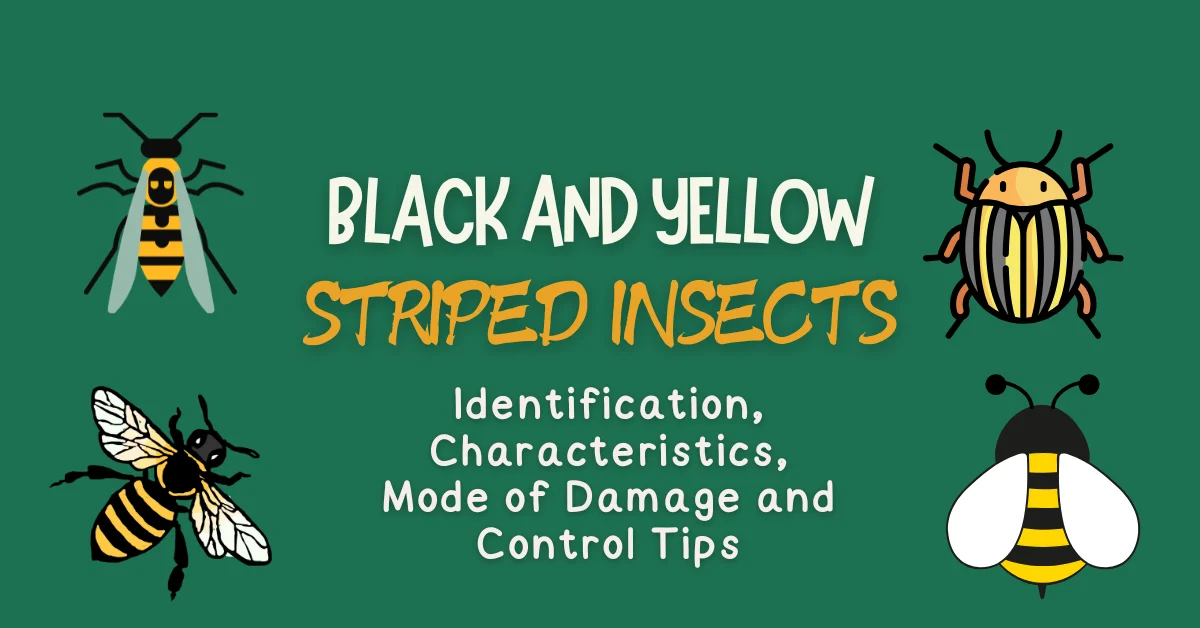
Have you ever noticed black and yellow striped insects buzzing around you? I mean, have you ever tried to enjoy a peaceful picnic only to be swarmed by a gang of wasps or bees, just looking for trouble? Ugh, nightmare fuel.
Black and yellow striped insects are a fascinating and diverse group that can be found in gardens, fields, forests, and even within the walls of our homes. These insects hold bright, eye-catching colors, which range from deep black to vibrant yellow. Their striking patterns make them appear dangerous. In fact, many of them are beneficial, play important roles in pollination or natural pest control.
However, certain black and yellow striped insects, such as wasps, hornets, and beetles, can cause significant damage to plants, structures, and even people. Their aggressive nature or destructive feeding habits make them unwelcome guests, especially when they invade our homes. In this article, we’ll explore a variety of black and yellow striped insects, outlining their characteristics, damage they can cause, and tips to control.
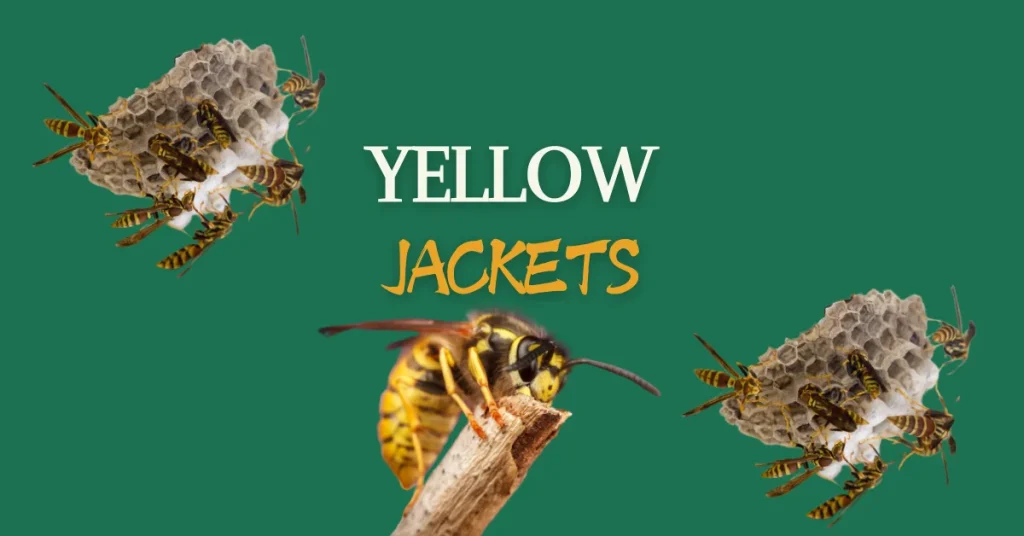
Yellow Jacket
Scientific Name: Vespula spp.
Common Name: Yellow Jacket
Family: Vespidae
Class: Insecta
Size: 0.5 inch
| Characteristic | Detail |
| Identification | Small to medium-sized wasp with black and yellow stripes on the abdomen. Narrow waist and smooth body. 16 species reside in USA. |
| Mode of Damage | Aggressive and territorial, yellow jackets can sting multiple times and cause allergic reactions. They damage crops and food sources, especially sweet fruits. Adult yellowjackets feed on sugary substances such as flower nectar and fruit. |
| Control Tips | Seal cracks and crevices, especially near eaves and basements. If a nest is found, contact a professional for removal. Traps with sugary liquids attract and capture them. |
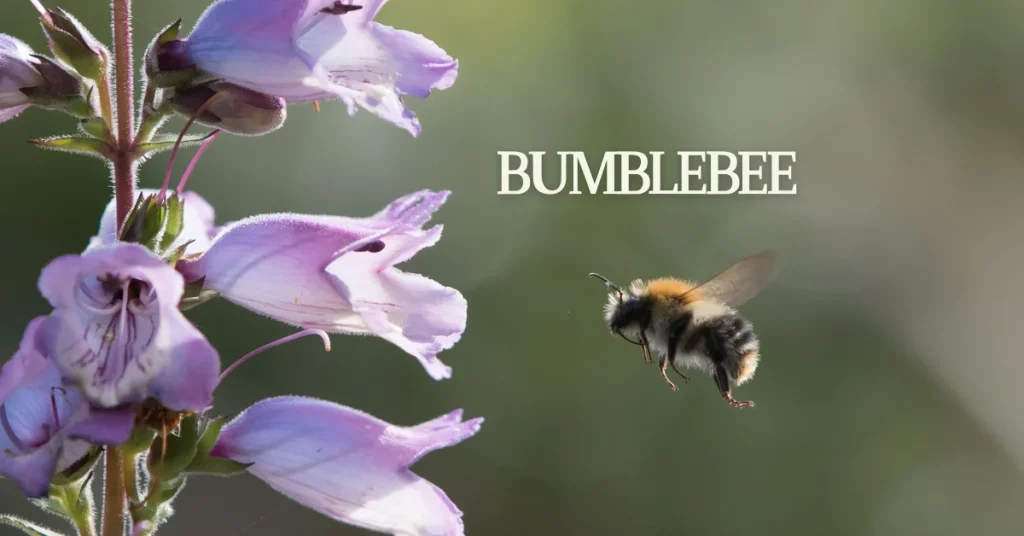
Bumblebee
Scientific Name: Bombus spp.
Common Name: Bumblebee
Family: Apidae
Class: Insecta
Size: 0.5 – 1 inch
| Characteristic | Detail |
| Identification | Large, fuzzy body with black and yellow stripes. Round, stout body with soft hair. |
| Mode of Damage | Bumblebees don’t cause significant structural damage, but they can sting if provoked. They are essential pollinators for flowers, fruits, and vegetables. They are social insects. |
| Control Tips | Bumblebees are not aggressive unless threatened. If a nest is near high-traffic areas, consider relocating it with the help of a beekeeper. Avoid disturbing the nest. |
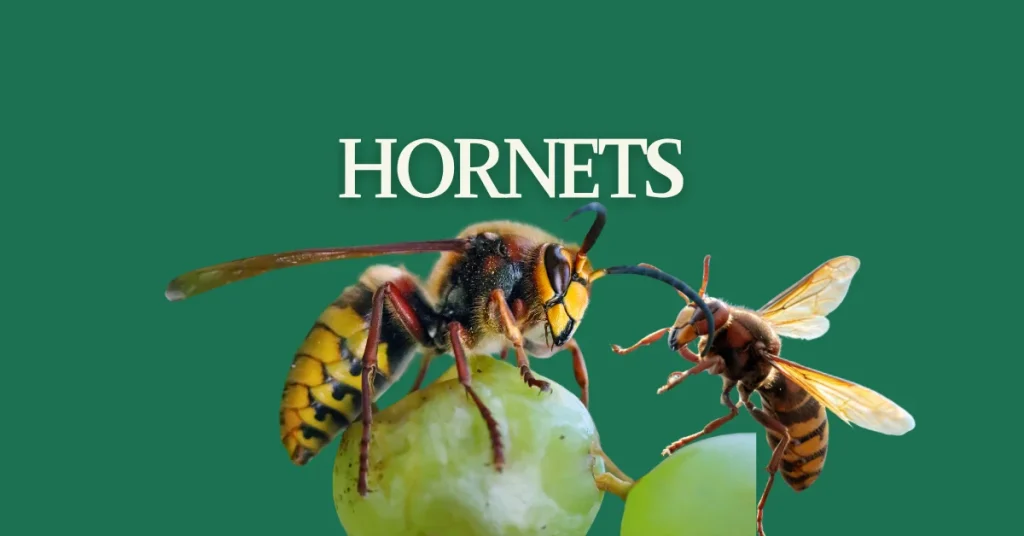
Hornet
Scientific Name: Vespa crabro
Common Name: European Hornet
Family: Vespidae
Class: Insecta
Size: 1 – 2.2 inches
| Characteristic | Detail |
| Identification | Large, dark wasp with black and yellow stripes and a broad head. Similar to Yellowjackets but they are larger than yellow jackets and have a more robust body. Worldwide 22 species present. |
| Mode of Damage | Hornets are aggressive and sting multiple times, which can lead to allergic reactions. They can also cause damage to trees by feeding on sap. |
| Control Tips | Do not approach hornet nests. Call a professional pest control service to remove large nests. Avoid food and sweet drinks outside, as hornets are attracted to them. |
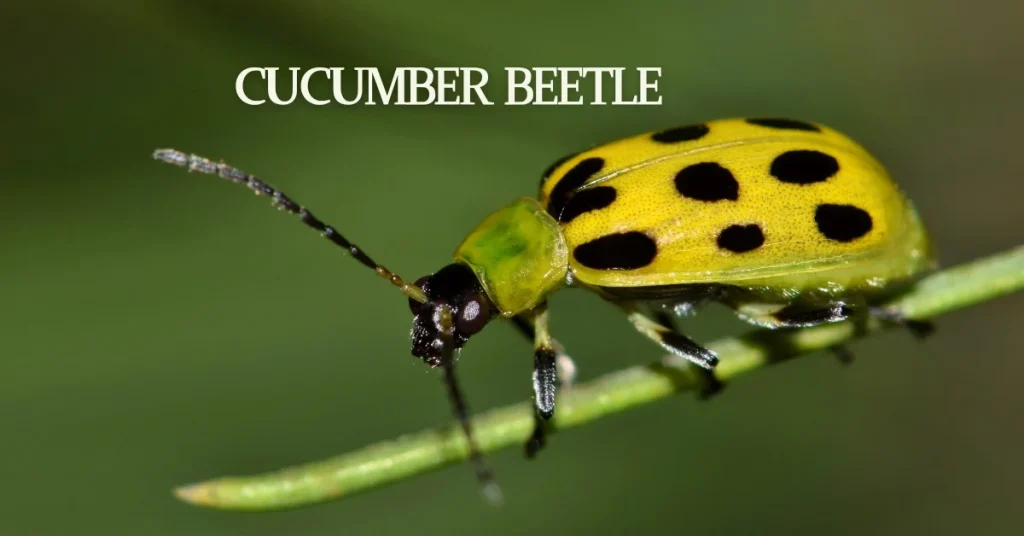
Cucumber Beetle
Scientific Name: Acalymma vittatum
Common Name: Striped Cucumber Beetle
Family: Chrysomelidae
Class: Insecta
Size: 0.25 – 0.5 inch
| Characteristic | Detail |
| Identification | Small, oval-shaped beetle with bright yellow body and black stripes or spots. Antennae are relatively long. |
| Mode of Damage | Damages cucurbit crops like cucumbers, melons, and squash by chewing on leaves, stems, and fruits. They also spread bacterial wilt. |
| Control Tips | Use row covers to protect crops in the early stages. Apply neem oil or insecticidal soap to control adult beetles. At home, hand-pick beetles from plants and dispose of them. |
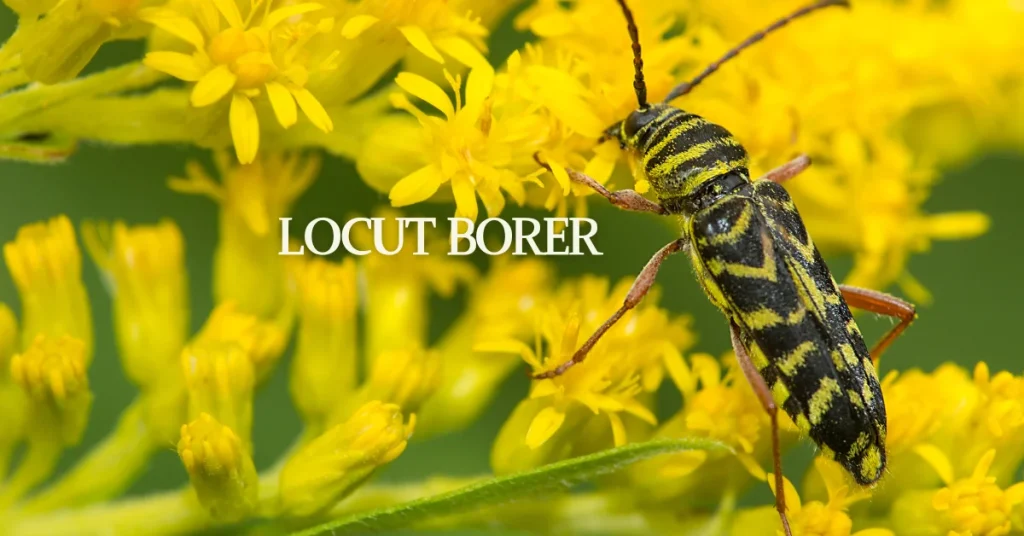
Locust Borer
Scientific Name: Megacyllene robiniae
Common Name: Locust Borer
Family: Cerambycidae
Class: Insecta
Size: 0.4 – 1.1 inches
| Characteristic | Detail |
| Identification | Black and yellow striped beetle with long antennae. Their body is cylindrical and robust. |
| Mode of Damage | The larvae tunnel into locust trees, weakening the tree and making it susceptible to disease and decay. Severe infestations can lead to tree death. |
| Control Tips | Remove and destroy infested wood to prevent further spread. Insecticide application to affected trees may help control borers. |
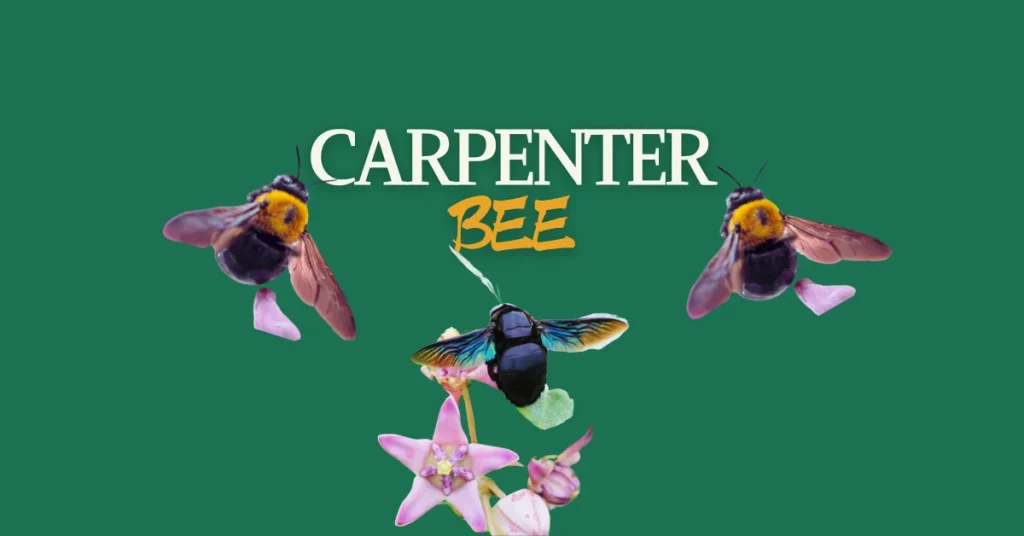
Carpenter Bee
Scientific Name: Xylocopa spp.
Common Name: Carpenter Bee
Family: Apidae
Class: Insecta
Size: 0.75 – 1 inches
| Characteristic | Detail |
| Identification | Most species are full Black. Large, robust bee with black and yellow markings. The abdomen is smooth, unlike the fuzzy bumblebee. |
| Mode of Damage | Carpenter bees drill into wood to create nests, which weakens wooden structures like fences and decks. |
| Control Tips | Seal holes or cracks in wood. Painting or staining wood surfaces can deter carpenter bees. If infestations are large, contact a pest control expert to treat nests. |
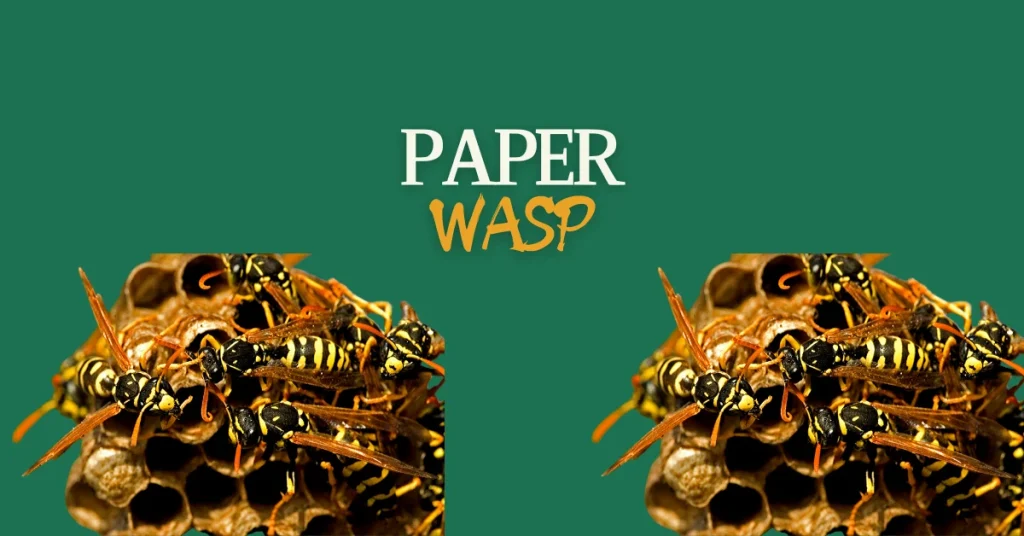
Paper Wasp
Scientific Name: Polistes spp.
Common Name: Paper Wasp
Family: Vespidae
Class: Insecta
Size: 0.5 – 1 inch
Read: Wasps Types in Florida
| Characteristic | Detail |
| Identification | Slender body with black and yellow stripes. Their nests are made of paper-like material and are often found hanging under eaves. |
| Mode of Damage | Paper wasps are territorial and aggressive when defending their nests. Their stings are painful and can cause allergic reactions. |
| Control Tips | Remove nests carefully using protective gear. Prevent new nests by inspecting areas like attics, eaves, and sheds. Consider using wasp traps. |
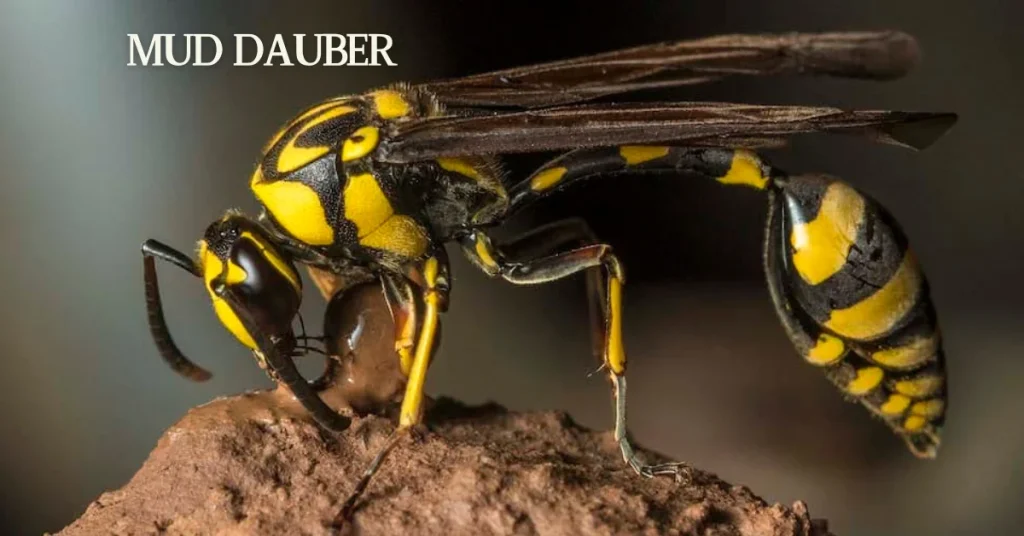
Mud Dauber
Scientific Name: Sphecidae family
Common Name: Mud Dauber
Family: Sphecidae
Class: Insecta
Size: 0.2 – 1 inch
| Characteristic | Detail |
| Identification | Long, slender body with black and yellow markings. Known for building nests from mud. |
| Mode of Damage | Mud daubers do not cause significant damage to structures but can be a nuisance by creating mud nests on buildings, under eaves, or in sheds. |
| Control Tips | Seal cracks and crevices in walls and eaves. Remove old nests to deter them from returning. Mud dauber nests can be brushed or vacuumed away. |
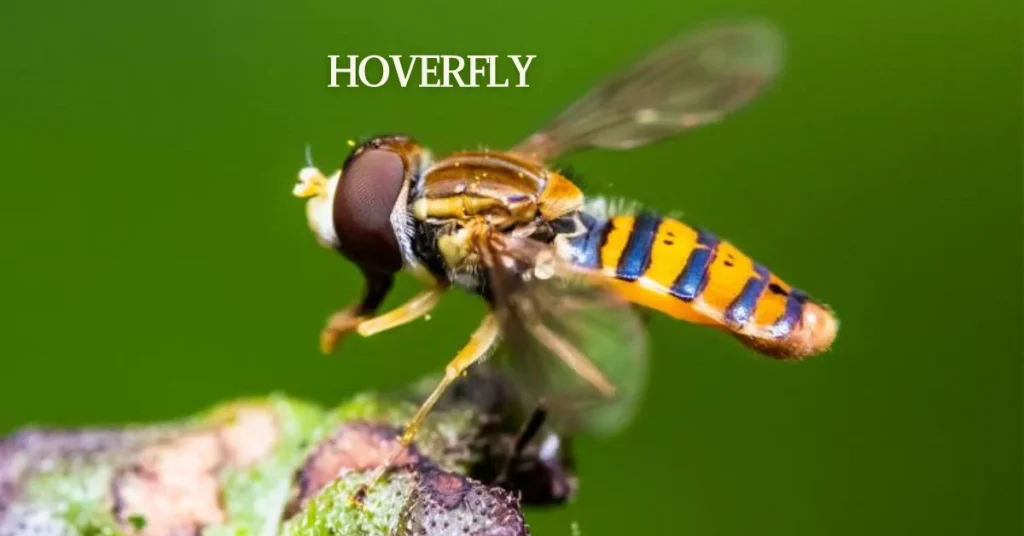
Hoverfly
Scientific Name: Syrphidae family
Common Name: Hoverfly
Family: Syrphidae
Class: Insecta
Size: 0.25 – 0.5 inch
| Characteristic | Detail |
| Identification | Small, slender flies with black and yellow striped patterns. Resembling bees, they are often mistaken for them but do not sting. |
| Mode of Damage | Hoverflies do not cause damage to plants or structures. They are beneficial, feed on aphids and other pests and help to control pest populations. |
| Control Tips | Hoverflies are beneficial and do not need control. Encourage their presence in gardens by planting flowers that attract them, such as daisies and marigolds. |
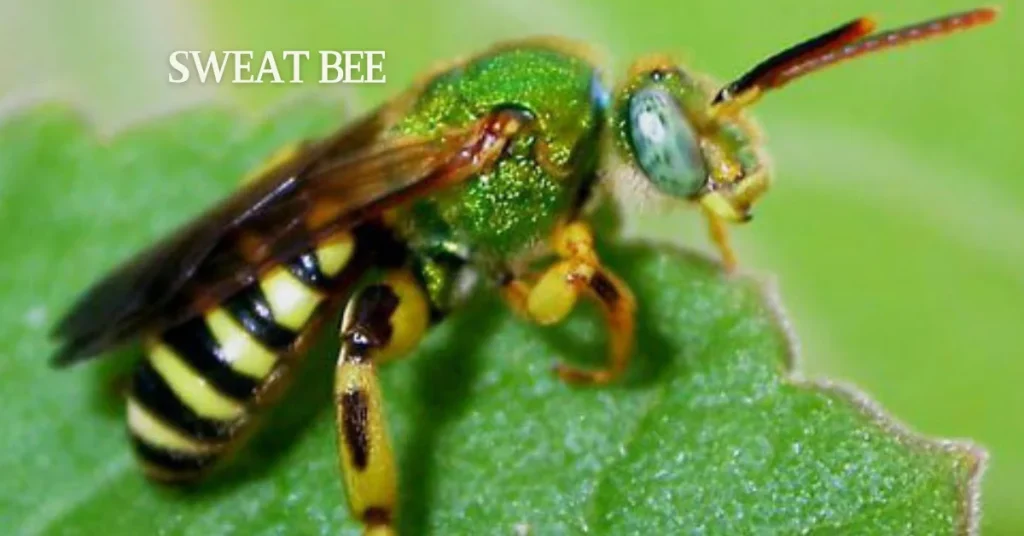
Sweat Bee
Scientific Name: Halictidae family
Common Name: Sweat Bee
Family: Halictidae
Class: Insecta
Size: 0.2 – 0.4 inch
| Characteristic | Detail |
| Identification | Small, shiny bees with black and yellow stripes. They are attracted to sweat and are often found on human skin. |
| Mode of Damage | Sweat bees are generally harmless but can sting when disturbed. Their stings are not dangerous unless an allergic reaction occurs. |
| Control Tips | Sweat bees are beneficial pollinators, so avoid disturbing them. If stung, treat the sting with cold compresses. To prevent them from landing on you, keep sweat wiped away. |
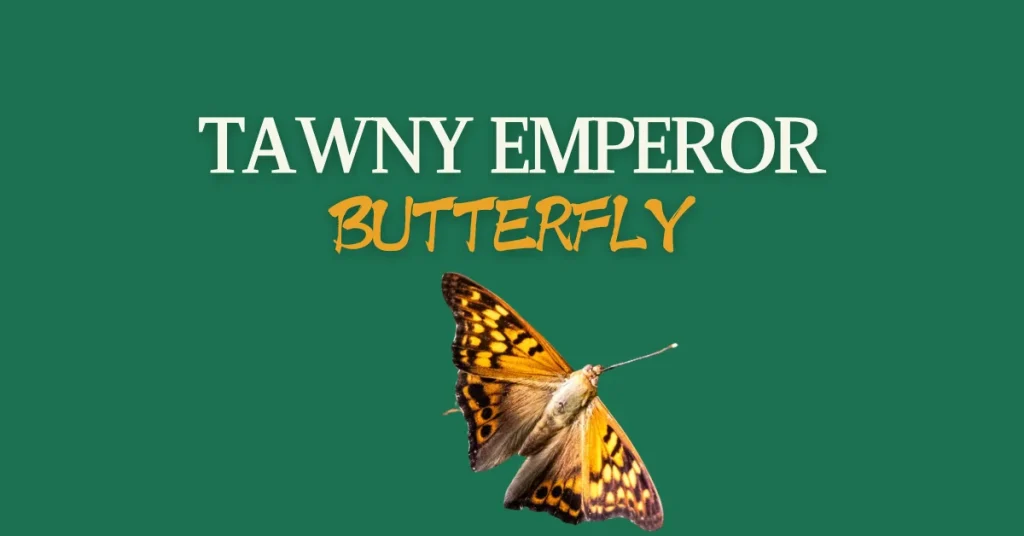
Twany Emperor Butterfly
Scientific Name: Asterocampa clyton
Common Name: Tawny Emperor Butterfly
Family: Nymphalidae
Class: Insecta
Size: 1.3 – 2.4 inches
| Characteristic | Detail |
| Identification | Butterflies with a mix of yellow and black striped patterns on their wings. Their undersides are mottled with brown and orange markings. |
| Mode of Damage | The tawny emperor butterfly does not cause damage to structures or crops. They feed on tree sap and rotting fruit. |
| Control Tips | No need for control, as these butterflies are harmless and beneficial for the ecosystem. |
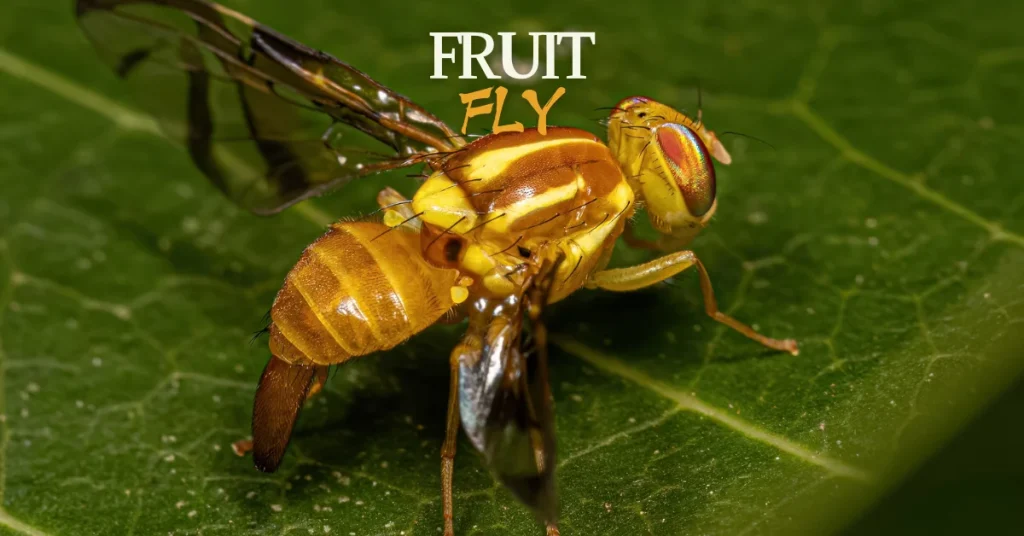
Fruit Fly
Scientific Name: Drosophila melanogaster
Common Name: Fruit Fly
Family: Drosophilidae
Class: Insecta
Size: 0.08 – 0.125 inches
| Characteristic | Detail |
| Identification | Small flies with a yellowish body and black markings on the abdomen. They are often found around rotting fruit. |
| Mode of Damage | Fruit flies infest ripening or rotting fruit and can contaminate food. Their larvae feed on decaying organic matter. |
| Control Tips | Store ripe fruit in the refrigerator, and keep food waste in sealed containers. Use vinegar traps to catch and eliminate fruit flies. |
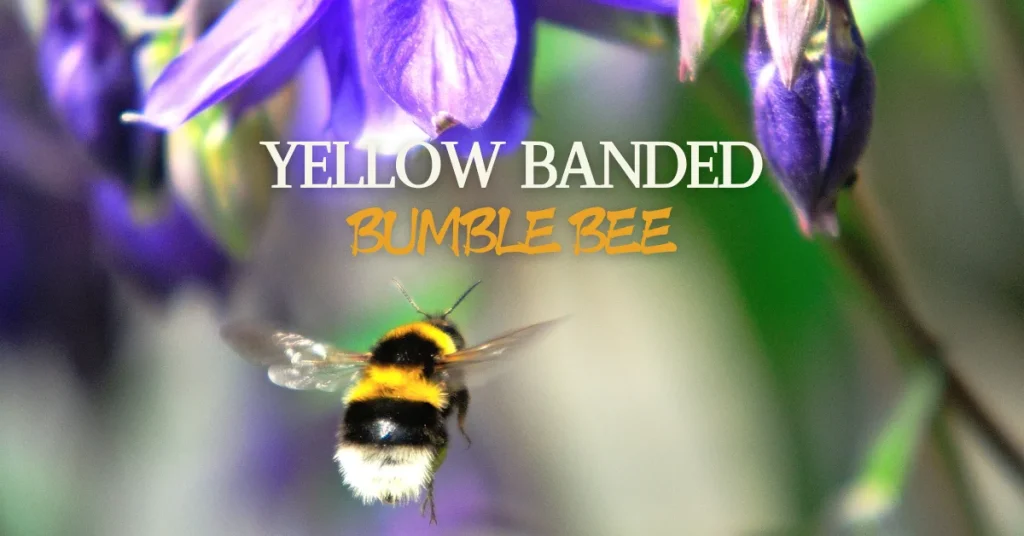
Yellow-Banded Bumblebee
Scientific Name: Bombus terrestris
Common Name: Yellow-Banded Bumblebee
Family: Apidae
Class: Insecta
Size: 0.6 – 0.75 inch
| Characteristic | Detail |
| Identification | Native to Southern Canada and midwest of the United States. Yellow-banded Bumblebees with black and yellow bands across the thorax and abdomen. They are robust and hairy. |
| Mode of Damage | Generally harmless, but they may sting if provoked. They are key pollinators for many plants, including crops like tomatoes. |
| Control Tips | Yellow-banded bumblebees are valuable to ecosystems. Avoid disturbing their nests, and let them coexist peacefully in your garden. |
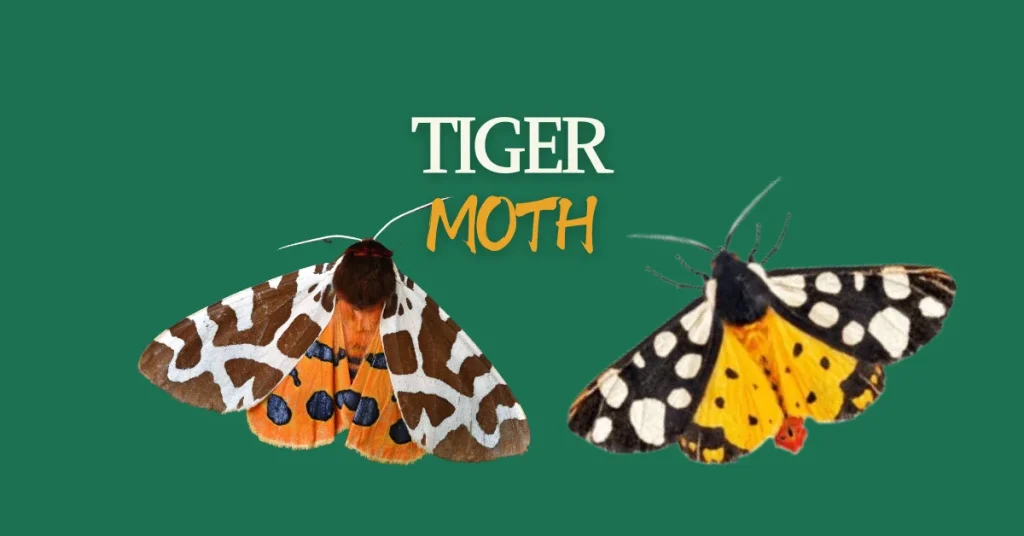
Tiger Moth
Scientific Name: Arctia caja
Common Name: Tiger Moth
Family: Erebidae
Class: Insecta
Size: 2 – 3 inches
| Characteristic | Detail |
| Identification | Large moth with striking black and Orange or yellow patterns on its wings. Its body is furry and colorful. |
| Mode of Damage | They feed on stinging nettles, leaves and garden plants. |
| Control Tips | Destroy weeds and dig trenches to bury caterpillars. Use biological insecticide. The last option may be chemical insecticide. |
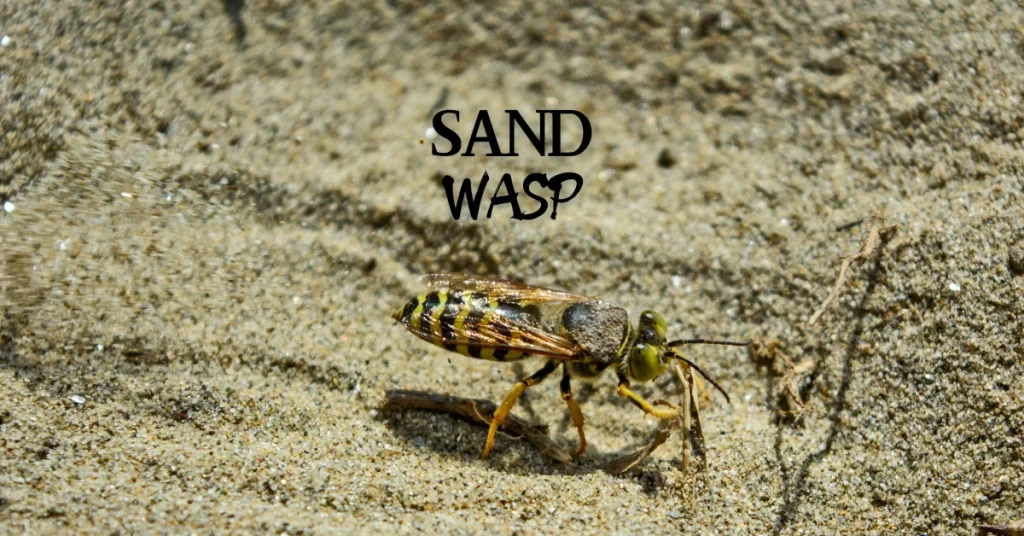
Sand Wasp
Scientific Name: Bembix spp.
Common Name: Sand Wasp
Family: Bembicidae
Class: Insecta
Size: 0.75 – 1 inch
| Characteristic | Detail |
| Identification | Black and yellow-striped wasps with long bodies. Some are black and white with bright green eyes. They are ground nesters. Legs are full yellow with minor marks on joints. |
| Mode of Damage | They are known for hunting other insects but will sting if threatened. |
| Control Tips | Sand wasps are generally not stingers. Avoid disturbing them. If they invade your home, seal gaps and cracks. |
Conclusion
The black and yellow striped insects on this list span a wide range of species, from pollinators like bumblebees to more aggressive stingers like yellow jackets and hornets. Some are beneficial, helping with pollination or pest control, while others can cause damage to plants, structures, or even humans. Remember to handle aggressive species with care and consult a professional for pest control when necessary.