How To Revive Dead Plants or Dying Plants (8 Major Reasons)
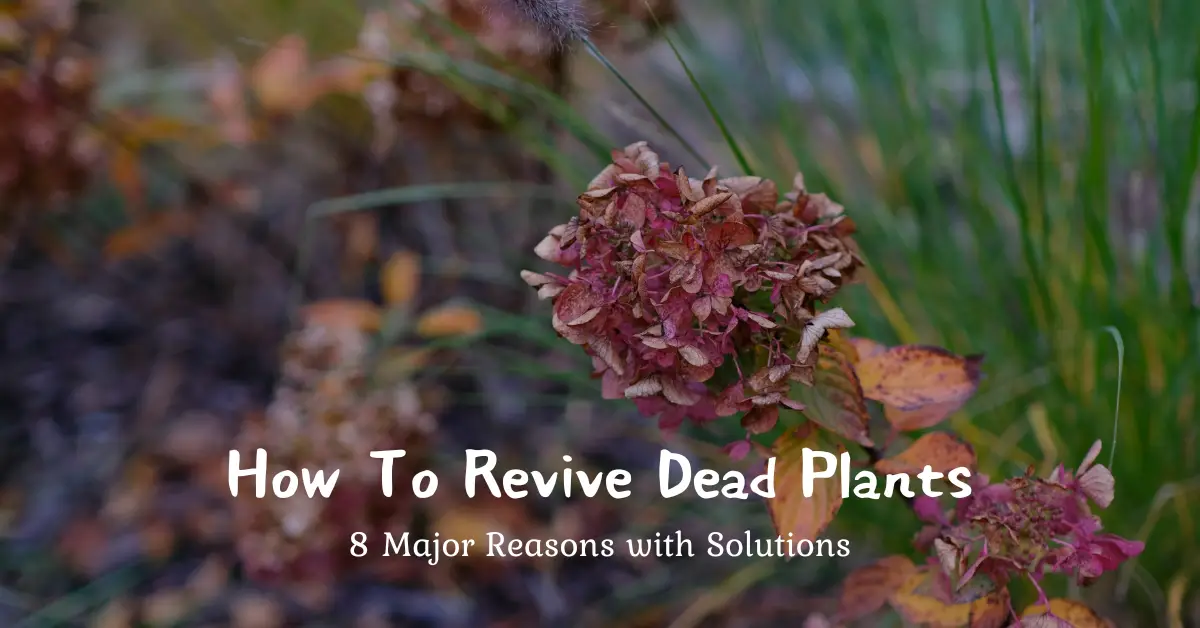
I’ve been gardening for years, and trust me—most plants people throw away are not actually dead. They’re stressed, shocked, or neglected for a short time. Yellow leaves, drooping stems, dry soil, or even leaf drop doesn’t mean the end.
I’ve revived plants that looked like bare sticks, and I’ve also lost some by trying too hard. The key is knowing what the plant is telling you and fixing the real problem instead of guessing. In this guide, I’ll walk you through reasons and how to revive dead plants or dying plants, whether they’re indoor houseplants or outdoor garden plants.
Dead vs Dying Plant: How to Tell the Difference
How to Check if a Plant Is Still Alive
Before you do anything, confirm whether the plant still has life in it.
Use the scratch test. Gently scratch the stem with your fingernail.
- Green inside = alive
- Brown and dry = dead section
Check more than one spot, especially near the base.
Now look at the roots (if possible):
- Healthy roots are white or light brown and firm
- Dead roots are dark, mushy, or smell bad
If roots are alive, the plant can recover.
8 Reasons Plants Start Dying & How To Save
Overwatering (Most Common Cause)

Overwatering is one of the most common reasons plants die, especially for beginners. When you give plants too much water too often, the soil stays wet all the time. Roots need both water and air to stay healthy. In soggy soil, there is no air left for the roots, so they start to rot and turn brown or mushy.
The plant cannot take up water or nutrients properly, even though the soil is wet. You will see yellow leaves (starting from the bottom), soft and droopy stems, wilting, and sometimes a bad smell from the soil. Fungal diseases like root rot can also spread fast in wet conditions, making the plant die quickly.
Solution:
You can easily prevent and fix overwatering with these simple tips. Always check the soil before watering—stick your finger 2–3 cm deep; only water, if it feels dry. Use pots with drainage holes so extra water can flow out and never let the pot sit in a saucer full of water. Choose soil that drains well (add sand or perlite).
Water less in winter when plants grow slowly, and more in hot summer. If a plant is already overwatered, stop watering for a while, move it to a brighter spot for better drying, and gently remove it from the pot to check and cut away any rotten roots. With the right watering habits, your plants will stay happy and healthy.
Underwatering

Underwatering is the condition when plants do not get enough water, and the soil stays too dry for too long. Plants need water to carry food and nutrients from the roots to the leaves and flowers. When there is not enough water, the plant cannot do this job well. The leaves become dry, crispy and brown at the edges or tips.
They may curl up, droop, or fall off. The plant looks wilted even in the sun, and the soil feels hard and pulls away from the pot edges. New growth stops, flowers drop early, and the whole plant becomes weak. If you keep ignoring it, the plant can die completely.
Solution:
Always check the soil before watering—stick your finger 2–3 cm deep; if it feels dry, it’s time to water. Water deeply until it comes out of the drainage holes, so the roots get fully wet. Do this more often in hot weather or when plants are growing fast.
Use pots with good drainage but do not let them dry out completely between waterings. Add mulch on top of the soil to hold moisture longer. In winter, water less because plants need less.
Poor Light Conditions
Mostly Plants need 6-8 hours of light daily to make food through photosynthesis. If they get too little light, they stretch tall and thin toward any light source (this is called leggy growth). Leaves turn pale green, yellow, or drop off. New leaves are small, growth slows down a lot, and the plant may not flower or fruit at all.
Indoor plants near windows with only indirect light or in dark corners suffer the most. Over time, the plant becomes spindly, weak, and very prone to pests and diseases, and it can eventually die.
Solution:
First learn about the plants ,the plants that need 6-8 hours strict light and the plants which can tolerate shade or partial light. The next is to move your plant to a brighter spot where it gets enough light.
For indoor plants, use grow lights if natural light is not enough, especially in winter or dark rooms. Rotate the plant every few days so all sides get even light. Choose plants that match your home’s light—like low-light plants (snake plant, pothos) for shady spots. When you give your plants the right light, they grow strong, green and full of life.
Poor Drainage or Wrong Soil
Poor drainage is one of the main reasons plants die. When soil does not let extra water flow away quickly, the roots stay too wet for a long time. This is called waterlogging. Plant roots need air to breathe, just like we do.
In wet soil, there is no air left for the roots, so they start to rot. This stops the plant from getting water and food from the soil. You may see yellow leaves, wilting, or brown roots. Over time, the plant becomes weak and dies.
Using the wrong soil can also kill plants. Different plants like different types of soil. Some need loose soil that drains well, while others like rich soil with more clay. If you plant in heavy clay soil that holds too much water, or in very sandy soil that dries out fast, the roots suffer.
The plant may not get enough nutrients or water. Leaves turn yellow, growth stops, and the plant slowly dies. Always choose soil that matches your plant’s needs to keep it healthy.
Solution:
Pick soil that matches your plant’s needs and use pots with drainage holes so extra water can escape easily. This simple step keeps most plants healthy and strong.
Temperature Stress
Temperature stress is another big reason why plants die or look sick. Plants need the right temperature to grow well, just like we feel good in comfortable weather. If it gets too hot, the leaves can burn, turn brown, or wilt quickly because the plant loses water faster than it can take it in. Flowers may drop, and fruits can get damaged.
On the other hand, if it gets too cold, the plant can freeze, leaves turn black or mushy, and growth stops completely. Young plants and tender types suffer the most from sudden hot or cold spells.
Solution:
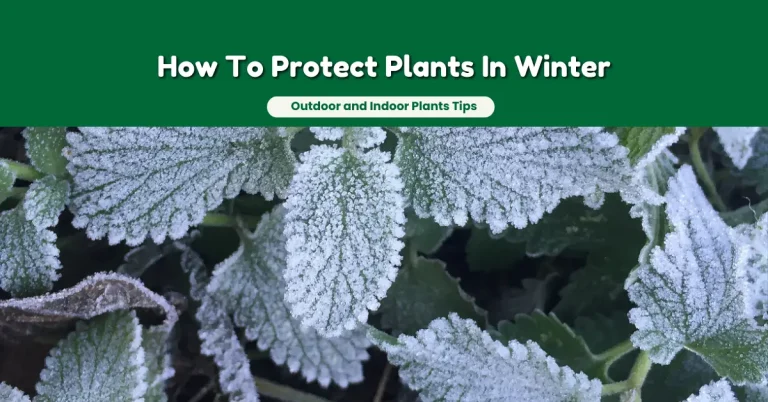
Choose plants that match your local weather, like heat-loving ones for hot areas or cold-hardy ones for cooler places. In summer, give shade during the hottest part of the day and water in the morning or evening. In winter, cover plants with cloth, move pots indoors, or plant in sheltered spots.
Mulch around the base helps keep roots cool in heat and warm in cold. When you pick the right plants and give them some care during extreme weather, they stay healthy and strong.
Pests or Disease

Pests and diseases are common reasons why plants get weak, sick, or die. Pests like aphids, caterpillars, mealybugs, or spider mites suck the sap from leaves and stems. This makes leaves curl, turn yellow, or get sticky spots. Holes in leaves or chewed parts show insect damage.
Diseases, like fungal infections (powdery mildew, leaf spot, or root rot), cause brown or black spots, white powder on leaves, or wilting even when the soil is wet. Bacteria and viruses can also spread quickly and make plants look twisted or stunted. If you do not catch them early, the whole plant can die.
Solution:
Look at the leaves, stems, and roots every few days for bugs, spots, or strange colors. Remove pests by hand, use strong water spray, or apply natural soaps or neem oil. For diseases, cut off sick parts with clean tools and throw them away. Keep good air flow around plants, avoid overwatering, and do not let water splash on leaves.
Choose strong, healthy plants and clean pots to start with. When you spot problems early and take simple steps, most plants can recover and stay healthy.
Transplant Shock
Transplant shock happens when a plant gets stressed and struggles after being moved to a new spot. Plants get used to their old soil, roots, and location. When you dig them up and plant them somewhere else, the roots get damaged or cut. This makes it hard for the plant to take in water and nutrients right away.
You will see leaves wilting, turning yellow, or dropping off, even if you water them well. New growth stops, and the plant looks sad for days or weeks. Young plants, seedlings, and big trees move from pots suffer the most from transplant shock.
Solution:
You can help plants recover from transplant shock with some simple care. Always water the plant deeply right after planting to settle the soil around the roots. Keep the soil moist (not soggy) for the first few weeks so the roots can grow again.
Add mulch around the base to hold moisture and keep the soil cool. Protect the plant from strong sun or wind for a few days by giving shade. Do not add fertilizer right away, as it can burn weak roots. Choose the best time to transplant—like early morning and handle roots gently. With good care, most plants bounce back and grow strong in their new home.
Nutrient Deficiency or Over Fertilization

Plants need nitrogen, phosphorus, potassium, iron and magnesium from the soil. If one or more of these are missing, the plant shows clear signs. Yellow leaves with green veins mean lack of iron or magnesium. Old leaves turning yellow from the bottom up can mean not enough nitrogen.
Purple or reddish leaves may show phosphorus deficiency. The plant grows slowly, leaves look small or pale and flowers or fruits may not form well. Over time, the plant becomes weak and can die if the problem is not fixed.
Overfertilization, or too much fertilizer, can also kill plants quickly. When you add too much fertilizer, the soil gets very salty and burns the roots. This is called fertilizer burn. You will see brown or scorched tips and edges on leaves, wilting even when the soil is wet, and yellowing leaves.
Roots may look brown and dead. Too much nitrogen makes plants grow lots of leaves but few flowers or fruits. In bad cases, the plant can die in just a few days.
Solution:
To avoid this, always follow the instructions on the fertilizer packet, use the right amount for your plant, and water well after feeding to wash away extra salts. Test your soil sometimes to know what your plants really need.