22 Garden Ideas For Kids For Outdoor Space
Gardening turns into something truly special when kids get involved. It sparks their wonder about nature and gets them excited to explore the outdoors. If you want simple, hands-on ways to draw your children into the garden, these 22 garden ideas for kids come with real learning and fun. They give kids a chance to touch, plant, watch and discover while spending time in fresh air.
These activities suit kids of all ages and work whether you have a big yard or just a tiny space. From building sensory gardens that delight all five senses to setting up cozy spots for butterflies and other pollinators, each project keeps children busy and curious. Dive into these creative garden ideas.
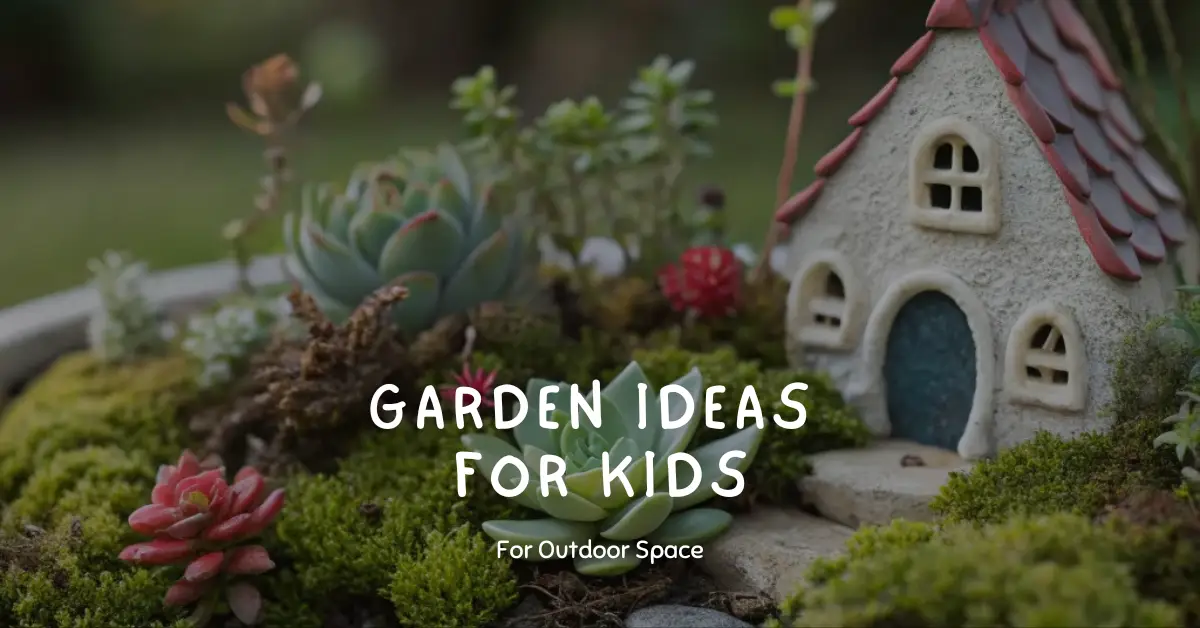
Miniature Fairy Garden

Creating a fairy garden allows children to exercise imagination while learning about plant growth. They can arrange tiny houses, stones and plants in a small container or corner of the garden. It teaches design, creativity, and planning in a playful way.
Use non-toxic miniature decorations and supervise small parts to avoid choking hazards. Encourage kids to water gently and observe how moss and small plants thrive.
Vegetable Patch for Kids

A small vegetable patch teaches kids about plant life cycles and healthy eating. Tomatoes, Kale, or lettuce grow quickly, giving children a sense of accomplishment as they watch their efforts turn into food.
Use raised beds or small containers for safety and easy access. Make sure tools are child-sized, and teach proper handling to avoid scratches.
Sensory Garden
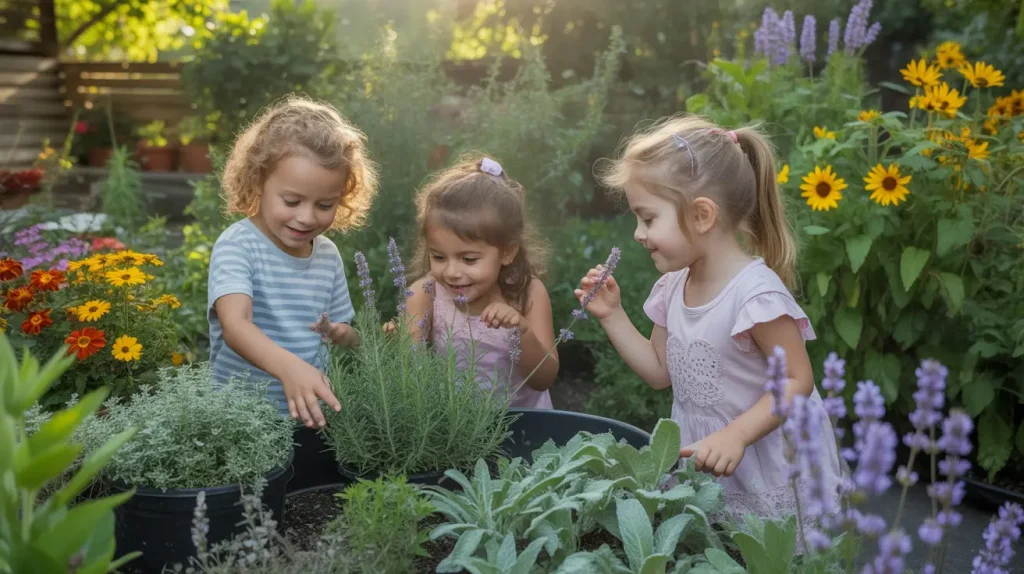
A sensory garden focuses on textures, colors, scents and sounds. Plants like lamb’s ear, lavender, or ornamental grasses engage multiple senses while teaching observation skills and mindfulness.
Avoid thorny or toxic plants and encourage gentle touching. Include pathways and stepping stones to keep play organized and safe.
Garden Scavenger Hunt

Scavenger hunts add adventure to a garden, making kids explorers. You can create lists of leaves, rocks, or flowers to find, turning observation into a fun learning game.
Keep boundaries clear to avoid trips or falls. Provide small baskets for collection to teach responsibility and organization.
Painted Rock Garden

Painting rocks allows creativity and a permanent display in the garden. Kids can decorate stones and arrange them to create patterns or borders, learning about colors and shapes.
Use non-toxic, water-based paints, and supervise small brushes. Let rocks dry fully before placing in garden to prevent smudging.
Bug Hotel

Building a bug hotel teaches kids about ecosystems and the importance of insects. They can fill wooden boxes with sticks, leaves, and pinecones to create habitats.
Use smooth wood and supervise construction to avoid splinters. Teach kids to observe insects without disturbing them too much.
DIY Water Feature

Small water features like a birdbath or tiny pond teach kids about water cycles and aquatic life. It encourages observation and responsibility for maintaining the feature.
Always supervise water play and ensure containers are shallow to prevent accidents. Teach children to refill safely and avoid stagnant water.
Worm Composting Bin

Composting worms helps kids learn about decomposition and recycling. They can feed scraps and watch worms turn waste into nutrient-rich soil.
Keep the bin covered and out of reach of pets. Teach hand washing after handling soil and worms.
Read: Composting Guide
Butterfly Garden

Planting flowers that attract butterflies teaches about pollination and insect life cycles. Milkweed, coneflowers, and lantana are visually appealing and educational.
Place plants where children can observe without stepping on flowers. Use non-toxic plants and avoid pesticides.
Planting a Sunflower Tower

Sunflowers grow tall quickly, giving instant gratification. Kids can measure growth, watch pollinators, and enjoy the cheerful blooms.
Teach safe digging and watering. Support tall stems with stakes to prevent tipping and ensure children don’t climb them.
Herb Garden Idea For Kids

A small herb garden teaches scent recognition and knowledge about cooking herbs basics. Mint, basil and parsley grow quickly and are safe for children.
Choose non-toxic herbs and keep tools child-friendly. Show proper harvesting to avoid damaging plants.
Garden Maze

Creating a mini hedge or container maze teaches navigation, planning and problem-solving. It turns the backyard into an exciting adventure zone.
Use soft plants or shrubs to avoid scratches. Mark boundaries clearly to prevent kids from wandering into unsafe areas.
Seed Ball Fun

Making seed balls combines crafting and gardening. Kids roll seeds in clay and compost, then plant them around the garden to grow wildflowers.
Use safe, non-toxic materials. Teach gentle handling and washing hands afterward.
Nature Collages
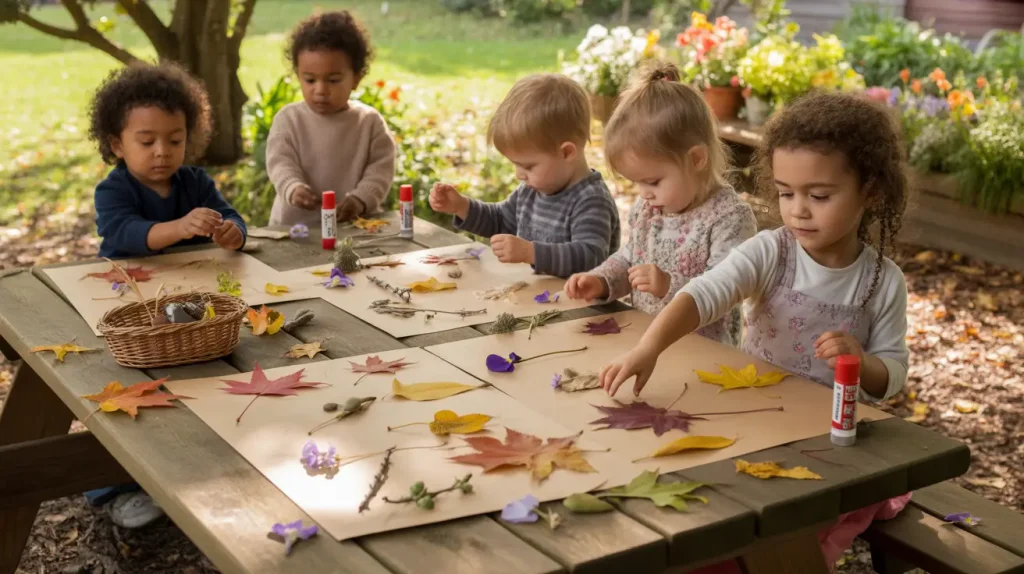
Collecting leaves, petals, and twigs to make collages teaches observation, creativity, and appreciation for plant diversity.
Supervise collection to avoid harmful plants or thorns. Use child-safe glue and scissors.
Garden Obstacle Course

Setting up an obstacle course teaches coordination, balance and problem-solving. Use stepping stones, logs and ropes for variety.
Ensure all obstacles are stable and low to the ground. Adult supervision is recommended for safety.
Hanging Plant Jars

Hanging jars with small plants lets kids care for vertical gardens and teaches responsibility. They can water and observe growth easily.
Secure jars safely and choose lightweight plants. Avoid glass if children are very young.
Fairy Tale Plant Corners

Designing a plant corner encourages reading, imagination, and gardening. Choose colorful flowers and small statues.
Supervise small decorations and choose soft plants for interaction. Encourage storytelling during gardening.
Seedling Transplanting

Teaching kids to transplant seedlings fosters fine motor skills and understanding of plant care. They learn patience as tiny plants adjust to bigger containers.
Use small, safe tools and a tray to catch soil. Encourage gentle handling to avoid breaking roots.
Painted Garden Markers
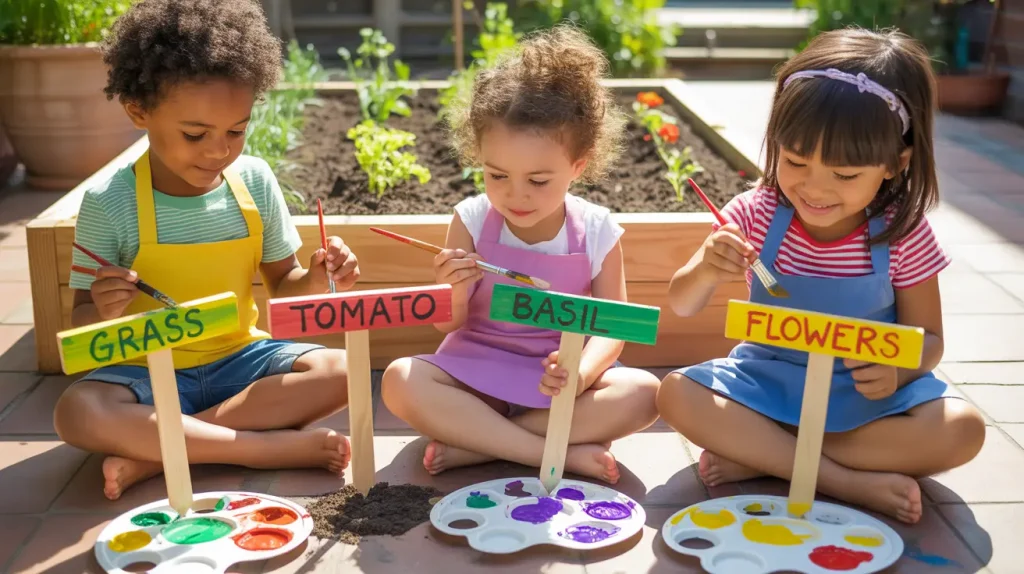

Kids can decorate sticks or stones as plant markers. This teaches plant identification, spelling, and artistic expression.
Use non-toxic paint and supervise small brushes. Place markers securely to avoid tripping hazards.
Check: Beautiful Front Garden Ideas
Rock Path Adventure

Creating a winding rock path allows kids to explore safely and adds structure to the garden. It teaches spatial planning and outdoor play.
Ensure stones are flat and stable. Mark boundaries and supervise to prevent trips.
DIY Bird Feeder

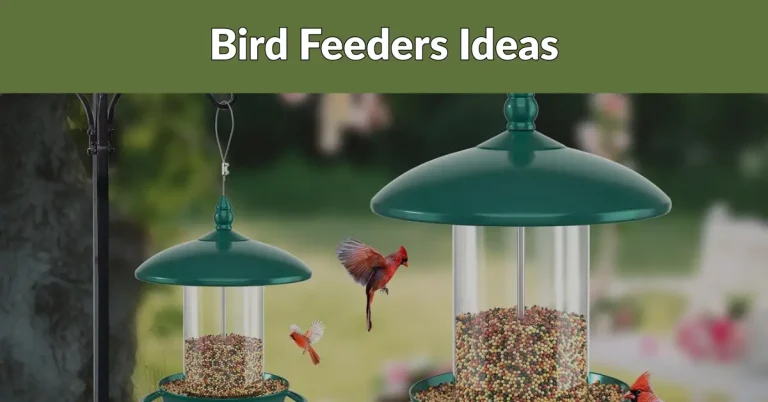
Making bird feeders teaches kids about wildlife and ecosystems. They can use pinecones, seeds, and string to hang feeders.
Hang feeders out of reach of pets and supervise string usage. Teach children to refill safely.
Vertical Garden Idea

When garden space is limited, a vertical garden is a smart and creative solution. Wall-mounted planters, hanging pockets, or even reused wooden pallets allow plants to grow upward instead of spreading out. Kids can take part by helping arrange the planters and picking their favorite plants, which makes the project feel more personal and exciting.
This type of garden gently introduces children to the idea of using space wisely while still growing healthy plants. It’s especially fun for them to see greenery flourish on walls or fences they never expected plants to grow on. Vertical gardens also keep everything at eye level, making care and observation easier for young gardeners.