How To Grow Roses in Pots (12 Easy Tips)
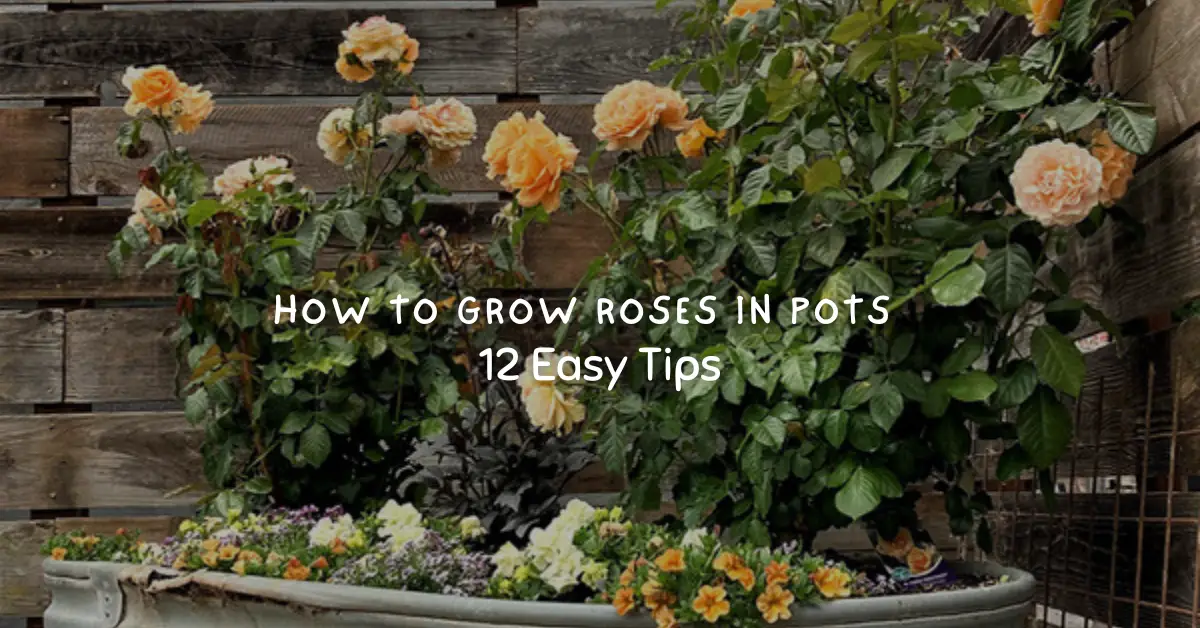
Roses are among the most popular flowering plants in the world, admired for their beauty, fragrance and wide range of colors. Botanically, roses belong to the Rosaceae family, a large plant family that also includes apples, strawberries, and almonds. There are over 300 species of roses and thousands of cultivated varieties.
Roses are native mainly to Asia, with some species originating from Europe, North America, and the Middle East. Traditionally, roses are grown in open garden beds and fields, where their roots can spread freely. However, modern gardening has proven that roses can grow just as beautifully in containers and pots, as long as their basic needs are met.
Growing roses in pots has become especially popular for balconies, patios, terraces, and small gardens. Many gardeners also choose pots to better control soil quality, drainage, pests and sunlight exposure. Container-grown roses are easier to move during extreme heat, heavy rain, or frost, which makes them ideal for both beginners and experienced gardeners.
In this guide, you will learn how to grow roses in pots step by step, including the best pot size, ideal soil type and pH, sunlight requirements, watering schedule, fertilizer needs, pruning tips & more. You will also discover common problems you may face, insect pests to watch for, effective control measures and mistakes to avoid, so your potted roses stay healthy and bloom beautifully for years.
Best Rose Varieties for Pots
Not all roses perform well in containers. Compact and slow-growing varieties are best suited for pots. Here are some best roses varieties to grow in pots:
| Rose Variety | Type / Habit | Best For | Why It’s Great for Pots |
|---|---|---|---|
| Julia Child | Floribunda | Repeated blooms | Compact, disease-resistant, continuous flowers; works well in 18–24″ pots. |
| OSO EASY® Italian Ice | Floribunda | Patio / balcony | Repeat blooms all season; self-cleaning habit reduces deadheading. |
| Ringo All-Star™ | Floribunda | Container focal point | Colorful, hardy, ideal as main or filler in larger pots. |
| Little Mischief | Miniature | Small pots, decks | Very small, prolific flowers, great in decorative pots. |
| Oscar Peterson™ | Miniature | Patio & deck | Bright white blooms with classic container size. |
| Calypso | Compact shrub | Mixed container plantings | Apricot blooms and dark foliage add height & interest. |
| Flower Carpet Appleblossom | Groundcover | Wide pots / hanging baskets | Spreading habit that cascades over pot edges. |
| Flower Carpet Yellow | Groundcover | Large pots, mixed containers | Constant color, low maintenance. |
| Koko Loko™ | Floribunda | Balcony / patio | Compact bush, fragrant blooms even in limited space. |
| Midnight Fire™ | Miniature | Small pots | Stays under ~2 ft tall; tight habit perfect for containers. |
| Nice Day | Patio climber | Large pots with support | Upright habit but manageable in deep containers. |
| Sweet Dream | Patio rose | Standard or large pot | Hardy and repeat blooming; good structure in containers. |
How To Grow Roses in Pots
Choose the Right Pot Size For Roses
For most bush roses, use a pot that is at least 12–16 inches wide and deep. Larger shrub or climbing roses may need containers 18–24 inches deep.
Small pots restrict root growth, dry out quickly and cause weak flowering. Bigger pots hold moisture better and keep roots cool, leading to stronger plants and more blooms. Every 3–4 years, repot into fresh compost to prevent nutrient depletion.
Below are some ideas for flower pots.
- Craft flowerpots
- Modern Planter Box for Outdoor Patio/Porch For Flowers
- Concrete Flower Pots with Drainage Holes
- Rectangular Black Planters for Front Porch
- Outdoor and Indoor Set of Black planters
- Self Watering Planter Box for Flowers
- Modern Planter for Flowers
Make Sure the Pot Has Drainage Holes
Roses hate sitting in waterlogged soil. Always choose pots with multiple drainage holes at the bottom to allow excess water to escape.
If you are using decorative pots without holes, place the rose in a plastic nursery pot inside and remove it while watering. This step prevents root rot and fungal diseases.
Use the Right Soil Type (pH Matters)
Never use garden soil in pots. Roses need a well-draining, loose potting mix. The ideal mix includes:
- Quality potting soil
- Compost or well-rotted manure
- Perlite or coarse sand for drainage
Roses prefer a slightly acidic soil pH of 6.0–6.5. This pH range allows proper nutrient absorption and prevents yellowing leaves.
Sunlight
Roses need at least 6–8 hours of direct sunlight daily to bloom well. Place pots where they receive morning sun.
Low sunlight leads to weak stems, fewer flowers and increased pest problems. If sunlight is limited, choose varieties that can tolerate shade. Here are some varieties:
| Rose Variety | Type / Habit | Shade Tolerance | Why It Works in Pots / Partial Shade |
|---|---|---|---|
| ‘Princess Alexandra of Kent’ | English shrub | Partial shade / dappled shade | Repeat blooms, good for containers, compact habit (~4 ft). |
| ‘Cécile Brünner’ | Shrub / mini climber | Shade tolerant | Light pink clusters, tolerates poorer soil & shade, great pot plant (~2–4 ft). |
| ‘Alba Incarnata’ (Maiden’s Blush) | Alba shrub | Partial shade | Historical shade-tolerant rose; works in larger pots or containers with support. |
| ‘All a Twitter’ | Miniature rose | Partial shade | Compact bush (~2 ft), works well in pots, continuous blooms. |
| ‘Hansa’ (Rugosa) | Rugosa shrub | Partial shade | Vigorous, disease-resistant, good in containers if space allows (~1.5 m). |
| ‘Fair Bianca’ | Shrub rose | Shade tolerant | White roses with spicy scent; shade tolerance makes it container-friendly. |
| ‘Ice Meidiland’ | Groundcover / shrub | Partial shade | Low, spreading habit, ideal for wide pots or mixed container plantings. |
| ‘Golden Showers’ | Climber / shrub | Partial shade | Can tolerate light shade; in a deep pot with support works well. |
| ‘Anthony Meilland’ | Floribunda | Partial shade | Yellow blooms; repeat flowering under some shade. |
| ‘Ballerina’ | Hybrid musk | Semi-shade | Light pink blooms, disease resistant, suitable for pots. |
Water Deeply but Correctly
Potted roses dry out faster than ground-grown plants. Water deeply until water flows from the drainage holes, ensuring roots receive enough moisture.
In hot weather, watering may be needed daily or every other day, while in cooler seasons, watering once or twice a week is enough. Avoid frequent shallow watering, which weakens roots.
Feed Roses Regularly
Roses are heavy feeders, especially in containers. Use a balanced rose fertilizer (NPK like 10-10-10) or organic options such as fish emulsion or compost tea.
Feed roses every 2–4 weeks during the growing season. Stop heavy feeding in late fall to allow plants to prepare for dormancy.
Temperature For Potted Roses
Potted roses grow best when the daytime temperatures are between 60-75°F (about 16-24°C). This range gives them the warmth they need to grow well, produce flowers, and stay healthy. At night, they prefer slightly cooler conditions, around 60-70°F (15-21°C).
If it gets too hot, above 85°F (29°C), the roses can get stressed. Their leaves and stems might burn from the sun, and the plant could struggle. To help protect them in hot weather, give the plants some shade in the afternoon. Also, use lighter-colored pots or put skirts around darker pots to keep the roots from getting too warm, as dark pots absorb more heat from the sun.
In cold weather, especially when temperatures drop below freezing, potted roses need extra care. The roots in pots are more exposed to cold than roots in the ground, so they can freeze faster and get damaged. To protect them in winter, wrap the pots with insulation like bubble wrap or fabric, or group them in a sheltered spot.
You can also move the pots into a garage, shed, or unheated space where it stays above freezing. Adding mulch, compost, or leaves on top of the soil in the pot helps insulate the roots too.
Repotting
Roses in pots usually need repotting every 2-3 years, or sooner if roots are crowded, the plant looks tired, or soil drains poorly. The best time is during dormancy in late fall, winter, or early spring when the rose is not actively growing. Avoid repotting in hot summer when it’s in full bloom.
Start by choosing a new pot that is 2-4 inches wider and deeper than the current one. It must have drainage holes to prevent water from sitting around the roots. Use a good-quality potting mix made for roses or a rich, well-draining compost. You can mix in some slow-release fertilizer if needed.
Before repotting, prune the rose back by about one-third to half. This makes it easier to handle and reduces water loss while the plant settles. Gently tip the old pot on its side and tap or slide the rose out. Shake off loose old soil and inspect the roots. Trim away any dead, broken, or circling roots with clean shears to encourage new growth.
Add some drainage material like gravel or pot shards at the bottom of the new pot. Fill the pot partway with fresh soil. Place the rose in the center so the graft union (the bumpy spot where the rose is joined to the rootstock) sits just below the new soil level, or the old soil line matches the new one.
Spread the roots out naturally. Fill in around the roots with more soil, pressing gently to remove air pockets but not packing it too hard.
Water the rose deeply right after repotting to settle the soil and help roots make contact. Keep it in a slightly shaded or sheltered spot for a week or two to reduce shock, then move it back to full sun (6-8 hours daily). Water regularly to keep soil moist but not soggy, and add mulch on top for extra protection.
Support For Tall Roses
Tall roses in pots, like hybrid teas, shrubs, or especially climbing varieties, can grow quite high and become top-heavy. Wind, heavy blooms, or their own weight can make them lean, bend, or break without proper support.
For climbing or rambling roses in pots, a trellis or obelisk works best. Pick a strong, heavy-duty metal or wooden trellis or obelisk at least 6-7 feet tall that fits well in or around the pot without tipping it over. Place it in the pot when planting or carefully insert it later.
Train the long canes horizontally or at a 45-degree angle across the structure whenever possible—this helps produce more side shoots and blooms. Tie the canes gently to the trellis using soft twine or flexi-tie, spacing ties every foot or so. Avoid cheap plastic trellises, as they often break under the weight.
Use a large, heavy pot for stability so it doesn’t tip in wind. Place the pot in a sheltered spot if strong winds are common. For very tall or weeping standard roses, consider a rose-specific umbrella frame or strong metal supports. Always use soft ties to prevent stem damage, and inspect them after storms or as the plant grows.
Pruning
Pruning potted roses is an important task that removes dead or weak parts, improves air flow to prevent disease, and directs energy to strong new growth. Most modern roses, like hybrid teas, floribundas, shrubs, or miniatures in pots, benefit from annual pruning. The best time is late winter or early spring, just as new growth starts to appear (usually February to March, depending on your climate—wait until after the last hard frost).
Before you start, gather clean, sharp tools: bypass pruners or secateurs for clean cuts, loppers for thicker canes, and thick gloves to protect against thorns. Sterilize your tools with rubbing alcohol or a bleach solution to avoid spreading disease. Wear long sleeves if the rose has lots of prickles.
Begin by removing the “Four Ds”: dead, damaged, diseased, or dying canes. Cut these back to healthy wood (look for white or green pith inside the cane—brown means dead). Next, take out weak, spindly, or crossing canes that rub together, as they cause wounds and invite problems.
For most potted roses, cut back the main healthy canes by about one-third to one-half, making cuts just above an outward-facing bud at a 45-degree angle (this helps water run off and directs new growth outward for an open shape).
For miniature or patio roses in pots, keep pruning lighter—reduce stems by about one-third and thin out crowded areas. If your potted rose is a short climber or English shrub type, prune similarly but train any long canes if supported.
Remove any suckers (shoots from below the graft union) right at the base. After major pruning, strip off any remaining old leaves to spot hidden issues and reduce pests.
Water the rose well after pruning to help it recover and place it in a sunny spot. Throughout the growing season, do light deadheading: cut faded flowers back to a set of leaves to promote more blooms.
Weeds Management
Weeds can sneak into potted roses and steal water, nutrients, and space from your plant. In containers, weeds come from wind-blown seeds, birds dropping them, or soil that wasn’t completely weed-free to start with. Weeds are usually easier to manage in pots than in garden beds because the area is small and contained, and you can catch them early before they take over.
The best way to prevent weeds is to start with clean practices. Use fresh, high-quality potting mix labeled as sterile or weed-free when planting or repotting. If reusing old soil, refresh at least one-third of it with new mix, and always scrub pots thoroughly with hot, soapy water or a mild bleach solution before reuse to kill any lingering seeds or spores.
Place pots on a weed-free surface like gravel, paving stones, concrete, or landscape fabric to stop weeds from growing up from the ground into the pot.
Mulching is one of the simplest and most effective ways to stop weeds in potted roses. After planting, add a 1-2 inch layer of organic mulch on top of the soil, such as shredded bark, wood chips, compost, or well-rotted manure.
For weeds that do appear, pull them out by hand as soon as you spot them. In pots, the soil is loose, so weeds come out easily with their roots. Avoid chemical herbicides close to the rose unless the label says they’re safe—many non-selective ones like glyphosate can drift or harm roses if sprayed nearby.
Insect Pests
The most common insect pests include aphids, spider mites, thrips, Japanese beetles, and sawfly larvae (also called rose slugs). Regular checks—especially the undersides of leaves, new buds, and tender shoots—help catch issues early.
Aphids are tiny soft-bodied insects, often green, black, red, or pink, that cluster on new growth, buds, and leaf tips. They suck sap, causing curled or distorted leaves, sticky honeydew (which leads to sooty mold).
A strong blast of water from a hose knocks most off, and they rarely return if they fall. Encourage natural enemies like ladybugs, lacewings, or hoverflies by avoiding broad chemicals.
For heavier infestations, use insecticidal soap, neem oil, or horticultural oil sprayed thoroughly (including undersides) every few days until gone.
Spider mites are tiny spider relatives (not true insects) that thrive in hot, dry conditions, common on potted roses in summer. Look for fine webbing on leaf undersides, stippled or bronzed/yellow leaves, and leaf drop. They suck plant juices, making leaves look dusty or speckled.
Increase humidity by misting plants or grouping pots, and hose off mites with strong water sprays. Insecticidal soap, neem oil, or miticide sprays work well—apply in the evening to avoid burning leaves, and repeat as needed. Keep pots well-watered but not soggy to stress mites less.
Thrips are slender, fast-moving insects (often yellowish or brown) that rasp buds and petals, causing brown streaks, deformed flowers, or buds that fail to open. Damage shows as silvery patches or black spots on petals. They hide in flower buds, so shake blooms over white paper to spot them.
Control with insecticidal soap, neem oil, or spinosad sprays targeted at buds and new growth. Remove heavily damaged buds, and prune to improve air flow.
Other pests like Japanese beetles (shiny green-copper beetles that skeletonize leaves) or sawfly larvae (slimy green “rose slugs” that chew leaves from the underside, leaving a lacy skeleton) may appear. Hand-pick beetles into soapy water early in the morning when they’re sluggish, or use traps placed away from roses. For sawflies, hose them off or use insecticidal soap/spinosad if needed.