Poinsettia Flower Care: Indoor,Outdoor & in Pots
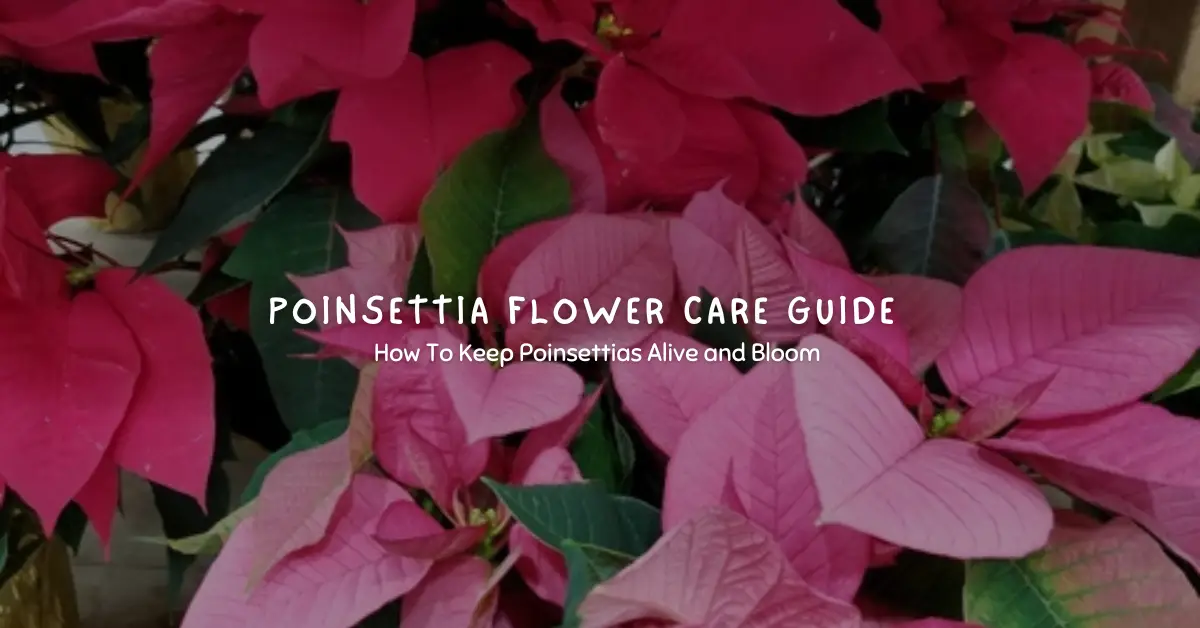
The poinsettia is known as Euphorbia pulcherrima is native to Central America, specifically southern Mexico, where it is grown as perennial shrub. What looks like colorful flowers are actually bracts. These are special leaves that turn red, pink, or white. The real flowers are tiny and yellow in the center. They bloom when days get shorter.
This plant loves warm, tropical spots in nature. It can reach up to 10 feet tall outdoors. Indoors, it stays smaller, around 2 to 3 feet. Poinsettias Varieties come in many colors now. You can find classic red, soft pink, creamy white, or even speckled ones. Some look like roses.
It has become a holiday favorite across the world, especially around Christmas and New Year.
Keeping a poinsettia healthy & blooming is necessary & easier. Whether you grow it indoors, outdoors, in pots, or through the cold winter months, poinsettias can stay lush and colorful well beyond the holidays.
In this complete poinsettia flower care guide, you’ll learn how to care for poinsettias indoors, outdoors, how to manage them in containers and how to protect them during winter—so your plant doesn’t just survive, but continues to thrive with strong growth and vibrant bracts.
Indoor Poinsettia Flower Care (Holiday Season & Beyond)

Indoors, poinsettias need bright light. Put them near a window with indirect sun (with at least 6 hours). South or east-facing spots work best. Direct sun can scorch the leaves. Rotate the plant every few days for even growth.
Keep the temperature steady. Maintain for 60 to 70 degrees Fahrenheit (15 °C to 21°C). Avoid drafts from doors or vents. Heaters can dry them out too. Water when the top soil feels dry. Use room-temperature water. Let it drain well to prevent rot.
After holidays, the bracts may fade. That’s normal. Keep caring for it as a green plant. In spring, new growth appears. Feed it with a balanced fertilizer every few weeks. This keeps it strong. With time, it can become a lovely houseplant.
Soil
Poinsettias are usually bought already planted in pots, but if you need to plant or repot one, use a light, well-draining potting mix, preferably peat-based. This type of soil helps prevent root rot and keeps the roots healthy.
In warm climates (USDA zones 9 to 11), poinsettias can also be grown outdoors in the ground. They grow best in loose, well-drained soil that is slightly acidic to neutral.
Water
Water your poinsettia when the top layer of soil feels dry. Give it a deep watering until water flows out of the drainage holes at the bottom of the pot. Always empty the saucer and never let the plant sit in standing water.
If your poinsettia pot is covered with decorative foil, make sure to poke holes in the bottom so extra water can drain out properly. Too much water can harm the plant—drooping leaves and soft, rotting roots are common signs of overwatering.
Outdoor Poinsettia Care

Outdoors, poinsettias shine in warm weather. Wait until all frost is gone. Plant them in spots with morning sun and afternoon shade. Too much sun can burn the leaves. In pots, use well-draining soil.
Water more often outside. Heat dries the soil fast. Check daily in summer. Add mulch around the base to hold moisture. Fertilize every month with a plant food for flowers. This boosts growth and color.
In gardens, space them out. They can spread up to 3 feet. Pots make it easy to move them. If nights cool down, bring pots inside. Outdoor care turns them into bigger plants. In tropical areas, they even become small trees.
Poinsettia Flower Care in Winter
Winter can be tough for poinsettias. Indoors, stick to the basics. Bright light and even watering help. If your home is dry from heating, mist the leaves. A humidifier works too. Watch for cold windows that chill the plant.
For outdoor or potted ones, protect from frost. In mild winters, cover with cloth on cold nights. Move pots to a sheltered spot. If temps drop below 50 degrees, bring them inside. In cold climates, treat them as annuals or overwinter indoors.
Recovery from winter damage is possible. Trim dead parts in spring. Give extra care with water and food. Patience pays off. Soon, new leaves will sprout. This way, your plant survives the season.
Year-Round Maintenance: Pruning, Repotting & Growth
Pruning keeps poinsettias bushy. In early spring, cut stems back to 4 to 6 inches. Use clean scissors. This encourages new branches. Pinch tips in summer for more fullness. Do this every few weeks until August.
Repot in spring if roots crowd the pot. Choose a bigger container with drainage holes. Fresh potting mix helps. Add some compost for nutrients. After repotting, water well and place in shade for a day.
Growth happens fast in warm months. Provide good light and food. Watch for leggy stems from low light. Move to a brighter spot. Year-round care turns a holiday buy into a long-term friend.
Poinsettia in Containers

Poinsettias can easily last the holiday season in the same pot they were purchased in. Repotting during winter is not recommended, as it can stress the plant and slow its growth. However, it’s important to remove the decorative foil cover around the pot so air can reach the roots and excess water can drain out.
If you want to place your poinsettia in a nicer-looking container, choose one that is slightly larger than the nursery pot. Make sure any pot you use has drainage holes, because poinsettias do not tolerate wet soil.
If you decide to repot, use a pot about the same size as the original, with holes at the bottom. Fill it with all-purpose potting soil mixed with a little perlite to improve drainage. After repotting, watch the plant closely for the next week for signs of stress, such as drooping or leaf drop.
How to Make Your Poinsettia Rebloom Next Christmas
Start in fall. From September, give 14 hours of darkness each night. Use a box or dark room. Days need bright light for 8 to 10 hours.
Keep this up for 8 weeks. Cooler nights around 60 degrees help color form. Water less during this time. But don’t let it dry out completely. By Thanksgiving, bracts should start changing.
If it stays green, check for light leaks. Even a streetlamp can spoil it. Be patient next time. With practice, you’ll get those red bracts again. It’s like magic for the holidays.
Common Problems of Poinsettia & Solutions

Leaf drop is common. It happens from sudden changes. Like cold drafts or dry soil. Fix by stabilizing the spot. Water evenly and boost humidity. Yellow leaves mean overwatering or poor light. Let soil dry more between waters.
Pests like whiteflies love poinsettias. They leave sticky residue. Rinse leaves with water. Or use insect soap. Check often to catch early. Root rot that comes from soggy soil. Repot in fresh mix if needed.
No blooms? It might be wrong timing. Or too much night light. Review the rebloom steps. Most issues are easy to fix. Healthy plants bounce back quick.
What People Ask
Are poinsettias safe around pets and kids? The sap irritates if eaten. But it’s not deadly. Keep out of reach to be safe.
How long do poinsettias bloom indoors? About 4 to 6 weeks with good care. After that, they turn green. But you can rebloom them.
What’s the best pot size for outdoor growing of poinsettias? Start with 8 to 10 inches. Go bigger as it grows. Clay pots help with drainage.
Conclusion
Poinsettias are more than holiday decor. With this guide, you can enjoy them all year. From indoor cozy spots to outdoor spaces, remember the basics: light, water, and warmth.