20 Best Orange Flowers For Gardens (Names & Pictures)
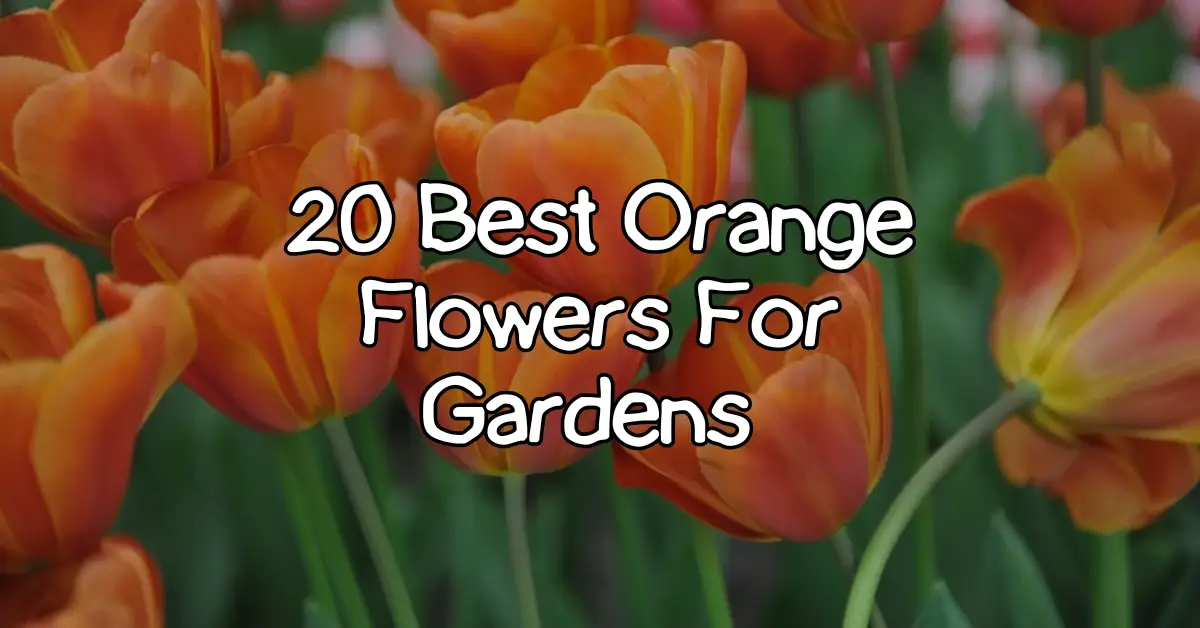
Looking for orange flowers to add and brighten your garden? You are not alone. Orange is one of those colors that instantly grabs attention. It feels warm, bold, and full of life. When sunlight hits orange petals in the morning or late afternoon, the whole space seems to glow. Gardeners grow orange flowers to create energy in a quiet corner or draw the eye toward a pathway or entrance.
The good thing is you have many options. Some orange flowers are tall and dramatic. Some stay compact and neat for borders. You can choose from annuals that bloom all summer, perennials that return every year, bulbs for spring color, or even tropical plants for a bold statement. There are soft apricot shades, deep burnt orange tones, and bright fiery blooms that almost look red in strong light.
But before you start planting, the main thing you need to know is your hardiness zone and climate. Not every orange flower will thrive in every garden. Some love heat and full sun. Others prefer cooler temperatures. Some tolerate drought, while others need steady moisture.
I always tell gardeners that choosing the right plant for your zone makes everything easier. When you match the flower to your climate and soil conditions, you get healthier plants, stronger blooms, and far less stress. In this guide, you will discover 20 of the best orange flowers, along with their key characteristics to help you choose wisely and the planting tips.
List of the 20 Best Orange Flowers
- Marigold
- Zinnia
- Orange Tulip
- Daylily
- Orange Rose
- California Poppy
- Lantana
- Gerbera Daisy
- Chrysanthemum
- Cosmos (Orange varieties)
- Tithonia (Mexican Sunflower)
- Canna Lily
- Orange Hibiscus
- Bird of Paradise
- Trumpet Vine
- Orange Dahlia
- Blanket Flower
- Clivia
- Butterfly Weed
- Orange Nasturtium
Marigold (Tagetes spp.)
Scientific Name: Tagetes spp.
Family: Asteraceae
Hardiness Zone: 2–11 (grown as annual in most regions)
Height: 6 inches to 3 feet
Maintenance Level: Low
Maturity Days: 45–60 days
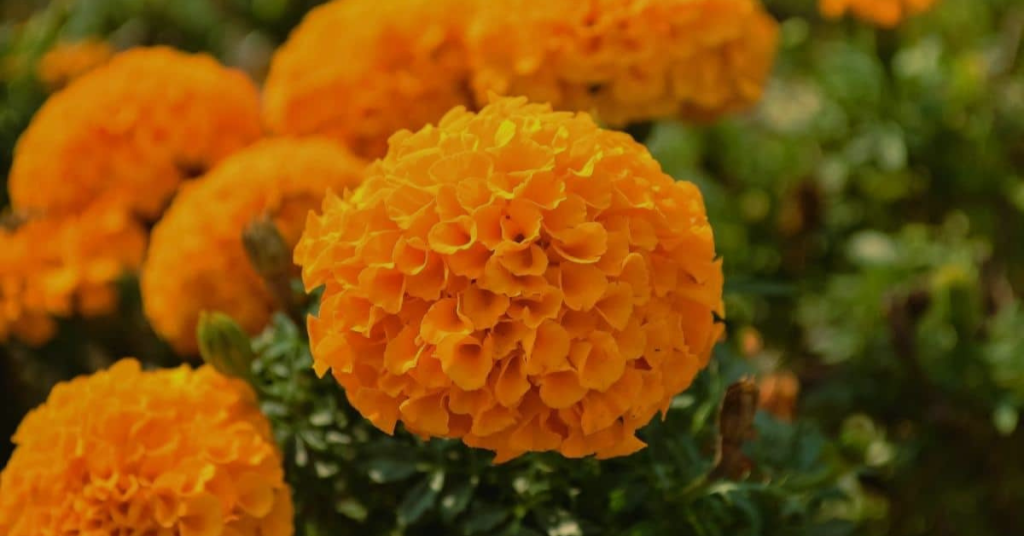
Marigolds are one of the easiest orange flowers you can grow. They produce bright golden-orange to deep burnt-orange blooms that last all summer. I often recommend marigolds to beginners because they tolerate heat, poor soil, and minor neglect.
Marigolds bloom continuously once established. Their scent help deter certain garden pests, which is why I advice to plant them near vegetables as well as in flower beds.
They are hardy plants that thrive in well-drained, moderately fertile soil with a slightly acidic to neutral pH of 6.0 to 7.5. Deadheading spent flowers encourages more blooms. If you want a simple, reliable burst of orange, marigolds rarely disappoint.
Zinnia (Zinnia Elegans)
Scientific Name: Zinnia elegans
Family: Asteraceae
Hardiness Zone: 2–11 (annual)
Height: 1 to 4 feet
Maintenance Level: Low
Maturity Days: 60–75 days
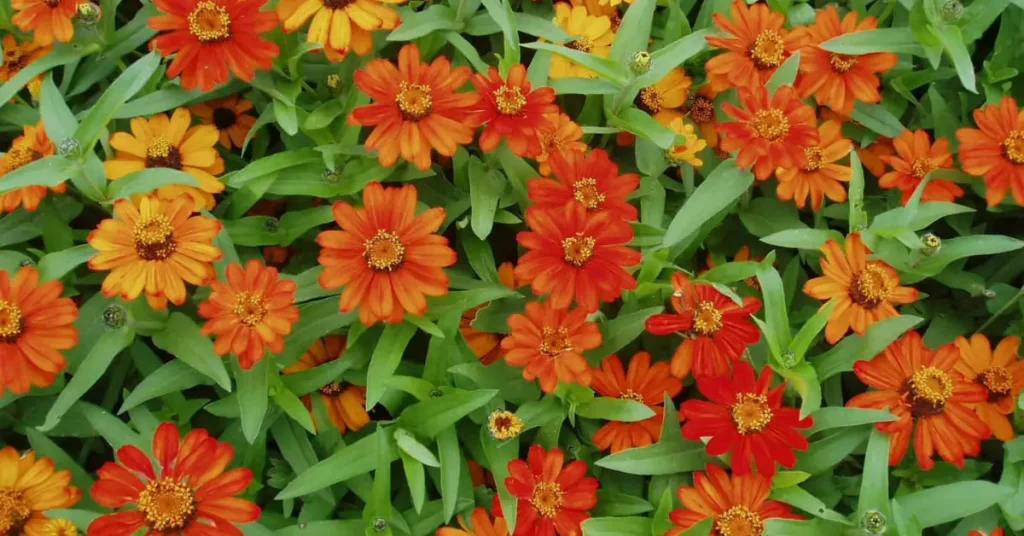
Zinnias are bold, upright annuals that come in many bright shades, including strong orange and coral tones. They love heat and full sun. The hotter the summer, the better they perform.
I grow zinnias every year because they attract butterflies in large numbers. If you want movement and color together, this is a strong choice.
Give them well-drained soil and avoid overhead watering to reduce mildew. Once they start blooming, they continue until frost. Cutting flowers regularly encourages more production.
Read: Zinnias Growing Guide
Orange Tulip (Tulipa spp.)
Scientific Name: Tulipa spp.
Family: Liliaceae
Hardiness Zone: 3–8
Height: 10–24 inches
Maintenance Level: Moderate
Maturity Days: 90–150 days (from bulb planting to bloom)
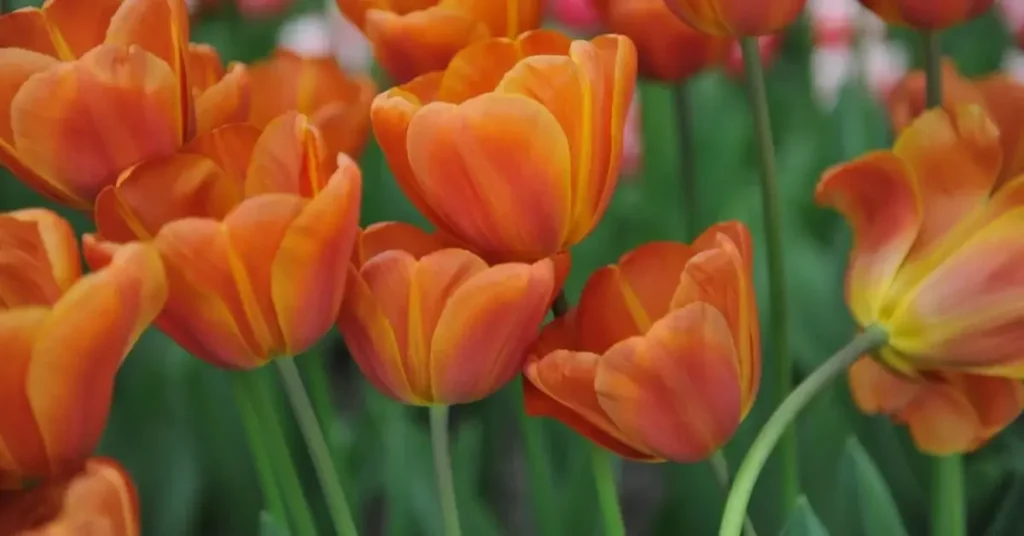
Orange tulips bring a clean, elegant look to spring gardens. Their cup-shaped blooms stand upright on smooth stems, glowing in early sunlight.
Unlike summer flowers, tulips are grown from bulbs planted in fall. I always plant them in clusters rather than single rows. The color impact is much stronger that way.
They prefer full sun to partial shade and well-drained soil. After blooming, allow the foliage to die back naturally so bulbs store energy for the next season.
Daylily (Hemerocallis spp.)
Scientific Name: Hemerocallis spp.
Family: Asphodelaceae
Hardiness Zone: 3–10
Height: 1 to 4 feet
Maintenance Level: Low
Maturity Days: 1–2 years to full clump maturity
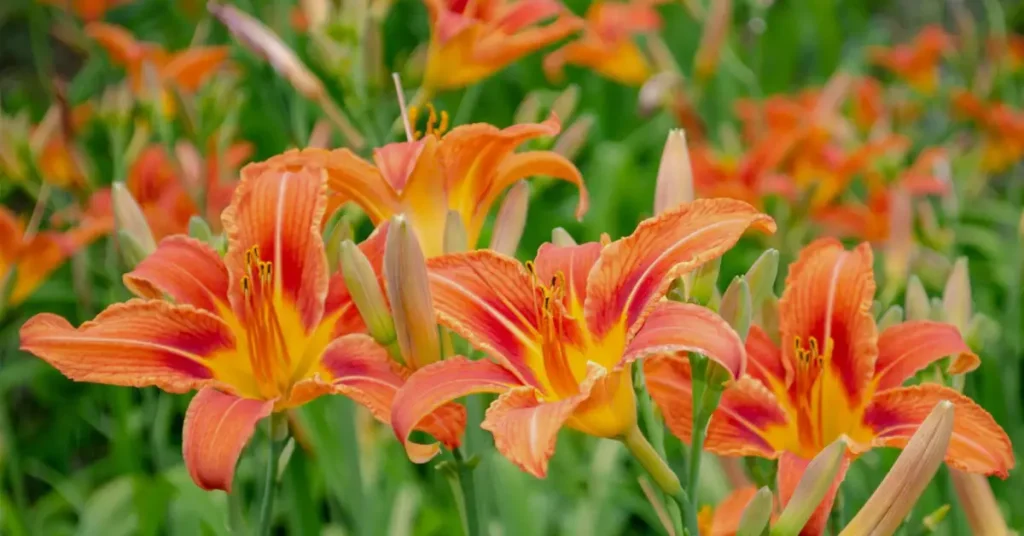
Daylilies produce trumpet-shaped blooms in many shades of orange, from soft apricot to deep copper. Each bloom lasts one day, but plants produce many buds.
I consider daylilies one of the toughest perennials in the garden. They tolerate heat, drought, and different soil types.
Plant them in full sun for best blooming. Divide clumps every few years to keep them vigorous. Once established, they require little attention.
Orange Rose (Rosa spp.)
Scientific Name: Rosa spp.
Family: Rosaceae
Hardiness Zone: 4–11 (varies by variety)
Height: 2 to 6 feet
Maintenance Level: Moderate
Maturity Days: 90–120 days for bloom after planting
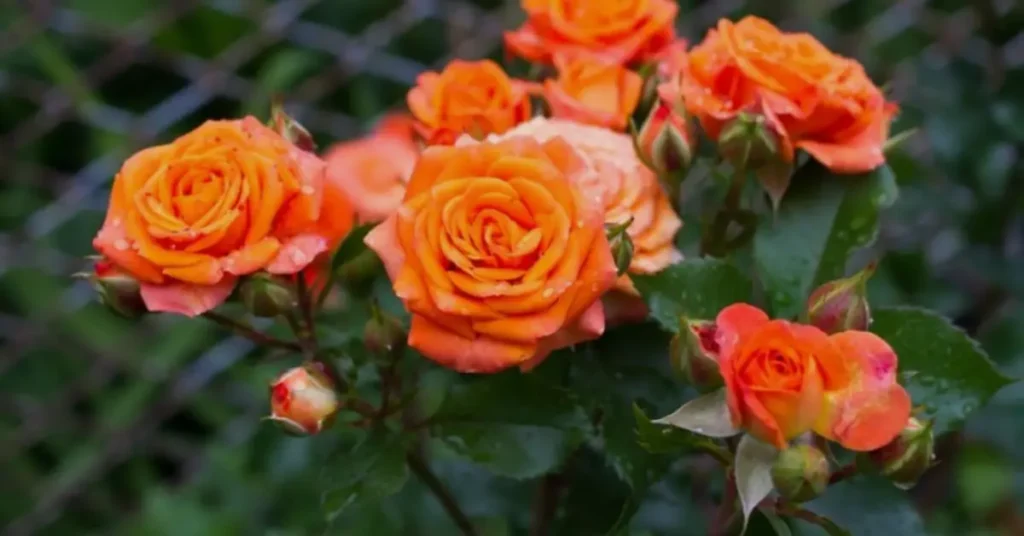
Orange roses range from soft peach to fiery sunset tones. They were developed in the 20th century by crossing yellow and red roses. Popular varieties are Tropicana, Rosa ‘Crown Princess Margareta’, Vavoom, Oso Easy Hot Paprika and Coral Knock Out. They add romance and used to convey excitement and passion.
Roses need full sun, rich soil, and good airflow. Always mulch around rose bushes to maintain moisture and suppress weeds.
Prune in early spring to shape the plant and encourage strong flowering stems. With proper care, orange roses bloom repeatedly through the growing season.
Check: Rose Tattoos
California Poppy (Eschscholzia Californica)
Scientific Name: Eschscholzia californica
Family: Papaveraceae
Hardiness Zone: 6–10 (perennial), grown as annual in cooler zones
Height: 12–18 inches
Maintenance Level: Low
Maturity Days: 55–75 days
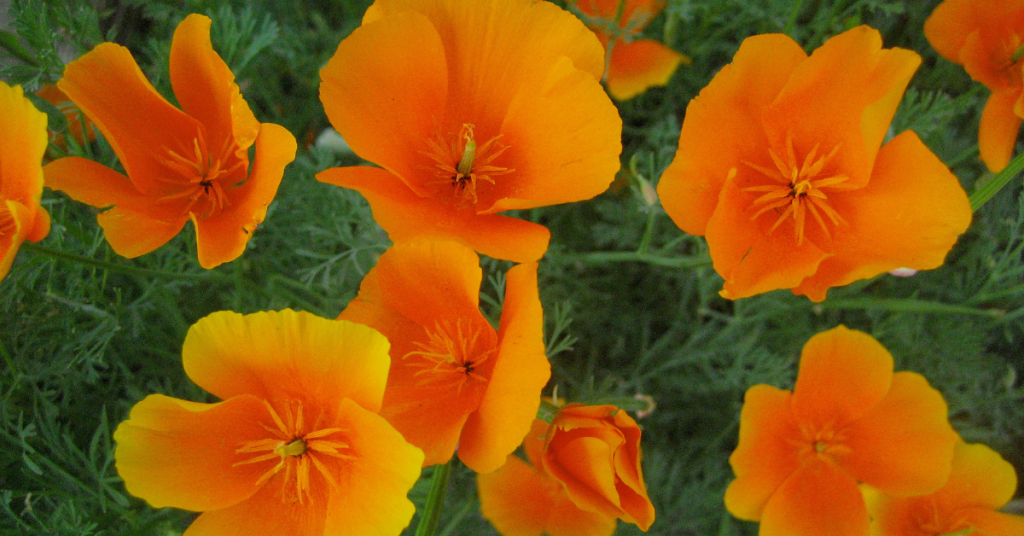
California poppies produce silky, cup-shaped blooms in glowing orange shades. Their fern-like blue-green foliage adds soft texture to garden beds.
These flowers thrive in full sun and poor, well-drained soil. They bloom better in less fertile soil. Too much fertilizer reduces flowering.
They are drought tolerant once established and reseed easily. If you allow seed heads to mature, you may see new plants appear the following season.
Lantana (Lantana Camara)
Scientific Name: Lantana camara
Family: Verbenaceae
Hardiness Zone: 8–11 (grown as annual in cooler zones)
Height: 1–6 feet depending on variety
Maintenance Level: Low
Maturity Days: 60–90 days
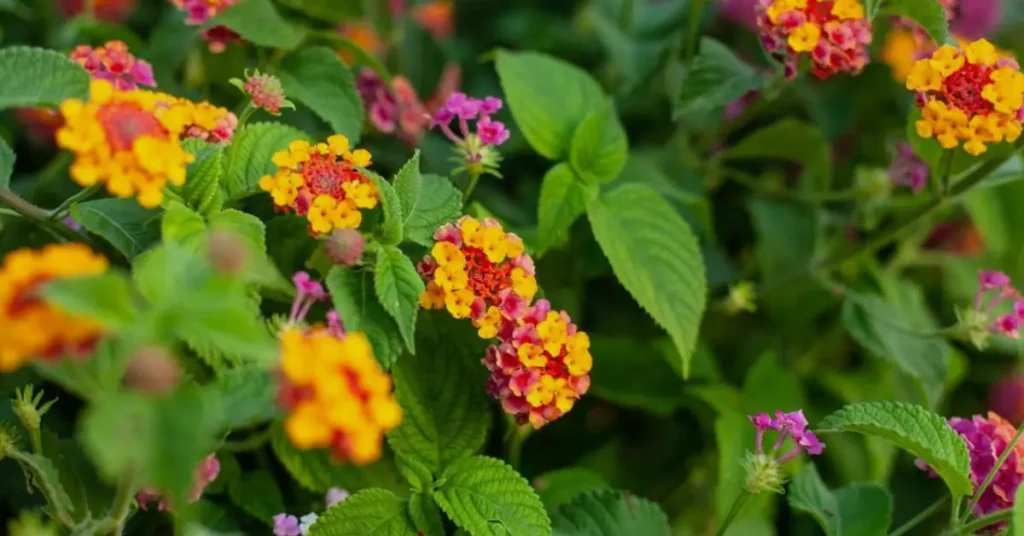
Lantana produces clusters of small flowers that often blend orange with yellow or red tones. It thrives in hot climates and handles drought well.
I like using lantana in sunny borders and containers because it blooms continuously through summer heat. Butterflies are especially attracted to it.
Plant it in full sun and well-drained soil. Avoid overwatering. Once established, it needs minimal attention.
Gerbera Daisy (Gerbera jamesonii)
Scientific Name: Gerbera jamesonii
Family: Asteraceae
Hardiness Zone: 8–11 (grown as annual elsewhere)
Height: 10–18 inches
Maintenance Level: Moderate
Maturity Days: 70–90 days
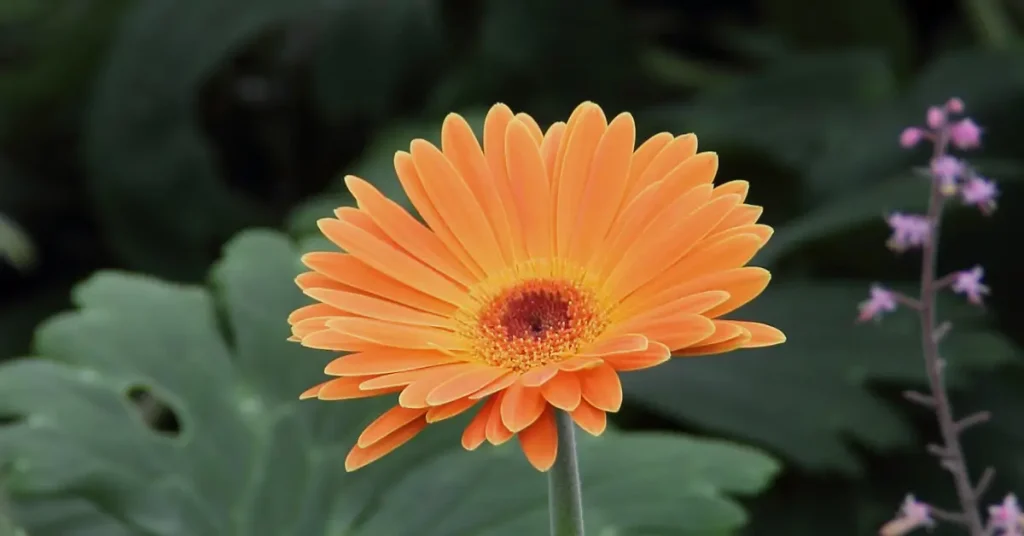
Gerbera daisies produce large, bold orange blooms with dark centers. They are popular for both garden beds and cut flowers.
They prefer full sun in cooler climates and partial shade in hot regions. Soil should be rich and well-drained.
In my experience, good drainage is essential. Overwatering often leads to crown rot. Remove faded blooms to encourage more flowering.
Chrysanthemum (Chrysanthemum Morifolium)
Scientific Name: Chrysanthemum morifolium
Family: Asteraceae
Hardiness Zone: 5–9
Height: 1–3 feet
Maintenance Level: Moderate
Maturity Days: 90–120 days
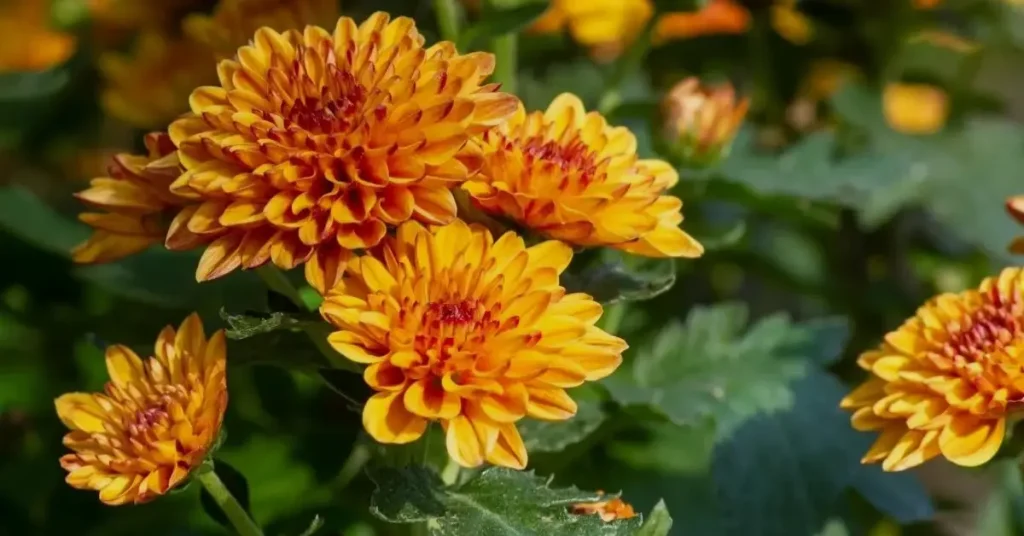
Chrysanthemums, called mums, bring strong orange tones to fall gardens. Their layered petals create full, rounded blooms.
They prefer full sun and fertile, well-drained soil. Pinch young plants early in the season to encourage bushier growth and more blooms.
Mums add late-season color when many summer flowers fade. They are ideal for borders and containers.
Cosmos (Cosmos sulphureus – Orange varieties)
Scientific Name: Cosmos sulphureus
Family: Asteraceae
Hardiness Zone: 2–11 (annual)
Height: 2–4 feet
Maintenance Level: Low
Maturity Days: 60–75 days
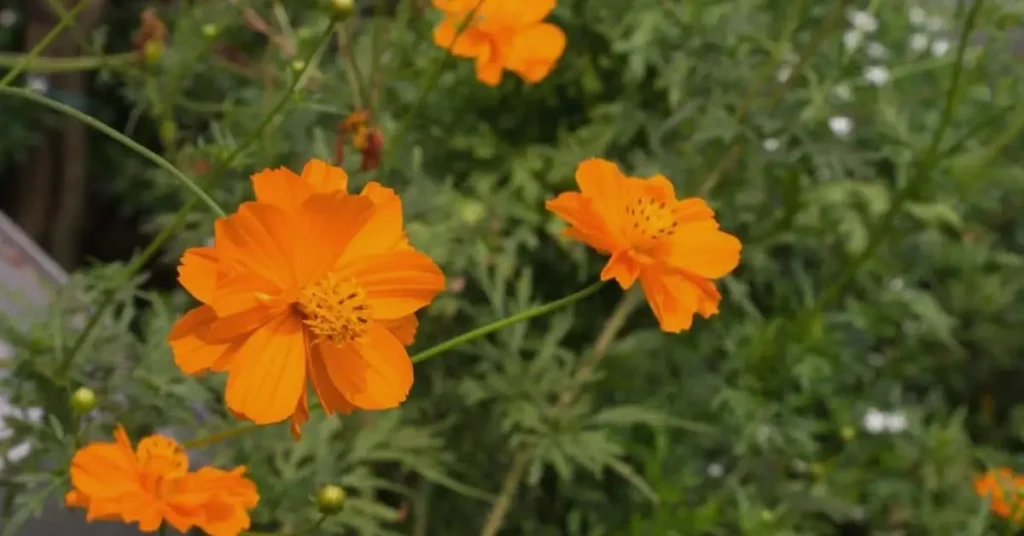
Orange cosmos produce daisy-like blooms with bright golden to deep orange petals. They grow on tall, airy stems that sway gently in the wind.
They thrive in full sun and tolerate poor soil. Don’t feed heavily, too much fertilizer reduces blooms. I often advice to plant cosmos in natural-style gardens where gardeners want movement and a relaxed look.
They attract bees and butterflies and bloom steadily until frost.
Tithonia (Mexican Sunflower)
Scientific Name: Tithonia Rotundifolia
Family: Asteraceae
Hardiness Zone: 2–11 (annual)
Height: 4–6 feet
Maintenance Level: Low
Maturity Days: 75–90 days
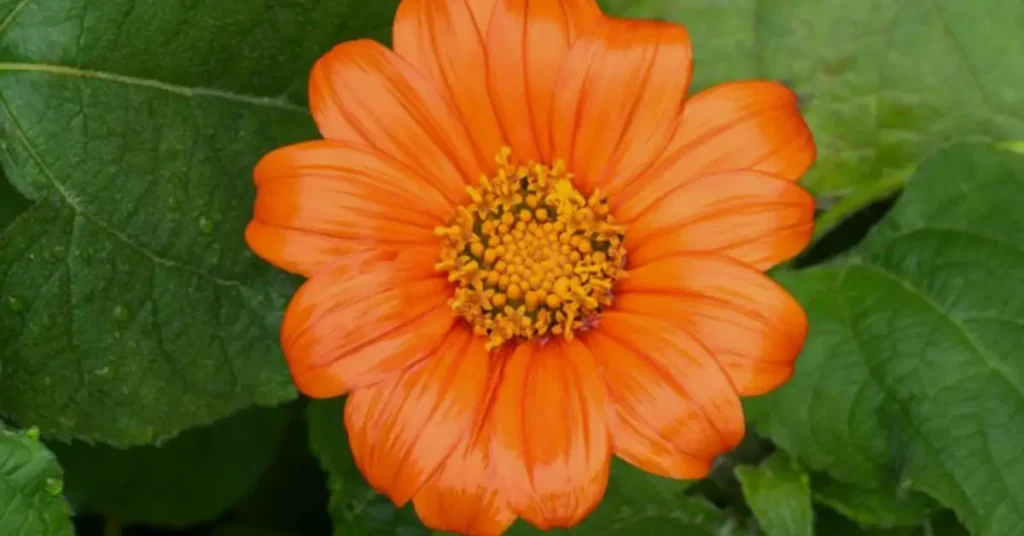
Tithonia rotundifolia, commonly called Mexican sunflower, is native to Mexico and Central America. Tithonia produces bold, fiery orange blooms that resemble single sunflowers. The tall stems make them excellent background plants.
They love heat and full sun. This need staking due to its tall size. It is deer and drought tolerant. I grow them at the back of flower beds where they create a strong vertical statement.
Their nectar-rich flowers attract butterflies and pollinators throughout summer.
Canna Lily (Canna indica)
Scientific Name: Canna indica
Family: Cannaceae
Hardiness Zone: 7–11
Height: 3–6 feet
Maintenance Level: Moderate
Maturity Days: 90–120 days
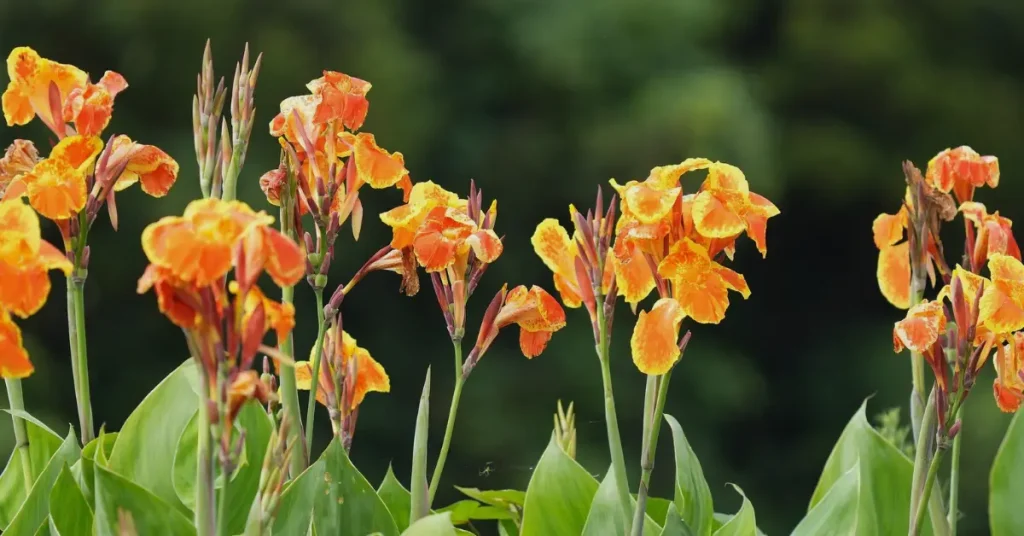
Canna lilies produce tropical-looking orange flowers with large, bold foliage. They bring dramatic height and texture to gardens.
They prefer full sun and moist, fertile soil. In cooler climates, rhizomes should be lifted and stored over winter.
I often use cannas near water features or as focal points because their foliage adds structure even before flowering begins.
Orange Hibiscus (Hibiscus rosa-sinensis)
Scientific Name: Hibiscus rosa-sinensis
Family: Malvaceae
Hardiness Zone: 9–11
Height: 4–10 feet
Maintenance Level: Moderate
Maturity Days: 90–150 days
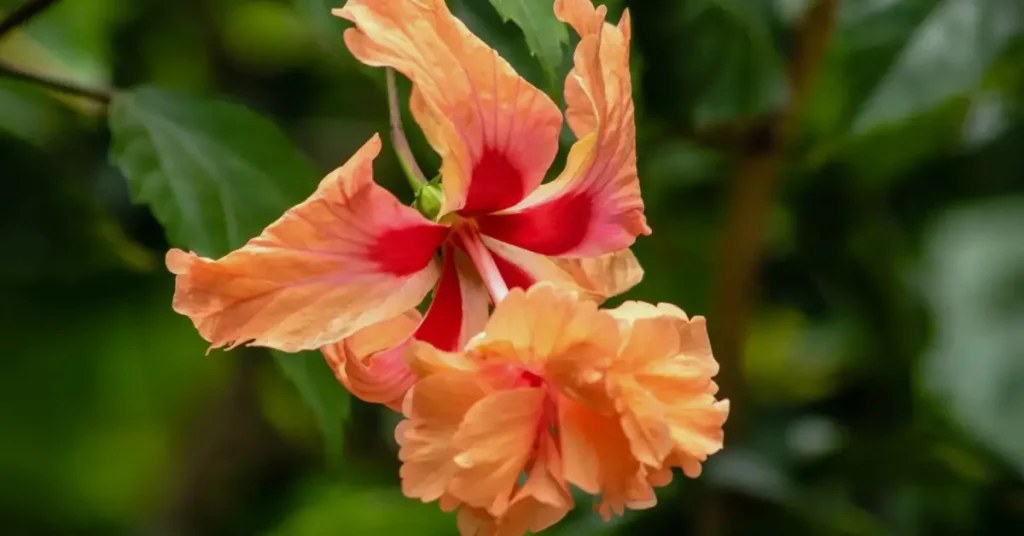
Orange hibiscus produces large, tropical blooms that can reach 4–8 inches wide. The flowers are bold and eye-catching. Top Orange hibiscus varieties are:
| Variety/Cultivar | Flower Description | Notes/Key Features |
|---|---|---|
| Apricot Brandy | Double-petaled, golden peach/apricot | Stunning soft orange tones, excellent for containers and dramatic displays |
| Cheri | Neon orange with purple eye/center | Bold and cheerful, highly attractive to pollinators like butterflies and hummingbirds |
| Electric Orange | Deep orange (almost red-orange) | Intense, vibrant color for maximum impact in sunny spots |
| Fiesta | Tangerine with pink throat | Long-blooming and reliable, great for continuous summer color |
| Joanne (Double Orange) | Loosely double, large pumpkin orange | Compact yet vigorous grower, abundant flowers, perfect for hedges or pots |
| Orange Lagos | Hot orange with pink/hot pink radiating center | Large shrub form, profuse bloomer for bold tropical accents |
| Orange Sunset Wind (Tradewinds®) | Orange sunset tones, funnel-shaped | Classic large blooms, long-flowering and container-friendly |
| Pumpkin Pie | Rich pumpkin orange | Persistent bloomer, evergreen in warm areas with steady vibrant hue |
| High Definition | Double orange with yellow spots | Layered petals for extra fullness, eye-catching and unique |
| Hollywood Hibiscus™ Hot Shot™ | Brilliant orange with deep burgundy center | Hummingbird and butterfly magnet, exceptional long-blooming performer |
They require full sun, warmth, and consistent moisture. In cooler climates, they are good to grown in containers and brought indoors during winter.
In my experience, regular feeding encourages continuous blooming through warm months.
Bird of Paradise (Strelitzia Reginae)
Scientific Name: Strelitzia reginae
Family: Strelitziaceae
Hardiness Zone: 10–12
Height: 3–5 feet
Maintenance Level: Moderate
Maturity Days: 3–5 years to bloom from seed
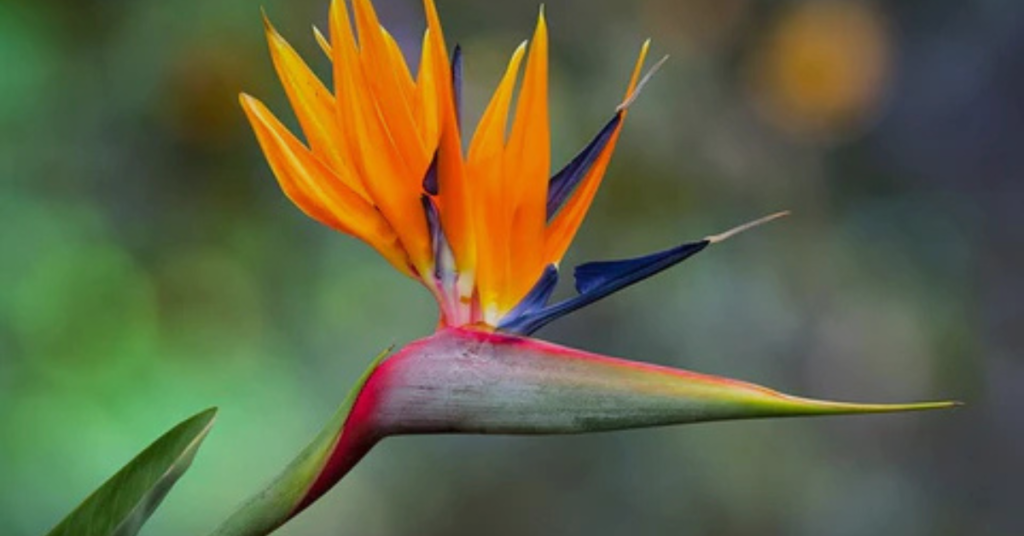
Strelitzia is a genus comprising five species of evergreen perennial plants, all native to South Africa. The plants are widely recognized by their striking common name, bird of paradise (or bird-of-paradise flower/plant), inspired by the extraordinary resemblance of their blooms to the vibrant plumage and form of birds-of-paradise.
In its homeland of South Africa, it’s more commonly referred to as the crane flower due to the flower’s beak-like structure and graceful appearance.
Plants produce dramatic, boat-shaped spathes (modified bracts) from which emerge vivid, bird-like flowers(brilliant orange sepals paired with deep blue petals in species like Strelitzia reginae).
It prefers full sun in mild climates and partial shade in hotter regions. Soil must drain well.
Trumpet Vine (Campsis Radicans)
Scientific Name: Campsis radicans
Family: Bignoniaceae
Hardiness Zone: 4–9
Height: 20–40 feet (vine)
Maintenance Level: High
Maturity Days: 2–3 years to flower
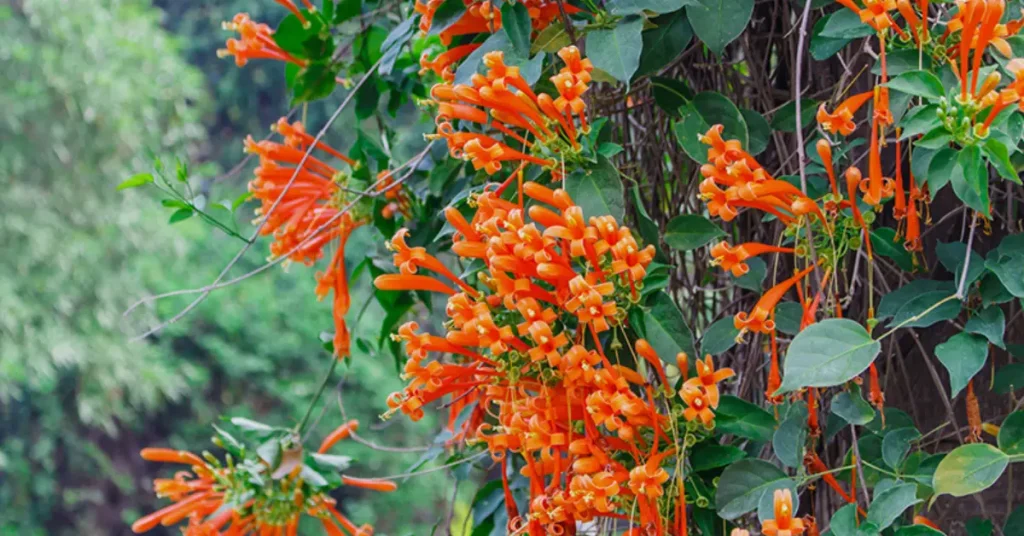
Trumpet vine produces clusters of bright orange tubular flowers that attract hummingbirds.
It grows vigorously and requires strong support such as fences or pergolas. I always recommend careful placement because it spreads quickly.
Pruning helps control its growth and encourages flowering.
Orange Dahlia (Dahlia Pinnata)
Scientific Name: Dahlia pinnata
Family: Asteraceae
Hardiness Zone: 8–11 (tubers lifted in colder zones)
Height: 1–5 feet depending on variety
Maintenance Level: Moderate
Maturity Days: 90–120 days
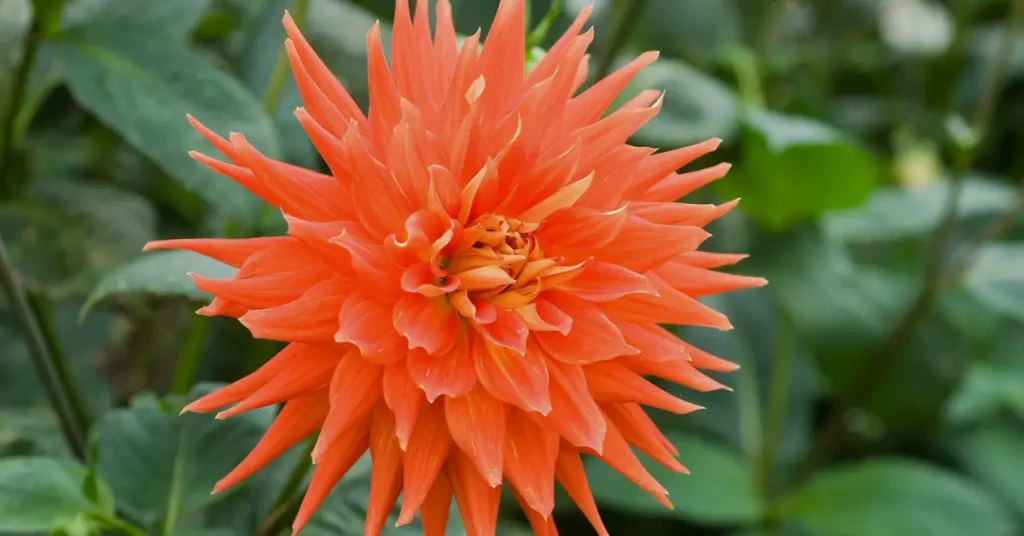
Orange dahlias produce layered blooms that range from soft apricot to deep burnt orange. Some varieties are small and neat and some create dinner-plate sized flowers that command attention.
They thrive in full sun and fertile, well-drained soil. I always amend the soil with compost before planting tubers because dahlias respond strongly to rich soil.
In cooler climates, tubers must be lifted before winter frost and stored in a dry place. Regular deadheading keeps plants blooming continuously until fall.
Blanket Flower (Gaillardia Pulchella)
Scientific Name: Gaillardia pulchella
Family: Asteraceae
Hardiness Zone: 3–10
Height: 12–24 inches
Maintenance Level: Low
Maturity Days: 60–75 days
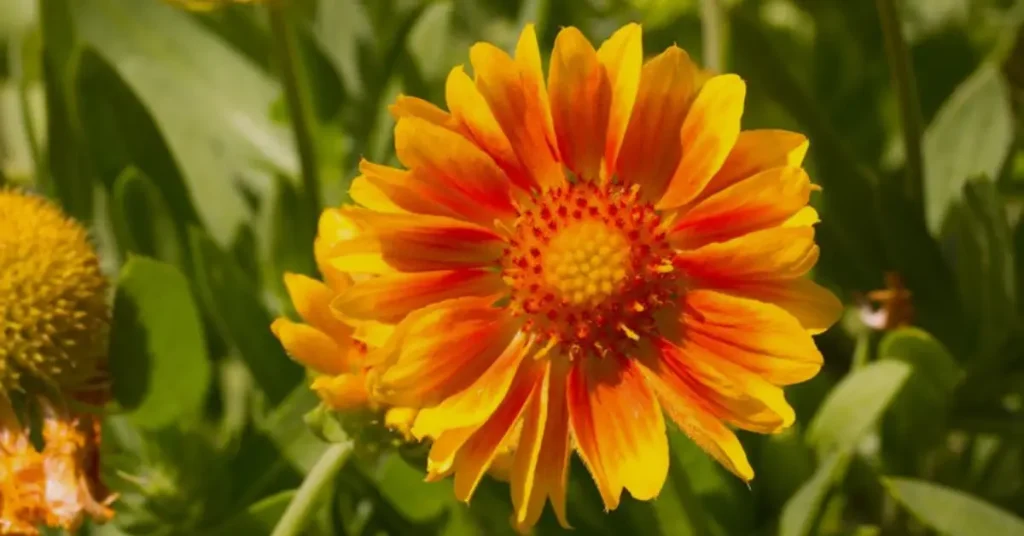
Blanket flowers produce bright orange and red daisy-like blooms that resemble glowing embers. They tolerate heat and dry conditions extremely well.
I often plant gaillardia in sunny borders where soil is not very rich. They actually perform better in slightly poor soil.
They bloom for a long period and attract pollinators. Deadheading encourages additional flowering, but even without much care, they continue blooming reliably.
Clivia (Clivia Miniata)
Scientific Name: Clivia miniata
Family: Amaryllidaceae
Hardiness Zone: 9–11
Height: 1–2 feet
Maintenance Level: Moderate
Maturity Days: 2–3 years to bloom from seed
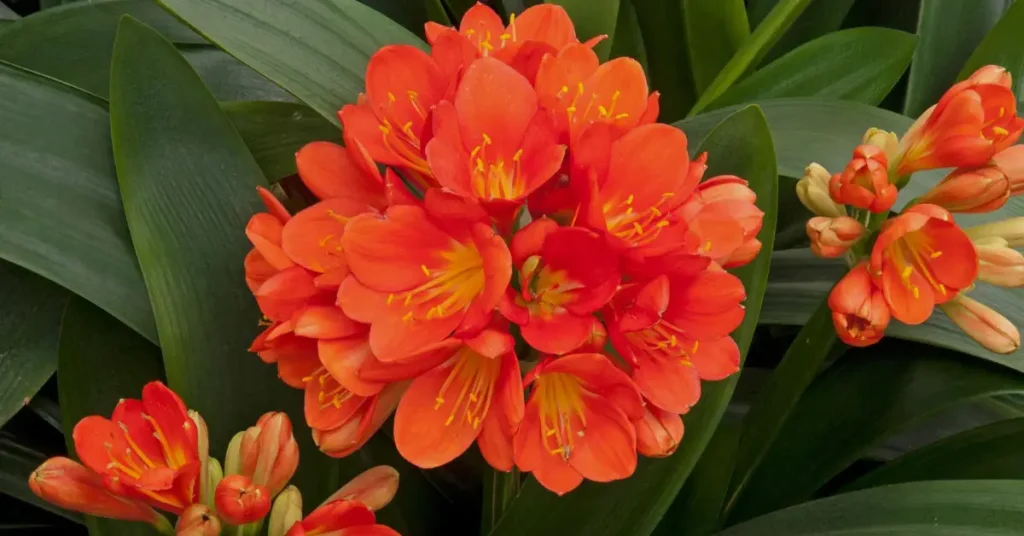
Clivia produces clusters of trumpet-shaped orange flowers above strap-like dark green leaves. It is grown as a houseplant or in shaded outdoor gardens in warm climates.
Unlike many orange flowers, clivia prefers partial shade and indirect light. It performs best in bright shade with well-drained soil.
It does not like frequent disturbance. Once settled, it blooms reliably each year with minimal pruning.
Butterfly Weed (Asclepias Tuberosa)
Scientific Name: Asclepias tuberosa
Family: Apocynaceae
Hardiness Zone: 3–9
Height: 1–3 feet
Maintenance Level: Low
Maturity Days: 70–90 days
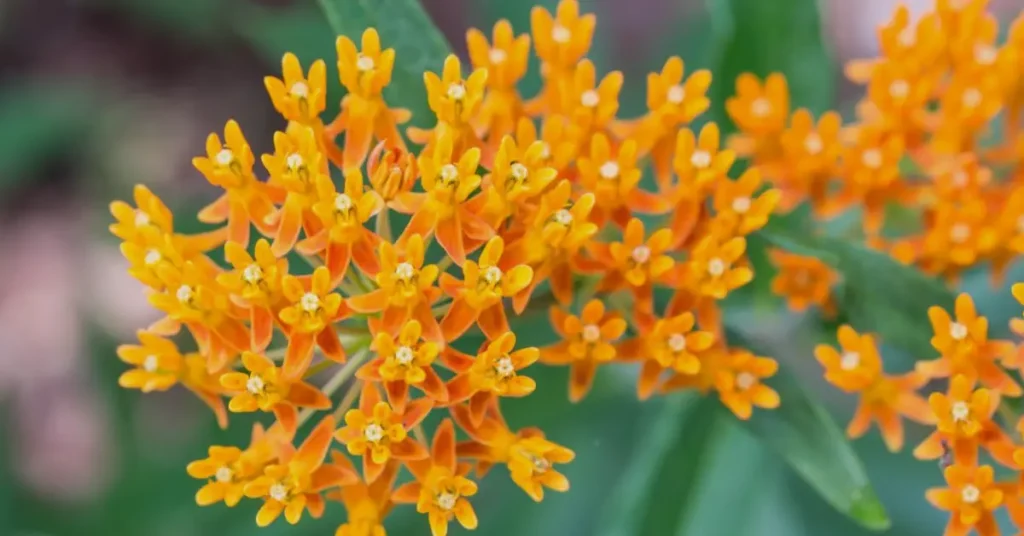
Butterfly weed produces clusters of vivid orange blooms that attract butterflies, especially monarchs.
It thrives in full sun and well-drained soil. It tolerates drought once established. I always advice to plant butterfly weed in a permanent location because it develops a deep taproot and does not transplant easily.
This plant adds both bright color and ecological value to your garden.
Nasturtium (Tropaeolum Majus)
Scientific Name: Tropaeolum majus
Family: Tropaeolaceae
Hardiness Zone: 2–11 (annual)
Height: 1–2 feet (trailing varieties spread wider)
Maintenance Level: Low
Maturity Days: 55–70 days
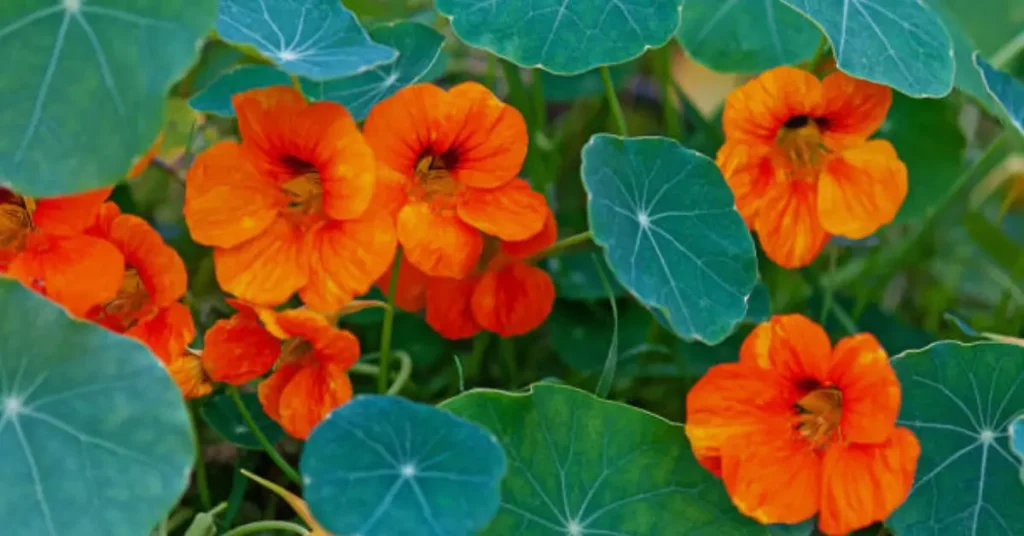
Orange nasturtiums produce vibrant, funnel-shaped blooms above round, lily pad–like leaves. They bring a relaxed, cottage-style charm to garden beds and containers.
They grow best in full sun to partial shade and prefer moderately fertile, well-drained soil. Don’t feed heavily, too much fertilizer reduces flowering.
You can let them trail over edges of raised beds or climb small supports. Their edible flowers also make colorful additions to salads.