Grow Lavender in Pot: An Easy How To Guide
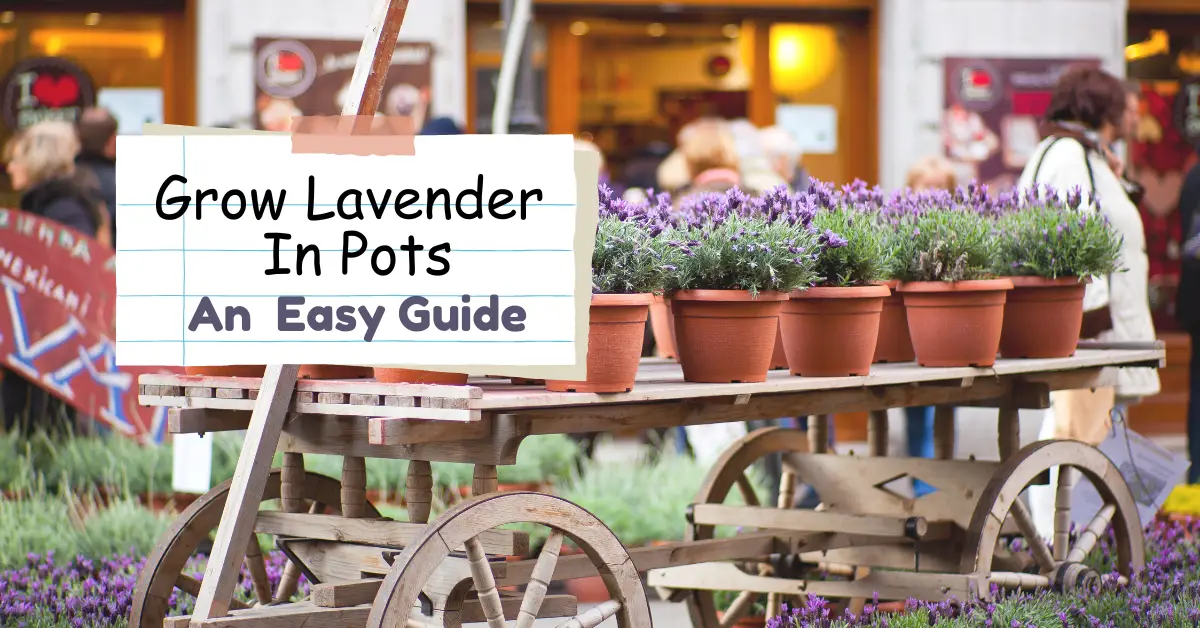
Lavender has been grown for nearly 2,500 years and the ancient Romans used it in baths, bedding and even cooking. Its name comes from the Latin word lavare, meaning “to wash.”
Lavender isn’t just a plant—it’s a mood. For centuries, people have used it to calm nerves, flavor food, scent linens and simply make life feel more beautiful. The best part? You don’t need a Provençal hillside or even a garden. With nothing more than a sunny windowsill, the right pot and a few simple tips, you can grow lush, fragrant lavender indoors all year round—even through the darkest, coldest winters.
When grown correctly, potted lavender thrives just as well—or even better—than lavender grown directly in the ground. Containers give you full control over soil quality, sunlight exposure, drainage, and winter protection, making it easier to create the perfect environment regardless of your local climate.
But here’s the truth: lavender is both easy and tricky. It is drought-tolerant but hates wet roots. It loves sunlight but dislikes humidity. It is hardy but sensitive to overwatering. And most gardeners unintentionally kill lavender by treating it like regular flowering plants. That’s why understanding lavender’s natural habitat—dry, rocky Mediterranean hillsides—is essential before growing it in a pot. Once you mimic these conditions, lavender becomes one of the lowest-maintenance plants you’ll ever grow.
In this blog post, you’ll learn the complete step-by-step method to grow lavender in pots, the best varieties, the ideal potting mix, how deep your pot should be, how to prune lavender in pots, how to grow lavender from seed, what to feed lavender and how to deal with problems of lavender in pots. Whether you’re a beginner or an experienced gardener, this in-depth guide will help you grow thriving lavender that fills your space with fragrance, color and beauty.
Why Grow Lavender in Pots?
Growing lavender in pots indoors gives you total control over soil, water, and light—three things lavender is extremely picky about. The payoff is huge: months of purple (or pink, or white) blooms, a natural moth repellent in your drawers, edible flowers for cocktails and desserts, and proven stress-relieving aroma every single time you walk past.
Best of all, once established, potted lavender is one of the lowest-maintenance plants you’ll ever own. It thrives on neglect as long as you nail the basics: full sun, fast-draining soil and never soggy roots. Whether you have a south-facing balcony, a bright kitchen window, or a grow-light setup, lavender rewards you with beauty and fragrance for 8–12 years with the right care.
Lavender Characteristics Table
| Feature | Details |
|---|---|
| Scientific Name | Lavandula spp. |
| Common Types for Pots | English lavender, French lavender, Spanish lavender, Lavandin |
| Family | Lamiaceae |
| Genus | Lavandula |
| Native Region | Mediterranean Basin |
| Hardiness Zones | Zone 5–9 depending on variety |
| Maintenance Level | Low (when properly drained) |
| Sunlight Needs | Full sun (6–8 hours daily) |
| Soil Type | Sandy, light, fast-draining |
| Soil pH | Slightly alkaline (6.5–7.5) |
| Plant Type | Perennial herb |
Did you know?
Lavender’s essential oils are most concentrated in the morning, especially after sunlight warms the flower spikes.
Best Lavender Varieties for Pots
Choosing the right lavender species is the foundation of successful container growing. Not all lavender types thrive equally well in pots. Some grow too large, while others prefer milder climates.
English Lavender: The Best All-Around Choice
English lavender (Lavandula angustifolia) is widely considered the top choice for growing in pots. It is compact, intensely fragrant, and more cold-hardy than other varieties. English lavender thrives in zones 5–9, making it suitable for most climates, including cooler regions where winter frost is common. The flowers are softer in color—often pale to deep purple—and are excellent for culinary use.
English lavender is also the longest-lived lavender in containers when maintained correctly. It produces dense mounds of foliage and responds extremely well to pruning, ensuring a tidy, attractive plant year-round. If you’re searching for reliability, fragrance, and longevity, English lavender is unmatched.
Did you know?
English lavender is not actually from England—it originates from the Mediterranean and was widely cultivated in English monastery gardens.
French Lavender: Best for Warm Climates
French lavender (Lavandula dentata) is ideal if you live in a warm or mild climate. Known for its serrated leaves and long blooming season, it adds elegance to patios and balconies. French lavender is less hardy than English lavender, typically performing best in zones 8–11. It grows faster and blooms earlier, but it also requires careful winter protection if temperatures drop below freezing.
Because French lavender prefers slightly more humidity and warmth than English lavender, it performs exceptionally well in coastal regions or sunny courtyards. The blooms are beautifully textured and often used in ornamental displays rather than culinary applications.
Spanish Lavender: Best for Decorative Appeal
Spanish lavender (Lavandula stoechas) is instantly recognizable due to its distinctive bracts that look like tiny “rabbit ears” on top of the flowers. This feature makes Spanish lavender highly ornamental and a favorite for garden styling. It thrives in zones 8–10 and prefers warm, dry climates.
While Spanish lavender is highly decorative, it is not as fragrant as English lavender and has moderate cold tolerance. However, in pots, you can easily move it to sheltered spaces during winter. Its compact growth makes it perfect for small patios, balconies, or window ledges.
Lavandin: Great for Large Pots
Lavandin (Lavandula × intermedia) is a hybrid between English and spike lavender, known for its tall flower spikes and strong fragrance. It’s a vigorous grower, making it suitable for larger containers or half-barrels. Lavandin varieties such as “Grosso” and “Provence” are excellent for producing dried lavender bundles, oils, or bouquets.
Because lavandin grows larger than English lavender, it requires a deeper and wider pot and consistent pruning. It thrives in sunny, dry areas and is moderately cold-hardy.
How Deep Should a Pot Be for Lavender?
Pot depth plays a surprisingly crucial role in lavender health. Because lavender roots grow downward rather than outward, shallow pots restrict root development and increase the risk of fungal infections. A deeper pot allows better air circulation around the root zone and promotes the strong root system needed for winter survival.
The ideal pot depth for lavender is 12–16 inches. Smaller varieties can thrive in pots at the lower end of this range, while lavandin and larger English lavender cultivars require deeper pots. The width should match the depth—meaning a pot between 12 and 16 inches wide gives ample room for the plant to form its natural dome shape.
Terracotta pots are highly recommended because they are porous, allowing excess moisture to evaporate. This prevents soggy soil, which is the number one enemy of lavender. Ceramic and fiberglass pots also work well, but plastic pots retain too much moisture and may contribute to root rot.
Did you know?
Lavender roots breathe! Terracotta pots naturally release trapped moisture, creating the perfect environment for lavender roots.
The Best Soil Mix for Lavender in Pots
Lavender’s dislike of wet roots is legendary among gardeners. Mimicking its native Mediterranean soil is essential for success. Instead of dense, moisture-retaining soil, lavender thrives in light, sandy, fast-draining soil. A perfect lavender soil mix often resembles cactus soil more than traditional garden soil.
A recommended blend includes a high-quality potting mix combined with coarse sand, perlite, or pumice to enhance drainage. Compost can be added for nutrients, but in small quantities. Additionally, mixing in a bit of garden lime helps maintain the slightly alkaline pH lavender prefers.
This well-drained soil prevents fungal diseases, root rot, and stunted growth. It also allows oxygen to reach the roots, encouraging robust plant development. The fluffier and lighter your soil mix, the healthier your lavender will be.
How to Plant Lavender in Pots (Step-by-Step)
Planting lavender in a pot is straightforward, but the process should be done with care to avoid stressing the plant. Start by choosing a pot with adequate depth and drainage holes. Preparing the soil mix ahead of time makes planting smoother and ensures that the roots settle quickly.
Gently remove the lavender from its nursery container, taking care not to damage the roots. Lavender roots are delicate and dislike being torn or compacted. Set the plant at the same depth it was growing previously—never bury the crown below the soil line. After planting, water lightly to settle the soil but avoid drenching the root zone. Finally, place the pot in the sunniest area you have.
Growing Lavender in Pots Indoors
Lavender can grow indoors successfully, but it requires specific conditions to thrive. The biggest challenge when growing lavender indoors is light—lavender needs at least six hours of strong sunlight. A south-facing window is ideal, and supplemental grow lights can make a big difference in winter or cloudy climates.
Air circulation is equally important. Indoor environments often trap humidity, which lavender dislikes. Ensure your indoor lavender has plenty of space around it, and avoid placing it in bathrooms or overly humid rooms. Water sparingly, and allow the top inch of soil to dry before watering again.
Growing lavender indoors is most successful during winter when the plant requires less intense heat. During summer, lavender performs best outdoors where it can receive direct sunlight.
Growing Lavender in Pots From Seed
Growing lavender from seed is rewarding but requires patience and attention. Lavender seeds have a low germination rate and benefit greatly from cold stratification. This involves refrigerating the seeds for three to four weeks before planting to mimic winter conditions.
Once sown on the surface of a light seed-starting mix, seeds require warmth and consistent moisture—not wet soil, but a lightly misted environment. Seedlings take two to four weeks to appear. As they grow, ensure adequate light and airflow to prevent damping-off disease. After eight to ten weeks, transplant the seedlings into small pots, gradually introducing them to outdoor conditions before moving them into their final container.
What to Feed Lavender Plants in Pots
Lavender is not a heavy feeder. In fact, too much fertilizer—especially nitrogen-rich fertilizer—can cause excessive leafy growth at the expense of flowers. A slow-release, balanced fertilizer applied once in spring is sufficient for the entire growing season. Organic options such as compost tea, diluted bone meal, or a small amount of compost can provide additional nutrients without overwhelming the plant.
Because lavender thrives in lean soil, feeding should be minimal. Over-fertilizing can weaken the plant and reduce its fragrance. When in doubt, feed less rather than more.
Lavender in Pots Over Winter
Winter is a critical time for potted lavender, especially in colder regions. While in-ground lavender benefits from the thermal insulation of the soil, potted lavender is exposed to freezing temperatures from all sides. To protect your plant, move the pot to a sheltered place such as a porch, unheated garage, or greenhouse. Wrap the pot with burlap or bubble wrap for insulation.
Reduce watering drastically during winter. Lavender enters a dormant phase and prefers dry soil. Avoid pruning in winter, as this can stimulate new growth that is vulnerable to frost. With proper protection, lavender can survive even harsh winters.
English Lavender in Pots
English lavender remains the number-one choice for container gardening because of its fragrance, compact growth, and cold tolerance. It performs exceptionally well on balconies, patios, and front porches. When pruned regularly, English lavender forms a rounded, dense mound that produces abundant flowers each year.
Because it is more tolerant of cooler temperatures, English lavender is easier to overwinter than French or Spanish varieties. It also has a longer lifespan in pots when maintained properly.
Pruning Lavender in Pots
Pruning is essential to maintain the shape, health, and productivity of potted lavender. Without regular pruning, lavender becomes woody and loses its ability to produce fresh, vigorous growth. The best time to prune is early spring, just as new growth appears, and again lightly after the main flowering season.
When pruning, avoid cutting into woody stems, as lavender does not regrow from old wood. Instead, trim back about one-third of the soft, green growth. This encourages branching, increases airflow, and leads to more abundant blooms.
Conclusion
Growing lavender in pots is one of the most rewarding gardening experiences, offering beauty, fragrance, and resilience in a single plant. With the right pot size, soil mix, sunlight, and maintenance routine, lavender can thrive for years in containers. Whether you grow English lavender for fragrance, French lavender for beauty, or Spanish lavender for flair, this guide gives you everything you need to succeed.