Florida Pests:Which Are Dangerous Florida Bugs?
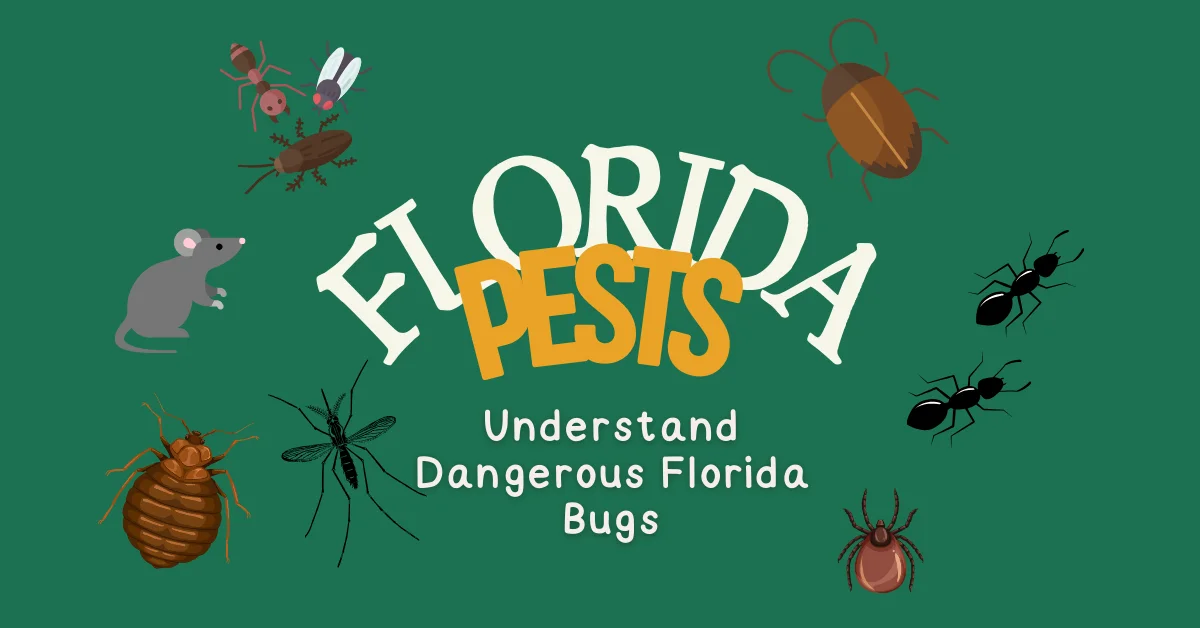
Florida is known for its sunny beaches and warm weather, but it also has its fair share of pests. From tiny bugs to rats, these pests cause a lot of problems in homes and gardens. Florida is an ideal place for pests for several reasons. The warm temperatures and high humidity create a perfect environment for florida pests to thrive.
Another reason pests do well in Florida is because of travel. People come from other states & regions visit or move to Florida, often bring pests with them. This has led to an increase in invasive species, which are pests that are not native to the area but have found a way to live and grow in Florida.
Florida’s agriculture and natural environment provide plenty of food for pests. With so many crops, gardens, and natural plants, there is always something for pests to feed on. All these factors together make Florida a welcoming place for many different types of pests.
In this blog, we’ll take a look at some of the most common pests in Florida, suitable environment wherein they thrive, their potential threats and tips on how to deal with them.
List of Pests in Florida
- Mosquitoes
- Ants (including fire ants)
- Roaches (like the American cockroach and palmetto bug)
- Termites
- Ticks
- Fleas
- Bed Bugs
- Spiders (including the Brown Recluse and Black Widow)
- Fruit Flies
- Stinging Insects (like bees, wasps, and hornets)
- Rodents (such as rats and mice)
- Lizards (like the Green Anole)
- Snakes (including venomous species like the Eastern Diamondback Rattlesnake)
- Bats
- Sow Bugs (also known as pill bugs or roly-polies
Mosquitoes
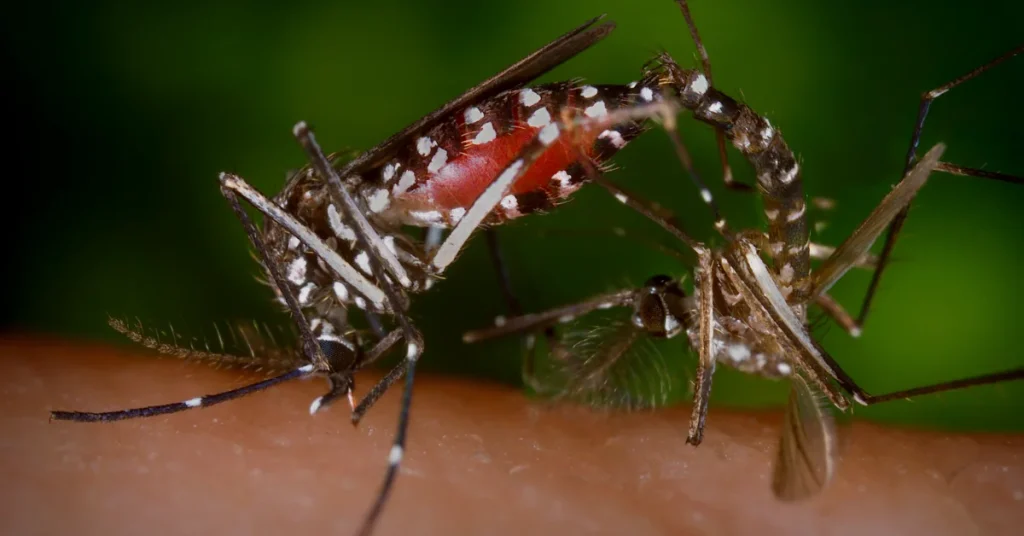
Suitable Environment: Mosquitoes thrive in warm, humid environments, making Florida an ideal home for them. They breed in standing water, such as ponds, puddles, or even containers like bird baths.
Potential Threats: Mosquitoes are known for spreading diseases such as West Nile virus, Zika virus, and dengue fever. Their bites can cause itchy, swollen skin and, in some cases, allergic reactions.
Control Measures: To control mosquitoes, eliminate standing water around your home, use mosquito repellents, and install screens on windows. Outdoor fans also help keep mosquitoes away, as they are weak flyers.
Pest control service providers also provide services to kill mosquitoes.
Ants (Carpenter ants, Argentine ants, Big-Headed ants, Acrobat Ant and Fire Ants)
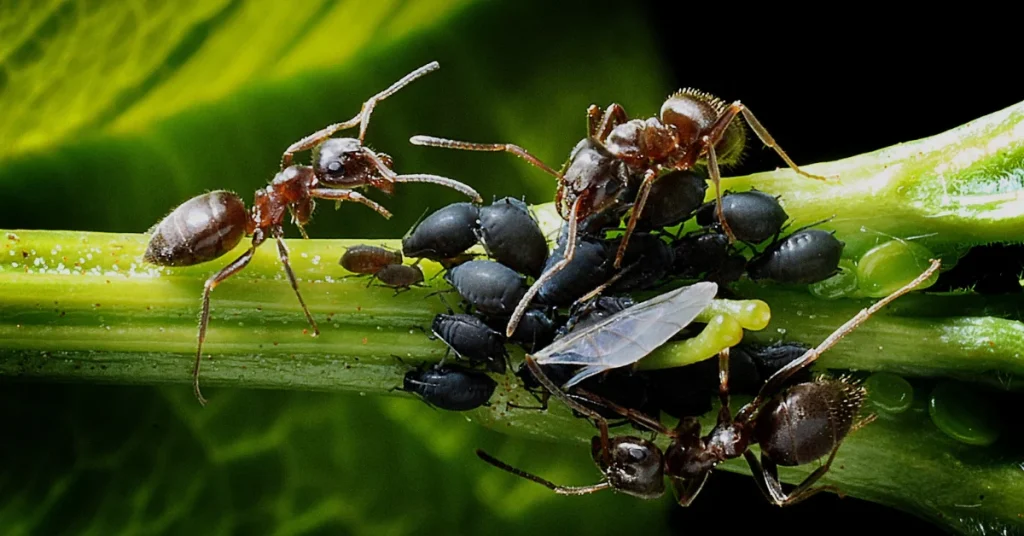
Suitable Environment: Ants are highly adaptable and can live in many environments. They are particularly attracted to areas with food and moisture. Fire ants thrive in the hot, humid Florida climate and build nests in lawns or under structures. Fire ants are typically found outdoors, especially in warm, sunny areas like yards, gardens, and fields.
They build large, dome-shaped mounds in the soil, which can be dangerous if disturbed. These mounds are usually found in areas where the soil is loose and undisturbed, such as lawns or under trees. While fire ants are more of an annoyance in your backyard, they can sometimes find their way into homes, especially if food or water sources attract them.
Potential Threats: Fire ants can sting multiple times, causing painful welts and allergic reactions in some people. They can also damage electrical equipment and crops.
Control Measures: To control ants, eliminate food sources, seal cracks and gaps in your home, and use ant bait or insecticides. For fire ants, mound treatments or professional pest control may be necessary.
Roaches (American Cockroach, Palmetto Bug)
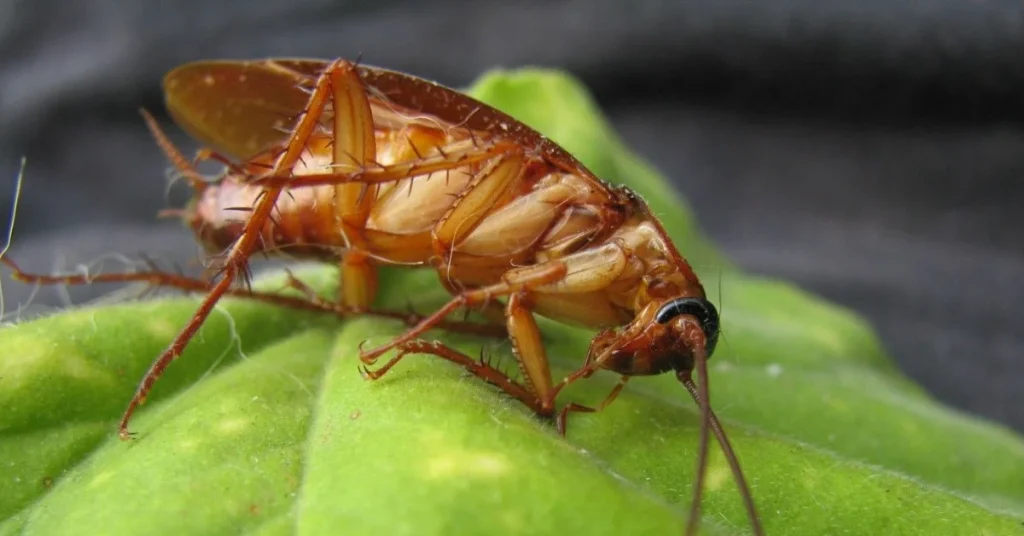
Suitable Environment: Roaches thrive in dark, moist environments like basements, kitchens, and bathrooms. Florida’s humidity and warmth make it a perfect habitat for these pests.
Potential Threats: Roaches carry bacteria and allergens that can trigger asthma or other respiratory issues. They are also known to contaminate food and surfaces.
Control Measures: Keep your home clean by sealing food tightly, emptying trash regularly, and eliminating water sources. Use cockroach baits, traps, or hire pest control for severe infestations.
Termites
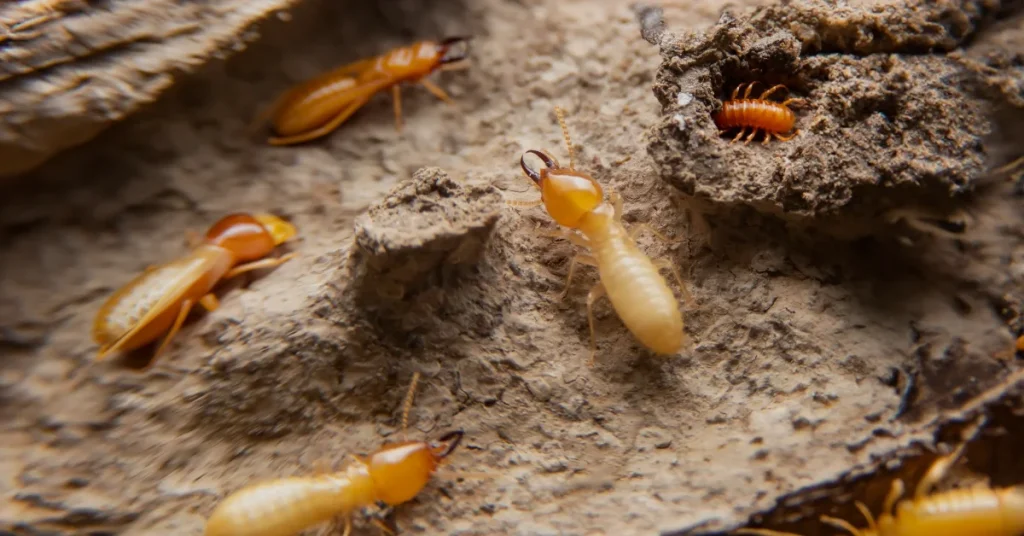
Suitable Environment: Termites thrive in warm, humid climates like Florida’s, especially in wooden structures. They are drawn to moisture and can often be found in the soil around homes or inside wooden beams.
Potential Threats: Termites can cause serious structural damage by eating wood and other cellulose materials. They are often called “silent destroyers” because their damage is not immediately visible.
Control Measures: Regular termite inspections are crucial. To prevent infestations, keep wood away from direct soil contact, fix leaks promptly, and use termite barriers during construction. Professional pest control is often needed for active infestations.
Ticks
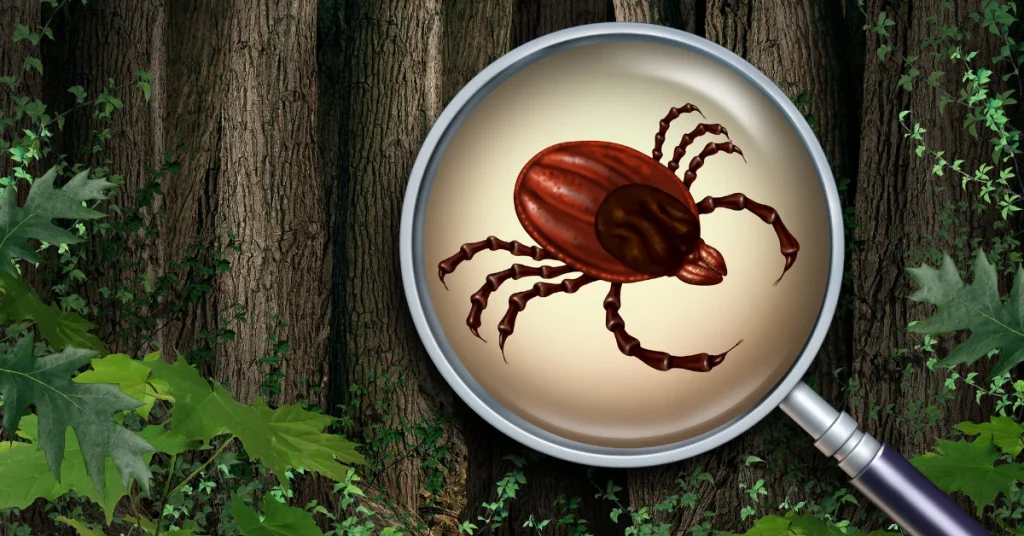
Suitable Environment: Ticks thrive in wooded, grassy areas. They often latch onto animals or people as they walk through tall grass or shrubs.
Potential Threats: Ticks are known to spread diseases such as Lyme disease, Rocky Mountain spotted fever, and other tick-borne illnesses. Their bites can also cause skin irritation.
Control Measures: Avoid walking through tall grass and brush, wear protective clothing, and use tick repellents. Regularly check pets for ticks and use tick preventatives for them.
Fleas
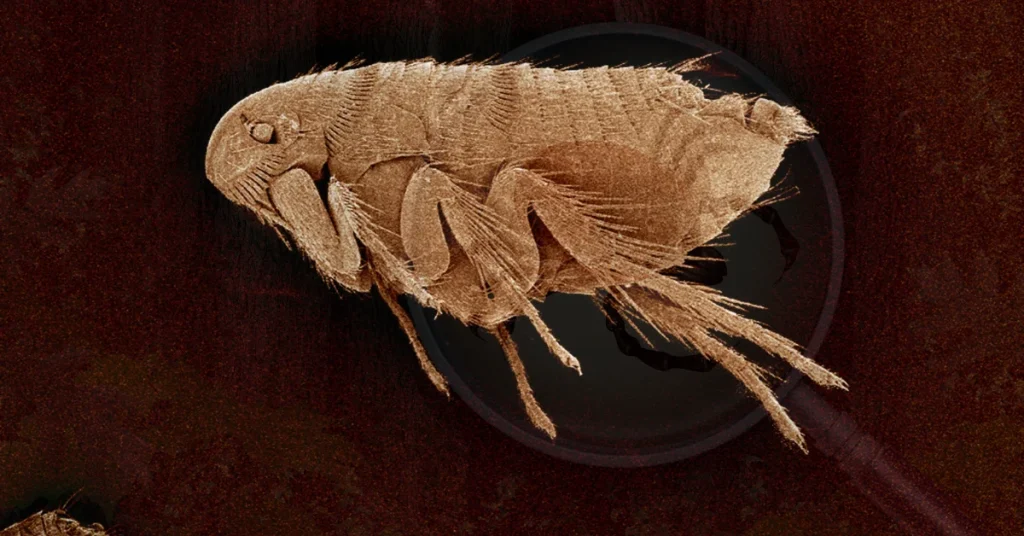
Suitable Environment: Fleas thrive in warm, humid environments and are commonly found in homes with pets, as they live off the blood of animals. They can also live in carpets, bedding, and cracks in floors.
Potential Threats: Fleas can cause itchy bites and lead to flea allergies in both pets and humans. They can also spread diseases like the bubonic plague and murine typhus.
Control Measures: Regularly treat pets for fleas with medications or flea collars, vacuum carpets frequently, and wash bedding regularly. Flea treatments for your home may also be necessary.
Bed Bugs
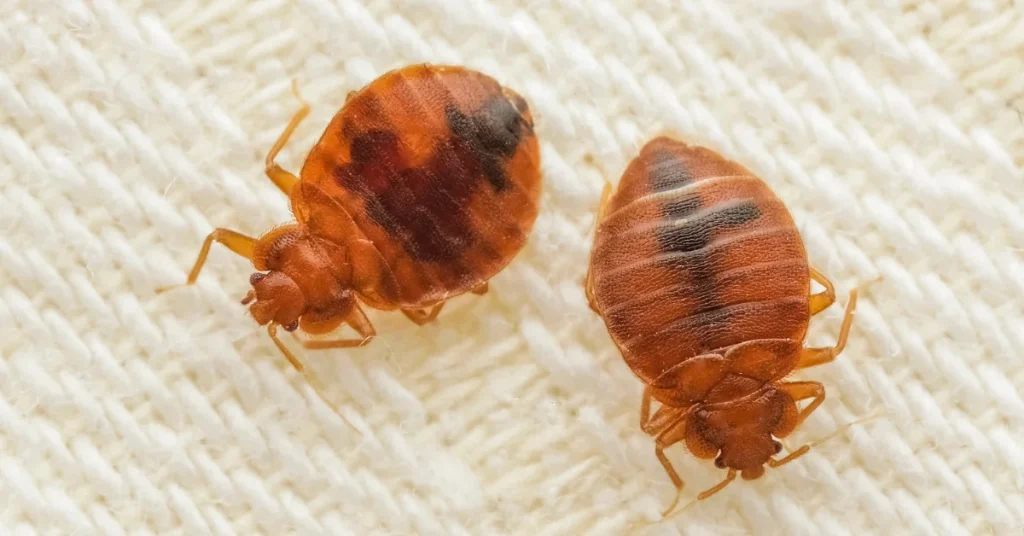
Suitable Environment: Bed bugs are nocturnal and prefer to live in places where people sleep, such as beds, furniture, or cracks in walls. They are common in Florida due to the high travel traffic.
Potential Threats: Bed bugs bite and feed on human blood, causing itchy, red welts. While they are not known to spread diseases, their bites can cause allergic reactions and sleeplessness.
Control Measures: To control bed bugs, inspect furniture and bedding regularly, wash bedding in hot water, and use bed bug covers. Professional pest control services are often required for severe infestations.
Spiders (Brown Recluse, Black Widow)
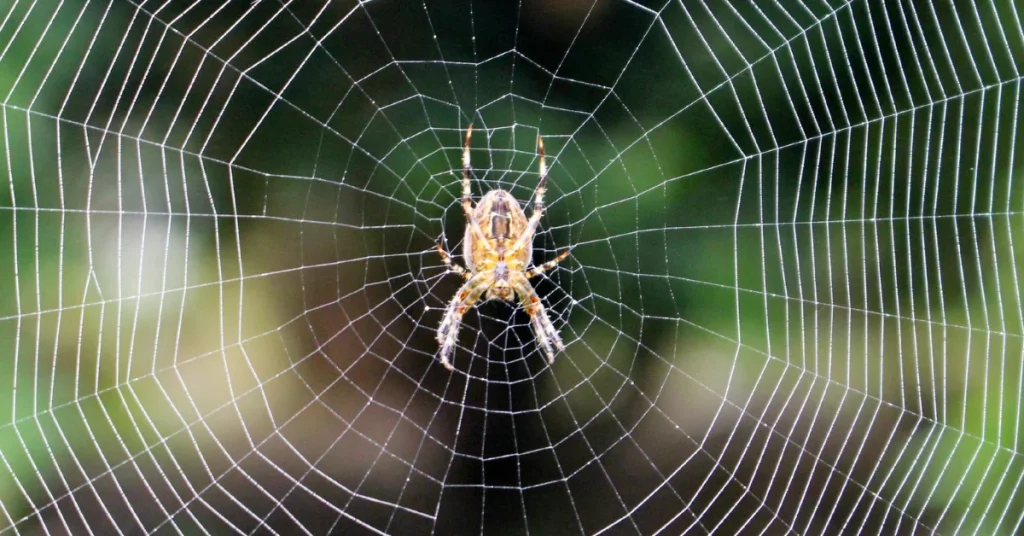
Suitable Environment: Spiders, such as the brown recluse and black widow, prefer dark, undisturbed areas like basements, attics, or closets. Florida’s warm climate allows them to thrive year-round.
Potential Threats: While most spiders are harmless, the brown recluse and black widow are venomous. Their bites can cause severe reactions, including muscle pain, nausea, or even death in extreme cases.
Control Measures: Keep your home free of clutter, especially in dark areas where spiders like to hide. Use spider repellents, seal cracks, and remove webs regularly. In cases of venomous spider sightings, consider professional pest control.
Fruit Flies
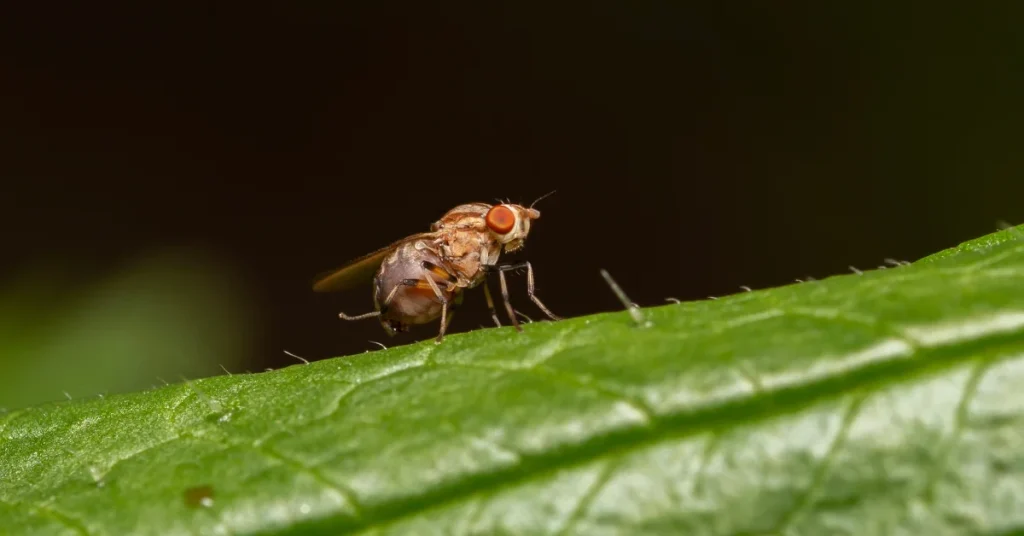
Suitable Environment: Fruit flies are attracted to rotting or fermenting fruits, vegetables, and other organic materials. Florida’s warm weather helps them reproduce quickly.
Potential Threats: While fruit flies are not dangerous, they can contaminate food with bacteria and cause a nuisance in kitchens and restaurants.
Control Measures: Keep your kitchen clean, discard overripe fruits and vegetables, and use fly traps or apple cider vinegar to attract and trap them.
Stinging Insects (Bees, Wasps, Hornets)
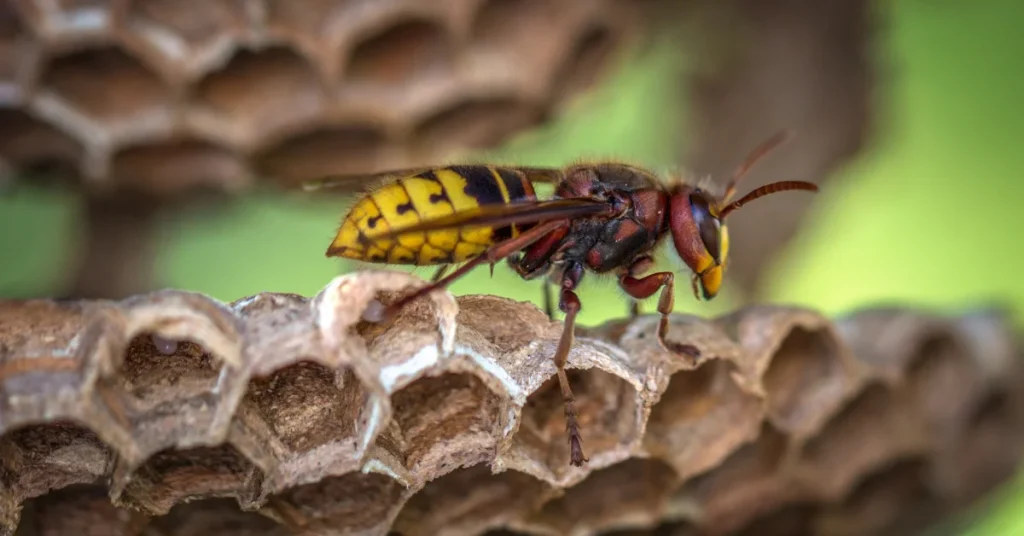
Suitable Environment: Stinging insects, like bees and wasps in florida, build nests in sheltered areas, such as eaves, trees, or under decks. Florida’s warm climate makes it easy for them to thrive.
Potential Threats: These insects can sting when threatened, causing pain, swelling, or allergic reactions. In some cases, stings can lead to life-threatening anaphylactic shock.
Control Measures: Avoid disturbing nests, and hire a professional to remove them if found near your home. Keep food covered outdoors, and use insect repellents to deter them.
Rodents (Rats, Mice)
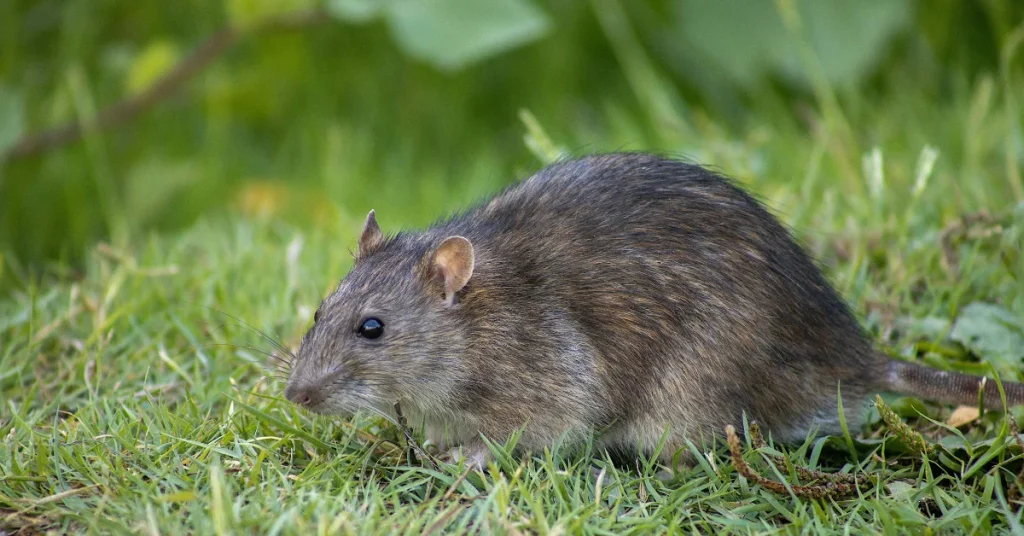
Suitable Environment: Rodents prefer dark, sheltered areas like attics, basements, or behind walls. Florida’s mild winters make it an ideal place for rodents to stay active year-round.
Potential Threats: Rodents can chew through wires, insulation, and furniture. They can also spread diseases such as leptospirosis, hantavirus, and salmonella.
Control Measures: Seal entry points around your home, store food in sealed containers, and set traps. Professional pest control services can help with larger infestations.
Lizards (Green Anole)
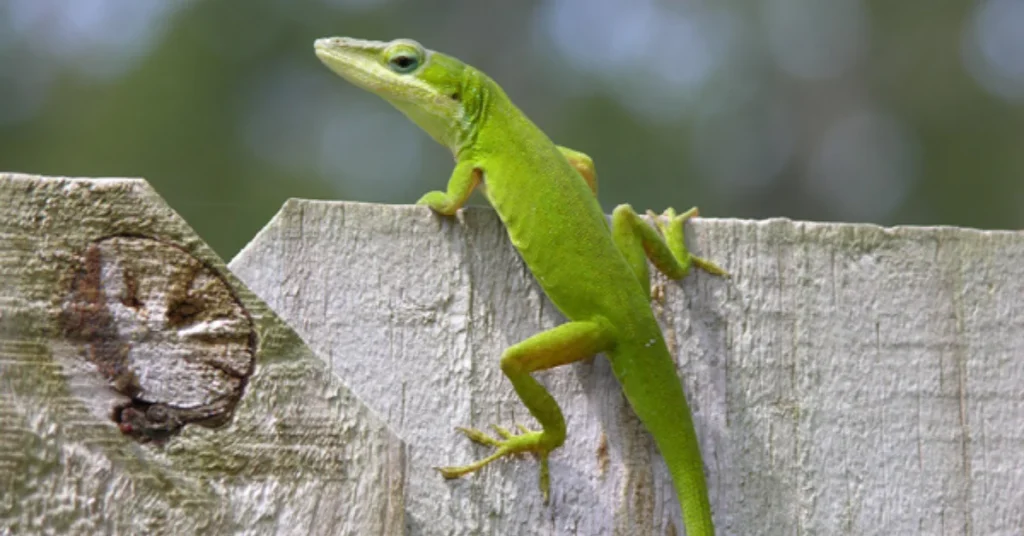
Suitable Environment: Lizards, like the Green Anole, are common in Florida’s warm and sunny outdoor environments. They are often seen in gardens, trees, and along fences.
Potential Threats: While generally harmless, some lizards can damage plants or make a mess in gardens. They can also become a nuisance if they get inside your home.
Control Measures: To prevent lizards from entering, seal gaps in windows and doors. They can be controlled naturally by keeping your yard free of insects, as lizards feed on them.
Snakes (Eastern Diamondback Rattlesnake)
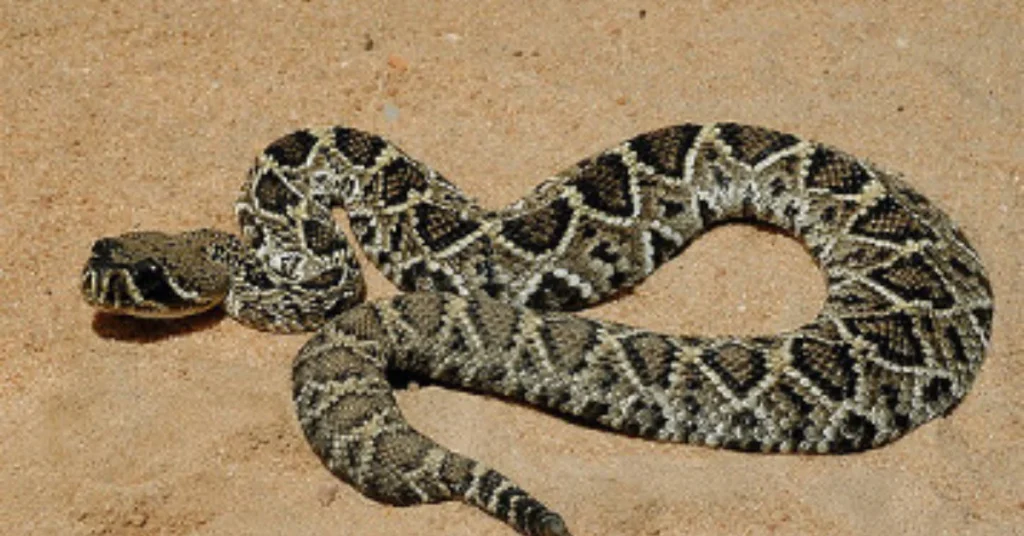
Suitable Environment: Snakes are often found in wooded, grassy areas or near water sources. Florida’s diverse ecosystems, including forests and swamps, provide ideal habitats for snakes.
Potential Threats: Some snakes in Florida, like the Eastern Diamondback Rattlesnake, are venomous and can pose a risk to humans and pets.
Control Measures: Keep yards clear of tall grass, rocks, and debris where snakes may hide. If you spot a snake, do not approach it and contact wildlife professionals for safe removal.
Bats
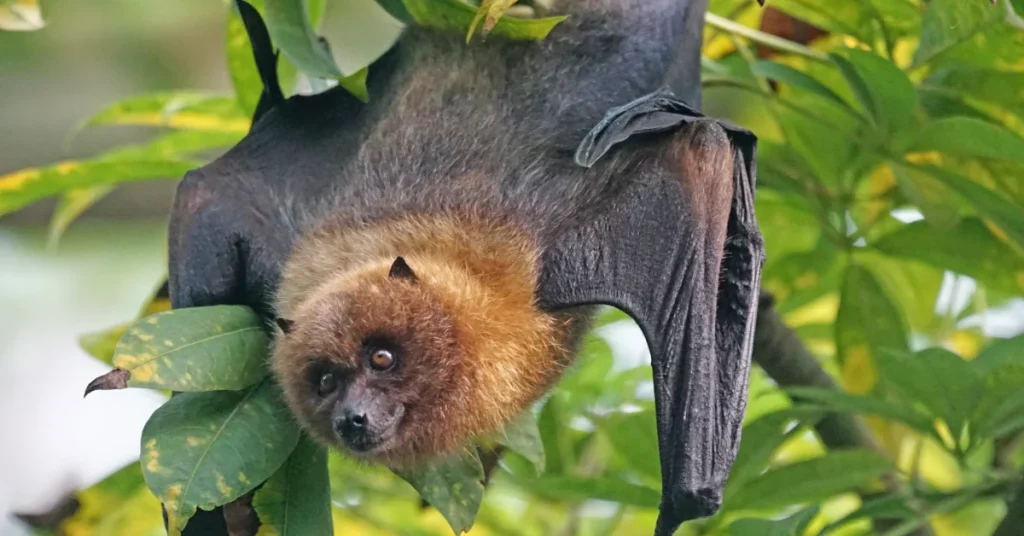
Suitable Environment: Bats prefer dark, secluded areas like attics, caves, or hollow trees. Florida’s warm climate allows bats to be active throughout the year.
Potential Threats: Bats can carry diseases like rabies and histoplasmosis, a fungal infection from bat droppings.
Control Measures: Seal gaps around your home to prevent bats from entering. If bats are inside, contact a professional to remove them safely.
Sow Bugs (Pill Bugs, Roly-Polies)
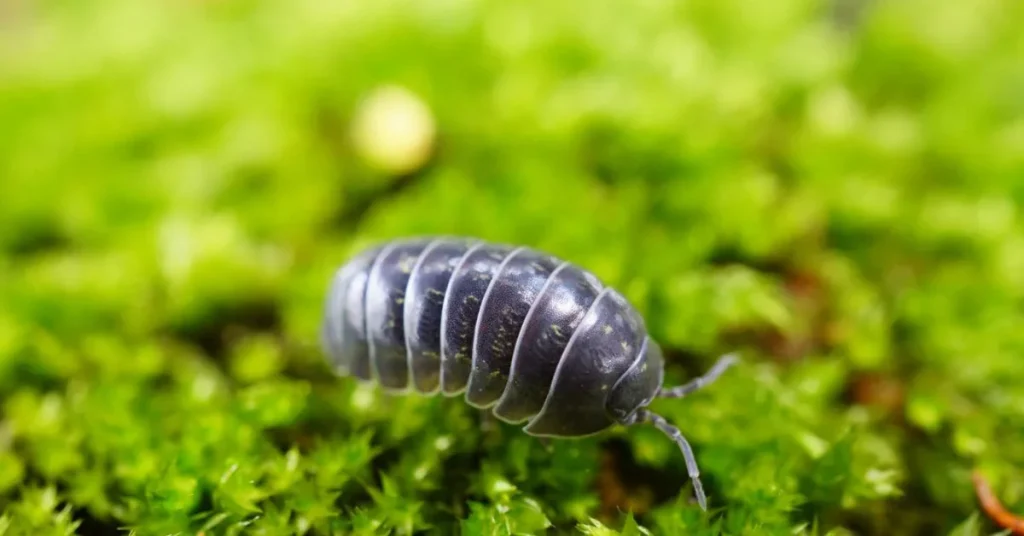
Suitable Environment: Sow bugs prefer damp, dark environments like gardens, basements, or under mulch. Florida’s humidity makes it a perfect habitat for them.
Potential Threats: While sow bugs are harmless to humans, they can damage plants by feeding on decaying organic matter and tender plant roots.
Control Measures: Reduce moisture around your home, remove leaf litter and decaying wood, and create barriers to keep them out.