35 Garden Edge Ideas (Simple, Modern & Raised Edging Ideas)
A clean edge gives shape to your garden beds, keeps soil and mulch in place, and stops grass from spreading where it shouldn’t. Without edging, even a well-planted garden can look messy and unfinished. With the right edging, the same space feels neat, balanced, and thoughtfully designed.
Garden edging does not have to be expensive or complicated. Its not difficult to create beautiful borders using simple materials, recycled items, or modern designs that match today’s outdoor trends. Whether you have a small backyard, a front lawn, a raised bed, or a modern landscape, there is an edging style that fits your needs and budget.
Edging also helps with maintenance. It makes mowing easier, reduces weeding and protects plant roots from foot traffic. In raised and modern gardens, edging adds structure and height, while in simple gardens, it blends naturally into the landscape. Some edging ideas focus on looks, while some focus more on function. The best ones do both.
Simple Garden Edging Ideas (10 Best)
Natural Trench Edging

This is one of the simplest and oldest edging methods. A shallow trench is cut between the lawn and the garden bed. It creates a clean, sharp line without adding any materials. This style works best in traditional and cottage gardens where a natural look is preferred.
To maintain it, reshape the trench once or twice a year using a spade or edging tool. Keep the edge slightly sloped toward the garden bed so grass doesn’t creep in.
Brick Laid Flat Edging

Bricks laid flat along the edge of a garden bed give a simple and timeless look. This edging works well with both flower beds and vegetable gardens. It also creates a mowing strip, making lawn maintenance easier.
Set the bricks level with the soil to avoid tripping hazards. Use sand underneath for stability and keep gaps tight to prevent weeds.
Stone Border Edging

Loose natural stones create a soft, organic border that fits well in relaxed gardens. This edging is easy to install and works well around curved beds. Stones also help retain soil and mulch during rain.
Choose stones of similar size for a balanced look. Partially sink them into the soil so they stay in place. This edging pairs nicely with ornamental grasses and flowering perennials.
Wooden Log Edging

Short wooden logs or branches placed upright make a charming, natural border. This edging is perfect for informal gardens and blends well with greenery. It’s also a good way to reuse fallen branches.
Treat the wood to slow down rotting, especially in wet areas. Keep logs tightly placed together for a clean line. This style looks great around herb gardens and small flower beds.
Gravel Strip Garden Edging

A narrow strip of gravel between lawn and garden bed creates a clean and simple edge. It improves drainage and reduces weed growth. Gravel edging works well in dry and low-maintenance gardens.
Use landscape fabric underneath to stop weeds. Choose gravel color that matches your garden theme.
Mulch Edge Border

Mulch can act as a soft, natural edge when kept neatly shaped. This is ideal for seasonal beds where flexibility is needed. It also improves soil health over time.
Refresh the mulch regularly to keep the edge defined. Use darker mulch for stronger contrast with the lawn. This edging is easy to change and adjust as plants grow.
Recycled Tile Edging

Broken tiles or ceramic pieces can be partially buried to create a simple edge. This adds subtle color and interest without being too bold. It works best in small areas.
Place tiles evenly and smooth sharp edges. Keep heights consistent for a tidy look. This edging suits creative and eco-friendly gardens.
Plant-Based Garden Edging

Low-growing plants like dwarf boxwood or lavender create a living edge. This softens the border and adds fragrance or greenery year-round.
Choose slow-growing plants to reduce trimming. Keep spacing even for a clean line. This edging needs care but looks very elegant once established.
Metal Strip Edging (Simple Install)

Thin metal strips create a subtle and clean edge without dominating the garden. They are flexible and great for curved designs.
Install them slightly below soil level so only the edge shows. This keeps the look simple and tidy. It works well in both traditional and modern gardens.
Concrete Curb Edging

Concrete curb edging gives a strong and clean border. It works well along lawns, flower beds and pathways. Even a basic hand-shaped concrete edge can instantly make a garden look more organized and long-lasting.
To keep it simple, use straight or gently curved lines without patterns. Pour concrete into a shallow trench and smooth it with a trowel. Let it cure properly before watering nearby plants. This edging is low-maintenance and lasts for years.
Inexpensive Garden Edging Ideas
Pallet Wood Edging

Old pallets can be broken into planks and used as simple edging boards. This gives a rustic look and costs almost nothing. It works well for vegetable gardens and backyard beds.
Sand rough edges and treat the wood to slow decay. Install planks vertically or horizontally depending on the style you prefer. Keep them low to maintain simplicity.
Corrugated Metal Sheets

Scrap corrugated metal sheets make strong and affordable edging. They are especially useful for long borders and raised edges on a budget. The wavy texture adds visual interest.
Cut sheets to equal height and secure them firmly in the soil. Wear gloves during installation. This edging suits industrial and farmhouse-style gardens.
Old Roof Tiles Edging

Leftover roof tiles can be reused as garden edging. When placed slightly angled, they create a decorative yet functional border. This works well in traditional gardens.
Set tiles firmly so they don’t tip over. Keep spacing even for a clean look. This edging helps reduce waste.
Bamboo Stick Garden Edging

Bamboo sticks are affordable and easy to install. They give a natural and lightweight border, perfect for small flower beds and paths.
Tie sticks together or place them individually into the soil. Choose treated bamboo for longer life. This edging blends well with tropical plants.
Check: Bamboo Fence Ideas
Broken Concrete Pieces (Urban Style)

Broken concrete slabs or pavers can be reused for edging. This gives a rugged and modern look while saving money. It’s ideal for informal or urban gardens.
Arrange pieces with flat sides facing outward. Sink them partially into the ground for stability. This edging works best if looking for inexpensive garden edging.
Rope and Stake Edging

Rope tied between wooden stakes is a very low-cost garden edging solution. It visually defines garden areas without digging or materials.
Use strong rope and space stakes evenly. This edging is best for decorative purposes and temporary layouts.
Brick Offcuts or Broken Bricks

Brick offcuts or broken bricks are often available cheaply from construction sites or leftover projects. When placed along garden edges, they create a sturdy and classic border without the cost of new materials. This edging works well for flower beds and pathways.
Lay the bricks flat or stand them on edge depending on the look you want. Sink them slightly into the soil for stability and safety. Keep the line straight or gently curved for a neat finish. This edging lasts long and needs little maintenance.
Wooden Plank Scrap Edging

Scrap wooden planks from old furniture or construction projects can be reused as simple edging. This is a low-cost way to define garden beds while adding a warm, natural touch. It suits vegetable gardens and backyard landscapes.
Cut planks to the same height and install them vertically or horizontally. Treat the wood with sealant to protect it from moisture. Keep the boards low for a clean and simple look. This edging is easy to replace if damaged.
Modern Garden Edging Ideas
Steel Metal Strip Edging

Steel strip edging is one of the most popular modern choices. It creates sharp, clean lines that clearly separate lawn and garden beds. This edging blends well with minimalist landscapes and modern homes.
Install the strips slightly below soil level so only the top edge is visible. This keeps the look neat and safe. Steel edging is flexible, so it works well for both straight and curved designs.
Concrete Block Edging

Concrete blocks give a structured and bold modern look. They are strong, durable, and easy to arrange in straight lines. This edging works well in contemporary front yards.
Place blocks evenly on a compacted base to avoid shifting. Choose smooth or light-colored blocks for a modern feel. You can also use them as low seating edges.
Black Aluminum Edging


Black aluminum edging adds contrast and elegance to garden borders. It stands out against greenery while keeping the design simple. This style is common in modern and urban gardens.
Install it flush with the ground to keep attention on plants. Aluminum does not rust, making it a long-lasting option. It pairs well with gravel and ornamental grasses.
Poured Concrete Edge with Smooth Finish


A smooth poured concrete edge gives a seamless and modern appearance. It looks clean and professional, especially along straight pathways and lawns.
Keep the design simple without stamps or textures. Neutral grey tones work best for modern gardens. This edging is permanent and requires little upkeep.
Corten Steel Edging

Corten steel develops a natural rust-like finish that adds warmth to modern gardens. It creates a strong contrast with green plants and stone surfaces.
This edging is ideal for contemporary designs with natural elements. Install it firmly, as it becomes a permanent feature. It works especially well with gravel beds.
Stone Slab Edging (Straight Cut)

Large stone slabs with straight edges give a sleek and high-end look. This edging suits modern gardens with simple plant choices and open space.
Lay slabs level with the ground for a smooth transition. Choose uniform stone color for consistency. This edging looks great along walkways.
Raised Metal Frame Edging

Metal frames slightly raised above soil level give a bold modern look. They clearly define planting areas and add depth to the design.
Use this edging for feature beds or decorative plants. Keep lines straight and materials consistent. It works well in small modern gardens.
LED-Integrated Edging

Modern edging can also include lighting. LED strips installed along garden edges add safety and nighttime beauty. This is popular in modern homes.
Choose warm white lights for a soft glow. Keep wiring hidden for a clean finish. This edging works best along paths and patios.
Concrete and Gravel Combo Edging

Combining concrete edges with gravel creates contrast and texture. This modern look is low maintenance and visually clean.
Use concrete for structure and gravel for softness. Keep colors neutral. This edging suits dry and low-water gardens.
Minimalist Wooden Sleeper Edging

Wooden sleepers used in straight lines give a warm modern touch. This style balances natural material with clean design.
Use treated wood for durability. Keep sleepers low and evenly spaced. This edging works well in modern family gardens.
Raised Garden Edging Ideas
Wooden Raised Bed Edging

Wooden raised edging is one of the most popular choices for gardens. It lifts the soil level, improves drainage, and clearly separates plants from the lawn. This type of edging works very well for vegetables and flowers.
Use treated timber to prevent rot and install boards firmly at the corners. Keep the height between 6–12 inches for easy maintenance. This edging also helps keep soil warm in cooler months.
Stone Raised Border Edging
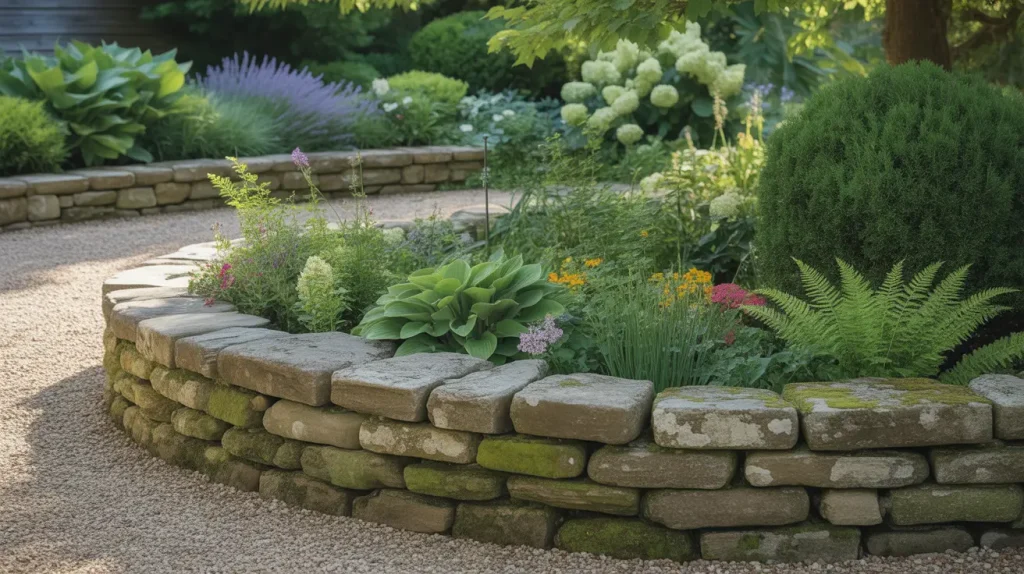
Stone raised edging adds strength and a natural look at the same time. It is perfect for long-term garden designs and slopes where soil erosion is a problem.
Stack stones carefully and level each layer. Choose stones of similar size for stability. This edging looks beautiful with perennials and shrubs.
Brick Raised Edging

Brick raised edging gives a neat and traditional feel while lifting the garden bed. It is durable and works well in both front and back gardens.
Lay bricks with mortar for a permanent finish or dry-stack for flexibility. Keep lines straight for a clean look. This edging holds soil well and reduces mess.
Metal Raised Bed Frames

Metal raised frames are strong, modern, and long-lasting. They resist rot and pests, making them ideal for vegetable gardens.
Install frames on level ground and fill with quality soil. Choose galvanized or coated metal for durability. This edging gives a clean and professional look.
Gabion Raised Edging


Gabion edging uses wire cages filled with stones. It creates a bold and modern raised edge while allowing good drainage.
Fill cages evenly and secure them well. This edging is great for contemporary gardens and sloped areas. It also acts as a retaining wall.
Railway Sleeper Raised Edging

Railway sleepers create a strong and bold raised edge. They are best for large gardens and heavy planting.
Place sleepers firmly and check alignment. Use reclaimed sleepers carefully and avoid treated ones near vegetables. This edging gives a rustic yet structured look.
Raised Stone and Wood Combo Edging

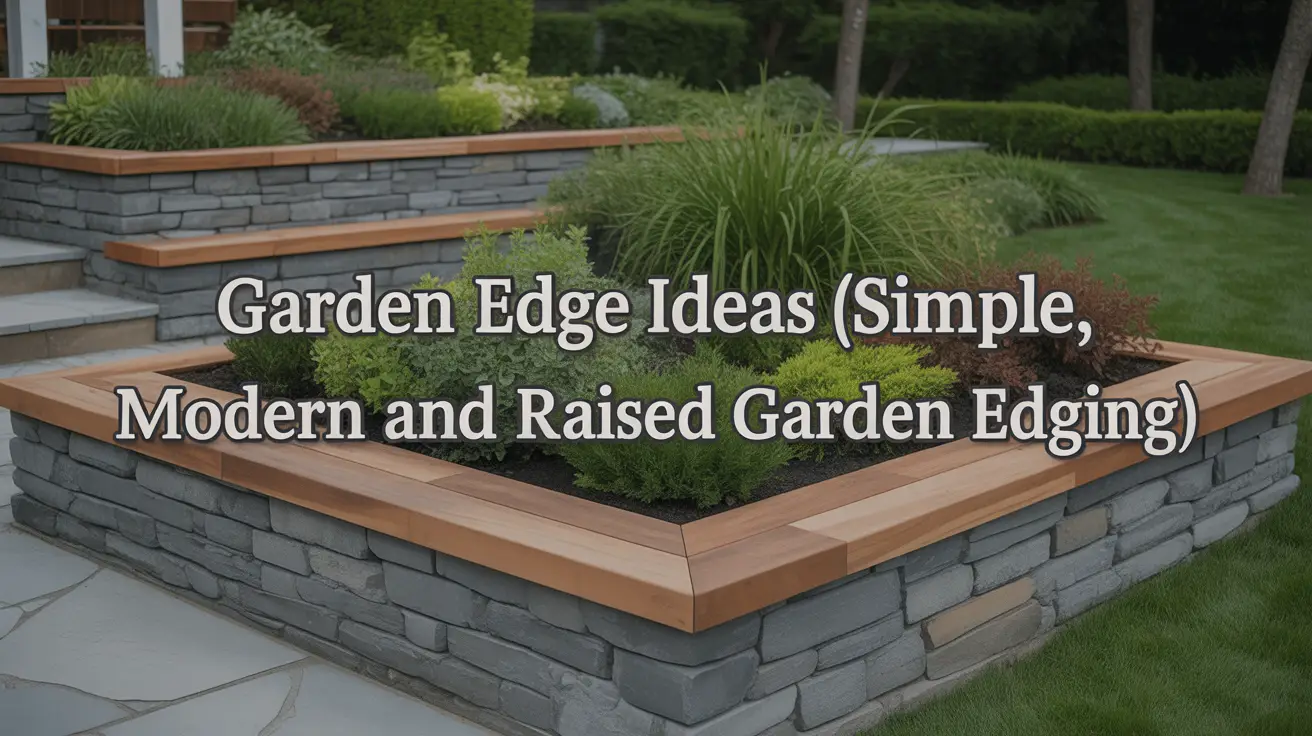
Combining stone at the base with wood on top creates a strong and attractive raised garden edge. The stone provides stability and drainage, while the wood adds warmth and height. This edging works very well for mixed flower beds and ornamental gardens.
Place stones firmly at ground level and secure wooden boards above them. Use treated wood to prevent decay. Keep the height moderate so it doesn’t overpower plants.
I hope you liked garden edge ideas. Happy Gardening!