How To Grow Petunias (A Beginner’s Guide)
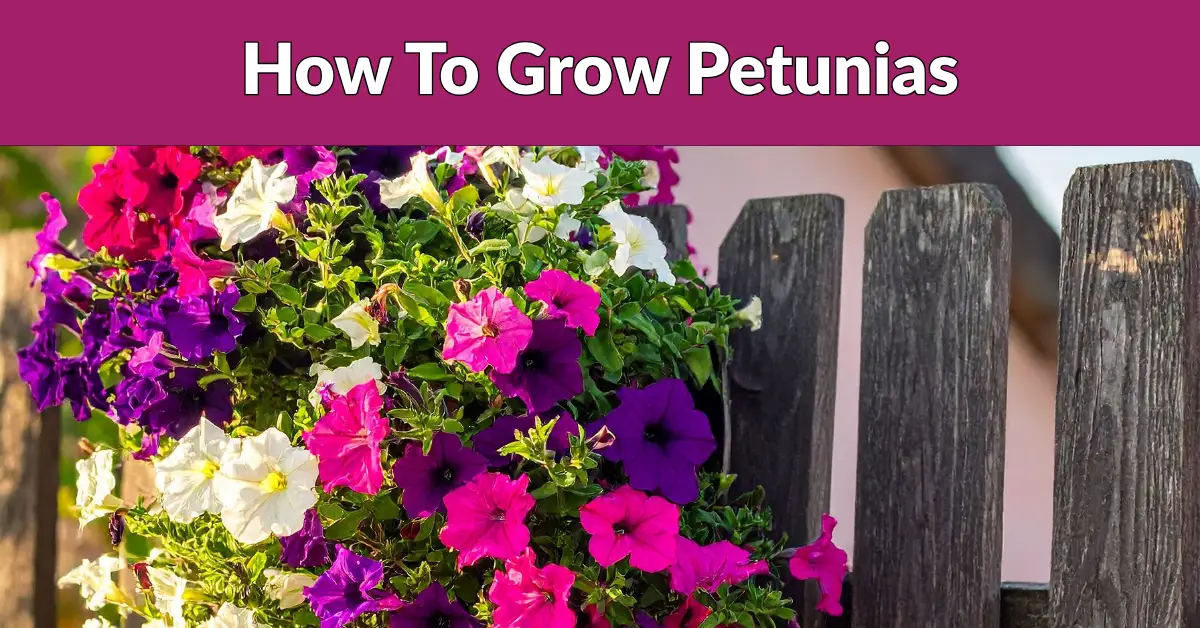
Petunias come in a full spectrum of colors and shapes. They are bright, cheerful and very easy to grow. You can plant them in the ground, in pots, in hanging baskets, or along borders. Once they start blooming, they keep flowering for months. That is why many gardeners choose petunias for long-lasting summer color.
They come in many colors like pink, purple, white, red, and even striped patterns. These flowers can quickly fill empty spaces and make your garden look full and lively. Even beginners can grow them successfully with just a little attention.
In this guide, you will learn how to grow petunias step by step, the best soil and sunlight for healthy plants, how to water and feed them properly, and simple tricks to keep them blooming all season. You will also learn how to grow petunias in pots, how to avoid common mistakes, and how to fix problems like leggy plants or fewer flowers.
With the right care, petunias will reward you with nonstop blooms from spring until late fall. Let’s get started.
Understanding Petunias Before Planting
Petunias are warm-season annual flowers. They grow, bloom and complete their life cycle in one season. They love sunshine and perform best in warm weather.
There are two main growth styles:
- Mounding types grow upright and look great in beds.
- Trailing types spread and cascade, perfect for baskets and containers.
Petunias grow quickly. After planting, they start spreading and produce buds within a few weeks.
| Type | Best Use | Special Feature |
|---|---|---|
| Grandiflora | Garden beds | Large showy flowers |
| Multiflora | Borders | Tough and weather resistant |
| Wave/Spreading | Groundcover | Fast spreading growth |
| Trailing | Hanging baskets | Cascading effect |
Choosing the Right Spot for Petunias
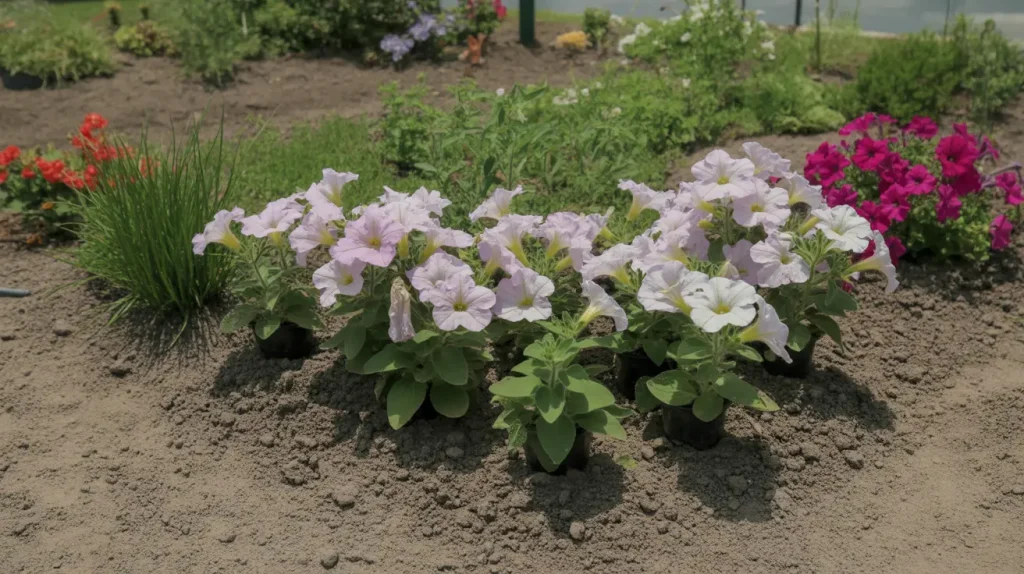
Petunias are versatile flowers typically grown as annuals in zones 2-8, but thrive as perennials in USDA Zones 9-11. These plants need plenty of direct sunlight each day (at least 6–8 hours) to produce strong growth and abundant flowers. When planted in shady areas, they become weak and produce very few blooms.
Petunias thrive in temperatures between 55°F and 76°F (13-24°C).
Preparing the Soil Before Planting
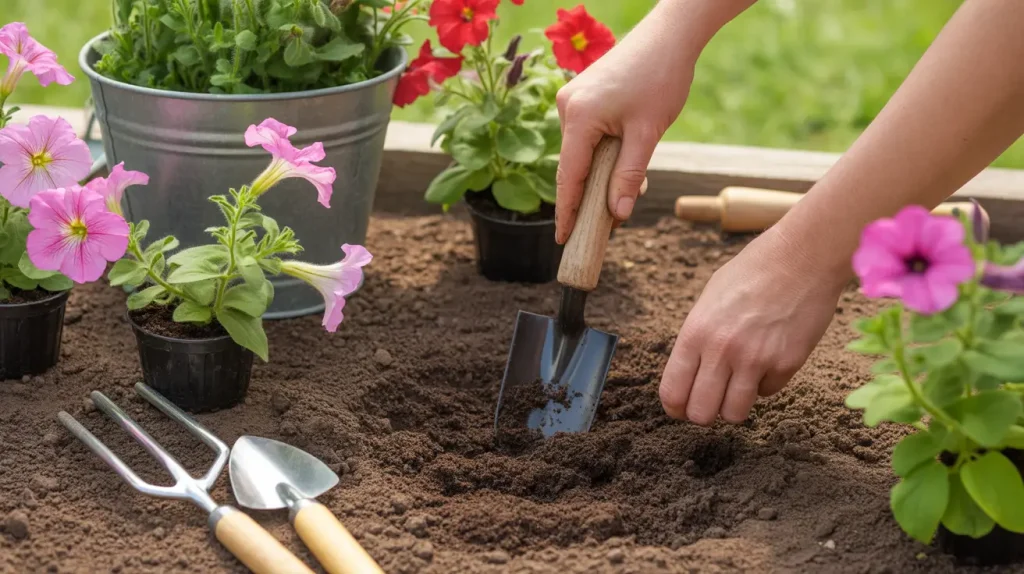
Healthy soil is the foundation of successful petunia growth. These flowers prefer soil that drains well because soggy conditions can damage their roots. Before planting, it is helpful to mix compost or organic matter into the soil. This improves both drainage and fertility, allowing roots to grow freely.
If the soil is too heavy or compacted, loosening it will help water move through properly. Petunias do not like to sit in wet soil, but they also do not want to dry out completely. A balanced soil structure keeps them comfortable.
Planting Petunias
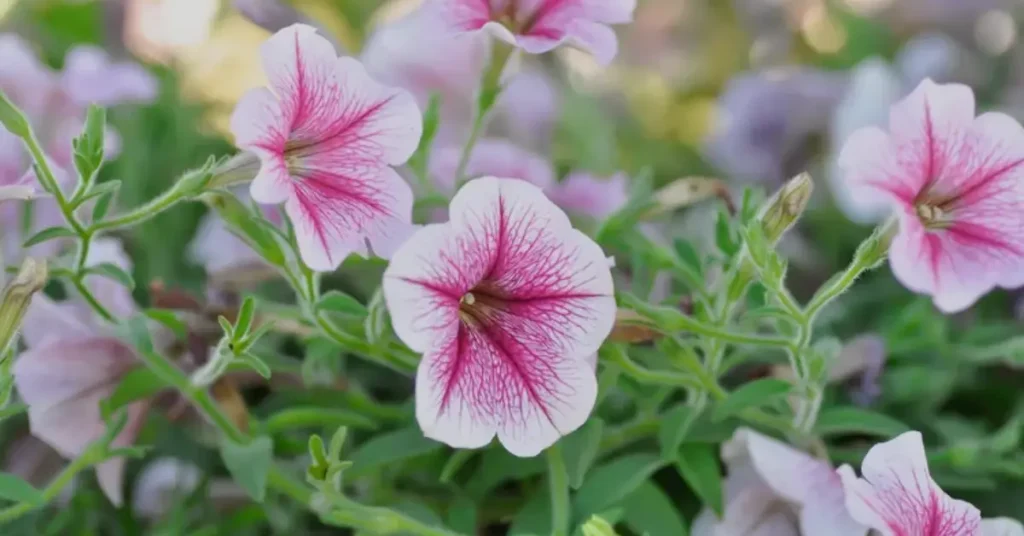
Petunias can be planted in several ways. The three main methods are using nursery-grown plants, growing from seeds and propagating from cuttings. Each method has its own benefits, and you can choose the one that fits your garden style.
Read: How To Grow Geraniums
Planting Nursery-Grown Petunias
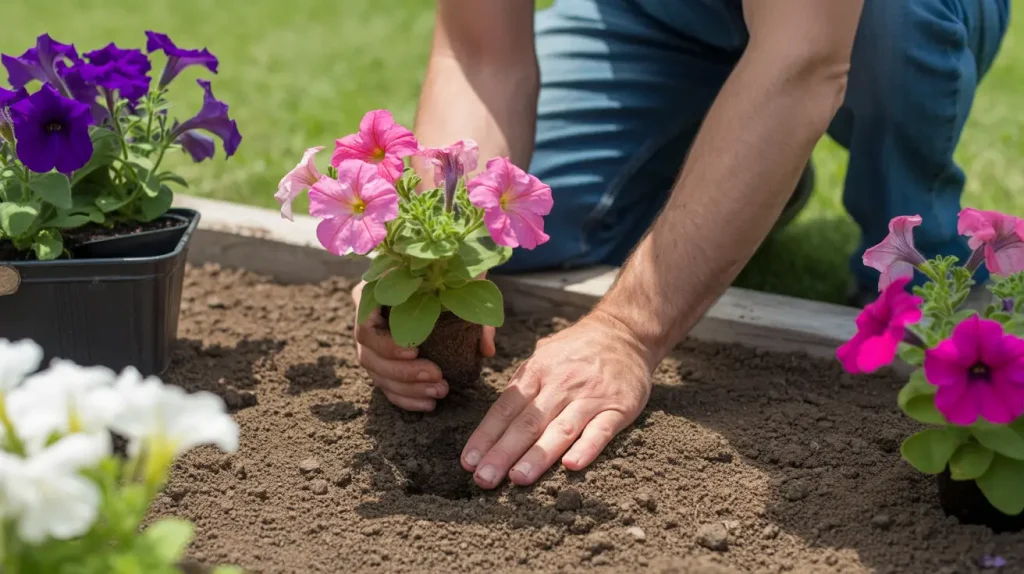
The easiest and fastest way to start is by using plants from a nursery or garden center. Simply buy the healthy petunias plants from nursery. To plant them, first prepare the soil by loosening it and mixing in compost or organic matter.
Dig a hole just slightly larger than the root ball of the plant. Place the plant carefully, fill in soil around the roots, and press lightly to remove air pockets. Finally, water thoroughly to help the plant settle in. Make sure to space each plant about 10–12 inches apart so they have room to grow and air can circulate.
Growing Petunias from Seeds
Growing petunias from seeds takes more patience. Start seeds indoors about 8–10 weeks before the last expected frost. Use a shallow tray with a light seed-starting mix. Sprinkle the seeds on top of the soil, do not cover them because petunia seeds need light to germinate.
Keep the soil slightly moist and place the tray in a bright spot, ideally with indirect sunlight or under a grow light. In about 7–14 days, seedlings emerge. When the seedlings develop a few true leaves and the outdoor temperature is warm enough, you can transplant them into your garden or containers.
Propagating Petunias from Cuttings
Another way to plant petunias is through stem cuttings. This is a great method if you want to multiply an existing plant. Take a healthy, non-flowering stem and cut a 3–4 inch piece just below a leaf node. Remove the lower leaves and dip the cut end into rooting hormone if available. Plant the cutting in a pot with moist, well-drained soil or a seed-starting mix.
Keep the soil slightly damp and place the pot in a warm, bright spot but avoid direct harsh sunlight. In 2–3 weeks, the cutting should develop roots and can then be transplanted into a larger pot or garden bed.
How To Plant Petunias in Pots

Containers give you flexibility: move them to sunnier spots, protect from heavy rain, and enjoy them on balconies, porches, or small spaces where in-ground planting isn’t possible. With the right care, petunias will bloom profusely from late spring through fall.
Best Petunia Varieties for Pots
Not all petunias perform equally in containers. Focus on spreading/trailing types for that dramatic overflow.
- Supertunia® series (especially Supertunia Vista® and Mini Vista®): These are top performers—vigorous, self-cleaning (no deadheading needed for many), disease-resistant, and excellent in large pots or baskets. Vista varieties mound up to 2 feet tall and trail 3–4 feet.
- Wave® petunias (including Easy Wave® and Shock Wave®): Classic trailers that spread aggressively and fill pots quickly. Great for solo planting in medium-large containers.
- Surfinia® or other hybrids: Similar trailing habit with prolific blooms.
For mixed pots, pair trailing petunias as “spillers” with upright varieties or companions.
Selecting Pots and the Perfect Spot
- Pot size: Go big for best results. Use 12–14 inches (or larger) diameter for 1–2 plants; 16–18+ inches for 3–5 trailing types. Larger pots hold more soil moisture and nutrients, reducing daily watering.
- Material: Plastic or resin retains moisture better than terracotta; self-watering pots are excellent for busy gardeners. Always ensure excellent drainage holes—add a layer of gravel or pot shards at the bottom if needed.
- Location: Aim for 6–8+ hours of direct sunlight daily. Petunias get leggy and bloom less in shade.
Feeding Petunias
Petunias are heavy bloomers, they need regular nutrients to continue producing flowers. Feeding them every few weeks with a balanced fertilizer helps maintain steady growth and vibrant color.
Without proper feeding, plants may slow down and produce fewer blooms. A simple fertilizing routine keeps them lush and full throughout the season.
Pruning and Deadheading Petunias
Deadheading petunias is a simple yet essential task that keeps your potted plants looking tidy and encourages continuous blooming throughout the season. To do it correctly, locate each spent or faded flower, those that have wilted, turned brown, or lost their petals. Using your thumb and forefinger (or small pruning shears/thumb pruners if you prefer a tool), pinch or snip off the entire bloom right at its base where it joins the stem.
Be sure to remove not just the petals but also the small swollen ovary or seed pod behind the flower, this is crucial because leaving it behind allows the plant to divert energy into seed production instead of forming new buds and blossoms.
Pruning or cutting back petunias helps maintain a fuller, more attractive shape, especially if your plants start looking “leggy” with long, sparse stems and fewer blooms. This happens in midsummer due to heat stress, heavy flowering, or insufficient early pinching.
When you notice legginess, grab clean shears and trim the stems back by 2–4 inches. This stimulates new branching from the lower parts of the plant, leading to denser, bushier growth and a fresh wave of flowers.
How To Keep Petunias Blooming All Season
To enjoy petunias for months, focus on three things: sunlight, feeding, and grooming. Plenty of sunshine fuels flowering, regular nutrients support growth, and occasional trimming keeps plants neat and productive.
With these simple steps, petunias can remain colorful from early spring until cooler weather arrives.
Conclusion
These flowers are forgiving, fast-growing, and incredibly generous with their blooms. By giving them sunlight, well-drained soil, proper watering, and trimming, you can enjoy a vibrant display that lasts for an entire season.
Happy Gardening!