12 Spiky Plants for Your Garden (Small, Large & Flowering)
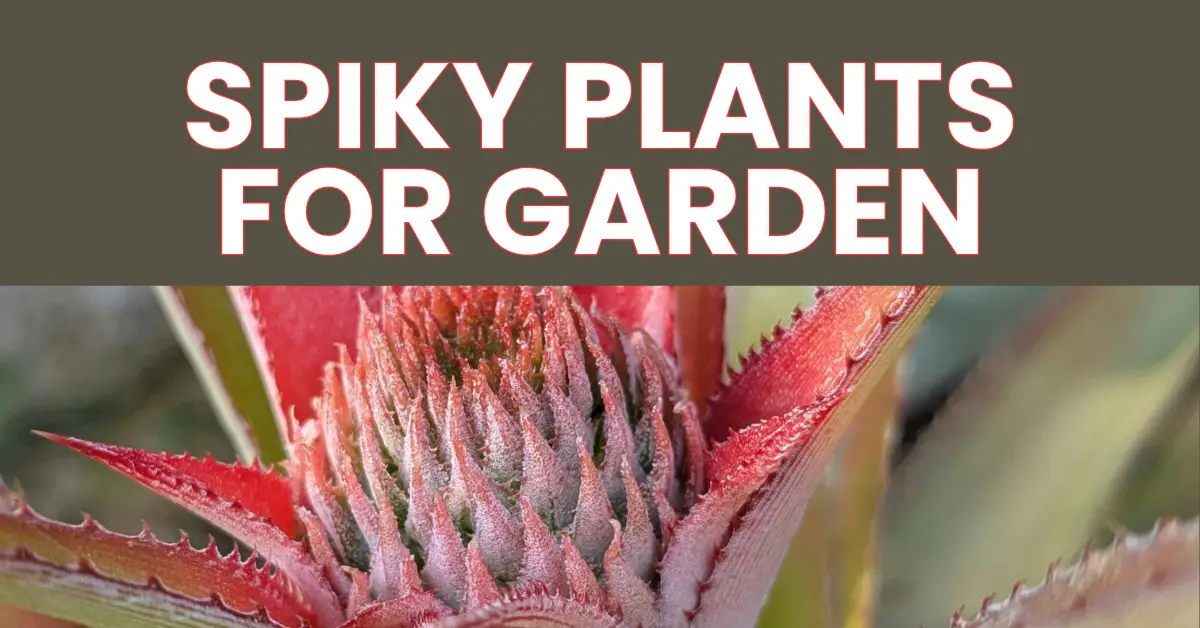
Spiky plants are plants that have sharp leaves, thorns and pointed edges. These plants grow in many parts of the world, especially in dry and hot areas. Poplar ones are agave, cactus, yucca, and aloe vera. The sharp parts protect them from animals and help reduce water loss.
One main feature of spiky plants is their ability to live with very little water. Many of them store water in their leaves or stems. Their leaves are often thick, waxy, or narrow, which helps keep moisture inside. Some also have unique shapes and colors and they add beauty to gardens.
They are low maintenance. If you are a lazy gardener who want a beautiful garden but do not have a lot of time to care for plants, than grow spiky plants. They are amazing in rock gardens, desert-style landscapes, and in pots.
They can be used as focal points or to add texture alongside softer plants. In this guide, I will share 12 best spiky plants to grow in gardens with care tips.
12 Best Spiky Plants Names
- Agave
- Cactus
- Yucca
- Haworthiopsis attenuata (Zebra Plant)
- Blue Fescue
- Sea Holly
- Crown of Thorns
- Aloe Vera
- Dracaena
- Porcupine Tomato
- Phormium
- Hechtia
Agave
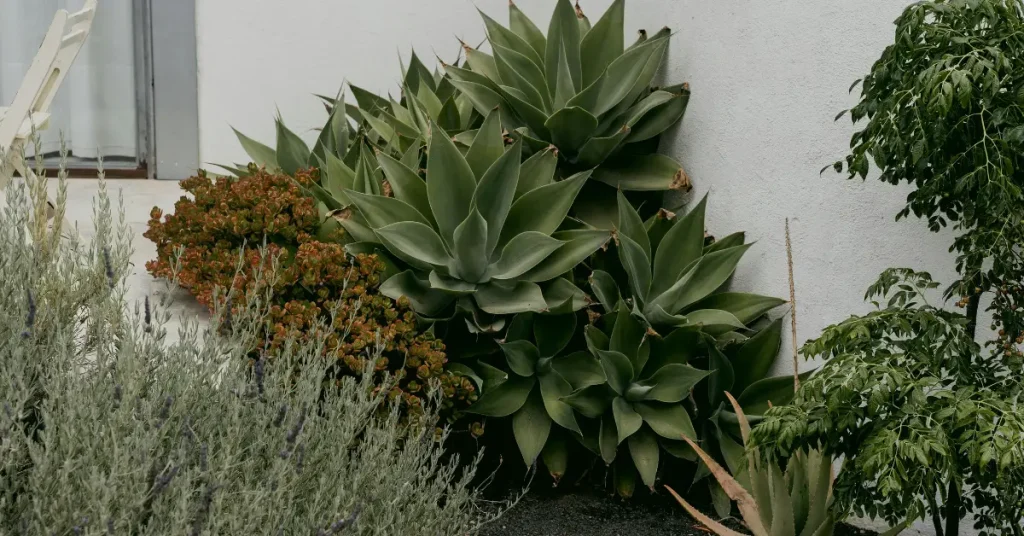
Agave plants belong to the Asparagaceae family, and they’re one of those plants that instantly give your garden a bold look. These are native to hot, dry regions like Mexico and the southwestern United States and they love the sun. Most agave varieties grow well in USDA zones 8 to 11, although some cold-hardy types are good in cooler climates. They have thick, fleshy leaves arranged in a rosette shape with sharp tips and edges, that’s their signature spiky style.
One thing I really like about agave is how low-maintenance it is. These plants store water in their leaves, so they don’t need frequent watering. Overwatering is usually the biggest mistake people make. Their colors range from deep green to blue-gray, and some even have beautiful variegation. And yes, agave does flower, but here’s the interesting part: it usually flowers only once in its lifetime, sending up a tall flower stalk.
I personally love using agave as a focal point. It fits perfectly in desert-style gardens, rock gardens, and modern minimalist landscapes. You can plant it in the ground or even in large containers. Give it well-draining soil (Ideal soil is a mixture of sandy loam, gravel, and pumice, with a slightly acidic to neutral pH. ) and plenty of sunlight (6–8 hours of direct sunlight daily).
A couple of things to keep in mind: those sharp tips can be dangerous, so avoid planting agave too close to walkways or play areas. It’s not edible in its raw form, and some species can be mildly toxic to pets, especially cats and dogs if they chew on it.
Cactus
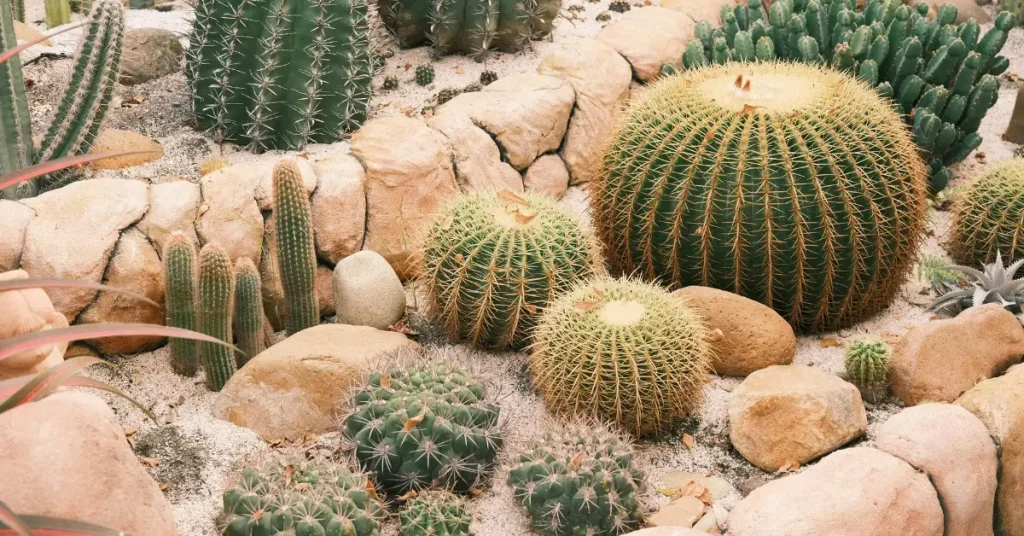
Cactus plants belong to the Cactaceae family, and they’re probably the first thing that comes to mind when you think of spiky plants. These are built for survival in extreme dry conditions, mostly found in deserts across North and South America. They do best in USDA zones 9 to 11, but many smaller varieties can easily be grown indoors or in pots in cooler regions. Instead of regular leaves, cacti have spines, which help reduce water loss and protect them from animals.
They have wide range of shapes and sizes. They have thick, fleshy stems that store water, which is why they can go long periods without watering. Many cacti produce flowers (pink, yellow, red, and white) and they look beautiful.
In landscaping, I like using cactus in desert gardens, rock gardens, or as statement plants in containers. They give a clean, modern, and slightly wild look to the space. Mix different shapes and sizes together for a really eye-catching display. Make sure they get full sun (at least 6 hours) and very well-draining soil. Remember, regular potting soil or multi-purpose composts are not suitable for growing cacti and other succulent plants, because they hold moisture for a longer period of time.
A quick tip: always be careful when handling cactus because those spines can be quite painful. Most cacti are not edible except a few like prickly pear. So, it’s best to place them in areas where kids and pets won’t accidentally brush against them.
Yucca
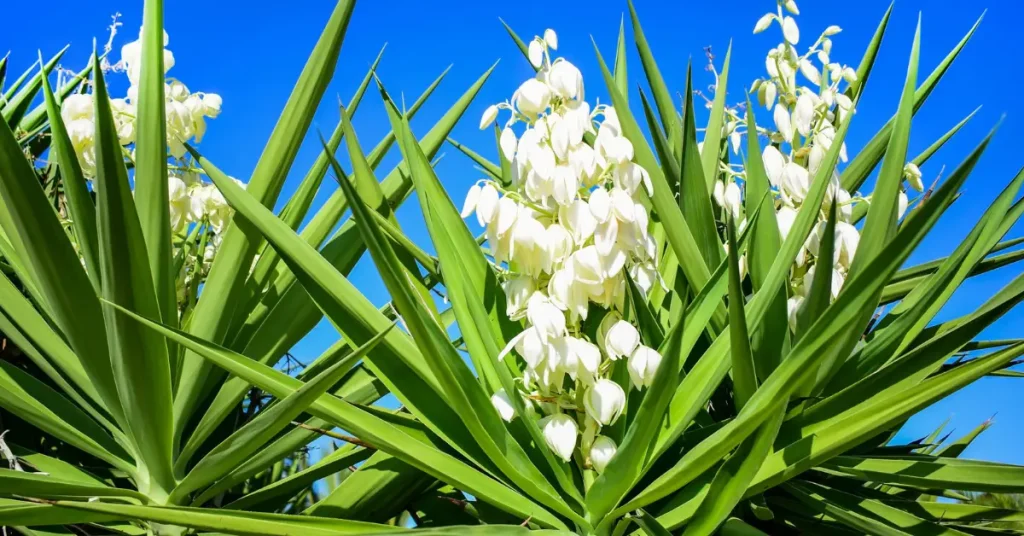
Yucca plants belong to the Asparagaceae family and they’re native to dry regions of North and Central America. Most yucca varieties grow well in USDA zones 5 to 10 and they are cold-hardy than many other spiky plants. Their long, sword-like leaves with pointed tips give them that bold, spiky appearance.
Some varieties stay compact and some can grow into tall, tree-like forms. The leaves are stiff and evergreen, so your garden keeps that structure all year round. And yucca does produce flowers, tall spikes of creamy white, bell-shaped blooms.
From a landscaping perspective, gardeners use yucca in desert-style gardens, Mediterranean landscapes, or as a statement plant near entrances.
The leaf tips can be quite sharp, so avoid planting it too close to walkways. Some parts of yucca are edible (like flowers in certain species), but generally it’s not something people grow for food. It can be mildly toxic to pets if ingested, so if you have pets that like to chew plants, it’s better to place it carefully.
Haworthiopsis attenuata (Zebra Plant)
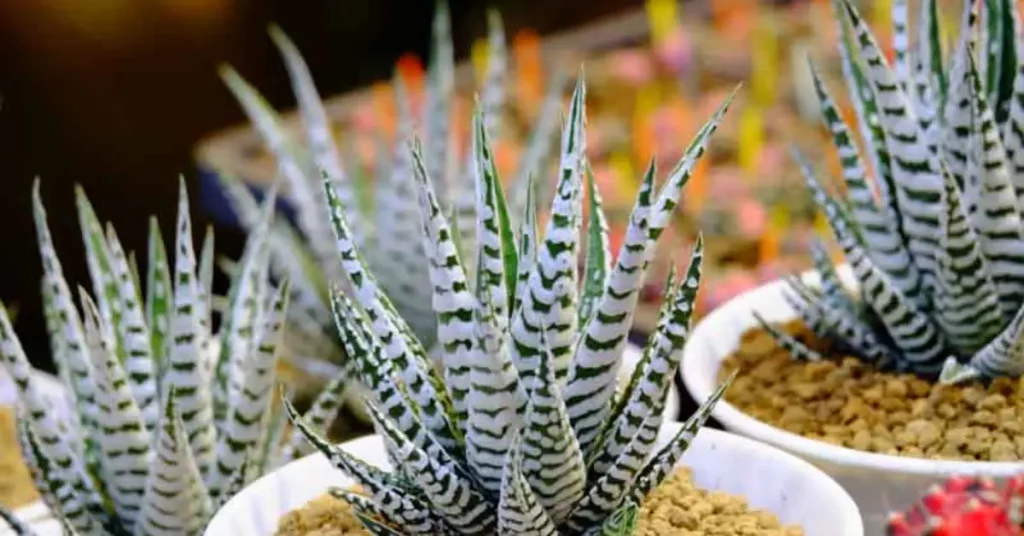
Haworthiopsis attenuata, commonly called the Zebra Plant, belongs to the Asphodelaceae family. It’s a small, compact succulent from South Africa, and honestly, it’s perfect if you want that small spiky plant. It grows best in USDA zones 9 to 11 outdoors, but most people keep it as an indoor or container plant. Its dark green leaves have raised white stripes, which give it that “zebra” pattern.
Plant is small, usually just a few inches tall, forming a neat rosette shape. The leaves are pointed but not overly sharp, so it’s much safer compared to larger spiky plants. Like other succulents, it stores water in its leaves, so it doesn’t need frequent watering. It can produce flowers, thin, tall stems with small white flowers.
It’s great for tabletops, balconies and indoor décor. If you’re designing a rock garden, you can also tuck it in between stones for a nice textured look. It prefers bright, indirect light rather than harsh direct sun.
A quick tip: don’t overwater it. It’s not edible, but generally considered non-toxic to pets and it is a big plus if you have cats or dogs around. It’s an easy to care spiky plant, you can add in your space.
Blue Fescue
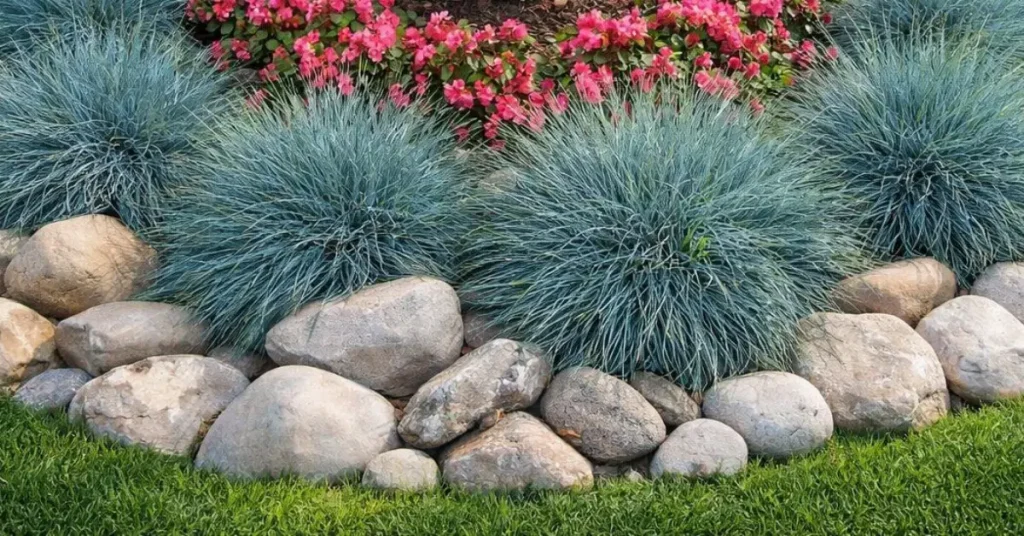
Blue Fescue belongs to the grass family, Poaceae, and it’s a really nice option if you want a softer kind of “spiky” look in your garden. It’s native to Europe and grows well in USDA zones 4 to 8. This is an ornamental grass with needle-like blue-gray leaves that form neat, rounded clumps.
The leaves are thin and pointed, but not sharp or dangerous, so it’s safe spiky plant along pathways or in family gardens. It stays compact, usually around 6 to 12 inches tall, perfect for borders or edging.
It looks great when planted in groups, creating a soft blue carpet effect. You can also pair it with flowering plants to create contrast. It prefers full sun and well-drained soil, but it can tolerate a bit of shade too.
As for care tips, avoid overly wet soil. It’s not edible but safe for pets. Every few years, you might need to divide the clumps to keep them fresh and healthy.
Sea Holly (Spiky Plant With Flowers)
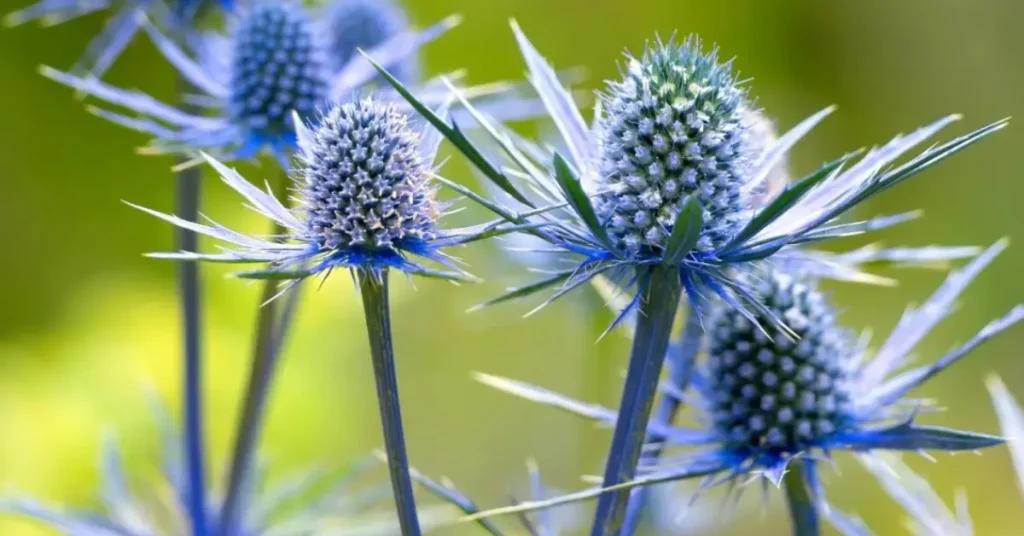
Sea Holly belongs to the Apiaceae family, it’s the same family as carrots and parsley. It’s native to coastal areas of Europe and grows well in USDA zones 5 to 9.
The leaves are stiff, pointed, and often have a metallic blue tint. But the real showstopper is the flowers. It produces cone-shaped blooms surrounded by spiky bracts, in shades of blue or purple.
From a landscaping point of view, I really enjoy using Sea Holly in coastal gardens, dry landscapes, or even modern designs where you want something a bit different. It pairs nicely with ornamental grasses and other drought-tolerant plants. Plus, it attracts pollinators like bees and butterflies, which is always a bonus.
A few tips: Sea Holly prefers full sun and well-drained, sandy soil—too much moisture can be a problem. It’s generally not considered edible for regular use, though it’s not highly toxic either. It’s also quite resistant to pests and is usually safe around pets.
Crown of Thorns (Spiky Plant With Flowers)
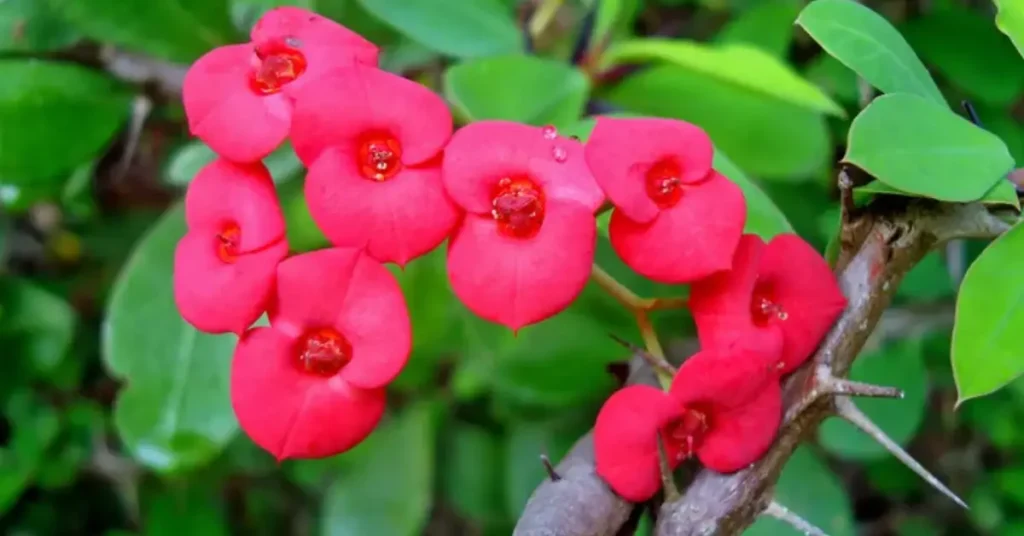
Crown of Thorns is a succulent shrub native to Madagascar. It belongs to the Euphorbiaceae family and grows best in USDA zones 9 to 11. You can easily keep it as a container plant indoors if you live in a cooler area. This plant is known for its woody stems covered in sharp thorns and it holds long-lasting flowers.
The plant has small green leaves and colorful bracts (often mistaken as flowers) that come in shades of red, pink, yellow and white.
Flowers bloom almost all year round.
I like using Crown of Thorns in containers, patios, or as part of a dry garden setup. It works well in sunny spots and adds a nice pop of color. Indoors, place it near a bright window.
A very important tip: this plant has a milky sap that can be irritating to the skin and is toxic if ingested. It’s not edible, keep it away from pets and children. Also, don’t overwater. It’s a hardy flowering plant you can add in your space.
Aloe Vera
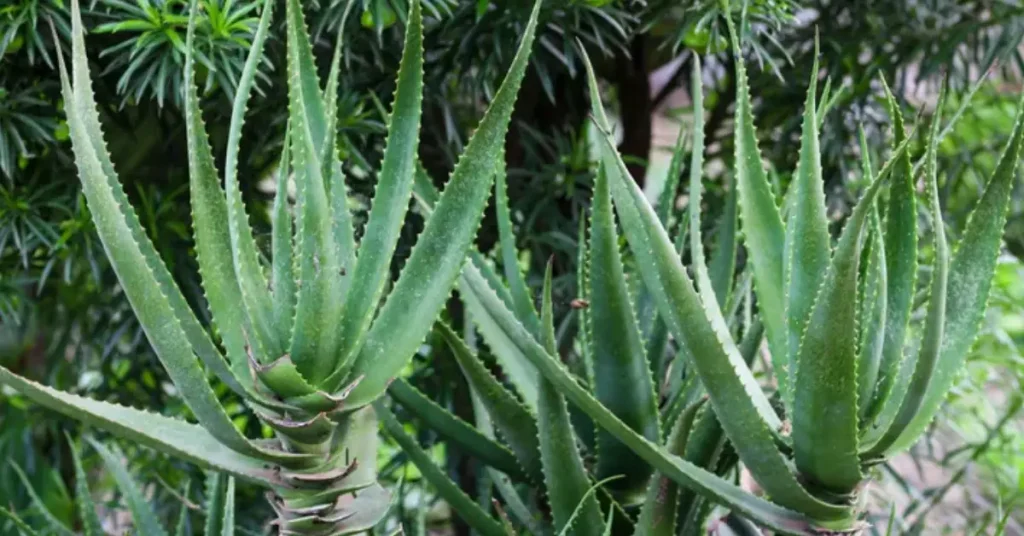
Aloe vera is one of the most popular spiky plants out there mainly because it’s both decorative and useful. It belongs to the Asphodelaceae family. It’s native to arid regions and grows well in USDA zones 9 to 11. It’s also perfect for indoor growing in pots. The plant forms a rosette of thick, fleshy green leaves with small, soft spikes along the edges.
The leaves are filled with a gel-like substance that’s widely known for its soothing and healing properties, especially for skin care. And yes, it does flower, when mature, it can send up tall stalks with tubular yellow or orange flowers, though this happens more often outdoors.
I often recommend it for patios, balconies, or kitchen windows. It needs plenty of sunlight (4–8 hours) and well-drained soil.
The gel inside is useful, not all parts of the plant are safe to eat—especially the yellow latex layer, it can be harmful if consumed. It’s also mildly toxic to pets if ingested, so keep it out of reach of cats and dogs. Water it lightly and let the soil dry out between watering.
Dracaena (Indoor & Outdoor Spiky Plant)
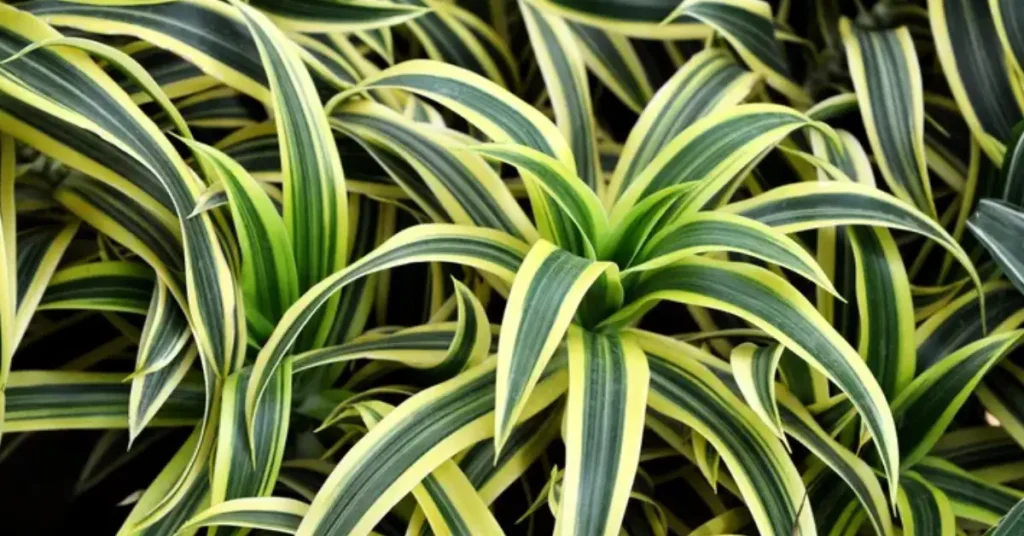
If you want a spiky, upright look, especially for indoor or semi-shaded garden spaces, add Dracaena in your space. It belongs to the Asparagaceae family.
These plants are native to parts of Africa, Asia, and Central America and most varieties do well in USDA zones 9 to 11 outdoors. But honestly, I mostly use dracaena as a houseplant or in shaded patios.
The leaves are long, narrow, and pointed. Different varieties have different characteristics, solid green leaves or beautiful striped patterns in shades of yellow, cream, or even red. It can grow as a small plant or develop into a tall, tree-like form over time. Flowering is rare indoors, but in outdoor conditions, it produces small, fragrant flowers.
Use dracaena in modern gardens, container setups, or as an accent plant in shaded areas. You can place it near entrances, along walls, or mix it with softer plants for contrast.
One important thing to remember: dracaena is toxic to pets if ingested, so keep it away from cats and dogs. It’s not edible. It’s a low-maintenance spiky plant that works well both indoors and outdoors.
Porcupine Tomato
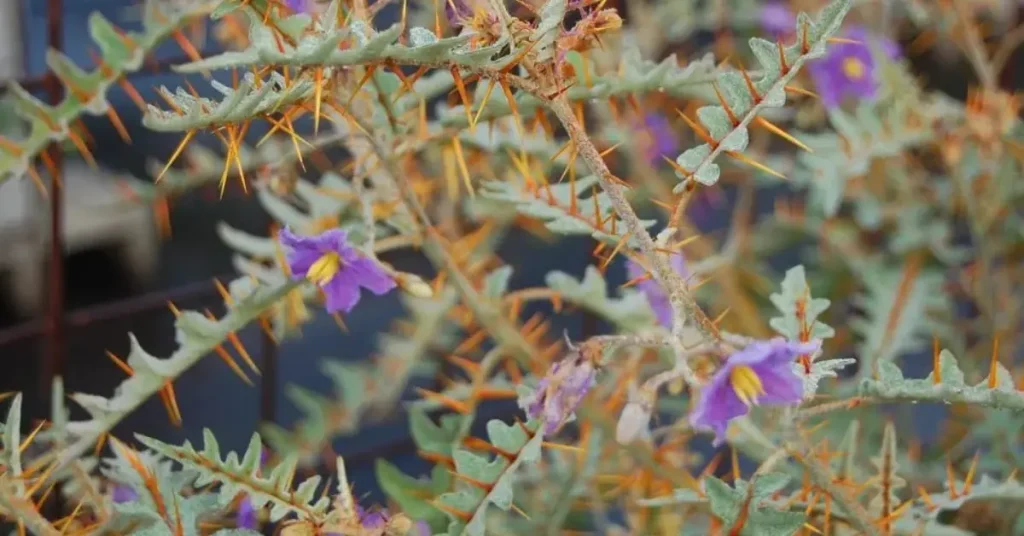
Porcupine Tomato belongs to the Solanaceae family—the same family as tomatoes and eggplants. It’s native to Madagascar and grows best in USDA zones 9 to 11. The name says it all—this plant is covered in bright orange spines on its stems, leaves, and fruits.
The leaves are large and slightly fuzzy and whole plants with sharp orange thorns. It does flower, purple, star-shaped flowers that look quite similar to regular tomato flowers. After flowering, it produces small, tomato-like fruits, but don’t dare to eat, they are not edible.
Grow Porcupine Tomato as a statement plant in bold or tropical-style gardens. It can also be grown in large containers.
A very important tip: this plant is highly toxic and not safe for pets and children. Thorns can also cause injury, so always handle it with gloves. It prefers full sun and well-drained soil.
Phormium (New Zealand Flax)
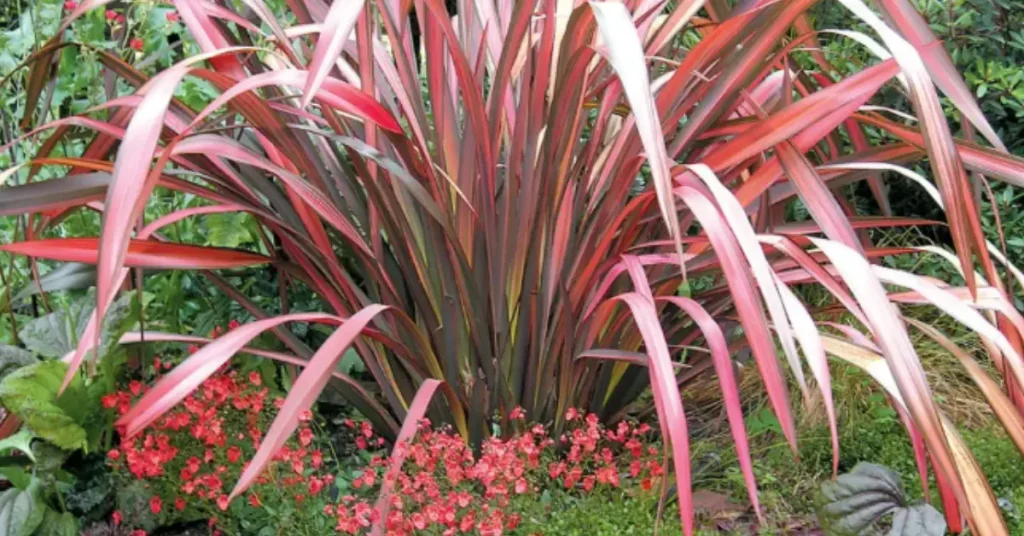
Phormium, commonly known as New Zealand Flax, belongs to the Asphodelaceae family. It’s native to New Zealand and grows well in USDA zones 8 to 11. This plant gives clean, spiky look in a flowing, grass-like form. The leaves are long, sword-shaped, and arching, with pointed tips.
What I personally like about Phormium is its variety of colors. There shades of green, bronze, red, and even striped varieties. It can grow quite large depending on the type, forming big clumps. It does flower, tall spikes with tubular flowers, usually in red or yellow tones, which attract birds and pollinators.
I recommend Phormium in modern gardens, coastal landscapes, or as a centerpiece in large containers. It works great as a border plant. You can pair it with softer plants or grasses to create a nice contrast.
A few tips: Phormium prefers full sun to partial shade and well-drained soil. It can handle some wind and coastal conditions. It’s not considered edible and while it’s not highly toxic, it’s still better to keep pets from chewing on it.
Hechtia
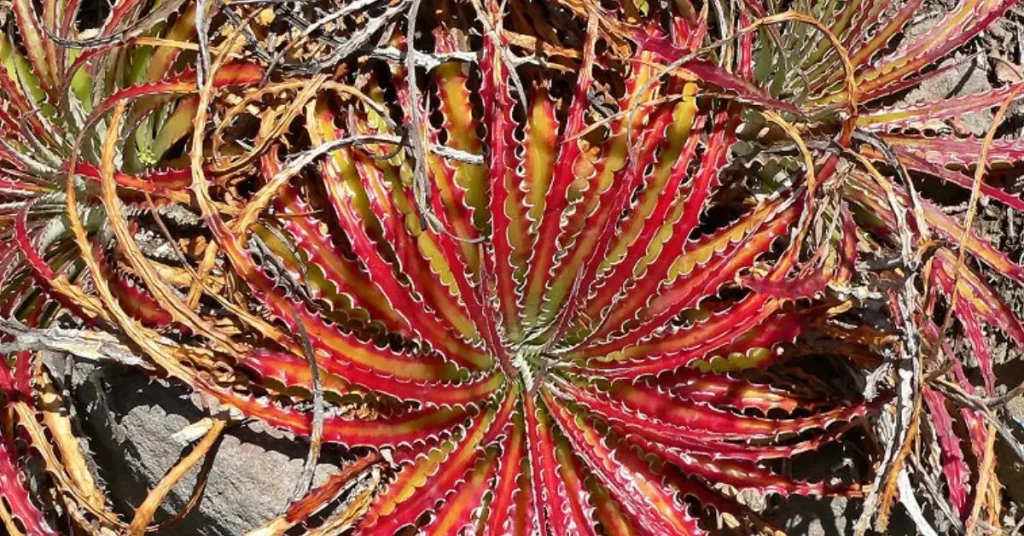
Hechtia belongs to the Bromeliaceae family—the same family as bromeliads. It is native to Mexico and Central America and grows best in USDA zones 8 to 11. It forms a dense rosette of narrow, arching leaves covered with sharp, serrated edges.
The leaves range from green to silvery-gray, sometimes even with a metallic look. The spines along the edges are quite sharp, so this is not a “soft” plant. Hechtia doesn’t flower as showily as some others, but it can produce tall flower spikes with small blooms.
I always see Hechtia as a perfect fit for xeriscaping, rock gardens, and modern dry landscapes. It looks great when planted in groups or used as a focal point among stones and gravel. You can also grow it in containers. It thrives in full sun and well-drained soil and once established, it’s very drought-tolerant.
A quick heads-up: those spines are sharp, so keep it away from walkways and areas where kids or pets play. It’s not edible, and while it’s not commonly listed as highly toxic, it’s still best to treat it as a non-pet-friendly plant due to the physical hazard.
I hope you liked these 12 spiky plants.