10 Easy and Fast Growing Cool Season Veggies
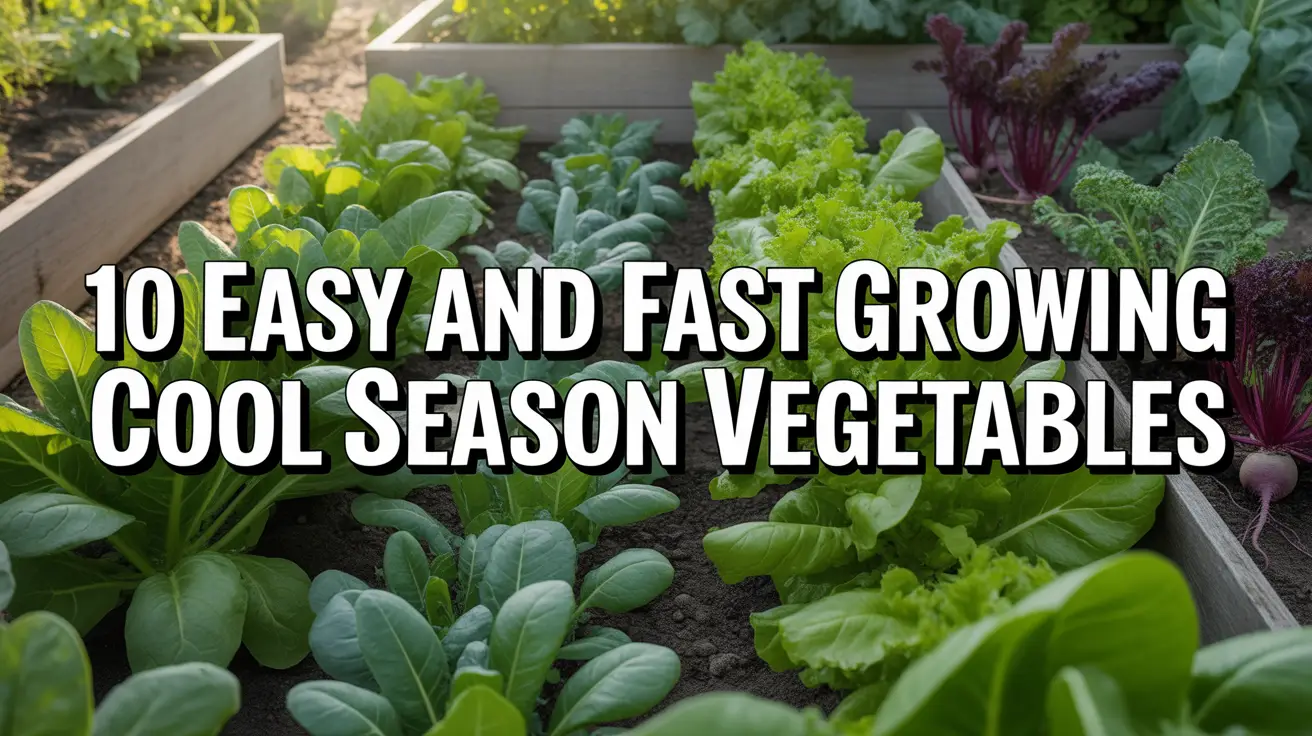
I always say, cool season gardening is one of the easiest ways to enjoy quick harvests, lower maintenance and healthier plants especially if you’re gardening in early spring or fall. Unlike warm-season crops that demand heat and long growing periods, cool-season vegetables germinate faster and mature earlier. They thrive in temperatures between 40°F and 75°F, ideal for gardeners in a wide range of USDA Zones who don’t want to wait months before seeing results. Whether you’re working with a backyard plot, raised beds, or just a few containers on your balcony, cool-season veggies offer tremendous flexibility and success even for beginners.
This guide focuses on 10 easy and fast-growing cool season veggies that grow quickly with ease and reward you with frequent harvests. You’ll learn how much sunlight each crop needs in direct hours, the best soil type and pH range and practical tips for growing them in outdoor beds, raised beds and pots. To make things even easier, homemade pest and disease solutions are included so you won’t need chemical sprays.
Lets get started.
How to Start a Cool Season Vegetable Garden
Starting a cool-season vegetable garden is easier, all you need is proper planning. The first step is soil preparation. Cool-season vegetables prefer well-draining, fertile soil rich in organic matter. Begin by loosening the soil to about 12 inches deep and mixing in compost or well-rotted manure. This improves structure, drainage and nutrient content, giving seedlings the best start. Test the soil pH and aim for a slightly acidic to neutral range (6.0–7.5).
When deciding between raised beds and planting directly in the ground, consider your soil quality and drainage. Raised beds warm faster in early spring, offer excellent drainage and are easier to maintain, ideal for beginners. Ground planting is a good option if your garden soil is fertile, loose and free of compaction.
Raised beds also make pest and weed control simpler, while ground beds allow for larger plantings. For smaller spaces or container gardeners, deep pots and planters can substitute for either method.
Beginners often make mistakes that reduce yield or delay harvests. Common errors include planting too early in cold, wet soil, which can cause seeds to rot, overcrowding plants, poor watering habits and poor soil fertility. Another mistake is ignoring sunlight needs.
Cool season veggies require adequate light, usually 4–8 hours daily, depending on the crop. By understanding your soil, using proper spacing and starting seeds at the right time and dealing pest problems at the right time, even novice gardeners can enjoy fast growing healthy vegetables.
List of 10 Easy & Fast-Growing Cool Season Vegetables
- Spinach
- Lettuce
- Radishes
- Arugula
- Peas
- Kale
- Swiss Chard
- Mustard Greens
- Beets
- Turnips
Spinach
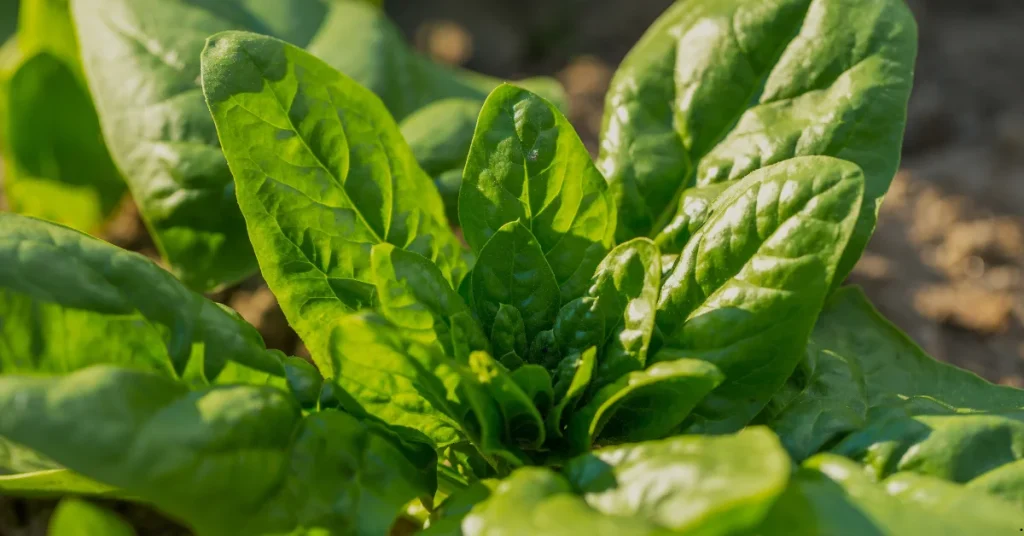
Spinach (Spinacia oleracea) is a fast-growing, nutrient-packed leafy green from the amaranth family. It contains high content of iron, vitamins and antioxidants. This annual vegetable can be enjoyed both raw and cooked.
Native to Central and Western Asia (ancient Persia), spinach thrives in cool weather, with optimal growth at 50–60°F (10–15°C), and is highly frost-tolerant. Exposure to hot temperatures and long daylight hours can cause it to bolt, producing flowers and seeds, and resulting in bitter leaves.
- USDA Zones: 3–9
- Sunlight: 4–6 hours
- Soil: Moist loamy soil, pH 6.5–7.5
- Maturity: 25–45 days
Growing Outdoors
Direct sow seeds as soon as the soil is workable. Plant seeds ½ inch deep, 1 inch apart, with rows 12 inches apart. Keep soil moist and mulch lightly to retain cool temperatures. Harvest outer leaves first for continuous growth.
Growing in Raised Beds
Raised beds improve drainage and prevent waterlogging. Mix 2–3 inches of compost into the soil before planting. Space plants 8–10 inches apart. Use shade cloth on warm days to prevent bolting.
Growing in Pots
Use a container 6–8 inches deep with good drainage. Water every 2–3 days and use compost enriched potting mix.
Common Problems
Spinach is prone to leaf miners, slugs and aphids, which cause yellowing, curling and weak leaves. Moreover, Overwatering can lead to fungal diseases.
Homemade Pest Solutions
Spray a mixture of 1 liter water + 1 teaspoon neem oil + 1 teaspoon mild soap on both leaf sides every 3–4 days. Crushed eggshells around plants deter slugs, while a saltwater spray can control aphids.
Lettuce
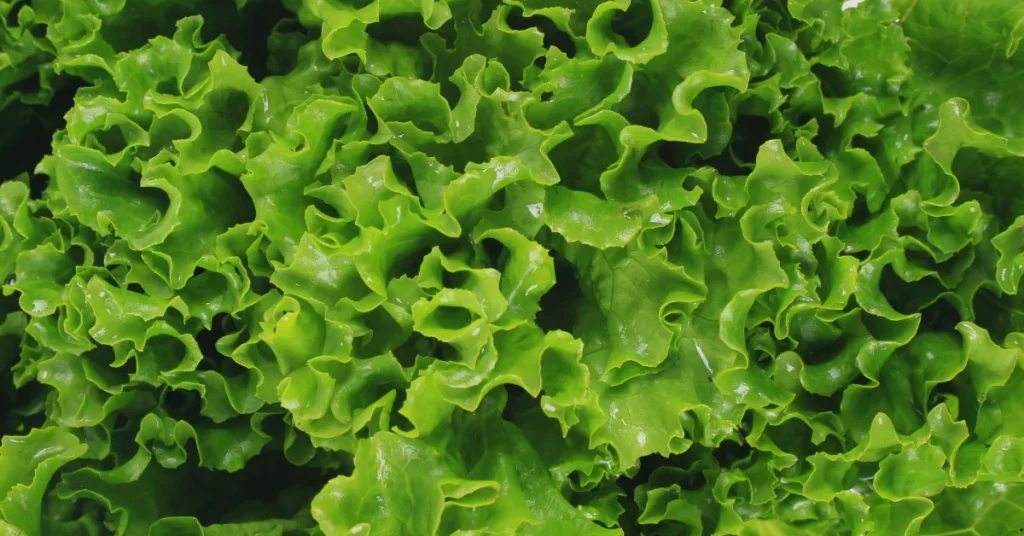
Lettuce (Lactuca sativa) is a crisp, versatile leafy vegetable that has been cultivated since ancient Egypt. It grows best in cool, moist conditions, thriving at temperatures of 55–70°F (13–21°C).
With a wide range of varieties—from loose-leaf to romaine—lettuce offers tender, mild-flavored leaves ideal for salads and sandwiches. Hot weather can cause rapid bolting.
- USDA Zones: 4–9
- Sunlight: 4–5 hours
- Soil: Loose, moist loam, pH 6.0–7.0
- Maturity: 20–45 days (baby greens in 20 days)
Growing Outdoors
Direct sow shallowly and keep soil consistently damp. Mulch lightly to prevent heat stress. Harvest outer leaves continuously.
Growing in Raised Beds
Add compost and coconut coir for airy soil. Plant varieties in succession to maintain harvests.
Growing in Pots
Wide, shallow containers (6–8 inches deep) work best. Water lightly every day or every other day. Place in partial shade in warmer climates.
Common Problems
Lettuce is vulnerable to slugs, snails and aphids, which can damage leaves quickly.
Homemade Pest Solutions
Use beer traps or coffee grounds to control slugs and snails. Garlic water spray deters aphids, while crushed oyster shells prevent slug movement.
Radishes
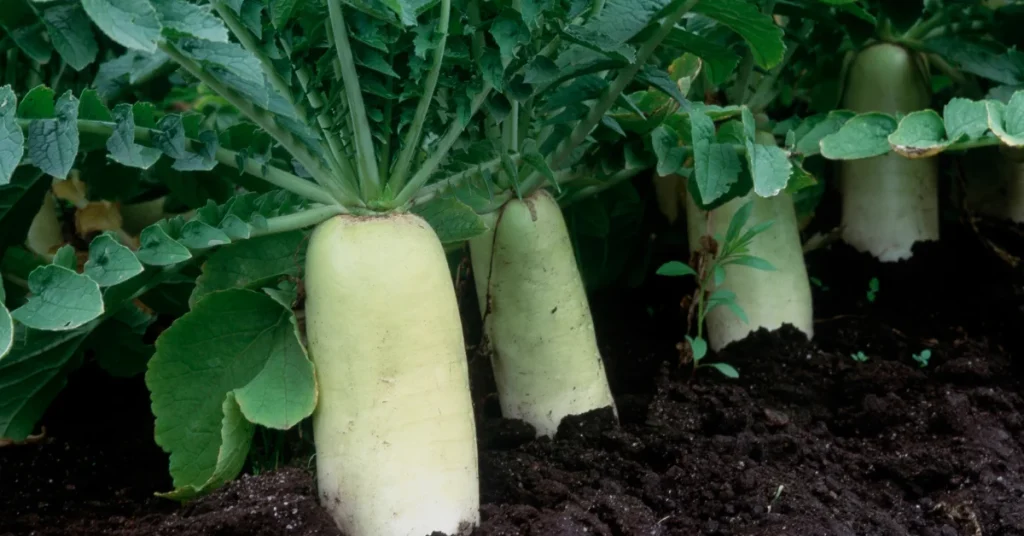
Radishes (Raphanus sativus) are fast maturing root vegetables and loved for their crunchy texture and peppery flavor. Originating in Southeast Asia, radishes grow best in cool soil between 50–65°F (10–18°C).
They are ideal for beginner gardeners due to their short growing season of just 20–30 days. Overcrowding or hot temperatures can cause small or split roots, so proper spacing and cool conditions are essential.
- USDA Zones: 2–10
- Sunlight: 6 hours
- Soil: Sandy or loamy, pH 6.0–7.0
- Maturity: 20–30 days
Growing Outdoors
Direct sow in loose soil, ½ inch deep, spaced 1 inch apart. Thin seedlings early to avoid crowding. Water deeply twice a week.
Growing in Raised Beds
Raised beds prevent compacted soil. Interplant with carrots or onions for efficient space use.
Growing in Pots
Use a 6-inch deep pot with loose soil. Thin seedlings to 2 inches apart and water consistently.
Common Problems
Radishes may face root maggots, flea beetles and aphids, leading to deformed roots or leaf damage.
Homemade Pest Solutions
Sprinkle a mixture of wood ash and dried mint leaves to deter root maggots. Use neem spray for flea beetles,and mild saltwater spray for aphids.
Arugula
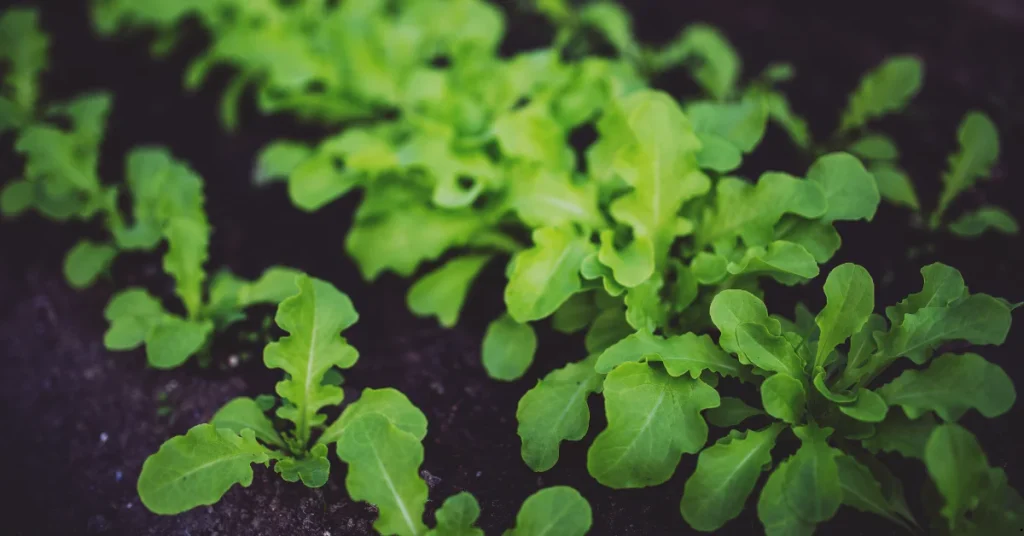
Arugula, also called “rocket” (Eruca sativa), is a leafy green with a distinctive peppery taste and a long history in Mediterranean cuisine. Native to Europe, it thrives in cool weather, preferring 45–65°F (7–18°C) and grows quickly, often ready to harvest in under a month.
- USDA Zones: 3–11
- Sunlight: 4–6 hours
- Soil: Well-draining loam, pH 6.0–7.0
- Maturity: 25–35 days
Growing Outdoors
Sow seeds in late summer or early fall for a harvest into winter. Sow seeds about ¼-inch deep and 1 inch apart. Choose a location that receives full sun, 6 or more hours of sunlight daily.
Growing in Raised Beds
It grows well in raised beds. Mix compost and organic matter into your raised bed for fertile, well-drained soil (pH 6-8). Plant with radishes or lettuce to maximize space.
Growing in Pots
Shallow 6-inch containers work. Water every 2 days and harvest leaves with scissors.
Common Problems
Susceptible to flea beetles, aphids and caterpillars, which chew holes and result in stunted growth.
Homemade Pest Solutions
Dust plants with diatomaceous earth for flea beetles. Diatomaceous Earth (DE) can kill fleas by scratching their exoskeletons and absorbing moisture. Use only food-grade DE, apply sparingly in areas where fleas hide. Aloe vera spray controls aphids. Chili-garlic spray keeps caterpillars away.
Peas
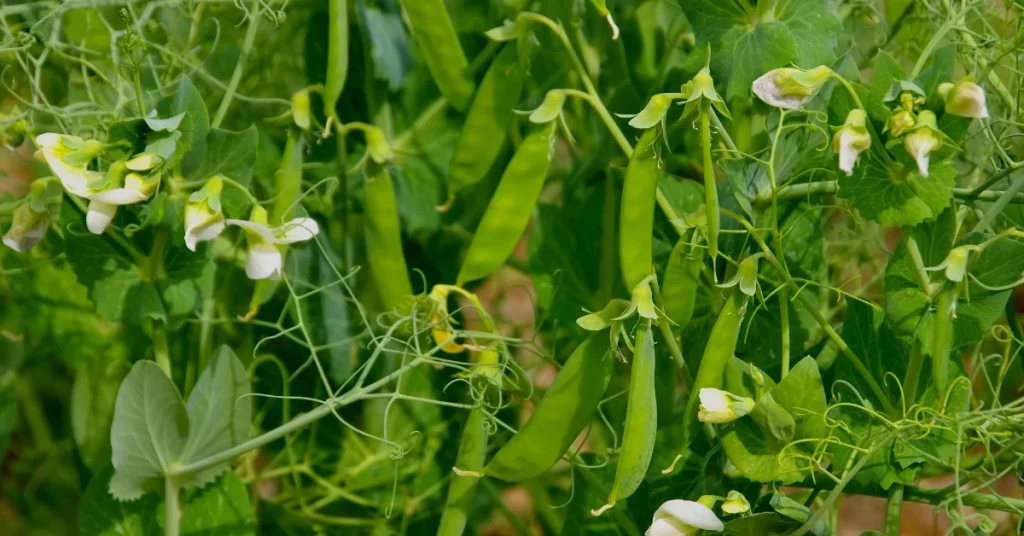
Peas (Pisum sativum) are tender, climbing legumes known for their sweet pods and protein-rich seeds. Originated in the Mediterranean and Near East, peas flourish in cool, moist conditions between 55–70°F (13–21°C). They are frost-hardy and fast-growing, producing harvestable pods in 55–65 days.
- USDA Zones: 3–9
- Sunlight: 6–8 hours
- Soil: Organic-rich loam, pH 6.0–7.5
- Maturity: 55–65 days
Growing Outdoors
Sow seeds early (4 to 6 weeks before the last expected frost.), peas prefer cool soil. Plant 1 inch deep, spacing 2 inches apart, with rows 18 inches apart. Install trellises or netting before seedlings emerge. Water deeply once or twice weekly and mulch to maintain soil moisture. Harvest pods when fully formed but still tender.
Growing in Raised Beds
Sow seeds directly 1 inch deep and 2 inches apart; don’t disturb roots much. Soak seeds overnight to speed germination, or use a seed inoculant for hardier plants. Enrich soil with compost and bone meal to promote flowering. Provide vertical support with trellises or bamboo stakes. Space rows 18 inches apart for airflow.
Growing in Pots
Use deep pots (10–12 inches) filled with rich, well-draining soil. Add mini stakes or netting for climbing varieties. Water when the top inch of soil dries. Harvest pods regularly to encourage continuous production.
Common Problems
Peas are prone to aphids, powdery mildew and cutworms. Aphids cause curled, yellow leaves; powdery mildew forms a white layer on leaves; cutworms sever young stems at soil level.
Homemade Pest Solutions
Spray a garlic water solution (3 cloves garlic blended in 1 liter water) for aphids. Treat powdery mildew with 1 teaspoon baking soda in 1 liter water. Place cardboard collars around seedlings to prevent cutworm damage.
Kale
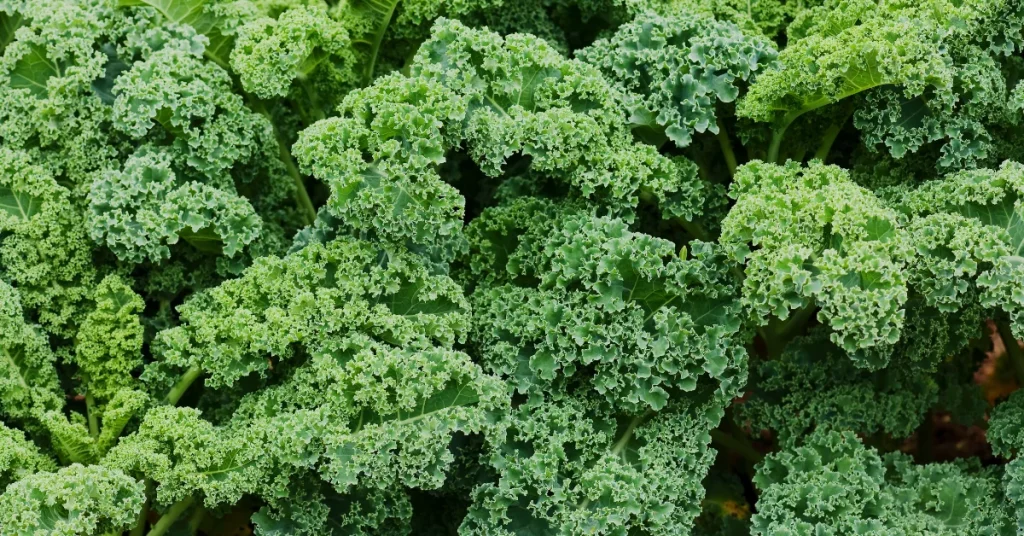
Kale (Brassica oleracea var. sabellica) is a hardy, nutrient-dense green with rich vitamin and antioxidant content. With origins in the Mediterranean, kale thrives in cool temperatures of 45–65°F (7–18°C) and can tolerate light frost. Slow-growing in very hot weather, kale performs best in moderate climates.
- USDA Zones: 3–10
- Sunlight: 6 hours
- Soil: Rich loam, pH 6.0–7.5
- Maturity: 45–60 days
Growing Outdoors
Plant seedlings 12–18 inches apart in well-draining soil. Water deeply 1–2 times a week. Light frost improves flavor. Harvest lower leaves first, leaving the central stem intact for regrowth.
Growing in Raised Beds
Kale grows very well in raised beds. Raised beds improve drainage and airflow, reducing fungal diseases. Fill raised beds with a high-quality organic-matter and create an ideal growing medium from the start.
Kale plants become large and develop extensive root systems, requiring at least 18 inches of soil depth to grow well. A 2 foot deep raised bed is optimal.
Growing in Pots
Use 12-inch deep containers. Water thoroughly when the top 2 inches of soil dry. Fertilize lightly with slow release organic fertilizer. Harvest leaves periodically to stimulate continuous growth.
Common Problems
Kale suffers from cabbage worms, aphids and whiteflies. Worms eat large holes, aphids weaken plants and whiteflies stunt growth.
Homemade Pest Solutions
Spray a mix of 2 tbsp vinegar in 1 liter water for cabbage worms. Use neem + soap water for aphids and use yellow sticky traps for whiteflies.
Swiss Chard
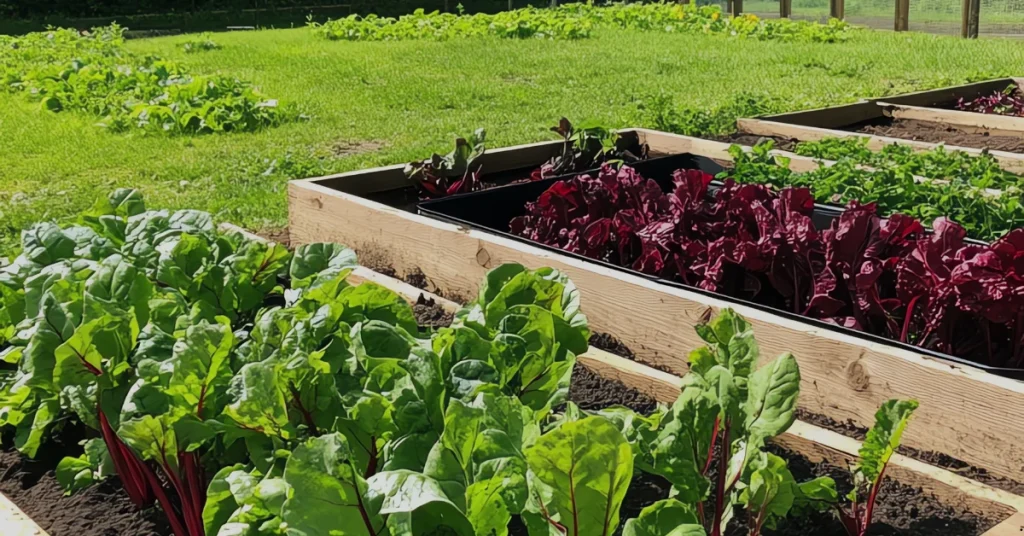
Swiss chard, with its colorful stems, is both ornamental and edible. Native to the Mediterranean region, it grows well in cool, moist conditions ranging from 50–70°F (10–21°C). Swiss chard is frost-tolerant but may become tough and bitter in hot, dry weather.
- USDA Zones: 3–10
- Sunlight: 5–6 hours
- Soil: Fertile loam, pH 6.0–7.5
- Maturity: 45–55 days
Growing Outdoors
Direct sow or transplant seedlings. Thin to 12 inches apart for large leaves. Keep soil evenly moist. Harvest outer leaves regularly.
Growing in Raised Beds
Raised beds support thick stems and wide leaves. Enrich soil with compost and kelp meal. Mulch to retain moisture and prevent soil drying.
Growing in Pots
Use 10–12 inch deep pots. Water every other day. Harvest outer leaves, leaving inner growth for future harvest.
Common Problems
Leaf miners, slugs and aphids can damage chard. Leaf miners create trails, slugs chew holes and aphids stunt growth.
Homemade Pest Solutions
Spray neem + soap for leaf miners. Use copper tape or crushed eggshells to deter slugs. For aphids, spray mint tea (boiled mint leaves cooled) over foliage.
Mustard Greens
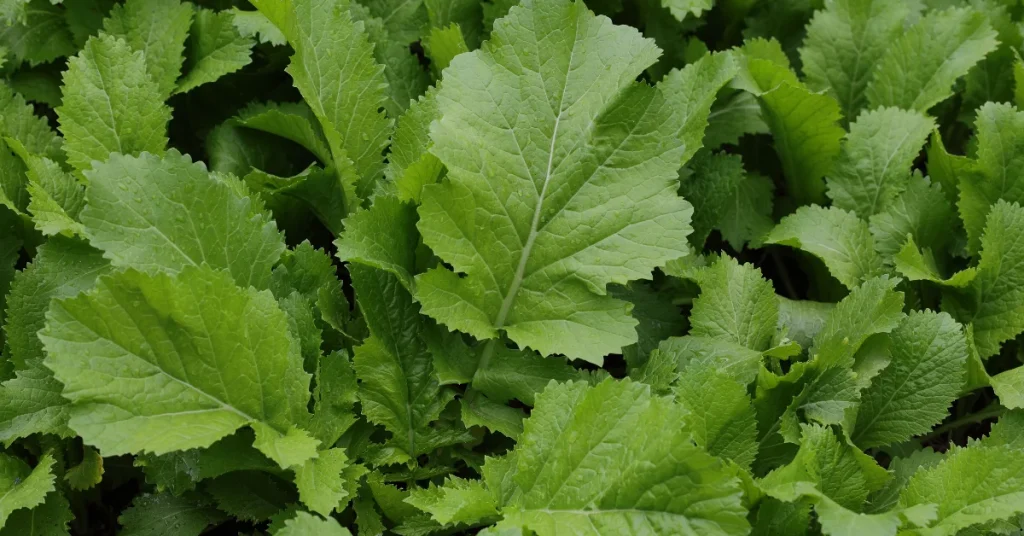
Mustard greens are quick-growing, spicy greens common in Asian and African cuisines.
- USDA Zones: 2–11
- Sunlight: 4–6 hours
- Soil: Well-draining loam, pH 6.0–7.5
- Maturity: 25–40 days
Growing Outdoors
Direct sow seeds in cool soil. Keep evenly moist to prevent leaves from turning too spicy. Harvest young leaves for best flavor.
Growing in Raised Beds
Raised beds prevent soil compaction. Add compost or green manure for fertility. Provide airflow to reduce mildew. Thin seedlings to 4–6 inches apart.
Growing in Pots
Use 8-inch deep containers. Water daily in warm climates. Harvest frequently to maintain tenderness.
Common Problems
Caterpillars, aphids, and slugs are common. Caterpillars chew leaves, aphids weaken growth, and slugs create holes in tender leaves.
Homemade Pest Solutions
Spray a chili + garlic + water solution for caterpillars. Mix soap + aloe vera water for aphids. Lay cucumber or melon peels to trap slugs overnight.
Beets
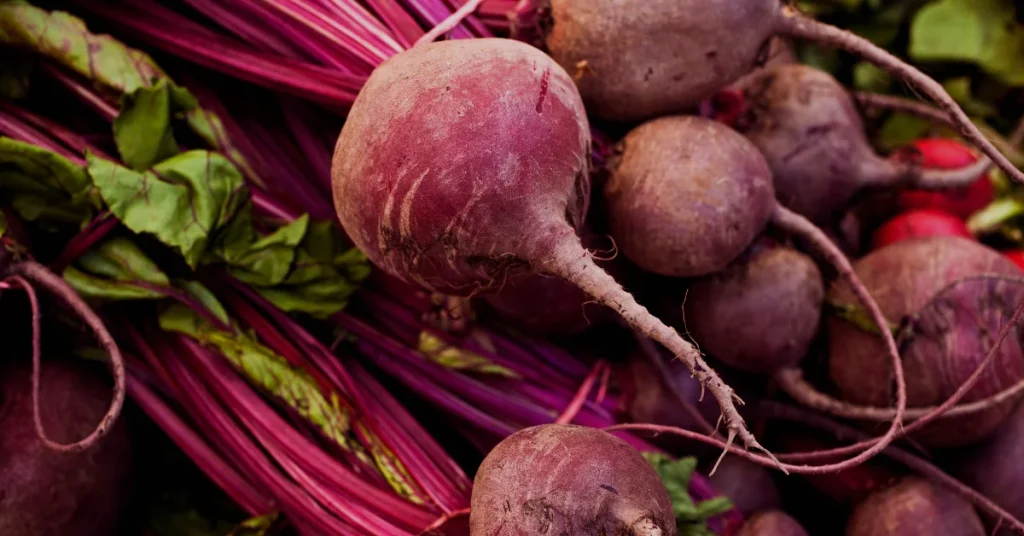
Beets are valued for both roots and leafy greens. They are fast-growing and versatile.
- USDA Zones: 2–10
- Sunlight: 6 hours
- Soil: Loamy, loose soil, pH 6.0–7.0
- Maturity: 50–60 days
Growing Outdoors
Loosen soil 12 inches deep. Sow seeds 1 inch apart. Keep soil evenly moist. Harvest greens young; roots when golf-ball size is reached.
Growing in Raised Beds
Raised beds prevent hard soil and improve root shape. Incorporate bone meal or compost. Plant in blocks rather than rows for higher yield.
Growing in Pots
Use 10–12 inch deep containers. Thin seedlings early. Water deeply twice weekly.
Common Problems
Leaf miners, caterpillars, and aphids are common. Leaf miners create trails on leaves, caterpillars chew foliage, and aphids stunt growth.
Homemade Pest Solutions
Spray neem + soap solution for leaf miners. Dust turmeric powder to deter caterpillars. Use onion peel water spray for aphids.
Turnips
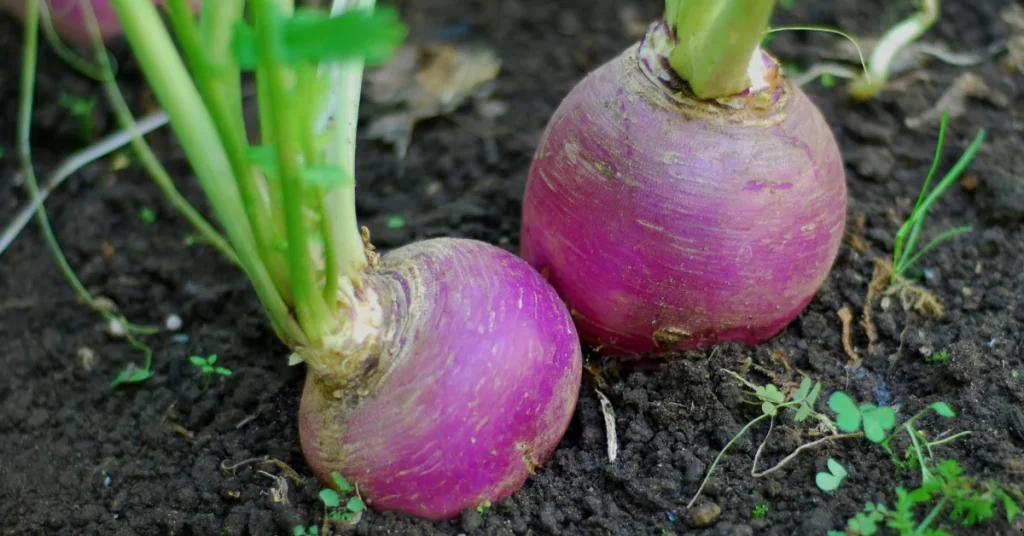
Turnips have been a staple in European agriculture for centuries.
- USDA Zones: 3–9
- Sunlight: 6 hours
- Soil: Sandy loam, pH 6.0–7.0
- Maturity: 40–55 days
Growing Outdoors
Direct sow seeds; turnips dislike transplanting. Thin to 4 inches apart for proper root growth. Water evenly. Harvest greens early, roots when mature.
Growing in Raised Beds
Raised beds improve drainage and produce sweeter roots. Mix sand + compost for loose soil. Plant only in cool weather.
Growing in Pots
Use deep containers 10–12 inches. Keep soil moist but not wet. Ideal for fast baby turnips.
Common Problems
Aphids, flea beetles, and root maggots damage leaves and roots. Aphids cause stunted growth, flea beetles chew leaves, and root maggots tunnel into roots.
Homemade Pest Solutions
Spray soap + baking soda solution for aphids. Dust with wood ash to repel flea beetles. Sprinkle garden lime lightly to deter root maggots.
Cool Season Companion Planting Ideas
Companion planting improves growth, flavor and pest resistance. For example, lettuce grows well alongside radishes and carrots, as radishes mature quickly and help loosen soil, benefiting slower growing crops. Peas can be planted with leafy greens such as spinach or arugula; peas fix nitrogen in the soil, boost growth for neighboring plants.
Brassicas like kale, mustard greens and Swiss chard can benefit from planting with herbs like dill, mint, or rosemary, which repel pests naturally. Conversely, avoid planting members of the same family too close together, as this can encourage diseases.
Intercropping is another useful strategy—plant fast-maturing crops such as radishes or baby lettuces between slower-growing plants. This maximizes space, improves sunlight exposure and ensures the garden remains productive throughout the cool season.