7 Best Herbs To Grow For Tea (Outdoor & Indoor)

If you love tea, imagine stepping into your garden or balcony and picking fresh herbs for your own cup of herbal tea. As a gardener, I can tell you there is nothing more comforting than drinking tea made from herbs you grew yourself. Homegrown herbal tea is not only fresher and more flavorful, but it is also free from chemicals and preservatives that are often found in store-bought tea bags.
Growing your own tea herbs is easier. Many tea plants grow well in pots, need very little care, and are perfect for beginners. Whether you have a backyard garden, a sunny balcony, or just a bright window indoors, you can grow herbs for tea successfully. These herbs are known for their calming effects, digestive benefits and immune support, making them a healthy daily habit.
Another big benefit of growing tea herbs at home is control. You decide when to harvest, how to dry the leaves and how strong you want your tea to be. Fresh leaves give a better aroma and richer taste than dried store options. Most tea herbs grow quickly and can be harvested again and again, give you a continuous supply.
In this guide, I’ll share a list of tea plants that are easy to grow, suitable for indoor pots and outdoor gardens and perfect for beginners. Each herb includes clear tips on sunlight, soil, pot size and growing method so you can start confidently.
List of Tea Plants
- Mint (Peppermint / Spearmint)
- Chamomile
- Lemon Balm
- Lemongrass
- Lavender
- Holy Basil (Tulsi)
- Rosemary
Mint (Peppermint / Spearmint)

Mint is one of the best herbs to grow for tea, especially for beginners. It grows fast, smells refreshing and makes a soothing tea that helps with digestion and stress. Mint tea is also great for cold relief and headaches.
Mint can be grown both outdoor and indoor, but it is best kept outdoors because it spreads aggressively in the ground. For pots, Use a pot that is at least 10–12 inches wide. Place it where it gets partial to full sunlight, around 4–6 hours a day. Indoors, a bright windowsill works well.
Mint prefers moist, well-draining soil. Water regularly but avoid waterlogging. You can start harvesting leaves in about 30–40 days. Cut stems regularly to encourage bushy growth. Fresh or dried leaves both make excellent tea.
Chamomile

Chamomile is my favorite herb for calming tea. It is well known for improving sleep and reducing anxiety. Its small daisy-like flowers are gentle, beautiful and a long history in making herbal tea.
Chamomile grows well outdoors and in pots. It prefers full sunlight (6-8 hours daily) but can tolerate light shade. Choose a small to medium pot (8–10 inches) if growing indoors or on a balcony. Make sure the pot has good drainage.
This herb likes light, well-draining soil and does not need heavy feeding. Water when the topsoil feels dry. Flowers are ready to harvest in about 60–70 days. Pick flowers when fully open and dry them for tea.
Lemon Balm
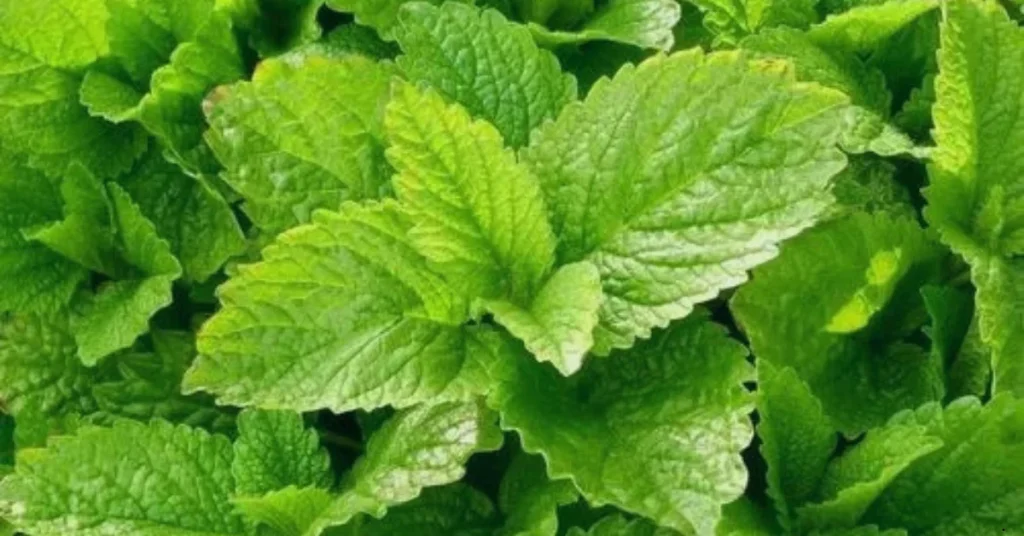
Lemon balm has a mild lemon flavor that makes a relaxing and refreshing tea. It reduces stress, improves mood and support digestion. Tea lovers often enjoy it in the evening.
Lemon balm can grow both indoor and outdoor, but like mint, it spreads easily outdoors. Growing it in containers (10–12 inches) is recommended. It enjoys full sun to partial shade.
Use loose, well-draining soil and water when the soil starts to dry. Lemon balm matures in about 50–60 days. Harvest young leaves for the best flavor. Regular trimming helps keep the plant healthy and productive.
Lemongrass

Lemongrass is popular for its fresh citrus taste and is widely used in detox and immunity-boosting teas. It also helps with digestion and relaxation.
This herb grows best outdoors, but it can also be grown indoors in large pots. Choose a deep container (12–14 inches) because lemongrass has long roots. It needs full sunlight, at least 6–8 hours daily.
Lemongrass prefers rich, well-drained soil and regular watering. It grows fast in warm weather and is ready for harvest in about 90 days. Cut stalks near the base and use fresh or dried for tea.
Lavender

People love Lavender for its relaxing scent, pretty purple flowers and many uses—like in aromatherapy, skin care products and cooking. Lavender tea has a soft floral taste and is well known for its calming and sleep-supporting benefits. It is also great for stress relief and relaxation.
Lavender grows well outdoors and in pots, but it needs plenty of sunlight. Place it in full sun and use a small to medium pot (8–10 inches) with excellent drainage. Indoors, keep it near a sunny window.
This herb prefers dry, sandy or well-draining soil. Overwatering is the most common mistake, so water only when soil is dry. Lavender flowers are ready in about 90–110 days. Use flowers sparingly for tea.
Read: How To Grow Lavender in Pot
Holy Basil (Tulsi)
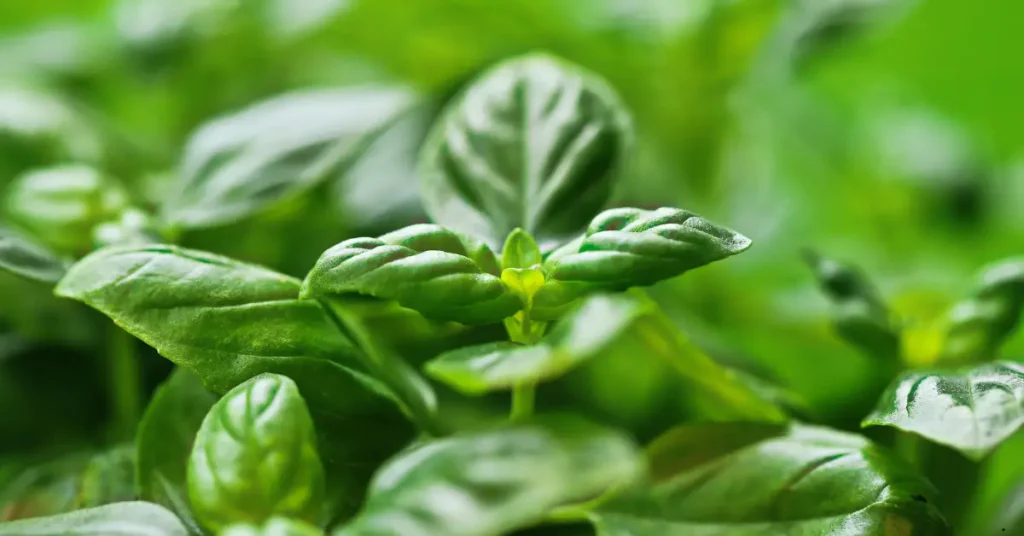
Tulsi is one of the best herbs for herbal tea due to its strong medicinal benefits. It supports immunity, reduces stress and improves overall wellness.
Tulsi can grow both indoor and outdoor. It prefers full sunlight and warm conditions. A 10–12 inch pot is ideal for container growing.
Use fertile, well-draining soil and water regularly without flooding the roots. Tulsi grows quickly and can be harvested in 40–50 days. Regular leaf picking encourages more growth and better flavor.
Rosemary
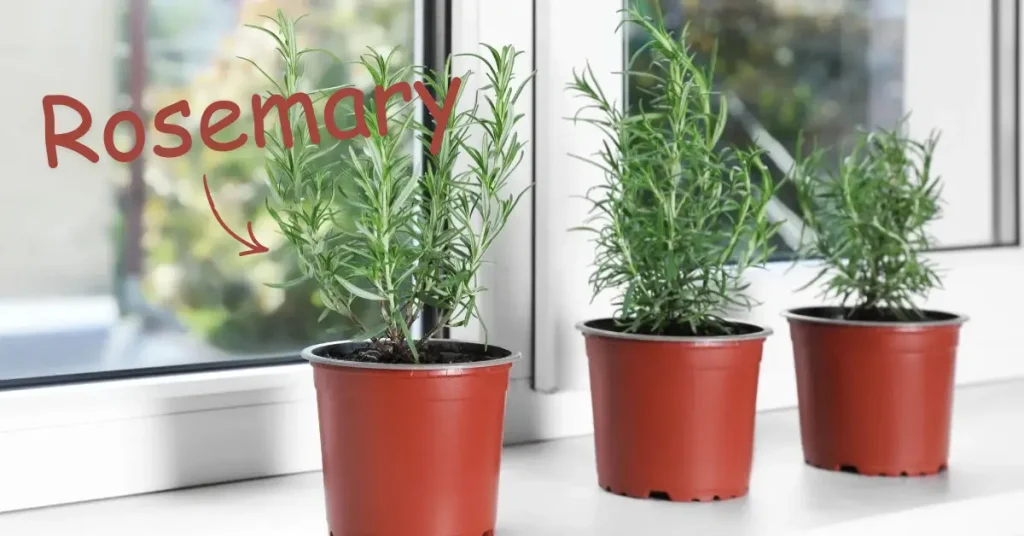
Rosemary tea has a strong aroma and is known for improving focus, digestion and circulation. It is also helpful for cold and cough relief.
Rosemary grows best outdoors, but it also does well indoors in pots if given enough light. Use a deep pot (10–12 inches) and place it in full sun.
This herb prefers dry, well-drained soil and minimal watering. Rosemary grows slowly and is ready to harvest in about 80–100 days. Use young leaves for a milder tea flavor.
Final Tip for Tea Lovers
Start with 2–3 herbs of your choice first, especially if you’re new to gardening. Grow them in pots so you can easily control sunlight and watering.