15 Monstera Plant Care Tips for Healthy,Thriving Plants
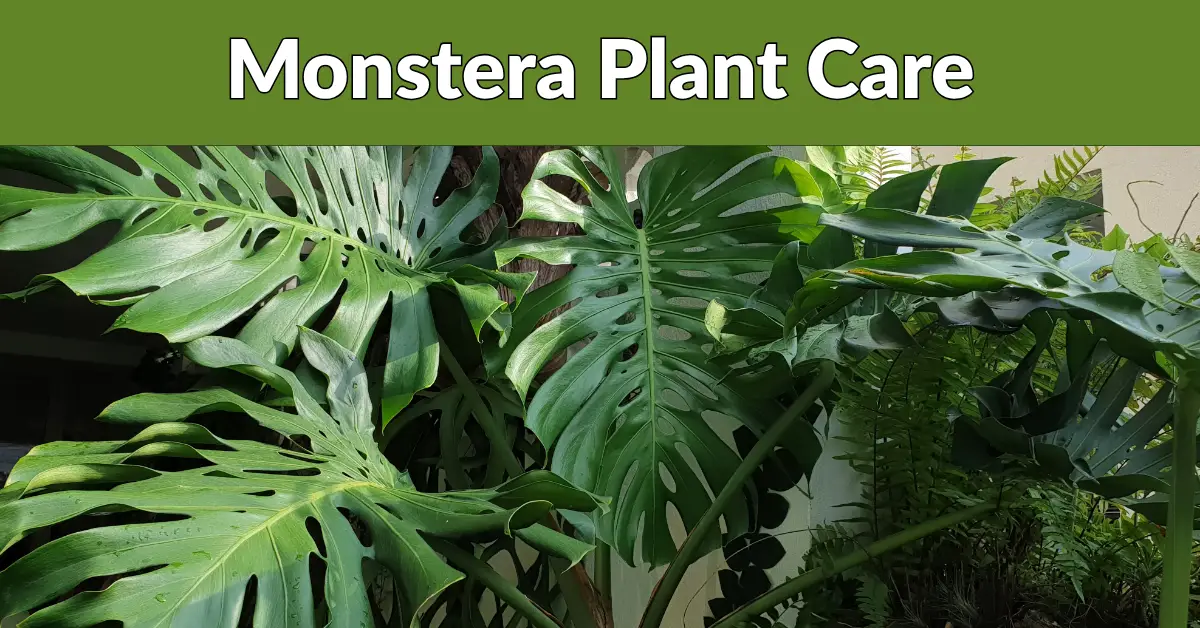
Monstera deliciosa, commonly known as the Swiss cheese plant, is one of the most recognizable tropical houseplants you can grow indoors. Native to the rainforests of Central America, this climbing evergreen is loved for its large, deep green leaves that develop natural splits and holes as the plant matures.
It is a fast grower, gains one to two feet in height each year under the right conditions, and can reach an impressive size within just a few years. Indoors, it typically grows between six to ten feet tall, making it a great statement plant for living rooms and hallways.
Monstera thrives in warm, humid environments with bright indirect light, well-draining soil, and temperatures between 65°F and 85°F. It is an easy plant to care for, but like any tropical plant, it has specific needs around watering, light, humidity, feeding and pruning.
Whether grown indoors or outdoors, these 15 essential Monstera plant care tips cover everything you need to keep your plant healthy, full, and growing strong.
Sunlight For Monstera
Monstera deliciosa grows best in bright, indirect light. In its natural habitat, it grows under the shade of tall trees. Indoors, the best spot for your Monstera is near a window that gets plenty of natural light throughout the day, an east or north-facing window works particularly well.
Direct sunlight, especially during the afternoon, can scorch the leaves and leave brown, crispy patches that won’t recover. At the same time, too little light will slow down growth significantly and prevent the leaves from developing their characteristic splits and holes.
If your space doesn’t get much natural light, a grow light placed a few feet away can work as a good alternative. Provide 10 to 12 hours of light per day for the best results.
How To Water Monstera
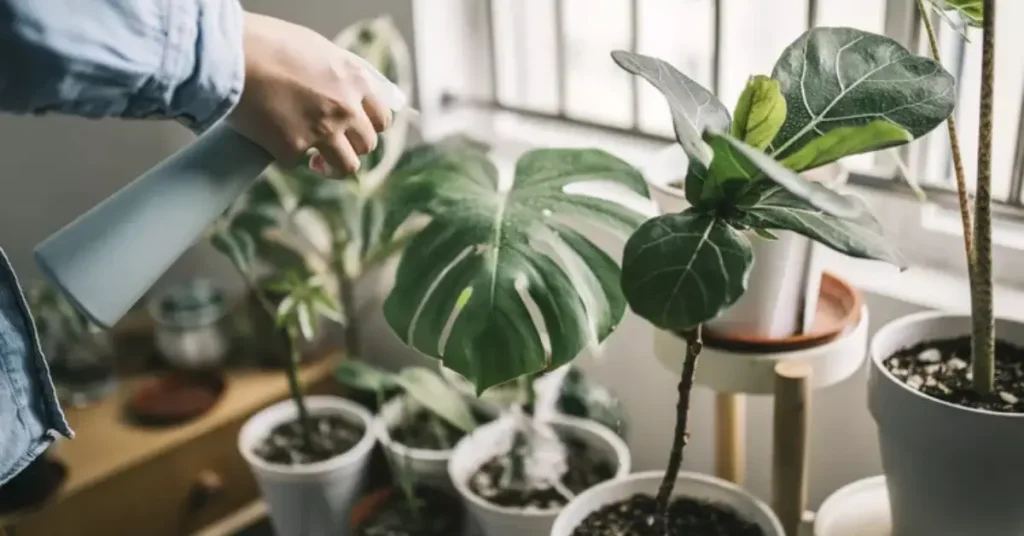
Monstera deliciosa does not need frequent watering. It prefers a thorough watering followed by a period of drying out rather than being kept constantly moist. Water when the top two inches of soil feel dry to the touch. Stick your finger into the soil, if it still feels damp, wait a few more days.
Overwatering is the most common mistake with Monsteras. Soggy soil leads to root rot, which can be difficult to recover from. During summer, watering once a week is usually enough. In winter, cut back further as the plant grows slower and needs less water.
Always water thoroughly until it drains out from the bottom of the pot, and never let your Monstera sit in standing water.
Soil Mix
Monstera thrives in a well-draining, nutrient-rich soil mix. Monstera Soil Mix enriched with essential nutrients, organic matter, and worm castings, works perfectly for robust and healthy growth. Good soil structure allows water to pass through freely while still holding enough moisture for the roots to absorb.
Avoid heavy soils or mixes that retain too much water as these create the perfect conditions for root rot. A slightly acidic to neutral pH between 5.5 and 7.0 is ideal for healthy growth.
Pots For Monstera
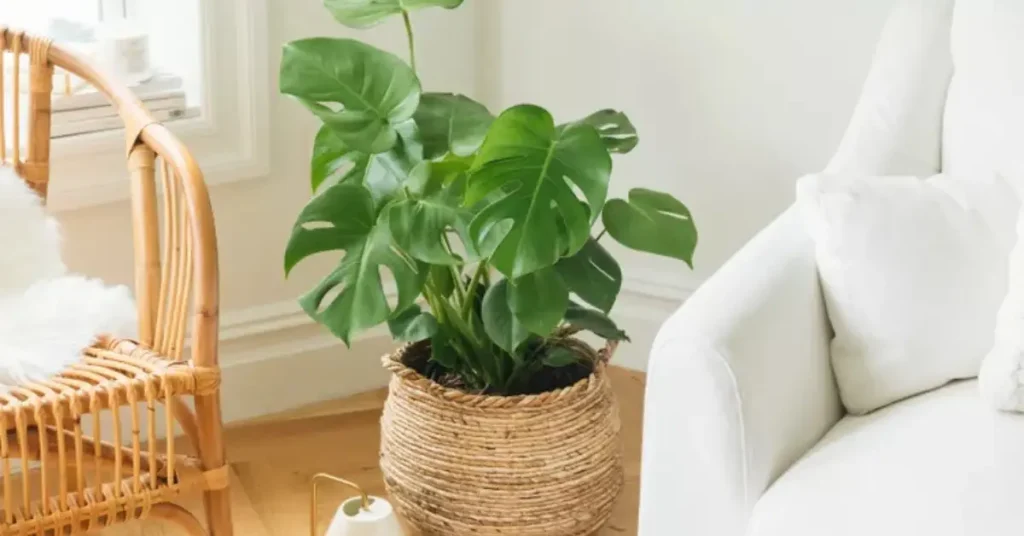
Good drainage is non-negotiable when it comes to Monstera care. No matter how well you water, if your pot does not have drainage holes, excess water will collect at the bottom and suffocate the roots over time.
Always use a pot with at least one drainage hole at the bottom. A pot that is too large holds excess soil and moisture, which increases the risk of root rot. A pot that is too small restricts root growth and can stress the plant.
For indoor Monsteras, a pot that is one to two inches larger in diameter than the root ball is the right fit. This gives the roots enough room to grow without sitting in too much wet soil. As the plant grows, you can move up to a larger pot gradually rather than jumping to a much bigger size all at once.
Recommended Pot Styles
Here are some popular planter styles that work well for Monsteras:
- Modern ceramic pots with saucers
- Minimalist matte planters
- Terracotta clay pots
- Fiberglass statement planters for large plants
- Decorative pots
Humidity
As a tropical plant, Monstera deliciosa loves humidity. It naturally grows in environments where humidity levels are high, dry indoor air can slow its growth and cause the leaf edges to turn brown and crispy.
There should be humidity level of around 50 to 60 percent for the best results. If your home is dry, especially during winter, place a humidifier nearby. A pebble tray filled with water placed under the pot also helps. Grouping your Monstera together with other plants is another easy way to naturally raise the humidity around them.
Temperature
Monstera deliciosa prefers warm, stable temperatures and does not handle cold well. The ideal temperature range indoors is between 65°F and 85°F. Anything below 50°F can damage the plant and cause the leaves to droop or turn black.
Keep your Monstera away from cold drafts, air conditioning vents, and windows that let in cold air during winter. Sudden temperature drops are particularly harmful, even if brief. On the other hand, Monsteras handle warm temperatures well as long as they are not placed in direct harsh sunlight or near heat sources like radiators that dry out the air around them.
Fertilizing Monstera
Monstera deliciosa is a heavy feeder during its active growing season. Feeding it regularly during spring and summer encourages faster growth, larger leaves, and a healthier overall plant. A balanced liquid fertilizer with an equal ratio of nitrogen, phosphorus, and potassium works well. Apply it once a month, diluted to half the recommended strength to avoid over-fertilizing.
Too much fertilizer can burn the roots and cause brown leaf tips, so it is always better to underfeed than overfeed. During fall and winter, the plant slows down significantly and does not need any feeding at all. Resume fertilizing in early spring when you start to see new growth appearing.
Pruning Monstera
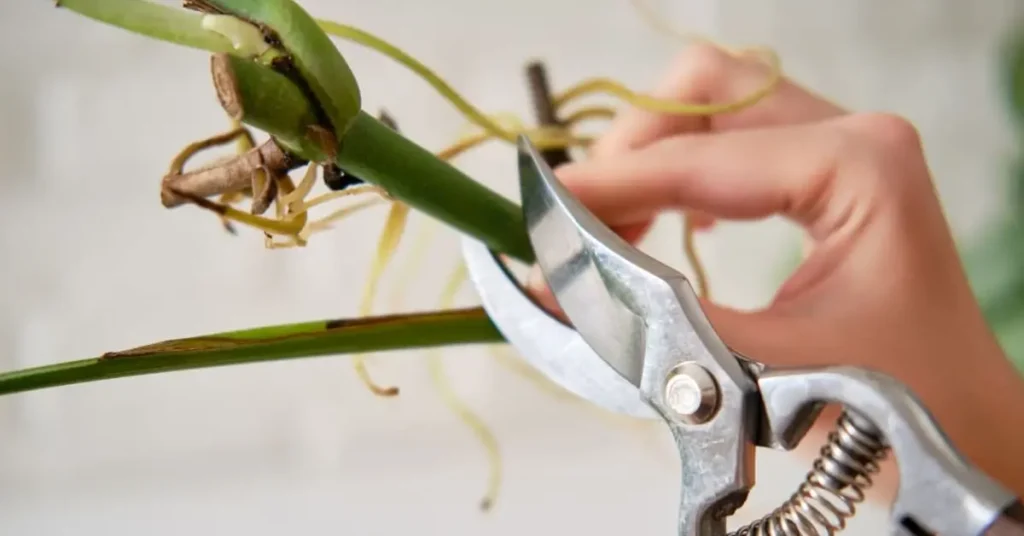
Pruning removes dead, damaged, or yellowing leaves that drain energy from the plant and encourages fresh, healthy growth in their place.
Start by removing any yellowing, damaged, or dead leaves from the base of the stem, cutting as close to the main stem as possible without damaging the node. If you notice any leaves showing signs of pest damage or disease, remove those first to stop the problem from spreading to the rest of the plant.
For a Monstera that has grown too large or unruly, trim back older leaves on the lower half of the plant to improve airflow and keep the size manageable. Always use clean, sharp pruning shears and wipe the blades with rubbing alcohol before and after cutting.
Any healthy stems removed during pruning can be used for propagation, so nothing goes to waste.
Read: 25 Mistakes of Monstera Pruning
Repotting Monstera
Monstera deliciosa grows fast and will outgrow its pot. Repotting gives the roots more room to spread, refreshes the soil, and gives the plant a fresh boost of nutrients. As a general rule, repot your Monstera every one to two years or whenever you notice roots coming out of the drainage holes or circling the bottom of the pot.
Choose a new pot that is two to three inches larger in diameter than the current one. Gently remove the plant, shake off the old soil, trim any dead or rotting roots, and place it in fresh potting mix. Water thoroughly after repotting and keep it in a shaded spot for a few days while it settles. Spring is the best time to repot as the plant is entering its active growing season.
Support & Staking
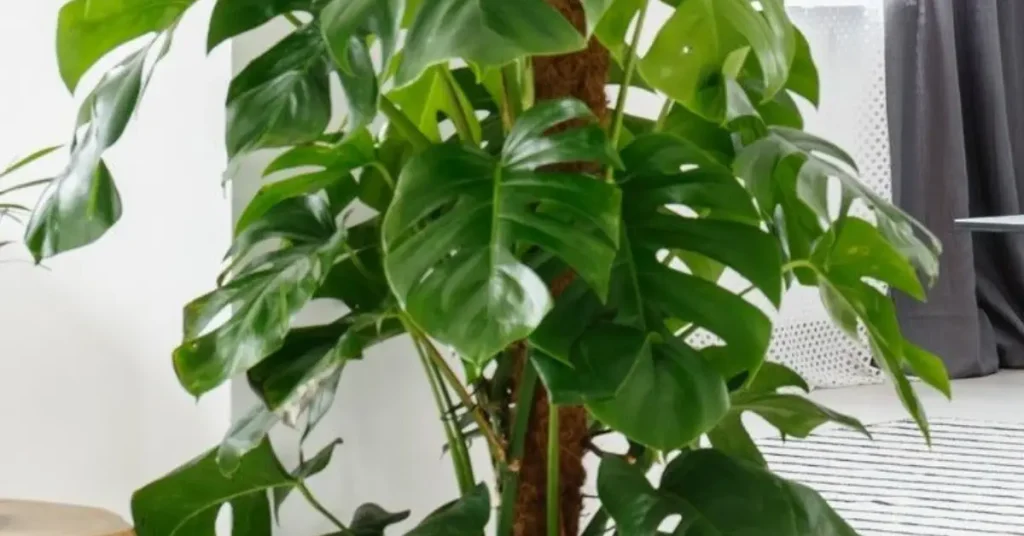
In its natural habitat, Monstera deliciosa climbs up trees using its aerial roots for support. Indoors, providing a support structure encourages the plant to grow upright, produce larger leaves, and develop more pronounced splits and holes.
A moss pole is the most popular and effective option. As the plant grows, gently tie the stems to the pole using soft plant ties or garden velcro. The aerial roots will eventually attach themselves to the moss and start absorbing moisture from it.
A bamboo stake or trellis works as well if a moss pole is not available. Without any support, Monstera will sprawl outward and the leaves tend to stay smaller compared to a plant that is trained to grow vertically.
Cleaning the Leaves
Monstera leaves are large and flat and they collect dust quickly. A layer of dust on the leaves blocks sunlight and reduces the plant’s ability to photosynthesize efficiently, which can slow down growth over time.
Wipe the leaves gently with a soft, damp cloth every few weeks to keep them clean and glossy. Support the underside of the leaf with one hand while wiping the top surface with the other to avoid putting too much pressure on the stem. Avoid using leaf shine sprays as these can clog the tiny pores on the leaf surface. Use Plain water to keep the leaves looking their best.
Propagation
The most reliable method I like and advice is stem cutting propagation. Choose a healthy stem that has at least one node, the small brown bump where roots will grow from and ideally one or two leaves attached.
Cut just below the node using clean, sharp scissors and place the cutting in a jar of clean water. Keep it in a warm spot with bright indirect light and change the water every few days. Roots will start to appear within two to four weeks.
Once the roots are a few inches long, the cutting is ready to transfer into a pot with fresh soil. Spring and early summer are the best times to propagate as the plant is in its active growing phase.
Common Problems
Monsteras can run into a few issues from time to time. Knowing what to look for makes it much easier to fix problems before they get serious.
| Problem | Cause | Solution |
|---|---|---|
| Yellow leaves | Overwatering | Reduce watering frequency, check soil moisture before watering |
| Brown leaf tips | Low humidity or inconsistent watering | Increase humidity, water on a regular schedule |
| Drooping leaves | Underwatering or cold temperatures | Water thoroughly, move away from cold drafts |
| No splits in leaves | Insufficient light | Move closer to a bright window |
| Black or mushy stems | Root rot from prolonged overwatering | Trim affected roots, repot in fresh dry soil immediately |
| Leggy, stretched growth | Too little light | Move to a brighter spot or introduce a grow light |
| Spider mites | Dry indoor air | Wipe leaves with a damp cloth, spray with neem oil solution |
| Fungus gnats | Overwatered, soggy soil | Allow soil to dry out between waterings, use sticky traps |
| Scale insects | Poor air circulation | Scrape off manually, treat with neem oil or insecticidal soap |
| Mealybugs | Warm, dry conditions | Wipe off with rubbing alcohol, treat with neem oil |
| Thrips | Low humidity, dry conditions | Spray with neem oil or insecticidal soap regularly |
Winter Care Monstera
As daylight hours shorten and indoor temperatures drop, the plant naturally slows down and enters a rest period. During this time it needs less water, no fertilizer, and a little extra attention to keep it comfortable through the colder months.
Cut back watering to once every two to three weeks and always check the soil moisture before watering. The soil takes much longer to dry out in winter so sticking to a fixed watering schedule can easily lead to overwatering. Skip fertilizing completely from late fall through winter and resume only when you start seeing new growth in early spring.
Heating systems that run during winter dry out indoor air significantly, which can cause brown leaf tips and slow growth. Run a humidifier nearby or place a pebble tray with water under the pot to maintain the humidity level your Monstera needs.
Keep the plant away from cold windowsills, drafty doors, and air vents. A warm, stable spot with bright indirect light is the best place for your Monstera to sit out the winter comfortably.
Toxicity
Monstera deliciosa is toxic to both humans and animals. All parts of the plant contain calcium oxalate crystals, which can cause irritation, swelling, and discomfort if ingested. In pets, symptoms include excessive drooling, vomiting, and difficulty swallowing. In humans, contact with the sap can cause skin irritation and a burning sensation in the mouth if any part of the plant is eaten.
Keep your Monstera out of reach of cats, dogs, and young children. When pruning or repotting, wearing gloves is a good habit to avoid skin irritation from the sap. If a pet or child ingests any part of the plant, contact a vet or poison control center immediately.
Q: Why does my Monstera have no splits or holes in its leaves?
Young Monstera leaves naturally come out without splits or holes. As the plant matures and gets the right amount of light, the leaves will develop their characteristic fenestrations. If your mature Monstera is producing leaves without splits, it is most likely not getting enough light. Move it closer to a bright window and you should start seeing more developed leaves within a few growth cycles.
Q: Why is my Monstera plant dying?
There are several reasons a Monstera may start to decline and in most cases the problem can be fixed if caught early enough. Overwatering is the most common culprit, soggy soil suffocates the roots and leads to root rot, which causes the stems to turn black and mushy and the leaves to yellow and droop.
Underwatering can cause similar drooping symptoms but the soil will feel bone dry. Insufficient light is another common reason, causing the plant to grow weak, leggy, and stop producing new leaves altogether. Extreme temperature changes, cold drafts, or placing the plant too close to an air conditioning vent can also stress the plant significantly.
Pest infestations from spider mites, mealybugs, or scale insects can weaken the plant over time if left untreated.