20 Creative Garden Wall Ideas (Beautiful & Long-Lasting)

A garden wall is more than a boundary. It shapes how your garden feels, looks and functions. With the right design, a plain wall can turn into a living feature that adds beauty, privacy, and even food to your space. As a gardener, I always look at walls as unused vertical ground. When designed well, they solve space problems and elevate the entire garden.
In this guide, you’ll find 20 creative garden wall ideas that work for small yards, large landscapes and everything in between. Each idea focuses on real gardening experience, not just looks. You’ll learn what works, what to avoid and how to maintain it long-term.
Living Vertical Garden Wall
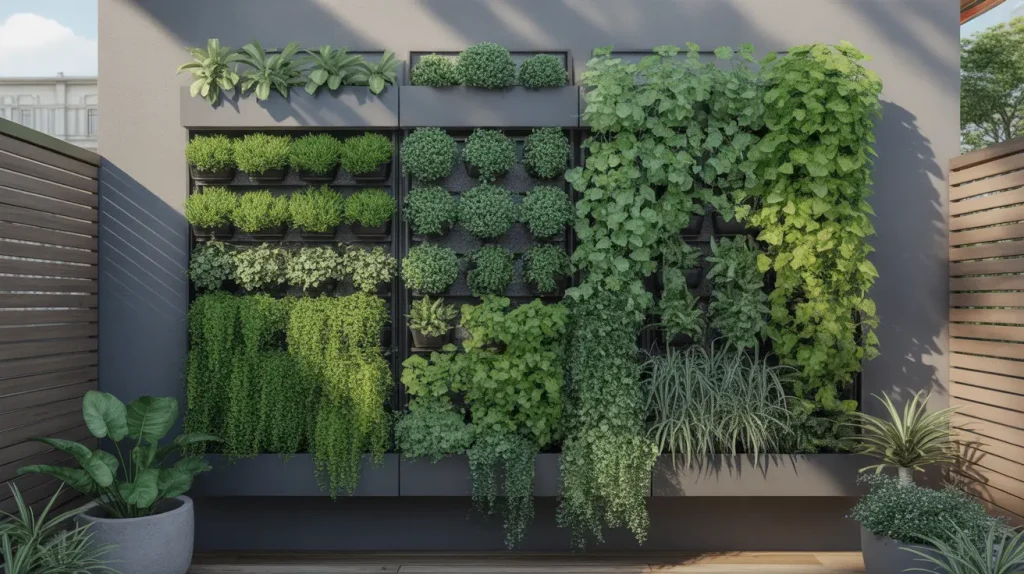
A living wall is one of the best ways to bring life into a dull space. It uses pockets, panels, or stacked planters to grow plants vertically. Herbs, ferns, pothos and succulents perform especially well. The key is proper drainage and a lightweight growing mix. Without these, roots suffer and plants decline fast.
Maintenance is simple if planned correctly. Use drip irrigation or a slow-release watering system. Choose plants with similar water needs. Avoid mixing thirsty herbs with drought-tolerant succulents. This balance keeps the wall healthy and visually full all year.
Wooden Trellis Garden Wall
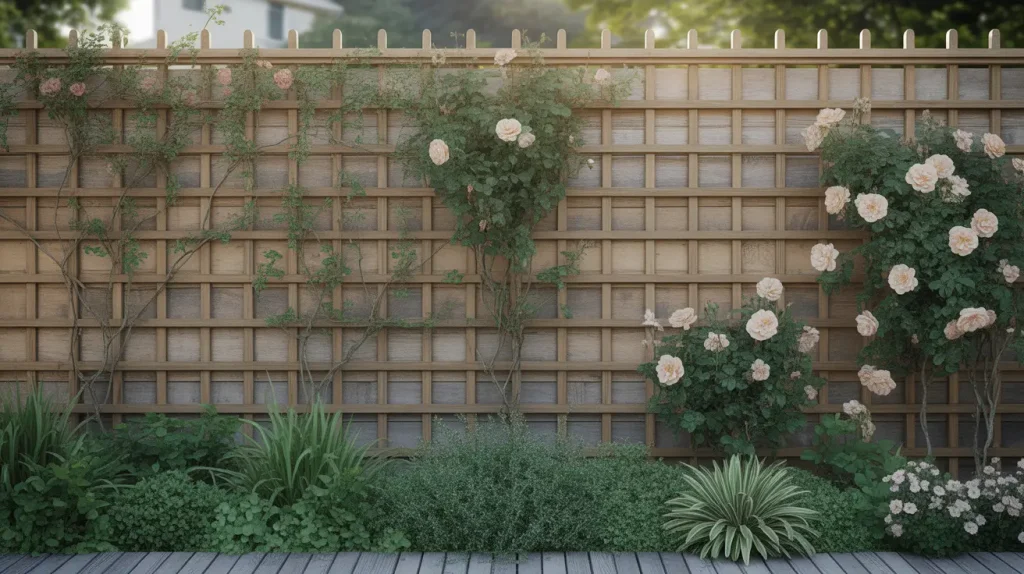
A trellis wall allows climbing plants to grow naturally while keeping the space airy. It works beautifully with jasmine, clematis, roses, or ivy. Wood trellises soften hard walls and add depth without blocking airflow. As a gardener, I recommend treated wood or cedar to resist rot.
Guide young vines early. Tie them loosely so stems don’t snap. Once established, plants will climb on their own. Pruning once or twice a year keeps growth controlled and prevents overcrowding near the base.
Stone Retaining Garden Wall
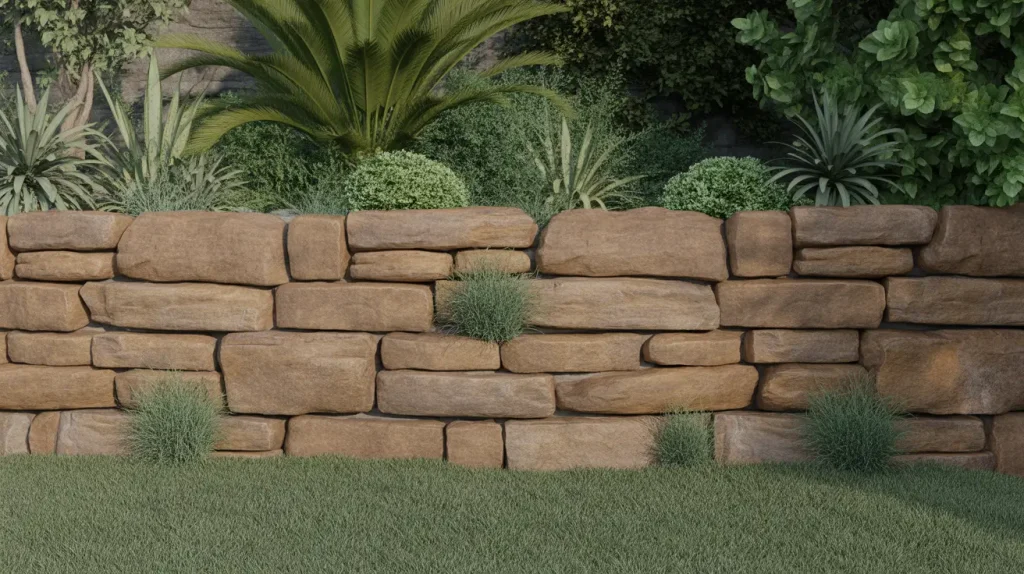
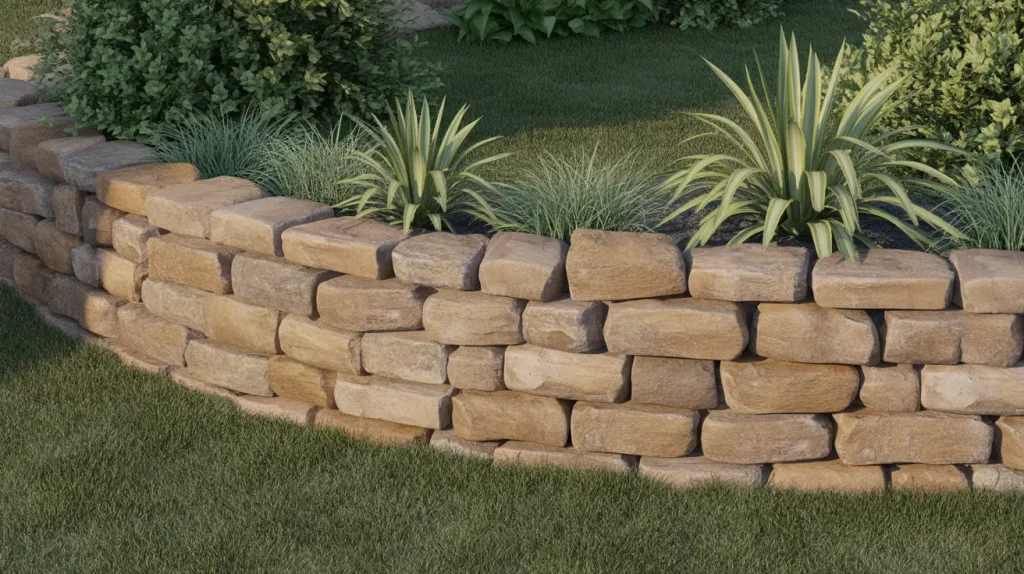
Stone walls are timeless and functional. They help manage sloped gardens while adding natural beauty. Dry-stack stone walls are especially gardener-friendly because they allow water to drain naturally. This prevents pressure buildup and wall failure.
Plant small groundcovers or creeping thyme between stones. Roots stabilize gaps and soften the wall’s appearance. Avoid heavy plants on top. They increase weight and reduce wall lifespan.
Raised Planter Wall
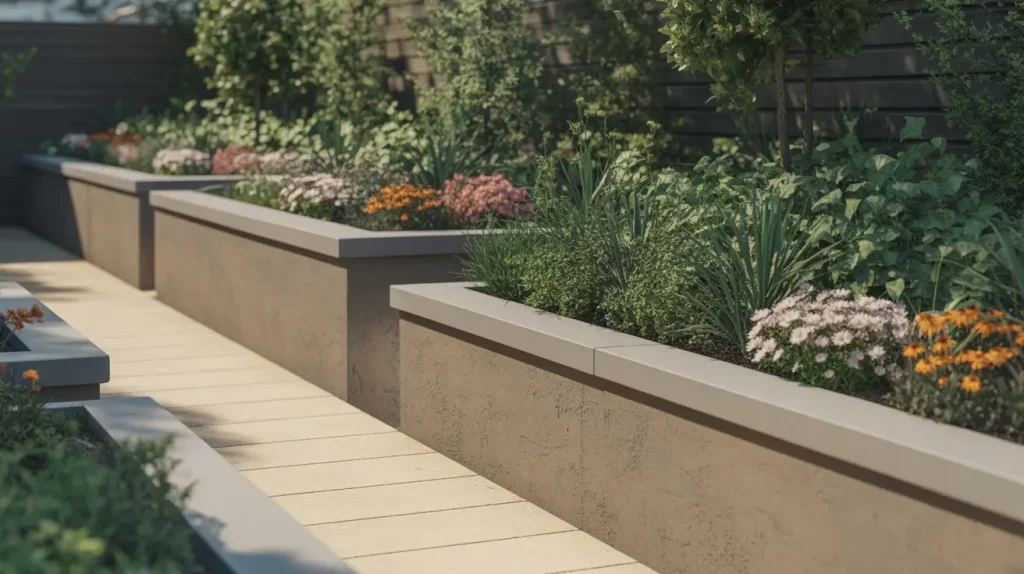
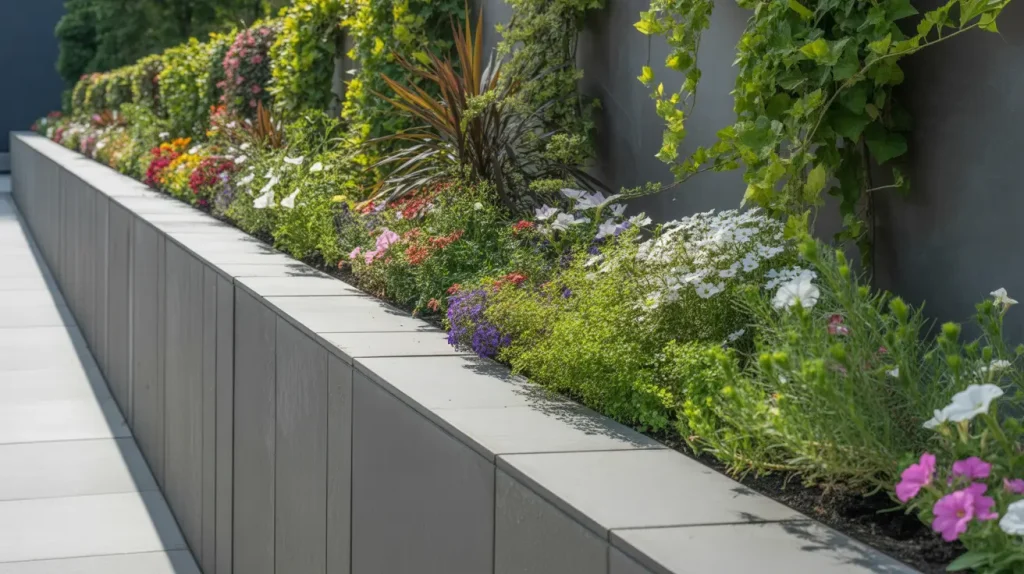
A raised planter wall combines structure and planting in one feature. It works well for vegetables, flowers, or ornamental grasses. The height reduces bending and improves soil control. I often recommend this for aging gardeners or compact yards.
Use quality soil and install drainage holes. Poor drainage leads to root rot fast. Mulch the top layer to retain moisture and reduce weeds. This wall becomes both productive and decorative.
Bamboo Privacy Wall
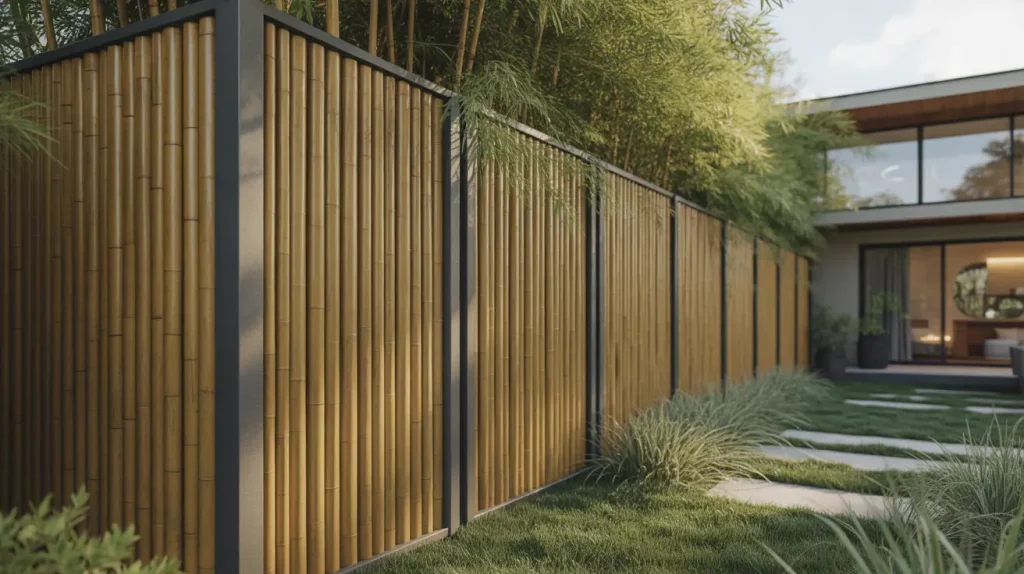
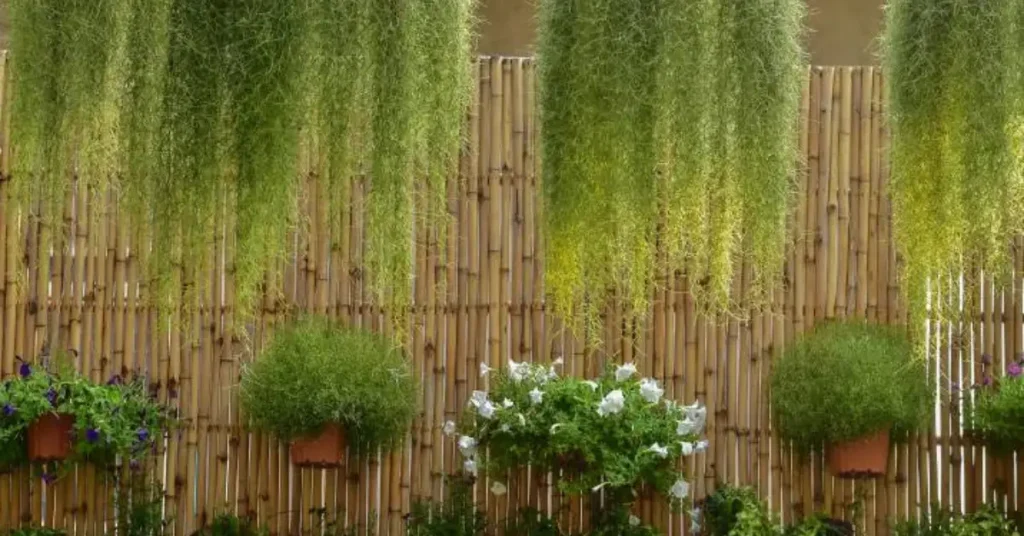
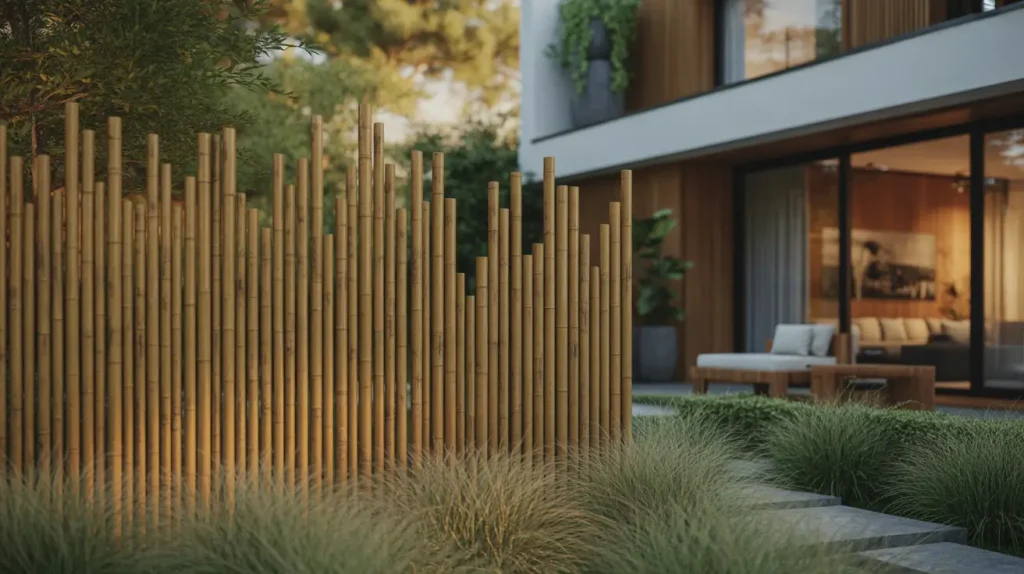
people love Bamboo for outdoor decor. Bamboo walls offer instant privacy and a calm, natural feel. They work well in tropical or modern gardens. Use bamboo panels or tightly planted clumping bamboo varieties. Never use running bamboo unless contained. It spreads aggressively.
Seal bamboo panels to protect from moisture. Trim regularly to keep height manageable. Paired with soft lighting, bamboo walls create a peaceful retreat effect.
Painted Garden Feature Wall
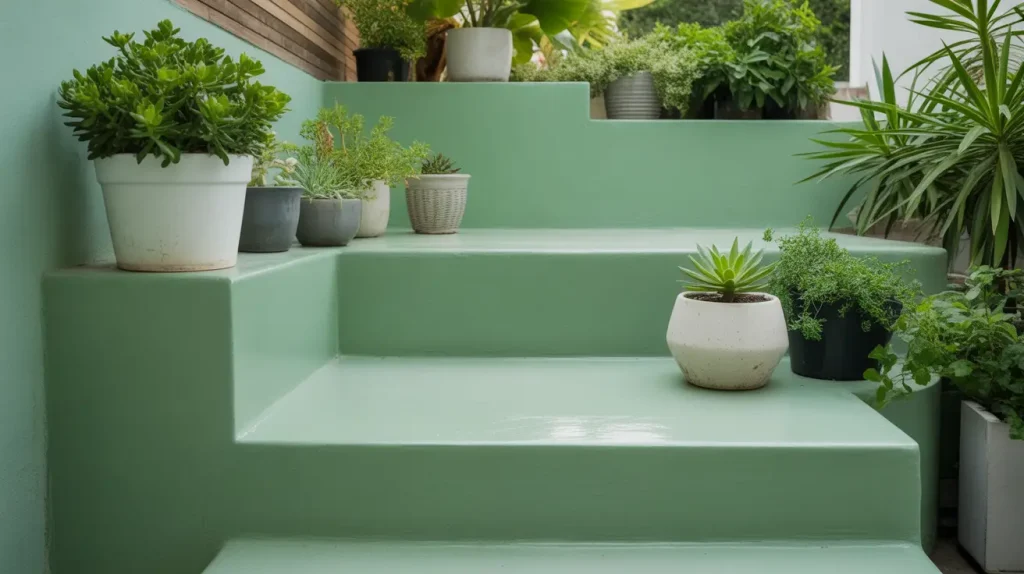
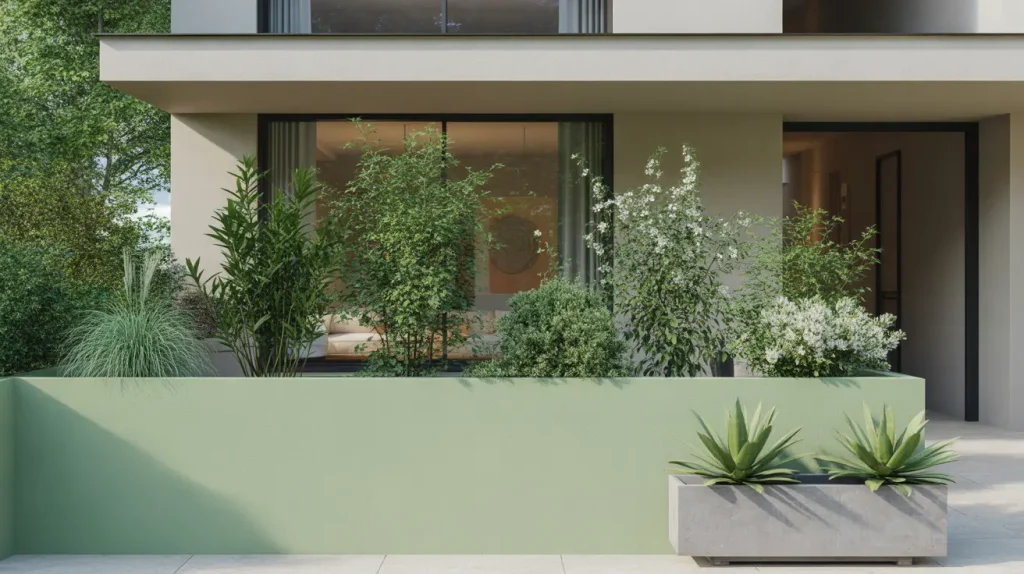
A painted wall sets the mood of your garden. Dark greens make plants pop. Soft blues create calm. White brightens small spaces. Use exterior paint that resists moisture and UV damage.
Keep the design simple. Let plants be the stars. Painted walls work best behind planters or climbing plants. Avoid loud colors in hot climates. They fade faster and reflect heat.
Garden Wall with Built-In Seating
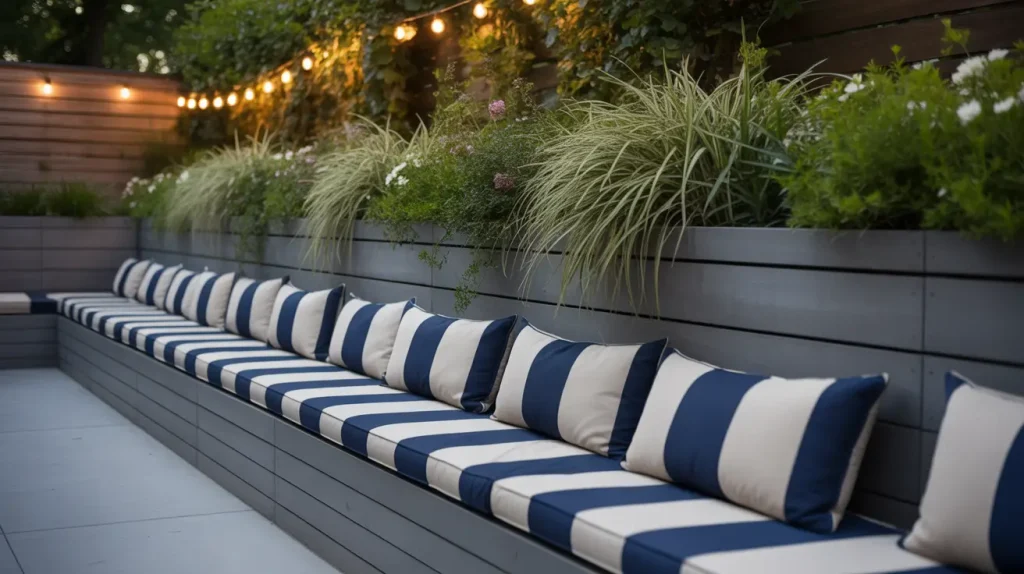
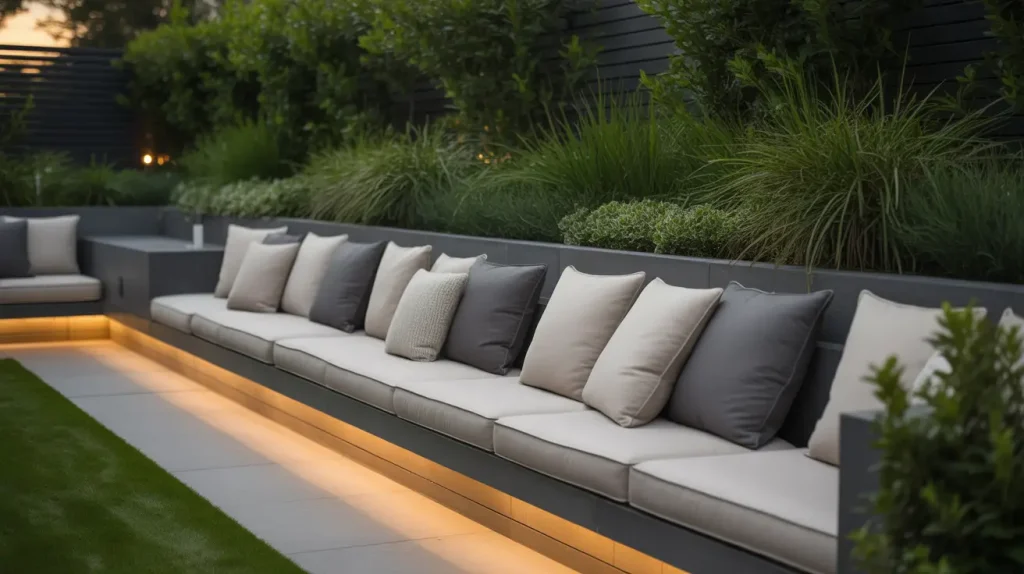
Combining seating with a wall saves space and adds function. Stone or concrete walls work best here. Add wooden or cushioned seating on top for comfort. This design is perfect for social gardens.
Ensure proper height. Around 45 cm works well for seating. Add drainage gaps if plants grow nearby. This prevents water pooling where people sit.
Vertical Herb Garden Wall
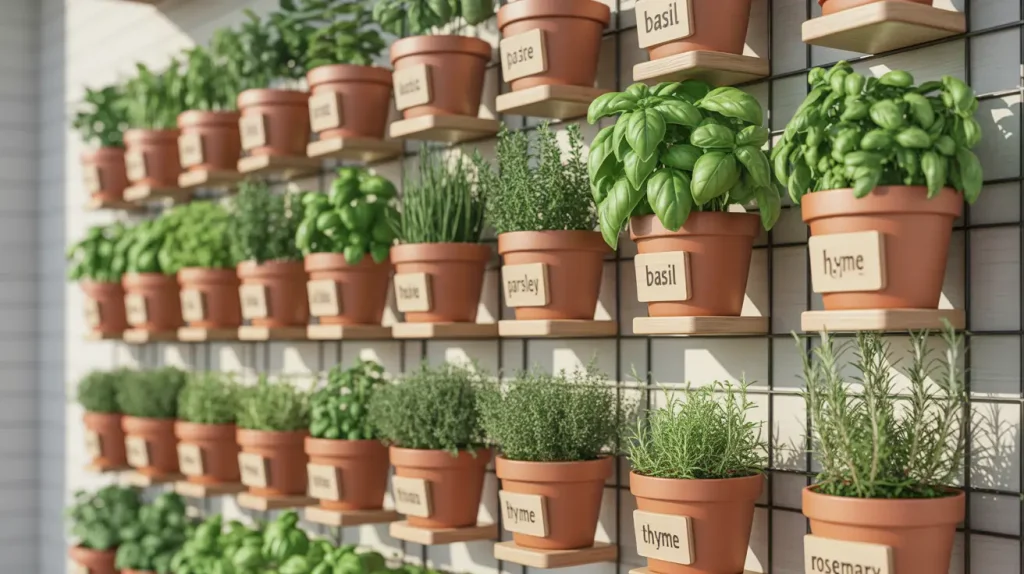
A herb wall keeps fresh flavors within reach. Basil, mint, thyme, and parsley thrive vertically. Use small containers with good drainage. Place the wall near the kitchen or outdoor cooking area.
Harvest regularly to encourage growth. Avoid overcrowding. Herbs need airflow to prevent disease. This wall is practical and fragrant.
Brick Wall with Creeping Plants
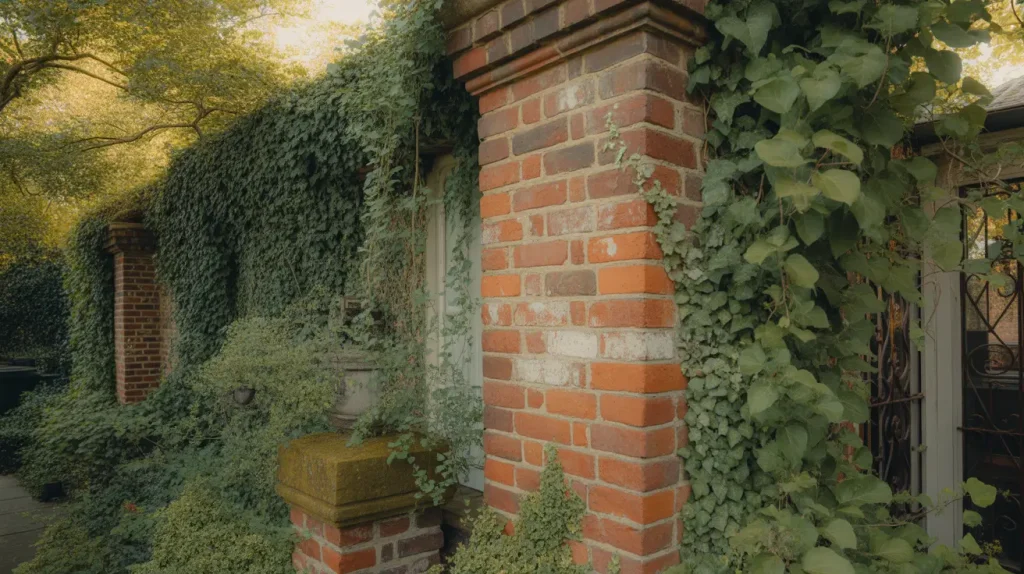
Brick walls age beautifully with plants. Creepers like Boston ivy or fig vine soften hard edges. They also reduce heat absorption. Choose self-clinging varieties to avoid drilling.
Inspect brick condition yearly. Remove aggressive growth before roots damage mortar. Controlled growth keeps the wall healthy and attractive.
Garden Wall with Water Feature
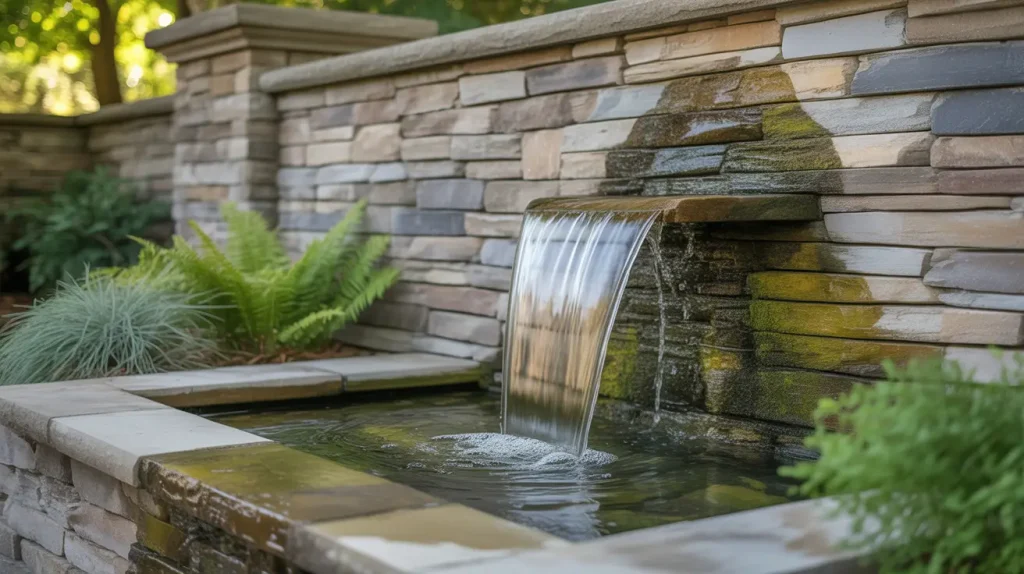
A wall fountain adds movement and sound. It attracts birds and cools the space. Use closed systems to reduce water loss. Stone or concrete walls work best structurally.
Clean filters monthly. Algae buildup is common in shaded areas. Regular care keeps the feature relaxing, not messy.
Pallet Garden Wall
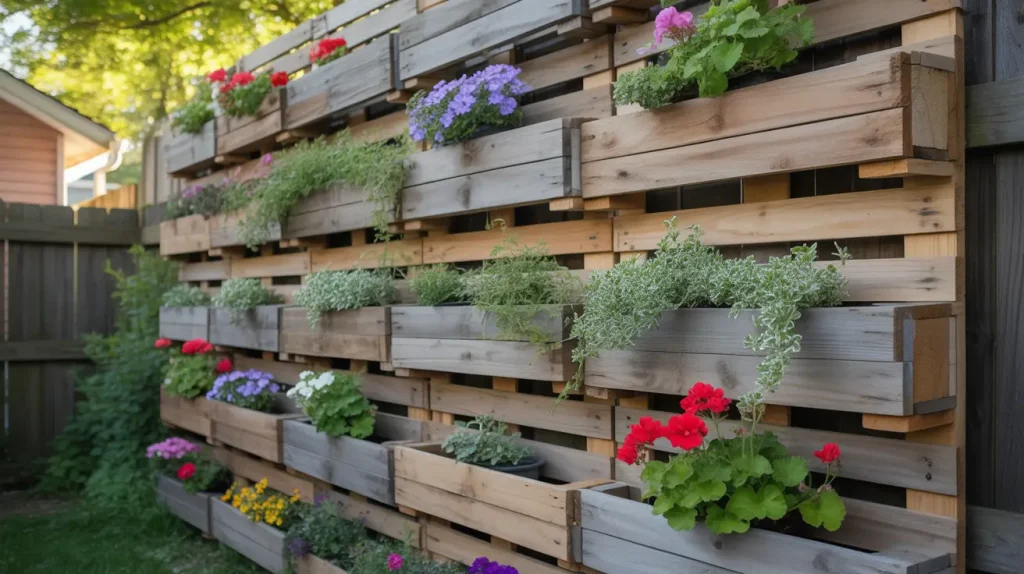
Pallet walls are budget-friendly and creative. They work well for flowers and shallow-root plants. Use heat-treated pallets only. Avoid chemically treated wood.
Line pallets with landscape fabric. This prevents soil loss. Water gently to avoid washout. Pallet walls are ideal for DIY gardeners.
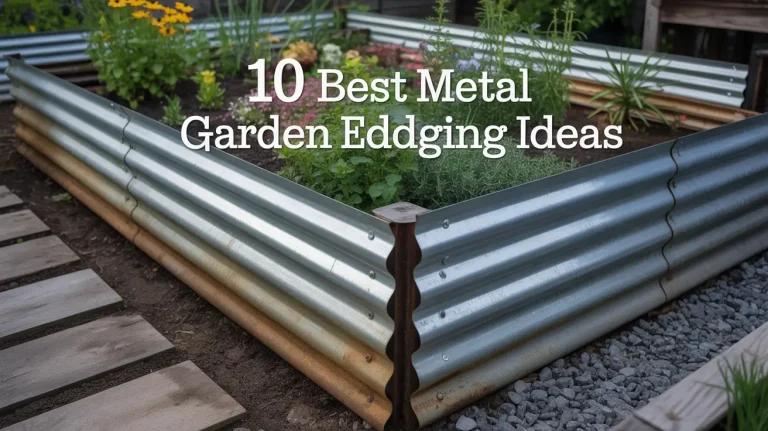
Metal Panel Garden Wall
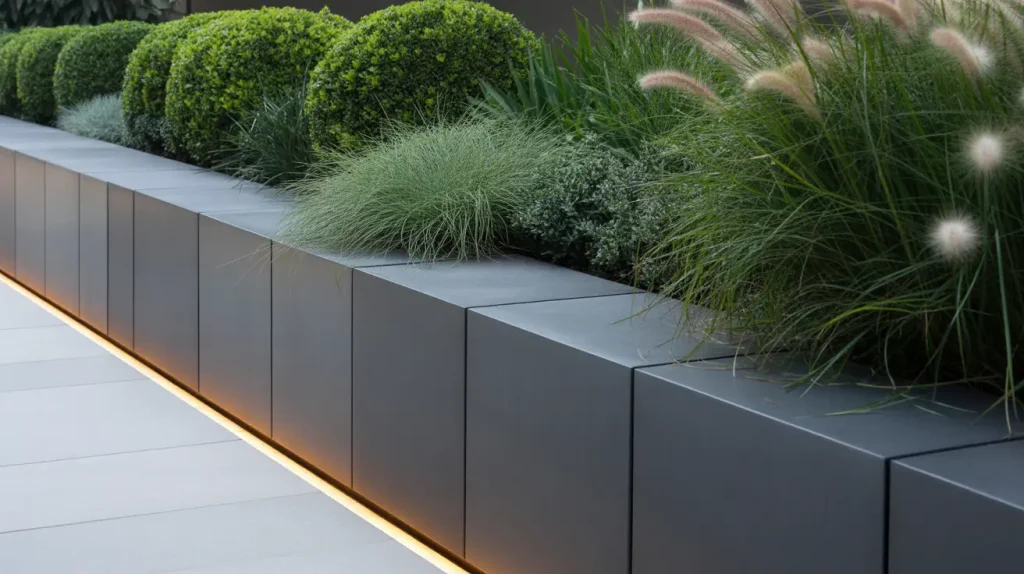
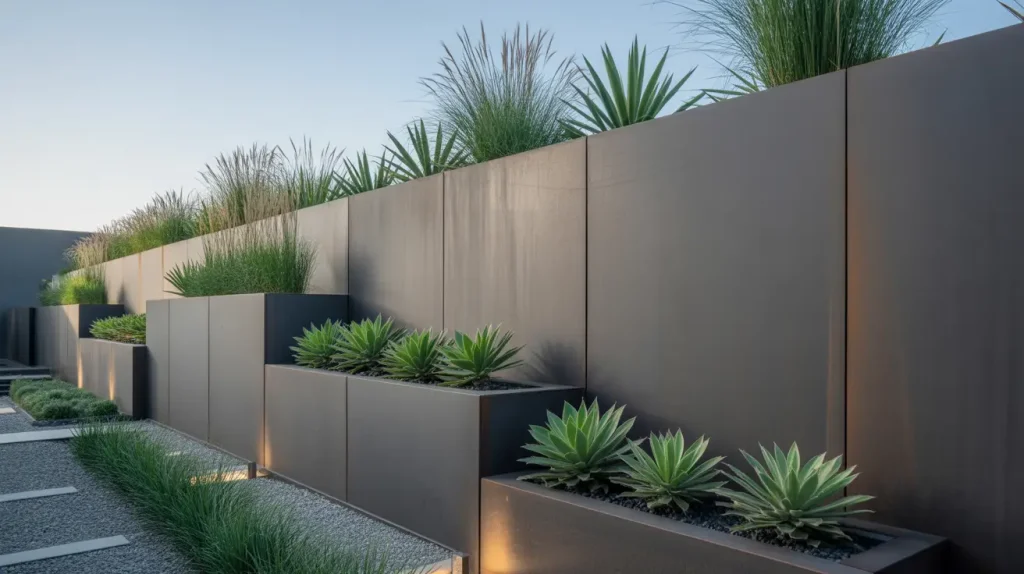
Metal walls give a modern look. Corten steel is popular because it rusts beautifully without weakening. Pair it with ornamental grasses or succulents.
Metal heats up fast. Avoid placing sensitive plants directly against it. Leave small air gaps to protect roots.
Mosaic Art Garden Wall

Mosaic walls turn gardens into personal art spaces. Use tiles, stones, or broken ceramics. Keep grout weather-resistant. This wall works best as a focal point.
Avoid sharp edges. Seal the surface to protect from moisture. A mosaic wall tells a story and lasts for years.
Green Fence Wall
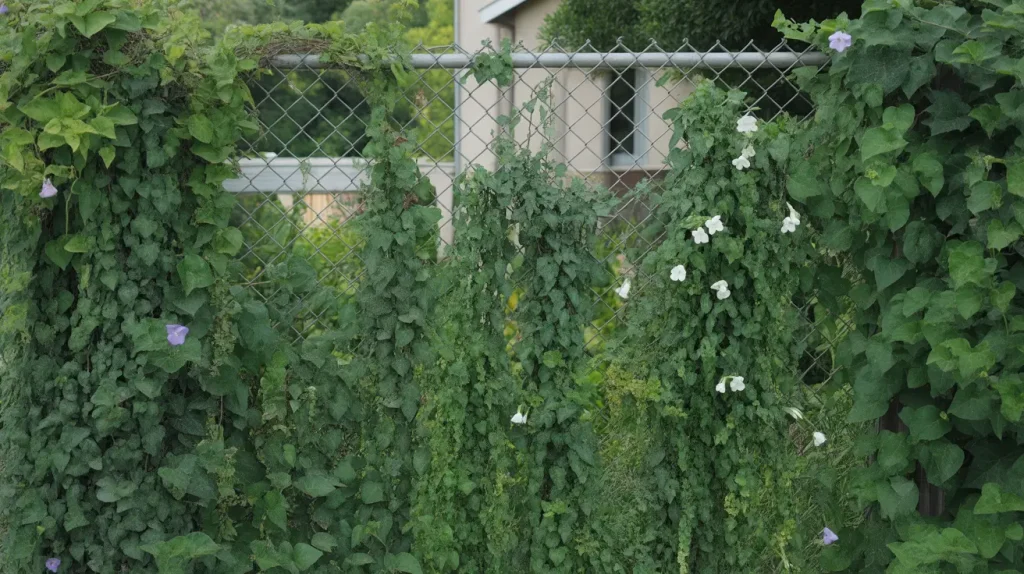
Green fence walls use wire or mesh panels with climbing plants. They are flexible and affordable. Great for rental properties or temporary gardens.
Choose fast growers like sweet pea or morning glory. Trim regularly to keep shape. This wall evolves with the seasons.
Shelved Garden Wall
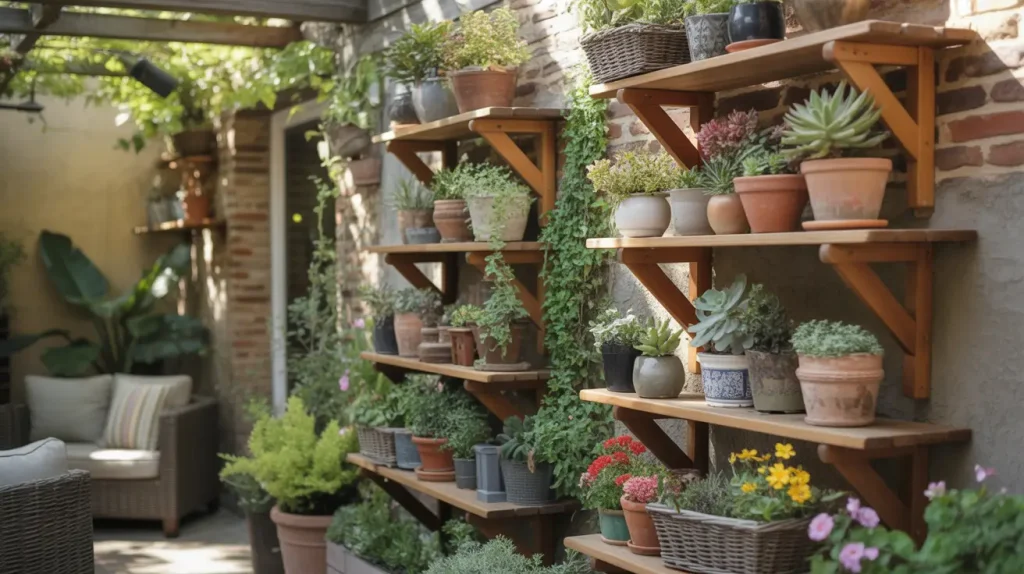
Shelves turn walls into plant displays. Use sturdy brackets. Terracotta or lightweight pots work best. Arrange by height and color for balance.
Rotate plants for equal sunlight. This prevents uneven growth. Shelved walls are perfect for small gardens and patios.
Mirror Garden Wall
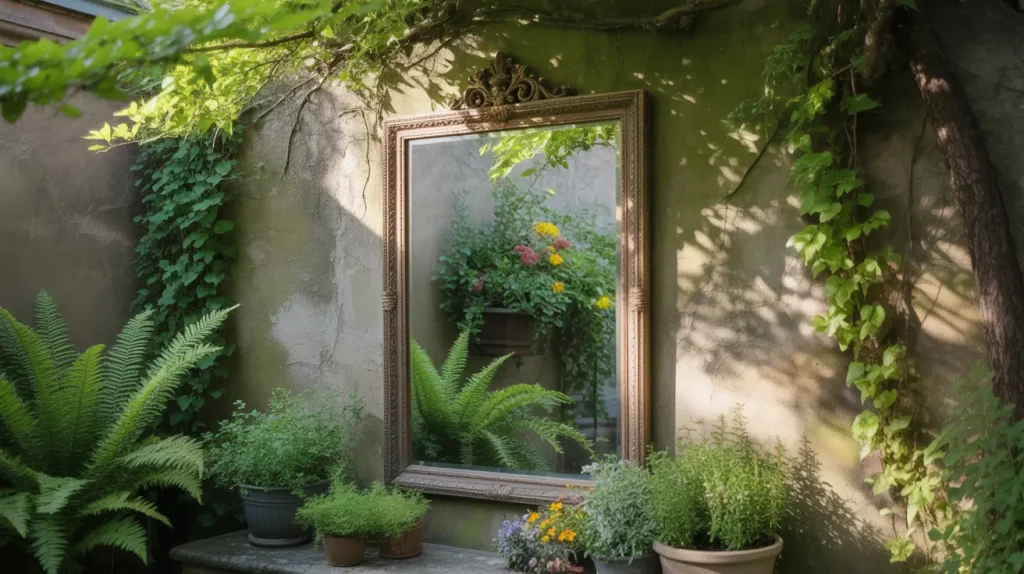
Mirrors visually double garden space. They reflect light and greenery. Use outdoor-grade mirrors only. Position them to avoid direct sun glare.
Clean regularly. Dirt shows quickly. Mirror walls work best in shaded corners to add depth.
Hanging Planter Wall

Hanging planters add movement. Trailing plants like ivy or string of pearls work well. Secure hooks properly to handle weight.
Check watering needs carefully. Hanging pots dry faster. This wall is lively and dynamic.
Gabion Garden Wall
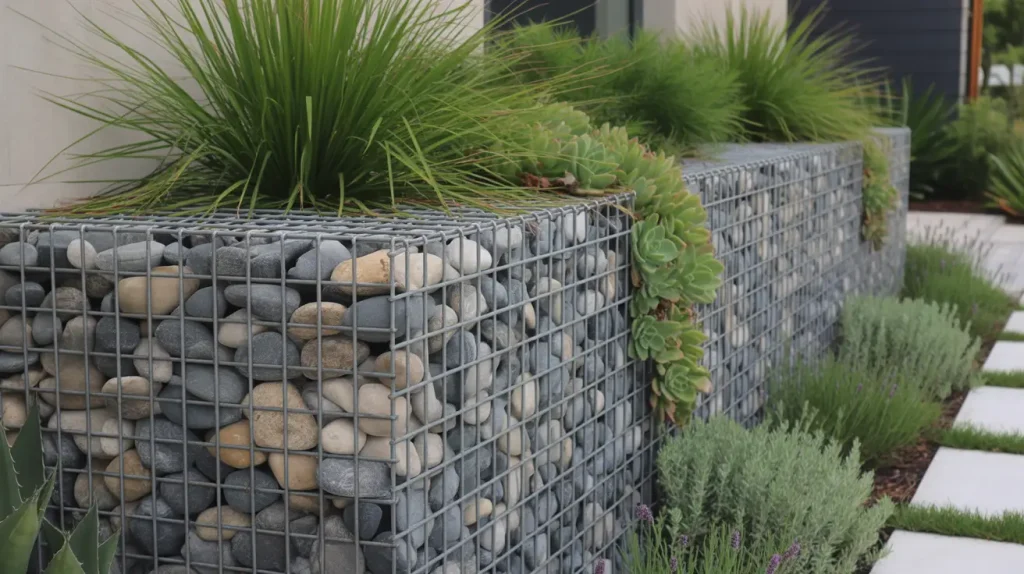
Gabion walls use wire cages filled with stone. They are durable and modern. Excellent for noise reduction and structure.
Use local stone to blend naturally. Add planters on top for softness. Gabions need little maintenance.
Recycled Material Garden Wall
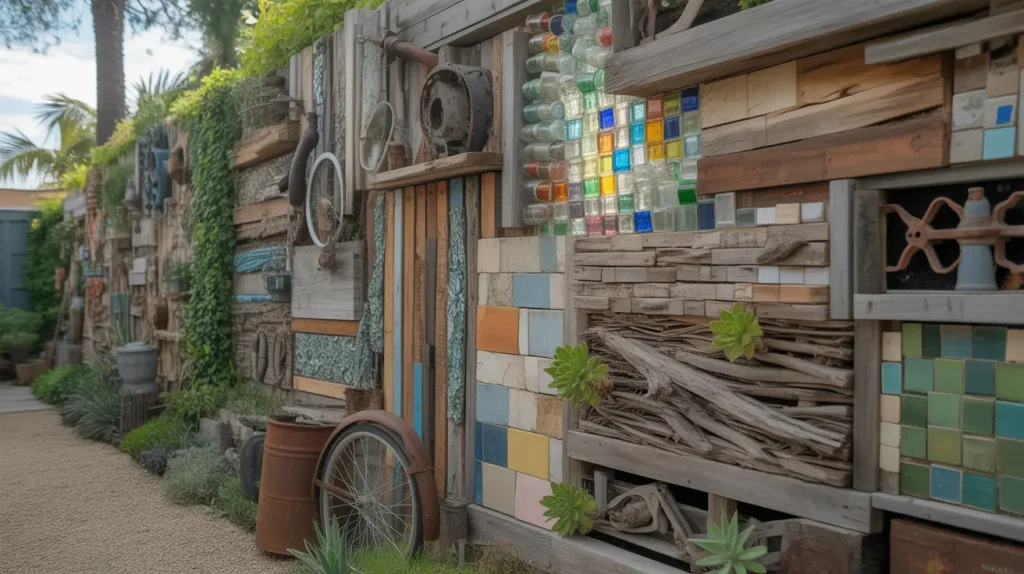
Old doors, windows, or tiles create unique walls. This is sustainable and creative. Ensure materials are weather-safe.
Seal wood and metal properly. Avoid toxic paints. Recycled walls add character and story.
Evergreen Hedge Wall
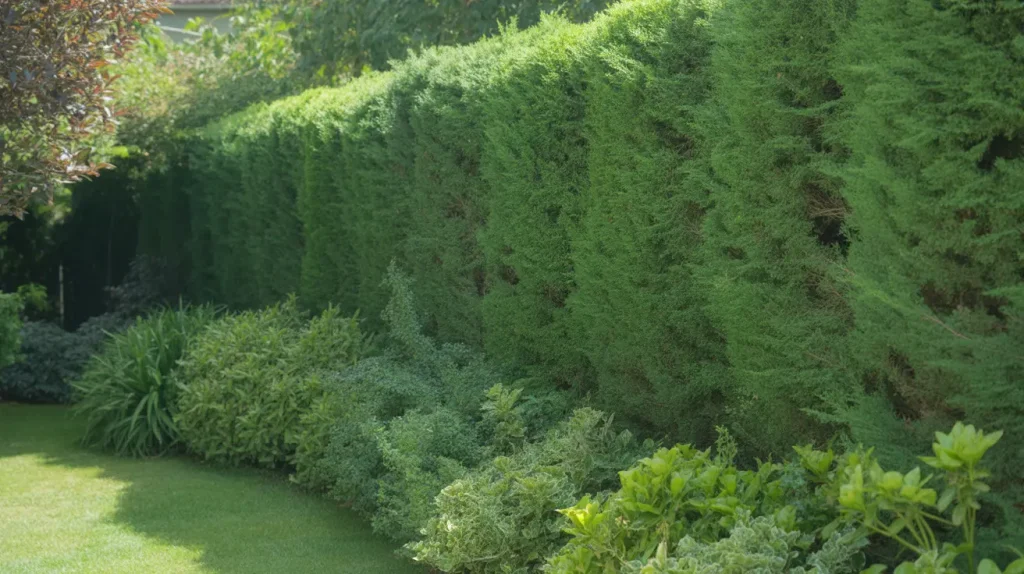
Living hedge walls provide year-round privacy. Boxwood, ficus, or podocarpus work well. Regular trimming keeps shape neat.
Water deeply during establishment. Mulch the base. Hedge walls are living structures that improve with time.
Final Thoughts
A garden wall should work with nature, not against it. Choose materials wisely. Match plants to climate. Plan for maintenance from day one. When done right, a garden wall becomes the heart of your outdoor space.