How to Get Rid of Ants (Complete Home & Garden Guide)
Seeing a line of ants in the kitchen can be very frustrating. One day home is clean. The next day, tiny ants are walking across the counter. I have seen this happen even in well-kept homes. Ants do not need much. A few crumbs and a little moisture are enough for them.
Ants are manageable. You do not need to panic. You need the right steps and a little patience. In this guide, I will explain why ants come into your house, how to remove them using different methods and how to stop them from coming back.
If you follow the steps carefully, you will see real results. Continue reading, how to get rid of ants.
Why Do I Have Ants in My House?
Ants enter homes for three main reasons: food, water and shelter.
Food is the biggest reason. Even tiny crumbs attract them. A drop of juice, a small sugar spill, or pet food left out overnight can bring dozens of ants. Once one ant finds food, it leaves a scent trail. Other ants follow that trail. That is why you suddenly see a long line.
Water is another reason. Ants need water to survive. Leaky pipes under the sink, damp wood, or even a wet sponge can attract them. Bathrooms also attract ants because of moisture.
Season also matters. Ants are more active in spring and summer. During hot weather, they search for water. During heavy rain, they may enter your home to escape flooding.
Sometimes ants build nests near your house. They enter through tiny cracks in walls, gaps around windows, door frames, or openings near pipes. These spaces are so small that you do not notice them.
Ants belong to the family Formicidae in the order Hymenoptera (which also includes bees and wasps). There are over 13,000 described species worldwide (with estimates up to 22,000), living in highly organized colonies with castes like queens, workers, and sometimes soldiers. They are eusocial insects known for their elbowed antennae, narrow “waist” (petiole), and diverse behaviors.
Common Types of Ants (Household/Pest Species)
Here are some of the most frequently encountered ants globally, with key traits:
- Carpenter Ants (Camponotus spp.): Large (up to ½ inch or more), often black or reddish-black. They nest in wood (sometimes damaging structures by excavating moist or decaying wood, though they don’t eat it like termites). They bite but don’t sting. Common indoors near moisture.
- Fire Ants (Solenopsis spp., e.g., Red Imported Fire Ant): Reddish-brown, aggressive. They build visible mounds outdoors and deliver painful stings. Attracted to fats/sweets; invasive in many regions.
- Argentine Ants (Linepithema humile): Small, light to dark brown, shiny. They form huge super-colonies, trail indoors for sweets, and displace native species. Common in warmer climates.
- Odorous House Ants (Tapinoma sessile): Small (1/16–1/8 inch), brown-black. Emit a rotten coconut-like smell when crushed. Nest indoors/outdoors; attracted to sweets.
- Pavement Ants (Tetramorium spp.): Small, brownish-black with grooved head/thorax. Nest under pavement, sidewalks, or slabs; often enter homes after rain.
- Acrobat Ants (Crematogaster spp.): Small, heart-shaped abdomen that they raise like an acrobat when disturbed. Colors vary (red/brown/black); can sting and emit odor.
- Pharaoh Ants (Monomorium pharaonis): Tiny (about 1/12 inch), yellow-brown. Nest indoors (hard to eradicate due to multiple queens and “budding”); attracted to proteins/sweets. Common in hospitals/hotels.
- Crazy Ants (e.g., Nylanderia or Paratrechina spp.): Small, long-legged; run erratically. Some species are invasive and displace others.
- Army Ants (Eciton and relatives): Nomadic predators with large mandibles. They raid in columns (no permanent nests in some species); mostly tropical.
Other notable types include:
- Harvester Ants — Collect seeds; often in arid areas.
- Leafcutter Ants — Cut leaves to grow fungus (tropical).
- Weaver Ants — Build nests by weaving leaves with silk from larvae.
- Bullet Ants — Famous for extremely painful stings (Central/South America).
Identify the Problem and Common Ant Types
Before treating, observe the ants:
- Size and color: Small brown or black ants are often odorous house ants or pavement ants. Larger black ants could be carpenter ants.
- Behavior: Do they follow clear trails? Are they attracted to sweets, grease, or both?
- Location: Kitchen counters, near moisture, or along baseboards?
Identifying the type helps choose the right approach (e.g., carpenter ants may need extra attention to wood). If unsure, take a clear photo and compare online or consult a local expert.
How to Get Rid of Ants in the House (Step-by-Step)
Getting rid of ants is not about killing the ones you see. Focus on to destroy the colony. If you only kill visible ants, more will come.
Step 1: Clean the Area Very Well
Start with deep cleaning. This is very important. Ants follow scent trails. Even if you remove food, the scent remains.
Wipe countertops with warm water and dish soap. After that, clean again using a mix of equal parts vinegar and water. Vinegar helps remove the scent trail. Do not worry about the smell. It fades quickly.
Sweep and mop floors carefully. Pay attention to corners and under appliances. Move the stove and refrigerator if possible. Crumbs often hide there.
Store sugar, flour, snacks, and cereals in airtight containers. Do not leave fruits uncovered on counters. Take trash out daily. If you have pets, do not leave food bowls out overnight.
Step 2: Find and Seal Entry Points
Watch where the ants are coming from. Follow the line. You may see them entering through a small crack or gap.
Check around windows and doors. Look at baseboards. Inspect areas around pipes under sinks. Even tiny openings are enough for ants.
Seal cracks with caulk. Repair broken window screens. Fix gaps under doors.
If you skip this step, the problem may return.
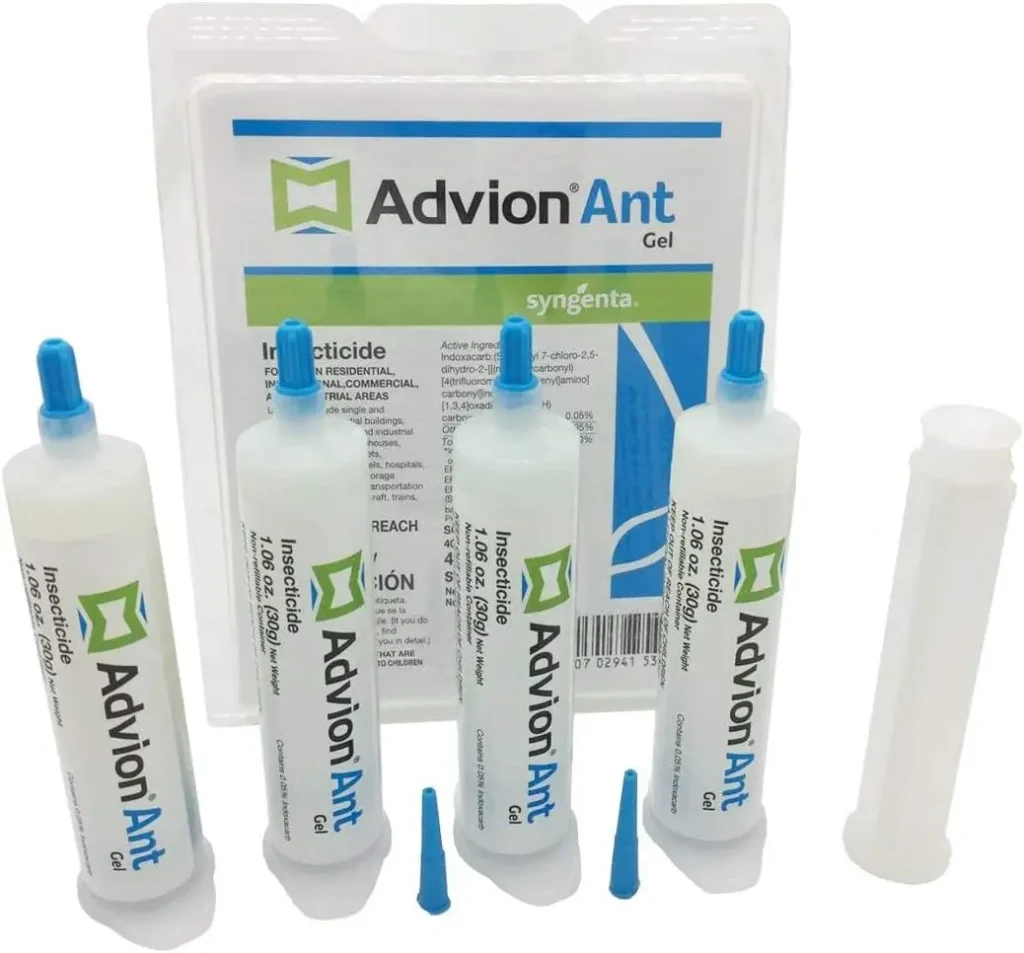
Step 3: Use Ant Baits
Many people spray ants immediately. Spray kills ants quickly, but it does not solve the root problem. It only kills workers.
Baits work differently. Worker ants carry the bait back to the nest. The colony eats it. This slowly kills the queen and other ants.
Place ant baits near trails. Do not place them randomly. Let the ants find the bait. You may see more ants at first. This is normal. They are carrying food back to the nest.
Be patient. It usually takes several days to see results. Do not disturb the bait too often.
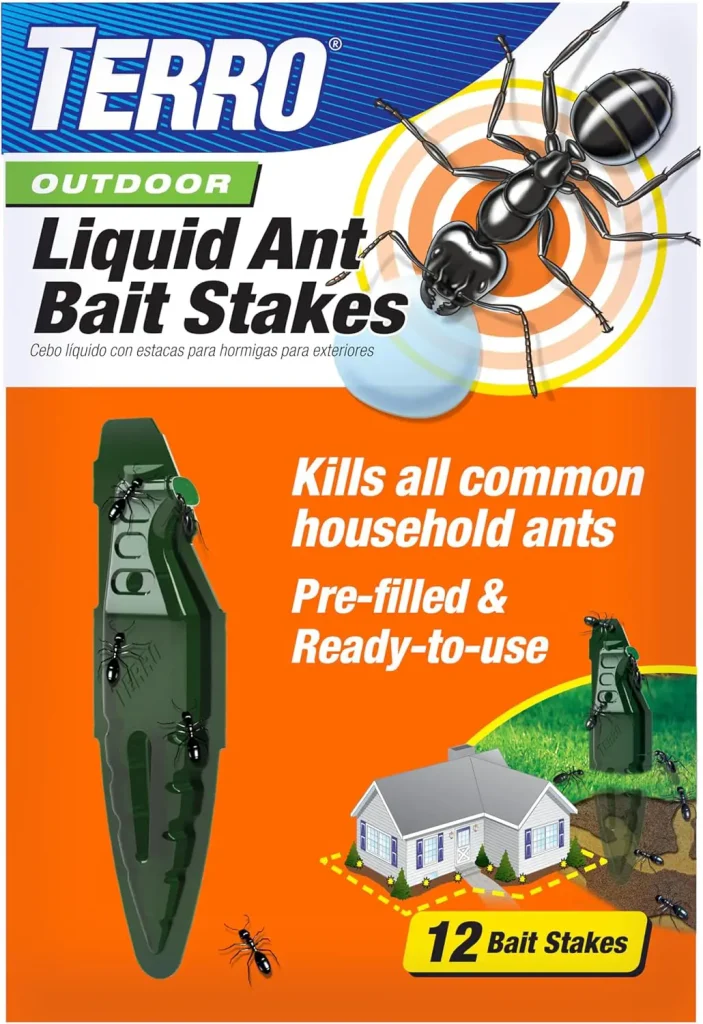
Ant Gel Bait Indoor and Outdoor
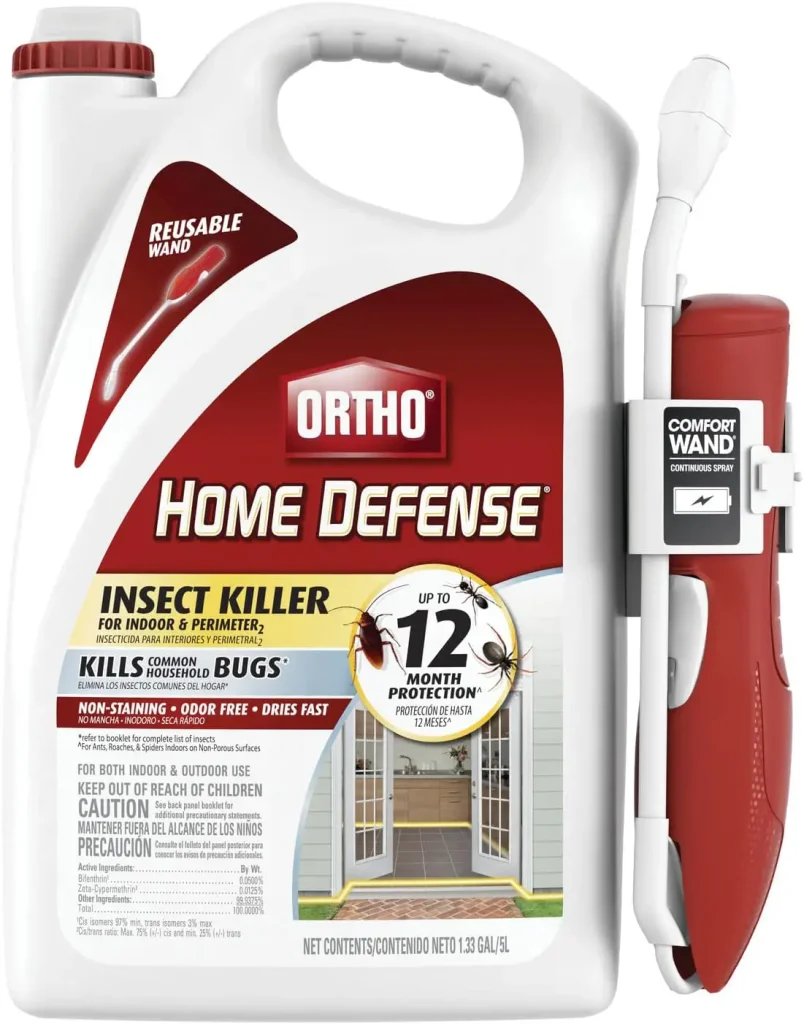
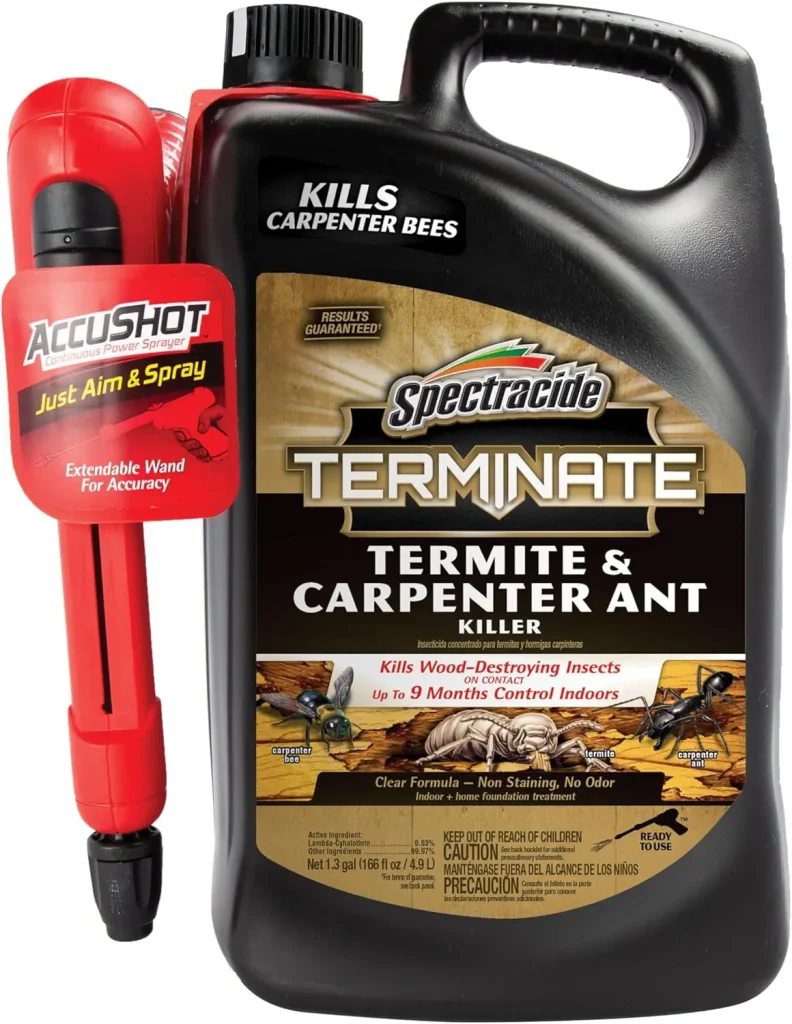
Step 4: Use Sprays Only If Necessary
If you have a heavy infestation, you may need spray for quick control. Use indoor-safe ant spray along baseboards and entry points.
But remember, spray alone is not enough. Always combine spray with bait for better results.
Natural Ways to Get Rid of Ants
For eco-friendly or low-toxicity options, try these household solutions. They work best for minor infestations.
- Vinegar Spray: Mix equal parts white vinegar and water in a spray bottle. Spray directly on ants, trails, and entry points. It kills on contact and erases pheromone trails so new ants can’t follow.
- Baking Soda + Powdered Sugar: Mix equal parts and place in shallow lids or sprinkle near trails. Sugar attracts ants; baking soda disrupts their digestion.
- Borax Bait (Popular DIY): Combine 1 part borax with 3 parts sugar (or use corn syrup/honey). Add a little water to make a syrup. Place in bottle caps or on cardboard away from pets and children. Ants carry it back to the colony, killing the queen and nest over days.
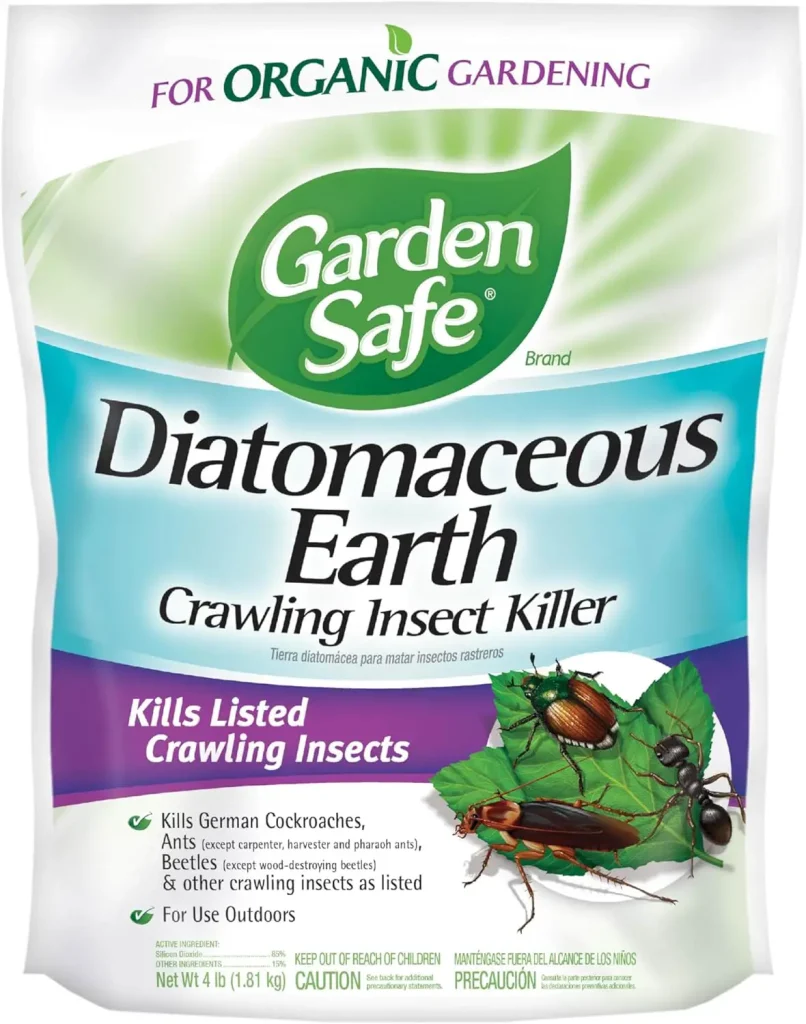
- Diatomaceous Earth (Food-Grade): Sprinkle a thin layer in cracks, along baseboards, and around entry points. It dehydrates ants on contact but is safe for humans/pets when used dry.
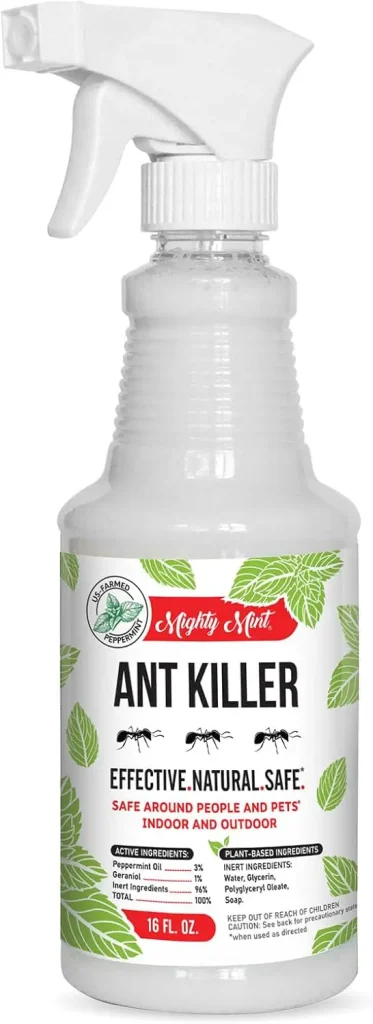
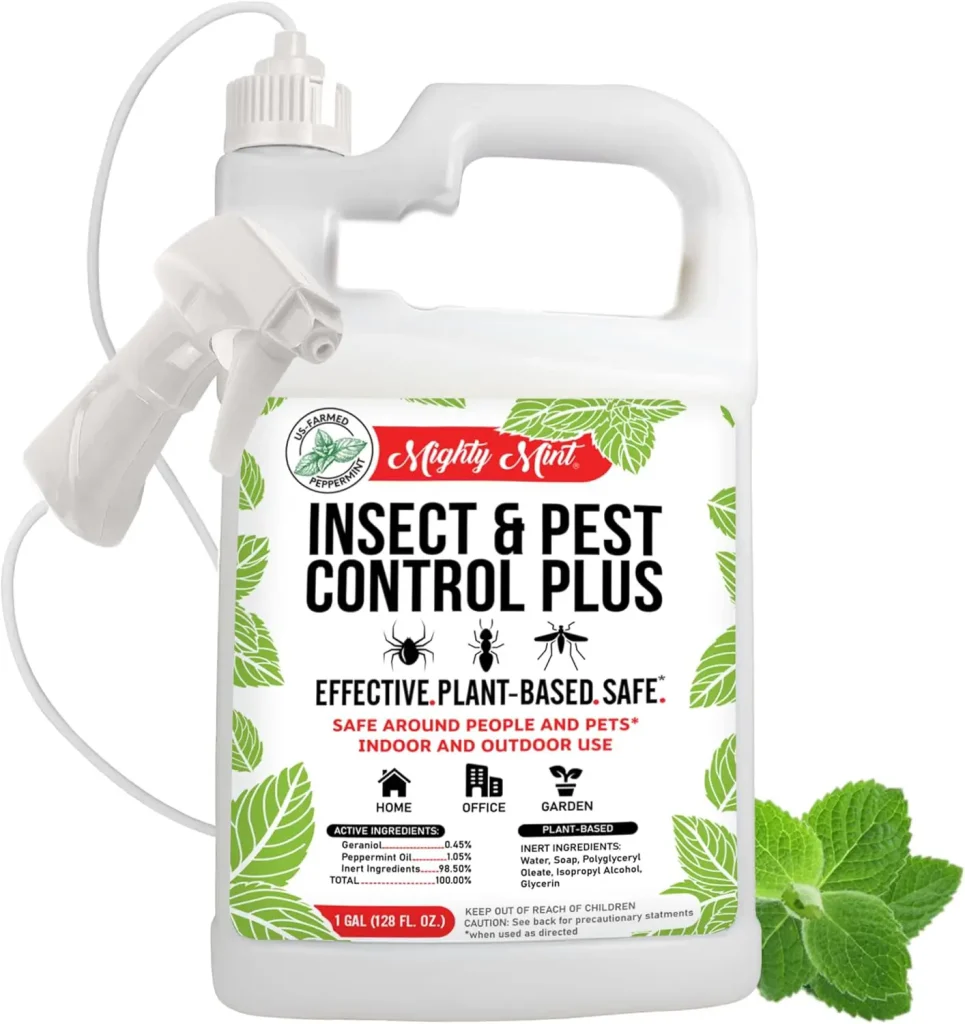
- Essential Oils: Peppermint, tea tree, or lemon oil diluted in water (10–15 drops per cup) makes a repellent spray. Cinnamon or cayenne pepper sprinkled in problem areas also deters ants.
- Lemon Juice or Coffee Grounds: Squeeze fresh lemon around windows and doors, or sprinkle used coffee grounds as a natural barrier.
Tip: Replace baits every few days and be patient—colony elimination can take 1–2 weeks.
How to Get Rid of Ants in the Kitchen
The kitchen is the most common place for ants.
Start by emptying cabinets. Clean shelves with warm soapy water. Wipe again with vinegar solution. Pay special attention to sugar containers and spice jars.
Check behind and under appliances. Crumbs collect under the stove and refrigerator. Even a small food spill can feed many ants.
Keep countertops dry. Do not leave dirty dishes overnight. Take garbage out every day. Clean the trash can regularly.
If ants are coming from behind the sink, check for leaks. Moisture attracts them. Fixing a small leak can reduce the problem quickly. You can also use ant baits.
How to Get Rid of Ants in the Bathroom
Many people feel confused when ants appear in the bathroom. There is no food there, so why are they coming? The answer is moisture.
Ants need water to survive. Bathrooms often have damp areas. Small leaks under the sink can attract them. Even condensation around pipes gives them enough moisture.
Check for leaks. Look under the sink. Check around the toilet base. Inspect the bathtub and shower area. Fix any leaking pipe or dripping tap.
Clean the floor and tiles with a strong soap solution. After cleaning, wipe the area with vinegar and water. This removes scent trails. Pay attention to corners and cracks between tiles.
Keep the bathroom as dry as possible. Use an exhaust fan after showers. Wipe water from the floor. Do not leave wet towels in piles.
If ants are coming from wall cracks, seal them with caulk. If they are entering from drains, pour boiling water slowly into the drain to kill small nests inside pipes.
How to Get Rid of Ants in the Yard and Garden
Sometimes the real nest is outside. If you only treat indoors, ants may return.
Walk around your house and look for ant mounds. You may see small piles of soil in the lawn, near the foundation, or between pavement cracks.
Pour boiling water directly into visible ant mounds to kill ants instantly. Be careful when handling hot water. Avoid pouring near delicate plants because it can damage roots.
Diatomaceous earth works well outdoors too. Sprinkle it around the foundation of your house. Apply it near entry points and around ant hills. Make sure the area stays dry, because moisture reduces its effect.
Trim bushes and tree branches that touch your house walls. Ants use them like bridges to enter your home.
If you see aphids on plants, control them. Ants protect aphids because they feed on the sweet liquid aphids produce. When you remove aphids, ants lose a food source.
Keep mulch a few inches away from your home foundation. Do not let soil or leaves pile up against the wall. This creates shelter for ants.
When the outside colony weakens, indoor problems become easier to manage.
Can You Get Rid of Ants Permanently?
Short answer: Not completely — but you can dramatically reduce them for the long term.
Ants are highly adaptable colony insects, and new ones can always migrate in from neighboring properties, gardens, or even nearby parks. True “permanent” elimination is nearly impossible in most outdoor environments because you’re essentially battling an endless supply from the surrounding ecosystem.
The good news? You can significantly suppress ant populations on your property and prevent them from turning your home into their next buffet. The most effective strategy is proactive yard-wide baiting early in the season, combined with strong indoor prevention.
When to Call a Professional Exterminator
Most ant problems can be handled at home. But sometimes professional help is necessary.
If you see large black ants and wood dust, this could be carpenter ants. They may damage wooden structures. In that case, expert treatment is safer.
If ants keep returning even after baiting and sealing cracks, the nest may be hidden deep inside walls. Professionals have tools to locate and treat large colonies.
If you have severe fire ant infestation in your yard, especially where children play, professional treatment may be the safest option.
Do not feel discouraged if home treatment does not work immediately. Some colonies are large and require stronger methods.
Conclusion
Ants can be annoying, but they are not unbeatable. The key is to remove food and moisture, destroy the colony, and seal entry points.
Cleaning alone is not enough. Spraying alone is not enough. A complete approach works best.
Stay patient. Most infestations improve within a week when you follow the right steps. Once ants are gone, focus on prevention to keep your home protected.