Tall Grass Florida – 8 Ornamental Grasses
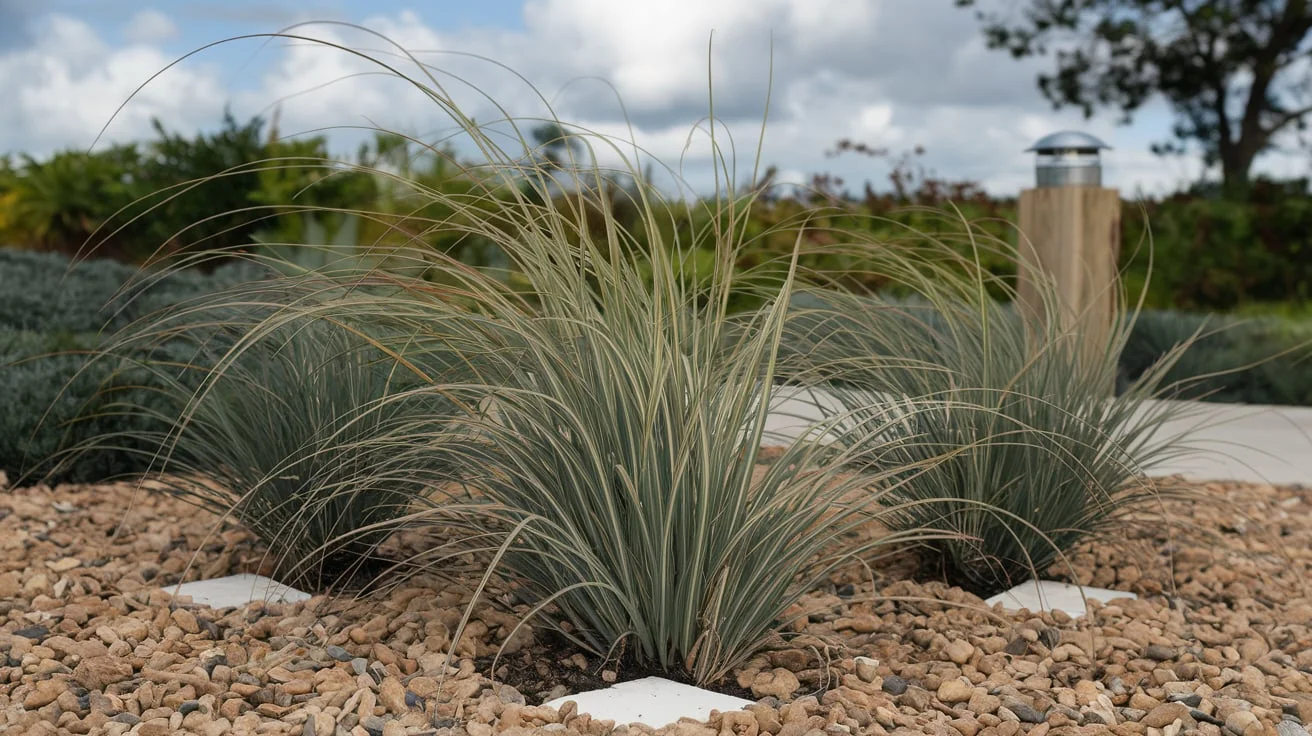
Tall grasses can transform any garden into a lush oasis. Varieties like Muhlenbergia capillaris and Pennisetum alopecuroides are not only eye-catching, but their feathery plumes create a soft, breezy effect when the wind blows and make your garden come to life with movement. They thrive in a variety of settings, from sunny garden beds to partial shade, and come in a range of colors, textures, and heights.
What i do like, they are easy to maintain, drought tolerant and resistant to pests.
They serve as a backdrop for flowers, create privacy, or act as windbreaks. Many ornamental grasses are wildlife-friendly, provide shelter and food for birds and small animals.
In conclusion, tall ornamental grasses offer beauty, function, and ease of care. Their appearance and multiple benefits make them a good choice for anyone looking to enhance their landscape. In this post, I will guide about tall ornamental grasses in Florida.
Tall Grass Florida:Ornamental Grasses Varieties
- Muhly Grass
- Fountain Grass
- Feather Reed Grass
- Blue Fescue
- Switchgrass
- Fakahatchee Grass Florida
- Sea Oats
- Pampas Grass
Muhly Grass (Muhlenbergia capillaris)
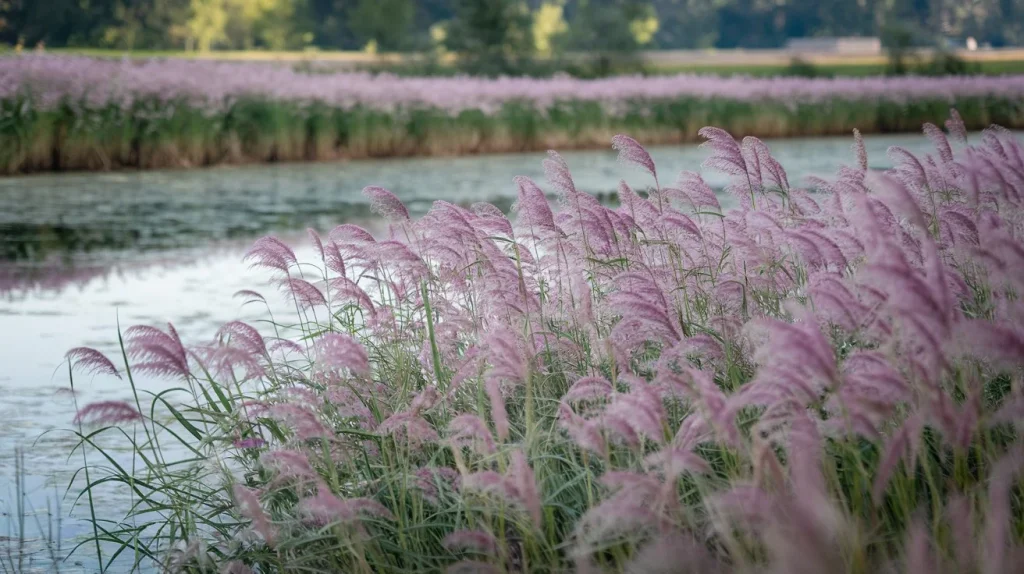
Native to the central and eastern United States, as well as parts of Mexico and Guatemala, Muhly grass thrives in rocky, clay soils, particularly those in prairie-like or woodland areas. It’s a hardy plant, found naturally in open woodlands, savannas, and dry mountainous regions.
It holds many common names like Pink Muhly Grass, Hair Grass, Gulf Muhly, Pink Muhly, Purple Muhly, Pink Hair Grass and Mule Grass.
The plant reaches up to 4 feet tall, and the flowers give way to small, purplish seeds. Pink muhly grass is easy to care for and perfect for low-maintenance gardens in Florida. It grows well in sunny spots (at least 6-8 hours per day) and well-drained soil (slightly acidic to neutral ), require little water once established.
It is resistant to deer, pests, and diseases, an ideal choice for both home and commercial landscapes. Additionally, it is tolerant of heat, drought, humidity, poor soil, and salt, a versatile option for many environments.
Fountain Grass (Pennisetum Alopecuroides)
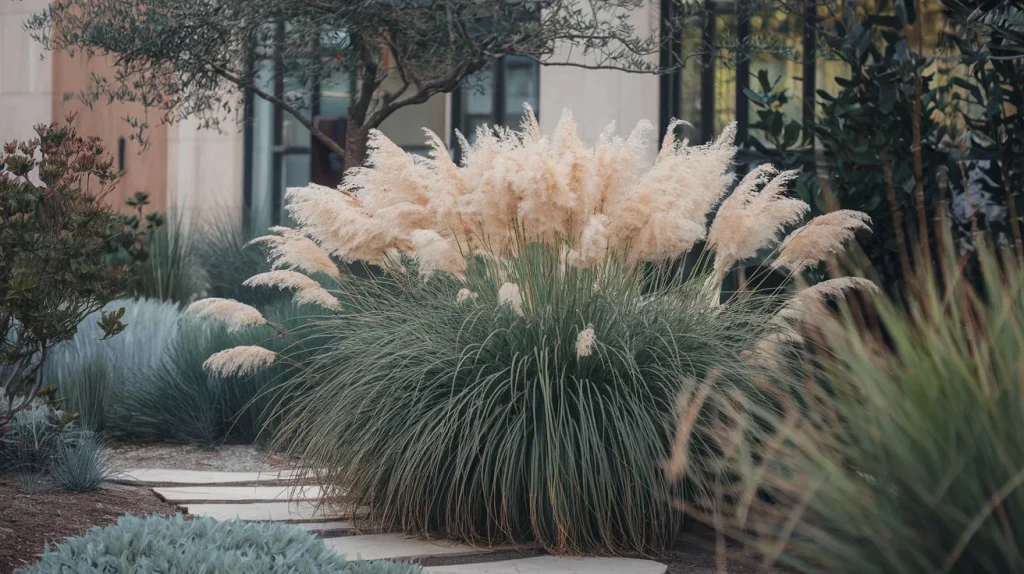
Fountain grass (Pennisetum alopecuroides) is a versatile (with more than 15 varieties) plant that suits both beginner and experienced gardeners. This grass is low-maintenance and ideal for various landscaping purposes.
Cultivars differ in flower and leaf color. Popular cultivars include Little Bunny Dwarf Fountain Grass, Prairie Winds Desert Plains Fountain Grass, and Red Head Fountain Grass. Fountain grass grows between 18 inches and 3 feet tall.
It is adaptable and can thrive in different soil types, such as chalk, loam, or sandy soils. Once established, the plant only needs supplemental watering during extended dry spells.
Fountain grass does not need regular fertilization. Mulching with organic compost annually can help replenish nutrients in the soil.
Growing Methods
To grow fountain grass from seed, sow seeds indoors in late winter or outdoors in early spring. Lightly cover the seeds with soil and keep them moist. Germination takes about 2-3 weeks. Once seedlings are large enough, transplant them into larger pots or directly into the garden.
Fountain grass can also be grown in containers, a good option for patios. Select a smaller cultivar for containers. Ensure the container is well-watered and receives plenty of sunlight. To shield it from freezing temperatures in winter, move the container to a protected location like a basement or heated garage.
Feather Reed Grass (Calamagrostis acutiflora)
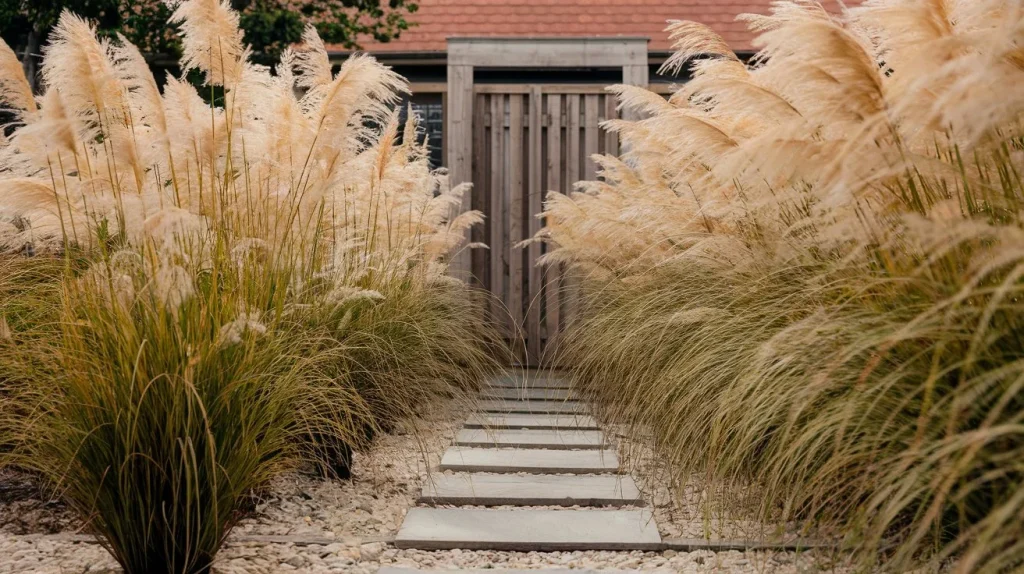
Feather Reed Grass is a beautiful, hardy ornamental grass that adds vertical interest and texture to gardens. It’s a hybrid specie. Known for its tall, elegant plumes and fine, clumping foliage, a stunning addition to gardens across various regions, including Florida.
Feather Reed Grass typically grows between 3 to 5 feet tall, with a narrow, upright habit. The plant has slender, wiry leaves that form dense clumps. In early summer, the grass sends up feathery, purplish plumes that eventually turn into narrow, buff-colored stalks by late summer.
This Grass thrives in well-drained and fertile soil. However, it can tolerate a range of soil types, from heavy clay to sandy soils. The plant also grows well in sites that are occasionally wet or dry. It prefers full sun for the best flowering and can also tolerate partial shade. In Florida’s hot summers, a little shade can help the plant thrive, but too much shade may reduce its flowers and overall upright growth.
Why Do I recommend? Benefits and Uses
- It’s great for adding vertical interest to flower beds, borders, or containers.
- Can be used to create a natural privacy screen between houses.
- Low maintenance plant.
- A good choice for rock gardens.
- Can be planted around a backyard pond or pool.
- Disease and Pests resistant.
- Feathery plumes of feather reed grass attract birds for nesting and feeding.
Is Feather Reed Grass invasive?
No, Feather Reed Grass is not invasive. It does not produce viable seeds and tends to stay in a well-defined clump, so it won’t spread uncontrollably in your garden.
Feather Reed Grass is hardy in USDA Plant Hardiness Zones 4a to 9b.
Blue Fescue (Festuca glauca)
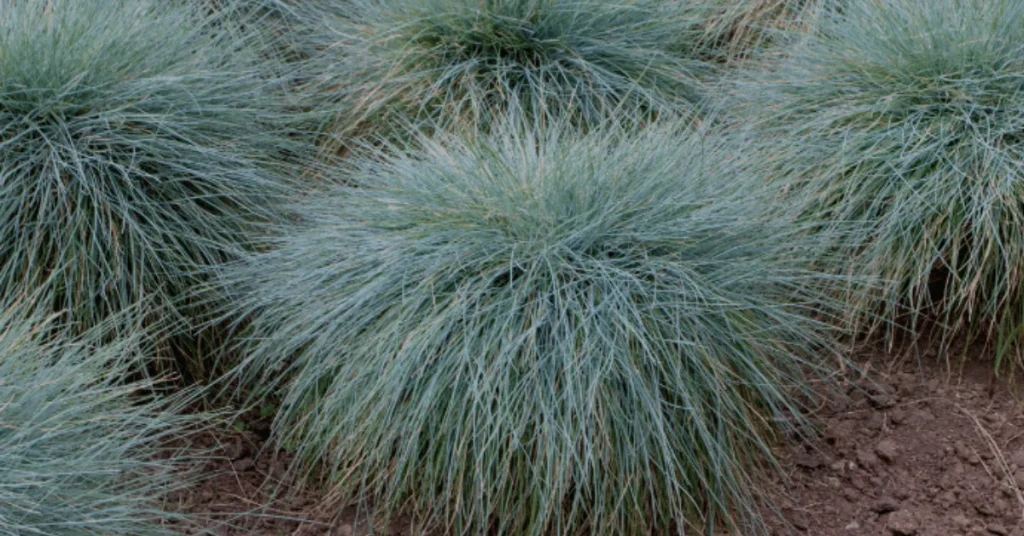
Blue fescue grass (Festuca glauca) is a low-maintenance ornamental grass valued for its silvery blue foliage and fine texture. It is drought-tolerant and thrives in USDA hardiness zones 4 to 8. This cool-season perennial grows up to 12 inches tall and an excellent companion plant for bolder or larger species. Unlike tall fescues used for lawns, blue fescue is ideal for borders, rock gardens, or as a groundcover.
Blue fescue grows best in full sun (6-8 hours of direct light daily), however, it can tolerate partial shade. The plant prefers moist, well-draining soil and does not thrive in soggy or overly wet conditions. Mature plants can handle drought periods.
This grass is easy to grow from seeds. You can sow them directly in the garden in early spring or late summer. Division is essential for maintaining the plant’s health and longevity. Every two to three years, lift the clump, divide it in half, and remove any dead sections before replanting. Dividing helps prevent the center of the plant from dying and gives you more plants for your garden.
Pruning keeps blue fescue tidy and encourages fresh growth. In early spring, cut the foliage back to a few inches from the ground. Remove dead grass and spent flowers throughout the season.
Blue fescue is generally pest-free, aphids can occasionally be a problem. These can be washed off with water or treat with insecticidal soap.
Popular varieties include ‘Elijah Blue’ for its bright blue foliage, ‘Boulder Blue’ for heat tolerance, and ‘Golden Toupee’ with its chartreuse leaves. With proper sunlight, watering, and occasional division, blue fescue will remain a striking, low-maintenance addition to any garden.
What Causes Blue Fescue to Turn Brown?
Blue fescue (Festuca glauca) can turn brown for several reasons. Here are the main causes:
- Overwatering or Poor Drainage
Soggy conditions can cause browning due to stressed or decaying roots. Avoid over-watering. It prefers well drained soil. - Heat Stress
Intense heat during the summer, especially in regions with high temperatures, can stress the grass and lead to browning. - Old Growth or Natural Dieback
Blue fescue naturally produces new foliage while older leaves turn brown and die back. - Fertilizers Deficiency
Low fertilizers can cause browning or a change in color. - Pests or Disease
Fungal infections, such as rust or crown rot, can cause browning. Additionally, pests like aphids or root-eating insects can stress the plant and contribute to browning. - Improper Light Conditions
Blue fescue thrives in full sun 6 to 8 hours per day. If placed in partial shade, the plant may weaken, resulting in poor color and browning leaves.
Solutions
- Water appropriately: Keep the soil dry slightly between waterings, and ensure good drainage.
- Prune regularly: Trim dead or browning leaves in early spring or fall.
- Provide full sun: Provide direct sunlight 6-8 hours per day.
- Proper Nutrients: Use fertilizers for vigorous growth.
- Inspect for pests and disease: Treat with insecticidal soap if insect pests arise.
Switchgrass (Panicum virgatum)
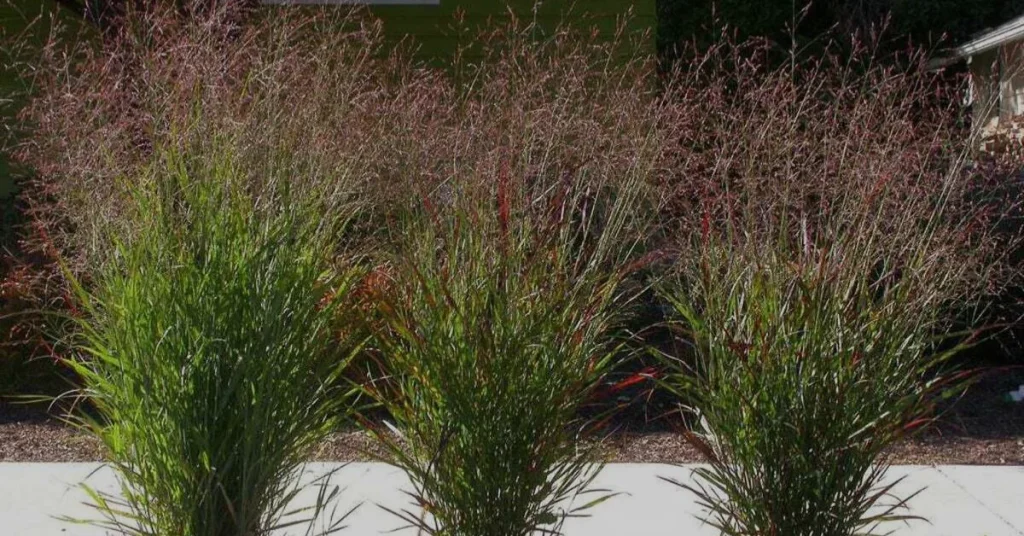
Switchgrass (Panicum virgatum) is a perennial, warm-season grass native to North Carolina and much of North America. It is one of the dominant grasses of the tallgrass prairie and thrives in a variety of environments, including moist roadsides, streambanks, and woodland edges. It forms dense, upright clumps of foliage that can spread slowly through creeping rhizomes. It attains height of 2.5-5 feet.
This grass prefers full sun (at least 6 hours per day) and moist clay or sandy soils. Partial shade is acceptable, but it can cause the plant to lose its dense shape. Once established, switchgrass is drought-tolerant, erosion-resistant, and can handle occasional flooding. It is also deer-resistant, salt-tolerant, and able to grow near black walnut trees.
In summer, its bluish-green leaves are topped by delicate, pink-tinged flower panicles that hover like a cloud above the foliage. These flowers mature into seed heads in fall, provide food for birds and small mammals through the winter. The leaves turn shades of yellow and orange in autumn.
To maintain its form, prune switchgrass back to a few inches above the ground in late winter or early spring. This helps the plant look fresh when new growth appears. Propagation is done through division or seeds. Division every three years keeps the plant healthy and prevents overcrowding.
Switchgrass works well in various garden settings. Use it as a screen, or include it in native, water, or wildlife gardens. It also looks beautiful along ponds and provides structure in winter landscapes.
Popular cultivars offer unique characteristics:
- ‘Blue Tower’: Grows up to 8 feet with blue-green leaves.
- ‘Cloud Nine’: Blue-green foliage with golden fall color.
- ‘Dallas Blues’: Powdery blue leaves, pink-purple flowers, and copper fall color.
- ‘Heavy Metal’: Features stiff, metallic blue foliage.
- ‘Northwind’: Upright form, blue leaves, and golden fall color.
- ‘Prairie Fire’: Green leaves turn deep red in summer and yellow in fall.
- ‘Prairie Sky’: A shorter cultivar with some of the bluest foliage.
- ‘Shenandoah’: Red-tipped leaves that deepen to burgundy in fall.
- ‘Rotstrahlbusch’: Good resistance to leaf spot and crown rot.
Switchgrass has minimal pest and disease issues. Thrips, spider mites, and Japanese beetles can appear and rust may occur in humid southern climates. In stressful conditions, crown or root rot can develop, but most cultivars show excellent resistance.
Switchgrass has an extreme flammability rating. Avoid planting it close to homes or structures, especially in fire-prone areas.
Fakahatchee Grass Florida (Tripsacum dactyloides)
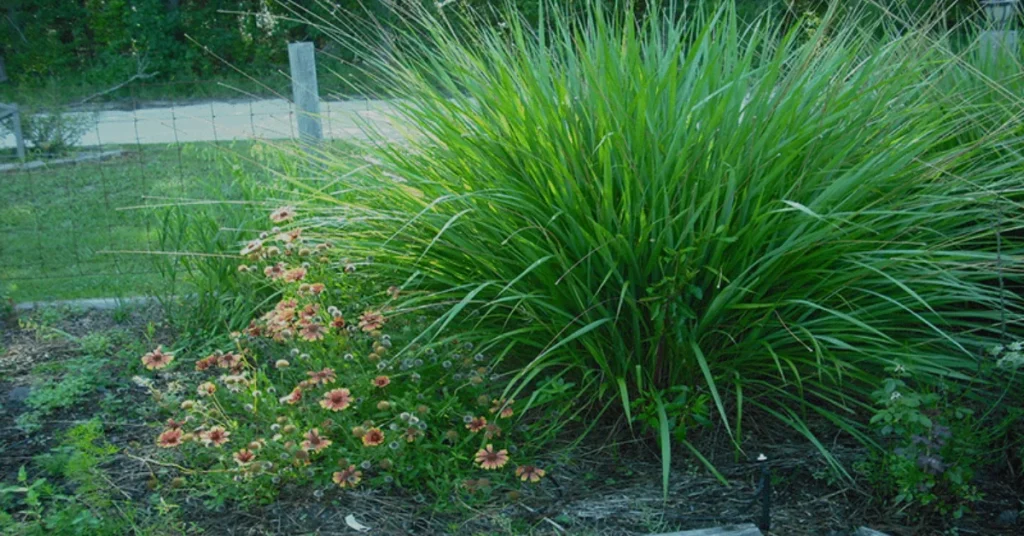
Fakahatchee Grass, also known as Eastern Gamagrass, is a popular Florida native ornamental grass. Bright green blades with serrated edges, it grows in rounded clumps and can reach 4-6 feet tall. A smaller version, called Dwarf Fakahatchee Grass (Tripsacum floridanum), grows to about 2-3 feet tall.
Fakahatchee Grass is naturally found along riverbanks, swamps, hammocks, and pond edges throughout Florida. It thrives in sunny or partially shaded areas with moist to wet soils.
Plant Characteristics
- Height and Spread: Standard Fakahatchee Grass grows 5-6 feet tall and wide. The dwarf variety grows 2-3 feet tall.
- Foliage: Deep green, spiky leaves with small serrated edges. In colder weather, the leaves take on red and bronze hues.
- Flowers: Rust-colored or white, pink, and yellow flowers appear in late spring to summer on tall stems above the foliage.
- Growth Pattern: Forms dense, rounded clumps that work well as accents, borders, or background plants in gardens.
- Wildlife Support: It provides cover for small wildlife, is a food source for songbirds, and is the larval host plant for the Byssus skipper and checker skipper butterflies.
Planting and Growing Conditions
- Sun: Prefers full sun (6-8 hours per day) but can tolerate partial shade.
- Soil: Thrives in fertile, well-drained to moderately wet soils. It can tolerate standing water but requires good drainage.
- pH Range: Between 5.1 and 7.5.
- Zones: Suitable for USDA zones 8-11.
- Moisture: Requires moist conditions during establishment but is moderately drought-tolerant once mature.
Every 3-4 years, divide clumps in early spring when new growth begins. Dig up the plant, split the clump with a spade or knife, and replant the divisions. In colder areas, the grass may die back to the ground but will regrow in spring. In subtropical climates, it remains evergreen.
Fakahatchee Grass Uses
- Low-maintenance, versatile, and wildlife-friendly.
- Lush green foliage adds beauty to any garden.
- Prevent erosion and improve soil composition.
- Fakahatchee grass is tolerant of moisture, an excellent choice for rain gardens.
- Can be used as a border.
- Can be used as an accent plant in patios or gardens.
- Can be used for hedges.
Sea Oats (Uniola paniculata)
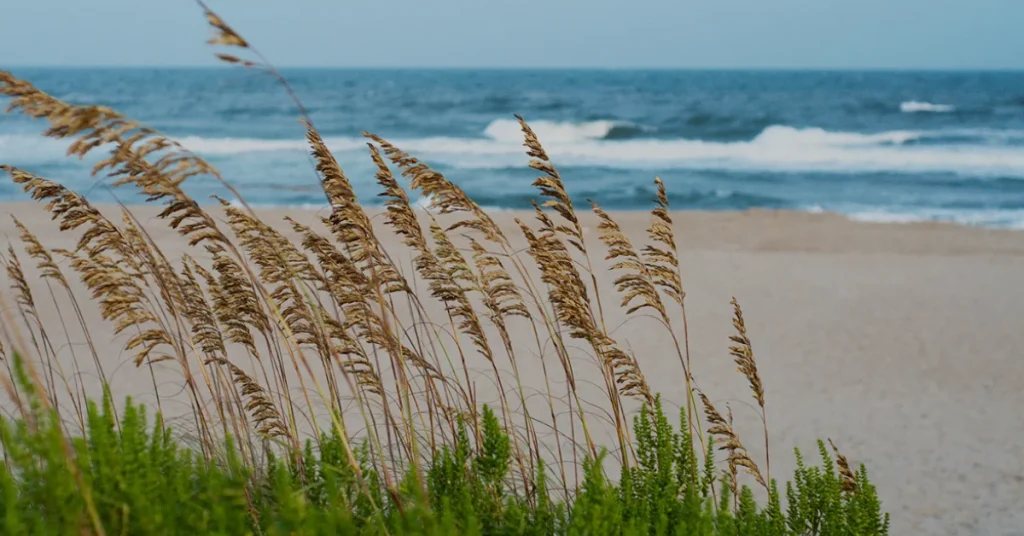
Sea oats (Uniola paniculata) are tall, spreading grasses that thrive along Florida’s coasts, particularly in sandy, dry soils. They are a member of the Poaceae family and are native to most coastal counties and the Keys. These perennial plants are hardy in zones 8A–11. They can grow up to 8 feet tall and spread aggressively.
They have root systems that can extend up to 40 feet deep, ability to anchor the dunes and protect the shoreline. These plants are highly tolerant of drought, salt, and even brief saltwater.
Their long, narrow leaves and golden seed heads (panicles) are iconic along Florida beaches. They bloom from spring to fall, with showy seed heads that turn brown and can be used in dried floral arrangements.
Sea oats are easy to propagate by root division, cuttings, or seeds. It’s essential to give them plenty of space in the garden, as they spread quickly through rhizomes. When used in landscaping, sea oats make excellent specimen plants or can be planted in masses to stabilize dunes. They pair well with other coastal plants like dune sunflower (Helianthus debilis), standing cypress (Ipomopsis rubra), and prickly pear cactus (Opuntia humifusa).
Sea oats are vital to coastal ecosystems. They provide food and shelter for wildlife, including beach mice, rabbits, and birds. They are available at native plant nurseries or Florida Native Plant Society (FNPS) sales.
Sea Oats Benefits
- Sea oats have deep, fibrous root systems that stabilize sand dunes, help to prevent beach erosion.
- By trapping windblown sand, sea oats contribute to the natural growth and maintenance of sand dunes.
- Sea oats provide shelter and nesting areas for coastal wildlife, such as birds, small mammals, and insects.
- They act as a natural barrier, reduce wind speed and helping protect inland vegetation.
- Once established, they are require no or low maintenance.
Pampas Grass (Cortaderia selloana)
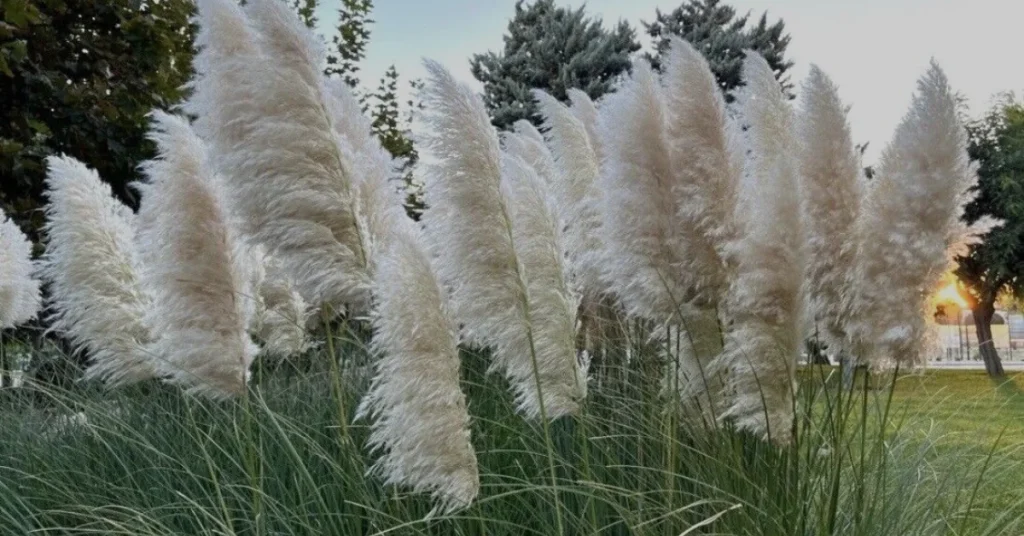
Pampas grass (Cortaderia selloana) is a striking perennial ornamental grass known for its tall plumes and lush green foliage. Native to South America, it thrives in USDA zones 7-11 and grows up to 6-10 feet tall.
This plant makes a bold statement in the garden and is ideal for large spaces, privacy screens, or hiding unattractive views like HVAC units. It can spread aggressively, so plant it thoughtfully and away from neighboring properties. Additionally, pampas grass is flammable, so avoid planting it near fire hazards like grills or fire pits.
In Florida, Pampa Grass been restricted because University of Florida IFAS (Institute of Food and Agricultural Sciences) now considers it highly invasive.
Pampas grass grows best in full sun, at least six hours of direct sunlight daily. It grows best in soil with a pH between 5.4 and 6.5, which is slightly acidic to neutral Pampas grass is drought-tolerant once established.
This tough plant tolerates heat and humidity well. It remains evergreen in warmer regions but may die back during harsh winters. In colder zones, such as zone 6, pampas grass will need winter protection or must be brought indoors. Fertilizer is usually unnecessary unless the soil is poor. Adding compost during planting helps with drainage, and for a stronger start, you can use a slow-release, all-purpose fertilizer in spring and summer.
Pruning pampas grass is essential to keep it looking neat and healthy. The leaves are razor-sharp, so wear gloves. In late winter, cut the plant back to about 12 inches from the ground before new growth appears. If the center of the plant becomes overgrown or starts to rot, divide the healthy outer sections and replant them elsewhere.
Pampas Grass Propagation
Pampas grass is easily propagated through division. After pruning, use a sharp spade to separate a healthy clump from the plant. Replant it in a new spot with good soil and moderate water. Pampas grass can also be grown from seed, though it may take up to two years to flower. To grow from seed, sow directly in spring after frost. Keep the soil moist until germination occurs in 2-3 weeks.
For container gardening, compact varieties of pampas grass like ‘Pumila’ or ‘Monvin’ are excellent choices. Use a large pot with drainage holes, at least 10 gallons in size, and fill it with a high-quality potting mix. Repot every 2-3 years. In winter, move the pot to a sheltered, cool location like a garage and reduce watering during dormancy.
Pampas grass is mostly pest-free and deer-resistant due to its sharp leaves, but it can develop fungal issues like anthracnose, rust, or powdery mildew if grown in shady, overly wet areas. Symptoms include browning leaves, powdery white coating, or reddish stems. Improving sunlight and drainage usually solves these problems.
Popular varieties include ‘Pink Feather’, with stunning pink plumes, and ‘Pumila’, a smaller variety that grows only 5 feet tall but offers the same graceful ivory blooms. ‘Monvin’ (Sun Stripe®) features yellow-striped leaves and white plumes, while ‘Blue Bayou’ stands out with blue-green foliage and golden-ivory flowers.
Pampas grass is beautiful, low-maintenance, and perfect for adding a dramatic touch to your landscape.
What is the best ornamental grass in Florida?
Muhly Grass and Fakahatchee Grass are the best ornamental grasses for Florida.