10 Best Herbs To Grow Indoors (Gardening Expert Guide)

If you don’t have outdoor space, don’t worry — you can still grow a thriving indoor herb garden right inside your kitchen window, balcony shelf, or even your living room. Whether you’re a beginner, living in an apartment, or simply want fresh flavors year-round, indoor herb gardening is one of the easiest and most rewarding ways to grow plants.
Growing herbs indoors means fresh flavors anytime, clean & pesticide-free leaves, beautiful aroma inside your home. It requires little space and perfect for beginners. Even if your room doesn’t get strong sunlight, many herbs can grow indoors with low light and adapt when placed near a bright window or under a grow light. All you need are pots with drainage, good-quality soil and a simple care routine and in a few weeks, you’ll have your own supply of fresh herbs.
Below are the 10 Best Herbs to Grow Indoors, explained one by one with care tips, pot size suggestions and unique growing patterns.
10 Best Herbs to Grow Indoors
- Basil (Ocimum basilicum)
- Lavender (Lavandula angustifolia)
- Mint (Mentha spp.)
- Cilantro (Coriandrum sativum)
- Parsley (Petroselinum crispum)
- Catnip (Nepeta cataria)
- Oregano (Origanum vulgare)
- Sage (Salvia officinalis)
- Chives (Allium schoenoprasum)
- Rosemary (Salvia rosmarinus)
Basil (Ocimum Basilicum)
| Feature | Details |
|---|---|
| Scientific Name | Ocimum basilicum |
| Family | Lamiaceae |
| Suitable Zones | USDA Hardiness Zones 2–11 |
| Indoor/Outdoor Performance | Performs well indoors |
| Light Requirement | Bright light (6-8 hours daily) / grow lights |
| Height | 12–24 inches |
| Maintenance Level | Easy |
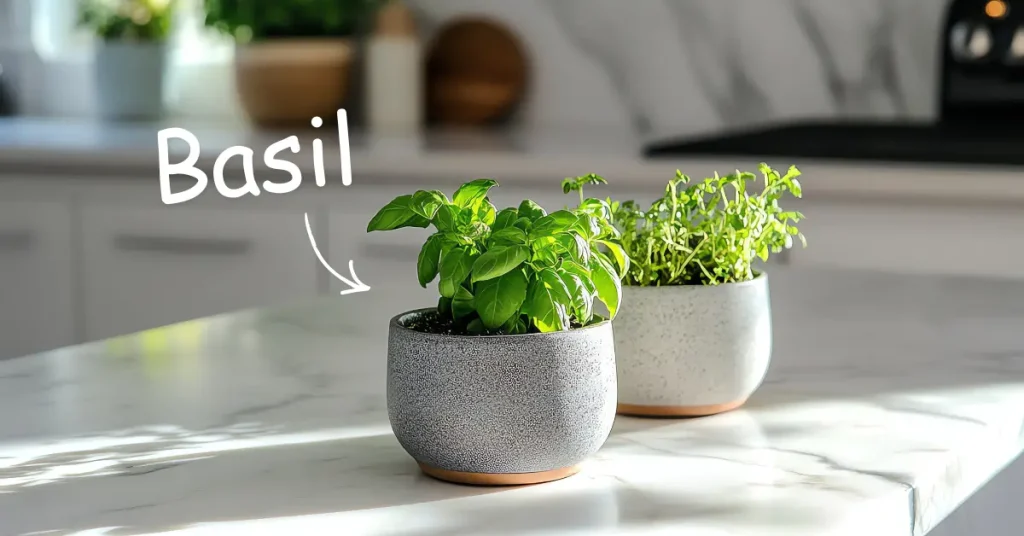
Basil grows rapidly and is one of the best herbs to grow indoors year-round. It responds well to controlled warmth and light, so indoor environments help basil stay lush and flavorful. Its leaves are used for salads, pesto and Italian cooking.
Plant basil in a 6–8 inch pot with drainage and a well-draining soil mix. Water lightly when the top soil dries out. Basil is ready to harvest in 5–6 weeks. A key tip: pinch the top leaves regularly to prevent flowering and encourage bushier growth.
Lavender (Lavandula Angustifolia)
| Feature | Details |
|---|---|
| Scientific Name | Lavandula Angustifolia |
| Family | Lamiaceae |
| Suitable Zones | USDA Hardiness Zones 5–10 |
| Indoor/Outdoor Performance | Very good indoors |
| Light Requirement | Strong sunlight (6-8 hours) or grow light |
| Height | 12–20 inches |
| Maintenance Level | Medium |
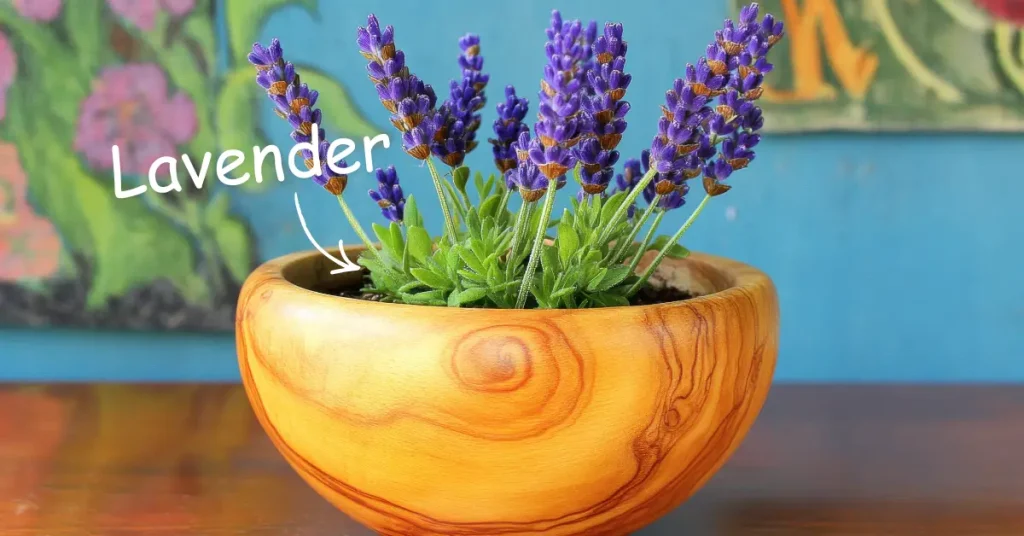
Lavender is a fragrant Mediterranean herb from the mint family, popular for its calming scent and used culinarily, in teas, sweets and medicinally for anxiety, sleep, pain via aromatherapy.
Lavender brings fragrance and beauty into any indoor space. Since it is native to sunny Mediterranean regions, it loves warmth and bright light. Indoors, it also benefits from consistent airflow and low humidity.
Choose an 8–10 inch deep pot (Terracotta is great as it breathes, but ensure it’s the right size for the plant. ) and use quick-draining soil. Water only when the top inch feels dry. Lavender matures in 10–12 weeks indoors. A helpful tip: never mist lavender — it dislikes excess humidity.
If You Love Tattoos, Check This: Lavender Tattoo Designs
Mint (Mentha spp.)
| Feature | Details |
|---|---|
| Scientific Name | Mentha spp. |
| Family | Lamiaceae |
| Suitable Zones | USDA Hardiness Zzones 3–11 |
| Indoor/Outdoor Performance | Good For indoors |
| Light Requirement | Low to medium light |
| Height | 12–18 inches |
| Maintenance Level | Very easy |
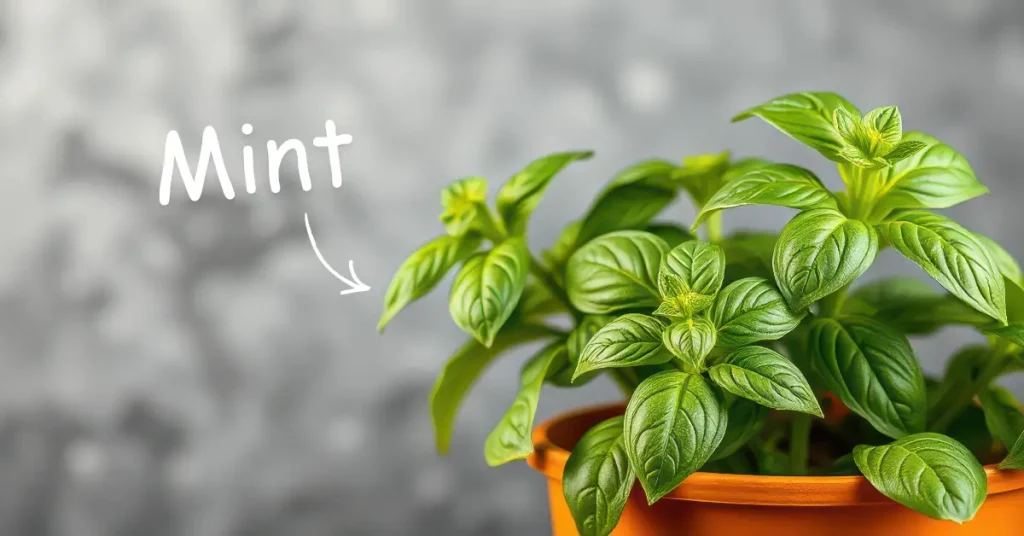
Mint is a perennial herb, known for its strong aroma and flavor and is used in both culinary and medicinal purposes. Mint is easy to grow, but can be very invasive, so it is recommended to plant it in pots or containers to control its spread. Indoors, mint stays compact and gives fresh leaves for months.
Grow mint in a wide pot, as it spreads sideways. Keep soil consistently moist but not soggy. Mint matures in 4–6 weeks, and frequent harvesting encourages thick, lush growth. Rotate the pot weekly for even growth.
Cilantro (Coriandrum Sativum)
| Feature | Details |
|---|---|
| Scientific Name | Coriandrum Sativum |
| Family | Apiaceae |
| Suitable Zones | USDA Hardiness Zones 2–11 |
| Indoor Performance | Performs better indoors |
| Light Requirement | Medium to bright light |
| Height | 12–24 inches |
| Maintenance Level | Easy |
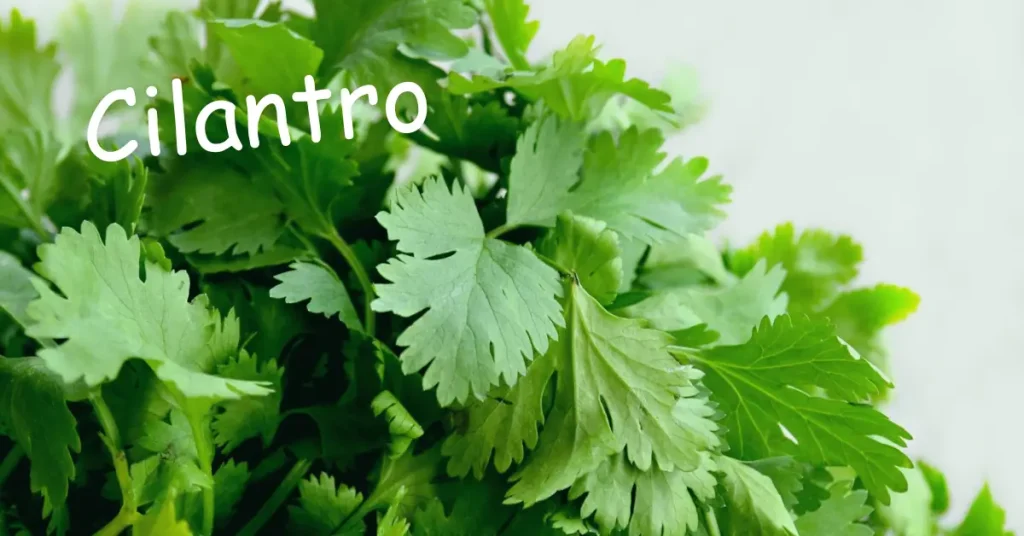
Cilantro grows quickly and prefers cooler indoor temperatures. It is perfect for kitchens because it matures fast and provides fresh leaves for cooking almost every day.
Plant cilantro in a deep container (8-12 inches deep) because of its long taproot. Keep soil moist and harvest once leaves reach about 4–6 inches. Cilantro matures in 3–4 weeks. To maintain supply, sow seeds every 3 weeks.
Parsley (Petroselinum Crispum)
| Feature | Details |
|---|---|
| Scientific Name | Petroselinum crispum |
| Family | Apiaceae |
| Suitable Zones | USDA Hardiness Zones 3–9 |
| Indoor/Outdoor Performance | Equally good indoors and outdoors |
| Light Requirement | Medium light |
| Height | 10–18 inches |
| Maintenance Level | Medium |
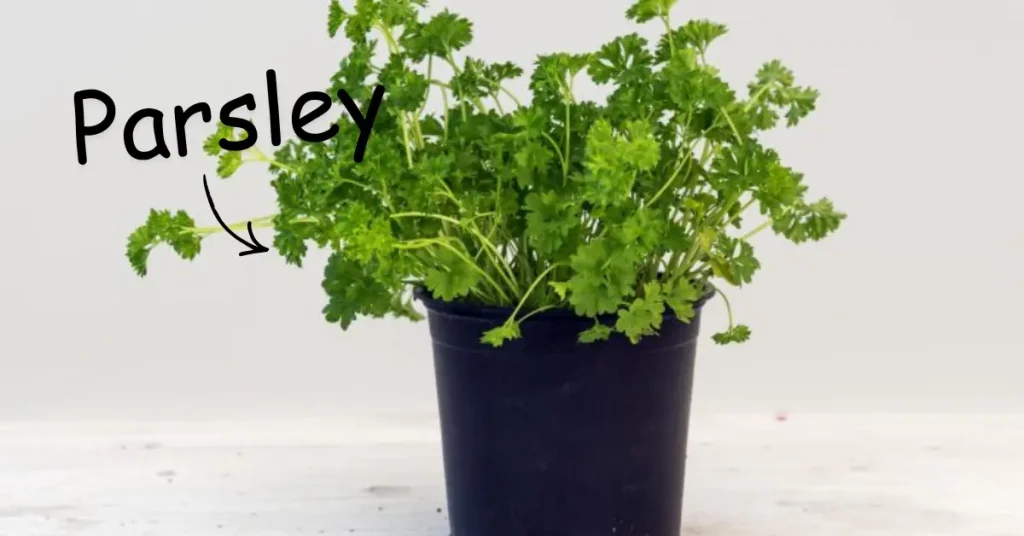
Parsley is a popular biennial herb, known for its bright, fresh flavor and rich nutrients (Vitamins A, C, K, iron). Used globally in cuisines, it adds a vibrant note to dishes, sauces, soups, salads and marinades. It is easily grown and harvested fresh for best flavor.
Choose a 6-inch pot and keep soil lightly moist. Parsley grows slowly at first but becomes more productive after 4–5 weeks. Always harvest outer leaves so the center keeps producing.
Catnip (Nepeta Cataria)
| Feature | Details |
|---|---|
| Scientific Name | Nepeta cataria |
| Family | Lamiaceae |
| Suitable Zones | USDA Hardiness Zones 3–9 |
| Indoor/Outdoor Performance | Excellent indoors |
| Light Requirement | Bright or medium light |
| Height | 12–24 inches |
| Maintenance Level | Easy |
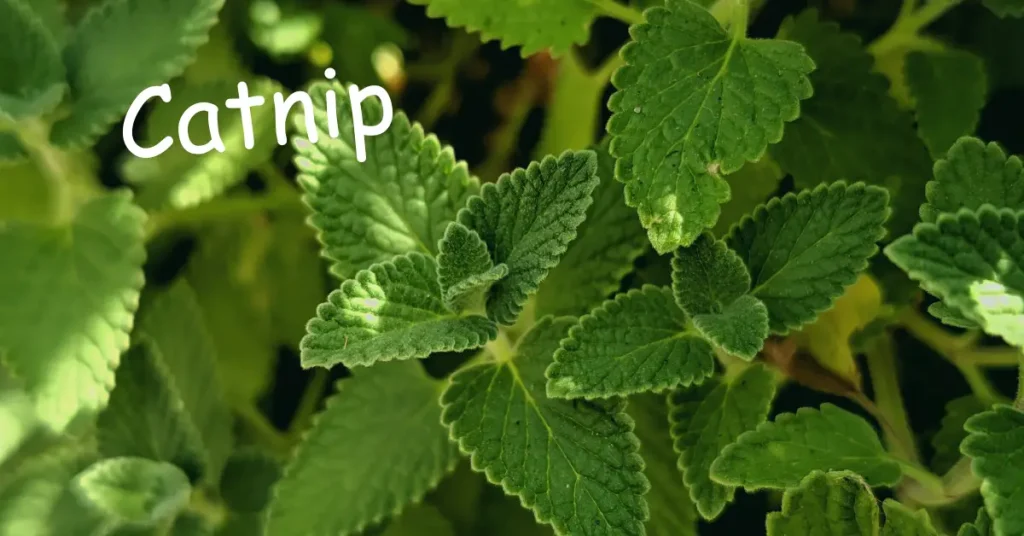
Catnip is a mint family herb famous for its intoxicating effect on many cats due to the oil nepetalactone. It is used in teas for human relaxation, sleep aid and digestive relief, acting as a mild sedative and diuretic. It’s easy to grow, attracts pollinators and is a caffeine-free option for humans seeking calming herbal remedies.
Indoors, catnip remains compact, bushy, and easy to manage.
Use a medium pot (6–8 inches deep) and well-draining soil. Catnip prefers moderate watering — moist but not wet. It matures in 5–6 weeks and regular trimming keeps the plant fuller. A useful tip: if you have cats, keep the pot slightly elevated, or they may jump into it and roll around.
Oregano (Origanum Vulgare)
| Feature | Details |
|---|---|
| Scientific Name | Origanum vulgare |
| Family | Lamiaceae |
| Suitable Zones | USDA Hardiness Zones 4–10 |
| Indoor/Outdoor Performance | Very good indoors |
| Light Requirement | Bright light (6-8 hours daily) |
| Height | 12–24 inches |
| Maintenance Level | Easy |
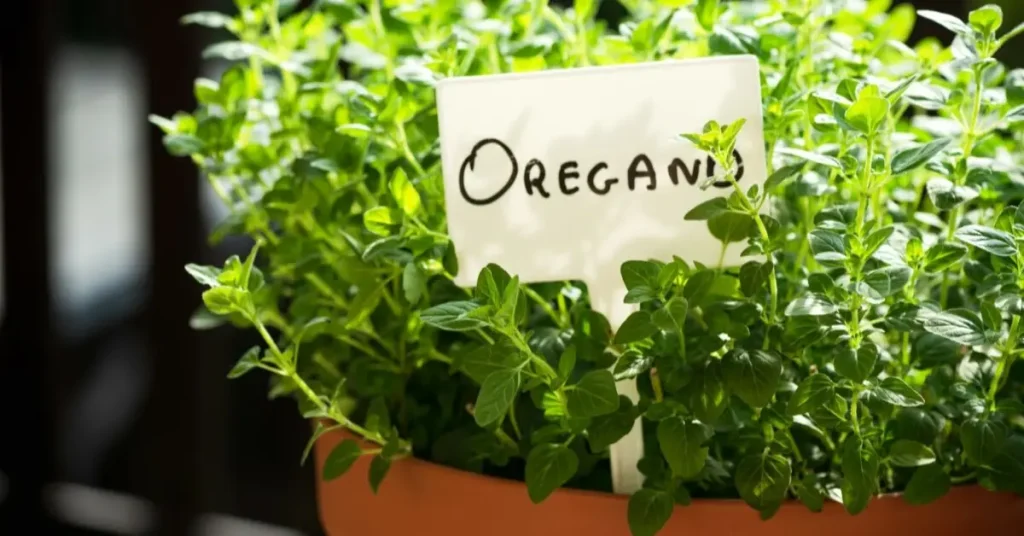
Oregano is a popular culinary herb, known for its aromatic, slightly bitter flavor used in Mediterranean and Italian dishes like pizza and pasta sauces. It can be used fresh, dried, or in oil form and also has a history in traditional medicine for potential antibacterial, anti-inflammatory and antioxidant properties.
Sow indoors 8-10 weeks before transplanting or just start in pots indoors. Provide lots of light (6-8+ hours) from a sunny window or grow light, use well-draining soil in a pot with drainage and water sparingly.
Sage (Salvia Officinalis)
| Feature | Details |
|---|---|
| Scientific Name | Salvia officinalis |
| Family | Lamiaceae |
| Suitable Zones | USDA Hardiness Zones 4–9 |
| Indoor/Outdoor Performance | Thrives indoors with airflow |
| Light Requirement | Strong light (6-8hours plus) |
| Height | 12–30 inches |
| Maintenance Level | Easy |
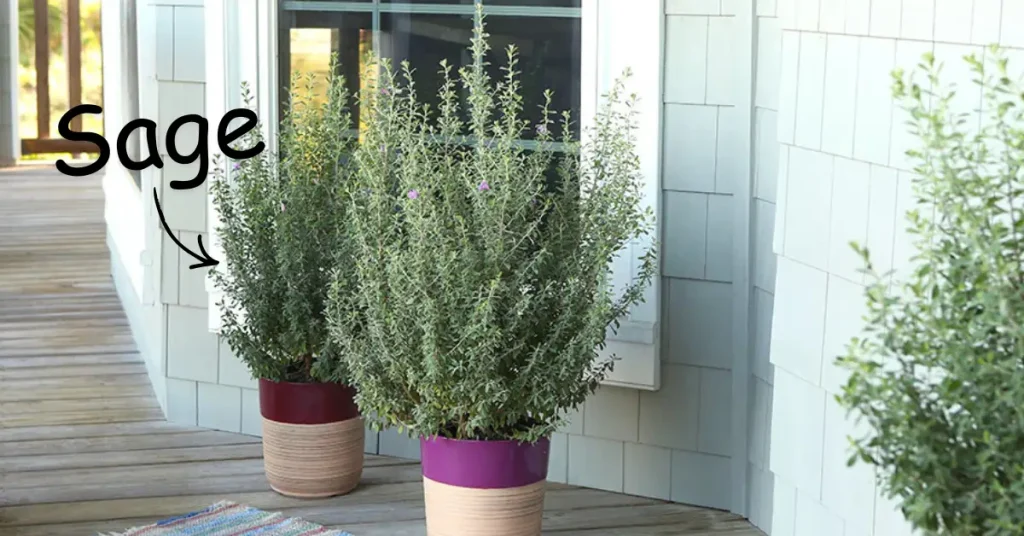
Sage is an aromatic herb from the mint family, known for its use in both cooking and traditional medicine. It has fuzzy, gray-green leaves and can be used fresh or dried to flavor meats, stuffings and soups.
To sow sage indoors, use a well-draining seed mix in pots, lightly cover seeds with soil (they need light to germinate) and keep consistently moist (not soggy).
Grow sage in a deep pot (10-12 inches wide and deep) with sandy soil. Water sparingly. Sage matures in 8–10 weeks and benefits from regular light pruning. Ensure good airflow around it.
Chives (Allium Schoenoprasum)
| Feature | Details |
|---|---|
| Scientific Name | Allium schoenoprasum |
| Family | Amaryllidaceae |
| Suitable Zones | USDA Hardiness Zones 3–10 |
| Indoor/Outdoor Performance | Excellent indoors |
| Light Requirement | Medium light |
| Height | 10–12 inches |
| Maintenance Level | Very easy |
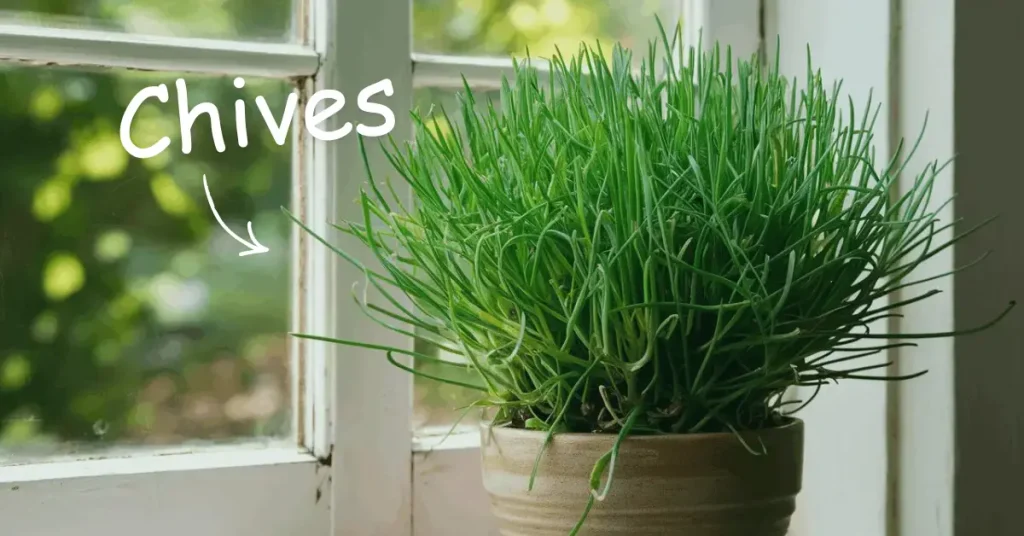
Chives are perfect herb for beginners and grow effortlessly inside pots. They give a mild onion flavor ideal for salads, eggs, and soups.
Sowing chives indoors is easy. Use seed trays or pots with seed compost, scatter tiny black seeds, cover lightly (1/4-1/2 inch), water gently and keep in a warm, bright spot (15-20°C) with constant moisture until they sprout, then provide full sun on a windowsill.
Keep soil moist but never soggy. Chives mature in 4–5 weeks. Trim often to keep them fresh and green.
Rosemary (Salvia Rosmarinus)
| Feature | Details |
|---|---|
| Scientific Name | Salvia rosmarinus |
| Family | Lamiaceae |
| Suitable Zones | USDA Hardiness Zones 7–11 |
| Indoor/Outdoor Performance | Great indoors with strong light |
| Light Requirement | Bright light or grow light |
| Height | 12–36 inches |
| Maintenance Level | Medium |
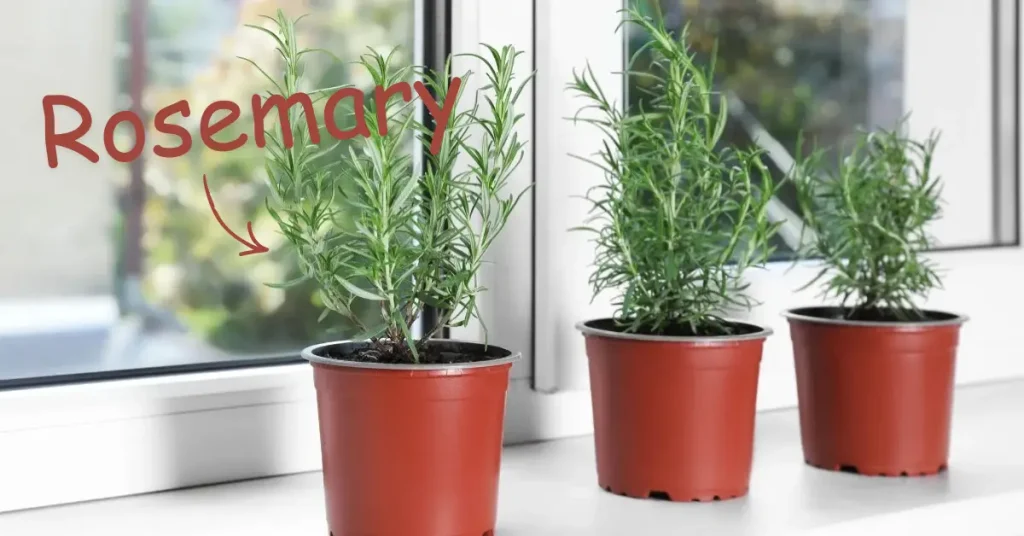
Rosemary is a fragrant, woody evergreen herb, known for its needle-like leaves, piney scent, and warm, slightly bitter taste, widely used in cooking meats, vegetables and breads, as well as in teas and aromatherapy.
Growing rosemary indoors is achievable with bright sun (6+ hours, south-facing window ideal), well-draining gritty soil, and careful watering. Rosemary seeds are slow to germinate (2-3 weeks), so soak them 24 hours prior to planting to help.
Use a tall pot (start with a pot at least 12 inches wide and deep) with sandy soil. Allow soil to dry out before watering again. Rosemary grows slowly, taking 10–12 weeks, but once established, it lasts for years. Avoid overwatering, rosemary hates wet roots.
I hope you liked it. Start your indoor herb garden.