12 Amazing Plants That Naturally Repel Pests
When I was knee-high to a hollyhock, my grandmother never owned a single bottle of insecticide. Yet her cottage garden looked like something out of a storybook—roses fat as cabbages, beans climbing sky-high, not a hornworm in sight. Her secret? “Plant what the Good Lord made unfriendly to the devils,” she’d say, tucking French marigolds along her carrots like orange soldiers.
I thought she was just being quaint until I grew up and realized she was practicing cutting-edge companion planting decades before it had a fancy name. Today scientists are proving what she knew by instinct: certain plants release natural compounds—terpenes, pyrethrins, alkaloids—that confuse, repel, or outright poison insect pests while doing absolutely no harm to us, the bees and the soil.
Plants that naturally repel pests are a gardener’s secret weapon—save garden from chemical sprays while promoting a healthier and more balanced ecosystem. These plants release natural scents, oils, or compounds that deter common pests like aphids, mosquitoes, beetles and nematodes etc, keeping garden thriving with minimal effort. In this blog post, get ready to learn about 12 plants that naturally repel pests—so you can create a protective, lush, and eco-friendly garden that practically defends itself.
12 Plants That Naturally Repel Pests

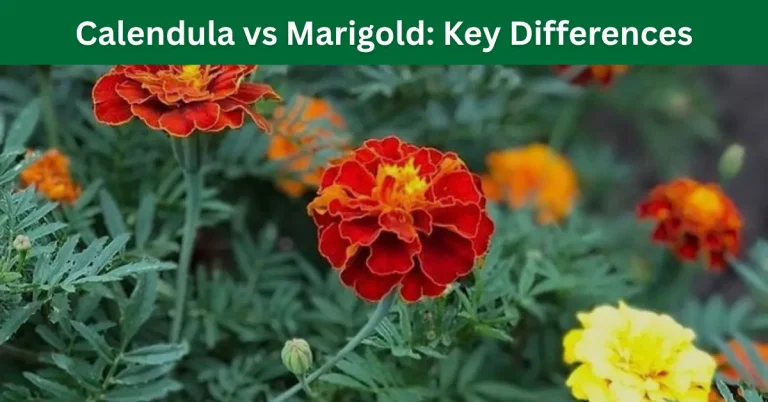
Marigolds
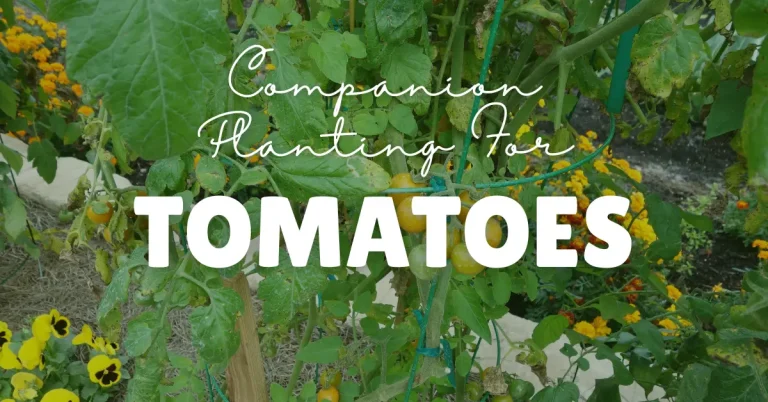
Marigolds belong to the Asteraceae family, are one of the most dependable companion plants in the garden. They thrive in USDA Zones 2–11 and widely adaptable across climates. Their strong scent contains compounds like limonene and α-terthienyl, which help deter aphids, mosquitoes and nematodes. Gardeners plant marigolds around tomatoes, peppers and squash for natural protection.
Beyond pest control, marigolds add vibrant color and help enrich soil health. Their roots release chemicals that suppress harmful nematodes, making them ideal for organic gardens. They are low maintenance, drought-tolerant once established and bloom continuously. Whether used as borders or interplanted among vegetables, marigolds act like tiny guardians patrolling your garden.
Chrysanthemums
Chrysanthemums, called as mums—are powerful insect repelling ornamentals from the Asteraceae family. They grow best in USDA Zones 5–9 and are prized not just for their fall blooms but also for their natural insecticidal properties. These flowers produce pyrethrum, a well-known compound used in organic and commercial insect repellents. This makes mums effective against ants, roaches, ticks, fleas and even bed bugs.
Gardeners appreciate chrysanthemums for their dual purpose: aesthetic appeal and pest management. When planted along garden beds or near doorways, they create a protective barrier that limits the movement of crawling insects. They also attract beneficial predators like ladybugs and lacewings. Their dense foliage and long flowering season ensure your garden stays both lively and well-protected.
Lavender
Lavender, a fragrant herb from the Lamiaceae family, is adored for its soothing scent and ability to deter moths, mosquitoes and flies. Grown in USDA Zones 5–9, lavender thrives in sunny, well-drained conditions and rewards gardeners with gorgeous purple flower spikes. Its essential oils—high in linalool and linalyl acetate—make it a natural insect repellant both in the garden and indoors.
Beyond pest control, lavender brings a calming presence to any landscape. It attracts pollinators such as bees and butterflies, improving the overall ecological health of your garden. Dried lavender is also used in sachets to protect clothing from fabric-eating moths. With its combination of beauty, fragrance and natural pest-repelling power, lavender is a must-have for cottage gardens and herb beds.
Lemongrass
Lemongrass, native to tropical regions and grown in USDA Zones 9–11, is a tall, clumping grass famous for its citrus fragrance. This scent comes from citronella oil, one of the most effective natural mosquito repellents. Gardeners often plant lemongrass along patios, outdoor seating areas, or walkways to create a mosquito-free zone.
Besides repelling pests, lemongrass is a useful culinary and medicinal plant. Its long, blade-like leaves add flavor to teas, soups and Asian dishes. The plant is also easy to grow in containers, suitable for smaller gardens or balconies. With its decorative, fountain-like foliage and strong insect-repelling qualities, lemongrass serves as both a functional and attractive landscape feature.
Petunias
Petunias, part of the Solanaceae family, may look delicate and are powerful allies against garden pests. Grown as annuals in most climates, they thrive in USDA Zones 9–11. Petunias naturally repel aphids, tomato hornworms, leafhoppers and squash bugs.
These flowers are beloved for their long blooming season and wide range of colors. They make excellent companion plants when tucked around vegetable beds or grown in hanging baskets. By attracting pollinators and deterring harmful insects, petunias help maintain balance in the garden. Their versatility ensures beauty and protection at the same time.
Nasturtiums
Nasturtiums, members of the Tropaeolaceae family, are widely grown as colorful, edible flowers in USDA Zones 9–11. What makes them especially useful is their ability to act as a trap crop. Aphids, whiteflies and squash bugs are irresistibly drawn to nasturtiums, leaving your vegetables safe from infestation.
Aside from pest management, nasturtiums are valued for their vibrant red, yellow and orange blooms. Their peppery leaves and flowers are edible and often used in salads. They grow quickly and prefer poor soil, making them low-maintenance.
Basil
Basil, an aromatic herb from the Lamiaceae family, thrives in USDA Zones 10–11 or as an annual in cooler regions. It releases strong essential oils that repel mosquitoes, flies and thrips. Many gardeners keep basil near outdoor seating areas and doorways, where its scent adds freshness while keeping pests away.
Basil also enhances the growth of tomatoes and peppers when used as a companion plant. Its fragrant leaves attract pollinators while discouraging pests that harm vegetables. Basil is a versatile herb used in many kitchen applications, such as flavoring sauces and soups, making pesto, and as a fresh garnish for dishes like pasta, pizza, and salads.
Mint
Mint, an energetic grower from the Lamiaceae family, is loved for its refreshing aroma and vigorous spreading habit. It thrives in USDA Zones 3–11 and naturally deters ants, mosquitoes and cabbage moths. It has strong menthol-rich scent. Planting mint near entryways or sitting areas helps keep insects at bay.
Because mint spreads aggressively, it is often best grown in containers to prevent it from overtaking other plants. Its lush leaves attract bees and is popular for culinary use—from teas to desserts. In the garden, mint works well as a border plant or in pots arranged around vegetable beds to reduce pest pressure.
Rosemary
Rosemary, a woody perennial herb in the Lamiaceae family, flourishes in USDA Zones 7–10. It has needle like leaves and earthy fragrance and it repels cabbage moths, carrot flies and other damaging insects. Its oils contain compounds like camphor and cineole, which pests find unpleasant.
Rosemary enhances garden structure with its upright growth habit. It’s drought-tolerant and thrives in poor soil, making it ideal for Mediterranean-style gardens. Rosemary also attracts pollinators and provides flavorful leaves for cooking. Whether used in herb beds or ornamental borders, it brings beauty, aroma and protection.
Sage
Sage (Salvia officinalis) is a hardy perennial herb suited to USDA Zones 4–8. With its silvery, textured leaves, it adds beauty while repelling carrot flies and cabbage moths. The essential oils in sage are strongly aromatic and act as a natural deterrent to pests that attack vegetable crops.
Gardeners value sage for its resilience, drought tolerance and ability to attract pollinators such as bees. It performs best in sunny areas with well-drained soil and pairs well with cabbage family crops. In addition to its pest-repelling benefits, sage is also an important culinary herb.
Thyme
Thyme, a low-growing herb from the Lamiaceae family, thrives in USDA Zones 5–9. Its tiny leaves release aromatic oils that keep whiteflies and cabbage worms away. Thyme’s spreading habit makes it an excellent groundcover around vegetable beds or pathways.
This herb is also beloved for its culinary value, adding flavor to soups, meats and roasts. It attracts beneficial insects like ladybugs while suppressing weeds. Thyme’s drought tolerance and resilience make it a reliable plant for rock gardens, borders and raised beds. It is both decorative and functional in pest management.
Oregano
Oregano, another member of the Lamiaceae family, grows well in USDA Zones 5–10. It has strong earthy aroma and deters aphids and many other garden pests. Its essential oils contain carvacrol and thymol—compounds highly effective at repelling insects.
Oregano is a flavorful culinary herb used in Mediterranean cooking. It forms dense mats that suppress weeds and attract pollinators when in bloom.
Happy Gardening!