10 Best Natural Fertilizer For Indoor Plants
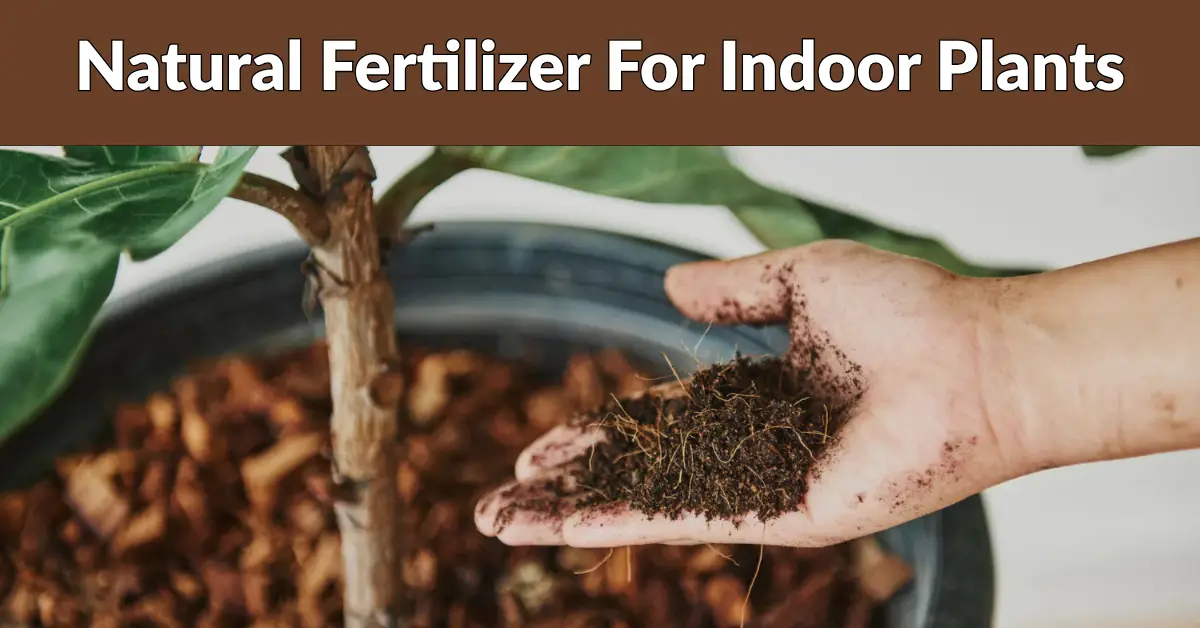
People are choosing organic gardening these days, and for good reason. Growing plants in a natural, chemical-free way is better for your home, better for the environment, and completely safe around kids and pets.
Natural fertilizers let you feed your indoor plants using simple kitchen scraps and household items. Banana peels, coffee grounds, eggshells, rice water, things you already have at home. Instead of throwing them away, put them to use. It is good for your plants and good for the planet.
In this guide, you will find 10 natural fertilizer for indoor plants you can make at home. Each one is eco-friendly, pet-safe, and free of harsh chemicals. Whether you are just starting out with indoor plants or have been growing them for years, these methods are easy to follow and work well.
What Do Indoor Plants Actually Need?
Plants need three main nutrients to grow well. You will see these listed on any fertilizer bag as N-P-K.
Nitrogen (N)
Nitrogen helps plants grow leaves and stems. If a plant looks pale or yellow, it usually needs more nitrogen.
Phosphorus (P)
Phosphorus supports root growth and helps plants flower and produce seeds. In case of deficiency, roots stay weak and there may appear less flowers, less fruit and poor quality fruit.
Potassium (K)
Potassium keeps the plant strong overall. It helps with water movement inside the plant and protects it from disease.
Micronutrients
Besides NPK, plants also need small amounts of calcium, magnesium, zinc, boron and iron. These are called micronutrients. They are needed in tiny amounts, but without them, plants can still struggle.
Signs Your Plant Needs Fertilizer
- Leaves turn yellow or pale green
- Growth has slowed down or stopped
- Stems look thin and weak
- Flowers are not opening or buds are falling off
- Leaves are smaller than usual
Natural vs Chemical Fertilizers
Chemical fertilizers feed plants very fast. The nutrients go straight to the roots and plants respond quickly. But they can also burn roots if you use too much, and they do nothing to improve the soil itself.
Natural fertilizers work more slowly. They break down in the soil over time and release nutrients gradually. This is gentler on plants and actually improves the quality of the soil with every use.
For indoor plants, natural fertilizers are a safer choice. There are no harsh chemicals in a small enclosed space, and you do not have to worry about accidental contact with kids or pets.
10 Best Natural Fertilizers
Each fertilizer below is followed by simple steps on how to prepare and use it.
Banana Peels
Banana peels are rich in potassium, which helps plants grow strong stems and produce more flowers. They also contain some phosphorus and calcium. Flowering plants like roses, orchids, and tomatoes respond really well to banana peel fertilizer.
How to Prepare
Cut a few banana peels into small pieces. Drop them into a jar of water and let them soak for 24 to 48 hours. After soaking, strain out the peels and use the yellow water to water your plants directly.
You can also dry the peels in the sun for a few days, grind them into a powder, and sprinkle that powder on top of the soil around your plant. The powder breaks down slowly and keeps feeding the plant over time. Use banana peel fertilizer once a week during the growing season.
Coffee Grounds
Coffee grounds have a fair amount of nitrogen in them, which makes them great for plants that grow a lot of leaves. Ferns, peace lilies, pothos, and other leafy houseplants do well with coffee ground fertilizer. Avoid using it on plants that prefer neutral or alkaline soil, like succulents.
How to Prepare
Spread your used coffee grounds on a tray and let them dry out in the sun or at room temperature. Drying removes any bacteria that could harm your plant. Once dry, you can sprinkle a thin layer on top of the soil and gently mix it in. Do not pile it on thick because it can pack together and block water from getting to the roots. You can also mix dried grounds into water, let it sit overnight, strain it, and use it as a liquid fertilizer. Apply once every two weeks.
Eggshells
Eggshells are made mostly of calcium carbonate. Calcium helps plants build strong cell walls, which means healthier roots and firmer stems. Plants like tomatoes, peppers, and leafy greens benefit the most from calcium.
How to Prepare
Save your eggshells and rinse them well to remove any leftover egg white. Lay them out in the sun to dry completely. Drying is important because it removes any bacteria from the raw egg. Once dry, crush the shells into a fine powder using a rolling pin, blender, or mortar and pestle. Sprinkle the powder on top of the soil around your plant, or mix it into the potting soil before planting.
You can also steep a handful of crushed shells in hot water, let it cool overnight, strain it, and use that water on your plants for a quick calcium boost. Use every two to three weeks.
Grass Clippings
Grass clippings are full of nitrogen, phosphorus, potassium, and several micronutrients. Because they come from plant material, they break down quickly and release their nutrients into the soil fast. They work especially well for leafy indoor plants and herbs.
How to Prepare
Collect fresh grass clippings and let them dry out for one to two days. Using wet clippings can cause mold in your indoor pots. Once dry, spread a thin layer on top of the potting soil. As the clippings break down, they release nutrients and also act like a light mulch layer that helps the soil hold moisture.
Do not use grass that has been treated with pesticides or weed killers, as those chemicals can harm your plants. Refresh the layer every few weeks as the clippings break down.
Tree Leaves
Dead leaves from trees are a free source of nutrients. As they break down, they release nitrogen, potassium, phosphorus, and trace minerals back into the soil. They also improve the texture of the soil, making it easier for roots to breathe and for water to drain properly.
How to Prepare
Collect dry fallen leaves and chop or crush them into small pieces. The smaller the pieces, the faster they will break down. Mix the crushed leaves into the top layer of your potting soil, or add a thin layer on top as mulch. You can also soak a handful of crushed leaves in water for a day or two, strain out the leaves, and use the water to feed your plants.
Avoid leaves from black walnut trees because walnut leaves drop juglone into the soil as they decompose, which can stunt, wilt, or kill sensitive nearby plants like tomatoes, peppers, and potatoes. Use leaf mulch or leaf water once every two to three weeks.
Compost
Compost is often called black gold because it improves soil. It adds nutrients, improves drainage, helps retain moisture, and encourages healthy root growth. It is the most complete natural fertilizer you can use.
How to Prepare Compost At Home
You do not need a big yard to make compost. A small indoor compost bin or a large bucket with some holes in the lid works fine for indoor or balcony composting. Add kitchen scraps like vegetable peels, fruit scraps, tea bags, and coffee grounds. Layer them with dry material like torn paper, cardboard, or dry leaves. Mix it every few days and keep it slightly damp.
In four to eight weeks, the bottom layer will turn into dark, crumbly compost. Mix one part compost with three parts potting soil when repotting a plant, or sprinkle a thin layer on top of the soil every month.
Worm Castings
Worm castings are worm waste and they are incredibly good for plants. They are packed with nutrients and also contain beneficial microbes that improve soil health. They are very gentle, they are safe to use on even the most sensitive plants without the risk of burning roots.
How to Prepare
You can buy worm castings from a garden store, or make your own with a simple vermicomposting setup. Get a small bin with drainage holes, add some damp bedding material like shredded newspaper, and introduce a handful of red wiggler worms. Feed them your kitchen scraps like vegetable peels and fruit bits.
Avoid meat, dairy, and oily foods. After four to six weeks, dark and crumbly castings will collect at the bottom. Harvest them and mix into potting soil, or dissolve a small amount in water and use it as a liquid feed. Apply every two to four weeks.
Rice Water
Rice water is an excellent, free, natural fertilizer for plants, packed with starches and nutrients like nitrogen, phosphorus, potassium, magnesium. These nutrients encourage healthy, stronger root growth, beneficial soil microbe activity, and greener leaves. It acts as a gentle, organic “energy drink” for plants, ideal for houseplants, ferns, and seedlings. Plants absorb these nutrients quickly, and many houseplants show visible improvement after a few uses.
How to Prepare
The easiest method is to save the water after rinsing raw rice. Do not throw it away — pour it into a jar instead. You can use it right away, diluted with an equal amount of plain water. For a stronger version, let the rice water sit at room temperature for 24 to 48 hours to ferment lightly. Fermented rice water has more beneficial bacteria and nutrients. Use it diluted — one part rice water to two parts plain water — and pour it directly onto the soil. Use plain rice water once a week, and fermented rice water once every two weeks.
Aquarium Water
If you have a fish tank, the water inside it is liquid gold for plants. Fish waste breaks down into ammonia, which then turns into nitrates — a form of nitrogen that plants can absorb directly. The water also contains trace minerals and beneficial bacteria that improve soil health. Leafy houseplants and herbs love aquarium water.
How to Prepare
Use the water you remove during your regular aquarium water changes. This water is ready to use directly on your plants, no dilution needed unless your tank is heavily stocked and the water looks very cloudy. Pour it slowly at the base of the plant, directly onto the soil.
Do not use water from a saltwater aquarium, as the salt content is too high for most houseplants. Also avoid using aquarium water if your fish are sick or if you have recently added medication to the tank.
Epsom Salt
Epsom salt is not actually a salt like table salt. It is a natural mineral compound made of magnesium and sulfate. Magnesium helps plants produce chlorophyll, which is what gives leaves their green color. If your plant has leaves that are turning yellow between the veins but the veins themselves are still green, it often means the plant is low on magnesium. Epsom salt can fix that.
How to Prepare
Dissolve one tablespoon of Epsom salt in one liter of water. Stir until fully dissolved. You can either pour this mixture directly into the soil or spray it onto the leaves. Both methods work. Do not use Epsom salt more than once a month. Using it too often can cause a buildup in the soil that eventually harms the plant. It is best used as a treatment when you notice signs of magnesium deficiency, not as a regular feeding routine.
How and When to Fertilize Indoor Plants
Indoor plants do not need fertilizer all year. They grow actively in spring and summer, and slow down or rest during fall and winter. Feed your plants during the growing season and stop or reduce feeding when they go dormant.
Growing Season (Spring and Summer)
This is when your plants are actively putting out new leaves, stems, and flowers. Fertilize every one to two weeks with liquid fertilizers, or apply slow-release options like compost or worm castings once a month.
Dormant Season (Fall and Winter)
Most indoor plants slow down during these months. Fertilizing during dormancy can stress the plant because it is not ready to use the extra nutrients. Hold off on feeding or reduce it to once a month at most.
Flowering vs Foliage Plants
Flowering plants need more phosphorus and potassium to support blooms. Use banana peel fertilizer or worm castings. Foliage plants that grow lots of leaves need more nitrogen, coffee grounds, grass clippings, or compost work well.
Signs You Are Over-Fertilizing
- A white or crusty layer forming on the surface of the soil
- Leaf tips turning brown and crispy
- Leaves wilting even though the soil is moist
- Roots look brown and mushy
If you see these signs, stop fertilizing and flush the soil with plain water a few times to wash out the excess nutrients.
Quick Guide
| Fertilizer | Key Nutrient | Best For | How Often |
| Banana peels | Potassium | Flowering plants | Once a week |
| Coffee grounds | Nitrogen | Leafy plants, ferns | Every 2 weeks |
| Eggshells | Calcium | Tomatoes, peppers | Every 2–3 weeks |
| Grass clippings | Nitrogen, NPK | Herbs, leafy plants | Every 2–3 weeks |
| Tree leaves | Multiple nutrients | General use | Every 2–3 weeks |
| Compost | All nutrients | All plants | Monthly |
| Worm castings | All nutrients | Sensitive plants | Every 2–4 weeks |
| Rice water | Starch, NPK | Most houseplants | Weekly |
| Aquarium water | Nitrogen | Leafy plants | Weekly |
| Epsom salt | Magnesium | Yellow-veined leaves | Once a month |
If you are new to this, start with banana peel tea or rice water. They are the easiest to make, safe for any houseplant, and require no drying or grinding.
Conclusion
You do not need to spend money on fertilizers to keep your indoor plants healthy. Most of what your plants need is already in your kitchen.
Natural fertilizers take a little more time than pouring something from a bottle, but the results are just as good — and your plants, your home, and your wallet will all be better for it.
FAQ
What is the best natural fertilizer for beginners?
Banana peel tea or rice water. Both are easy to make, safe for all houseplants.
Can I combine multiple natural fertilizers?
Yes, but do not do it all at once. Rotate between two or three fertilizers. For example, use rice water one week and banana peel tea the next.
How do I know if my plant is overfertilized?
Look for brown leaf tips, wilting despite moist soil, or a white crust on the soil surface. If you see these signs, stop fertilizing and flush the soil with plain water several times to wash out the excess.
Can I use kitchen waste directly in the pot without preparing it?
It is not a good idea. Raw kitchen waste like fruit peels and vegetable scraps can attract pests, grow mold, and release gases as they rot. Always dry, brew, or compost them first before applying to your plants.