Pothos Plant Care Guide (Plant Care Indoor & Outdoor)
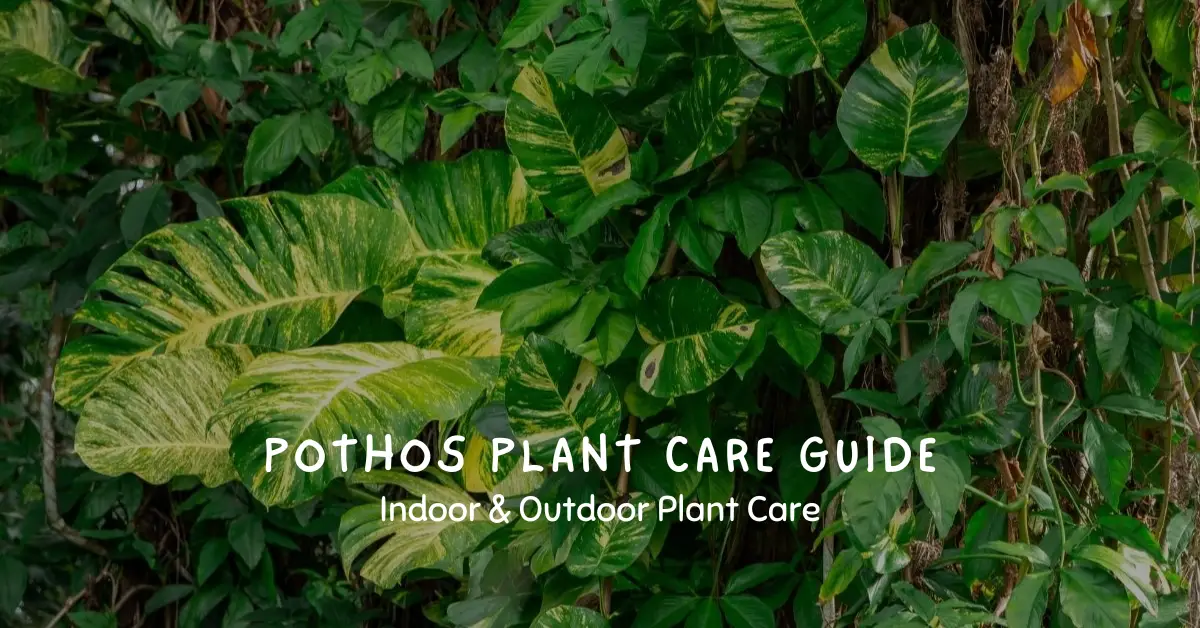
Pothos is a tropical vine native to the Solomon Islands. In nature, it climbs trees and spreads across the forest floor. This natural growth habit explains why pothos thrives as a hanging plant, climber, or trailing vine in homes.
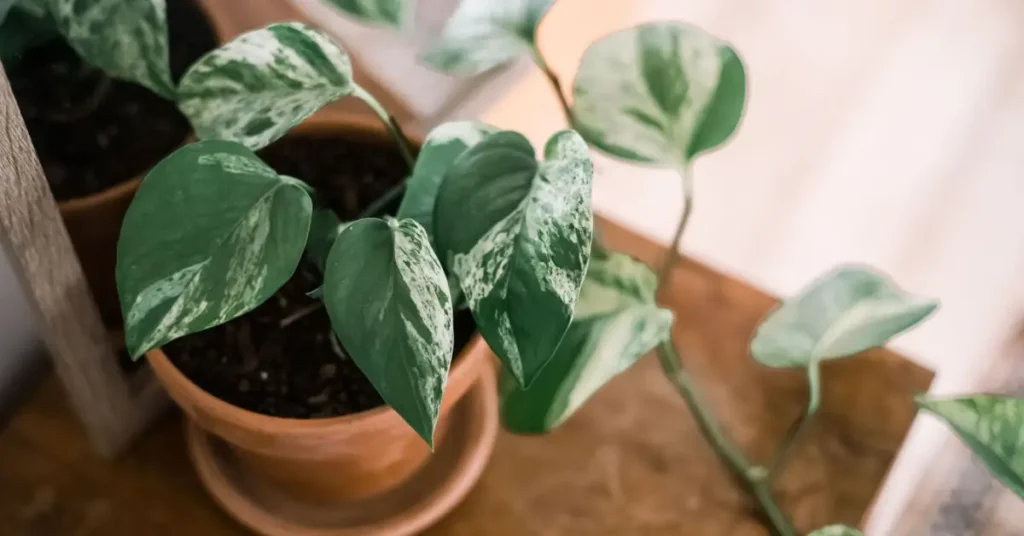
Its heart-shaped leaves are solid green or variegated with yellow, white, or light green patterns. With proper care, pothos can live for many years and continue producing new growth without becoming demanding.
It is hardy, forgiving, fast-growing, and adapts easily to different environments. Whether you grow it indoors as a trailing houseplant, outdoors in warm climates, or want to keep it healthy during winter, pothos rewards you with lush green foliage.
Many people bring a pothos plant home because it’s labeled “easy to care for”—yet within weeks, the leaves start turning yellow, vines become thin, or growth suddenly stops. Some pothos plants survive, but they never look full, healthy, or vibrant. The real problem isn’t the plant—it’s incomplete or confusing care advice that misses key details.
In this complete pothos plant care guide, you’ll learn exactly how to care for pothos indoors, outdoors, and during winter.
Pothos Plant Care Indoors
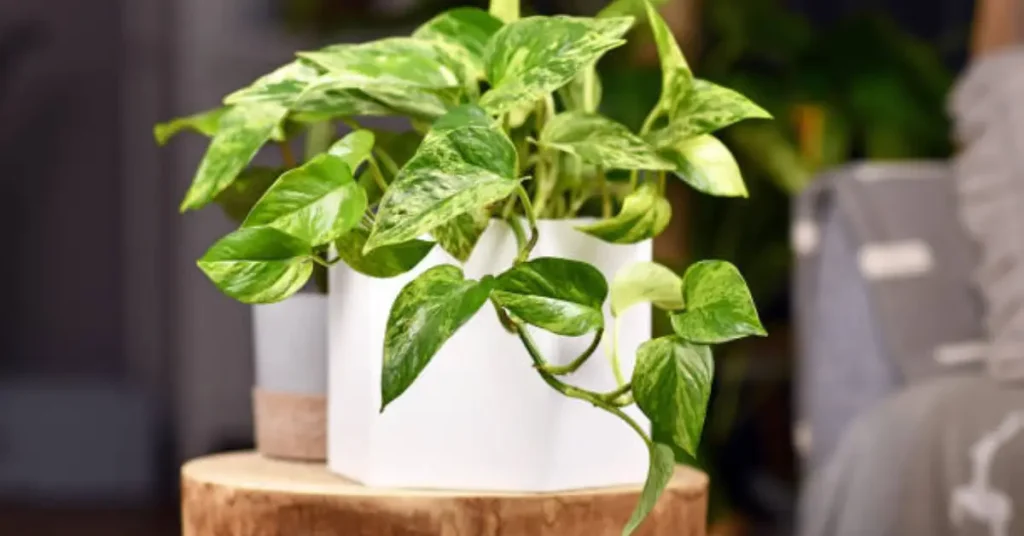
Pothos is popular indoors because it can easily grow in containers. It doesn’t need deep soil, spreads easily as a trailing vine and adapts to shelves, hanging baskets and tabletops. Indoor pothos improves the visual appeal of a space instantly with cascading vines and lush foliage. It also helps create a calming environment, especially in homes and offices.
Not all pothos varieties perform the same indoors. Some adapt beautifully to low light and stable indoor temperatures, while others need more attention. Choosing the right variety and understanding why pothos thrives indoors makes care much easier from the start.
Golden Pothos is the most reliable indoor variety and performs well even in low light and irregular watering. Its green leaves with yellow variegation make it forgiving and beginner-friendly. Marble Queen Pothos grows well indoors but prefers brighter indirect light to maintain its creamy white patterns.
Jade Pothos is an excellent choice for darker rooms because its solid green leaves photosynthesize efficiently in low light. Manjula Pothos adapts well to indoor conditions but grows slightly slower and it is a good choice for decorative spaces.
Despite being hardy, pothos can face problems indoors if basic needs are ignored.
Light For Pothos
Pothos grows best indoors in bright, indirect light (4-6 hours daily). While the plant can survive in low light, growth becomes slower and leaves may space out along the vine.
Grow lights are good choice for pothos.
Avoid placing pothos in direct sunlight near south-facing windows, as strong rays can scorch the leaves.
Water Smartly
Indoor pothos prefers slightly dry soil rather than constantly moist conditions. Water only when the top one to two inches of soil feel dry. This simple habit prevents root rot and keeps roots healthy.
Always use pots with drainage holes and remove excess water from saucers. If leaves droop, check soil moisture before watering.
Soil Mix for Strong Roots
A well-draining potting mix is essential for indoor pothos. Regular houseplant soil mixed with perlite or coarse sand allows excess water to drain freely while retaining enough moisture for roots.
Heavy soil traps water and limits oxygen, which weakens the plant over time. Repotting every one to two years refreshes the soil and encourages healthy growth.
Maintain Temperature and Humidity
Pothos prefers indoor temperatures between 65–75°F (18–24°C). It dislikes cold drafts, sudden temperature changes and placement near heaters or air conditioners.
Average indoor humidity is usually enough, but in very dry homes, occasional misting or a humidifier helps prevent brown leaf tips and supports larger leaves.
Fertilizer For Indoor Pothos
Fertilize indoor pothos once every four to six weeks during spring and summer using a balanced liquid houseplant fertilizer.
Avoid fertilizing in winter when growth slows. Overfeeding is a common mistake that causes leaf burn and salt buildup in the soil.
Check Price: Liquid Fertilizer For Houseplants
Pruning Pothos
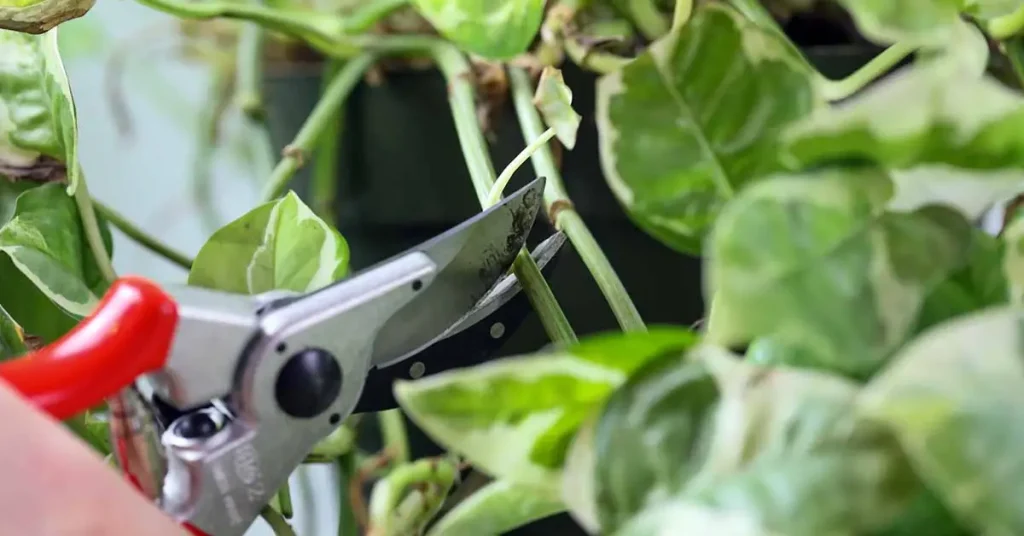
There are two main reasons why you might want to prune your pothos plant. The first reason is to make it bushier and fuller. When you cut a vine right next to a node (the little bump where a leaf grows), the plant gets the signal to grow new branches from that spot. Usually, it will send out two or more new stems, which helps the plant look thicker and more compact. You can do this kind of pruning on any vine, no matter how long or short it is.
The second reason is simply to shorten long, unruly vines. Sometimes vines grow too long and start looking messy or taking up too much space. In this case, you can just cut them back to whatever length you prefer. This keeps the plant neat and tidy without necessarily making it bushier.
Always use a sharp, clean pair of scissors or pruning shears to make a clean cut. The best place to cut is just below a node. If your main goal is to encourage bushy growth, it’s a good idea to make your cuts closer to the main base (or crown) of the plant. This will create lots of shorter new stems that grow out and fill in the plant. If you only want to shorten a vine, you can cut it anywhere you like.
After you finish pruning, take a step back and look at the overall shape of your pothos. If it still looks uneven or you want it even bushier, you can always go back and make a few more cuts. With a little practice, you’ll easily get the look you want!
Pothos Plant Care Outdoors
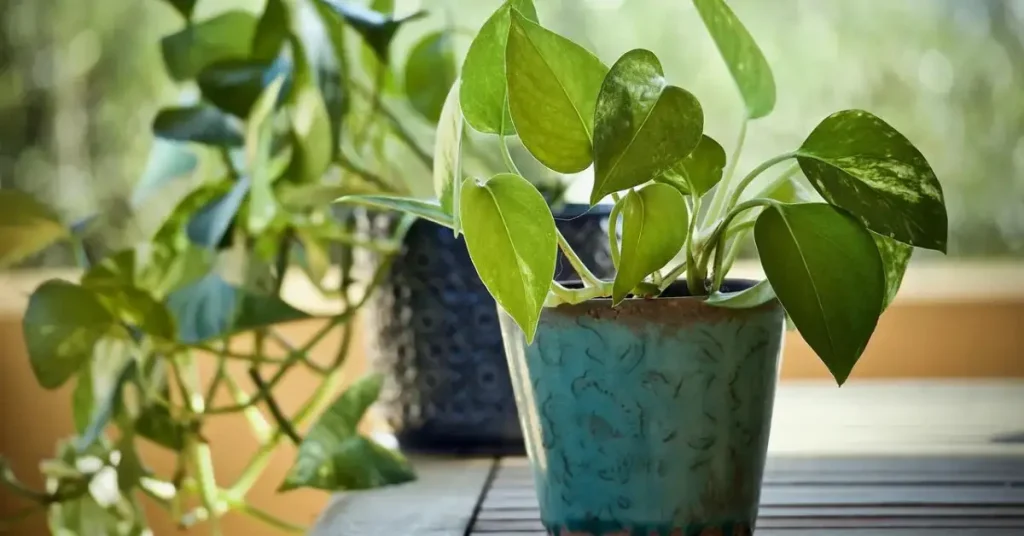
Growing pothos outdoors can completely transform its appearance. With more space, natural airflow and brighter light, pothos develops larger leaves, faster growth, and stronger vines than indoor plants.
Best Pothos Varieties for Outdoor Growing
Pothos thrives outdoors in warm climates because outdoor conditions closely resemble its natural tropical habitat. Outdoor pothos is used to decorate patios, pergolas, garden walls, and hanging baskets. When allowed to climb, the plant produces thicker stems and larger leaves, creating a lush tropical look.
Golden Pothos performs exceptionally well outdoors and adapts easily to changing light and humidity levels. Its hardy nature makes it ideal for patios, balconies, and shaded gardens.
Jade Pothos is another strong outdoor performer, especially in partially shaded areas where its solid green leaves resist sun stress.
Benefits of Growing Pothos Outdoors
Outdoor pothos grows faster and fuller compared to indoor plants. Leaves often become noticeably larger, and variegation appears more defined under proper light conditions. The plant also becomes more resilient, developing stronger stems and roots.
Another major benefit is versatility. Pothos can trail from hanging baskets, climb trellises, or act as a ground cover in suitable climates.
When growing pothos outdoors, problems can be temperature extremes (cold/frost damage, heat stress), intense sunlight (leaf burn), wind and overwatering.
Right Outdoor Light to Avoid Leaf Burn
Outdoors, pothos performs best in partial shade or filtered sunlight. Morning sun combined with afternoon shade is ideal. Too much direct sunlight, especially in summer, causes yellow patches, brown edges, or scorched leaves.
If leaves appear faded or crispy, move the plant to a shadier location immediately. Outdoor pothos prefers bright shade rather than full sun exposure.
Water Consistently
Outdoor pothos needs more frequent watering than indoor plants due to heat and airflow. However, soil should never stay soggy. Allow the top layer of soil to dry slightly between watering sessions.
In rainy regions, ensure containers have excellent drainage. For plants grown in the ground, raised beds help prevent waterlogging during heavy rain.
Use Well-Draining Soil
Outdoor pothos thrives in loose, well-draining soil rich in organic matter. A mix of garden soil, compost and sand or perlite are good.
Avoid compacted or clay-heavy soil, which holds too much moisture and restricts root development. Healthy soil encourages thicker vines and long-term growth.
Temperature For Outdoor Pothos
Pothos prefers warm outdoor temperatures between 65–85°F (18–29°C). Prolonged exposure to cold winds or temperatures below 55°F (13°C) slows growth and damages leaves.
If temperatures drop suddenly, move container plants indoors or provide temporary protection using plant covers.
Fertilizer
Use a balanced fertilizer diluted to half strength to avoid overfeeding.
Excess fertilizer can cause rapid but weak growth, making vines prone to breakage. Controlled feeding keeps the plant strong and healthy.
Prune and Train Pothos
Outdoor pothos grows vigorously and requires regular pruning. Trimming keeps the plant neat and prevents excessive spreading.
Train pothos to climb trellises, fences, or pergolas for a dramatic vertical display. Follow the pruning method as discussed above.
Pothos Plant Care in Winter
Cold sensitivity is one of the biggest winter threats to pothos. The plant should always be kept in temperatures above 55°F (13°C). Exposure to cold drafts, open windows, or unheated rooms can cause sudden leaf yellowing and leaf drop. Outdoor pothos must be moved indoors before the first frost, as even a short exposure to cold can cause permanent damage.
Watering habits need special attention in winter. Soil should be allowed to dry more than usual before watering again. Cold, wet soil suffocates roots and leads to root rot. Always check soil moisture before watering instead of following a fixed schedule.
Light levels naturally decrease in winter, which can slow pothos growth and cause leggy vines. Place the plant closer to a bright window & it helps compensate for shorter days. If natural light is very limited, a simple grow light can maintain healthy foliage.
Pothos tolerates average indoor humidity, extremely dry air stresses the plant. Increasing humidity with a humidifier, pebble tray, or grouping plants together helps maintain leaf health without excessive misting.
Fertilizing should be completely stopped during winter. Pothos does not actively grow in cold months, and feeding during this time can burn roots and damage foliage. Resume feeding only when new growth appears in spring.
Pruning during winter should be minimal. Heavy pruning can shock the plant when growth is already slow. However, removing yellow or damaged leaves is beneficial and helps the plant conserve energy.
Pest issues may still appear during winter, especially spider mites and mealybugs, which thrive in dry indoor environments. Regularly wiping leaves with a damp cloth helps prevent infestations and keeps the plant clean and healthy.
With proper winter care, pothos does not just survive, your pothos will stay green and ready to grow vigorously when spring arrives.