How To Grow Dahlias (3 Ways of Growing)
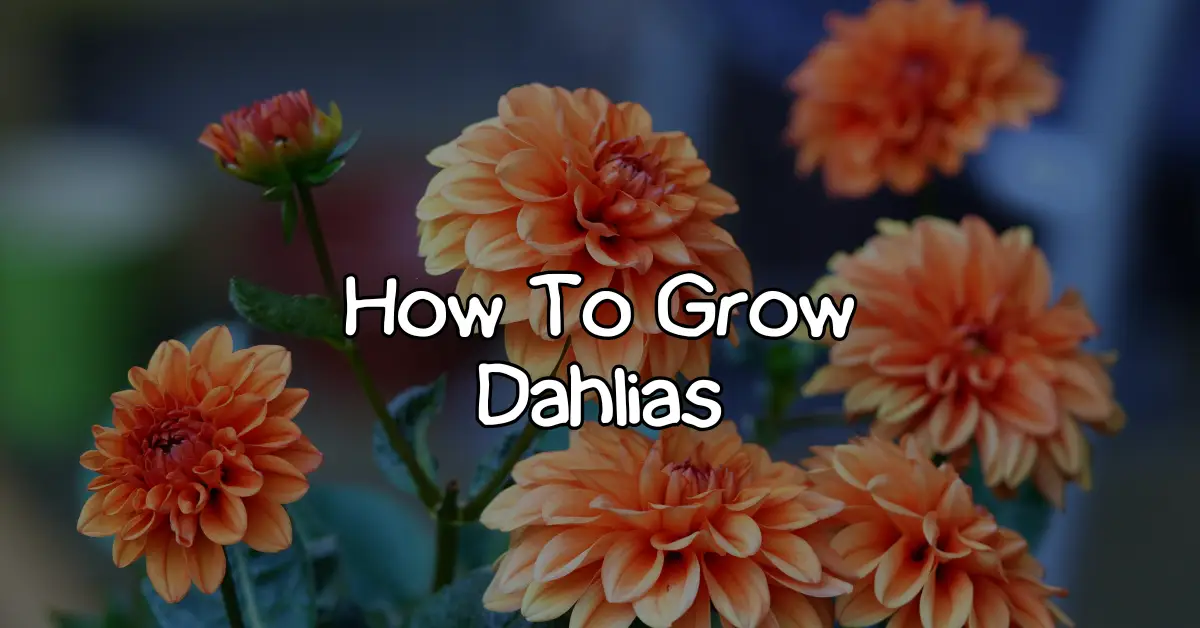
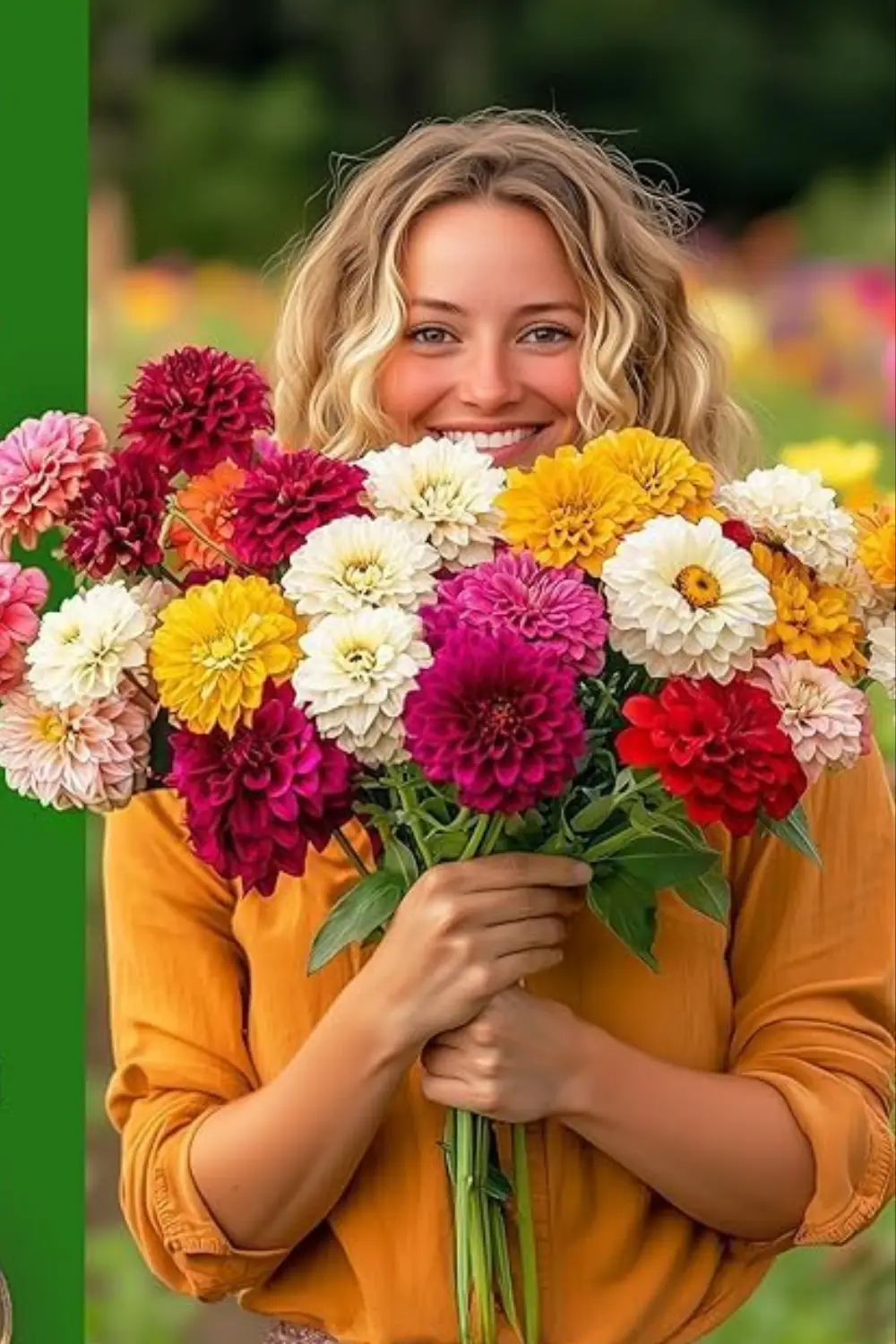
Dahlias are stunning flowering plants that come in almost every color except true blue, from soft pastels and pure whites to bright yellows, oranges, pinks, deep reds and purples. Some varieties have bi-color petals or striking color gradients. The plants grow from tubers and can reach heights from 1 foot to over 6 feet tall.
They belong to the Asteraceae family and are native to Mexico and Central America, where they grow in the wild as bushy perennials. Today, the dahlias we grow in gardens are mostly hybrids that produce large, showy blooms from summer through fall. Their flowers can look like pom-poms, water lilies, dinner plates, or even cacti.
They love full sun (at least 6–8 hours a day) and well-drained soil. In most parts of the United States, they are grown in USDA zones 8–11 as perennials.
In this post, I will share how to grow dahlias from seed, through tubers and how to grow dahlias in pots.
How To Grow Dahlias From Seed
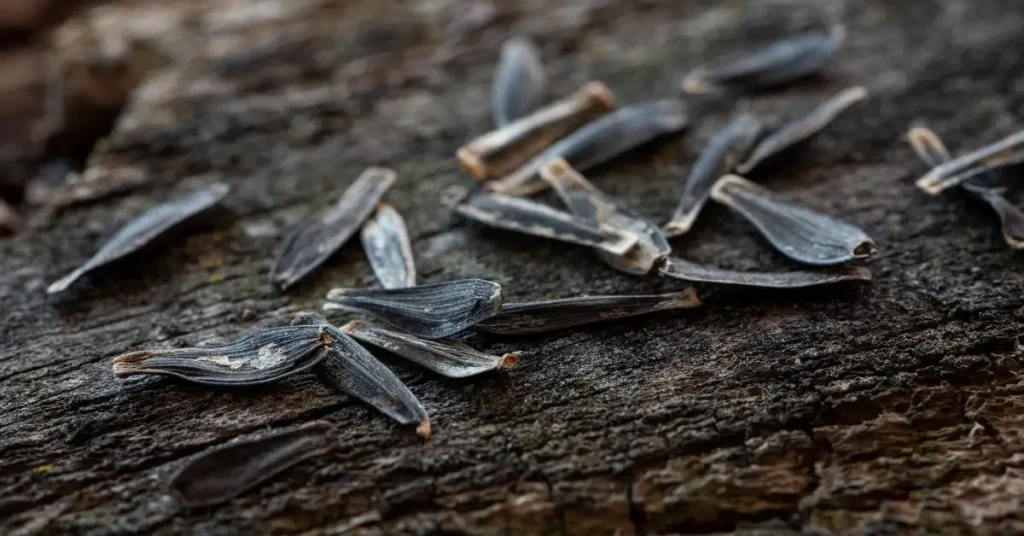
Growing dahlias from seed takes a little patience, but the process is simple. Here is a clear, step-by-step guide you can follow.
Start Seeds Indoors at the Right Time
Dahlias need warm weather. Start seeds 6–8 weeks before your last frost date.
In the USA:
- Late February to April (depending on your zone)
They grow best in:
- Temperature: 65–75°F (18–24°C)
- Bright light or grow lights
Step 2: Prepare Soil and Containers
Use:
- Seed starting trays or small pots
- Light, well-draining seed-starting mix
Avoid heavy garden soil. It holds too much water. Fill containers with moist (not wet) soil. Gently press it down.
Step 3: Plant the Seeds
It’s time to sow the seeds. I usually place one or two dahlia seeds in each cell to avoid overcrowding later. Lay the seeds on the surface and gently press them into the soil. Then cover them lightly with about ¼ inch (0.5 cm) of soil.
Do not bury them too deep because dahlia seeds need warmth and light contact with soil to germinate properly. After covering, mist the surface gently so you don’t wash the seeds away.
Keep the trays in a warm spot where temperatures stay between 65–75°F (18–24°C). Germination takes 7 to 14 days. During this period, keep the soil slightly moist but never soggy. Too much water can cause rot or fungal problems before the seeds even sprout.
Step 4: Provide Light and Early Care
As soon as you see green shoots, move the seedlings into bright light. This step is very important. If they don’t get enough light, they grow tall, thin, and weak. I prefer using grow lights positioned a few inches above the seedlings and kept on for 14–16 hours daily. A sunny south-facing window can also work, but rotate trays regularly so plants grow straight.
Water carefully at the base of the plants and let the top layer of soil to dry slightly between watering. Once seedlings develop two to three sets of true leaves (not the first small seed leaves), transplant them into larger pots. Use fresh, well-draining potting mix and handle seedlings gently.
Step 5: Harden Off Before Transplanting
Dahlias started indoors need time to adjust before moving outside. About one to two weeks before transplanting, begin hardening them off. I start by placing the plants outdoors in a shaded, sheltered area for 2–3 hours on the first day. Each day, increase the time outside and gradually expose them to more sunlight and light wind.
This slow transition strengthens stems and reduces transplant shock. Skipping this step leads to wilted or stressed plants after planting. Keep an eye on temperatures. If nights are still cold, bring plants back indoors. Dahlias are sensitive to frost, so wait until the danger of frost has completely passed.
Step 6: Transplant Into the Garden
Choose a planting site that receives at least 6–8 hours of direct sunlight daily. Dahlias thrive in rich, well-draining soil with a pH between 6.5 and 7.0. Before planting, I mix compost into the soil to improve structure and nutrients. Dig a hole slightly larger than the root ball and gently place the seed-grown dahlia at the same depth it was growing in its pot.
Space plants about 12–18 inches apart for air flow and better growth. After planting, water deeply to help roots settle. Taller varieties may need staking early to support future blooms.
Care After Transplanting
Water deeply two to three times per week, depending on your climate. Keep the soil moist but not waterlogged. I focus on watering at the base to keep foliage dry and reduce disease risk.
Feed plants with a balanced fertilizer every three to four weeks. Avoid high-nitrogen fertilizers, as they promote leafy growth instead of flowers. When plants reach about 12 inches tall, pinch the top growth just above a leaf node. Throughout the season, remove faded flowers regularly.
With proper care, dahlias grown from seed usually begin blooming within 90 to 120 days.
How To Grow Dahlias From Tubers
Growing dahlias from tubers is easy and most reliable way to get the exact flower variety you want. Unlike seeds, tubers produce identical plants to the parent. If you want large, showy blooms and strong plants, tubers are the best choice. I personally prefer tubers and advice this method for growing dahlias.
Step 1: Choose Healthy Tubers
Select firm, plump tubers. Avoid:
- Soft or shriveled tubers
- Moldy or rotten spots
- Broken necks (the thin part connecting the tuber to the crown)
Each tuber must have at least one visible “eye” (small growth point on the crown). That eye is where the new plant will grow from.
If you stored tubers from last year, inspect them carefully before planting.
Step 2: Plant at the Right Time
Dahlias are frost-sensitive. Plant tubers:
- After the last frost date
- When soil temperature reaches about 60°F (15°C)
In most U.S. regions:
- April to early June (depending on your zone). Cold, wet soil can cause rot. Warm soil encourages faster sprouting.
Prepare the Soil
Dahlias grow best in rich, well-draining soil and full sun. Choose a location that receives at least 6–8 hours of direct sunlight daily. Before planting, loosen the soil about 10–12 inches deep so the roots can grow freely. If your soil feels heavy or clay-like, mix in compost or well-rotted organic matter to improve drainage.
The ideal soil pH ranges between 6.5 and 7.0. If you are unsure about your soil condition, a simple soil test helps. I usually avoid adding high-nitrogen fertilizer at planting time because it encourages leafy growth instead of strong flowers later.
Plant the Tubers Correctly
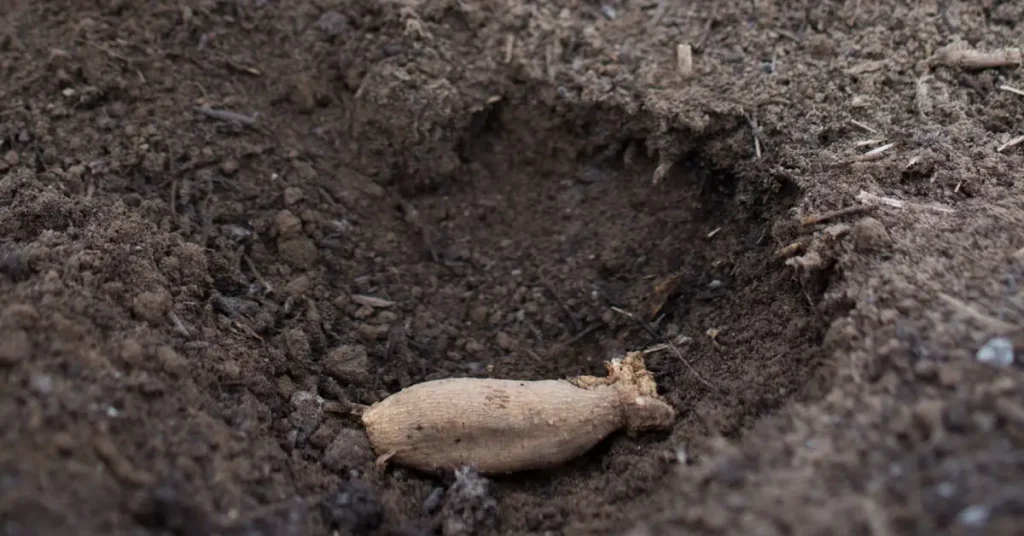
Dig a hole about 4–6 inches deep. Space tubers 12–18 inches apart to allow airflow and proper growth. Lay the tuber horizontally in the hole with the eye (growth point) facing upward. The eye is located on the crown area, not on the body of the tuber itself. Gently cover it with soil.
After planting, avoid watering immediately unless the soil is extremely dry. I advice placing stakes in the ground at planting time, especially for taller varieties. Installing stakes later risks damaging the developing roots. Sprouts usually emerge within 2–4 weeks.
Watering Dahlias
Once you see green shoots above the soil surface, begin regular watering. Dahlias need consistent moisture during active growth. Water deeply two to three times per week, depending on your climate and rainfall.
As the plants grow taller, you can add a thin layer of mulch around them to retain moisture and reduce weeds. Keep mulch slightly away from the main stem to prevent stem rot. When plants reach about 12 inches in height, pinch off the top growing tip just above a leaf node.
Fertilizing Dahlias
When plants reach about 12–15 inches tall, begin feeding them with a low-nitrogen fertilizer such as 5-10-10. This type of fertilizer promotes healthy root systems and abundant blooms rather than excessive leafy growth. Apply fertilizer every 3–4 weeks during the growing season.
Avoid overfeeding because too much fertilizer results in tall plants with weak stems and fewer flowers. I prefer feeding lightly but consistently.
Supporting and Maintaining Plants
As dahlias grow, their stems become tall and heavy with blooms. Tie the stems loosely to stakes using soft garden ties to prevent breakage caused by wind or heavy rain. Check ties regularly and adjust them as the plant grows taller.
Remove faded flowers regularly. Deadheading directs the plant’s energy toward producing new blooms instead of forming seeds. If you want larger individual flowers, remove smaller side buds and allow only the main bud to develop.
Lifting and Storing Tubers in Cold Climates
After the first frost turns the foliage black, cut the stems down to about 4–6 inches above the ground. Carefully dig around the plant with a garden fork, lift the entire clump without damaging the tubers. Shake off excess soil gently.
Allow the tubers to dry in a cool, shaded place for a few days. Once dry, store them in peat moss, sawdust, or vermiculite in a box or breathable container. Keep them in a cool location between 40–50°F. Check periodically during winter and remove any tubers that show signs of rot. In warmer climates where the ground does not freeze, tubers may remain in the soil with a thick layer of mulch for protection.
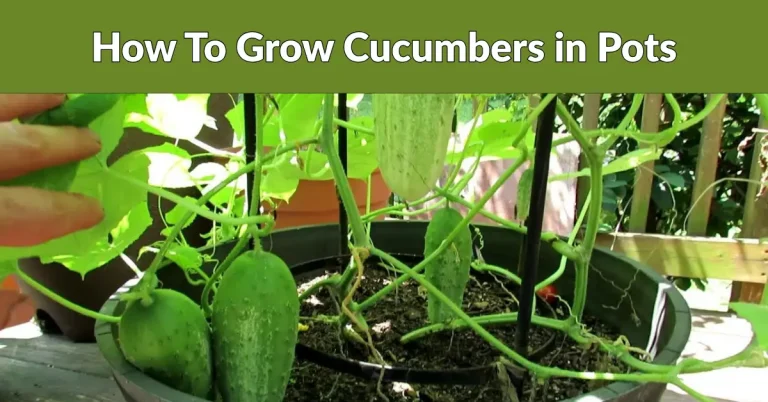
How To Grow Dahlias in Pots
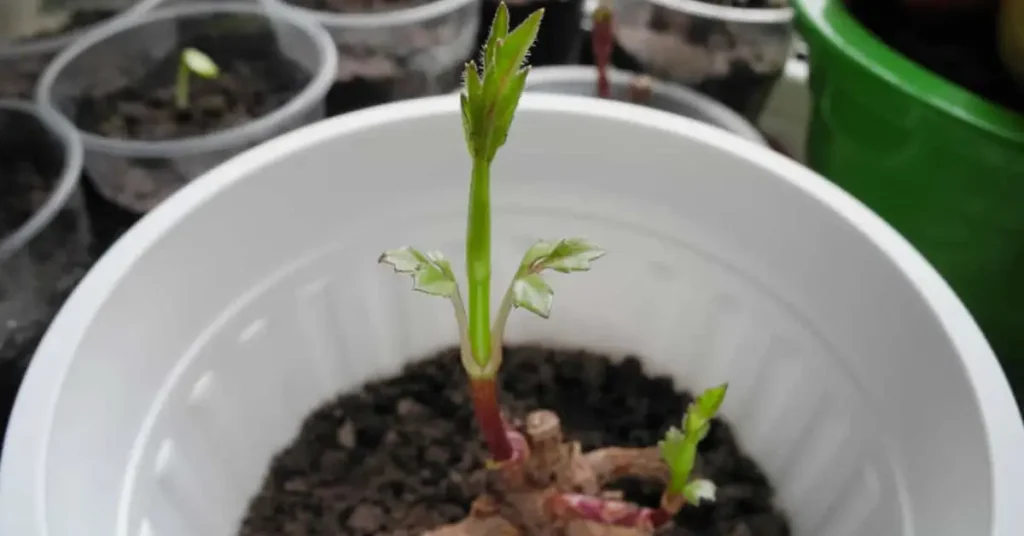
If you have a small garden, balcony, or patio, don’t worry, dahlias growing in pots is easy.
You can move them for better sunlight and protect them from heavy rain. They also look stunning near entrances and outdoor seating areas.
Step 1: Choose the Right Variety
Many dahlias are tall, growing up to six feet and are not appropriate for containers. For pots, choose:
- Dwarf dahlias
- Patio or border varieties
- Compact bush types
These grow 12–18 inches tall and bloom heavily without becoming top-heavy. Remember, If you grow tall varieties, you’ll need large containers and strong staking.
Some dwarf varieties are ‘Stacy Rachelle‘, ‘Scura’, ‘Pianella’, ’Happy Days’ and ‘Yankee Doodle Dandy’.
Step 2: Select a Large Pot
Dahlias need space for roots and tubers to expand.
- Minimum pot size: 12–14 inches deep and wide
- Larger varieties: 16–20 inches container
- Must have drainage holes
I avoid small decorative pots because they dry out too quickly. Plastic, terracotta, or fabric grow bags all work, as long as drainage is good.
Step 3: Use Well-Draining Potting Mix
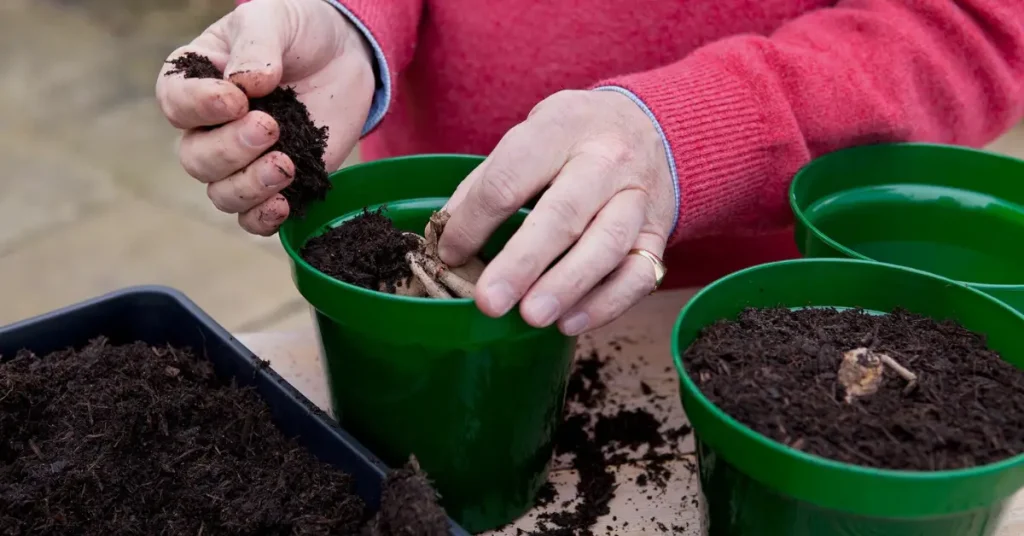
Do not use garden soil in containers. It becomes compact and poorly drained.
Instead, use:
- High-quality potting mix
- Mix in compost for nutrients
- Optional: Add perlite for extra drainage
Dahlias prefer soil pH between 6.5–7.0. The soil should feel light and airy, not heavy or sticky.
Step 4: Plant the Tuber Properly
Fill the pot about halfway with soil. Place the dahlia tuber horizontally with the eye facing upward. Cover with 4–5 inches of soil. Leave about 1 inch of space at the top of the container for watering.
Avoid watering heavily right after planting unless the soil is very dry. Wait until you see green shoots appear.
Sprouting usually happens in 2–3 weeks in warm conditions.
Step 5: Provide Sunlight
Dahlias need 6–8 hours of direct sunlight daily. Place pots in a sunny spot such as:
- South-facing patio
- Balcony with full sun
- Open terrace
If sunlight is limited, blooms may be fewer and stems weaker. Rotate the pot occasionally so the plant grows evenly.
Step 6: Watering Potted Dahlias
Container dahlias dry out faster than garden plants. Once growth starts:
- Water deeply when top inch of soil feels dry
- In hot weather, daily watering may be needed
- Avoid waterlogging
Step 7: Feeding Potted Dahlias
Because nutrients wash out of pots faster, regular feeding is required.
- Use low-nitrogen fertilizer (like 5-10-10)
- Feed every 2–3 weeks
- Liquid fertilizer works well for containers
Avoid high nitrogen fertilizers. They produce leaves more but fewer flowers.
Step 8: Support and Pruning
Insert a small stake at planting time to avoid disturbing roots later.
When the plant reaches about 10–12 inches tall, pinch the top growth. This encourages bushier growth and more blooms.
Remove faded flowers regularly to keep the plant producing new buds all season.
Dahlias Winter Care
Dahlias are tender plants that cannot survive freezing temperatures.
The simplest method is to bring the entire pot indoors before the first hard frost. Cut the stems back to about 4–6 inches above the soil once the foliage turns black from frost. Move the pot to a cool, dark, and frost-free place such as a garage, basement, or unheated closet where the temperature stays between 40–50°F (4–10°C).
Check the soil occasionally, it should stay slightly damp but never wet. Water very sparingly, only when the soil feels completely dry, to prevent the tubers from rotting.
If you don’t have space to store the whole pot, you can remove the tubers for winter storage.
In USDA zones 8–11, potted dahlias can sometimes stay outdoors if you move them to a sheltered spot and cover them with a thick layer of mulch or bubble wrap for extra insulation. However, in colder areas, bringing them inside or storing the tubers is much safer and gives better results the following year.
That’s all. I hope this guide helped.