How to Grow Morning Glory (Complete Guide from A Gardener)

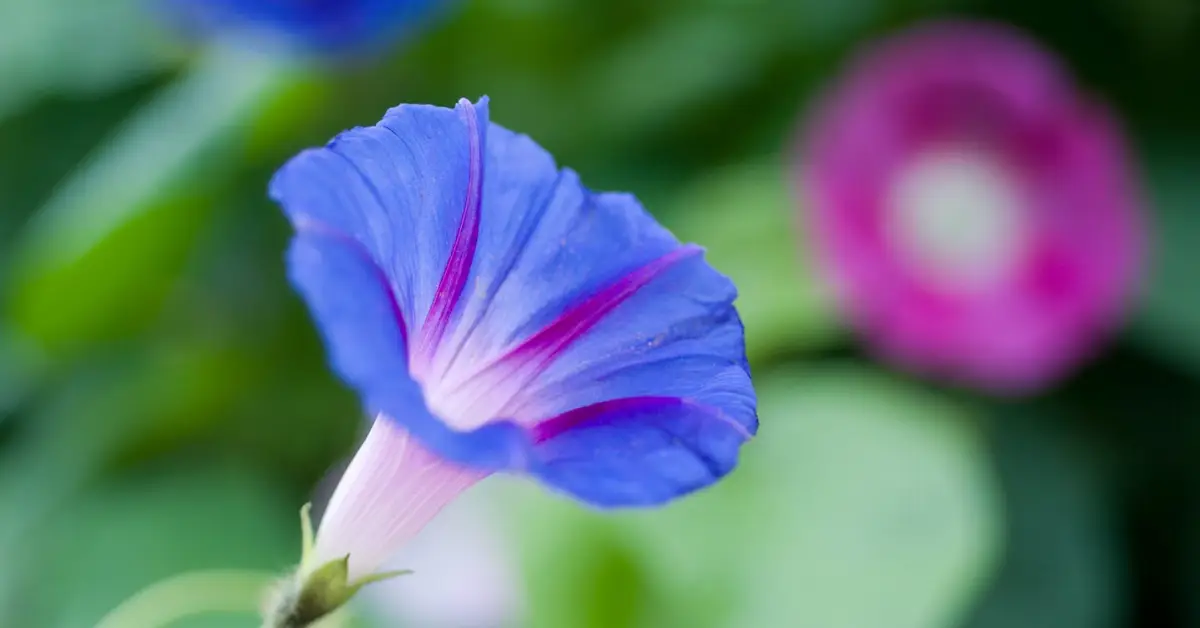
Morning glories are fast-growing vines with beautiful trumpet-shaped flowers. They come in colors like blue, purple, pink, and white. These flowers are called “morning glories” because they open early in the morning and often close by the afternoon. They grow on vines, climb on fences, walls, or trellises.
These plants are easy to grow and are popular in many gardens. They prefer sunny places and need well-drained soil to grow properly. Morning glories grow quickly from seeds and can cover large areas in a short time. Because of their fast growth, they are often used to decorate outdoor spaces and provide shade.
They attract pollinators like bees and butterflies.
I still remember the first time I grew it along a simple wire fence, within weeks, it turned into a wall of green vines covered in bright blue flowers. If you want something fast-growing, colorful, and easy to manage, this plant does the job beautifully.
In this guide, i will share how to grow morning glory with a few key things, sunlight, soil, watering and pests management and following this guide you’ll get dense vines full of flowers.
Basic Plant Information
Affiliate Disclosure: This post contains affiliate links. If you click on links and make a purchase, I may earn a small commission at no additional cost to you. I only recommend products (mostly used myself), or resources that I genuinely believe will add value to my readers.
| Attribute | Details |
|---|---|
| Common Name | Morning Glory |
| Scientific Name | Ipomoea purpurea |
| Family | Convolvulaceae |
| Plant Type | Annual Climbing Vine |
| Native Region | Central and South America |
| USDA Zones | 2–11 (grown as annual in most) |
| Bloom Time | Summer to Early Fall |
| Flower Colors | Blue, Purple, Pink, White |
| Growth Rate | Fast-growing |
| Mature Length | 6–15 feet (depending on variety) |
Morning Glory Varieties
These varieties are popular for their unique and colorful blooms.
| Variety Name | Flower Color/Description |
|---|---|
| Heavenly Blue | Bright sky blue with white center |
| Grandpa Ott | Deep purple with reddish center |
| Scarlett O’Hara | Bright red with white throat |
| Pearly Gates | Soft white with yellow center |
| Flying Saucers | Blue and white striped flowers |
| Blue Star | Blue with star-shaped pattern |
| Milky Way | White with purple star markings |
How To Grow Morning Glory Outdoors
Growing morning glories outdoors is simple. Start by planting seeds in a sunny spot, these plants need full sunlight to bloom well. Before planting, soak the seeds in water overnight to help them sprout faster. Plant them directly in the soil after the last frost, about 1 cm deep, and keep the soil slightly moist until they begin to grow.
Morning glory seeds are toxic if ingested and should be kept away from children and pets.
Seeds germinate in 5–15 days. They germinate best at 65-85°F (18-29°C). As the plants develop, they will grow into long climbing vines, so provide support like a fence, trellis, or string. Morning glories prefer well-drained soil (Poor to average soil) and do not need very rich fertilizer, too much feeding can reduce flowering. Water them regularly, but avoid overwatering, as they do better in slightly dry conditions than in soggy soil.
Morning glories typically start flowering in mid-summer to early fall, generally about 75 to 90 days after sowing.

How To Grow Morning Glory in Pots
Growing morning glories in pots is easy and a great option if you don’t have garden space. Choose a medium to large pot (12-15 inch deep) with drainage holes. Fill it with light, well-draining soil. Soak the seeds overnight, then plant them about 1 cm deep. Plant 3-5 seeds per large pot in early spring. Place the pot in a sunny spot to grow and bloom well.
These plants are climbers, you’ll need to add support like a small trellis, bamboo sticks, or strings in the pot. Water regularly to keep the soil slightly moist, but avoid overwatering. Pots dry out faster than ground soil, so check moisture often, especially in warm weather.
As the plant grows, guide the vines to climb the support.
Pests
| Pest/Disease | Type | Symptoms | Control/Prevention |
|---|---|---|---|
| Leaf Spot | Fungus | Brown or black spots starting on lower leaves; may spread upward; leaves dry and fall | Remove and destroy affected leaves; avoid wetting leaves; ensure good airflow; clean tools regularly |
| Aphids | Insect | Yellowing or curled leaves; sticky residue on leaves; weak growth | Spray with water to remove; use insecticidal soap; avoid too much fertilizer; encourage ladybugs |
| Rust | Fungus | Orange or rust-colored spots under leaves; leaves may twist and drop | Remove infected parts; keep area clean; improve air circulation; avoid overhead watering |
| Leaf Miners | Insect | Winding, white or pale trails inside leaves | Remove damaged leaves; use protective covers; rotate crops; keep soil clean |
| Fusarium Wilt | Fungus | Plants wilt during day; yellow leaves; stunted growth; may die over time | Remove and destroy infected plants; disinfect tools; avoid over-fertilizing; rotate crops |