What Not To Plant With Hydrangeas (Avoid 15 Plants)
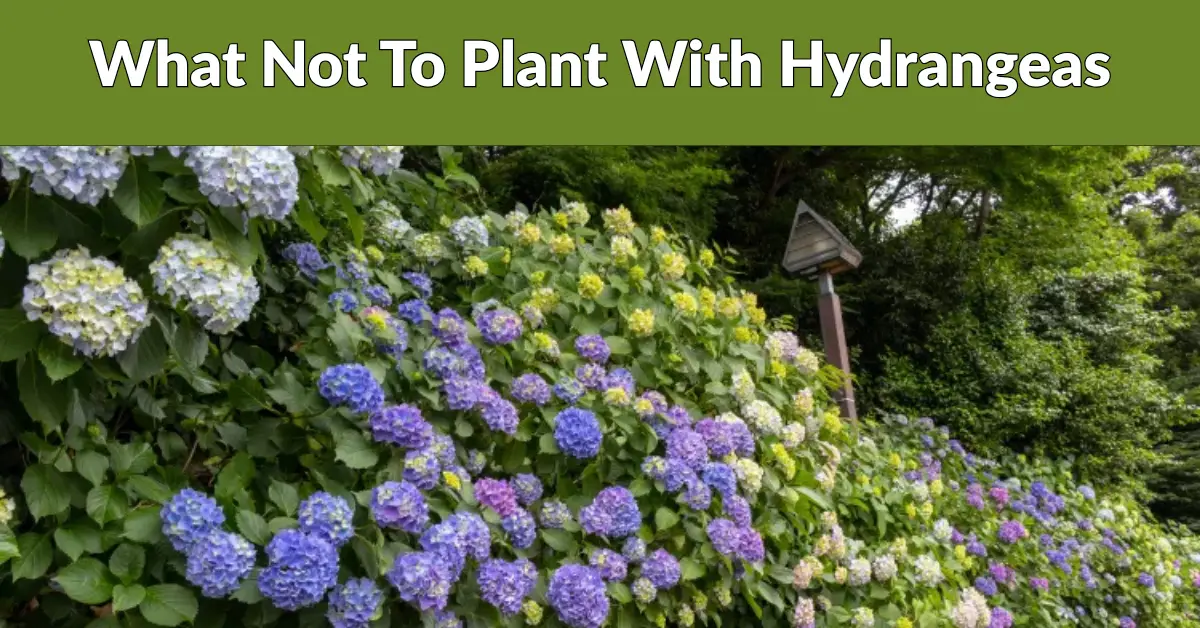
Hydrangeas are forgiving shrubs in many ways, adaptable to different climates, reliable in their bloom, and stunning in almost any garden style. But they have specific needs around moisture, soil richness, and light, and not every plant respects those requirements. Some competitors drain resources. Some alter the soil chemistry. Some simply crowd them out or create an impossible conflict between two opposing sets of care requirements.
Here is a guide about What Not To Plant With Hydrangeas.
15 Plants to Keep Away from Hydrangeas
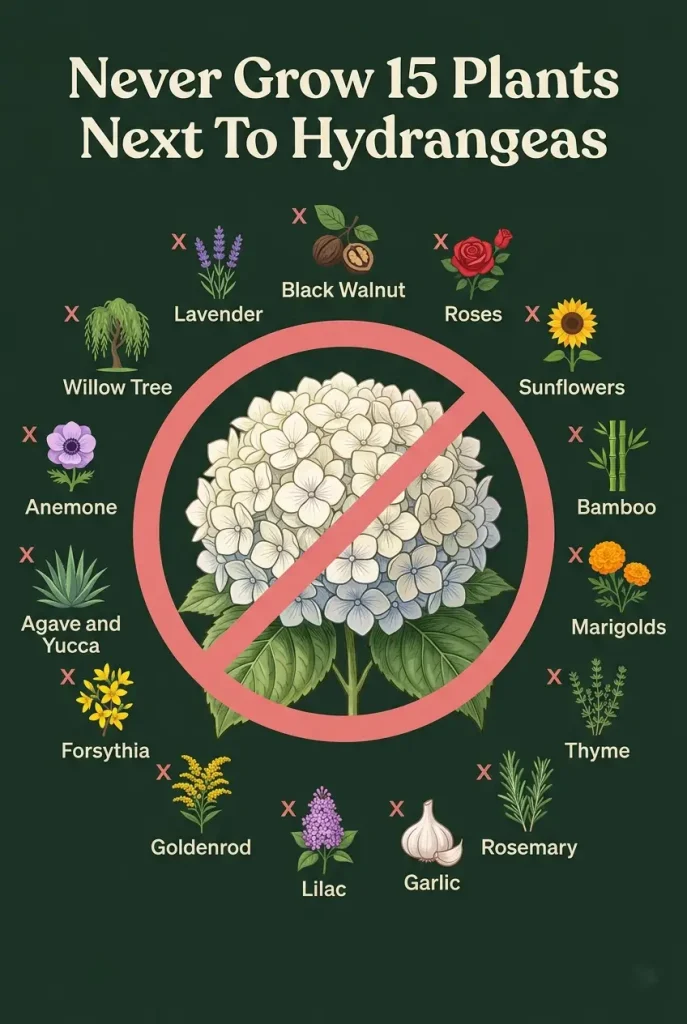
- Lavender
- Black Walnut
- Roses
- Sunflowers
- Bamboo
- Marigolds
- Thyme
- Rosemary
- Garlic
- Lilac
- Goldenrod
- Forsythia
- Agave and Yucca
- Anemone
- Large Trees (especially Willow)
Lavender
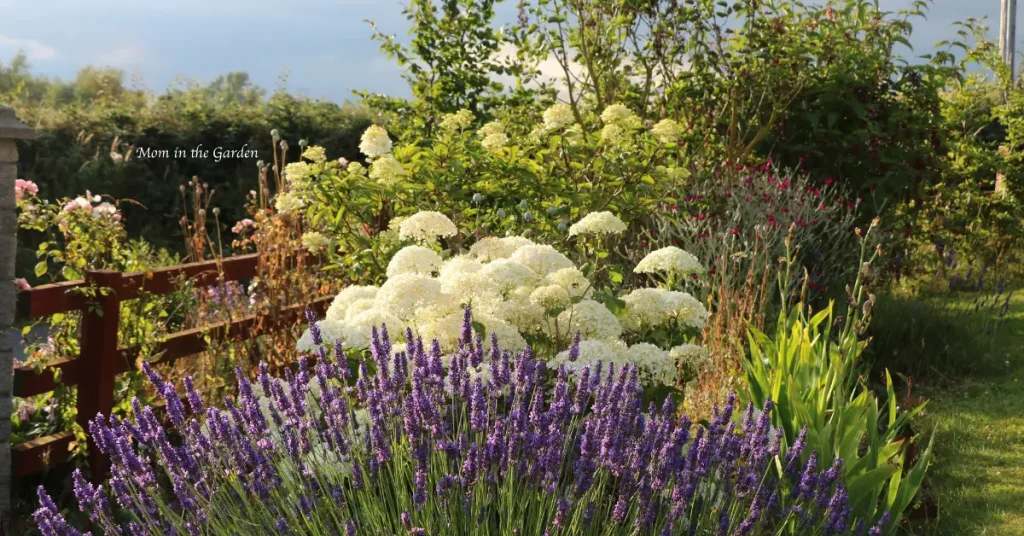
Lavender and hydrangeas look like a natural pairing, purple spiky blooms against globe-shaped clusters. But their growing needs couldn’t be more different. Lavender is a Mediterranean plant built for hot, dry, rocky soil with maximum sun exposure.
Hydrangeas need consistently moist, rich soil and tolerate, even prefer partial shade. Plant them side by side and you face an impossible situation: water enough for the hydrangea and the lavender roots rot; hold back for lavender’s sake and the hydrangea droops and fails to bloom.
Black Walnut
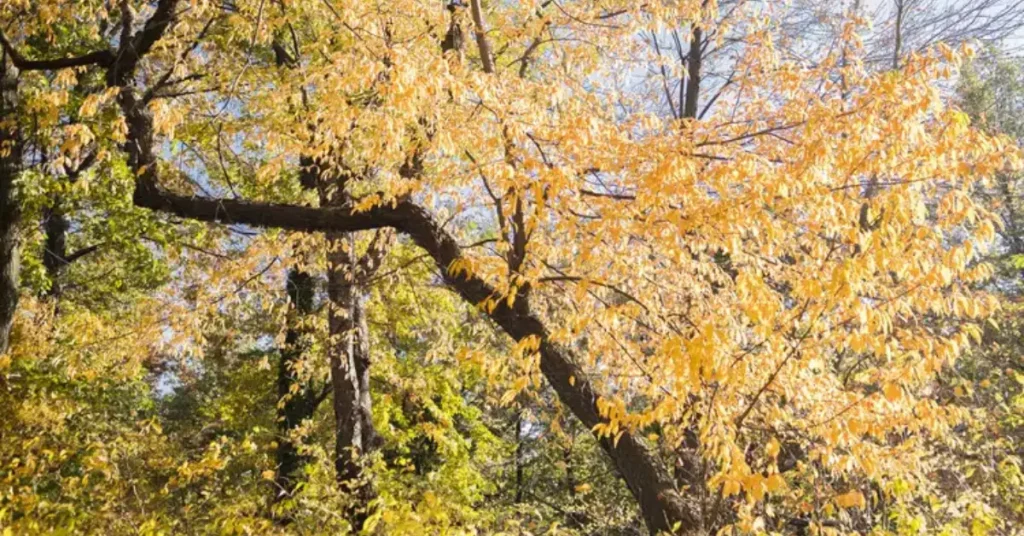
Black walnut trees are one of the most damaging neighbors a hydrangea can have. They release a natural compound called juglone through their roots, leaves, and bark. Juglone is toxic to a wide range of plants, and hydrangeas are particularly sensitive. It interferes with their ability to absorb water, causing them to wilt and decline even when watered properly.
Hydrangeas should be kept at least 60 feet away from any black walnut tree. The only partial exception is smooth hydrangea (Hydrangea arborescens), which has slightly more tolerance.
Roses
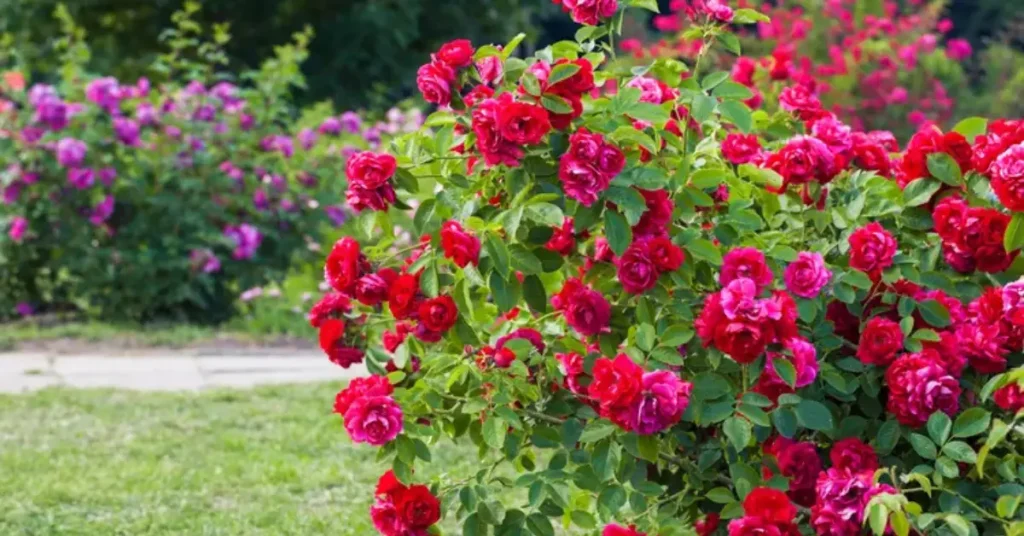
Roses and hydrangeas make a beautiful combination in a vase but compete aggressively in the garden. Both are heavy feeders that draw on soil nutrients and water, and in smaller garden beds this competition quickly becomes a problem. Beyond resource rivalry, roses prefer full sun and relatively dry soil between waterings, conditions that stress hydrangeas.
If your soil is kept moist enough for hydrangeas, many rose varieties will develop root rot or fungal issues. They’re better kept in separate beds where each can be managed on its own terms.
Sunflowers
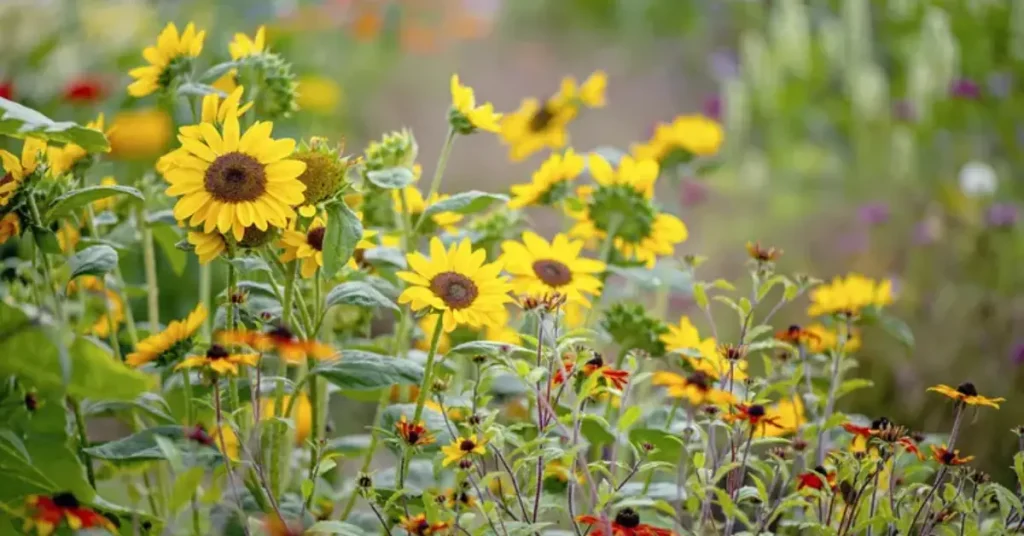
Sunflowers create two separate problems for hydrangeas. First, their height that cast significant shade, blocking the filtered light hydrangeas need to set flower buds. Second, sunflowers are allelopathic, they release chemicals into the surrounding soil that can inhibit the growth of nearby plants. While the research on the extent of sunflower allelopathy is still developing, the combination of shading and potential chemical interference makes them a poor neighbor.
Bamboo
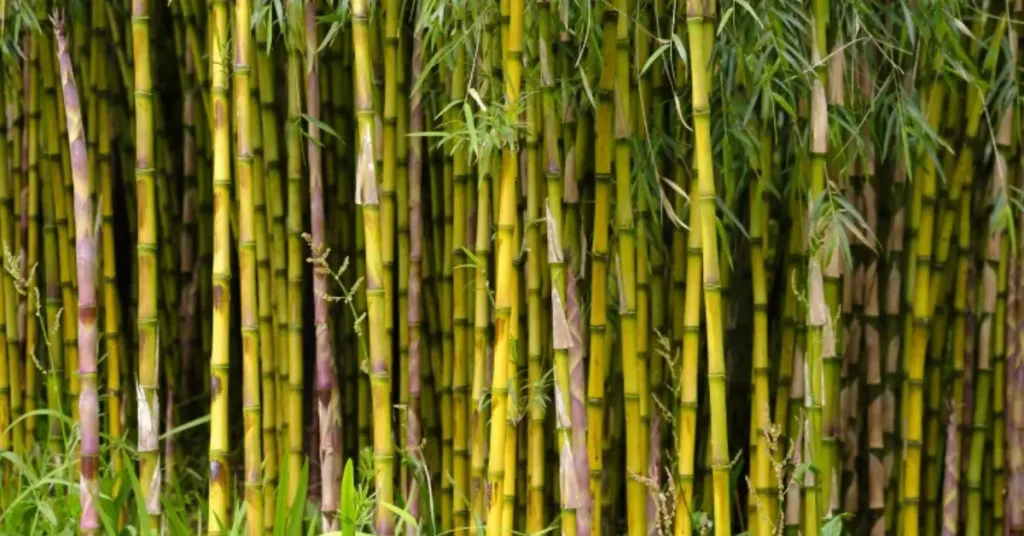
Bamboo is technically a grass, but it behaves more like an invasive ground takeover. Running bamboo varieties spread through underground rhizomes that are nearly impossible to contain once established, crowding out everything in their path including hydrangeas. Even clumping bamboo varieties create dense canopies that rob nearby plants of sunlight. If you want bamboo in your garden, keep it confined in a concrete planter or a root barrier with no adjacent ornamental plantings.
Marigolds
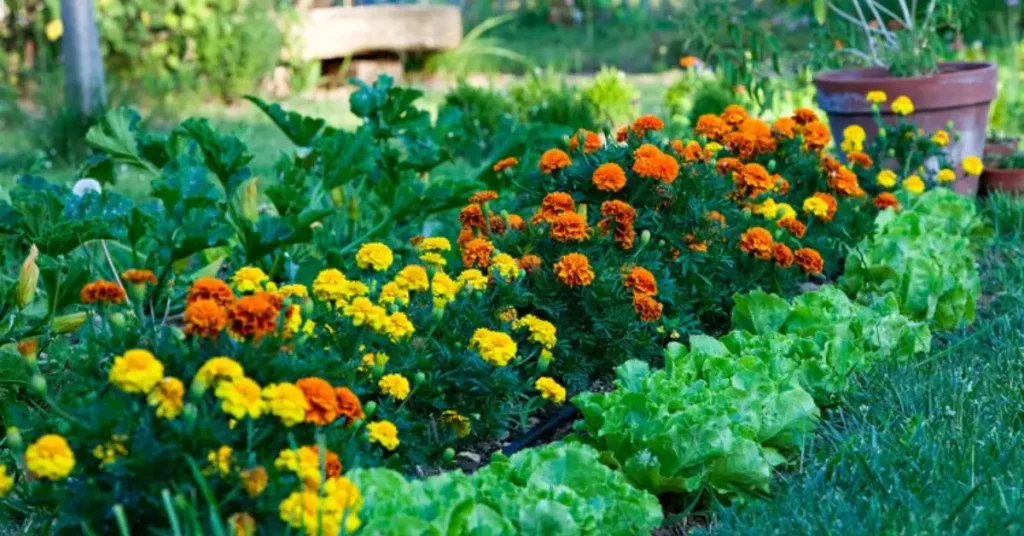
Marigolds are excellent companion plants for vegetables. They repel pests and attract pollinators but they’re poorly matched with hydrangeas. Marigolds are sun-worshippers that want dry conditions at their roots.
In the moist, shaded environment that suits hydrangeas, marigolds quickly show their displeasure: stems droop, leaves yellow, and they decline far sooner than they should. They also don’t deliver the same pest-control benefit in ornamental gardens that they do in vegetable beds, so there’s little reason to put them together.
Thyme
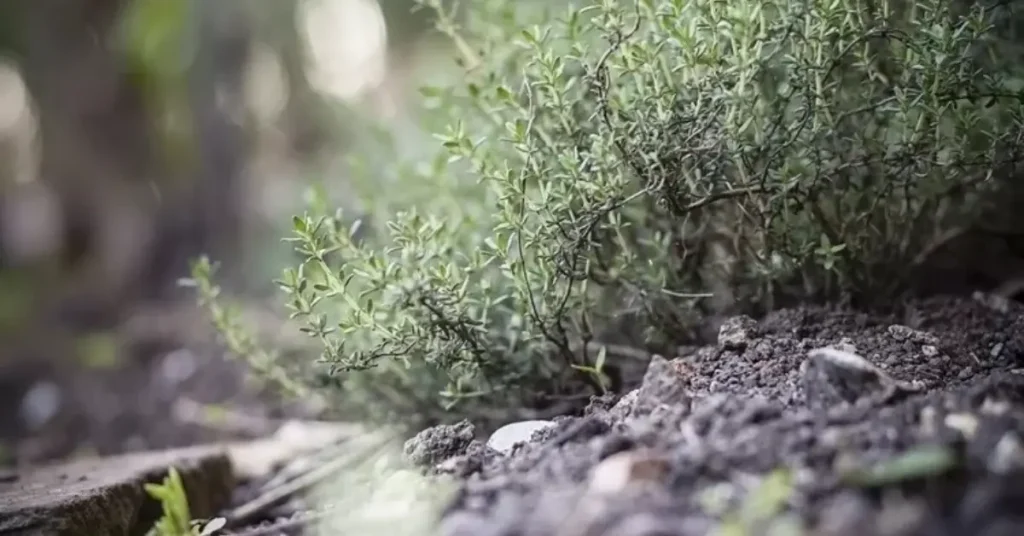
Thyme is a drought-tolerant woody herb that thrives on neglect, dry soil, and full sun. These preferences put it directly at odds with what hydrangeas require. Planted together, you’ll constantly be managing conflicting water needs, thyme sitting in soil that’s wetter than it tolerates, while the hydrangea may still not be getting as much moisture as it needs if you’re compromising. Thyme belongs in a sunny, dry herb bed, not near ornamental shrubs that need regular deep watering.
Rosemary
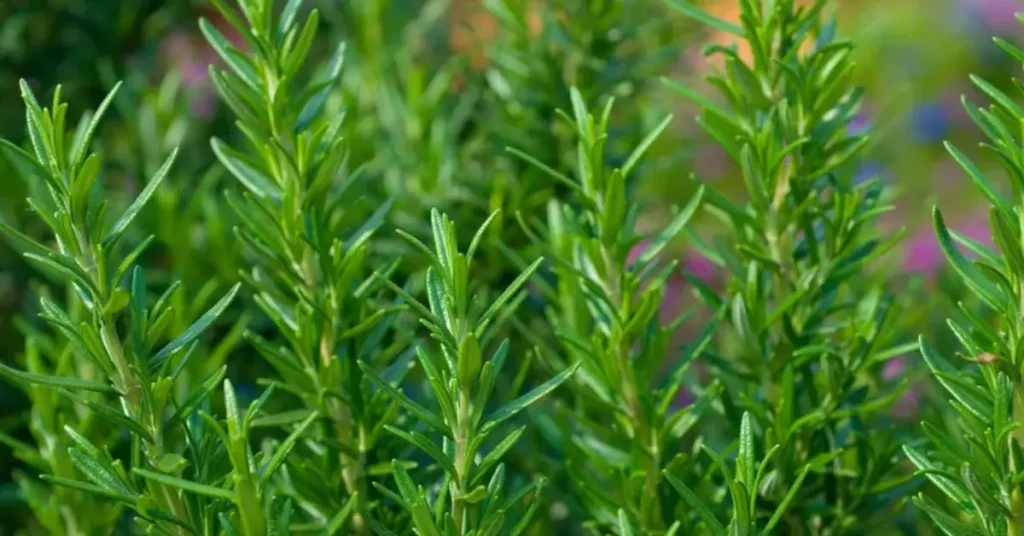
Like thyme and lavender, rosemary is a Mediterranean herb that thrives in hot, dry, well-drained conditions. It actively suffers in moisture-retaining soil and can develop root rot if overwatered, the same watering schedule that keeps a hydrangea happy will slowly kill a rosemary plant. Rosemary also needs maximum sun to produce its aromatic oils, while hydrangeas prefer dappled or morning light. These two plants belong in very different parts of the garden.
Garlic
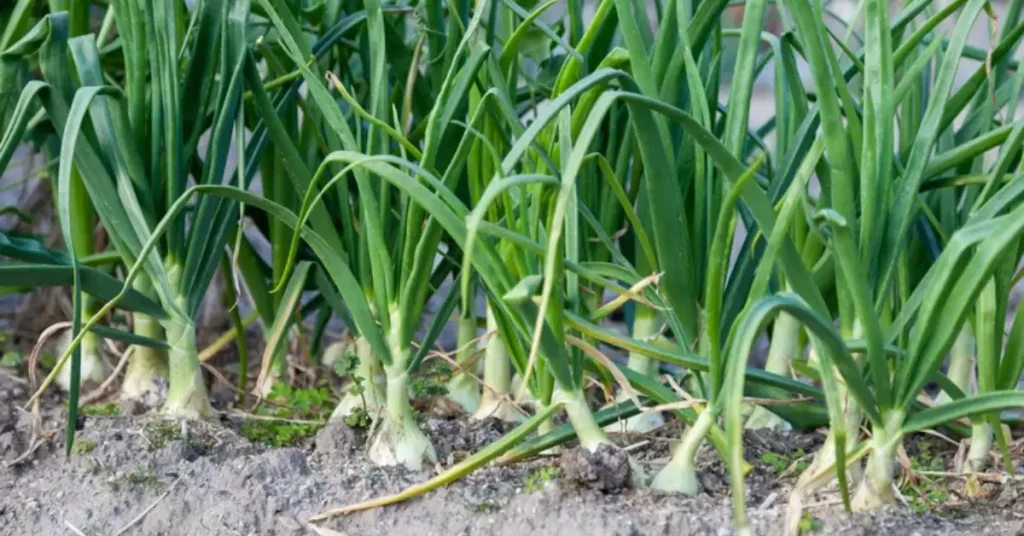
Garlic might seem harmless in an ornamental border but it produces allelopathic chemicals that interfere with the development of flowering plants, including hydrangeas. These compounds are released through the roots into the surrounding soil and can stunt growth or reduce blooming. Beyond the chemical issue, garlic and hydrangeas also prefer different soil conditions. Keep garlic in the vegetable garden where it does its best work alongside tomatoes and peppers.
Lilac
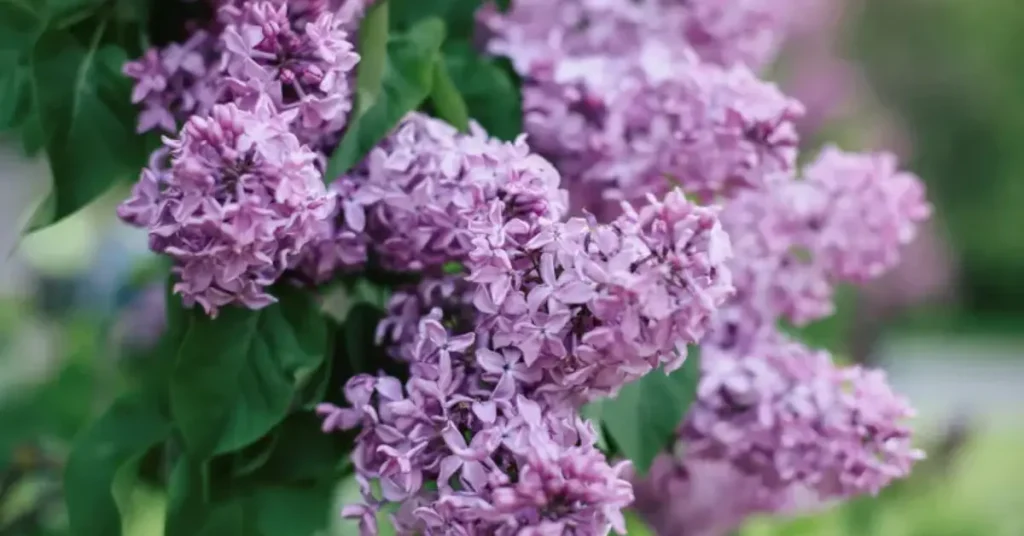
Lilacs are vigorous, fast-growing shrubs that compete hard for water, nutrients, and space. Left unchecked, a mature lilac will outgrow and outmuscle most neighboring plants. They also prefer well-drained soil on the drier side, opposite of what hydrangeas need.
In a shared bed, the lilac typically wins: it establishes a dominant root system that depletes resources before the hydrangea can access them. Both are beautiful, but they’re better placed in different areas where each can fill out without compromising the other.
Goldenrod
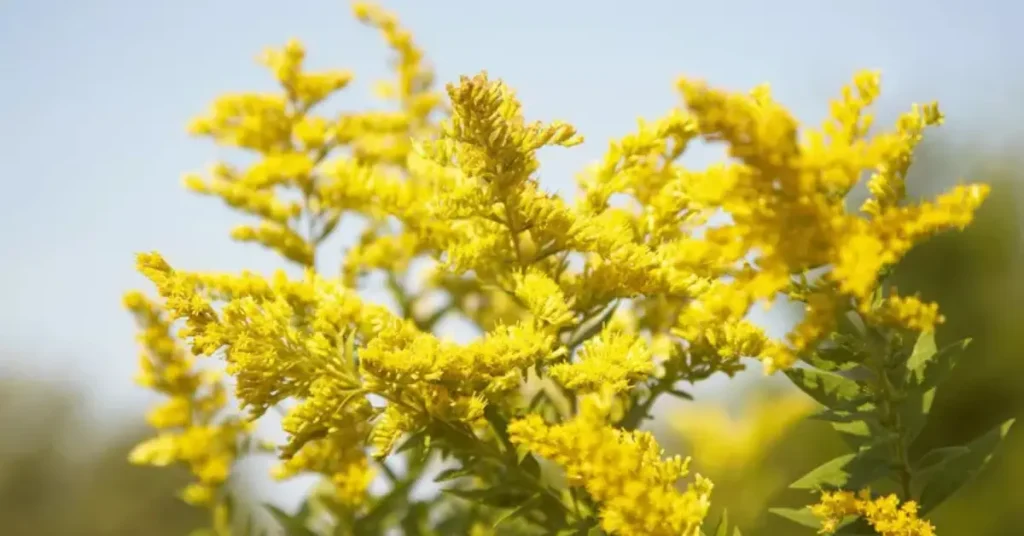
Goldenrod’s bright yellow autumn color might seem like a nice complement to late-season hydrangea blooms, but goldenrod is allelopathic and can harm plants growing nearby. It releases growth-inhibiting compounds through its roots that affect neighboring ornamentals.
It’s also an aggressive spreader that can quickly overtake a garden bed, creating additional competition for light and nutrients. Goldenrod works well in wildflower meadows or naturalized areas, not in cultivated ornamental borders.
Forsythia
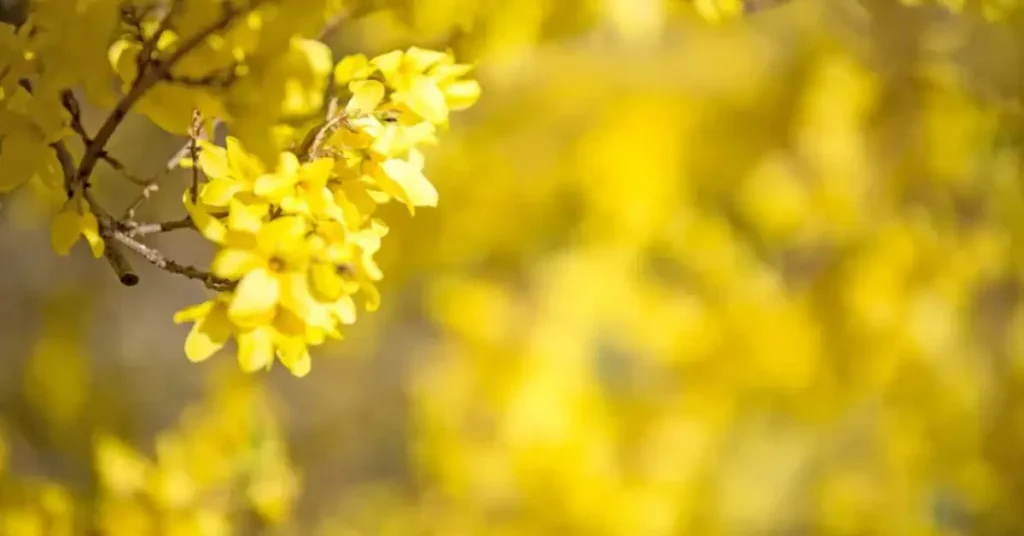
Forsythia blooms in early spring before hydrangeas even leaf out, so it might seem like a practical choice. But forsythia is allelopathic, releasing compounds that can slow or stunt the growth of neighboring plants over time.
It’s also a fast, wide spreader that can shade out smaller shrubs if not aggressively pruned. The seasonal timing overlap might be minimal, but the soil chemistry issue makes it a poor permanent neighbor for hydrangeas.
Agave and Yucca
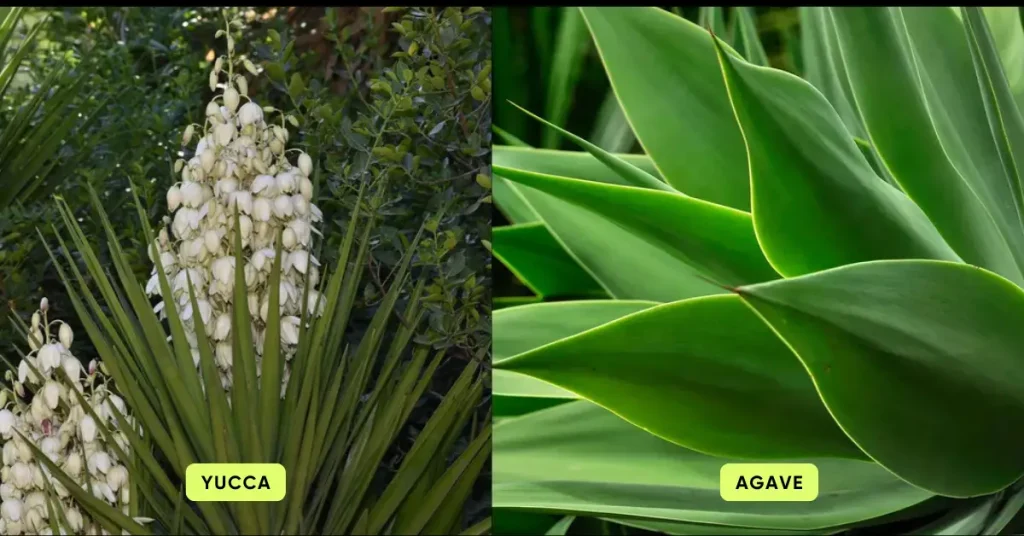
Both agave and yucca are desert-adapted plants built for full sun, heat, and almost no water. They’re often used in xeriscaping and drought-resilient landscaping, the polar opposite of the cool, moist, nutrient-rich conditions that hydrangeas depend on. There’s simply no irrigation schedule that works for both. These plants belong in south or west-facing hot spots where they can receive maximum light and dry out completely between waterings.
Anemone
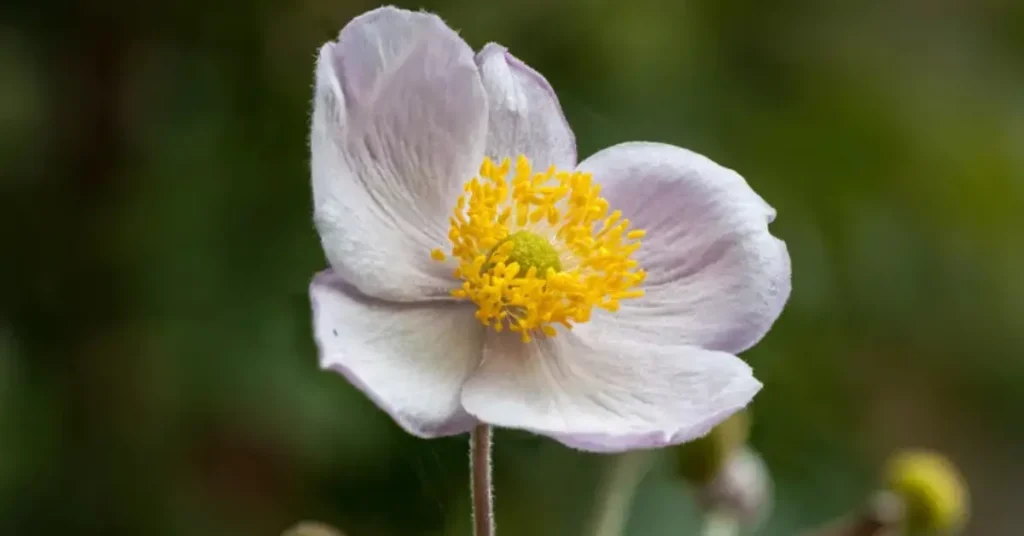
Japanese anemones bloom in mid-to-late summer, overlapping with hydrangea season, which is one reason gardeners often try to pair them. The problem is scale. Hydrangeas are large, dense shrubs that cast significant shade underneath and around their canopy.
Anemones are low-growing perennials that need decent light to produce their flowers. Tucked next to a mature hydrangea, anemones get shaded out entirely at their base, they may survive but will rarely bloom well.
Large Trees
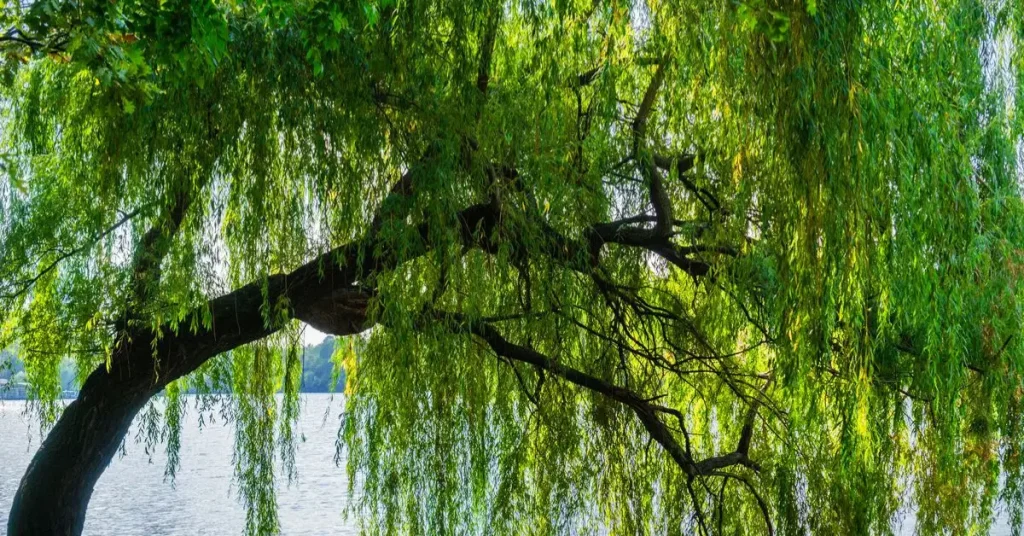
Large trees and this includes willows especially, create compounding problems for hydrangeas. Their canopy blocks light, their root systems span far wider than their drip line and aggressively absorb water and nutrients, and fast-growing species like willows are such heavy water users that surrounding soil can become depleted.
Hydrangeas do well in partial shade, they can’t thrive in the deep shade of a dense canopy or compete with an established tree root system. Keep hydrangeas planted well clear of any large specimen trees.
Final Words
Most of these incompatibilities come down to three things: conflicting water and soil needs, allelopathic chemical interference, and physical competition for light or root space. Hydrangeas need moist, nutrient-rich, slightly acidic soil with some protection from intense afternoon sun. Any plant that demands the opposite, drought, full sun, dry roots, creates an impossible compromise.
The best companion plants for hydrangeas are those that share similar moisture and shade preferences: hostas, astilbe, ferns, echinacea, and ornamental grasses all tend to work well. When planning your garden beds, Keep in mind, match growing conditions first and place aesthetics on second.