French Lavender Vs English Lavender (Which One is Best?)
Lavender has been beloved for over 2,500 years. Ancient Egyptians used it for mummification and perfume, Romans scented their baths with it and by medieval times it was strewn on castle floors to mask odors and repel insects. Queen Victoria made it fashionable again in the 19th century, turning English lavender into the darling of cottage gardens and the perfume houses of Grasse, France.
Today lavender is one of the world’s most popular herbs: grown for essential oils, culinary use, crafts and simply because nothing beats that purple haze humming with bees in midsummer.
More than 40 species and hundreds of cultivars, two stand out as the most commonly sold and most argued about in garden centers:
- English Lavender (Lavandula angustifolia) – the classic, cold-hardy, sweet-scented favorite of perfumers and bakers.
- French Lavender (Lavandula dentata) – the heat-loving, almost-everblooming beauty with toothed leaves and “bunny ear” bracts.
They look similar at a glance, but they behave very differently in the garden. Here’s the quick comparison table:
French Lavender vs English Lavender Table:
| Category | English Lavender (L. angustifolia) | French Lavender (L. dentata) | Winner |
|---|---|---|---|
| Cold Hardiness | Zones 5–9 (some to zone 4) | Zones 8–11 | English |
| Heat & Humidity Tolerance | Struggles in hot, muggy climates | Thrives in the South & coastal areas | French |
| Fragrance | ★★★★★ Sweet, clean, perfumer’s choice | ★★★ Camphorous, rosemary-like | English |
| Bloom Time | June–July + possible second flush | Nearly year-round in warm zones | French |
| Flower Style | Long, elegant stems | Short, fat spikes with “bunny ears” | Personal taste |
| Culinary Use | Sweet, delicious in food & drinks | Edible but often bitter | English |
| Drought Tolerance | Extreme | Extreme | Tie |
| Deer/Rabbit Resistance | Excellent | Excellent | Tie |
English Lavender (Lavandula Angustifolia)
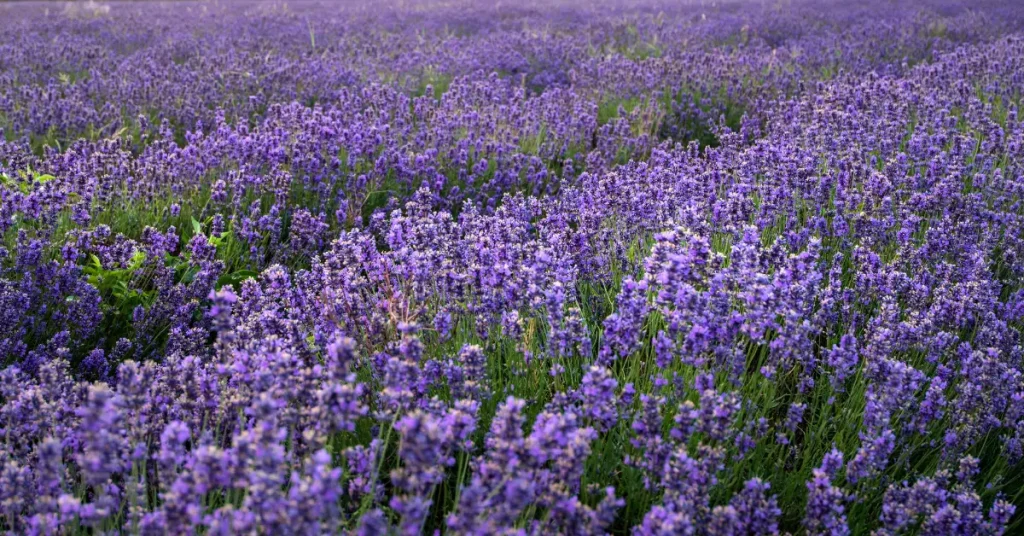
English lavender, also known as Lavandula angustifolia, is widely grown for its sweet fragrance and delicate appearance. It typically produces slender, gray-green leaves and tall spikes of soft purple flowers that bloom in late spring to early summer. English lavender has a more subtle and calming scent compared to its French counterpart, making it perfect for use in essential oils, sachets, and culinary recipes. Its compact, bushy shape is ideal for borders, herb gardens, and small spaces.
This type of lavender is particularly hardy and can tolerate colder climates better than most other varieties. English lavender thrives in well-draining soil with full sun exposure and it prefers slightly alkaline soil. Regular pruning helps maintain its shape and encourages abundant flowering. Its versatility and resilience make it a favorite for gardeners looking for both beauty and utility.
French Lavender (Lavandula Dentata)
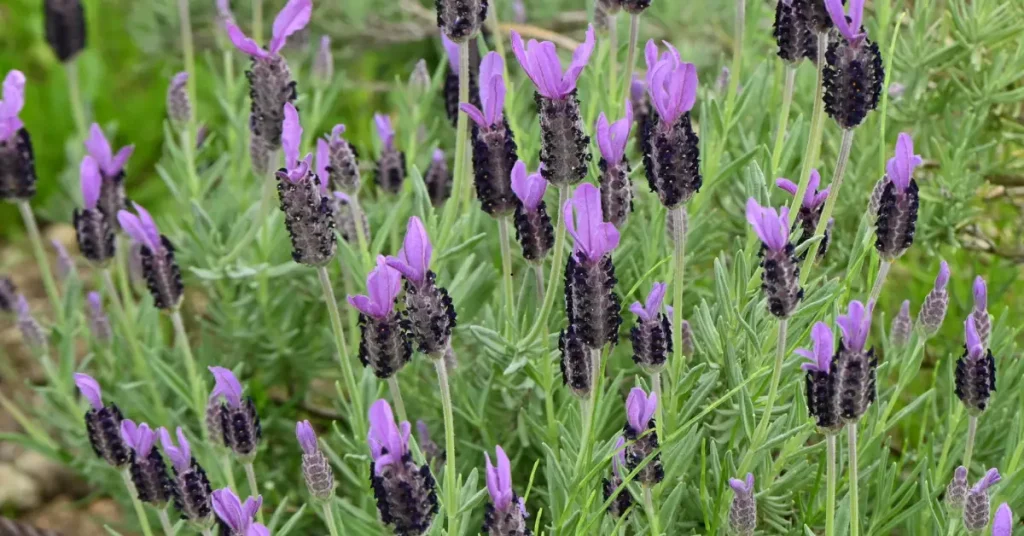
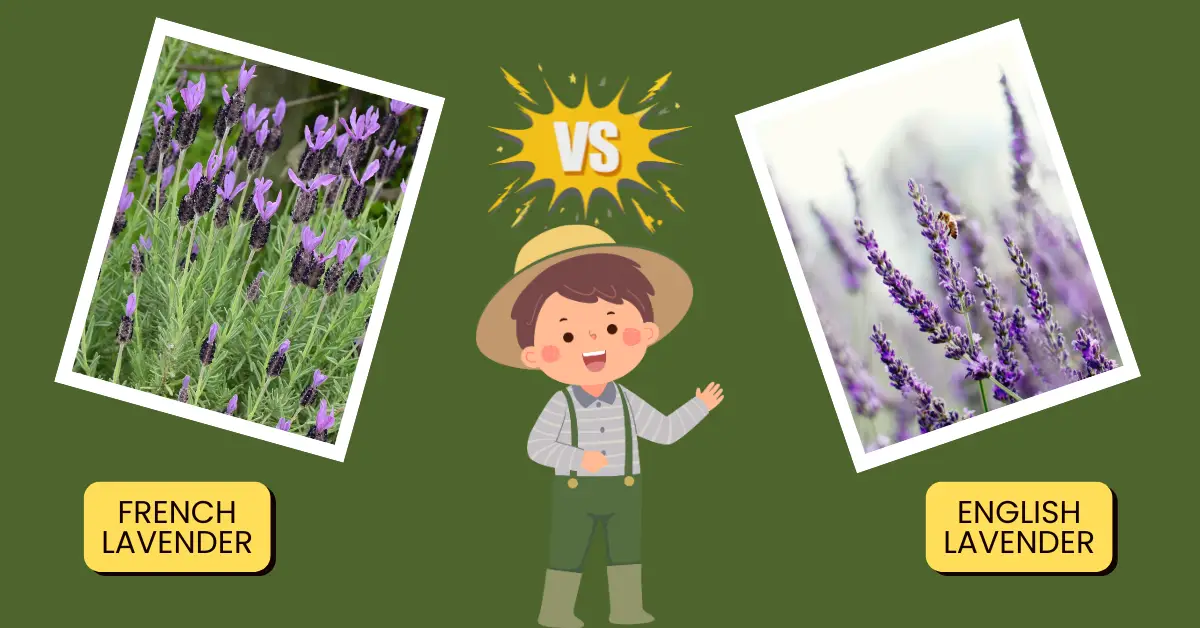
French lavender, which includes varieties like Lavandula dentata and Lavandula stoechas, is instantly recognizable due to its distinct flower shape and “rabbit ear” petals. The blooms are more vibrant and can include shades of purple, pink, or even deep violet. French lavender has a stronger, slightly more pungent fragrance, making it less commonly used in cooking but perfect for ornamental gardens and aromatic displays. Its taller and sometimes more sprawling growth habit creates a dramatic visual impact in garden beds and borders.
Unlike English lavender, French lavender prefers warmer climates and can tolerate heat and humidity better. It thrives in full sun and well-drained soil but is less frost-tolerant, so gardeners in colder regions may need to provide winter protection or grow it in pots. With proper care, French lavender can bloom for much of the year, offering a long-lasting splash of color and fragrance in your garden.
Differences Between English and French Lavender
The most noticeable difference between English and French lavender is their appearance. English lavender has narrow, gray-green leaves with smooth flower spikes, giving it a delicate and refined look. In contrast, French lavender often has serrated leaves and unusual “rabbit ear” bracts at the top of the flower spike, which give it a whimsical, almost exotic appearance. Gardeners often choose English lavender for neat, formal gardens and French lavender for wild or Mediterranean-style landscapes.
Fragrance is another key difference. English lavender has a sweet, soothing aroma that is ideal for relaxation, culinary uses and essential oil production. French lavender has a more intense, slightly camphor-like scent, which can be overwhelming if used in large quantities indoors but adds vibrant fragrance outdoors.
Other distinctions include climate tolerance. English lavender is more cold-hardy and French lavender thrive in warmer regions. Their flowering season, care requirements, and overall growth habits also vary, so choosing the right type depends on your garden conditions and intended use.
Bloom Time
When it comes to flowering duration, French lavender outshines English varieties. French types bloom almost continuously from spring through fall in USDA zones 7–10, often keeping flowers on the plant throughout the season rather than producing separate bursts of blooms.
In contrast, English lavender usually flowers in two distinct periods: first in late spring to early summer and again from late summer into fall. Gardeners often prune English lavender after the initial bloom fades to encourage a second flush once the intense summer heat subsides. These plants generally cannot maintain their blossoms during scorching weather as French lavender does.
Uses
All types of lavender are technically edible, so you can safely enjoy the flowers and leaves from any variety grown in your garden. However, the flavor can vary and some types are better suited for cooking than others.
English lavender is the preferred choice for culinary use because it has a low camphor content, which means it won’t give dishes a bitter or soapy taste. Its blossoms are sweet and floral, perfect for desserts, teas and baked goods, while the leaves offer a more pronounced flavor with subtle earthy, minty, or smoky notes. Moreover, Lavender due to its purple color and beauty, it is popular for Tattoos.
How To Choose The Right Lavender for Garden
When selecting between English and French lavender, consider your local climate first. If you live in a region with cold winters, English lavender is usually the safer choice. Its hardiness ensures it can survive frost and snow, providing reliable blooms year after year. For gardeners in warmer climates with hot summers, French lavender is ideal, offering striking flowers and a more tropical aesthetic.
Think about the purpose of your lavender as well. If you want edible flowers or herbs for cooking, English lavender is preferred due to its milder scent and culinary suitability. French lavender is better suited for ornamental purposes, such as adding texture and color to garden borders, terraces, or pots. Additionally, consider the space you have—English lavender is compact, while French lavender can spread more extensively, making it better for larger garden areas.
Care Tips for English and French Lavender
Both English and French lavender thrive in well-drained soil and full sunlight (at least 6 to 8 hours daily). Overwatering is a common mistake, so ensure the soil dries out slightly between watering. Adding gravel or sand to the soil can improve drainage, especially for French lavender in heavier soils. Proper spacing is also important to allow air circulation, which prevents fungal diseases.
Pruning is essential for keeping both types healthy and attractive. For English lavender, prune after flowering to maintain a neat, compact shape. French lavender require lighter, more frequent pruning to remove spent flowers and encourage new growth. Fertilizing is usually minimal, but a small amount of compost in spring can support robust growth. By following these basic care tips, both types of lavender can thrive, providing the beauty and fragrance in your garden.
Final Words
Choosing between English and French lavender comes down to climate, garden space and intended use. English lavender is ideal for cold climates, culinary uses and neat garden designs, while French lavender excels in warm regions and ornamental displays. Both add fragrance, color and charm to any garden.
With proper care, both varieties can flourish, making your garden a fragrant, colorful sanctuary. Whether you plant them in borders, pots, or herb gardens, lavender is a beauty and always a good addition that enhances any outdoor space.