How To Keep Alstroemeria Blooming All Summer
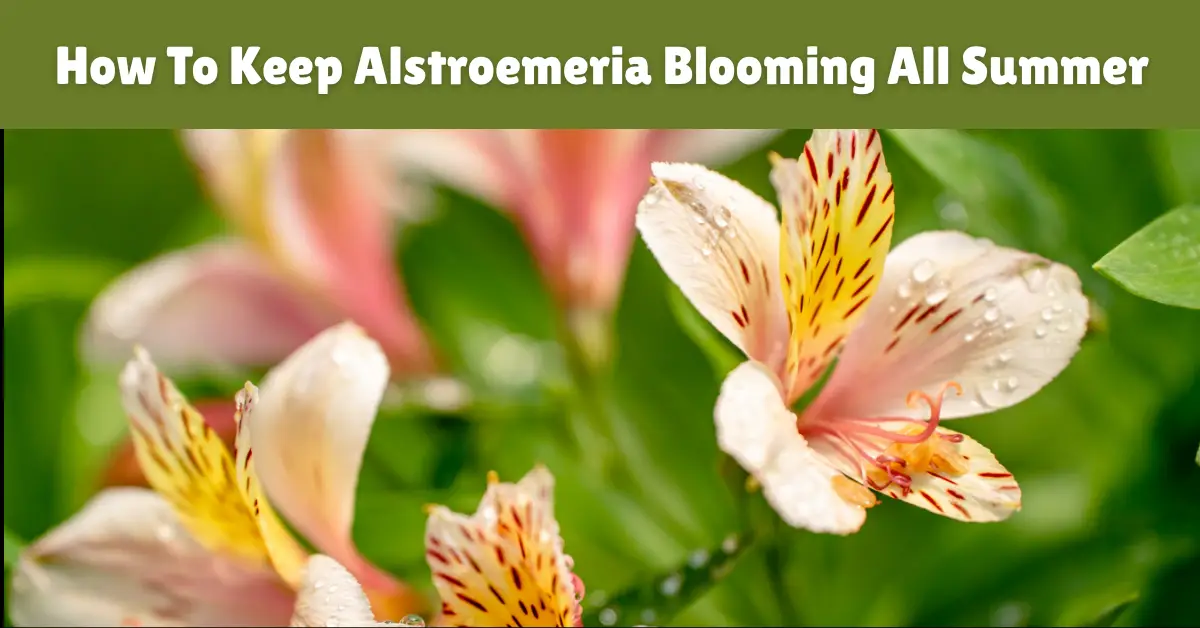
Alstroemeria, commonly known as the Peruvian lily or Lily of the Incas, is one of the most rewarding perennials you can grow in your garden. Native to South America, particularly Chile and Brazil, these stunning flowers produce clusters of lily-like blooms in an incredible range of colors, from fiery oranges and deep reds to soft pinks, purples, and creamy whites.
Flowers have long blooming season from midsummer right through to early autumn, making them a go-to choice for gardeners who want color that lasts. They’re easy to grow, thrive in a sunny, sheltered spot with well-drained soil and once established, they come back reliably year after year.
In the garden, it works beautifully as a border plant, adding exotic flair to cottage-style and mixed beds. As a cut flower, it’s popularly used. Stems stay fresh in a vase for up to two weeks, making it a florist favorite worldwide. But beyond its looks, alstroemeria carries a lovely meaning too. It symbolizes friendship, devotion, and commitment, which is why it’s such a popular choice for bouquets and gifting.
But the frustrating reality most gardeners face: they get one beautiful flush of blooms, maybe two, and then the plant just… stops. The stems are still green, the plant looks healthy enough, but the flowers are gone. What went wrong?
In this post, What mistakes gardeners do that reduce blooming and How to Keep Alstroemeria Blooming All Summer.
Common Mistakes That Reduce Blooming
| Mistake | Why It Kills Blooms | The Fix |
|---|---|---|
| Cutting instead of pulling stems | Doesn’t trigger new bud formation | Pull from the base with an upward tug |
| Too much shade | Reduces flower production directly | Full morning sun, afternoon shade in heat |
| Overheated soil | Plant switches to rhizome-building mode | Mulch, afternoon shade, larger pots |
| Soggy / waterlogged soil | Rhizome rot, plant enters survival mode | Well-drained soil, water deeply but not constantly |
| Letting blooms go to seed | Energy diverted away from new flowers | Deadhead immediately when flowers fade |
| High-nitrogen fertilizer | Pushes leafy growth over flowers | Switch to high-potash / tomato feed |
| Cutting to the ground | Stunts vegetative growth, fewer blooms next year | Only remove spent stems |
| Overcrowded clump | Stems compete, overall flowering declines | Divide every 3–4 years in April |
| Disturbing roots mid-season | Brittle rhizomes rot easily when damaged | Divide in spring only, handle gently |
| Giving up in year one | Plant hasn’t established yet | Wait — year two is when it truly performs |
The Pull Trick: The Most Important Thing To Do for Your Alstroemeria
Let’s start with the single biggest lever you have for keeping alstroemeria blooming and it’s something most gardeners either don’t know about or don’t do correctly.
When a flower cluster finishes, don’t reach for your scissors or pruning shears. Instead, grasp the stem firmly near its base, low down, and give it a firm upward tug. This severs the stem just below ground level and stimulates a new bud, giving you another flush of blooms.
The pulling action creates a small wound just beneath the soil surface. That physical stress signals the plant to activate dormant buds in the rhizome and push out fresh flowering growth. Cutting with shears leaves a stub above ground and simply doesn’t send the same signal. Pull (don’t cut) flower stems from the base to encourage more blooms, this stimulates new stem growth at the rhizome level.
There’s one important exception: in the first summer after planting, flower stalks are best cut rather than pulled, until the plant is firmly rooted in. A newly planted alstroemeria hasn’t fully anchored its rhizomes yet, and pulling too hard can disturb the whole root system before it’s had a chance to establish. Once it’s been in the ground a full season, pull away freely.
Cutting alstroemeria plants to the ground is not recommended, as it will stunt the vegetative growth and diminish blooms the next season. Only ever remove spent stems, never healthy green ones.
Sunlight
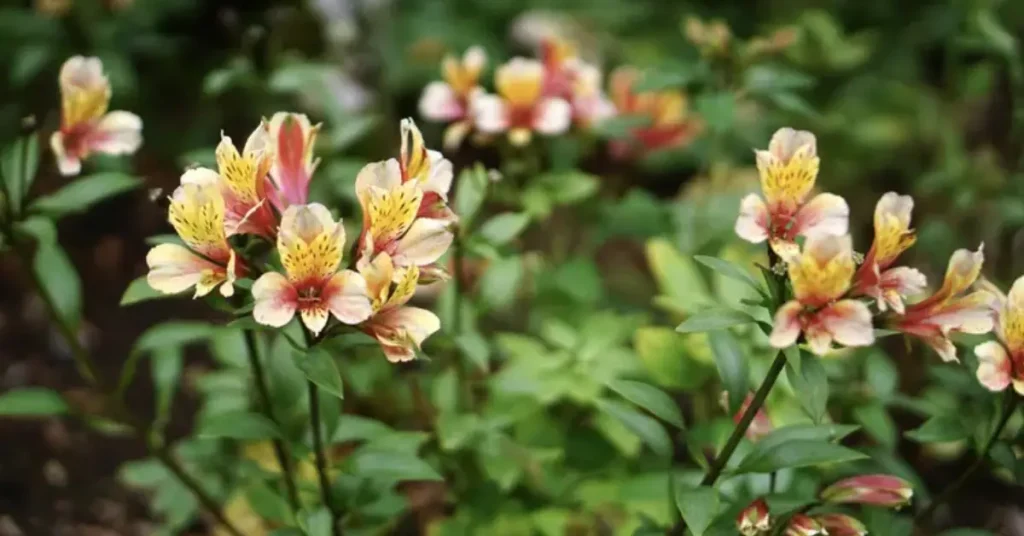
Alstroemeria is not a plant that tolerates a shady corner. It should be planted in an area of your garden that is mostly sunny. It thrives when receiving full morning sun with some partial shade in the afternoons.
That afternoon shade caveat matters more than most people realize. Here’s why: if the soil temperature rises above 22°C (72°F), alstroemeria shifts its energy away from producing flowering shoots and instead focuses on building up its tuberous roots. In some alstroemeria varieties, this can lead to the creation of completely blind, non-flowering stems.
This is a huge and little-known reason why alstroemeria stops blooming in summer, not lack of water, not lack of fertilizer, but overheated soil. In hot climates or during heat waves, afternoon shade is necessary and it keeps your plant flowering. If you’re growing alstroemeria in containers, use larger planters to keep the soil from overheating, or move them onto a covered patio or shaded area during the warmest months.
Mulching is another powerful tool here. Applying 5–7cm of organic mulch, shredded bark, straw, or compost around plants, kept a few centimetres away from the crown, helps conserve moisture, suppress weeds, and critically in warm climates, keep soil temperatures cool around the rhizomes.
Watering Alstroemeria
Alstroemeria needs moisture but it’s unforgiving of both extremes. Too dry and it drops buds and stops flowering entirely. Too wet and the rhizomes rot.
Unlike drought-tolerant plants that can survive missed waterings, alstroemeria will drop its buds and cease flowering if the roots dry out completely. This is especially relevant during hot spells and don’t assume a quick surface sprinkle is enough. Water deeply, right at the base of the plant, so moisture reaches the rhizomes.
Water deeply once or twice a week depending on your climate, allowing the top layer of soil to dry slightly between waterings.
For container-grown plants, the challenge is even greater. Alstroemeria in pots need daily soil moisture checks during summer months, watering deeply whenever the top two inches of potting mix feel dry. Containers heat up faster and dry out faster than garden beds.
Always plant in well-draining soil, and if your garden has heavy clay, amend it with grit and organic matter before planting.
Feeding: The Nutrient Schedule
A plant that produces blooms continuously for five months is working hard and it needs fuel to do it. Sporadic feeding or worse, one spring application and nothing else leaves alstroemeria running on empty through its most productive months.
Start with a spring feeding of a general-purpose fertilizer, then add more in midsummer and again in early autumn to keep the plant well-nourished all season.
The type of fertilizer matters. In summer, feed with a high-potash fertilizer, a liquid tomato feed works perfectly. Potassium directly supports flower production, strengthens stems, and improves the plant’s ability to manage water. Phosphorus is also particularly important for promoting flower production and root development.
What you want to avoid is high-nitrogen fertilizer. A low-nitrogen fertilizer is the right choice ,too much nitrogen causes a proliferation of lush foliage with very few blooms. If your plant is looking incredibly leafy and green but producing few flowers, nitrogen overload is often the culprit. Switch to a tomato feed or a balanced fertilizer with lower N values immediately.
For an organic approach, compost tea applied every 4–6 weeks during the growing season is a gentle and effective way to keep nutrients available without the risk of over-fertilizing.
Deadheading
The timing of deadheading is important. The goal is to remove spent flowers before the plant diverts energy into seed production.
Deadhead faded blooms prevent seed formation and encourage new buds. The moment you see a flower cluster starting to look tired, petals drooping, color fading, that’s your cue. Don’t wait until the whole cluster is brown. Act early, pull the stem from the base and the plant redirects that energy straight back into producing the next flush.
Pick the entire stem at its base, not just the top, in case there’s still enough energy left in the stem to produce more flowers before season’s end. Removing only the flower head and leaving the stem behind wastes that potential.
Cutting alstroemeria for arrangements works the same way as deadheading, grasp the stem low down and pull upward, so you get another flush of blooms from that pulling action. Cutting for the vase and keeping the plant blooming work together, not against each other.
The Soil Temperature Secret Most Gardeners Miss
This deserves its own section because so few gardening articles mention it, yet it’s one of the most common reasons alstroemeria stops flowering in midsummer.
As mentioned above, once soil temperature climbs above 22°C, the plant essentially goes into rhizome-building mode and flower production slows or stops entirely. This isn’t obvious from looking at the plant, it stays green and healthy, which is why gardeners are so puzzled.
The fixes: mulch heavily to insulate the soil, choose a spot with afternoon shade in warm climates, use larger containers that hold more soil mass and heat up more slowly, and if possible, water in the early morning so the soil stays cooler through the hottest part of the day. In very hot climates, accepting a midsummer pause and planning for a strong autumn flush is also a perfectly valid approach.
Divide Every 3–4 Years
Even a perfectly cared-for alstroemeria will start to slow down over time. You will start to notice your alstroemeria plants flowering less somewhere between two and four years after planting, it’s time to divide the clumps to keep the plant thriving.
As the rhizome mass grows, the center of the clump becomes congested. Stems compete for light, nutrients, and space, and the overall flowering potential of the plant drops significantly. Division refreshes the plant entirely.
April is the ideal time to divide established clumps that are three or more years old. Dig carefully, separate the rhizomes gently with a clean knife or by hand, and replant immediately. Water well and keep moist while the divisions re-establish. You’ll be rewarded with a rejuvenated plant that blooms as freely as it did in its best years.
A word of caution: the rhizomes are fleshy and brittle, they are highly susceptible to rot if disturbed during active growth. Always divide in spring before flowering begins, never mid-season.
The Year-One Patience Problem
This is the mistake that causes the most unnecessary heartbreak among alstroemeria growers. The plant blooms modestly in its first year, sometimes barely at all and gardeners assume it’s a failure and give up.
With diligent care, by the second year you’ll enjoy blossoms from summer through fall — and the blooming is continuous. Year one is establishment year. The plant is busy pushing its rhizomes deep into the soil, anchoring itself, and building the energy reserves it needs to become a prolific bloomer. Interrupting that process by moving it, over-feeding it, or digging around it only delays the payoff further.
Leave it alone. Keep it watered and fed. Come year two, you’ll understand what all the fuss is about.
Final Thoughts
Alstroemeria rewards gardeners who pay attention to it. It’s not a demanding plant, it doesn’t need daily fussing or complicated care but it does respond very clearly to the right habits. Pull instead of cut. Keep the soil cool and moist but never waterlogged. Feed it through the season with a high-potash fertilizer. Deadhead promptly. And give it the patience to establish properly in year one.
Do those things, and your Peruvian lily will give you five months of stunning, continuous color ,the kind of long-season performance that makes it one of the most satisfying perennials you can grow.