How To Make Organic Compost At Home
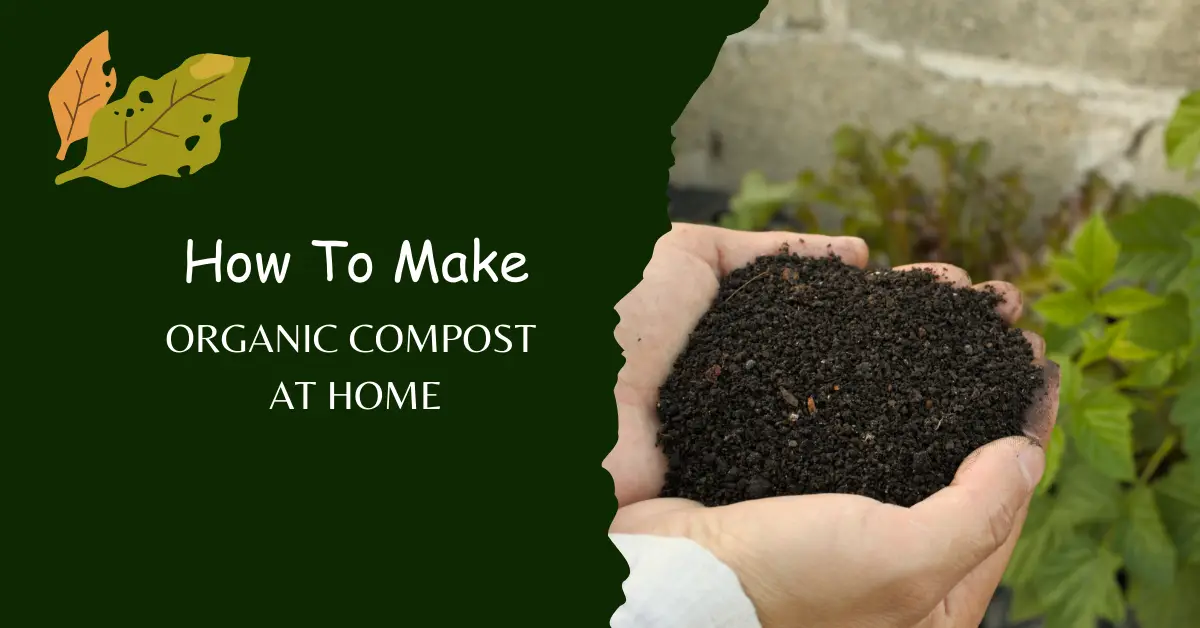
Listen, in a world where we’re all about sustainability (or at least pretending to be), organic compost is your secret weapon against crappy soil and environmental guilt. It’s not just about feeding your plants – though it does that like a boss.
Compost improves soil structure, making it looser and better at holding water, which means less watering for you and happier roots for your greens. It boosts beneficial microbes and earthworms, turning your garden into a buzzing ecosystem instead of a barren dirt patch.
From an eco standpoint, composting keeps mountains of waste out of landfills. Did you know that food scraps and yard trimmings make up about 30% of what we toss? That’s insane! By composting at home, you’re slashing your carbon footprint, reducing methane emissions and closing the loop on your household waste. Plus, it’s organic – no synthetic chemicals means healthier food from your garden, fewer pests, and soil that’s alive and kicking.
I’ve seen gardens transform from sad, compacted clay to fluffy, fertile paradise in just one season. If you’re serious about gardening (or just hate wasting money on store-bought amendments), organic compost is non-negotiable. Lets dive in, how to make organic compost at home step by step.
What Is Compost?
Compost is decomposed organic matter. It’s what happens when you pile up leaves, kitchen scraps and other biodegradable stuff, let microbes, fungi, bacteria and even worms go to town on it and end up with a dark, crumbly, earthy-smelling substance that’s basically plant super food.
Composting mimics the natural decay process in forests, where fallen leaves and dead plants break down into humus. The result? A balanced mix of nitrogen, phosphorus, potassium, and trace minerals that plants crave. It’s not magic, but it sure feels like it when your seedlings explode with growth.
Types of Compost
Compost isn’t one-size-fits-all. There are a few main types, depending on how you make it and what goes in:
Aerobic Compost
This is the standard hot pile method, where oxygen-loving bacteria heat things up (literally – piles can hit 140-160°F). It’s fast, kills weeds and pathogens and gives you usable compost in 1-3 months. Perfect for backyard warriors like me who want quick results.
Anaerobic Compost
Slower and smellier, this happens without much oxygen (think sealed bins or pits). It’s low-effort but can take 6-12 months and might attract pests. Not my fave, but good if you’re lazy.
Vermicompost
Worm-powered magic! Red wigglers eat your scraps and poop out nutrient-dense castings. It’s indoor-friendly, odor-free and super rich in enzymes. I keep a worm bin under my kitchen sink – zero waste, all gain.
Peat-Based Compost
Traditionally mined from ancient peat bogs. Excellent water retention and structure… but here’s the truth bomb: peat is NOT renewable on a human timescale (takes thousands of years to form), and harvesting destroys carbon-sequestering wetlands.
Green Manure / Cover-Crop Compost
When you grow a crop (clover, rye, vetch, buckwheat), chop it, and either turn it in or compost it. Adds massive organic matter and fixes nitrogen.
Leaf Mold
100% decomposed leaves. Takes 1–2 years, but the result is a fungal-dominant, moisture-holding dream for woodland plants and seed starting.
Farmyard Manure (FYM) / Well-Rotted Animal Manure
The granddaddy of soil amendments. Cow, horse, sheep, goat, rabbit, chicken – each has its own personality:
- Horse: High in carbon, great for lightening clay soils.
- Cow: Balanced, widely available, gentle.
- Sheep/Goat: Pellet form, hot but rots fast, high nitrogen.
- Chicken/Poultry: Nuclear hot – compost or age at least 6–12 months or it’ll burn plants. Must be well-rotted (looks like dark soil, no smell) to be considered true compost.
Mushroom Compost
The leftover straw, manure and gypsum mix after growing mushrooms (usually Agaricus). Dark, rich, slightly alkaline and loaded with microbial life. Fantastic for vegetable gardens, especially brassicas and tomatoes. Warning: can be salty, so don’t overdo it on salt-sensitive plants (blueberries, rhododendrons).
Bokashi Compost
A fermented twist using special microbes. It’s great for meat and dairy (which most composts avoid) and speeds up breakdown. More of an urban apartment hack.
And then there’s the divide between organic and non-organic compost. Non-organic might include synthetic additives or sewage sludge (ew), which can introduce chemicals or heavy metals. Stick to organic for clean, green gardening.
What Makes Compost “Organic”?
Organic compost is simply compost made from natural, chemical-free materials – no pesticides, herbicides, or synthetic fertilizers. It’s certified (or DIY’d) to ensure it’s free from contaminants, making it safe for food gardens and the environment. Kitchen veggies, yard clippings and untreated paper – all stuff that’s biodegradable and hasn’t been sprayed with junk.
Why go organic? It preserves soil health without the risks of chemical buildup, supports biodiversity and aligns with organic gardening principles. In my experience, organic compost leads to tastier produce and fewer issues like nutrient imbalances.
How to Make Organic Compost at Home: Step-by-Step Guide
Making organic compost at home is easy, cheap and satisfying. You’ll need a bin or pile, some “greens” (nitrogen-rich stuff like veggie scraps), “browns” (carbon-rich like leaves), water and air. Aim for a 2:1 browns-to-greens ratio for balance – too much green gets slimy, too much brown slows things down. Here’s the detailed breakdown:
Step 1: Choose Your Setup
- Bin or Pile? Start with a simple open pile if you’ve got space (at least 3x3x3 feet for heat buildup). For tidiness, grab a tumbling bin, wire enclosure, or DIY pallet box. I use a black plastic tumbler – easy to turn and rodent-proof.
- Location: Sunny spot for warmth, but sheltered from heavy rain. Backyard corner works; balcony folks can use compact bins.
- Cost: Free if you repurpose stuff; $20-100 for a basic bin.
Step 2: Gather Materials
- Greens (Nitrogen Sources): Fresh grass clippings, fruit/veggie peels, coffee grounds, tea bags, eggshells (crushed), plant trimmings. These provide moisture and kickstart decomposition.
- Browns (Carbon Sources): Dry leaves, cardboard (shredded, no glossy), newspaper, straw, wood chips (untreated), sawdust (from untreated wood).
- Activators (Optional): A shovelful of garden soil or finished compost to introduce microbes.
- Pro Tip: Chop everything small for faster breakdown. I use a mower for leaves – lazy hack!
Step 3: Layer It Up
- Start with a 4-6 inch base of coarse browns (twigs or straw) for drainage and air flow.
- Add a layer of greens (3-4 inches), then browns (6-8 inches). Alternate like a lasagna.
- Sprinkle water to keep it damp like a wrung-out sponge – not soggy.
- Aim for that 2:1 browns-greens ratio. My first pile was too green and stank; lesson learned!
Step 4: Maintain and Turn
- Moisture: Check weekly; add water if dry, or browns if wet.
- Aeration: Turn the pile every 3-7 days with a pitchfork to mix and oxygenate. Tumblers make this a spin job.
- Temperature: It should heat up in a few days. If not, add more greens or water. Monitor with a compost thermometer if you’re geeky like me.
- Timeframe: 2-4 months for hot compost; longer for cold (no-turn) piles.
Step 5: Harvest and Use
- When it’s dark, crumbly and smells earthy, it’s ready! Sift out big chunks to return to the pile.
- Apply 2-4 inches as mulch, mix into soil, or make compost tea (soak in water for liquid fertilizer).
- Yield: A cubic yard pile gives about 1/3 finished compost. Scale up as needed.
I started with a tiny bin and now have three going – one active, one maturing, one ready. It’s addictive!
Quick Cheat-Sheet: Which Compost When?
| Compost Type | Best For | N-P-K (approx) | Notes / Cautions |
|---|---|---|---|
| Homemade backyard | Everything | 1-1-1 | Free, balanced, know exactly what’s in it |
| Worm castings | Seedlings, pots, top-dressing | 2-1-1 | Can’t overdo it, worth every penny |
| Mushroom compost | Veg patch, tomatoes, brassicas | 1-1-2 | Slightly alkaline, can be salty |
| Well-rotted cow FYM | Roses, fruit trees, heavy feeders | 0.6-0.3-0.7 | Safe, slow-release |
| Hot chicken manure | Lawns, corn, hungry crops | 3-2-2 | Compost/age 6–12 months or burn city |
| Leaf mold | Ericaceous plants, mulch | Very low | Fungal-dominant, takes patience |
| Peat-based | Avoid if possible | Low | Environmental disaster – use coir instead |
What to Avoid: Common Pitfalls for Compost Success
Even pros like me mess up sometimes, so here’s what NOT to do:
- Don’t Add Meat, Dairy, or Oils: They attract pests and smell bad. Stick to plant-based for organic purity.
- Avoid Diseased Plants or Weeds with Seeds: Hot compost kills most, but err on caution to prevent spread.
- No Pet Waste or Treated Wood: Toxins and pathogens – bad news for food gardens.
- Skip Glossy Paper or Plastics: They don’t break down and contaminate.
- Don’t Let It Dry Out or Get Too Wet: Balance is key; neglected piles stall.
- Avoid Chemicals: No pesticide-treated clippings – keep it organic!
- Pest Problems? Bury scraps deep and turn often. If rodents show, enclose better.
- Overloading Greens: Leads to anaerobic slime and odors. Always more browns.
If your pile smells ammonia-like, add browns; rotten egg smell means turn it more. Patience is key – composting teaches you to chill and let nature work.
There you have it, garden lovers – your complete guide to organic composting at home. Start small, experiment and watch your waste become wealth. Your plants (and the planet) will thank you. Happy composting!