10 Best Cucumber Companion Plants (And 7 to Avoid)
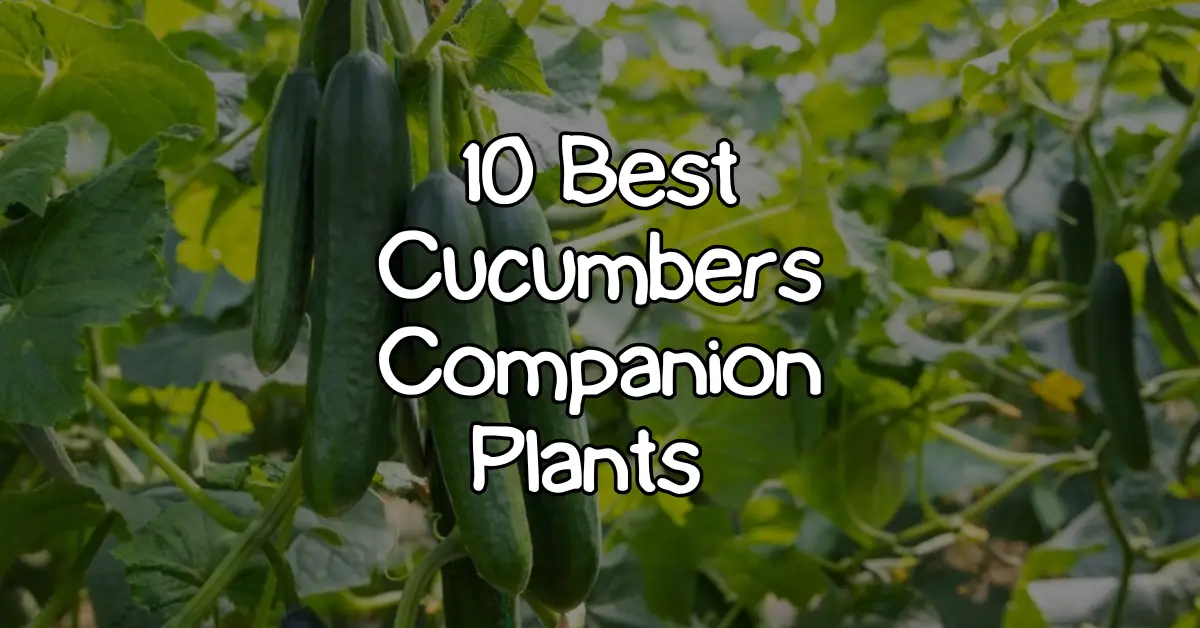
The cucumber (Cucumis sativus) is a widely cultivated creeping vine plant in the family Cucurbitaceae that bears cylindrical to spherical fruits, which are used as culinary vegetables. These annual plants are native to southern Asia, particularly regions extending from India through the Himalayas to northern Thailand, where they were domesticated over 3,000 years ago and have since spread worldwide.
Cucumbers are popular and rewarding vegetables to grow in home gardens. They thrive in warm weather, produce abundant crisp fruits, and can climb or sprawl depending on the variety you choose. Whether you’re planting bush types in containers or vining ones on trellises, giving them the right neighbors can make a big difference in your harvest.
Companion planting is a simple, time-tested gardening technique where you grow certain plants together for mutual benefits. For cucumbers, good companions help in several ways: they can repel common pests like cucumber beetles and aphids, attract pollinators (such as bees) to improve fruit set, add nutrients to the soil (especially nitrogen), provide natural shade or support, and even act as living mulch to keep the soil cool and moist.
For example, tall plants like corn or sunflowers offer shade and structure for cucumber vines to climb, while nitrogen-fixing plants like beans or peas enrich the soil naturally. Herbs such as dill and flowers like marigolds or nasturtiums draw in beneficial insects that prey on pests or confuse them with their strong scents.
In this blog post, we’ll explore the 10 best cucumber companion plants and 7 bad companion plants for cucumbers.
10 Best Cucumber Companion Plants
- Pole Beans
- Peas
- Radishes
- Dill
- Marigolds
- Nasturtiums
- Sunflowers
- Corn
- Lettuce
- Oregano
Pole Beans (Phaseolus Vulgaris)
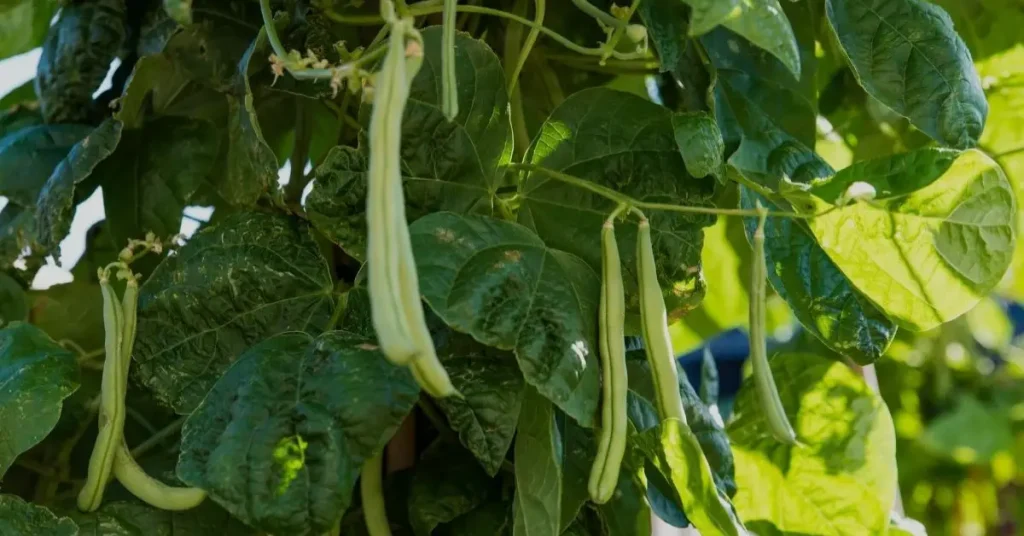
Pole beans, also known as climbing or vining beans, are vigorous warm-season annuals in the Phaseolus vulgaris family, originating from tropical Americas. These plants feature long, twining vines that can reach 6 to 15 feet in height, requiring strong vertical supports such as trellises, poles, fences, or arches to grow upward and maximize space.
They thrive in full sun, well-drained fertile soil with a pH of 6.0–7.0, and warm temperatures, typically maturing in 60–90 days depending on the variety.
Pole beans serve as excellent companion plants for cucumbers. As legumes, they naturally fix nitrogen from the atmosphere, converting it into a usable form that enriches the soil through symbiotic bacteria on their roots. Cucumbers are heavy feeders with high nitrogen demands, greatly benefit from this nutrient supply, which promotes stronger vine growth, healthier foliage and improved overall yields.
How To Plant
To plant pole beans with cucumbers, choose a sunny spot with fertile, well-drained soil amended with compost, and install a sturdy shared trellis system such as bamboo poles in a teepee, A-frame, cattle panels arched into tunnels, or wire fencing supported by stakes.
After the last frost when soil warms to at least 60°F (typically late spring), sow pole bean seeds directly 1–1.5 inches deep and 4–6 inches apart at the base of one side of the trellis. Plant cucumber seeds or transplants similarly on the same or opposite side, spacing them 6–12 inches apart (or 1–2 plants per section/pole) to allow room for spreading vines without excessive overlap.
Alternate plants along the trellis if interplanting closely, or keep them separated by sides for easier management. Water thoroughly after planting and maintain even moisture, as both prefer consistent watering. Train vines upward early using gentle ties if needed, and mulch the base to retain soil moisture and suppress weeds.
Peas (Pisum Sativum)
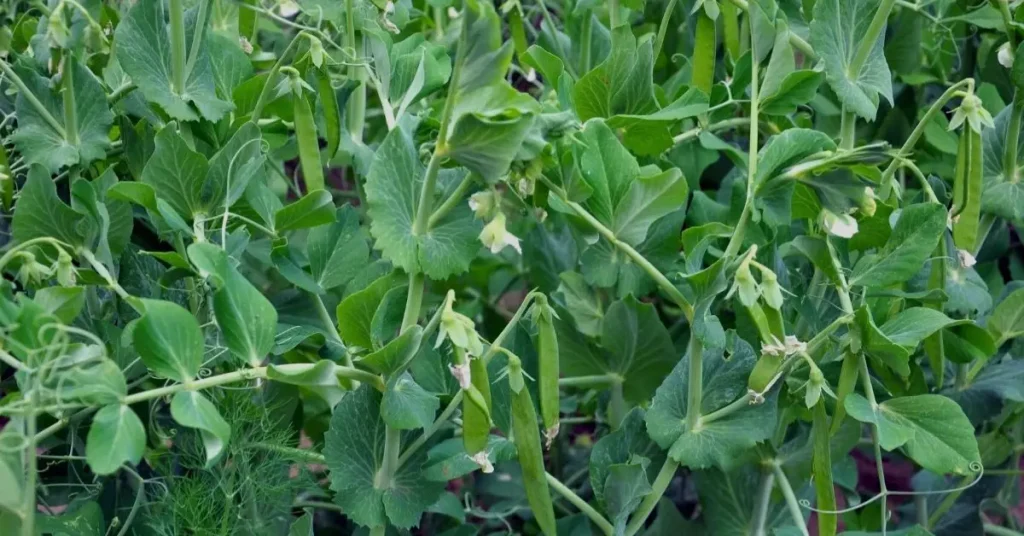
Peas are cool-season legumes, belong to the Fabaceae family. Unlike pole beans, peas prefer mild temperatures and are often grown in early spring or fall. They produce delicate climbing vines that typically reach 3 to 6 feet, depending on the variety, and require light trellising or net support.
Peas grow best in full sun to partial shade in fertile, well-drained soil with a pH between 6.0 and 7.5. They mature relatively quickly, often within 55–70 days.
As nitrogen-fixing legumes, peas improve soil fertility through beneficial Rhizobium bacteria attached to their roots. I like using peas before cucumbers in the same bed. By the time cucumbers begin heavy vegetative growth, peas have already enriched the soil naturally.
This early nitrogen boost supports stronger cucumber vines and greener foliage without relying on synthetic fertilizers.
How To Plant
Sow pea seeds directly in early spring, about 1 inch deep and 2 inches apart along a trellis or mesh support. Space rows 12–18 inches apart.
Once peas begin finishing production and temperatures rise, you can plant cucumbers nearby or slightly staggered along the same structure. Keep at least 6–12 inches between cucumber plants to avoid overcrowding.
In my garden, I often remove pea vines once harvest ends and leave the roots in the soil. This allows nitrogen nodules to decompose naturally and continue benefiting cucumbers.
Radishes (Raphanus Sativus)
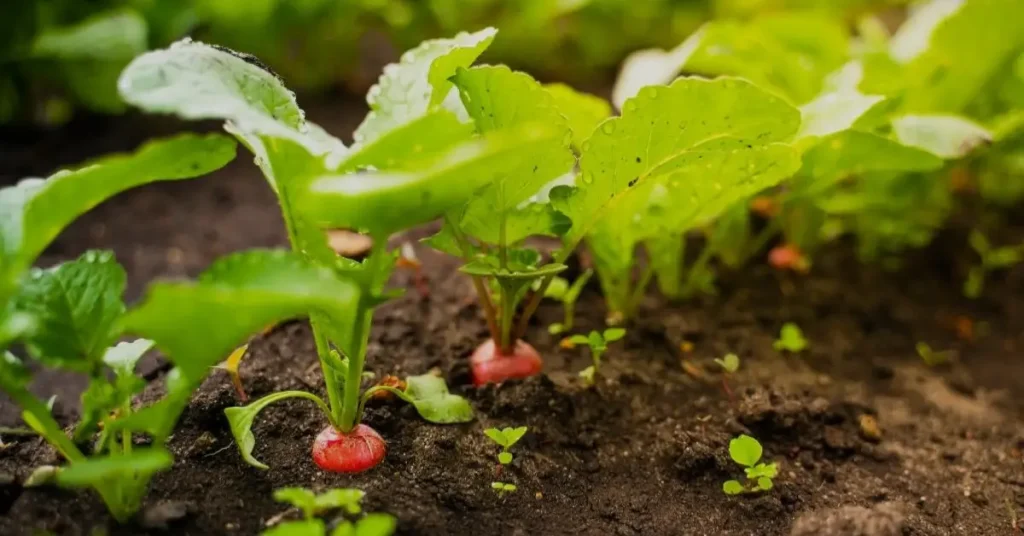
Radishes are fast-growing root vegetables from the Brassicaceae family. They are cool-season annuals that mature extremely quickly, often within 20–30 days.
They grow best in full sun and loose, well-drained soil with consistent moisture. Their compact size and shallow roots make them excellent intercrops.
Radishes are used as a trap crop for cucumber beetles. I have noticed reduced early pest pressure when radishes are planted around cucumber seedlings.
How To Plant
Sow radish seeds directly ½ inch deep and 3–4 inches apart between cucumber seedlings. Maintain 6–12 inches between cucumber plants.
Because radishes mature quickly, harvest them before cucumber vines begin spreading aggressively. This method maximizes space while giving your cucumbers a protective early buffer.
Keep soil evenly moist to prevent woody roots.
Dill (Anethum Graveolens)
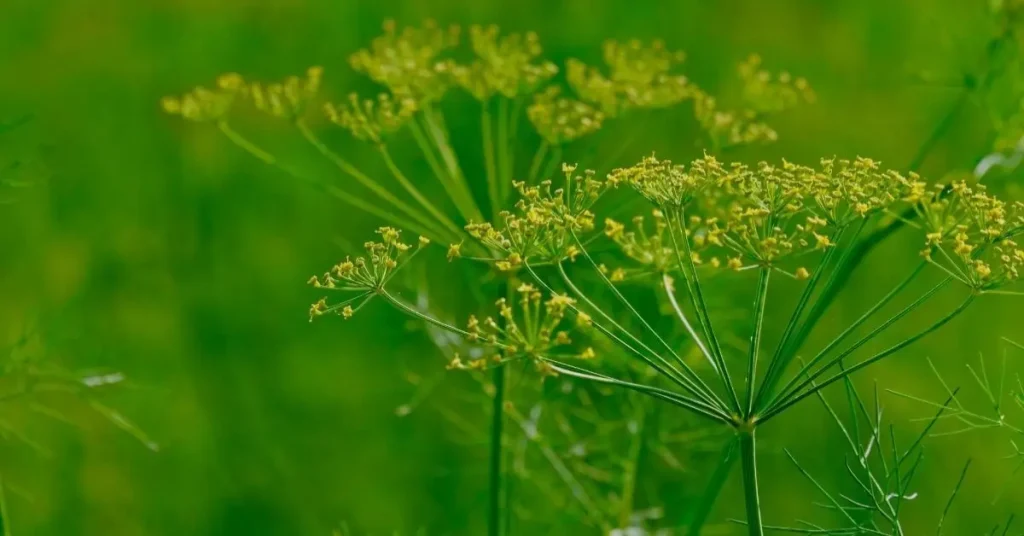
Dill is an aromatic annual herb in the Apiaceae family, related to carrots and parsley. It produces feathery foliage and umbrella-shaped yellow flower clusters known as umbels.
It grows 2–4 feet tall and thrives in full sun with well-drained soil. Dill matures in about 40–60 days and readily reseeds if allowed to flower.
When dill blooms, it attracts beneficial insects such as lacewings, lady beetles, hoverflies, and parasitic wasps. These predators feed on aphids, flea beetles, and caterpillar eggs. I always allow at least one dill plant to flower near cucumbers for this reason.
How To Plant
Direct sow dill seeds ¼ inch deep and thin seedlings to 12–18 inches apart. Plant them along the edge or corners of your cucumber bed.
Avoid placing mature dill too close to very young cucumber seedlings, as it can grow tall and cast shade. Maintain airflow between plants to prevent fungal issues.
Marigolds (Tagetes spp.)
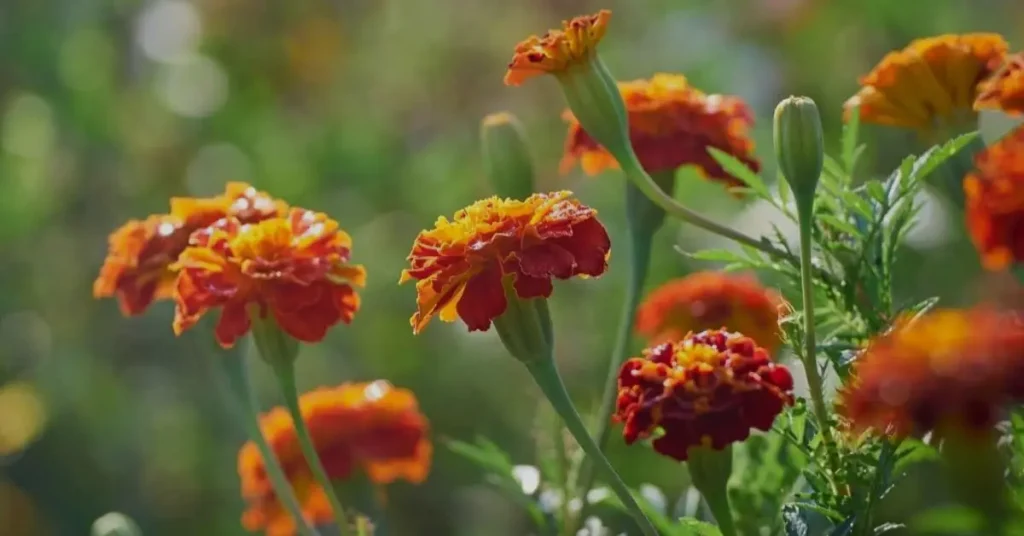
Marigolds are warm-season annual flowers, popular for their bright yellow, orange and red blooms and their distinctive scent.
They grow 6 inches to 3 feet tall depending on variety and prefer full sun with well-drained soil. Marigolds bloom continuously throughout summer.
Certain varieties release compounds (alpha-terthienyl) from their roots that suppress soil nematodes. Their scent deter some insect pests. I plant marigolds around vegetable beds not only for pest management but also for visual diversity and pollinator support.
How To Plant
Transplant marigold seedlings or sow seeds ¼ inch deep after frost danger passes. Space plants 8–12 inches apart along the borders of cucumber beds.
Water consistently until established, then maintain moderate moisture. Avoid overcrowding so airflow remains strong.
Nasturtiums (Tropaeolum Majus)

Nasturtiums are fast-growing annual flowering plants native to South America. They produce trailing or bushy growth with round, lily pad–like leaves and bright edible flowers in shades of orange, red, and yellow.
They thrive in full sun to partial shade and prefer moderately fertile, well-drained soil. Overly rich soil can reduce flowering and encourage excess foliage. Plants typically spread 1–3 feet, depending on variety.
Nasturtiums are widely used as trap crops. Aphids, whiteflies, and squash bugs are attracted to them instead of nearby vegetables. I have seen aphids completely cover nasturtium stems while cucumbers remained untouched just a few feet away.
When allowed to flower, they also attract pollinators and predatory insects. Their low-growing habit makes them ideal ground cover beneath trellised cucumbers, helping shade soil and retain moisture.
How To Plant
Direct sow nasturtium seeds after the last frost, planting them 1 inch deep and spacing 10–12 inches apart.
Plant them along the edges of your cucumber bed or at the base of a trellis. If using climbing nasturtiums, allow them to trail away from cucumber vines to prevent tangling.
Water consistently during establishment, but avoid overfertilizing. Mulch lightly to conserve moisture.
Sunflowers (Helianthus Annuus)

Sunflowers are tall, warm-season annuals in the Asteraceae family. Depending on the variety, they grow from 4 to 12 feet tall.
They thrive in full sun and well-drained soil, with optimal pH between 6.0 and 7.5. Most varieties mature in 70–100 days.
Sunflowers serve multiple functions in a cucumber patch. Their tall stalks provide light afternoon shade in very hot climates, which helps reduce heat stress on cucumbers. In some setups, sturdy sunflower stems can even act as natural vertical supports.
I like planting sunflowers on the north side of cucumber beds so they do not block essential sunlight.
Their blooms attract bees and other pollinators, increasing cucumber fruit set.
How To Plant
Sow sunflower seeds directly after soil temperatures reach at least 60°F. Plant seeds 1 inch deep and space 12–18 inches apart.
Position them along the northern border of your cucumber bed. Ensure they are not too close to prevent root competition.
Water deeply but infrequently once established to encourage strong root systems.
Corn (Zea Mays)

Corn is a tall warm-season grass crop. It belongs to the Poaceae family. It grows upright stalks that can reach 6–10 feet tall.
Corn thrives in full sun, fertile soil rich in organic matter, and consistent moisture. It is a heavy feeder, similar to cucumbers.
Corn can act as a windbreak, protecting cucumber vines from strong gusts. In some traditional planting systems, cucumbers are allowed to climb corn stalks for vertical growth.
However, because both crops are heavy feeders, soil fertility must be carefully managed. I always enrich the soil with compost before growing them together.
How To Plant
Plant corn seeds 1–1.5 inches deep in blocks rather than single rows to improve pollination. Space seeds 8–12 inches apart.
Plant cucumbers about 12 inches away from the corn row or at the base of outer stalks. Avoid overcrowding.
Maintain consistent watering, as both crops require steady moisture for optimal growth.
Lettuce (Lactuca Sativa)
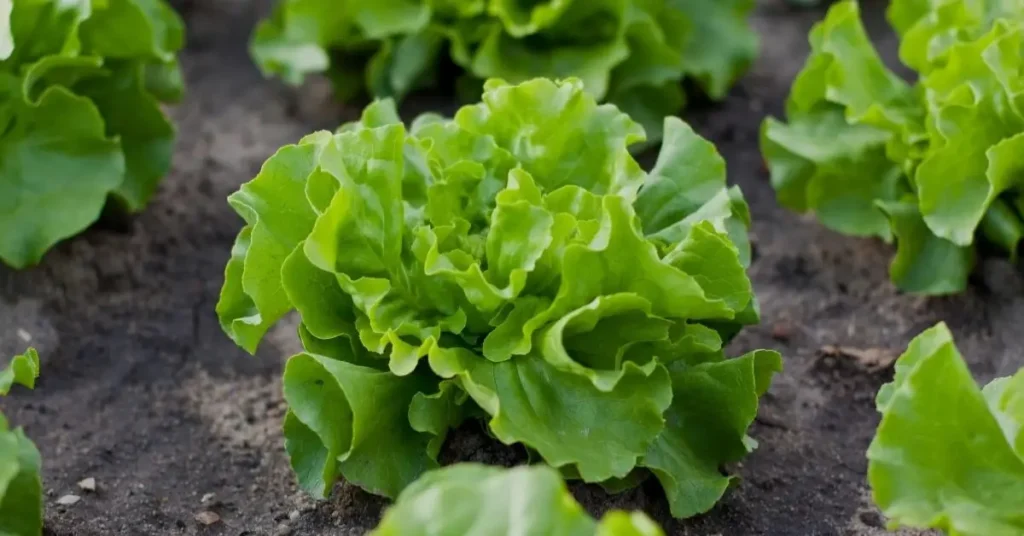
Lettuce is a cool-season leafy vegetable that grows quickly and remains relatively shallow-rooted. It belongs to the family Asteraceae.
It prefers full sun in cooler weather and partial shade in warmer climates. Most varieties mature in 30–60 days.
Lettuce makes excellent use of space beneath trellised cucumbers. As cucumber vines grow upward, they provide light shade that helps prevent lettuce from bolting in hot weather.
I often plant lettuce between cucumber rows early in the season. By the time cucumber foliage thickens, lettuce is nearly ready to harvest.
How To Plant
Sow lettuce seeds ¼ inch deep and thin seedlings to 6–10 inches apart.
Plant them between cucumber plants while ensuring at least 12 inches between cucumber vines. Harvest lettuce before cucumber vines spread heavily.
Keep soil evenly moist to prevent bitterness.
Oregano (Origanum Vulgare)
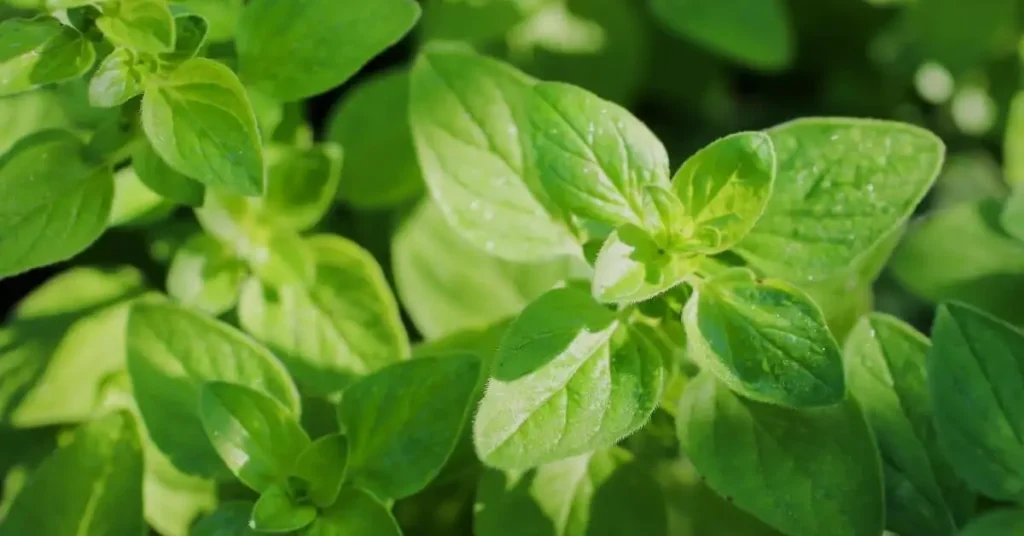
Oregano is a perennial herb in the Lamiaceae family, native to the Mediterranean region. It forms low-growing mounds of aromatic leaves and produces clusters of small purple or pink flowers when allowed to bloom.
It thrives in full sun and well-drained soil with a pH between 6.0 and 8.0. Once established, oregano is drought tolerant and spreads gradually.
This spicy herb is a strong companion for cucumbers. Its peppery aromatic oils help repel sap-sucking aphids and squash bugs. When oregano flowers, it attracts beneficial insects such as lacewings and predatory wasps.
Lacewing larvae are especially valuable predators. They actively feed on aphids near cucumber beds.
Oregano is as useful in the kitchen as it is in the garden. Its compact, low-growing habit pairs best with trellised cucumbers where it receives adequate sunlight.
How To Plant
Plant oregano transplants or rooted divisions 14–18 inches away from cucumber plants to prevent overcrowding.
Position it along borders or in the corners of raised beds. Because oregano prefers slightly drier soil than cucumbers, avoid planting it directly at the base of heavily watered areas.
Mulch lightly and prune occasionally to maintain airflow.
8 Bad Companion Plants for Cucumbers
Not every plant makes a good neighbor. Some plants compete too heavily, attract the same pests and some prefer very different growing conditions.
Here are eight plants you should keep away from cucumbers.
- Potatoes
- Sage
- Melons
- Pumpkins
- Squash
- Fennel
- Rosemary
- Thyme
Potatoes (Solanum Tuberosum)
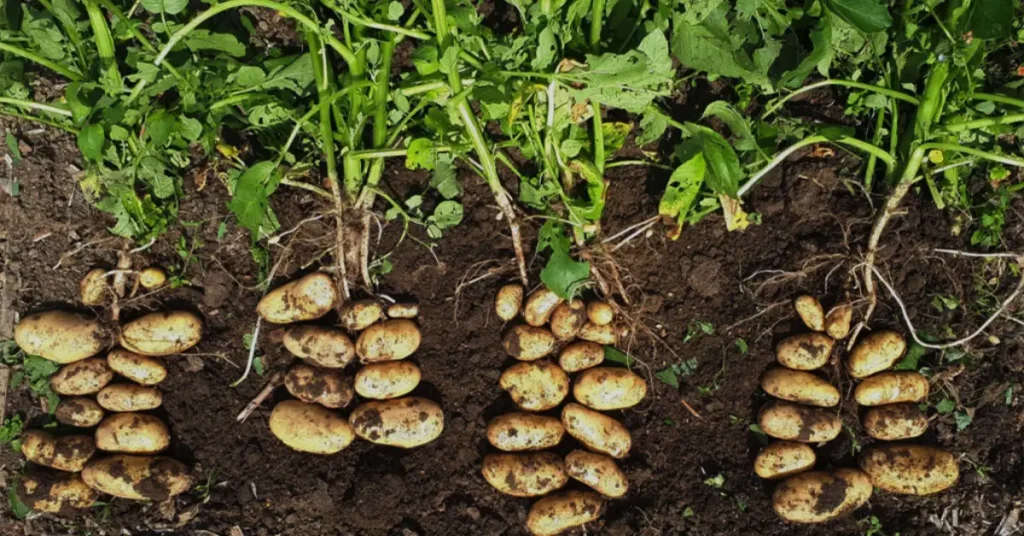
Potatoes are cool- to warm-season tuber crops in the Solanaceae family. They grow underground storage tubers and produce leafy green top growth that can reach 1–3 feet tall.
Potatoes are heavy feeders and require consistent moisture during tuber development. Cucumbers are also heavy feeders. When planted together, both crops compete aggressively for nutrients, especially nitrogen and potassium.
More importantly, potatoes are highly susceptible to fungal diseases such as blight. These pathogens can spread through soil and air, increasing disease pressure in nearby cucumber plants. I avoid planting cucumbers anywhere near potato beds for this reason.
Why Avoid
High nutrient competition.
Increased risk of shared fungal diseases.
Difficult crop rotation planning.
Sage (Salvia Officinalis)
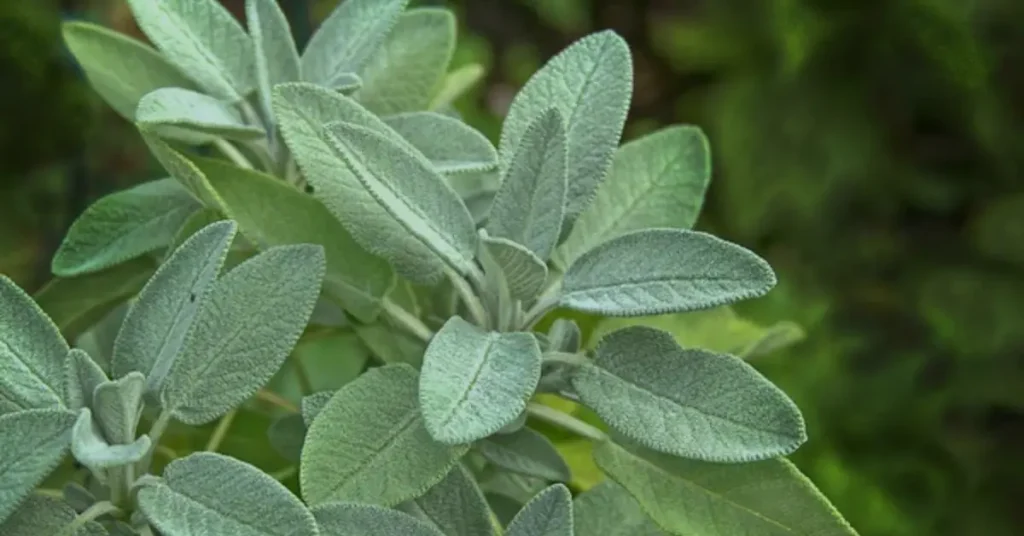
Sage is a perennial herb in the Lamiaceae family. It forms woody stems with gray-green aromatic leaves and thrives in dry, well-drained soil.
It prefers full sun and lower moisture conditions. Once established, sage is drought tolerant and dislikes consistently damp soil. Cucumbers, on the other hand, require steady moisture and rich soil. The watering needs of sage and cucumbers are very different. When grown together, one of the plants usually suffers.
In my experience, sage performs poorly in beds that are watered frequently for cucumbers.
Why Avoid
Conflicting water requirements.
Different soil fertility needs.
Potential growth suppression.
Melons (Cucumis Melo)
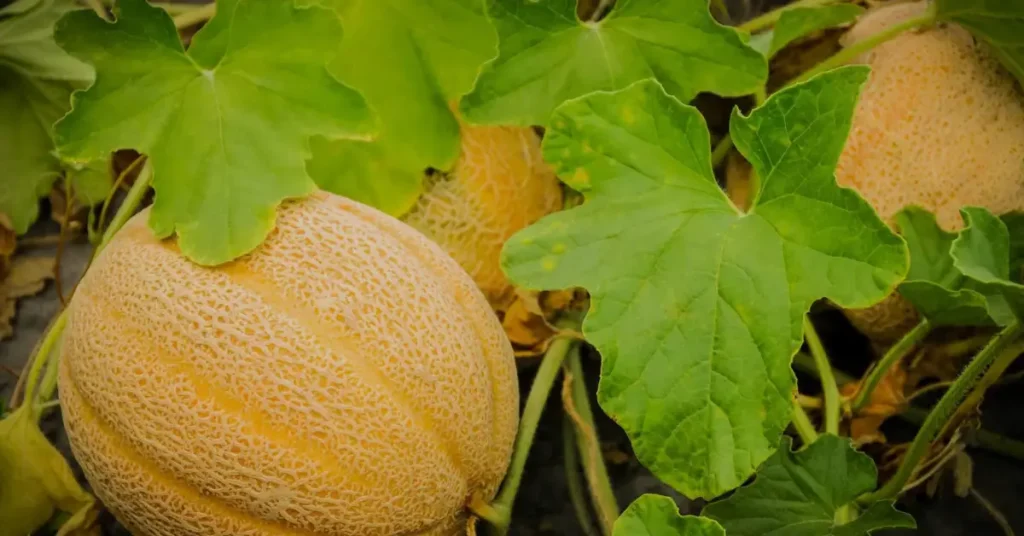
Melons belong to the same Cucurbitaceae family as cucumbers. They produce sprawling vines and sweet fruits and thrive in similar warm conditions.
Because they are closely related, they attract the same pests, including cucumber beetles and aphids. They are also susceptible to similar diseases such as powdery mildew and downy mildew.
When planted close together, pests can easily move between crops, multiplying quickly.
Why Avoid
Shared pests.
Shared diseases.
Heavy vine competition.
Pumpkins (Cucurbita Pepo)
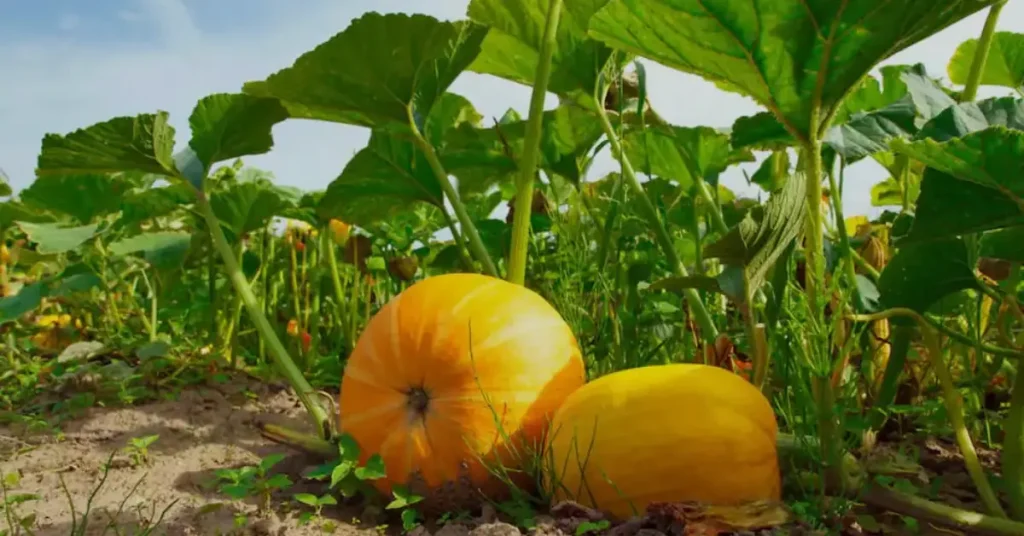
Pumpkins are vigorous vining plants in the Cucurbitaceae family. Their sprawling vines can extend 10–20 feet across a garden bed.
Like cucumbers, they are heavy feeders.
Pumpkin vines grow aggressively and can easily smother cucumber plants. The dense foliage reduces airflow, increasing humidity around leaves. This creates ideal conditions for fungal diseases.
Unless you have a very large garden, keeping them separate improves plant health.
Why Avoid
Aggressive vine growth.
Airflow restriction.
Nutrient competition.
Squash (Cucurbita spp.)
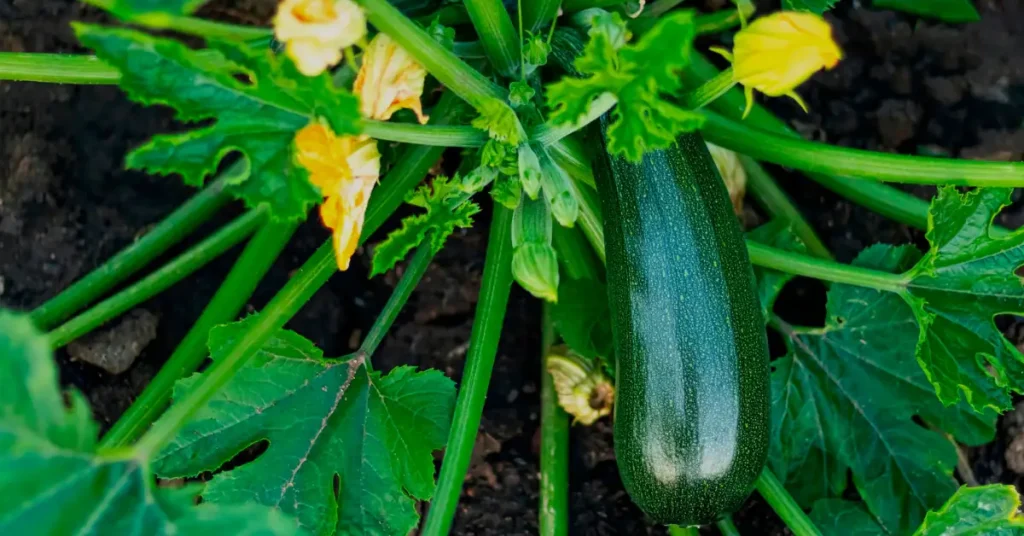
Squash plants, including summer and winter varieties, are close relatives of pumpkins. They have broad leaves and spreading growth habits.
They attract squash bugs, vine borers, and aphids (many of the same pests that damage cucumbers).
When squash and cucumbers are planted together, pest populations often build quickly.
Read: What To Grow With Squash
Why Avoid
Shared insect pests.
Overlapping disease issues.
Space competition.
Fennel (Foeniculum Vulgare)
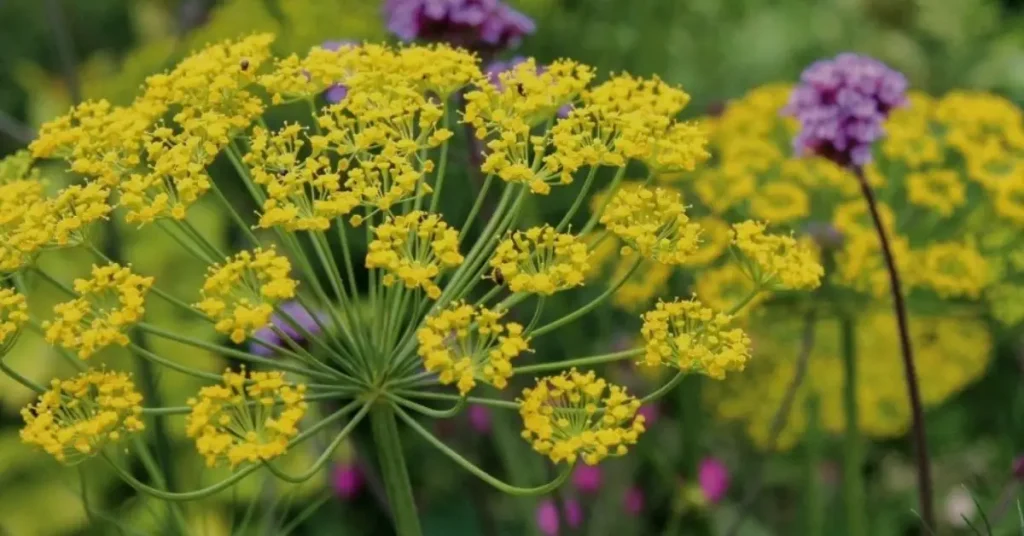
Fennel is a tall aromatic herb in the Apiaceae family. It produces feathery foliage and yellow umbrella-shaped flowers.
It grows 4–6 feet tall and thrives in full sun and well-drained soil.
Fennel is known for its allelopathic properties. It releases natural compounds into the soil that may inhibit the growth of nearby plants. Many vegetables, including cucumbers, can be negatively affected.
It is better to plant fennel in a separate area of the garden, away from most vegetables.
Why Avoid
Allelopathic growth suppression.
Reduced cucumber vigor.
Root competition.
Rosemary (Rosmarinus officinalis)
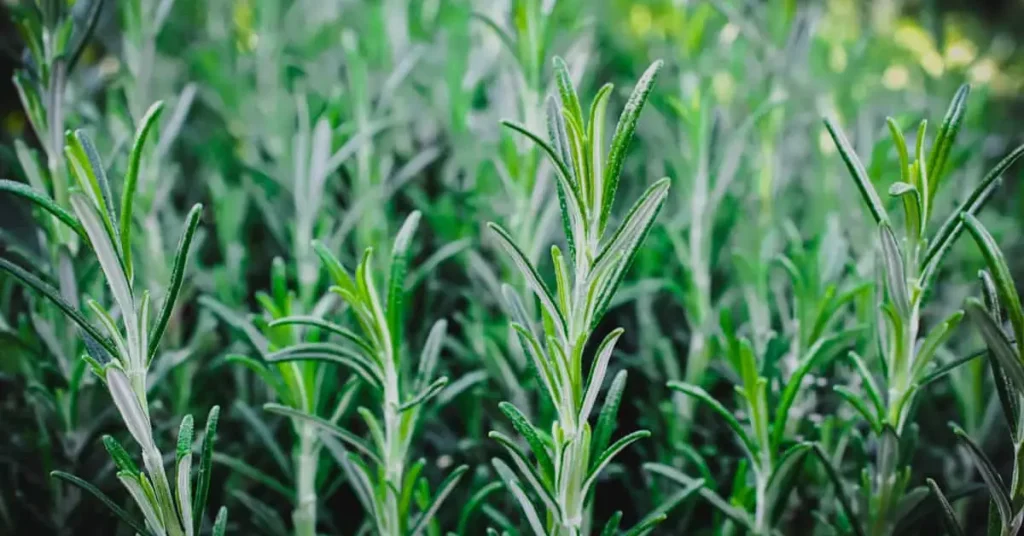
Rosemary is a woody perennial herb in the Lamiaceae family, native to the Mediterranean region. It forms upright or spreading shrubs with needle-like aromatic leaves and can grow 2–4 feet tall depending on variety and climate.
Rosemary is highly drought tolerant and prefers dry conditions.
Cucumbers require consistent moisture and nutrient-rich soil. Rosemary dislikes wet roots and can suffer from root rot in beds that are watered frequently for cucumbers.
It is best to grow rosemary in a separate herb section or raised beds.
Why Avoid
Opposite watering requirements.
Poor tolerance for constantly moist soil.
Different soil fertility preferences.
Thyme (Thymus Vulgaris)
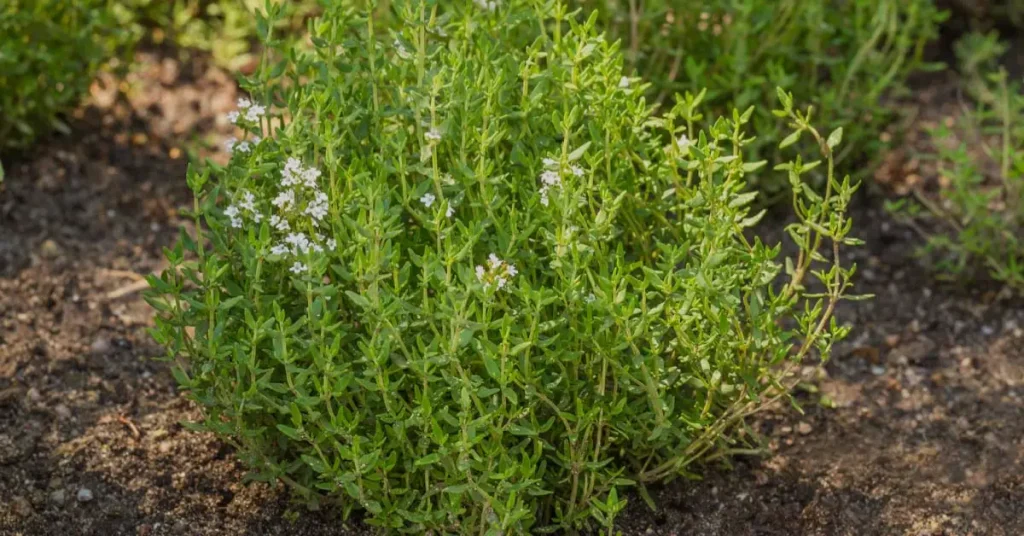
Thyme is a low-growing perennial herb. It forms compact mats or small woody clumps, usually growing 6–12 inches tall.
It prefers full sun and well-drained, slightly sandy soil. Like rosemary, thyme thrives in dry conditions and does not tolerate excessive moisture.
Cucumbers need regular watering and nutrient-rich soil to support vine growth and fruit production. When thyme is planted near cucumbers, irrigation schedules favor cucumbers, leaving thyme vulnerable to root stress and fungal problems.
In my own garden layout, I always group thyme with other Mediterranean herbs where drainage is excellent and watering is minimal.
Why Avoid
Dry soil preference.
Sensitive to overwatering.
Different nutrient needs.
Final Thoughts
Companion planting is not about strict rules. It is about understanding plant relationships.
When you grow cucumbers with nitrogen-fixing legumes, pest-repelling herbs, and pollinator-attracting flowers, you create a balanced system. I have seen stronger vines, fewer pest outbreaks, and better yields when companions are chosen carefully.
At the same time, avoiding aggressive vines and incompatible herbs saves you from preventable problems.