How To Grow Chamomile (Guide From Planting to Drying)

There’s something truly special about ending your day with a warm, soothing cup of chamomile tea. The gentle, apple-like sweetness, the way it melts away the stress of the day… it just feels like a little act of kindness to yourself.
Now imagine growing that calm right in your own garden.
Chamomile is one of those rare plants that’s as beautiful as it is useful. With its delicate white daisy-like flowers and soft, feathery leaves, it looks right at home nestled among your vegetables, tucked into a sunny herb bed, or spilling gracefully over the edge of a container on your patio. It brings a sweet, honeyed fragrance that drifts through the air on warm afternoons, and it turns even the simplest garden corner into something peaceful and inviting.
But chamomile doesn’t just look pretty, it’s a generous garden friend too. It draws in bees, butterflies, and other beneficial insects like a magnet, while its gentle scent is said to help keep some unwanted pests at bay. Companion planting lovers can’t stop raving about it.
And the tradition goes back centuries. The ancient Greeks, Egyptians, and Romans treasured chamomile for everything from soothing inflamed skin to easing a restless mind. Today, we still reach for those dried flowers to make a simple cup of tea that calms the nerves, settles an uneasy stomach, and gently invites sleep.
So why not make this the year you grow your own?
It’s surprisingly easy, wonderfully rewarding, and there’s nothing quite like harvesting your own chamomile flowers and turning them into that evening cup of comfort. Lets learn how to grow chamomile in your yard.
Chamomile Plants
Chamomile plants are light, airy, and delicate in appearance. They grow thin green stems with soft, feathery leaves. The flowers bloom in late spring to summer. Each flower has a bright yellow cone-shaped center and white petals that spread outward.
The plant height depends on the type. Some stay low and spread across the ground. Others grow upright up to 2 feet tall. The scent is sweet and fresh. When you crush the flowers gently, you will notice a strong apple-like fragrance.
Plant Physiology
Chamomile is a shallow-rooted herb. Its root system is fibrous and spreads near the topsoil. Because of this, it prefers loose, well-drained soil.
It performs photosynthesis through its fine, thread-like leaves. These leaves have a large surface area, even though they look thin.
The yellow center of the flower is made of many tiny tubular florets. These florets produce seeds after pollination. The white petals help attract insects. Once pollinated, the plant directs energy toward seed production.
Chamomile grows fast in cool to mild temperatures. It responds well to full sun but also tolerates light shade. Too much heat may reduce flowering.
The flowers contain essential oils like chamazulene and bisabolol, which give them their calming, anti-inflammatory properties.
Types of Chamomile to Grow
There are two main types of chamomile gardeners can grow.
German Chamomile (Matricaria Chamomilla)
Matricaria chamomilla, commonly known as chamomile, German chamomile, Hungarian chamomile, wild chamomile, blue chamomile, or scented mayweed is an annual plant. It grows upright and can reach 18 to 24 inches tall. It produces many small flowers. This type is mostly used for herbal tea.
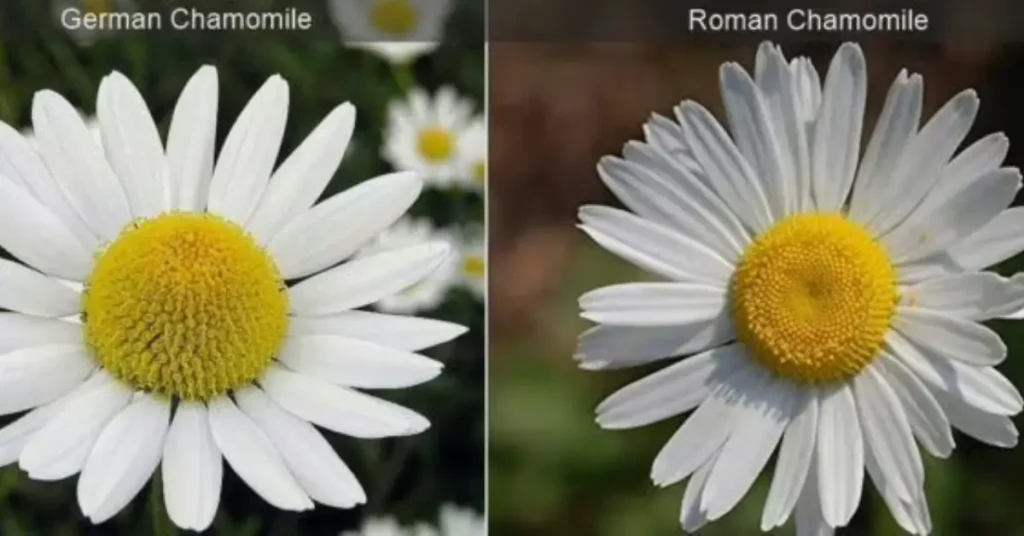
The flower center is hollow inside. This is one way to identify it. It reseeds easily, so once you plant it, it may return every year from fallen seeds.
If you want large harvests for tea, this is the best type to grow.
Roman Chamomile (Chamaemelum Nobile)
Roman chamomile is a perennial. It grows low and spreads like ground cover. The height stays around 6 to 12 inches.
The flower center is solid, not hollow. The leaves are slightly thicker than German chamomile. It works well for borders, pathways, and lawn alternatives.
If you want a plant that comes back every year from roots, choose this one.
German Chamomile vs Roman Chamomile
| Feature | German Chamomile | Roman Chamomile |
|---|---|---|
| Common Name | German Chamomile | Roman Chamomile |
| Scientific Name | Matricaria chamomilla | Chamaemelum nobile |
| Plant Family | Asteraceae (Daisy family) | Asteraceae (Daisy family) |
| Plant Type | Annual herb | Perennial herb |
| USDA Hardiness Zones | 2–8 (grown as annual) | 4–9 |
| Mature Height | 18–24 inches | 6–12 inches |
| Plant Spread | 8–12 inches | 12–24 inches (spreading habit) |
| Growth Habit | Upright, branching stems | Low-growing, creeping |
| Flower Color | White petals, yellow hollow center | White petals, yellow solid center |
| Bloom Time | Late spring to summer | Late spring to early fall |
| Sunlight | Full sun (6+ hours) | Full sun to light shade |
| Soil Type | Well-drained, sandy or loamy | Well-drained, light soil |
| Soil pH | 5.6–7.5 | 5.6–7.5 |
| Water Needs | Moderate, avoid soggy soil | Low to moderate |
| Root System | Shallow, fibrous | Shallow, spreading roots |
| Fragrance | Sweet, apple-like scent | Strong apple fragrance |
| Main Use | Herbal tea, medicinal herb | Ground cover, tea, ornamental |
How To Grow Chamomile
Choosing the Right Location
Chamomile, both German (Matricaria chamomilla) and Roman (Chamaemelum nobile), is hardy in USDA Zones 4–9. Chamomile grows best in a sunny spot. It needs at least 6 hours of direct sunlight daily. In hot climates, light afternoon shade helps protect it from stress.
I always pick a place with good air flow. This reduces fungal problems and keeps plants healthy.
If growing indoors, place the pot near a bright window with direct sunlight.
Soil
Chamomile prefers light, sandy, and well-drained soil. Heavy clay soil causes root problems. The ideal soil pH is between 5.6 and 7.5. Slightly acidic to neutral soil works best.
Before planting, loosen the top 6–8 inches of soil. Mix in compost. Do not add too much fertilizer. Rich soil leads to more leaves and fewer flowers.
How to Plant Chamomile from Seeds
Chamomile grows easily from seeds.
Sow seeds directly into the garden after the last frost. You can also start them indoors 4–6 weeks before the last frost date.
Scatter seeds on top of the soil. Do not cover them deeply. They need light to germinate. Press them gently into the surface. Water lightly to keep soil moist. Seeds usually germinate in 7–14 days.
Once seedlings are a few inches tall, thin them. Leave about 6–8 inches space between plants for good air movement. Chamomile starts flowering about 60 to 90 days after planting, usually in early to mid-summer, and continues blooming until frost.
Watering Requirements
Chamomile does not like soggy soil. Overwatering causes root rot.
Water young plants regularly until they establish roots. After that, water only when the top inch of soil feels dry.
In my garden, I water once or twice a week depending on weather. During rainy seasons, I reduce watering.
Fertilizing Chamomile
Chamomile does not need heavy feeding. Too much nitrogen reduces flower production.
If your soil is poor, add compost before planting. During the growing season, a light organic liquid feed once a month is enough.
Avoid strong chemical fertilizers.
Temperature and Climate
Chamomile grows well in cool to moderate weather. The ideal temperature range is 60–68°F (15–20°C).
German chamomile grows as an annual in most climates. Roman chamomile survives mild winters and comes back in spring.
In very hot areas, flowering slows down in peak summer. Light shade helps reduce stress.
Harvesting
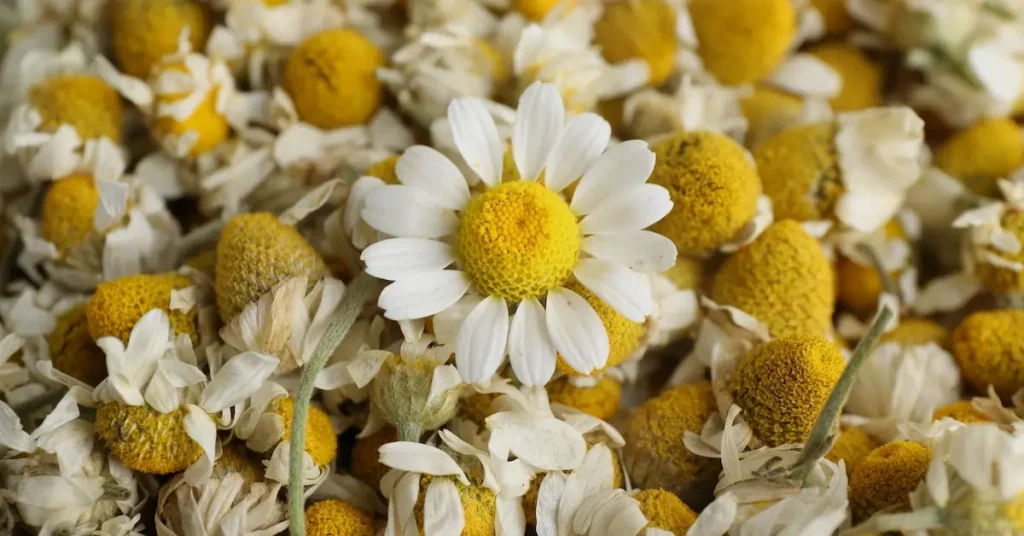
Wait for the blooms to fully open, then pinch or cut the flowers off the plant’s stems, and leave the rest of the stems in place to rebloom. Try to take your harvests in midday when the weather is warm and dry, and make sure to leave some flowers in place for hungry bees.
Pests and Problems
Chamomile has few pest issues. Sometimes aphids appear on young growth.
Powdery mildew may develop in humid conditions. Good spacing and air flow help prevent this. Avoid overhead watering late in the evening.
Aphids
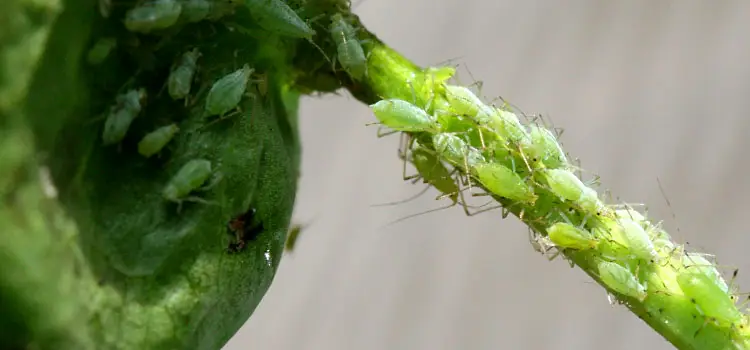
Small, soft-bodied pear-shaped insects less than three millimeters long are usually aphids. Depending on species and plant, aphids may be beige, green, yellow or almost black.
Check plants often for early outbreaks. Clip off and compost stems holding aphid clusters. Encourage beneficial insects including lady beetles, syrphid flies, and lacewings, which are aphid predators.
Managing Outbreaks
In small outbreaks, a high pressure spray from the garden hose can help remove aphids from plants. Follow up with two applications of insecticidal soap, once a week. Be sure to apply the soap spray to leaf undersides and crevices.
Slug
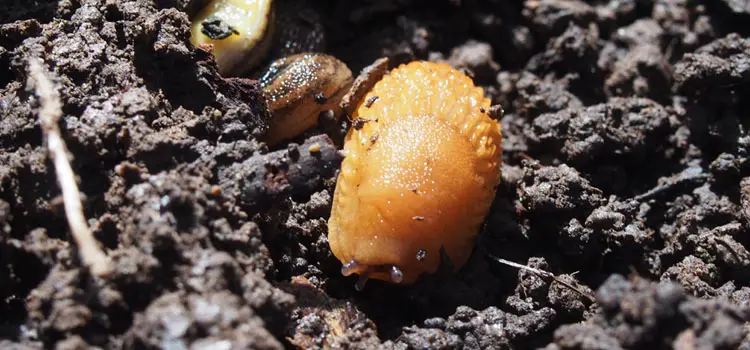
Slugs and snails chew holes with smooth edges in leaves and fruits, and small seedlings can be consumed entirely. Slug and snail feeding is most intense at night or during periods of rainy weather.
Slugs are easily lured into pit traps made by placing an inch of beer in a small open container, and sinking it up to its rim in soil or mulch. Small slugs that are actively feeding on plants can be controlled with caffeine sprays made from cold coffee. When slugs are out of control despite the use of preventive measures, use slug baits.
Thrips
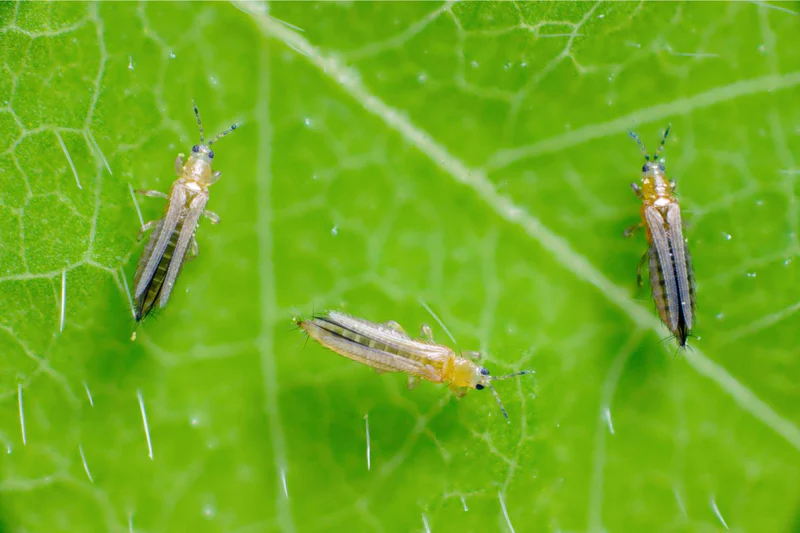
Finding thrips on plants can be challenging due to their small size and their ability to hide in various nooks and crannies. At first glance, dark spots on leaves can be mistaken for dirt. But it could be thrips poop. See for specific damage patterns on your plant such as flecked, discolored, or silvery-speckled leaves.
A forceful spray of water can wash the thrips off your plants. Repel Thrips with Companion Plants like basil, rosemary, oregano.
Use Neem oil. Mix 1–2 tsp per quart of water with a bit of mild soap as an emulsifier. It disrupts their feeding and reproduction. Spray in the evening to avoid harming pollinators and to prevent leaf burn in sunlight.
How To Store Chamomile
Spread fresh flowers in a single layer on a mesh tray or screen in a warm, dark, well-ventilated place (out of direct sun). They’ll dry in 1–2 weeks. You can also use a dehydrator on the lowest setting (around 95°F/35°C) for 12–18 hours. Once completely dry and crisp, store in an airtight jar in a cool, dark cupboard. Properly dried chamomile keeps its fragrance and benefits for up to a year.
Using Your Homegrown Chamomile
The classic use is tea: steep 1–2 teaspoons of dried flowers in hot water for 5–10 minutes. It’s wonderful for winding down in the evening. You can also add fresh or dried flowers to baths, potpourri, or even salads for a mild apple-like flavor.
I hope it helped and you are surely going to grow chamomile this season.