11 Plants That Keep Bugs Away in Your Garden
Bugs in the garden are annoying. You step outside on a warm evening and the mosquitoes find you in seconds. Or you check on your tomatoes and the aphids have already moved in.
Before you reach for a chemical spray, try something simpler. Some plants just naturally keep bugs away. They’ve been doing it for thousands of years, long before pest control was even a thing.
Continue reading about the 11 plants that keep bugs away.
List of Plants That Keep Bugs Away
- Marigolds – repel aphids, mosquitoes, and nematodes
- Rosemary – deters cabbage moths, bean beetles, and carrot flies
- Lemongrass – natural citronella, repels mosquitoes
- Nasturtiums – trap crop for aphids, repels whiteflies and squash bugs
- Garlic – repels aphids, spider mites, and Japanese beetles
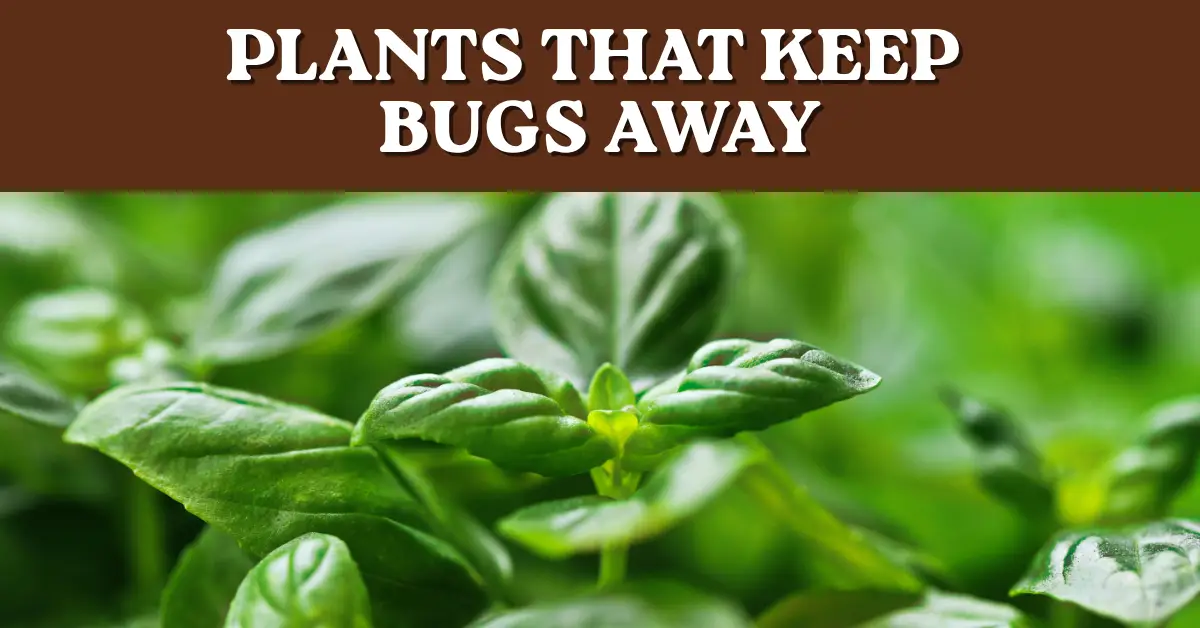
- Basil – drives away flies, mosquitoes, and thrips
- Chives – repels aphids, carrot flies, and Japanese beetles
- Peppermint – deters ants, aphids, flea beetles, and mice
- Lavender – repels moths, fleas, flies, and mosquitoes
- Catnip – proven mosquito repellent, also deters cockroaches and aphids
- Petunias – repel aphids, tomato hornworms, and leafhoppers
Marigolds
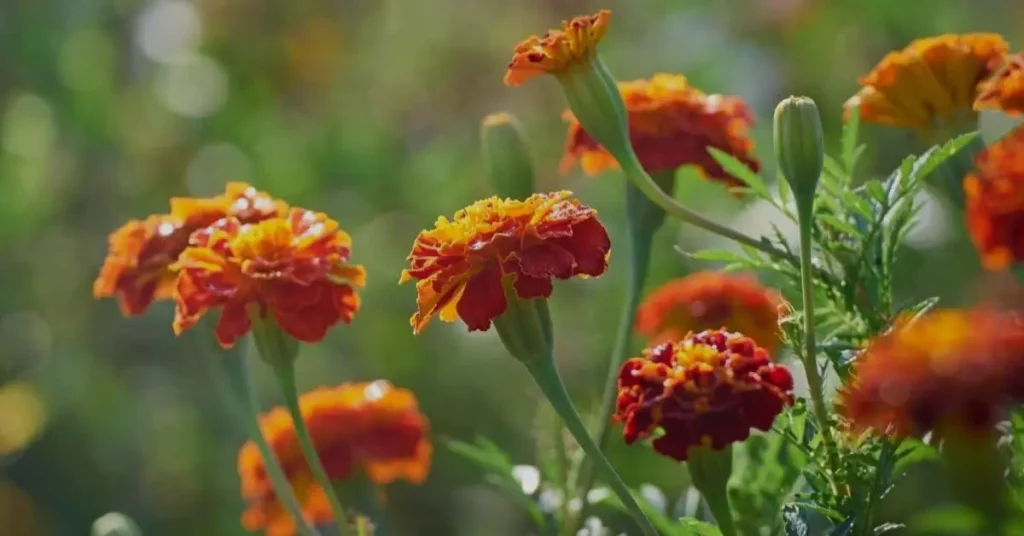
If there’s one plant every gardener should have, it’s the marigold. These cheerful, sun-colored flowers do far more than brighten up a garden bed, they’re one of nature’s most powerful pest deterrents.
What Bugs They Repel: Marigolds are particularly effective against aphids, whiteflies, mosquitoes, and soil-dwelling nematodes. They also help keep Mexican bean beetles and tomato hornworms at bay.
Marigolds release a strong scent from their roots and foliage that many insects find deeply unpleasant. French marigolds (Tagetes patula) in particular produce a natural chemical called alpha-terthienyl from their roots, which suppresses nematode populations in the soil.
Where to Plant Them: Plant marigolds as a border around your garden beds or interplant them directly with tomatoes, peppers, and squash. They work best when planted densely rather than as lone scattered plants. The more, the merrier and the more effective.
Marigolds are edible, the petals can be tossed into salads. They also attract pollinators like bees and butterflies, and they’re low-maintenance. Plant once and they’ll often self-seed year after year.
Rosemary
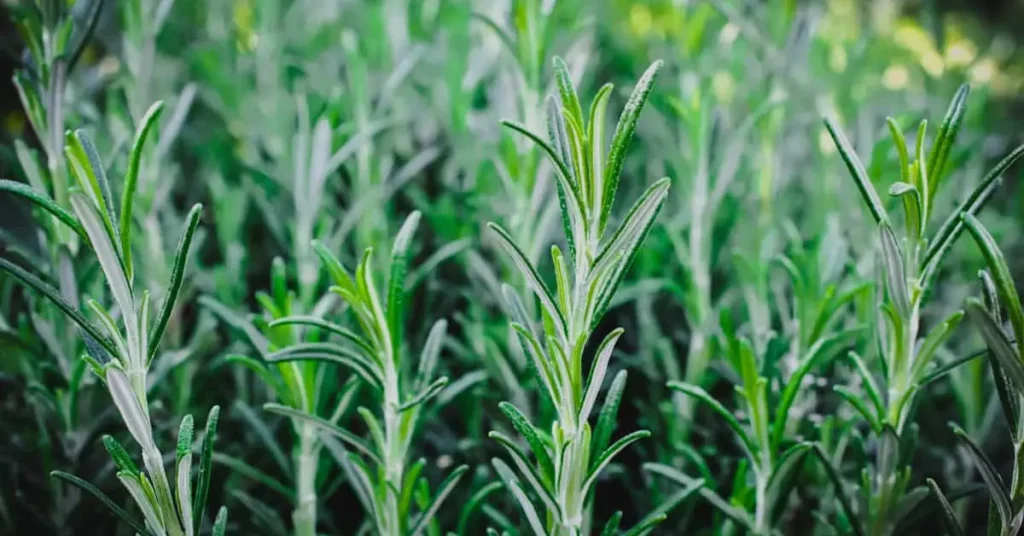
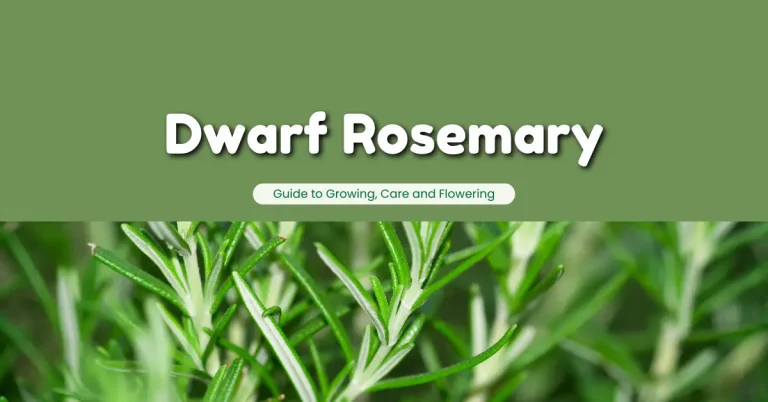
It’s a beloved culinary herb and one of the most reliable bug repelling plants you can grow. Its sharp, piney scent that we find so appealing in the kitchen is precisely what sends pests running.
Rosemary is effective against cabbage moths, bean beetles, and carrot flies. It also deters mosquitoes, slugs, and the Mexican bean beetle.
The strong aromatic oils in rosemary’s needle-like leaves, camphor and eucalyptol act as a natural insect repellent. These compounds interfere with pests’ ability to locate their preferred host plants nearby, essentially masking the scent of your vegetables.
Rosemary thrives alongside brassicas like cabbage, broccoli, and kale, where it confuses cabbage moths looking to lay their eggs. It also pairs brilliantly with beans and carrots. Plant it at the edges of beds or as a low hedge border.
Rosemary is evergreen in mild climates, it works as a year-round pest barrier. It attracts beneficial pollinators, drought-tolerant once established, and of course you can snip sprigs straight into your cooking any time you like.
Lemongrass
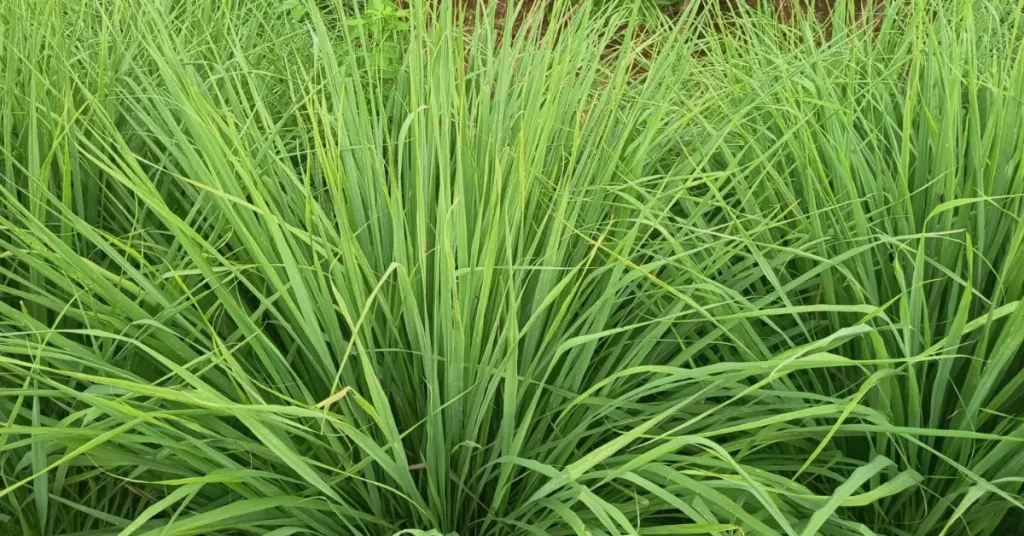
If mosquitoes are your biggest garden complaint, lemongrass is your answer.
Although it is most famous for repelling mosquitoes, it also deters flies, gnats, and other flying insects that make outdoor time miserable.
Lemongrass contains citronella oil, the same active compound found in citronella candles and sprays. The scent is strong enough to mask the body heat and carbon dioxide cues that mosquitoes use to track humans, effectively making you harder to find.
Plant lemongrass in large clumps near seating areas, patios, or garden entrances where you spend the most time outdoors. It grows tall and fast often reaching 3 to 5 feet, so it works beautifully as a natural screen or border plant. It loves full sun and warm weather. In cooler climates, grow it in pots and you can bring it indoors before the first frost.
Lemongrass is a staple ingredient in Southeast Asian cooking soups, curries, and teas. It’s also used in natural skincare and aromatherapy. Few plants offer this combination of culinary value, visual drama, and pest control all in one.
Nasturtiums
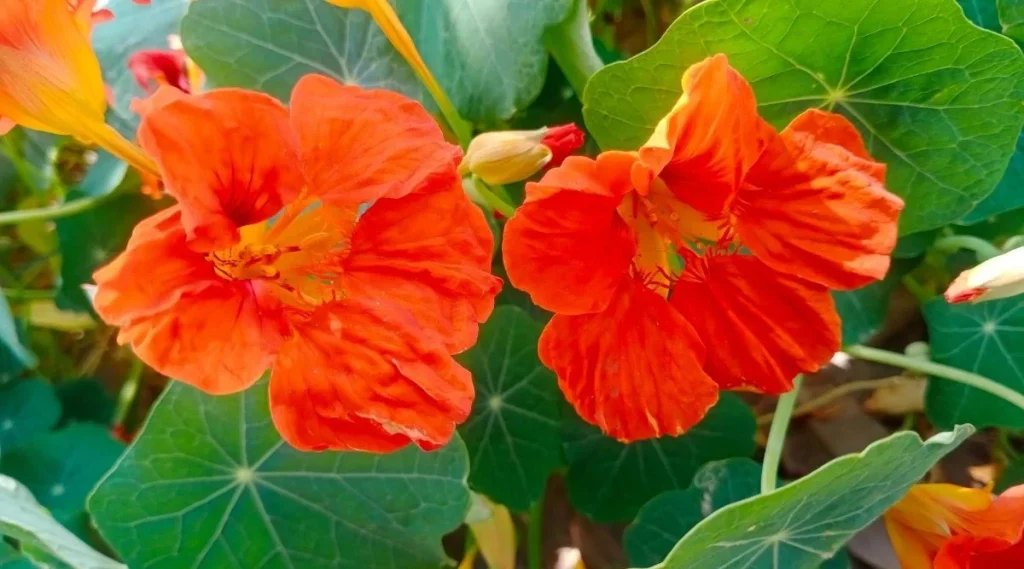
Native To South and Central America, particularly Peru and Bolivia, Nasturtiums were brought to Europe by Spanish conquistadors in the 16th century, originally valued as a medicinal plant before gardeners discovered their pest-trapping superpowers.
Nasturtiums act as a trap crop for aphids, whiteflies, and squash bugs, drawing them away from surrounding plants. They release airborne chemicals that actively repel cucumber beetles and woolly aphids.
Nasturtiums emit a mustard oil compound through their leaves that attracts pests, aphids like a magnet. Plant nasturtiums as a border around vegetable beds or interplant them generously between squash, cucumbers, and brassicas. They sprawl beautifully and fill gaps quickly. They thrive in poor soil.
Every part of the nasturtium is edible, the peppery leaves, vivid flowers, and the seeds. They’re also one of the easiest plants to grow from seed, perfect for beginner gardeners.
Garlic
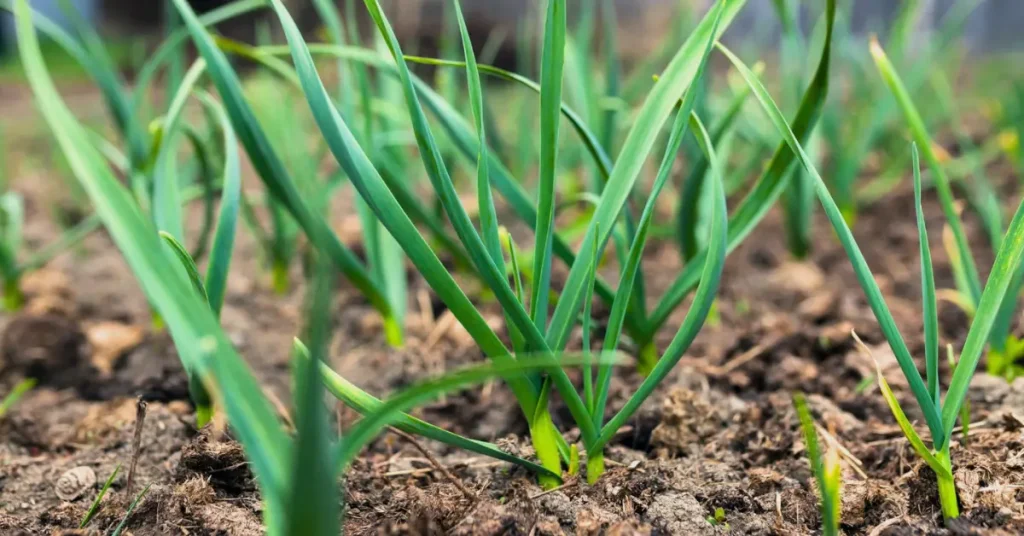
Native to Central Asia, garlic belongs to the Family Amaryllidaceae. Garlic has been cultivated for over 5,000 years, one of the oldest known cultivated plants in human history. Ancient Egyptians fed it to pyramid workers for strength, and Roman soldiers carried it into battle.
Garlic is the plant that garden bugs hate. Its pungent aroma and sulfur compounds, particularly allicin repel garden pests. It is highly effective against aphids, spider mites, Japanese beetles, cabbage loopers, and fungus gnats. It also has a reputation for deterring larger nuisances like rabbits and deer.
Many organic gardeners also make a garlic spray from crushed cloves and water to apply directly to affected plants.
Garlic is an excellent companion for roses, tomatoes, peppers, and fruit trees. Plant cloves in autumn for a summer harvest, and tuck them in borders or between rows of vegetables. Avoid planting near beans and peas, as garlic can stunt their growth.
Beyond pest control, garlic improves the health of surrounding soil, has antifungal properties that help prevent plant diseases, and is of course one of the most indispensable ingredients in kitchens worldwide.
Basil
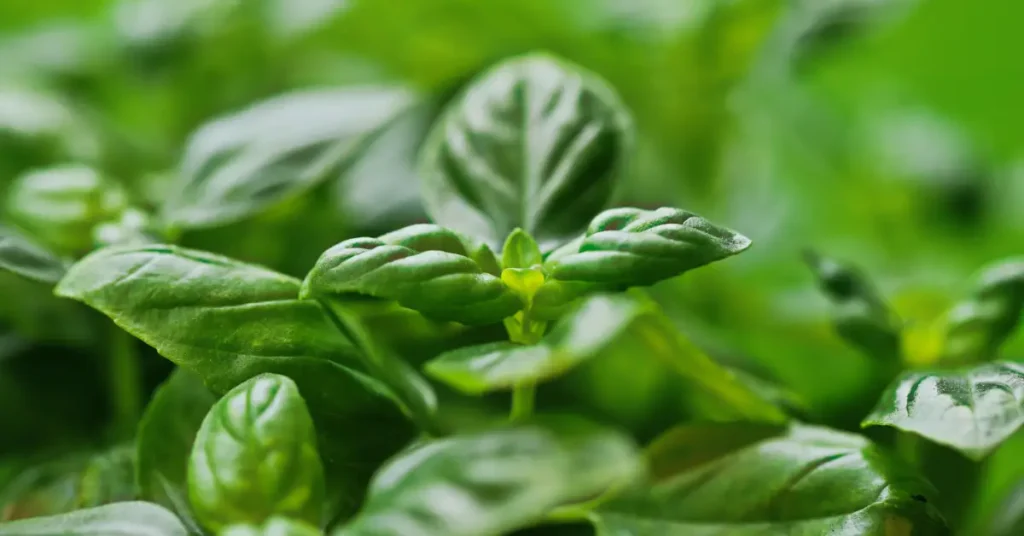
Basil has been grown for more than 4,000 years. It was considered a sacred plant in ancient India and a symbol of love in Italy. It traveled along old spice trade routes and eventually found its way into gardens and kitchens all over the world.
Most people grow basil to eat. But this humble herb also keeps your garden safe. Basil keeps away mosquitoes, flies, aphids, and thrips. It also helps protect nearby plants from spider mites.
Basil has strong natural oils in its leaves, mainly linalool and eugenol. Bugs hate the smell of these oils. Basil and tomatoes are best friends in the garden. Plant them side by side and they help each other thrive. Basil also does well next to peppers and oregano. Keep it in a sunny spot with regular watering and it will grow quickly through the warmer months.
Fresh basil is one of the most useful herbs in the kitchen — pesto, pasta, salads, and sauces all love it. It’s also easy to grow in pots on a windowsill or balcony if garden space is limited.
Chives
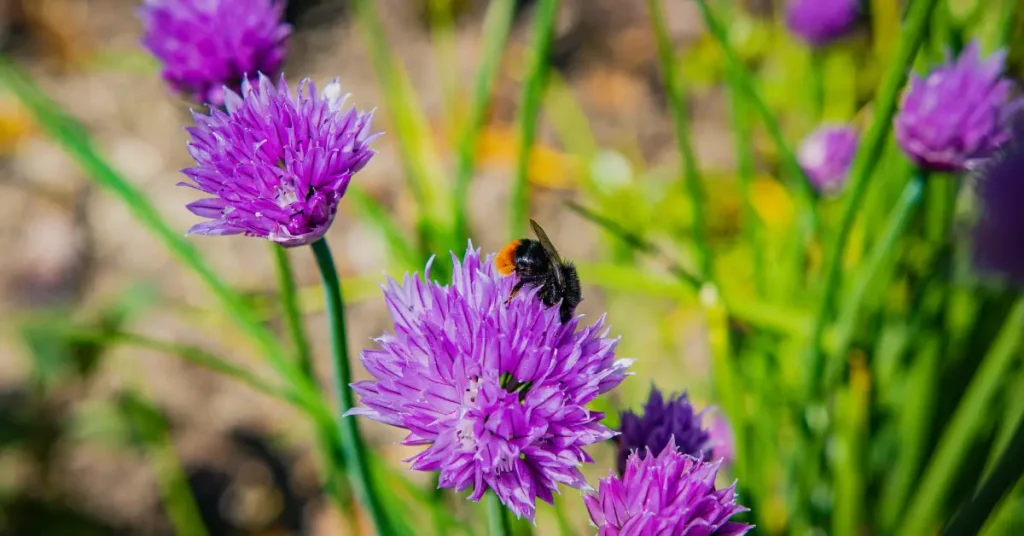
Chives look small and delicate, but they pack a serious punch when it comes to keeping unwanted bugs out of your garden.
Like garlic and onions, chives belong to the allium family. They produce sulfur compounds that bugs find harsh and unpleasant.
They are effective against aphids, carrot flies, and Japanese beetles. They also help deter slugs and mites from nearby plants.
Chives work great next to carrots, tomatoes, and roses. They are best companion plant for carrots. The strong scent confuses carrot flies and stops them from finding their target. Plant them in clumps along bed borders or between rows. They also grow very well in pots.
Chives are easy to grow, come back every year, and need very little care. Their pretty purple flowers attract bees and other helpful pollinators. The flowers are also edible and look beautiful sprinkled over salads. And of course, snip the leaves straight into eggs, soups, or dips anytime you like.
Peppermint
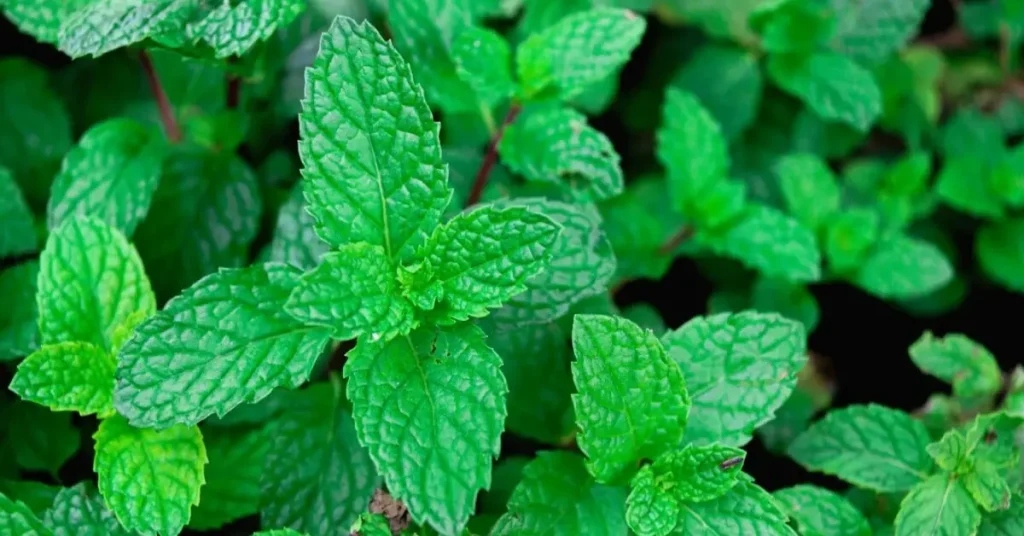
Peppermint is a natural hybrid, a cross between watermint and spearmint. It was first described by botanists in England in the late 1600s. It spread quickly across Europe and was soon used in medicine, food, and home remedies. Today it is one of the most widely grown herbs in the world.
That sharp, cool, refreshing scent we love is deeply unpleasant to a long list of garden pests.
Peppermint repels ants, aphids, flea beetles, mosquitoes, and cabbage moths. It is also known to deter mice and other small rodents from entering the garden.
Peppermint contains high levels of menthol and menthone, powerful natural compounds that overwhelm the senses of insects. Bugs rely heavily on smell to find food and navigate. Peppermint jams that signal, making it hard for them to function near it.
Plant peppermint near cabbage, broccoli, and tomatoes. One important tip, peppermint spreads aggressively and can take over a garden bed very quickly. The easiest solution is to grow it in pots and place those pots around the garden.
Lavender
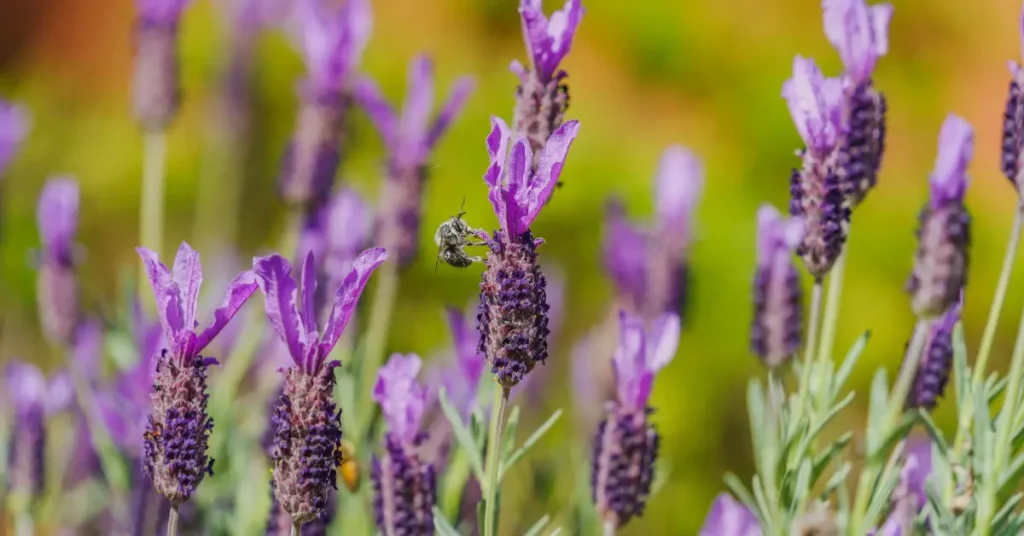
Native To the Mediterranean region, mainly southern Europe and northern Africa Lavender belongs to the family Lamiaceae (the mint family). It has been used for over 2,500 years. The ancient Romans used it to scent their baths, in fact the name comes from the Latin word lavare, meaning “to wash.” It was later used in perfumes, medicine, and even to ward off the plague in medieval Europe. Today it is one of the most popular garden plants in the world.
Lavender repels mosquitoes, moths, flies, fleas, and ticks. It is particularly good at keeping clothes moths away and for this dried lavender sachets have been used in wardrobes.
Lavender produces a strong essential oil, linalool and linalyl acetate, that is intense and disorienting for insects. These compounds block the smell receptors that bugs use to find food and shelter. The scent is strongest on warm sunny days, which is also when most insects are most active.
Plant lavender along pathways, near seating areas, or as a low border hedge around vegetable beds. It pairs well with roses, keeping aphids and other rose pests at bay. Avoid overwatering, lavender thrives on a little neglect.
Catnip
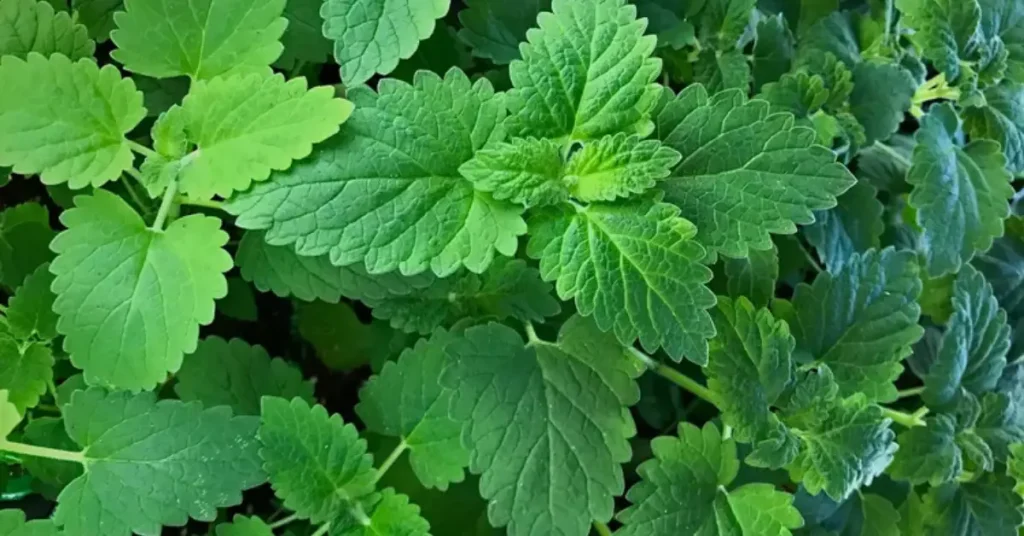
Catnip has been grown in Europe for centuries, used as a medicinal herb long before anyone noticed cats going crazy over it. It was commonly brewed as a tea to treat headaches and anxiety. European settlers brought it to North America in the 1600s and it quickly spread across the continent, today it grows wild in many parts of the world.
Most people know catnip as a treat for cats. But researchers have found that this easy growing plant is a powerful natural mosquito repellents and in some studies even more effective than DEET, the chemical used in commercial bug sprays.
Catnip contains a compound called nepetalactone that activates a pain and irritation in bugs. It is highly effective against mosquitoes, cockroaches, aphids, and flea beetles. It also deters termites and deer ticks.
Grow Catnip along garden borders and beside vegetable beds. It is a fast and hardy grower that needs very little attention. Like peppermint, it can spread quickly so growing it in pots is a smart idea.
Petunias
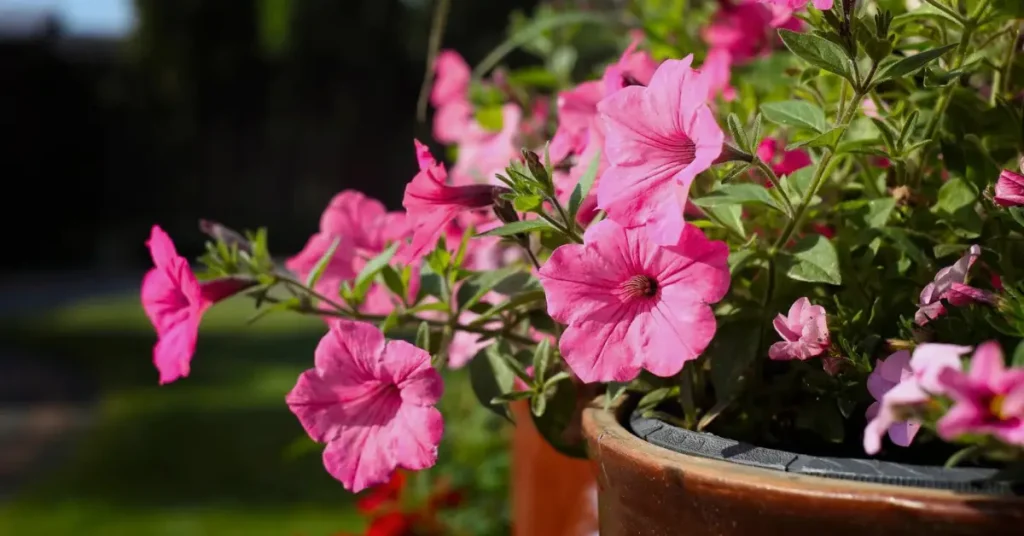
Petunias are planted purely for their looks and they are beautiful in gardens. These colorful flowers also work as pest repellers. They repel aphids, tomato hornworms, squash bugs, leafhoppers, and asparagus beetles. They are the flowering plants that actively deter such a wide range of vegetable pests.
Petunias produce a natural sticky substance on their stems and leaves that traps and deters small insects. They also release a mild chemical scent that confuses and repels pests that target common vegetables like tomatoes, squash, and beans.
Petunias are excellent companions for tomatoes, peppers, squash, and beans. Plant them in between vegetable rows or along the edges of beds. They love full sun and grow well in both garden beds and hanging baskets. Their trailing varieties are perfect for lining the borders of raised beds.
I hope you liked these 11 plants that keep bugs away.