How To Get Rid of Squirrels in Garden (15 Methods)
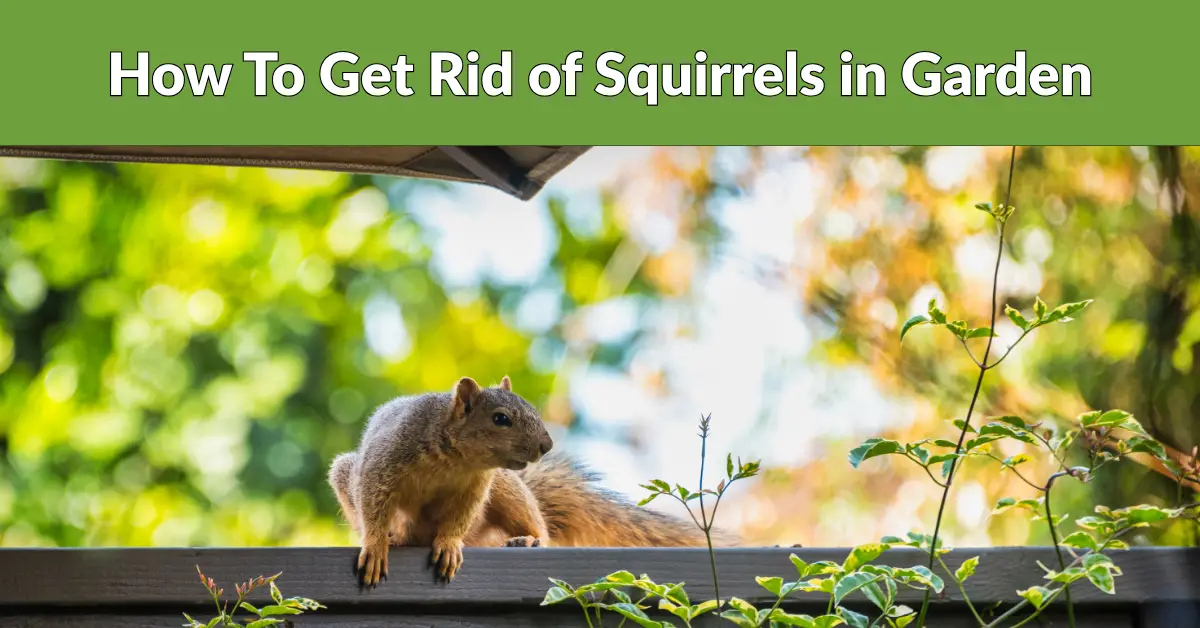
Squirrels are small to medium sized rodents belonging to the family Sciuridae. They’re found on every continent except Antarctica and Australia. The most common types are:
- Gray squirrels — the classic backyard visitor
- Red squirrels — smaller and more territorial
- Ground squirrels — burrow underground
- Flying squirrels — glide between trees using a skin flap
They’re highly adaptable, clever, and known for their bushy tails and habit of burying food (like nuts and seeds) to eat later in winter.
In this guide you will learn how to get rid of squirrels in garden in 15 ways.
How Do Squirrels Damage Gardens?
Yes, they can be quite the nuisance! Here’s how:
Digging Up Bulbs: Squirrels love to dig up freshly planted bulbs, tulips, crocuses, and hyacinths are prime targets. They either eat them or mistake the disturbed soil for a good food-hiding spot.
Eating Fruits & Vegetables: They snack on tomatoes, strawberries, corn, and squash, often taking just one bite before moving on, which is incredibly frustrating!
Raiding Bird Feeders: Squirrels are notorious for stealing birdseed, sometimes demolishing feeders.
Stripping Tree Bark: They gnaw on bark and branches, which weaken or kill young trees over time.
Digging Random Holes: When burying or retrieving their food caches, they leave unsightly holes all over your lawn and flower beds.
Eating Seedlings: Young, tender plant shoots are easy pickings, squirrels munch right through a newly sprouted patch.
Pro tip:The most effective approach is combining multiple methods at once. Squirrels are smart and adapt quickly to a single deterrent.
15 Methods To Keep Squirrels Out of Garden
Method 1: Cayenne Pepper
Cayenne pepper is one of the easiest and cheapest fixes you can start. Squirrels have a very sensitive sense of smell and taste, and the capsaicin in cayenne pepper is unbearable to them. The best part? It won’t harm your plants at all.
Simply take cayenne pepper powder and sprinkle it generously around the base of your plants, flower beds, and bulb areas. You can also mix it with water in a spray bottle and spray it directly on leaves and soil. Reapply after every rainfall since water washes it away. For extra strength, mix cayenne with a little dish soap, this helps it stick to surfaces longer.
Method 2: Garlic Spray
Squirrels absolutely cannot stand the smell of garlic. It overwhelms their senses and makes your garden a very unwelcoming place for them.
To make the spray, crush 4–5 garlic cloves and mix them into a litre of water. Let it sit overnight so the smell fully infuses. Then strain it into a spray bottle and apply it around your garden beds, pots, and the base of trees. Spray every 3–4 days for best results. It’s completely natural, safe for pets and plants, and cost effective.
Method 3: Predator Urine
Squirrels are prey animals, they’re always on the lookout for predators like foxes and coyotes. When they smell predator urine, their survival instinct kicks in and they avoid the area completely.
Buy fox or coyote urine granules or liquid from garden centres or online. Sprinkle or spray it around the perimeter of your garden. Reapply every week or after heavy rain. This method works especially well in larger garden spaces where physical barriers aren’t practical. Just keep it away from areas where children or pets play regularly.
Method 4: Motion-Activated Sprinklers
Motion-activated sprinklers detect movement and shoot a sudden burst of water at anything that triggers them including squirrels. It startles them completely and over time they associate your garden with danger and stop coming back.
Set the sprinkler up at the entry points of your garden or near your most affected plants. Brands like Orbit Yard Enforcer are popular and affordable. These devices also work on other garden pests like birds, cats, and rabbits. The only downside is you need to be careful not to walk through your own garden and get soaked.
Method 5: Wire Mesh / Hardware Cloth
If squirrels are digging up your bulbs, this method is best. Wire mesh creates a physical barrier they simply cannot get through.
When planting bulbs, lay a sheet of wire mesh or hardware cloth flat over the bed and secure it with garden staples. You can also shape it into a cage around individual plants. Use mesh with holes no larger than 1 inch so paws can’t reach through. For vegetable patches, build a simple frame and drape the mesh over it like a tent. It’s a one-time investment that protects your garden season after season.
Read: DIY Fencing Ideas To Keep Squirrels Out of Garden
Method 6: Row Covers & Netting
Row covers and netting are like giving your plants their own protective shield. They’re lightweight fabrics or mesh covers that sit directly over your plants and stop squirrels from getting anywhere near them.
You can buy garden netting from any garden centre very cheaply. Simply drape it over your vegetable rows, strawberry patches, or flower beds and secure the edges with stones, pegs, or soil. For a more structured setup, use wire hoops to create a tunnel frame and lay the netting over it, this keeps it off the plants and gives them room to grow.
The netting still allows sunlight, air, and rain through so your plants are completely unaffected. This method works brilliantly for fruit and vegetable gardens where squirrels do the most damage.
Method 07: Ultrasonic Repellers
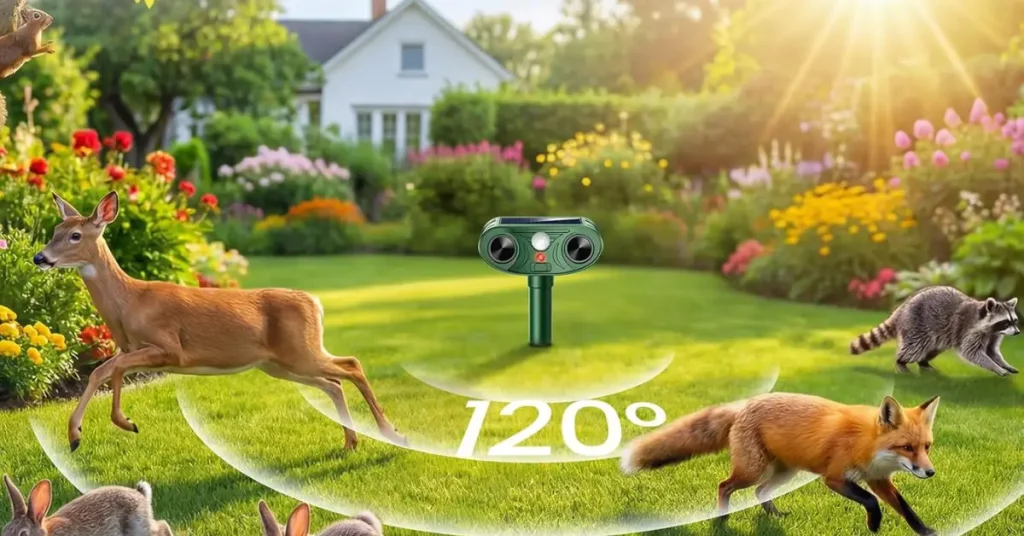
Ultrasonic repellers are small electronic devices that emit high-frequency sound waves that humans can’t hear but squirrels find extremely uncomfortable. It’s like having a constant alarm going off in their ears every time they enter your garden.
You simply plug them into the ground at the edges of your garden and switch them on. Most devices cover a range of 30–50 feet and are solar powered, so no wiring or batteries needed. Brands like Aspectek and Broox solar animal repellent are well rated and affordable.
One important tip, move them around every couple of weeks because squirrels can eventually get used to a static sound source. Rotating their position keeps the deterrent effective.
Method 8: Fake Predators
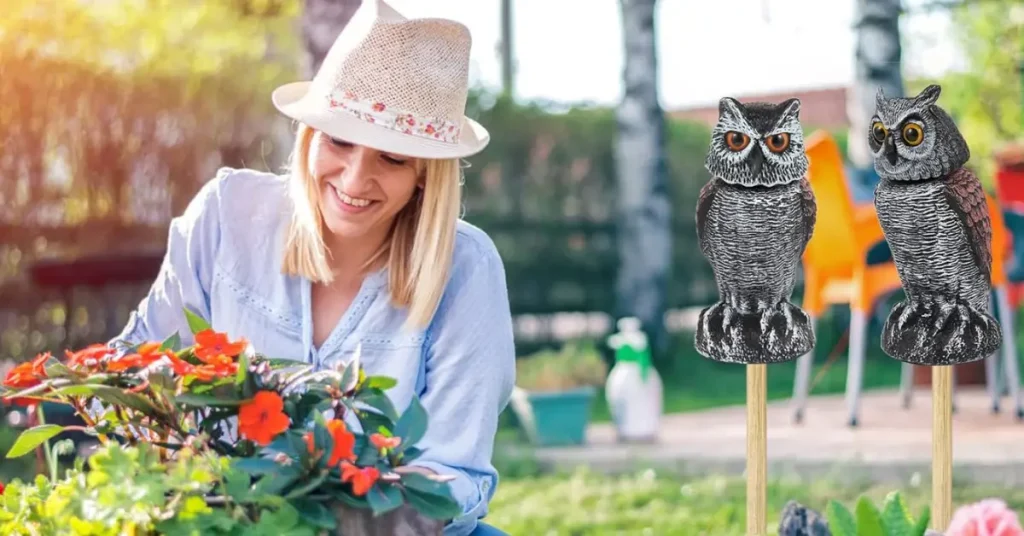
Squirrels are naturally terrified of owls, hawks, and eagles. Placing realistic fake versions of these predators around your garden triggers their instinct to flee and stay away. It’s a completely passive, zero-effort method once set up.
Buy a realistic plastic owl or hawk from a garden store and place it on a fence post, shed roof, or elevated spot with a clear view of the garden. Move it every few days because squirrels are smart and will quickly figure out it’s fake if it never moves. Some models come with rotating heads or reflective eyes which are far more convincing. Combine this with other methods for maximum impact since fake predators alone may not be enough.
Method 9: How To Get Rid of Squirrels in Trees
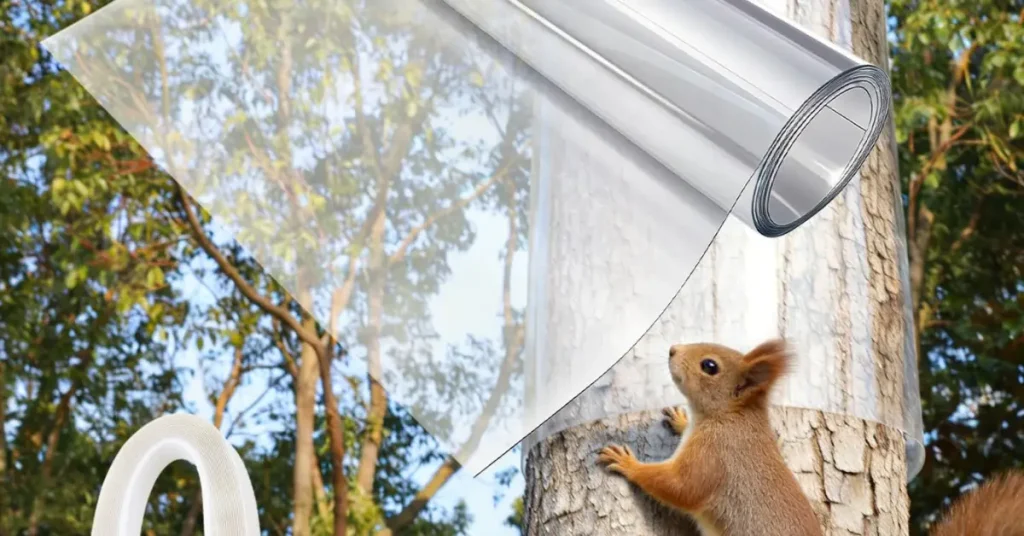
If squirrels are climbing your trees and stripping bark or stealing fruit, a tree collar is best solution. It’s a simple metal band wrapped around the trunk that makes it physically impossible for squirrels to climb past it.
Use a smooth sheet metal collar about 2 feet wide, wrapped around the trunk at least 6 feet off the ground. Make sure no branches from nearby trees hang close enough to give squirrels an alternative jumping route.
Tree collars are especially important for young fruit trees where bark damage can be fatal to the tree. They’re inexpensive, long lasting, and once fitted you barely notice them. Just check them occasionally to make sure the tree hasn’t grown into the collar too tightly.
Another solution is to use climbing barrier. Ideal for use on tree trunks. Whether squirrels are climbing up from the ground or attempting to jump from below, this shield acts as an impassable obstacle. This material is thick, and extremely hard, offering excellent protection against sharp objects. No need to worry about squirrels or raccoons scratching or biting through it.
Method 10: Peppermint Oil
Peppermint oil is a powerful natural repellent that squirrels hate. The intense menthol scent overwhelms their smell receptors and makes any area treated with it feel hostile and unsafe to them.
Soak a handful of cotton balls in pure peppermint oil and place them around your garden near plant bases, along fence lines, inside pots, and at entry points. You can also mix 10–15 drops of peppermint oil with water in a spray bottle and spray it around soil and foliage. Refresh the cotton balls every 5–7 days and reapply the spray after rain. It works well in enclosed spaces like greenhouses or balcony gardens.
Method 11: Live Cage Traps
Physically catch the squirrel and relocate it far away from your garden, no harm done, problem solved.
Buy a humane live cage trap from a garden centre or hardware store. Bait the trap with peanut butter, sunflower seeds, or a piece of fruit. Place the trap near known squirrel paths or feeding spots and check it every few hours. Once caught, relocate the squirrel at least 5 miles away from your home. Always check your local regulations before trapping since some areas require permits for relocating wildlife.
Method 12: Coffee Grounds
This is a brilliant zero-cost method for anyone who makes coffee at home. squirrels strongly dislike used coffee grounds, the sharp, bitter smell interferes with their senses and makes your garden an unpleasant place to be.
Simply collect your used coffee grounds after brewing and scatter them generously around plant bases, flower beds, and garden borders. Work them lightly into the top layer of soil so they don’t blow away. Refresh them every few days and after rainfall. As a bonus, coffee grounds are actually great for your soil, they add nitrogen and improve drainage. So this method pulls double duty as a pest deterrent and a natural fertilizer.
Method 13: Reflective Tape & Pinwheels
Squirrels are easily startled by sudden light and movement. Reflective tape and pinwheels exploit this perfectly, they create unpredictable flashes of light and constant motion that keep squirrels nervous and on edge.
Hang strips of reflective or holographic tape along fence lines, between stakes, and around vulnerable plants. In a breeze it catches the light and sends bright flashes in every direction. Place brightly coloured pinwheels at the edges of your garden where they’ll spin freely. These are especially effective in open sunny gardens where there’s plenty of light and wind to activate them. Replace or reposition them regularly to prevent squirrels from getting comfortable around them.
Method 14: Squirrel-Repelling Plants
Nature has its own built-in squirrel deterrents, certain plants that squirrels naturally avoid due to their smell, taste, or texture.
Daffodils are the most well known, squirrels won’t eat them and avoid areas where they grow. Alliums (ornamental onions) work the same way. Geraniums, mint, and marigolds also repel squirrels effectively with their strong scents. Plant these around the borders and entry points of your garden, or mix them in between your vulnerable plants as a natural shield.
Method 15: Combining Multiple Methods
This is honestly the most powerful method of all and it simply means using several of the above methods together at the same time in a smart, layered strategy.
Squirrels are intelligent and adaptable. If you only use one method, they’ll eventually figure out it’s not a real threat and come back. But when you hit them with multiple deterrents simultaneously, say, cayenne pepper on the soil, a fake owl on the fence, reflective tape along the border, and a motion-activated sprinkler at the gate, they become completely overwhelmed and give up on your garden entirely.
People often ask “How do I get rid of squirrels permanently” and I do honestly advice, there is none a single one. This combined approach is what serious gardeners swear by for long-term, permanent results.
How To Keep Squirrels Out of Your Potted Plants
Potted plants are easy targets. Squirrels dig into them looking for bulbs, nuts, or just out of habit.
Fast fixes for potted plants:
- Cover the soil with pine cones or smooth river rocks. Squirrels can’t dig through them easily.
- Lay a piece of chicken wire over the top of the pot. Cut a hole for the plant stem.
- Press plastic forks into the soil tines-up around the plant. Squirrels hate stepping on them.
- Spray the pot rim and soil with cayenne pepper spray weekly.
- Mix cayenne into the top layer of potting soil. It won’t hurt your plants. Squirrels will hate it.
For bulb pots specifically, plant bulbs deep and cover with a wire mesh lid until they sprout.
FAQs:
Q: Do coffee grounds keep squirrels away? Yes. Squirrels dislike the strong scent. Sprinkle used grounds around plants and refresh them every week or after rain.
Q: Is it cruel to use repellents? No. Most repellents just make the area uncomfortable or smell bad. They don’t hurt squirrels. Live traps are also humane as long as you check them daily.
Q: How do I stop squirrels from digging up my bulbs? Plant bulbs like daffodils and alliums that squirrels naturally avoid. For tulips and other targets, cover beds with hardware cloth right after planting.